Interviewed by Sokol Paja/
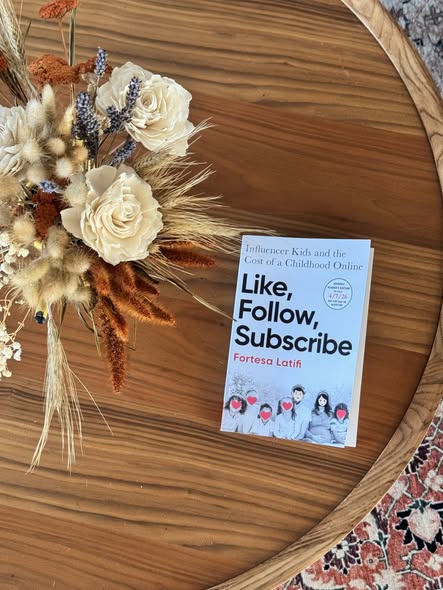
1.Dear Fortesa, our warmest congratulations on your book “Like, Follow, Subscribe: Influencer Kids and the Cost of a Childhood Online.” How do you feel after your book was recognized by The Washington Post?
I’m thrilled that The Washington Post named my book one of the most anticipated releases of 2026. It feels like just yesterday that I was in journalism school and dreaming about a moment like this. I put so much work into this book and to have it validated like this is amazing.
2. How did the idea for this book come about, and what do you think its significance for society will be?
The idea for the book came from stories I reported. I didn’t feel like I had enough time to really focus on them and the idea of having the freedom of writing a book really appealed to me. I also think the topic is incredibly important.
3. What are the main findings of your research on child influencers?
People will have to read the book to find out!
4. How does the child influencer industry operate, and what are the risks of online fame during childhood?
Child influencers are usually posted by their parents, who are sometimes influencers themselves. Content of children does really well online – people love to see kids. The risks of being a child influencer include the risks of loss of privacy, little to no financial protections, and lack of consent.
5. To what extent is children’s privacy at risk, and is ethical responsibility being upheld in child-centered online media content?
There’s a lot of privacy at risk for these kids. I’ve seen countless videos of kids getting potty trained or having medical emergencies. Sometimes I can’t believe what I’m watching, that’s how private it feels. All parents have a different ethical line for what they think is okay to share.
6. What kind of harm do you believe this phenomenon may cause to the development of a healthy childhood for the children involved?
I think the worry is that these kids will have no privacy. Everything about them is online. Everything that has ever happened to them is recorded. I can’t imagine what it must be like to grow up with people knowing that much about you.
7. What kinds of trauma and long-term consequences do children experience when they are placed at the center of media attention for millions of users?
Some kids really love it but some kids I’ve talked to really have trouble moving on from their online fame. Sometimes, people still think of them as their childhood selves or bring up really vulnerable moments from their past. It can be difficult to grow up when you’re constantly faced with a younger version of yourself. There’s also the worry of stalkers and predators.
8. What are the three key messages you would like to convey to parents, children, and leaders of this media industry?
I would tell parents to really consider the possible consequences of putting their children online, especially when it comes to showing them in vulnerable situations. I would tell leaders to really learn about this industry and know the ins and outs before trying to pass laws regarding it. And I would tell children that I hope they get to live their lives the way they want to, without millions of people watching.