Rafaela Prifti/
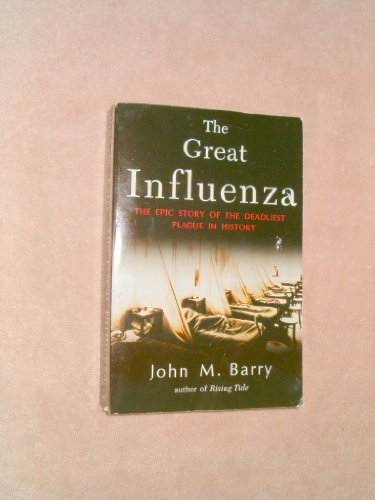
I read John Barry’s essay on the 1918 influenza pandemic eager to understand the parallels with the current coronavirus one, or see if there are any to speak of. It is, among other things, an interesting read on human behavior. Mr. Barry is a distinguished scholar at the Tulane University School of Public Health and Tropical Medicine. Citing accounts and records of the early 20th century influenza pandemic that claimed the lives of at least 50 million people worldwide, Mr. Barry states that a third wave of the respiratory contagion finally subsided in the summer of 1919 . Yet a lethal variant of the virus that had emerged in 1920 caused the death numbers to rise. In some Midwest cities, the mortality rates exceeded the second wave which had seen most of the pandemic’s deaths in the United States. Mr. Barry writes that during the peak of the second wave in the fall of 1918, the majority of cities were under restrictions to blunt the power of the virus. But in the winter of 1920 there was no response by cities and public officials, although the death numbers were climbing. This was happening, he writes, “despite the fact that the U.S. population had plenty of natural immunity from the influenza virus after two years of several waves of infection and after viral lethality in the third wave had already decreased.” It meant that the immune protections of the population and the less deadly variant were no match for a devastating fourth wave. Yet the community and even historians did not acknowledge it. The fourth wave was just ignored. It seems people had moved on before the virus mutated into ordinary seasonal influenza in 1921. A hundred years later, after two years of dealing with SARS-CoV-2, the society has reached at the same point of exhibiting signs of complacence.and experiencing pandemic fatigue.He argues that overconfidence, indifference or weariness, present a real danger now. The Omicron cases are declining overall, the virus is highly transmissible but less virulent and the population’s immune system is being strengthened either by being infected or vaccinated. Yet this is no time to abandon the public health measures. As of January. 27, only 44 percent of the 70 percent of the vaccinated had received boosters, which provide vital protection against severe illness. And about 20 percent of children ages 5 to 11 are fully vaccinated. The result is that the seven-day average for daily Covid-19 deaths in the United States stands at 2,404, an increase of 1.6% since last week’s average and it has surpassed the Delta peak in late September. When it comes to predicting the next variant, past outbreaks of influenza that occurred in the 50s and 60s do not offer encouraging scenarios. There is a reasonable chance that future variants will be less dangerous, but mutations are random. That is what science tells us. What is certain is that the successful variant will elude the immune protection rendering it more dangerous and more lethal.”Such precedents should make us wary,” writes John Barry. Vaccines and the new arrivals of antiviral drugs could end the pandemic, but that depends on their availability on a global scale and on the virus not developing resistance. These are not good odds. For now, the timeline is controlled by the virus and how we wield our current arsenal of protections against it. He calls on the individuals to not let the guard down. “As a society, we have largely abandoned the public health measures… As individuals, we can still act.”John Barry is a distinguished scholar at the Tulane University School of Public Health and Tropical Medicine. He is the author of “The Great Influenza: The Story of the Deadliest Pandemic in History.”