• Home
  • Politics
  • Opinion
  • Culture
  • Sports
  • Economy
  • Interview
  • Reporting
  • Community
  • Vatra

Dielli | The Sun

Albanian American Newspaper Devoted to the Intellectual and Cultural Advancement of the Albanians in America | Since 1909

Jeta

May 9, 2024 by s p

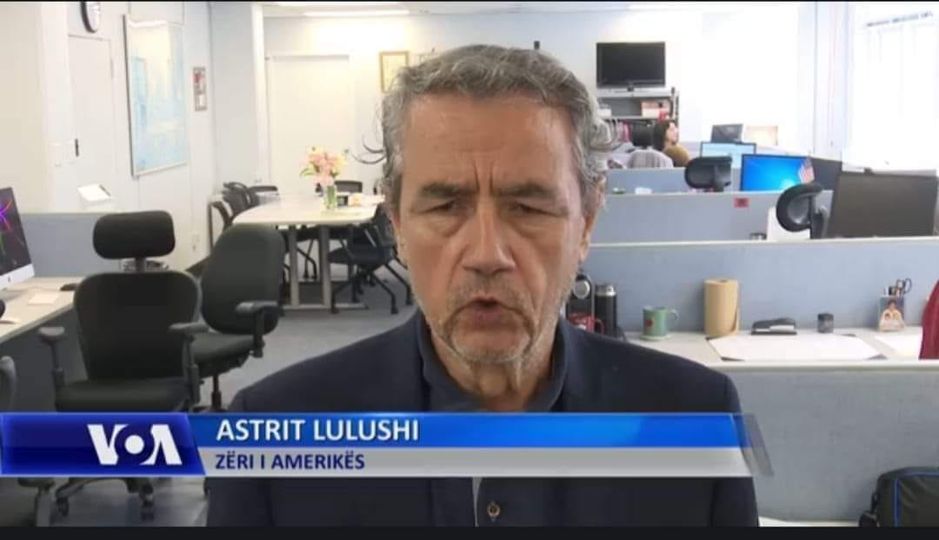
Astrit Lulushi/

Si është natyra e kësaj jete? Le ta përballojmë: jetët tona janë të mjerueshme, të mundimshme dhe të shkurtra. Ne kemi lindur; na jepet aq shumë ushqim sa të mbajmë frymën në trupin. Ata prej nesh që janë të aftë për këtë, detyrohen të punojnë deri në grimcẽn e fundit të forcës; dhe pikërisht në momentin që dobia e tyre ka marrë fund, u japin njē pension të masakruar me një egërsi të tmerrshme. Vetẽ jetojnë nẽ vila.

Jetesa ishte e varfër dhe pas 30 vjetẽsh janë bërë miliarderë, me paratë e atyre që s’kanẽ.

Asnjë nuk e di kuptimin e lumturisë edhe pasi të ketë mbushur moshën. Asnjë nuk është i lirë. Jeta është mjerim: kjo është e vërteta.

Por a është kjo thjesht pjesë e rendit të natyrës? Kështu duhet të jetë? Mos vallë për shkak se vendi është aq e varfër sa nuk mund të përballojë një jetë të denjë për ata që banojnë në të? Jo, një mijë herë jo!

Toka është pjellore, klima e saj është e mirë, është e aftë të ofrojë ushqim me bollëk për një numër jashtëzakonisht më të madh njetëzish sesa banojnë tani. Kjo tokë e jona do të mbante, të gjithë do të jetonin në rehati dhe dinjitet, që tani janë pothuajse përtej imagjinatës sonë.

Pse atëherë vazhdojmë në këtë gjendje?

Sepse pothuajse i gjithë prodhimi i punës sonë vidhet nga ata që gjoja kujdesen për ne. Aty është përgjigja për të gjitha problemet dhe pensionet e vogla. Përmblidhet në një fjalë të vetme – politikanët. Ata janẽ i vetmi armik i vërtetë që kemi. Largoji nga skena dhe shkaku i mungesave, çmimeve të larta, dhe pensioneve të ulta do të zhduket.

Zyrtarët dhe politikanët e sotëm të zhgjedhur janë e vetmja krijesë që konsumon pa prodhuar. Megjithatë thuhet se i kemi dhënë votën, pasi i kanë manipuluar.

Filed Under: ESSE

A sociological view of the family in Abrahamic Faiths

May 8, 2024 by s p

Assoc. Prof. Dr. Genti Kruja

Bedër University

Interreligious Council of Albania

European National Interreligious Bodies,

Religions for Peace Europe

gentikruja@gmail.com

Abstract

The family is the nucleus of society. The education of an individual, and especially of a woman, brings about the building of a healthy family institution, which constitutes the ideal society. But is there an ideal society? According to religion yes. In addition, this is already being proven by scientific studies, which have recently shown that families that are bred by faith have a minimal level of family problems and especially family conflict, parent-child relations, relationship between sister and brothers, or less clash of generations.

From the day man begins to exist, as a still small being, it constantly develops as a burden on the shoulders of parents. In this regard, it is quite impossible to determine and assess the depth of the parent’s compassion towards the child, the limit of the concerns they lift.

Thus, the excellence of a nation and society begins with the family, the family nest raised by the spouses. Started from this, education should start from the family. Unless the family is raised on educational principles, neither can the society be thought to be polite.

Key words: Family, religion, Islam, Christianity, Judaism, Abrahamic faiths.

CV

Prof. Genti Kruja is a lecturer of Sociology of Religion, Intercultural and Interfaith Communication and Interreligious Dialogue at Bedër University. He is the Secretary General of the Inter-Religious Council of Albania. He has participated in many conferences on Education, Freedom of Religion and Interfaith Dialogue. He is author of a lot of research papers as well as author of the books “Albanians Facing the Challenges of Interfaith Understanding” and “History of Interfaith Dialogue”.

In 2021 he elected as expert of Religious Freedom at OSCE Office for Democratic Institutions and Human Rights (ODIHR) and from 2022 he was Vice President of European National Interreligious Bodies-Religions for Peace, Europe. On February 15, 2024 he elected as a President of European National Interreligious Bodies (ENIB) in Religions for Peace, Europe.

Introduce

The family is the core of society. The education and training of an individual, and especially of a woman, leads to the construction of a healthy family institution, which also constitutes the ideal society. But does an ideal society exist? According to Abrahamic Religions, yes. And this is already being proven through scientific studies, which have recently proven that families that are united with the Abrahamic faith, have a minimal level of family problems and especially family conflict, parent-child, relationships between sisters and brothers, or less clash of generations.

From the day when man comes into existence, as a still small being, he constantly develops as a burden on the shoulders of his parents. In this regard, it is quite impossible to determine and evaluate the depth of the parents’ compassion towards the child, and the limit of worries that they remove.

Thus, the perfection of a nation and a society starts from the family, from the family nest built by the spouses. Based on this, education should start from the family. If the family is not raised on educational principles, society cannot be considered to be educated either. The family is the institution where the individual lives. Being such, it has its force of education, education, and the creation of material conditions for life. However, the peculiarities of family education also depend on the composition of the family, internal organization, educational level, culture, as well as on the tradition of its family education.

***

Today we see that negative phenomena have spread endlessly, such as drugs, alcohol, gambling, violence and vices and other negative phenomena, and those who are most often affected by these phenomena are children and young people. And in this context, the role of parents is very important.

In a well-known saying it says: “Educate the child 20 years before it is born”, this word born from the languages of the peoples, clearly shows the importance of educating the parent himself, because his duties towards the family begin before the child is born.

In particular, in our days, since parents are immersed in worldly affairs, they have neglected children, especially teenagers, in terms of communication with them.

The family is the basic element of society. It is its most important pillar. The more the family members respect each other’s rights and duties, the healthier the society is.

Family in Judaism

The central significance of family is seen by Jewish tradition as emphasized by the Bible in its narrative dealing with the trailblazer of ethical monotheism, the first patriarch, Abraham. Despite his pioneering achievements in bringing the knowledge of the one God, His Will and Ways, to the knowledge of so many others, Abraham nevertheless yearned to be blessed with his own progeny; to have the full family network in which the profundity of spiritual and ethical commitment may be most fully transmitted. As stated in Genesis 18 v. 19, “For I have known him that he will command his children and his household after him that they will keep the way of the Lord to do righteousness and justice…”.

It is this understanding of the spiritual meaning of progeny in the Bible that illumines much of its narrative. The most particular example of this is the story of the binding of Isaac.

Not without portent then, it is the extension of the family of Abraham, Isaac and Jacob – known as the children of Israel – that becomes the nation. Indeed the nation is the sum total of its families and thus the nation lives up to its metier, when its families live up to their sacred task.

Indeed the central significance of family in the ethical purpose of the whole universe is seen in the Genesis story itself. The initial creation of the human being singly – as opposed to all other creatures that are created in pairs at the outset – is itself understood in Jewish Tradition, to have moral purpose: namely, to teach that every human being is unique – a whole world in him/herself; and at the same time, that we are all descendants from the same one common ancestry (Mishnah, Sanhedrin, 4, 5).

However the essential purpose of the narrative in describing the separation of the female part, to create two separate human persons, is expressed precisely in their reunion: “therefore shall a man leave his father and his mother and cleave to his wife and they shall be as one flesh” (Genesis 2 v. 24). The purpose of such is not just physical, but above all moral. Genesis 2 v. 18 reads, “it is not good that Adam should be alone, I will make a counterpart(ner) for him. The word “good” is used in the Hebrew Bible as a value judgment. In this context it is expanded by both the Midrash and the Talmud. In the Midrash, Pirke de Rebi Eliezer it states, that the reason it is not good for man to be alone is “Lest it be thought that God is one alone in Heaven and man is one alone on earth”. The Babylonian Talmud, (Ketubot 63) uses a more prosaic imagery in declaring that woman is a “counterpartner” for man in that, while “a man my bring home wheat, it is the woman who makes the flour and bread”, and while “a man may bring home the flax, it is the woman who makes it into linen clothing”. The fundamental idea behind these comments, as indeed the mediaeval Biblical commentator Seforno expounds on the Genesis narrative itself, is that mutual dependency is of essential moral value in preventing the dangers of arrogance – even self-idolatry – and the delusion of self-sufficiency.

Indeed the central significance of family in the ethical purpose of the whole universe is seen in the Genesis story itself. The initial creation of the human being singly – as opposed to all other creatures that are created in pairs at the outset – is itself understood in Jewish Tradition, to have moral purpose: namely, to teach that every human being is unique – a whole world in him/herself; and at the same time, that we are all descendants from the same one common ancestry (Mishnah, Sanhedrin, 4, 5).

Thus, even the natural physical relationship of a man and a woman is viewed as having the ethical purpose of instilling and nurturing moral values.

Indeed, the honor and reverence that the Bible requires children to show parents is seen within Jewish Tradition as bound up with that which we are required to express towards God Himself. The sages point out that the Torah uses the same injunction “you shall revere” for both parents and God; and similarly prohibits cursing both God and parents. This, they say, is because “all three are partners in creating the individual.” Rabbi Shimon bar Yochai says “The Honor Due Father and Mother, is so great (in importance) that God has made it (even) more important than His own honor. For it is written (in the Decalogue) ‘Honor your Father and your Mother’ without qualifica, but it says (in Proverbs 3 v. 9), ‘Honor God with your substance’ (making the degree of honor) conditional on one’s means” (Jerusalem Talmud Kiddushin, 1, 7). Furthermore, the Fifth declaration of the Decalogue is the very connection between the commandments concerning our relationship with God and the commandments concerning relations between one person and another. Moreover, this is the command for which specific reward is promised – namely the prolongation of days on the land.

Jewish tradition has expounded on the meaning of this, most importantly, in terms of the reward in the afterlife – the world to come. However, certain commentators have also noted the fact that the phrase promising longevity in the Torah is mostly in the plural, suggesting that it may refer to society at large. According to this understanding, the promise is emphasizing the crucial importance of a loving respectful relationship of children towards parents, for the ongoing survival and health of society as a whole.

Family in the Christian Perspective

Family is at the center of God’s plan for the happiness and progress of His children. The Bible teaches that God established families from the very beginning, and it shows us many examples of strong families. It also teaches us how to have a loving, happy family.

The first family: Adam and Eve

The very first people on earth formed a family. From the beginning, God blessed and encouraged families, commanding Adam and Eve to “be fruitful, and multiply, and replenish the earth” (Genesis 1:28).

Honor thy father and mother

One of the Ten Commandments given to Moses in the Old Testament speaks directly about the relationship between parents and children: “Honour thy father and thy mother: that thy days may be long upon the land which the Lord thy God giveth thee” (Exodus 20:12).

Jesus taught about marriage

Jesus Christ taught that marriage is holy and essential to God’s plan: “From the beginning of the creation God made them male and female. For this cause shall a man leave his father and mother, and cleave to his wife; and they twain shall be one flesh: so then they are no more twain, but one flesh. What therefore God hath joined together, let not man put asunder” (Mark 10:6–9).

Jesus cared for His family

Jesus cared for His family. Throughout the New Testament, we learn how Jesus Christ showed love for His family members, especially His mother, Mary.

Bible examples teach the importance of family

A few well-known examples of families in the Bible are found early in the Old Testament.

Abraham, Isaac, and Jacob all followed God’s command to marry and have children.

Abraham and Sarah exercised faith to finally enjoy the blessings that came with having their son Isaac (see Genesis 21).

Under the Lord’s direction, Abraham’s servant traveled a long distance to find Rebekah, a righteous woman, to be Isaac’s wife (see Genesis 24).

Isaac’s son Jacob worked for many years in order to marry and establish his own family, which became the house of Israel (see Genesis 29-30).

The Islamic Perspective

In the Islamic perspective, the family is an institution inspired by God. It has not developed through the experimental processes of human evolution, nor by chance over the course of time. This is a truth revealed by the divine teachings revealed by God. The Qur’an clearly expresses this in the following verse:

“O people! Fear your Lord, Who created you from one man, and from him He created his wife, and from these two He created many men and women. And fear Allah, in Whose name you claim mutual rights and maintain kinship ties. Verily, Allah is Ever Overseer over you.” (Nisa’:1).

The first school of children, whose spirit is as brilliant as a mirror and records quickly like a camera, is the housewife, and the first educator is the mother. The preparation of mothers as educators is the most important basis for the existence and continuity of a nation. Especially, in the education of children, in their emotional and intellectual development, or even in solving the problems that children encounter during the different stages of development according to age characteristics, the role of mothers is the most important.

Education is another thing, education is another. Most people can become teachers, but there are few who can become educators!

The mother is the most important element of the family that prepares a nation. The mother is the holy hand that cooks a nation as well as the raiser of the family nest, which constitutes the first cell of society, the raiser of a nest where the joys and happiness of children are reflected. Mother is a heroine of compassion.

Each person is responsible for his area of responsibility and for those under him. Thus, parents have a very great duty to their children.

In Islam, parents are very important, they are the core of the family. In the verses of the Qur’an and the prophetic hadiths, it becomes clear that God’s pleasure is in respect and obedience to parents.

Parents are the first beings that a person should respect. Whoever fails to respect them is considered to have disobeyed God.

In the Qur’an in several places we see that respect for parents is quoted directly after faith in God. The Qur’an says:

“Come let me read to you what Allah has commanded you: that you associate nothing with Him (in worship); to be nice to your parents.” (An’am, 151)

“We ordered man to be kind to his parents. The mother carries him with strength and with strength he gives birth.” (Ahkaf, 15)

“Be grateful to Me and your parents! To Me you will all return” (Lukman, 14)

“O our Lord, forgive me, my parents and the believers on the Day when the account will be given!” (Ibrahim, 41)

“Your Lord has commanded that you worship none but Him and that you treat your parents well. If one or both of them reaches old age with you, do not even say ‘Ugh!’, do not oppose them, but address them with words of respect. Spread before them the arms of humility out of mercy and say: ‘O my Lord, have mercy on them, as they raised me when I was small!'” (Isra’, 23-24)

These are some of the Qur’anic verses and arguments, while the prophetic ones can be listed in this way:

Prophet Muhammad a.s. said: “Paradise is under the feet of your mothers.”

“Shame on him (he repeats it 3 times) who, although he lived with both parents, or with one, does not manage to enter Paradise.”

“God’s pleasure is in the mother’s and father’s pleasure. God’s displeasure is in the displeasure of mother and father.”

“Father is the central gate of Paradise. If you want give it up, if you want keep and enjoy it.”

Whereas when Abdullah ibn Masud asked the Prophet: “What is the most beloved work to God the Exalted?” The Prophet said: “Behaving well with parents.”

Based on these, respect for them is not only a human obligation, but also a religious obligation.

The child must be extremely respectful and obedient to the parents; even parents, giving the child’s spiritual life as much importance as their body and health, should hand it over to the education of the most capable sages as soon as possible.

The Prophet, to one who asked him: “Who has the most right to my company and care?”, said: “Your mother.” – And then? “Your mother.” – And then? “Your mother.” – And then? “Your father”, he said.

Lack of respect for parents is prohibited and is one of the great sins in the sight of God, except in cases where they ask you to do something against Islam, but even then you must behave with kindness, this is God’s own command in the Qur’an.

Parents should be more sensitive and show more interest towards their children, so they should know well not only the goals of children’s education, but also individual changes and their spiritual life.

In the Qur’an it is said: “Wealth and children are the ornaments of the life of this world.” Thus, children are ornaments for the eyes and food for the heart. By looking at these ornaments, one can practically feel happiness. However, care is a multifaceted complication.

The eventual cultural difference between a boy and a girl, or even between parents and children, as one of the problems of our days, can be squared and solved with educational measures up to the period of adolescence. If they are left for later, the impact of educational measures can become worthless.

The child is like the open screen of the family nest, like the speaker of the different voices of that environment. From this screen and speaker, we can observe even the most intimate corners of the house and hear even the most secret whispers!

Thus we are the crops and harvests of our ancestors; even the generations to come will be the fruit of our efforts. We have to see well where we are lacking; to try to revive spiritually in terms of the sense of duty and responsibility.

Here we need to open a parenthesis to explain an important detail regarding the education of children: As in Islam, God makes it clear that there is no obligation in religion, thus leaving room for human free will, which gives man the right to choose, in this way, the same balance is played in children, as far as their education is concerned. Examples are mentioned in the Qur’an where the sons of the prophets opposed the messages and advice of their fathers, and the prophets, as a result of this, only spoke to them, called them, tried and overworked, even though they knew that the will of their children were heading towards the wrong choice, but they never forced them to do anything, because reasoning and logical will are the basis of true education; it is enough to mention here the son of Noah a.s., who refused to board the ship and the same are the sons of Jacob a.s., who plotted against their younger brother.

Conclusion

It is necessary to understand that the attitudes of parents, kept within balances, are effective in the education of children within family frameworks, which, later, also affect the personal attitudes of children towards decisions that are not part of the family environment. The attitude of parents, according to some studies, is efficient and should be included in the learning processes of the preschool, primary and secondary education system, as this affects the creation of a more suitable environment for children’s education, affects also in their internal formation as well as in their aspirations.

Thus, the ethics of education, in today’s plan of the dangers of bad education, appears to us with another necessity, and here the need of the parent to be more vigilant against the vices and misleading paths that threaten children and adolescents today, as well as the most dedicated to finding contemporary methods that will raise the level of family education to the level of contemporary need.

Our homes should have the appearance of a school, a place of education, so that, having fed the hearts and souls of children, we do not allow them to become captives and slaves of low desires.

Thus, the parent himself is the best example for his child. Especially when the child’s parents also have their own parents, ie grandparents, then the child will have an example, the behavior of his parents towards their mother and father will be the best example for him. Then comes education at school, education from grandparents and especially religious education.

The most influential way in the learning and education process is telling and communicating with attitude, behavior and gestures. The proper arrangement of life at home is most influential in the communication of an idea and in the education of the child.

In order for our children to be able to grow up with a high education, it is a condition that the environment where they grow up and are educated is also of a high level. Of course, every child is shaped by the environment and in a sense is considered the child of that environment. At the top of the environmental elements in question is the family, then the school, friends, and the social circle.

If you have not been able to make a good assessment of this environment, then the risk of infection with viruses that seriously damage morals, education and behavior increases. Therefore, starting from the family and continuing with each stage of the path and unit of life, we must make it suitable for the perfect growth and education of the child.

The family today, even though it is unfortunately in a moral crisis, it maintains some positive features, such as the following of the child by the parent for the best education for him and other efforts to see his child as well as possible, sacrificing a lot thing for him.

So a proverb says: “If a child is precious, his education is more precious!”

We must know that the child is God’s trust for us. The love and interest we feel for the child is an advance and incentive for us to take care of that trust.

The feelings we have for the children we are raising, our thoughts, words, emotional life, our behaviors should always aim to become an example. If we want them to grow in a healthy way, we are obliged to pay extreme attention to this feature. We must always tell the truth, avoiding lies. If we want them not to say inappropriate words, we must not use any inappropriate words in the home and in their memory no such words should be written. If we want our children to become decent, to live honestly, we must do our best that they take this example at home, becoming their examples.

Sound morals with religious content, serve as an important factor for the socialization of adolescent students with the most tribal models of human behavior, not only in relations with parents and other family members, but also with the whole society.

The researchers think that some elements of the accompanying mechanisms, which are realized through the morality of religious education and their discipline, can be practiced in every school, in order to neutralize the negative influences of today’s society.

Bibliography

Balla, Xh. (2018). Edukimi proces i formimit të njeriut si qenie njerëzore, Tirana, KMSH.

Breitborde, M. & Louise B. S. (2002). “Family education and community power: New structures for new visions in the educational village.” Educational Studies.

Dauber, Susan L., & Joyce L. Epstein. (1993). “Parents’ attitudes and practices of involvement in inner-city elementary and middle schools.” Families and schools in a pluralistic society.

Dhami S, Sheikh A. (2000). The Muslim family: predicament and promise., West J Med.

Dogan, I. (1998). Sosyoloji – Kavramlar ve Sorunlar, Sistem yay., Istanbul.

Grolnick, Wendy S., & Maria L. Slowiaczek. (1994). “Parents’ involvement in children’s schooling: A multidimensional conceptualization and motivational model.” Child development.

Jewish Family Life and Customs, A Practical Guide.

Kur’ani i madhërishëm. (2011). Instituti Shqiptar i Mendimit dhe i Qytetërimit Islam.

Neitzel, C. &Anne Dopkins S. (2004). “Parenting behaviours during child problem solving: The roles of child temperament, mother education and personality, and the problem-solving context.” International Journal of Behavioral Development.

Neziri, R. (2006). Familja në Islam, Kreuzlingen.

Rosen, R.D. (n.d.). (2016). The Family in Judaism. Past, Present and Future, Fears and Hopes. Retrieved.

Webliography

http://www.rabbidavidrosen.net/…/Family%20in%20Judaism.doc

https://www.bible.com

Filed Under: ESSE

Fëmijët që nuk e lanë nënën të ikte e vetme në rrugën pa kthim

May 7, 2024 by s p

Albert Vataj/

Jo nënë, nuk mund të ikësh duke na lënë vetëm! Vetëm, në këtë botë që kërkon të na lërë pa nënë. Vetëm, në këtë botë që mund të të japë gjithçka, por jo nënën. Nënën, që si çdo nënë e ligjësisë së jetës, që ka zbritur nga vullneti qiellor për të përmbushur misionin e saj, qoftë edhe përmes sakrificës.

Asaj nëne, me sa duket nuk i mjaftoi asgjë që dha për fëmijët e saj, ju kërkua shumë më shumë, për të cilën ajo nuk hezitoi. Ju kërkua të ikte, por pa mundur dot ta bënte këtë rrugë e vetme. Fëmijët ju vunë nga pas, pa e ditur nëse rruga e nënë së tyre ishte apo jo rruga e duhur.

Edhe pse nuk mund dhe nuk duhet të iknin kaq shpejt dhe në këtë mënyrë, nuk jemi ne ato që vendosim për një nënë dhe fëmijët e saj, se çfarë mbetet të bësh, kur i ke humbur të gjitha, edhe arsyen, forcën dhe besim për t’u ndeshur dhe për t’ia dalë.

Qëndrimi ende në një të sotme që zgjedh të jetë gjithnjë në anën e kundërt, me gjasë ishte bërë e padurueshme për këtë nënë, e cila pa asnjë shpresë zgjedh të bëjë hapat e fundit me fëmijët e saj, hapa që e çuan në rrugën pa kthim.

Të kapur dorë-përdore u fashitën në natën që po hidhte mantelin e zi mbi qytet, duke humbur sysh. E ashtu në heshtje janë hedh në lum, si mbi të vetmen prehje që ishte gati t’i priste në paqe. Kanë qëndruar disa çaste ashtu të ngjitur, ndoshta, por pa mundur të shkonin rrjedhës së ujit ashtu së bashku të katërt.

I përpiu nata dhe uji i ftohtë i Bunës, për t’i zhytur thellë në heshtjen e një zhurme që bërtet kujshëm dhe… drithëron çdo kraharor nëne, përlot çdo sy përjetimi, thyen çdo zemër e plagos çdo shpirt, që trishtueshëm u përfshi në këtë akt fundi fatal. Asnjë tragjedi si kjo nuk u ngjit në skenë pa zbritur më parë mbi të sublimiteti i dhimbjes dhe zbritur thellë e ngjeshur fort në ndjenjat tona të gatshme për t’u dhënë.

Ikën fëmijët me nënë, sepse nuk mund ta linin vetëm në rrugën që nisën së bashku, edhe pse kjo ishte rruga që i çon ata larg, shumë larg nga ky realitet, larg nga kjo botë, që ndoshta në pamundësi për t’i bindur të qëndronin, i udhëpriu kah vdekja si drejt të vetmes mundësi që u kishte mbetur.

E vetmja arsye për të qëndruar në një botë ku ikja është e vetmja zgjidhje, për dhunën që ushqen, për shtirjen që kërkon të të mashtrojë, për zemrat e kthyera në gurë dhe shpirtrat e shitur, është të ikësh, ndoshta jo tamam kështu.

Ata ju vunë nënës nga pas, sepse për ta kishte vetëm një dashuri, të cilës i besuan, dashuri e cila i lindi, i mëkoi dhe po i rriste, por pa mundur t’i mbante në jetë, në një fat që nuk zgjodhën ata, por ishin ata që e paguan me një çmim të shtrenjtë.

Ata e dinin se pa nënën, ata do të ishin të vetme, dhe duke ikur me të besuan te dashuria e përjetshme që lind me nënën, prej nënës dhe shuhet me nënën, gabuan, edhe pse ky ishte gabimi i parë dhe i fundit që ata bënë.

Këto fëmijë me ikjen, na mësuan se nuk është kufiri i jetës dhe vdekjes, ai që ndan të gjallët në një të tashme, por i urrejtjes dhe dhunës, i mosdashurisë dhe mospranimit. Duke u bërë të huaj, të ftohtë, indiferent, ne mësuam se jeta ka gjithnjë e më pak mundësi për të cilat i’a vlen të luftosh, por më shumë të zgjedhësh siç kjo nënë mbeti të pranonte si zgjidhje.

Ndoshta të gjithë vumë dorë në paqen e tyre tokësore, dhe për këtë nuk është vetëm një baba që akuzohet, por vetë jeta që njeh dhe promovon dhunën dhe poshtërsinë, si mënyrën për të komunikuar me botën dhe të dëgjohesh prej saj.

Ndoshta fati i keq i të lindurit në kohë të gabuar, ishte për këtë nënë dhe tre fëmijët e saj, po kaq mizor sa vdekja që pretendon të tregojë kaq mizorisht, se këtë të sotme nuk e ndryshon dot dhe as nuk e shpëton asgjë tjetër veç dashuria, një dashuri që ata zgjodhën ta pranojnë ndoshta në një botë që është më e përzemërt edhe pse më mizore.

Sot kur pas ka mbetur një re e zezë trishtimi që zymton jetën e çdo ndjeshmërie sociale, ajo që dëgjohet në këtë pështjellim dhimbje dhe faji, është një zë i shurdhër i arsyes që rreket të ngrihet mbi këtë atmosferë trishtimi, për të menduar dhe folur zëshëm, për të reaguar dhe vepruar që të tjerë të mos kenë këtë fund.

Një nënë që merr me vete në varr jo vetëm të vërtetën dhe fëmijët e saj, por duke lënë pas fajin e një nëne mizore, të një Medea tragjike, ishte, është dhe mbetet nënë, e cila si shumë nëna dhe gra të tjetër, në pamundësi për t’u ndeshur, për të luftuar ndoshta edhe të vetme, zgjedhin më mirë të ikin.

Kjo nënë që u hodh në krahët e vdekjes me tre fëmijët e saj, mbeti e vetme për të pamundur t’i japë jetës një drejtim tjetër dhe fëmijëve të saj një të nesërme ndryshe, ku të kishin ëndrra dhe dashuri që t’u plotësonte dëshirat e tyre. Po, të kishin dikë pranë edhe kur gjërat nuk shkojnë në drejtimin e duhur, një zë që i thërret kur mbyten nga vetmia, një dorë që i ledhaton kur ndihen të lënduar, një buzë që i puth kur duan të ndezin diellin e dashurisë që po u shuhet, një prehër ku të prehen apo një sup ku të mbështeten, kur gjithçka është përmbys.

Ndoshta atyre nuk u kishte mbetur asnjë zgjidhje tjetër veç kësaj që na trishtoi siç edhe na bën fajtor.

Filed Under: ESSE

DARDANËT

May 6, 2024 by s p

Kastriot Fetahu/

Ese

Një popull me male, lumenj, pyje të përbashkët dhe jetë të ndarë, një popull në dy gjysma popujsh me emra të ndryshëm që kishin krijuar ngadalë një jetë duke grumbulluar javë, muaj, vite, madje dhe shekull pa njëra tjetrën.

Një botë njerkë dhe një popull jetim, që kishte lindur para saj…

Isha fëmijë, diku në klasën e tretë, kur një ditë në rrugën që shkon për në kalanë e Beratit rrugëtonin tre burra të ndjekur nga një numër kureshtarësh në distancë.

U afrova, pasi kurioziteti im është një aksesor i hershëm dhe pyeta dikë -Çfarë janë këta burrat?-

-Kosovarë thonë- më foli ai.

-Çfarë gjuhe flasin këta,- e pyeta përsëri.

Hajde, hajde afrohemi, se më duket se flasin shqip si ne- dhe më bëri shenjë me dorë.

U afrova më shumë nga ç’duhej dhe një “kostumgri” mu drejtua në një mënyrë kategorike -Largohu!-

Kosovarët e dëgjuan dhe, pasi folën pak fjalë që si kuptova qartë, buzëqeshën aq njerëzishëm.

Unë i shikoja ata sikur të ishin jashtëtokësorë që kanë sy të mëdhenj dhe fytyrë jo të ngjashme me ne, pasi bota matanë nesh ishte një deformim kubist në ndërgjegjen time.

Të gjithë ata që jetonin jashtë piramidave të kufirit tonë i imagjinoja barbarë, ca të pafat në geto dhe bandustane, që hanin mish të gjallë…!

Ky ishte takimi i parë me shqiptarët e Kosovës.

Në mbrëmje tregova ngjarjen tek shokët e mëhallës dhe njëri prej tyre, më i madh se ne të tjerët, na tha që ata banojnë në territorin e fisit Dardan, që sot është Kosovë.

Po emri i paketës së cigareve “Ardian” ka lidhje me Dardanët(?), e pyeta.

Ardianët janë një fis tjetër ilir në Jugosllavi, anës Adriatikut, na tha…

E kam pyetur veten se ku është qendra e gravitetit tonë kombëtar dhe… besoj të ma thotë dikush!

Tronditem kur e mendoj se çfarë ishte në gjendje të derivonte politika dhe diktatura tek unë, a thua se duhej të shikoja “NATIONAL GEOGRAPHIC” për të parë çfarë ishin dhe nga vinin këta njerëz, që e dinin se na bashkonte gjaku, gjuha dhe historia…

Nuk e kuptoja dot nëse i ishim arratisur njëri tjetrit, apo na kishin ndarë pa qenë vëllezër siamezë?

Dukej sikur I ngjanim atij personazhit të filmit italian “Vëllai im është djalë i vetëm” në sytë e dardanëve.

Më vonë me kalimin e viteve gjeta në bandën e stacioneve në një radio të prodhimit kinez me stampën “25 vjetori” në shtëpi, stacionin e radio Prishtinës.

E dëgjoja netëve i heshtur dhe i pangopur për të mësuar sa më shumë për atë botë që e konsideroja Perëndim, sepse Tito etiketohej revizionist dhe perëndimor nga Hoxha.

Mbaj mend mirë një këngëtar, që më dukej i paarritshëm me zërin e tij, kur këndonte “Ç’po dremit liqeni i kaltër” melodinë e të cilës një shok dhome, kur isha student, e kishte sinjal për të dashurën e tij.

Ishte Gazmend Pallaska dhe po ashtu Luan Hajraj, Pagarusha, Liljana Çavolli me “O zambaku i Prizrenit,” ishin shumë të dashur për mua!

Më tej mësova për “ Stari Tërg,” Trepçen dhe Mitrovicën, Azem Vllasin, Mahmut Bakallin, por admiroja veçanërisht Pajazit Nushin dhe doktor Ymer Jaka.

Po Kaçusha Jashari, që ishte në krye të Lidhjes Komuniste të Kosovës kur filluan protestat në 1988, është pozitive(?), më mundonte kjo pyetje…

Emrin e Rugovës e dëgjova për herë të parë si studiues letërsie dhe Fehmi Agani se di pse më dukej si Anteu i Kosovës, të cilin e admiroja, pasi i ngjante aktorit të madh francez Jean Gabin, që e pëlqeja aq shumë.

Të gjithë këta më dukej sikur jetonin me mitin e ilirëve, ndërsa ne jetonim me mitin e revolucionit botëror…

Ndërkohë gazetat e vendit më jepnin idenë se kishim të bënim me një gjysmëpopulli, i koleksionuar në arshiva lajmesh periferike, që kishte po aq interes sa Uganda e Idi Amin.

Më shumë kisha dëgjuar për historinë e baskëve dhe Sinn Fein e ngjarjet në Londonderry të Irlandës së Veriut se sa për Kosovën, që as nuk e hamendësoja dot se çfarë ndodhte, ishte sikur të vrisja mendjen për Kalkutën e Indisë…

Pse ne dëgjonim Pozdravin dhe Zdravko Çoliç me “Druzhe Tito mi ti se kunemo?”

Në romanin “Mallkuar qoftë ajo ditë” dy vëllezër, nga një nënë mulate dhe një baba “i bardhë,” Entoni me lëkurë të bardhë dhe Stivi me lëkurë në ngjyrë të zezë, jetonin të ndarë. Stivin e përndiqte policia e rregjimit të aparteidit në Pretoria, pasi ishte një aktivist në luftën e të drejtave të njerëzve me ngjyrë, derisa e arrestoi fshehur pas perdes në shtëpinë e vëllait!

Ndërsa Entoni jetonte në lagjen e të bardhëve, punonte si avokat, i cili në fund e mbron në gjyq Stivin dhe deklaron se janë vëllezër…

Dardanët përndiqeshin nga shovinizmi rankoviçian pse luftonin për flamurin kuqezi, ne dëgjonim… “Pozdravin.”

Dardanët gjithmonë “Stivi” edhe për ne.

Po ne a ishim “Entoni” për ata?

Hoxha në një kongres partie deklaroi “Vëllezërit tanë kinezë dhe miqtë tanë nga Kosova”…

Plaku i mënçur, rapsodi popullor Dervish Shaqja, këndonte këngën e Rexhës, e dëgjoja i menduar, sepse i doja kosovarët edhe pse isha mbrujtur me legjendën urbane se ata që arratiseshin nga Kosova për në Shqipëri ishin… spiunë të Titos.

Më intrigonte shumë kjo këngë, që të mësoja për Rexhën dhe fatin e tij në ditën e martesës kur e gjuajti kali me shkelma…

Jam pezmatuar deri në trishtim kur dëgjova se ulqinaku Kapllan Resuli, shkrimtari i novelës “Gjarpri” dhe romanit “Tradhëtia” u burgos si një spiun jugosllav.

Është momenti i parë që urreva diktaturën, pasi kisha qarë dhe isha lumturuar me atë djalin e vogël që shpëtoi jetën, në fund të novelës, nga gjarpri që jetonte në atë qypin me lakra turshi.

Aq e madhe ishte padija jonë, sa që çdo shqiptar në Jugosllavi e quanim kosovar.

Edhe atë fatorinon e linjës së autobuzave Berat -Qyteti Stalin, që një ditë më fali lekët e biletës kur po shkoja në Berat, e arrestuan më në fund si armik i popullit shqiptar, pasi spiunonte për Titon, një “Richard Sorge” që nuk mund ti shpëtonte sigurimit tonë më të fortit të botës në mendimin tim fëminor…

Gjuetia e shtrigave ishte më dinjitoze dhe njerëzore se gjuetia e kosovarëve që kalonin kufirin me shpresën se do ti shpëtonin Rankoviçit…

Po Millovan Gjilasi dhe Eduard Kardeli si Rankoviçi ishin, pyesja veten.

Dardanët e themeluan mbretërinë e tyre në shekullin e IV para Krishtit, ndërkohë që sllavët e Aleksandër Rankoviç u dyndën në Ballkan në gjysmën e parë të shekullit të VII të epokës sonë.

Në luftën e dytë botërore ushtria jonë shkoi deri në Vishegrad, por Hoxha i tërhoqi trupat edhe nga Kosova në 1945, duke e braktisur e lënë nën çizmen serbe Dardaninë.

Internacionalizmi proletar nuk e donte Kosovën përpara triumfit të revolucionit botëror!

Ëndrrat e revolucionarëve radikalë majtistë e kalojnë utopinë e Saint-Simon dhe Charles Fourier, Atdheu i tyre, ashtu si pushteti, ishte pa kufij…

Dardanë na mëshironi për këtë, se ndoshta vuajtëm më shumë se ju, na kishte marë peng vetvetja dhe udhëheqësit tanë nuk ishin as në nivelin e Rahman Morina e Sinan Hasani.

Se di pse më dukej se vesi ishte virtyt i maskuar tek ne…

Sa do të doja të takohesha, ti kërkoja falje dhe përqafoja ata tre burrat që shetisnin të ngazëllyer në rrugën e kalasë së Beratit, ata që Atdheun e dinin se ku formësohej, ndërsa unë shuaja kuriozitetin kozmonautik të paatdhe kur isha fëmijë!

Ata vazhdojnë të jenë plaga jonë që nuk rrjedh gjak.

Nuk e di, nëse akoma jemi për sytë e dardanëve “Vëllai im është djalë i vetëm?!”

Filed Under: ESSE

GJASHTË KËNGË TË PERIUDHËS SË TANZIMATIT

May 4, 2024 by s p

Shkruar nga AVNI ALCANI/

Kur ende nuk ekzistonin mjetet e informimit, siç janë sot gazetat, revistat, radio-televizioni, interneti etj., ngjarjet dhe historitë që përbënin lajm përcilleshin nëpërmjet tregimeve apo këngëve popullore. Ato risillnin kujtime të lavdishme të kohërave të kaluara, të cilat ishin ngjarje të jashtëzakonshme, që kishin shkaktuar sakrifica të mëdha. Në kushtet kur ende nuk ekzistonin shkollat apo universitetet këngët historike patën shërbyer si vatra edukimi për shumë breza. “Për shumë shekuj me radhë, – shkruan shkrimtari Ismail Kadare, – poezia popullore ka qenë për njeriun shqiptar kronikë e jetës së tij, historia, dijet, morali, urtësia, arkivi, kujtesa kombëtare… Ajo zëvendësonte shkollën, botimet, gazetat, universitetin, akademinë” (I. Kadare: Autobiografia e popullit në vargje, Onufri 2002, faqe 12).

Në mesin e shek. të 19-të në krahinën e Çermenikë kishin shpërthyer kryengritje të armatosura antiosmane kundër Tanzimatit. Kryengritjet i udhëhoqën prijësat popullorë, si Sulë Xhaboli, Ymer Tusha, Hasan Alia, Selman Lleshi, Maksut Kenga, vëllezërit Ymer dhe Limon Alcani, Hysen Toda etj. Ato patën shqetësuar seriozisht administradën osmane të Kazasë së Elbasanit. Në një dokument osman të kohës shkruhet: “Përveç qytetit të Elbasanit, kryengritja u shtri në krahinat e Shpatit, Çermenikës e të Krastës” (Dokumenta osmane, 1978: Kryengritjet popullore në vitet ’30 të shek. XIX , f. 336-337).

Në krahinën e Çermenikës janë mbledhur ndër vite një numër i madh këngësh kushtuar kësaj ngjarjeje, nga të cilat kemi veçuar gjashtë prej tyre. Gati në të gjitha këngët evidentohen udhëheqës popullorë, që, me shëmbullin e tyre të trimërisë, kishin fituar “medaljen” më të lartë nga populli, të emërtuar: “Yll i dritës” (Selman Lleshi – Yll’i dritës, zbardhi faqen Çermenikës). Bëmat dhe trimëritë e tyre janë ruajtuar gati me detaje në këngët popullore, të cilat kanë pasqyruar me realizëm ngjarjet historike. “Populli… në krijimet e tij, – shkruan prof. Q. Haxhihasani, – ka bërë objekt frymëzimi tema dhe probleme të rëndësishme të aktualitetit – kontradikta, revolta dhe konflikte politike-shoqërore me armiqtë e interesave të tij jetike, ngjarje të mprehta, të përgjithëshme ose të veçanta, në zgjidhjen e të cilave shprehen, me prespektivën e tyre historike, aspirata, kërkesa dhe ideale që e çojnë jetën përpara” (Q. Haxhihasani: “Hyrje” e librit Epika Historike-2, 1981, f. 7-8). Këngët historike ishin “dokumente” të rëndësishmë, që kanë ruajtur dhe pasqyruar me realizëm dhe vërtetësi, si ngjarjet, vëndet, kohën, emrat e heronjve dhe të protagonistëve të tjerë, që patën marrë pjesë në këto ngjarje etj. “Ngritja e këngëve në flakën e ngjarjeve a në jehonën e tyre të menjëherëshme, – shkruan Prof. Qemal Haxhihasani, – ngritja nga njerëz që i kanë jetuar drejtpërsëdrejti skenat monumentale të luftimeve, entusiazmin e fitoreve, që kanë mbajtur mbi supe peshën e sakrificave, përcakton në një masë të madhe një nga veçoritë themelore të këngëve të kësaj gjinie – karakterin e tyre të veçantë realist” (Q. Haxhihasani, po aty, f. 7).

Këngët historike të folklorit çermenikas, veç rëndësisë histoirike, ato shquhen dhe për vlerat të larta artistike. Në përgjithësi tekstet e këngëve janë të shkurtëra, siç janë, p.sh., “Kanga e ilamllive” dhe “Sal Miraky ty t’raft pika”, të cilat kanë 8 vargje etj., por, brënda atyre pak vargjeve, ato mbartin një mendim të thellë. Përjashtim bën vetëm kënga “Në Shmil u rraf nji lodër”, e cila ka 56 vargje, e cila është krijimi poetik më i gjatë në folklorin çermenikas.

Këngët e folklorit çermenikas në përgjithësi kanë vargje 8-rrokshe. Vargjet janë monokolonë dhe kanë rima të puthitura. Ato janë mjaft të pasuruara me figura letrare, si epitete, krahasime, metafora, hiberbola etj., të cilat u japin atyre ngjyrime emocionale të veçanta dhe vlera të spikatura artistike. Disa nga këngët kanë fjalë dialektore, të cilat, veçse ruajnë të folurën krahinore, ato u japin këngëve vlera letrare, si dhe ndjesi emocionale. Një tjetër veçori e disa prej këngëve është se ato kanë krijuar një galeri të madhe tipash dhe karakteresh të personazheve të tyre, të cilët vlerësohen për moralin, heroizmin, trimërinë, vetëflijimin etj.

Disa prej këngëve, si “Në Shmil u rraf nji lodër”, “Satabeg, mor faqezi”, “Sal Miraku, ty t’raft pika!”, “Stundet Toda me shtatë zemra” etj., janë nga krijimet më të bukurat të foklorit çermenikas dhe atij shqiptar.

KANGA E ILAMLLINJVE

Aman, Babë, ç’bon n’kët Shqipni ;

Lyp haraç e lyp vergji ?!

Kem’ ka i dele, dy tri dhi,

Dy pen dhe nën shtëpi,

Gjysma mal e gjysma bri,

Shtatë kunata vesh’ me i li ;

Katër vllazën nji kapaklli.

Karadakut i rrimë karshi…

Kostenjë-Çermenikë. Mbledhur nga Shahin Zharri.

*) Botuar në librin e Sh. Zharrit: “Rrugëtim në historinë e rrethit të Librazhdit” (2018), faqe 85.

SATABEG, MOR FAQEZI*)

(Neshtë-Elbasan)

“Satabeg, mor faqezi,

Ku po e nis gjith’ kët’ ushtri?!”

“Der’ në Neshtë me ba kërdi!”

“Satabeg, vithecaliku,

Nuk asht’ Neshta si Luniku.

Në Lunik mish e byrek,

Në Neshtë pluma e dyfek!”

“Jalla, Zot, kush e kthei Benë?

Lëma Cani me Imerë!”

“Limo’ Can’, o yll i dritës,

Zbardhe faqen gjithë Çermenikës!”

“As m’u hiq, o Selman Troka,

T’i baj krahët copa-copa!”

“Sata-beg skile e kuqe,

Hyne beg e dole nuse”.

_________________________

Komandanti i një fuqie turke që vinte të shtronte Çermenikën.

Luniku (katund i Çermenikës) e kish pritur mirë Çermenikën.

4) Trima nga Neshta, që u shquan në luftimet kundër Sata Begut;

5) Nga Gurakuqi, kallauzi i Sata Begut.

*) Botuar në “Këngë popullore historike”, Tiranë 1956, faqe 187-188.

S’TUNET TODA ME SHTATË ZEMRA*)

(Neshtë – Elbasan)

Po t’vinë plumat rrema-rrema,

“Del, o Todë,1) se u dogje mrena!”

“S’tunet Toda me shtatë zemra!”

“Ç’asht ai që lufton mas frashnit?”

“Isen Toda i bi bylykbashit”.

Pri ke Toda e mje ke Isaku,2)

Kalldramin ç’e mbulloi gjaku.

Prike Toda e mje ke Alcani.3)

Plot me gjak ç’u mbush kalldrami.

Isen Toda ‘i burr’ i unjët,

Mylazimit i theu gjunjët.

____________________

Hysen Toda, nga katundi Neshtë (Çermenikë), luftoi me një oficer turk që kish ardhur të shtronte Çermenikën;

3) Shtëpi në Neshtë;

*) Botuar në “Këngë popullore historike”, Tiranë 1956, faqe 187.

SAL MIRAKU, TY TRAFT’ PIKA*)

Sal Miraku ty t’raft’ pika;

Nuk del vaj nga Çërmënika.

Hajde, hajde Sali Miraku,

Pika-pika të rodhi gjaku.

Bylykbash, mor bylukbash,

Si e lype un’ ta dhash’…

Bylykbash mo m’ja ke shpija,

Ta boj vorrin ke xhamija!

_________________________

Kuturman. Mbledhur nga Shahin Zharri.

*) Botuar në librin “Shahin Zharri” (Tiranë 2006), faqe 108.

KANGA E MYSLIM ALCANIT*)

(Prevall – Çermenikë)

Myslim Lika1) po vjen prej kurbeti,

N’Dibër t’ Madhe ç’e ka zan’ gazepi2).

Zan’ gazepi, ç’e ka zan’ alltia3),

Shpejt për shpejt ç’u çel çarshia4).

Vjen kamzerri5) jep selam6):

“Mos luj’ Myslim, se je i zanë!”

“M’u më thonë Myslim’ i Alcanit,

T’a derdh gjakun në odë të hanit!

Çoju, mre Likë, çoju, mre vlla,

Se na sonte jemi të vra!”

Lik Isufi7) i holl’ e i gjatë,

Vrau kamzerrin tuj hyp n’shkallë.

“Moj patllak’-patllakja ime;

Kur m’u deshë vet’ m’u gjine!”

Tri paritë kan dalë ke ura

Rrethu Myslimin me 600 burra,

600 burra, 600 vetë,

Met Myslimi pa fishekë.

“Hamit Disha8), more memec,

Le fishekët e more lesht”.9)

“Hason Shehu10), mor çijone,

Ç’e marrove veten tone”.

“Hajde-hajde, ti Has Meta11),

Ku i ke ato t’shkreta?!”

“Islam Rrahmani12), more vlla,

S’e pe Likën kur u vra?!”

Moj Turqia me ksula t’kuqe

se ke njoft Myslimin me huqe.

Mbledhur nga Bedri Alcani.

*) Botuar në librin “Almanak. Librazhdi-1” (Tiranë 1958), faqe 147-148.

NË SHMIL U RRAF NJI LODËR*)

(Vallja e mëngjesit)1)

“Plakë e Mazhit, moj xhadi,2)

si na prune haber të zi?!

Si na prune haber të zi,

se kan’ lidhë kët’ pleqsi?!”

Lidhur pleqtë me zinxhir,

bamë avraqet3) për Manastir.

Në Shmil u rraf nji lodër,

u ngrit Çermenika i madh e i vogël.

Ymer Tusha, Hasan Alia4)

dajnë kuvendin ke xhamia:

– “Haj, medet, na shkuen pleqsia!”

U rraf lodra ke mullini:

– “Epni haber ke Ballgjini5)!”

U rraf lodra mes Orenjës:

– “Ti ku je, or Çollaku i Kengës6)?!”

U rraf lodra, u dha haberi:

– Ti ku je , or Osman Skëneri?!” 7)

U rraf lodra mu ke moni:

– “Çoni haber ke Alconi!” 😎

U rraf lodra me purteka:

-“Çoni haber ke Selman Leka!” 9)

Shpejt për shpejt u mblodh halia,

mblidhet dheu si halamia;10)

U mblodh dheu i madh e i vogël,

shkoi teposhtë e ra në Mokër.

– “Ju mos tremi, mre mokranë!

Kemi punë në Qaf-Thanë!

Boni bukë, boni byrek,

se atje kemi dyfek”.

Sulë Xhabili11) ngriti nji thikë:

– “M’jeni mrapa moj Çermenikë!”

Prina, prina Sul Xhabili,

sepse mrapa të vjen Shmili.

– “Kush drejton rrug’n e Draganit ?”

Selman Lleshi i Kuturmanit.

– “Xhandermo, or rrobe-zi,

ku na e çon ate pleqsi?!”

– “Ju, mre pleq, ju mre shopa,12)

ç’desht’ atje ku hiqej llota13)

e t’ju lidhin porsi lopa?!”

Zenel Karai, nji shatorr,14)

në Qaf-Thanë boni i vorr.

Ali Kafazi – dordolec,15)

i nodhi kali trim skopec,16)

e la yryshin n’Karkavec.

Kush ka nodh ke u bo leshi?

Ai ma i pari, Selam Lleshi.

Kush ka nodh ke u bo gjaku?

Maksut Kenga, dor sallaku.

Hallall buka k’tij Selmanit!

N’mal t’Draganit, n’fush t’rrajcanit,

mori pushkën xhandermanit.

Selman Lleshi – yll’ i dritës,

zbardhi faqen gjith’ Çermenikës.

Vojt haberi n‘Manastir,

Çermenika theu zinxhir.

Mbledhur nga Shahin Zharri. Kuturman, 1958.

Filed Under: ESSE

  • « Previous Page
  • 1
  • …
  • 70
  • 71
  • 72
  • 73
  • 74
  • …
  • 607
  • Next Page »

Artikujt e fundit

  • Dashuria që e kemi dhe s’e kemi
  • “Jo ndërhyrje në punët e brendshme”, dorëheqja e Ismail Qemalit, gjest atdhetarie dhe fletë lavdie
  • Arti dhe kultura në Dardani
  • Gjon Gazulli 1400-1465, letërsia e hershme shqipe, gurthemeli mbi të cilin u ndërtua vetëdija gjuhesore dhe kulturore e shqiptarëve
  • “Albanian BookFest”, festivali i librit shqiptar në diasporë si dëshmi e kapitalit kulturor, shpirtëror dhe intelektual
  • VEPRIMTARI PËRKUJTIMORE SHKENCORE “PETER PRIFTI NË 100 – VJETORIN E LINDJES”
  • 18 dhjetori është Dita Ndërkombëtare e Emigrantëve
  • Kontributi shumëdimensional i Klerit Katolik dhe i Elitave Shqiptare në Pavarësinë e Shqipërisë 
  • Takimi i përvitshëm i Malësorëve të New Yorkut – Mbrëmje fondmbledhëse për Shoqatën “Malësia e Madhe”
  • Edi Rama, Belinda Balluku, SPAK, kur drejtësia troket, pushteti zbulohet!
  • “Strategjia Trump, ShBA më e fortë, Interesat Amerikane mbi gjithçka”
  • Pse leku shqiptar duket i fortë ndërsa ekonomia ndihet e dobët
  • IMAM ISA HOXHA (1918–2001), NJË JETË NË SHËRBIM TË FESË, DIJES, KULTURËS DHE ÇËSHTJES KOMBËTARE SHQIPTARE
  • UGSH ndan çmimet vjetore për gazetarët shqiptarë dhe për fituesit e konkursit “Vangjush Gambeta”
  • Fjala përshëndetëse e kryetarit të Federatës Vatra Dr. Elmi Berisha për Akademinë e Shkencave të Shqipërisë në Seancën Akademike kushtuar 100 vjetorit të lindjes së Peter Priftit

Kategoritë

Arkiv

Tags

albano kolonjari alfons Grishaj Anton Cefa arben llalla asllan Bushati Astrit Lulushi Aurenc Bebja Behlul Jashari Beqir Sina dalip greca Elida Buçpapaj Elmi Berisha Enver Bytyci Ermira Babamusta Eugjen Merlika Fahri Xharra Frank shkreli Fritz radovani Gezim Llojdia Ilir Levonja Interviste Keze Kozeta Zylo Kolec Traboini kosova Kosove Marjana Bulku Murat Gecaj nderroi jete ne Kosove Nene Tereza presidenti Nishani Rafaela Prifti Rafael Floqi Raimonda Moisiu Ramiz Lushaj reshat kripa Sadik Elshani SHBA Shefqet Kercelli shqiperia shqiptaret Sokol Paja Thaci Vatra Visar Zhiti

Log in

This website uses cookies to improve your experience. We'll assume you're ok with this, but you can opt-out if you wish. Cookie settingsACCEPT
Privacy & Cookies Policy

Privacy Overview

This website uses cookies to improve your experience while you navigate through the website. Out of these cookies, the cookies that are categorized as necessary are stored on your browser as they are essential for the working of basic functionalities of the website. We also use third-party cookies that help us analyze and understand how you use this website. These cookies will be stored in your browser only with your consent. You also have the option to opt-out of these cookies. But opting out of some of these cookies may have an effect on your browsing experience.
Necessary
Always Enabled
Necessary cookies are absolutely essential for the website to function properly. This category only includes cookies that ensures basic functionalities and security features of the website. These cookies do not store any personal information.
Non-necessary
Any cookies that may not be particularly necessary for the website to function and is used specifically to collect user personal data via analytics, ads, other embedded contents are termed as non-necessary cookies. It is mandatory to procure user consent prior to running these cookies on your website.
SAVE & ACCEPT