• Home
  • Politics
  • Opinion
  • Culture
  • Sports
  • Economy
  • Interview
  • Reporting
  • Community
  • Vatra

Dielli | The Sun

Albanian American Newspaper Devoted to the Intellectual and Cultural Advancement of the Albanians in America | Since 1909

DIASPORA NË SHTETET E BASHKUARA DHE VITI KUSHTUAR GJERGJ KASTRIOTIT-SKENDERBE

October 31, 2017 by dgreca

1 Festivali

FESTIVALI FOLKLORIK MBARË KOMBËTAR NË NJU JORK  SHËNON FILLIMIN E VITIT KUSHTUAR GJERGJ KASTRIOTIT-SKENDERBE/

1-Frank-shkreli-2-300x183-1

Nga Frank Shkreli/

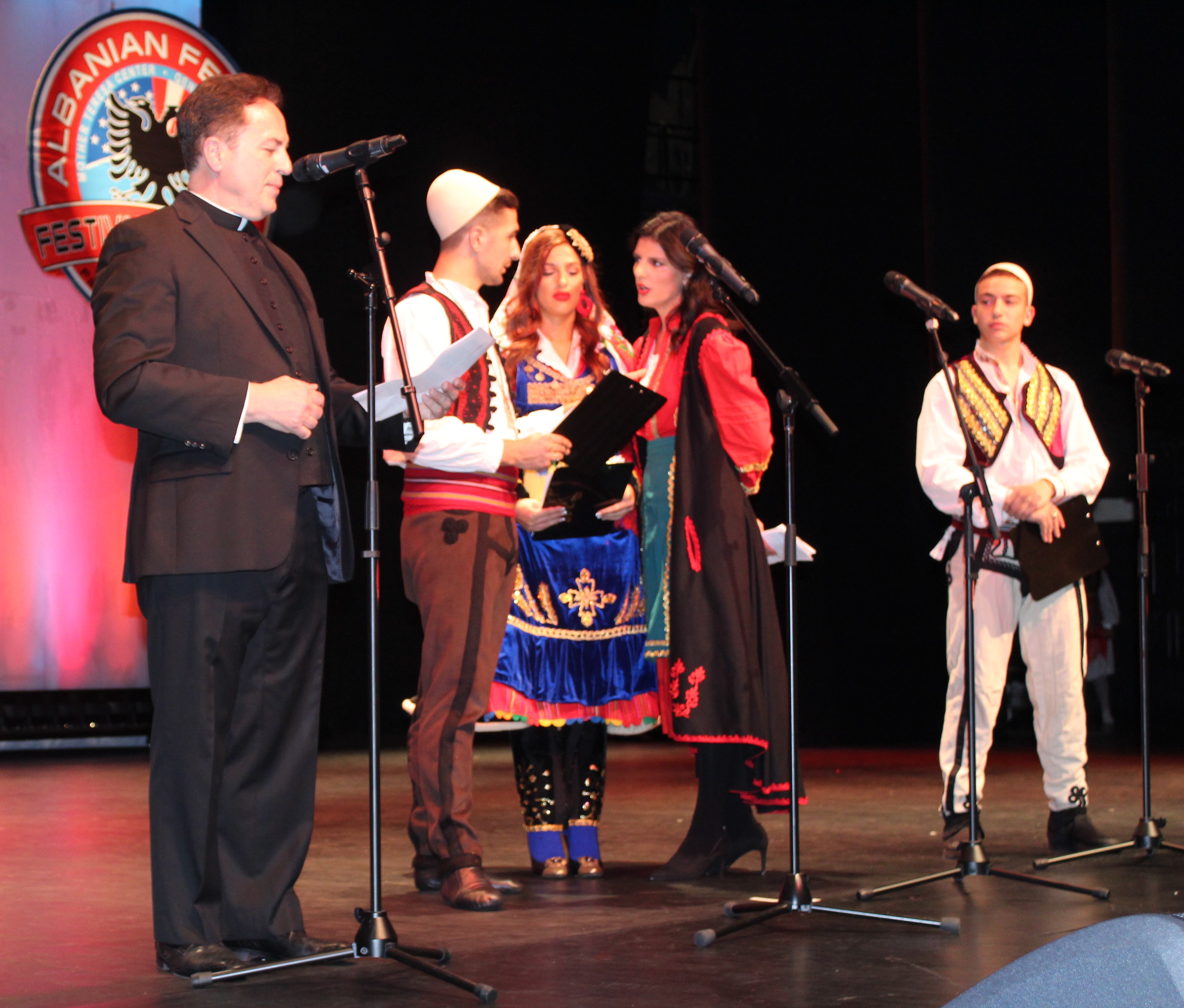
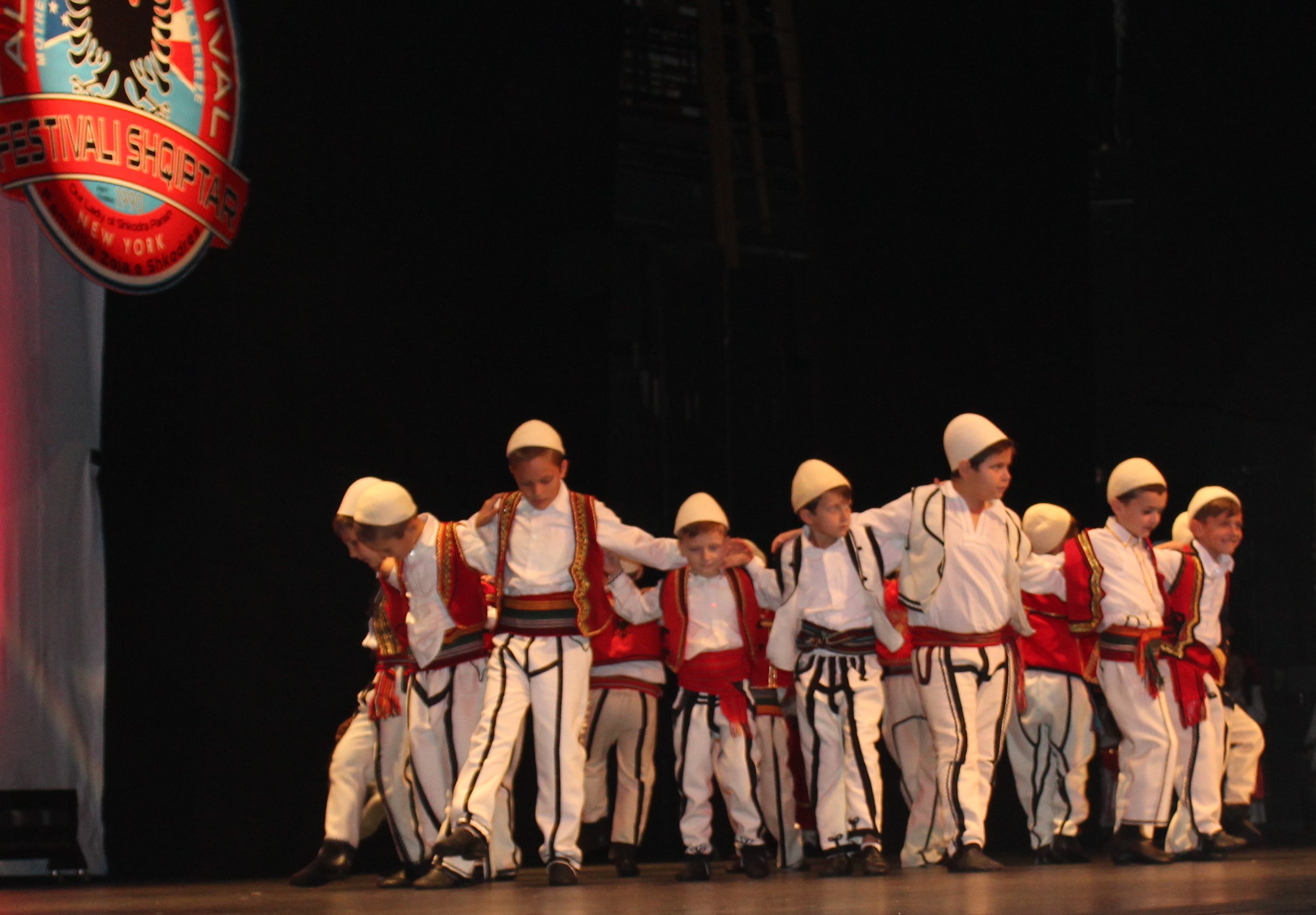
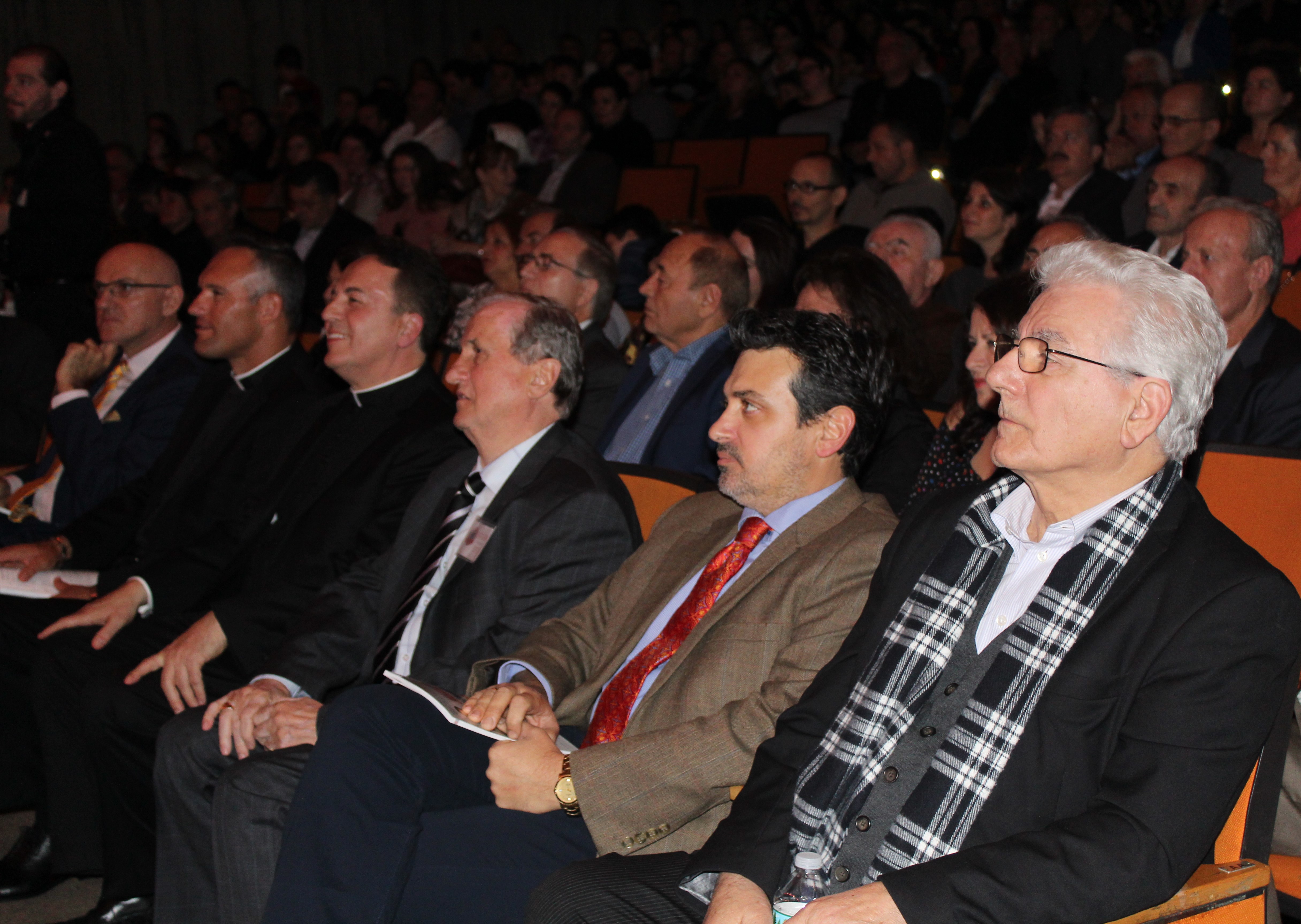
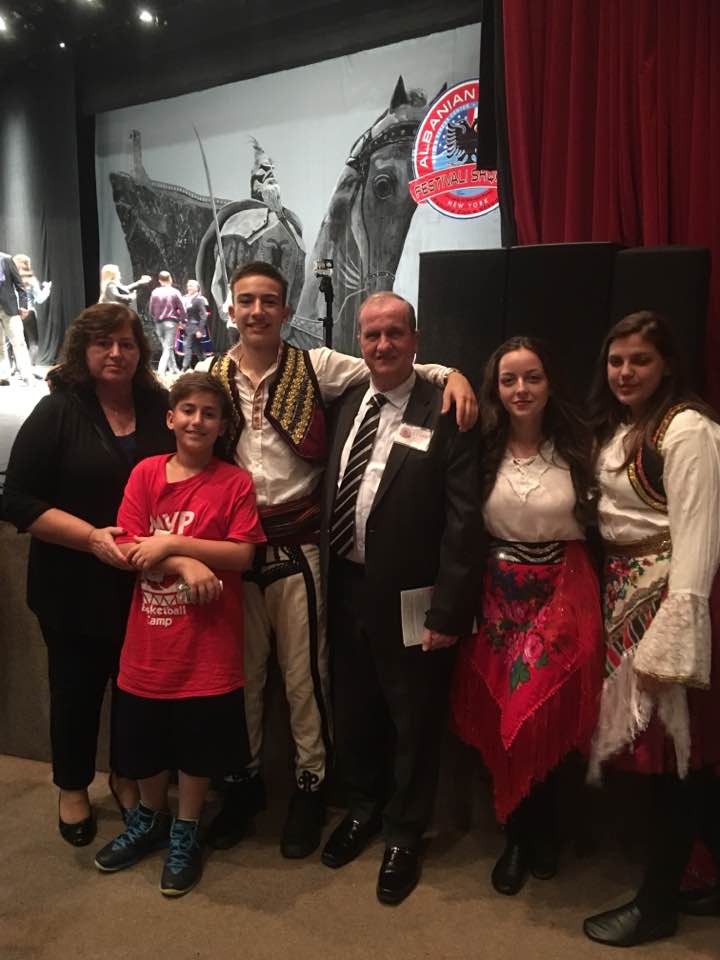
Edhe këtë vit, ashtu si çdo vit gjatë 27 viteve të kaluara, të djelën do të zhvillohet në Bronks të Nju Jorkut Festivali Folklorik Mbarëkombëtar, që organizohet çdo vit nga Kisha Katolike Shqiptare, “Zoja e Shkodrës” në Hartsdale të Nju Jorkut.  Ashtu si edhe më parë, Festivali mbarëkombëtar me 5 nëntor, do të mbahet në të njëjtin vend ku është zhvilluar gjithmonë, në sallën e madhe të Qendrës së Arteve të Kolegjit Lehman në lagjen Bronks të New Yorkut.  Ashtu si edhe çdo vit, edhe në këtë festival do të marrin pjesë qindra artistë, muzikantë dhe grupe të ndryshme nga të gjitha komunitetet shqiptaro-amerikane por dhe nga trojet shqiptare, ashtu siç është bërë traditë tanimë.  Si në çdo festival tjetër, të organizuar gjatë viteve nga Qendra Nënë Tereza pranë Kishës Katolike “Zoja e Shkodrës” në Nju Jork, për pothuaj tri dekada tashti, edhe sivjet do të shfaqen këngë të reja, muzikë e valle dhe do të shpalosen edhe kostume kombëtare nga të gjitha krahinat e trevave shqiptare: nga Shqipëria, Kosova, Mali i Zi, Maqedonia, si dhe nga Kosova Lindore dhe Çamëria, pa dallim.  Në të vërtetë, është një aktivitet kulturoro-artistik — në qëndër të Amerikës– një mini Gjirokastër, mund të thuhet, që bashkon një herë në vit mijëra shqiptarë nga mbarë Amerika dhe nga të gjitha trojet shqiptare, në një atmosferë vëllazërimi e bashkimi.Por, ndryshe nga festivalet e kaluara, ky festival këtë vit merr një domethënje të veçantë dhe të rëndësishme historike.   Organizuesit kanë vendosur që kësaj radhe festivali mbarëkombëtar në Nju Jork t’i dedikohet 550-vjetorit të Heroit Kombëtar të Shqiptarëve, Gjergj Kastriotit-Skenderbe, si një aktivitet fillestar për vitin e shpallur në kujtim të Skenderbeut nga Tirana dhe Prishtina zyrtare.

Ç’prej fillimit, ky festival, është përcaktuar nga Kisha Katolike Shiptare në Nju Jork, si gjithpëfshirës dhe mbarëkombëtar për nga natyra e pjesëmarrjes së artistëve dhe grupeve të artistëve pa dallime fetare e krahinore –me të vetmin qëllim për të kënaqur pjesëmarrsit me këngët dhe vallet tona të bukura – por më me rëndësi ka patur si të thuash një objektiv të dyfishtë: ruajtjen dhe përcjelljen e kulturës, folklorit dhe traditave shqiptare tek brezat e ri të shqiptarëve në Shtetet e Bashkuara të Amerikës dhe njëkohësisht të paraqesë edhe para botës amerikane, trashëgiminë e vjetër dhe krenare të kulturës dhe folklorit të larmishën dhe shumë të pasur, të njërit prej kombeve më të vjetra në Evropë dhe në botë.

Sipas të gjithë vërejtësve, ky Festival e ka realizuar çdo vit këtë mision të tij, duke kënaqur si pjesëmarrësit ashtu edhe artistët, të cilët vijnë në Nju Jork nga të gjitha anët e Amerikës, e shpesh edhe nga trojet shqiptare.   Festivali ka tërhequr gjithashtu edhe interesimin e medias amerikane të metropolit të New Yorkut pasi tani është i njohur si ngjarja më me rëndësi kulturore dhe kombëtare e shqiptarëve të Amerikës.

Natyrisht se artistët që marrin pjesë në këtë Festival të këngëve dhe valleve shqiptare, ndryshojnë nga viti në vit.  Kësaj radhe është njoftuar se përveç grupeve artistike dhe individëve që do të përfaqësojnë komunitetet e ndryshme shqiptaro-amerikane nga një numër shtetesh të Amerikës, është njoftuar se nga trojet shqiptare — përveç shumë suprizave që priten të njoftohen më vonë –do të marrin pjesë këngëtaret e njohura për publikun shqiptar, Elizabeta Marku, Albërie Hadërgjonaj, Nikoleta Vokrri, dhe Shpresa Gjoni, ndër të tjerë.

Mirëpo, ndryshe nga vitet e kaluara, sivjet Festivali i 27-të Folkloristik Mbarëkombëtar në Nju Jork – i cili njëherazi është edhe aktiviteti më i madh kulturor shqiptar në Shtetet e Bashkuara — i kushtohet 550-vjetorit të Gjergj Kastriotit -Skënderbeut, pasi Shqipëria dhe Kosova kanë shpallur vitin 2018, si vitin e Skënderbeut.   Festivali i muzikës dhe valleve në Nju Jork, mos qofsha gabim, shënon veprimtarinë e parë kulturore në kujtim të përvjetorit të Fatosit të Madh të Shqiptarëve.   Festivali vjetor i Nju Jorkut është gjithashtu çdo vit një rast mallëngjimi dhe bashkimi vëllazëror pa dallim feje e krahine për të gjithë ata që kanë mundësi të marrin pjesë.   Jam i bindur se Festivali i sivjetëm në kujtim të përvjetorit të Heroit Kombëtar — ndonëse në mërgim — do të jetë edhe më shumë se në të kaluarën, një rast bashkimi vëllazëror për të gjithë pjesëmarrësit, në frymën e vërtetë kastriotjane, në kujtim të Heroit që bashkoi kombin.

Kujtimi i 550-vjetorit të Skenderbeut në Nju Jork na sjellë në mend festimet me rastin e 500-vjetorit të Gjergj Kastriotit Skenderbe në Romë në vitin 1968, ku morën pjesë, kryesisht, shqiptarët e arratisur nga komunizmi, të cilët shkuan në   Romë nga të gjitha anët e botës, përfshirë një numër i madh i shqiptarëve të Amerikës, për të kujtuar Heroin e Kombit të tyre.   Atyre iu bashkuan me atë rast edhe grupe të mëdha arbëreshësh nga Italia e jugut, të veshur me kostumet e tyre tradicionale kombëtare.

Me rastin e 500-vjetorit të Gjergj Kastriotit në Romë me 25 Prill 1968, duke përshëndetur shqiptarët që ishin mbledhur atje për të festuar këtë përvjetor në Vatikan, por drejtuar edhe shqiptarëve anë e mbanë trojeve të tyre, Papa Pali i VI ka thënë:”Ne ju shohim me kënaqësi, pse e dimë se shpirti me të cilin ju e kujtoni këtë ditë është ai i Gjithëmonshmi i fisit tuaj, i cili gjithëherë, mbi çdo interes ka venë vlerat e trashëguara të besës, të nderit, e të burrënisë.   Fatosi Skendërbeu ka qenë personifikimi i gjallë i këtyre cilësive.   Ai ua ka lënë trashëgim, bashkë me miqësinë e miqëve të vjetër të Atdheut tuaj, ndër të cilët këjo Seli Apostolike gëzohet se bën pjesë, pasi e konsideron veten ndër ata që kurr s’i dolën fjale.   Këto virtyte Gjergj Kastrioti ua ka lënë në rojë e trashëgim të shënjtë në Atdhe dhe në mërgim”, përfundoi Papa Pali i VI, fjalën e tij drejtuar Kombit Shqiptar me rastin e 500-vjetorit të Gjergj Kastriotit-Skënderbe, 50-vjetë më parë në Vatikan.

Shfaqja e trashëgimisë kulturore dhe kombëtare, përfshirë kostumet nga të gjitha trevat në Festsivalin e Nju Jorkut, nuk janë një shfaqje karnevale, por janë një shprehje nga zemra, se trashëgimia 550-vjeçare e Kastriotit jeton dhe vlon gjithnjë në zemrat e shqiptarëve kudo dhe se amaneti i tij ende tingëllon për ata që duan ta dëgjojnë.   Sepse, siç ishte shprehur edhe Ernest Koliqi me rastin e 500-vjetorit të Heroit të shqiptarëve, “Skenderbeu na dha Arbrin për atdhedhe shqiponjën si simbol fluturimesh të lira dhe na la një trashëgim të çmueshëm nderi e fisnikije.   Na, testamentin e Tij e ruejtëm dhe do ta ruajmë besnikisht, në vend dhe jashta vendit për tjera qinda e qinda vjetësh.   Kush mendon se gjaku i Skenderbeut na ashte zverdhnue ndër fyza, gabohet: prap ai gjak vlon në zemra tona e n’ato që mbulojnë këto kostume edhe u dhuron vlug bujar zaneve që këndojnë, e kurmave që dredhin valle.”

Besoj se edhe Festivali mbarëkombtar i Nju Jorkut të djelën që vjen, ashtu si edhe në të kaluarën, por veçanërisht në këtë 550-vjetor të Gjergj Kastriotit-Skenderbe do të shërbejë si shfaqje e denjë e“trashëgimit të çmueshëm të nderit e të fisnikërisë” shqiptare  dhe njëkohsisht edhe si burim shpresash dhe kujtim i denjë i trashëgimisë morale, shpirtërore dhe kombëtare që ka lënë pas Heroi Kombëtar. Ashtuqë, 550-vjetori i Gjergj Kastriotit Skenderbe të kujtohet – mbrenda dhe jashtë trojeve shqiptare – si një triumf i trashëgimisë morale, shpirtërore dhe kombëtare, përfshirë edhe karakteristikat më të çmueshme të trungut arbëror: nder, besë e burrëni.   Në këtë 550-vjetor dhe gjithmonë – shqiptarët jashtë dhe në trojet e veta –të kujtojmë dhe të mbrojmë vlerat që na bashkojnë dhe jo gjërat që na ndajnë, në emër të Heroit të përbashkët, “Gjergj Kastrioti –Skënderbeut, Princ i Matit, Mbret i Shqipërisë, Tmerri i Osmanlijve, Mbret i Epirit!”


Frank Shkreli


Filed Under: Featured Tagged With: diaspora, Frank shkreli, KUSHTUAR GJERGJ KASTRIOTIT-SKENDERBE, NË SHTETET E BASHKUARA DHE VITI

U MBLODH KOMISIONI I GARANCIVE TË KANUNORES SË VATRËS

October 24, 2017 by dgreca

3 KomisioniTë Shtunën e 21 tetorit 2017 në mjediset e selisë së Vatrës, nën drejtimin e juristit Bashkim Musabelliu, u mblodh Komisioni i Garancive të Kanunores pranë Federatës Panshqiptare Vatra.

Kryetari i këtij komisioni z. Bashkim Musabelliu, në mirëkuptim me Kryetarin e Vatrës z. Dritan Mishto, ka përzgjedhur dhe dy ndihmësit e tij: Z. Mehmet Kadria, i cili është jurist i diplomuar në Universitetin e Zagrebit, me përvojë dhe me kulturë të gjërë, si dhe z.Kujtim Porja, anëtar, që është jurist me eksperiencë të konsoliduar në fushën e së drejtës administrative dhe publike.Vetë z. Musabelliu është jurist me eksperiencë të gjatë në fushën e drejtësisë.
Kryetari i Vatrës z.Mishto i ka dhënë të gjithë mbështetjen e nevojshme komisionit dhe ka këshilluar  kryetarin Musabelliu, që Komisioni i Garancive të Kanunores të funksionojë tërësisht i pavarur nga çdo interes apo konjukturë, dhe ti përmbahet me korrektësi vetëm Kanunores së Vatrës, si një gur i shenjtë i ekzistencës dhe mbarëvatjes së punëve në Federatë.

Kryetari i komisionit z. Musabelliu pas takimit i tha gazetës Dielli se takimi i së shtunës ishte i pari pas krijimit. Ai komentoi se kjo ishte mledhja e pare e komisionit pas vendimit te kryesisë për krijimin dhe funksionimin e tij.

Pyetjes se cili do të jetë qëllimi dhe axhenda e këtij komisioni në të ardhmen, kryetari tha se komisionit, kryesia ia ka hapur dritën jeshile për të finalizuar Kanunoren, për perfundimin e punës me kanunoren dhe paraqitjen per aprovim në Kuvendin e ardhshëm.Z. Musabelliu, në mbledhjen e parë i ka njohur dy kolegët e tjerë të komisionit me projektin e ndryshimeve dhe shtesave të Kanunores në projekt-Kanunoren e vitit 2014, si dhe ndryshimet e mëvonshme që janë propozuar.

Kryetari Musabelliu i ka njohur bashkëpunëtorët e tij të komisionit edhe me procedurat që do ndiqet deri në aprovimin e projektit. Komisioni ka rënë dakord për fazat nëpër të cilat do kalojë veprimtaria e komisionit, duke e bashkërenduar punën me organet me te larta të Federatës Vatra e deri tek degët si dhe duke bashkëpunuar edhe  me individët me kapacitet intelektual në fushën e jurisprudencës, gjuhësisë dhe historisë.

Komisioni vendosi që takimet t’i bëjë të përmuajshme.

Filed Under: Featured Tagged With: Komisioni i Garancive te Kanunores, Mbledhja e pare

ALBUMI I ATJON ZHITIT VLERËSOHET NË EUROPË…

October 24, 2017 by dgreca

1Albumi dhe dekorata ok

NË  LOUVER DY PIKTORË SHQIPTARË NDEROHEN ME ÇMIME, GJERGJ KOLA ME MEDALJEN E KRIJIMTARISE, ATJON ZHITI ME MEDALJEN E KUJTIMIT/

2 vizatim dhe dekorata

Gjergj Kola dhe Atjon Zhiti, janë të lidhur me Italinë, por dhe me Francën dhe Europën, duke sjellë nga Atdheu i tyre  vlera dhe vegime të një Shqipërie Europiane./

3 nga ceremonia e dekorimitok

Albumi me vizatime e piktura i Atjon Zhiti po vlerësohet në Europë. Ai pak kohë ka që është botuar dhe eshte shperndare ne librarite kryesore te Tiranes e ato te aeroportit, po ka terhequr vemendjen dhe eshte vleresuar ne metropole te Europes, ne Itali e France, Austri… deri dhe nga japoneze

3 nga ceremonia e dekorimitok

Këto ditë u hap ne Muzeun e Louvrit ne Paris Ekspozita Ndërkombëtare e Arteve Kontemporane.Fondacioni Nderkombetar Artistik “Artcom Expo International”, që promovon dhe mbeshtet artiste nga vende te ndryshme te botes, kishte ftuar për të katërtin vit rradhazi piktorin tashme te njohur shqiptar me banim në Itali,  Gjergj Kola, me të cilin fondacioni bashkëpunon prej kohësh

Tabloja sugjestionuese e tij, “The Kiss”, mori vlersime të shumta dhe u nderua me Medaljen e Krijimtarise.

Në këtë edicion piktori Gjergj Kola paraqiti dhe një piktor të ri, bashkatdhetarin Atjon Zhiti. Krijimtaria e tij e permbledhur  në albumin “OPERA ATJON”, pergatitur mjeshterisht nga piktori dhe kritiku i artit Gezim Tafa, shpalos një krijimtari të çiltër artistike, plot fantazi, ngjyra e nuanca te fresketa,  te sistemuara me estetike dhe nivel te larte professional, u shpreh mjeshtri Gjergj Kola. Albumi përmbledh nje ëndërr, sa fëminore, po aq dhe universale, një realitet dëshirash, skica, vizatime e dritë, të shoqëruara me dy ese, kritika artistike nga dy profesionistë si dhe punime kushtuar Atjonit nga piktorë të njohur, që nga postkubisti Ibrahim Kodra e deri te impresionisti Gjergj Kola, i cili me elegancë ka arritur të kapë buzëqeshjen engjellore të Atjonit.

6 piktura  të Gjergj Kolës për Atjonin u vunë dhe ne ekspoziten vetiake në Galerine “Espace” ne Paris.

Bordi drejtues i ketije fondacioni, presidenti Hans Salbu dhe Baronesha Jiselda Salbu, i dhane “Medaljen e  KUJTIMIT” artistit te ri Atjon Zhiti, ne shenje nderimi dhe adhurimi per nivelin e shkelqyer artistik, te paraqitura me cilesi ne kete album, bagazh estetik i formuar nga një përvojë e veçantë, që shijohen dhe pranë veprave dhe kryeveprave në Galerite dhe muzeumet e famshme te Europes.

Gjatë kësaj kohe, piktori mbresëlënës Gjergj Kola ishte i ftuar edhe nga “Hypatija Festival” në Napoli ne Itali, ku ai bashëbisedoi virtualisht me imazh që nga Louvri me presidenten e ketij Festivali kulturor-shkensor, të mbeshtetur nga UNESCO. Piktorit tone iu kërkua të flasë  për tematiken dhe mesazhin e tablos së tij “The Kiss”  e të punës së tij në pergjithsi si dhe te prezantojë Albumin “Opera Atjon”, ku të pranishmëve në ekranin e madh u shfaqeshin fragmente dhe detale nga vepra rinore e Atjon Zhitit.

Të dy këta emra, Gjergj Kola dhe Atjon Zhiti, janë të lidhur me Italinë, por dhe me Francën dhe Europën, duke sjellë nga Atdheu i tyre  vlera dhe vegime të një Shqipërie Europiane.(Nga “Lajmëtari i së Mirës”)

Filed Under: Featured Tagged With: cmime, Gjergj Kola dhe Atjon Zhiti, LOUVER

FESTIVALI I 27-te SHQIPTAR NE NJU JORK

October 23, 2017 by dgreca

1 Festivali– E SIGUROVE BILETEN PER FESTIVALIN SHQIPTAR, NGJARJEN KULMORE KULTURORE TE VITIT ? MOS E HUMB RASTIN! SHQIPERIA ETNIKE NE SKENE. ARTISTE PROFESIONISTE E AMATORE, FEMIJE TE LINDUR NE AMERIKE, DO TE KENDOJNE SHQIP E DO TE FALLZOJNE VALLET E MAGJISHME TE TREVAVE SHQIPTARE, QE NGA LUGINA E PRESHEVES E DERI NE CAMERI….FESTIVALI I KUSHTOHET HEROIT KOMBETAR GJERGJ KASTRIOTI SKENDERBEU.

Filed Under: Featured Tagged With: FESTIVALI I 27-te SHQIPTAR, ne Nju Jork

Albanian press after the 90’s

October 23, 2017 by dgreca

1 flora drejtori

By Flora Nikolla*/

3 Flora Nikolla

Distinguished Ladies and Gentlemen,

4 Flora flet

Distinguished representatives of the Library of Congress,

2 flora Laura Merita

Distinguished representatives of the diplomatic corps

Distinguished compatriots,

It is a great honor and privilege to be here today, in a temple of knowledge, in the greatest library of the world—an elite institution that is a dream for book-admirers, book-readers and book-writers—to speak on post-communist journalism, this dear and difficult profession, but one that adds significant value in the development of society as it should.

Thank you for giving me the opportunity to speak from this podium of honor on a time that Albanian journalism experienced and thanks to its efforts, managed to become the lifeblood of a denied freedom.

And thank you for the opportunity to represent Albanian Press, behind which stand thousands of professionals who, irrespective of their political leanings, want to know the news and know how to tell it.

Thank you, and as a result of the opportunity you have given me, I shall be, for today, their voice!

Thank you for your time, thank you for being here in this place of knowledge and human civilization, to talk to you about post-communist journalism, but also the outstanding Albanian diaspora which has a place in the press.

I would say today that no one is a professional by accident, and I want to say that I don’t believe that for almost 30 years now I am in this profession, a noble profession with dimensions in humanity and society. I recall today that I first connected with journalism in my early childhood.

There was an entire generation of remarkable journalists and writers at that time that would become a comprehensive list of personalities like Ditero Agolli, Ismail Kadare, Xhevahir Spahiu, and even the “decadent” ones persecuted by the regime like Fadil Pacrami, Todi Lubonja, Vangjush Gambeta, my dad’s friends. My dad, a journalist for 45 years, 25 of which as editor-in-chief of Hosteni magazine considered as the only “opposition” magazine of a one-party Albanian nation.

They were people who were always around during my youth, I would hear their conversations and today I realize that subconsciously, without knowing, I started to fall in love with my profession, a noble profession at its core, which can be all consuming and leave you with only with passion.

This is how journalism became a part of me, without formal courses initially, this is how I became familiar with the difficulty in being a journalist during the hard times of survival known as ‘communism’, a desire to write and tell the truth and its cover-up with sorrow and a murdered conscience.

As a kid and later on when I was older, I heard this and I experienced it, through my dad who ran the magazine Hosten for 25 years, a comedy magazine that satirized the negative appearances in society within communist “norms” which were actually great limitations.

It was supposed to be the opposition in a country where opposition was banned. This was basically impossible.

This is how I came to know my father’s pain, the faith of an idealist that was never realized for a generation that believed in it, I came to know his unspoken rebellion, or another way, I recognized the suffering of his close friends and colleagues convicted for breaking the communist ideal, which in fact turned out to be just a utopia.

Because actually, a political regime should be in the service of carrying out the rule of a clear conscience and not for conforming to the opposite.

I remember the sorrow in my father’s gazed eyes, while working in a remote area, he had seen his dear friend, Mr. Vangjush Gambeta, one of the most brilliant journalists on economy, walking with droopy shoulders and eyes to the ground.

He was carrying out his conviction as a political criminal in a mine under dire conditions. He called him out by name but he continued to walk with droopy shoulders, frail body, eyes to the ground…

Again he called out…and again he continued to walk to a cold place for overstepping the party ideals.

Years later in Albania, after 1990, when the press should have been free, I heard my father and Mr. Gambeta remembering that episode, many times actually….He would always answer my father’s concern the same way: “I couldn’t speak because I couldn’t condemn you too”…

In 1993, the Albanian Telegraph Agency, under a secluded bunker, was launched through an institution made up of only high level party members, I participated in a contest organized to bring in young journalists.

Albanian was open, freedom of the press, print and government law, was just beginning,

When the Democratic Party’s newspaper Rilindja Democratike started being printed, hundreds of people smashed the storefront windows of the shops that sold newspapers, while standing in line waiting for their free speech newspaper that they had been missing for years.

The number of newspaper copies sold for an impoverished Albania at the time was astounding: 60,000 copies a day—a figure never before seen during the communist era when there were only newspapers belonging to the state party, categorized according to social groups in Professional Union newspapers, for the youth, for women, all with the same ideology, known as socialist realism.

So in the early 1990s, with the great democratic changes in the country, Albanians began to enjoy the freedom that was forcefully denied for 45 years.

In fact, in the years 1988-1990 in the Albanian press, a tendency for a rebellion of ideas outside the state contours had started to emerge.

At that time a new value for knowledge had been identified by the intellectual elite of the country.

Articles in the newspapers Drita and Zeri i Rinise generated an identity for Albanian Press which would turn out to be the winning model for the early 90s with newspapers like Rilindja Demokratike, Koha Jone, Dita Informacion, Populli Po, Java and Gazeta Shqiptare, Shekulli, Albania etc…

There were actually quite a few for a population of only about 3 million in my country, but perhaps we were all racing in search of that lost freedom.

Even at the Albanian Telegraph Agency, when I started working there so long ago back in 1993 (J), it couldn’t overlook the tendencies for freedom in concepts, reporting, writing and the news.

Among the new press, many times the news agency was seen as a communist-era atavism, which many times hindered its development, an image is still struggles to shake today, despite the fact that this institution has produced many well-known journalists, also its tried and true formula that the news agency has implemented in reporting and writing the news.

Regardless, journalists of the first post-communist period were young and passionate.

Journalism took up our days and night.

During this renewal of private and pluralistic press, particular qualities of newspapers and journalists sprouted but they were dominated by initiatives to create media controlled by political party ownership, specifically socialists, democrats, republicans, social democrats…all the parties created after the 90s during the transition to a pluralistic system.

The topics that were reflected and reported by journalists in the press outlets began to expand, there were a variety of topics in politics, education, culture, social issues; they started featuring the lives of public figures and a new stratification in Albanian society that was formerly lacking in one of the eastern countries, where communism had shaped a typical one-party society.

The economic and political development of the post-communist country was being presented in a new press, which was being created not without difficulty.

Along with this phenomenon, the image of journalists was being created according to the respective fields on which they wrote and reported.

Despite the desire and will to make journalism not uncommon, I thought that journalists of this era were improvised experts, passionate pioneers of a generation brought up in the dictatorial system but who had overcome the odds while in this new era, they put their personal ambitions over everything in the journalist’s profession, which at that time was seen as a profession of added value and with a lot of curiosity.

I recall that in this work vortex and the passion to create the face of a new press, there were shortcomings such as the lack of criteria for recruiting and dismissing journalists, the lack of employment contracts, and above all the lack of a law on press on which the media and journalists’ activity was regulated.

The first press law no. 7756 (1993) was created without much modification from a German model and without consultation with local media actors. Soon it was seen that there were constraints provoking reaction from journalists, although the law remained in effect until the 1997 elections.

The old law was abolished by a new law regulating the printing press, where two sentences were formulated: “The press is free. Freedom of the Press is protected by law.”

Accompanied by the whole Albanian transition movement, presenting all the changes and crises that needed to be overcome, the post-communist Albanian press took shape and developed, creating a considerable number of newspapers, magazines, television and together with journalists of all genres.

With the development of the society and its norms, the global life that Albanians began to experience, modes of communication changed.

In the early 2000s, televisions took the baton of public information, giving the first (light) blow to the media of the past. New television crews, with the latest technology from the media world, were created by journalists, giving another spirit to the public presentation but also in the concept of payment and distinguishing itself significantly from the written media.

The time when the newspapers had reached 80-90 thousand copies of daily newspapers (RD 1990-1991 and “Koha Jone” in ’97) seems to be a distant past.

Today, circulation of daily newspapers (about 20) hardly reaches 40,000 copies, while sales are low.

Analysts say that while the media previously suffered from state dictatorship and control, in the last 10 years the Albanian media suffer from businesses and their submission to politics.

According to them, most media outlets are connected with political decision-makers through businesses and are fully controlled by them.

Someone joked with me a few days ago that if a few years ago it was difficult to distinguish the parties from newspaper editorials, now media are more business and there is no distinction to where a business plan starts and where the free press ends.

It seems that the Albanian media openly hold one side of a political conflict, even competing to show their loyalty to the larger parties, without hiding behind an official impartiality.

According to the Albanian analyst, Fatos Lubonja, from this difficult situation laws can be drafted against owners ‘conflicts of interest and journalists’ boards that determine the editorial positions themselves of their media.

But today there is also an increase in civic journalism on social networks and investigative writings in new online journalism, where online sites are the main source of information, yet another blow to the newspapers. In this sense, it seems that citizens are becoming more active in online media versus a reality that cannot be concealed.

With a population of about 3 million people currently living in the country, Albania remains a small, unfavorable market for the media.

And as a small market, it creates difficulties in consolidating media businesses, as the cost of these businesses’ products is almost the same as that produced in the media that work for big markets, while profits are much smaller.

Not so often journalists follow the unwritten rules of the owners and editors, thus configuring a fifth branch of power over the fourth known to have existed throughout time.

It is this fifth power that forces journalists from all media today to write only for media owners who in some way, for their own interests, give impetus to self-censorship and informality in the employment of journalists.

There seems to be an uneven media environment, where some media outlets are misused by business and politics. In nearly 26 years of political transition, Albania has passed a media transition, with positive changes, which certainly created stratification of journalists and publicists in Albanian society.

We already have veteran journalists, seasoned journalists who are today at the age of 50, and journalists who are being created but are in fact confronted with a new online reality; journalists who spin the news from office walls and computer windows, bringing all too often false news that shake the reader’s faith.

Confronted and raised with a long trajectory in both journalism and visual media, I say that journalism today varies from the time when I was started with it.

Liberated in all its spheres of time and space, I say with conviction and advise that beyond this freedom, the journalist should write with a cool heads,  warm hearts and clean hands, given that truth should always be delivered and that ultimately truth triumphs.

*Flora Nikolles’s statement held in the Congress Library

Filed Under: Featured Tagged With: after the 90’s, Albanian press, Flora Nikolles's statement held in the Congress Library

  • « Previous Page
  • 1
  • …
  • 470
  • 471
  • 472
  • 473
  • 474
  • …
  • 900
  • Next Page »

Artikujt e fundit

  • NDAA i SHBA-së dhe pozicioni i Kosovës në arkitekturën e sigurisë
  • Alis Kallaçi do të çojë zërin dhe dhimbjen e “Nân”-s shqiptare në Eurovision Song
  • Garë për pushtet…
  • Njëqind vjet vetmi!
  • “Shënime për historinë antike të shqiptarëve”*
  • Si funksionon sistemi juridik në Shqipëri dhe pse ai ka nevojë për korrigjim?
  • Emisionet postare festive të fundvitit në Kosovë
  • JAKOBSTADS TIDNING (1939) / MBRETI ZOG, SHUMË BUJAR ME BAKSHISHE. — EMRI I TIJ NUK DO TË HARROHET KAQ SHPEJT NGA PRONARËT DHE PERSONELI I HOTELEVE NË VARSHAVË.
  • HAFIZ SHERIF LANGU, DELEGATI I PAVARËSISË TË CILIT IU MOHUA KONTRIBUTI PËR 50 VJET ME RRADHË, KLERIKU DHE VEPRIMTARI I SHQUAR I ÇËSHTJES KOMBËTARE
  • RIPUSHTIMI I KOSOVËS – KUVENDI I PRIZRENIT 1945
  • Nikola Tesla, gjeniu që u fiksua pas pëllumbave dhe u dashurua me njërin prej tyre
  • Bahamas njeh Kosovën!
  • Legjenda e portës shkodrane, Paulin Ndoja (19 dhjetor 1945 – 16 prill 2025) do të mbushte sot 80 vjeç
  • “Roli dhe kontributi i diplomacisë shqiptare në Maqedoninë e Veriut nga pavarësia deri sot”
  • Marie Shllaku, kur një jetë e re u shndërrua në përjetësi kombëtare

Kategoritë

Arkiv

Tags

albano kolonjari alfons Grishaj Anton Cefa arben llalla asllan Bushati Astrit Lulushi Aurenc Bebja Behlul Jashari Beqir Sina dalip greca Elida Buçpapaj Elmi Berisha Enver Bytyci Ermira Babamusta Eugjen Merlika Fahri Xharra Frank shkreli Fritz radovani Gezim Llojdia Ilir Levonja Interviste Keze Kozeta Zylo Kolec Traboini kosova Kosove Marjana Bulku Murat Gecaj nderroi jete ne Kosove Nene Tereza presidenti Nishani Rafaela Prifti Rafael Floqi Raimonda Moisiu Ramiz Lushaj reshat kripa Sadik Elshani SHBA Shefqet Kercelli shqiperia shqiptaret Sokol Paja Thaci Vatra Visar Zhiti

Log in

This website uses cookies to improve your experience. We'll assume you're ok with this, but you can opt-out if you wish. Cookie settingsACCEPT
Privacy & Cookies Policy

Privacy Overview

This website uses cookies to improve your experience while you navigate through the website. Out of these cookies, the cookies that are categorized as necessary are stored on your browser as they are essential for the working of basic functionalities of the website. We also use third-party cookies that help us analyze and understand how you use this website. These cookies will be stored in your browser only with your consent. You also have the option to opt-out of these cookies. But opting out of some of these cookies may have an effect on your browsing experience.
Necessary
Always Enabled
Necessary cookies are absolutely essential for the website to function properly. This category only includes cookies that ensures basic functionalities and security features of the website. These cookies do not store any personal information.
Non-necessary
Any cookies that may not be particularly necessary for the website to function and is used specifically to collect user personal data via analytics, ads, other embedded contents are termed as non-necessary cookies. It is mandatory to procure user consent prior to running these cookies on your website.
SAVE & ACCEPT