• Home
  • Politics
  • Opinion
  • Culture
  • Sports
  • Economy
  • Interview
  • Reporting
  • Community
  • Vatra

Dielli | The Sun

Albanian American Newspaper Devoted to the Intellectual and Cultural Advancement of the Albanians in America | Since 1909

Archives for February 2020

Letra e Mit’hat Frashërit për l’Ere Nouvelle (1920)

February 11, 2020 by dgreca

“Nëse dëshirojmë të sigurojmë paqen në Ballkan dhe të frenojmë aspiratat imperialiste, duhet të marrim parasysh aspiratat shqiptare.”/-Delegat i shoqatës Pan-shqiptare “Vatra” të Shteteve Bashkuara të Amerikës/

Nga Aurenc Bebja-France/

“L’Ere Nouvelle” ka botuar, të premten e 19 marsit 1920, në faqen n°3, letrën e atdhetarit, shkrimtarit, diplomatit dhe politikanit shqiptar, z. Mit’hat Frashëri, i njohur ndryshe me pseudonimin e Lumo Skëndos, në lidhje me aspiratat shqiptare, të cilën, Aurenc Bebja, nëpërmjet Blogut “Dars (Klos), Mat – Albania”, e ka sjellë për publikun shqiptar :

Tribunë e lirë/

Burimi : gallica.bnf.fr / Bibliothèque nationale de France

Ne morëm letrën në vijim :

“Z. Kryeredaktor,

Sot, gazetat ju japin tekstin e përgjigjes së presidentit Wilson në lidhje me shkresat e Lloyd George – Millerand për çështjen e Adriatikut. Presidenti tha se nuk do të aprovohej asnjë plan që i jep Jugosllavisë një kompensim territorial në pjesën veriore të Shqipërisë për atë që do t’i merrej (hiqej) diku tjetër.

Bëhet fjalë për rajonin e Shkodrës që projekti Lloyd George – Clemenceau (i 20 janarit) ishte i gatshëm t’i jepte Jugosllavisë.

Është një hap drejt një zgjidhjeje të drejtë të çështjes shqiptare, sepse Jugosllavia, nga ana e saj, ka deklaruar se e njeh pavarësinë e Shqipërisë brenda kufijve që u vunë për të në 1913 në Londër. Që atëherë, presidenti Wilson u shpreh gjithashtu për pavarësinë e Shqipërisë.

Shqiptarët në mënyrë të përsëritur kanë shprehur dëshirën e tyre të fortë për të parë pavarësinë dhe sovranitetin e vendit të tyre të rikonfirmuara, pa asnjë ndërhyrje të huaj : qeveria e re e formuar nga Asambleja Kombëtare e mbajtur në Lushnje me 28 janar e dëshmon këtë gjë. Nëse dëshirojmë të sigurojmë paqen në Ballkan dhe të frenojmë aspiratat imperialiste, duhet të marrim parasysh aspiratat shqiptare.

Është për të ardhur keq që senatori amerikan Lodge mendoi se Korça duhej t’i jepej Greqisë, një rajon i cili, ashtu si Gjirokastra, është i banuar vetëm nga shqiptarë.

Shqipëria e 1913 paraqet minimumin jetik. Të bësh një amputim tjetër është si të nënshkruash vdekjen e Shqipërisë, një veprim kriminal dhe të një cinizmi hipokrit.

Ju lutemi pranoni, Z. Kryeredaktor, shprehjen e ndjenjave të mia të respektueshme.”

Lumo SKENDO

Delegat i shoqatës Pan-shqiptare “Vatra” të Shteteve Bashkuara të Amerikës

Filed Under: Editorial Tagged With: Lumo Skendo-Delegat i vatres

NE DITEN NDERKOMBETARE TE GJUHES KOMBETARE

February 11, 2020 by dgreca

-NJE DITE NE PERKUSHTIM TE GJUHES AMTARE-/

29 Shkurt- MAESTRO’S – Bëhuni pjesë e veprimtarisë në përkushtim të Ditës Ndërkombëtare të Gjuhës Amtare/

Filed Under: Komunitet Tagged With: Dita Nderkombetar-Gjuha amtare

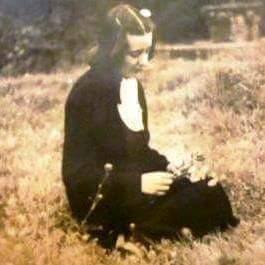
On Musine Kokolari’s birthday a reproach to the collective memory

February 10, 2020 by dgreca

BY VISAR ZHITI/

On February 10, Musine Kokolari, the first Albanian female writer, the first female dissident in the entire communist empire, founder of an opposition party, political prisoner, who, after 20 years in prison, would have closed her eyes in exile, while 10 years later, in 1993, when the communist dictatorship had fallen, it was decorated by the President with the medal “Martyr of democracy” and finally “Honor of the Nations”, it was his birthday. Everyone should have remembered it. But every day can be considered a birthday of human values, therefore also of the great name of Musine Kokolari. His life and his works, actions, sufferings, attitude, beauty and tenacity are a precious experience, an inestimable moral wealth for all, a source of virtue, an important culture, a permanent appeal of dignity, beneficial for the country…

Musine Kokolari the wonderful girl from Argirocastro, finished high school “Nëna Mbretëreshë (” Reggina Madre “) in Tirana, in 1937, she goes to study at the University of Rome, in Italy, concluding with excellent results. Already as a student he published his first book “Seç më thotë nëna plakë” (What the Old Mother Says), with fascinating stories that he received recognition and appreciation from one of the greatest Italian writers, Alberto Moravia.

Together with his other friends, in the 1943, he founded the Social Democratic Party and the daily newspaper “Zëri i Lirisë” (“The Voice of Freedom”). In 1944, he published his second book of stories “Si u tund bota” (“While the world trembles”), 348 pages, while the 12 November of that year his brothers Muntaz and Vesim Kokolari are shot without trial. The new winners were entering the capital with terror. Four days later they also arrested the first Albanian writer, they kept her in prison for 17 days. He publishes his third book “Rreth vatrës” thus establishing himself as a true writer, but on 23 January of 1946, they arrested her for the second time and sentenced her to 20 years in prison.

From his statements in court

“After the meeting in Mukje, I participated as a Social Democrat in the National Front and I was in charge of the newspaper” The Voice of Freedom “, where I published articles that talk about the issue of Kosovo in the framework of the Atlantic Charter … The struggle was not for the benefit of some groups, but for the democratization of the country “.

“I’m not guilty. I am not a communist and this cannot be a fault. You won the election, but I don’t have to be in jail … I’m a student of Sami Frashëri. By condemning me you want to condemn the Renaissance “.

When someone shouted that she had to be sentenced to be hanged, and President Frederik Nosi asked her if she heard what the people were asking, Musine quietly replied: “Tomorrow he will say the same thing for you the crowd”.

In the 1961 she is exonerated and sent into exile in Rrëshen: she does heavy physical work, she is a bricklayer. Loneliness as punishment and books, books, were his friends. However she would have been the spiritual patron of the writer Bilal Xhaferri, who will flee to the United States to escape persecution, since her father had been shot. In the 1981 Musine he became seriously ill, and died two years later. They threw it into a pit and covered it with her work, which they did not allow her to write, with the gravel machine.

At the end of his life

In the manuscript “On my life”, Musine wrote: “The communists buried me alive … at the trial I did not apologize for my work. And why did I have to apologize? … I am not guilty … “.

A sad end: “I have known the democratic culture, I have known the tragedy of the great repressions of revolutionary movements. I went through a special process. I have known 16 years in prison and 22 years of exile. I have known manual labor in agriculture and construction. I have known solitude, occasional friendships in prison and all the consequences that derive from this earthquake to consolidate the dictatorship of the proletariat. Sometimes I tell myself that I didn’t win anything to stay alive. It is from 38 years that I don’t know what it means to have a family. Perhaps it would have been better if I had closed my eyes forever. Thus ended my suffering, and this tragic situation.

His message: If I die, in my little suitcase I have some objects of ethnographic value for the Gjirokastra Museum. The few savings and everything I have will go to the press fund, which must be created in favor of the laborers, it is indispensable, so as to democratize it and cultivate the simple worker “.

His message is even greater, painful, important and permanent. It is a call to collective memory, to action, to life, to the country. Naturally she is honored today, she took the halo of the martyr, her work was published in full, thanks to the will of the scholar Novruz Shehu. His readers are many, the admirers also, as well as the American Ambassador in Tirana. She is even given a prize with her name to women, while an Italian researcher, Mauro Geraci, is preparing the publication in Italy of the memories of Musine in Rome.

When she studied there, she organized cultural and patriotic meetings, the rooms rented her paying herself another Albanian, Dane Zdrava, who first brought the cinema to her city, Berat. He had attended the Naval Academy in Naples, patriot, but he too would have died in communist prisons. We remember this as a wonderful experience, which the dictatorship has devastated, but which must be revived.

Musine Kokolari got some titles during democracy, etc., etc., however his birthday was forgotten, even though it was the 95 anniversary of his birth. The message to convey is: that we must maintain a link with those who were the protagonists of the Renaissance, include them in the calendar of our activities, always. This centenary of Independence must help us inculcate this.

Without such a calendar our society will always lack something, the light of the future will be missing. These celebrations must be done and must not simply be an official routine but an active part of a collective memory, of our everyday life.

They must be natural and resemble, as it were, the metaphorical lighting of a candle, for which another great Albanian woman, Mother Teresa, said: Better to light a candle than to grope in the darkness.

Because forgetfulness does not become darkness.

Filed Under: Featured Tagged With: Visar Zhiti-Musine Kokalari-birthday a reproach -to the collective memory

PARTIA POLITIKE…

February 10, 2020 by dgreca

Për një Parti Politike/

– Rreziku… është se një Parti, nëse merr fuqi çahet dhe ndahet, por nëse jo, mbetet e dobët. Të arriturit në fuqi zgjon ambicjet dhe inatet; të mbeturit e vogël nuk i premton të bëjë punë.


– Pyetja përmblidhet kështu: Do të mundin një tokicë burra- nuk them të ndershëm, se gjithë Shqipëtarët janë të ndershëm, s’them as patritotë se çdo Shqiptar është patriot – po a do të mundin dot burra me ideal, burra me karakter të fortë, prej atyre që vënë interesin e Shqipërisë përmbi çdo interes tjatër, prej atyreve që bëjnë theror ambicjeje dhe inatin i vehtes të tyre për nderin dhe lumturinë e Shqipërisë, a do të mundin të tillë burra, të bashkohen, të grumbullohen dhe të betohen? Nëqoftëse “po” atëherë le të nisin nga puna. Nëqoftëse “jo”, atëhere më mirë mos të hidhet hapi i parë.
…

Nga Lumo Skendo*/DIELLI

Këndonjësit tanë do të dinë se “Vatra” ka më tepër se mot-mot që ka vendosur formimin e një partie politike në Shqipëri. Pak javë më parë, një prej anëtarëve të komisionit të Federatës, u nis për në zall t’Adriatikut. Tani do të ketë arrirë në atë Shqipëri kaq të dashur, dhe puna mundet që ka nisur.
“Puna”, themi dhe dua më të japim pak shpjegime ose më mirë, të rrëfej mendimin tim mbi këtë pikë.
Partitë politike gjenden në çdo vend, që ka një jetë konstitucionale dhe parlamentare, në çdo shtet ku gjendja dëshiron dhe ka të drejtë që të marrë pjesë në rregullimin e nomevet në sundimin e vendit, me një fjalë në fatin e tij. Zgjedhjet e deputetëve si edhe politika e brendshme dhe jashtme janë bazuar mbi programin e partive. Pa një parti, pa disa parti politike, politika dhe udha e qeverisë bëhet si në errësirë pa program, pa një udhë të caktuar.
Pra krijesa e një partie politike, lindja e një programi politik në Shqipëri është një gjë natyrale, vitale.
Po nga ana tjetër s’do harruar se Partia nuk del vetëm nga mendja ose dëshira e disa njerëzve: del më tepër nga nevoja e vendit, nga shtytka e popullit; kjo nevojë nëse nuk ndihet, nëse nuk shfaqet dhe imponohet, atëherë Partia mbetet një grumbull personal, bazuar mbi zotësinë dhe besimin e themeltarëve, dhe jo e dalë nga forca e sendeve.
Formimi i një partie ka një influencë morale dhe moralizuese mbi gjendjen: e mëson në disiplinë, i vë fre kotësisë dhe ambicjeve vetiake, e sërtvit në punë e rregull dhe pjellore. Moralizuese, se e bën njerinë të mendohet, të gjykojë dhe të kuptojë interesat e vendit, të interesohet në këto interesa, të mos rrijë i ftohtë dhe i huaj në fatin e Shtetit; me një fjalë, ( e bën) ta ndjejë veten qytetar të vërtetë, pjesë të gjallë të kombit, pjestar që ndjen, që mejtohet dhe që gjykon.
Për fat të keq, Partia politike ka edhe faqen tjetër, se është një thikë që pret në të dy anët. Na moralizon, na stërvit dhe i shton njeriut edukatën civile. Në anën tjetër i çel edhe rrugën e ambicjes, dëshirën që të arrijë të hipë mbi perusti, të fitojë nga fuqia e grumbullit për të shtuar fuqinë e tij për të fshehur dobësinë dhe kotësinë vetiake.
Larg prej meje idea që të qortojë ambicjen dhe dëshirën e të arriturit. E di se ato janë shtytkat më të forta dhe më veprimtare, që e bëjnë njerinë të përpiqet, të punojë, të durojë. Po në çështje të një kombi kur është puna për parti dhe politika duhet që këto ndjenja të jenë të harmonizuara me interesin e përgjithshëm. Nëse nuk do jenë në interes të kombit dhe të shtetit, ahere më mirë të mos jenë fare.
Me një fjalë partia dhe fuqia morale ose lëndore e saj duhet që të na shërbejë për të mirën e përbotshme dhe jo për të mirën e vetes sonë.
Këtu, më kujtohet një ngjarje e motit 1913- 1914. Isha i bindur se duhej formuar një trup i vogël, një parti të themi, që të zgjonte interesin e botës, jo vetëm në jetën politike por edhe në rrojtjen, në mbajtjen e në forcimin e kësaj Shqipërie. Thoshim se gjer më tani fati dhe fuqia e sendeve, na kanë mësuar që cilido prej nesh të mendojë më parë si individ (vetëm për veten e tij) dhe pastaj si qytetar, si pjesë e një kombi. Edhe, me qëllim që të formonim një trup, një grumbull patriotik, thamë, të fillojmë Partinë.
N’atë kohë ishte Ismail Qemali dhe Esat Tirana. Përnjëherë, partia jonë u pandeh kundra Ismail Qemalit. Po kur panë, se, jo që s’qemë kundra qeverisë Vlorës, po që ishim anëtarët të saj, atëhere një tok miqsh zunë të na ndahen. M’anë tjatër u hoqnë edhe ata që na pandehnin anëtar të Esat Tiranës dhe që panë se ishin gabuar në shtresat e tyre, po me kaqë s’u mbarua. Me qenë se Partia që do të bënin në Elbasan – se atëhere ishim në Elbasan- shikohesh si një vepër kundër Ismail Qemalit dhe qeverisë, anëtarët e tij nisnë të formojnë një parti në Vlorë.
Është e tepërt të them se mbi këtë hoqëm dorë dhe ne.
Ja pra një nga rreziqet e Partisë. Rreziku tjatër është se një Parti, nëse merr fuqi çahet dhe ndahet, por nëse jo, mbetet e dobët. Të arriturit në fuqi zgjon ambicjet dhe inatet; të mbeturit e vogël nuk i premton të bëjë punë.
Pyetja pra përmblidhet kështu: Do të mundin pra një tokicë burra- nuk them të ndershëm, se gjithë Shqipëtarët janë të ndershëm, s’them as patritotë se çdo Shqiptar është patriot – po a do të mundin dot burra me ideal, burra me karakter të fortë, prej atyre që vënë interesin e Shqipërisë përmbi çdo interes tjatër, prej atyreve që bëjnë theror ambicjeje dhe inatin i vehtes të tyre për nderin dhe lumturinë e Shqipërisë, a do të mundin të tillë burra, të bashkohen, të grumbullohen dhe të betohen? Nëqoftëse “po” atëherë le të nisin nga puna. Nëqoftëse “jo”, atëhere më mirë mos të hidhet hapi i parë.
Botoi “Dielli” – LUMO SKËNDO
mars 1921

Filed Under: ESSE Tagged With: Lumo Skendo-Mithat Frasheri-Partia Politike

The misrepresentation of ‘America First’ Oscars

February 10, 2020 by dgreca

History was made at the 2020 Oscars, with “Parasite” winning best film. But DW’s Jochen Kürten says a lot still needs to change if the film awards want to truly be a forum for socially relevant debates…

Too white and too male: That was the central accusation in the run-up to this year’s Oscar ceremony. The Oscars do not honor enough female directors and scriptwriters, nor enough filmmakers of color, the critique went.

One can agree with that. The criticism can also be substantiated with facts and figures. But isn’t it high time to dig deeper to get to the root of the problem with the Oscars?

Let’s take a quick look back: The Oscars were first held in 1929, when films were still largely silent. It was a different period. Powerful studio managers ruled Hollywood. The medium was still relatively young, but it had already entered its first crisis by the end of the 1920s. People were not going to the movie theaters.

An award had to be created — one that would put cinema back in the spotlight. It took intense marketing, press work and a festive gala, but the concept worked. The Oscars turned out to be a success story. It didn’t happen that first year, but soon enough the Oscar ceremony, with all its trimmings, developed into a powerful driving force for the entire industry. Awards were given to films that had previously run in US cinemas, which meant nothing other than American films. European cinema, not to mention that of other continents, had a hard time in the US. The Oscars were a national film prize. They were intended to strengthen the domestic film market. It worked — and basically nothing much has changed in this respect to this day.

Except for the fact that the entire world has changed. The Academy of Motion Picture Arts and Sciences, the trade organization behind the awards, became aware of this at some point. In 1948 a special achievement prize was introduced for non-English-language films from abroad that had been released in the US. This particular Oscar was renamed “best foreign-language film” in 1957.

A US prize

As of 2020, the prize is called “best international feature film.” Five films are usually nominated, which means the entire film world is supposed to be represented in just this one category. On the flip side, however, this means that the Oscars are still national film awards. There is nothing objectionable about that; other countries do the exact same thing.

The only difference is the Oscars are enormously influential thanks to their financial strength, the glamour of the red carpet and the dominance of Hollywood films all over the world. Many people consider the Oscars to be the film world’s most important prizes. But they are “America First” awards. In no way do they reflect global cinema, whereas the Cannes or Venice film festival awards do. Artistically, the Oscars are misinterpreted and hopelessly overrated. That’s why it’s pointless to overload them with all sorts of lofty goals: that more women should be nominated; that more attention should be given to African American filmmakers; that every US demographic group should be honored. Those are the demands.

European Film Awards can do more!

Europeans, to name only this continent, should be self-confident enough to design their own film award ceremony in such a way that it reflects the diversity of languages and peoples. The European Film Awards, which began in 1988, make this possible — and are actually doing it.

But European media, even the open-minded and critical outlets, tend to gaze spellbound at Hollywood. Who will win this year? Who will wear what on the red carpet? What possibly critical comment on world events will be made at the gala? Will climate change be addressed? And so on .

So, ladies and gentlemen, the Oscars are a perfectly styled show. It is beautiful to watch, a place where stars meet. It also pays tribute to good US films. But it is not a festival of international cinema. It is not a suitable forum for socially relevant debates. Nor should it be taken too seriously when it comes to women’s rights and those of minorities. There are other, more important forums for that.

The misrepresentation of ‘America First’ Oscars

History was made at the 2020 Oscars, with “Parasite” winning best film. But DW’s Jochen Kürten says a lot still needs to change if the film awards want to truly be a forum for socially relevant debates…

Too white and too male: That was the central accusation in the run-up to this year’s Oscar ceremony. The Oscars do not honor enough female directors and scriptwriters, nor enough filmmakers of color, the critique went.

One can agree with that. The criticism can also be substantiated with facts and figures. But isn’t it high time to dig deeper to get to the root of the problem with the Oscars?

Let’s take a quick look back: The Oscars were first held in 1929, when films were still largely silent. It was a different period. Powerful studio managers ruled Hollywood. The medium was still relatively young, but it had already entered its first crisis by the end of the 1920s. People were not going to the movie theaters.

An award had to be created — one that would put cinema back in the spotlight. It took intense marketing, press work and a festive gala, but the concept worked. The Oscars turned out to be a success story. It didn’t happen that first year, but soon enough the Oscar ceremony, with all its trimmings, developed into a powerful driving force for the entire industry. Awards were given to films that had previously run in US cinemas, which meant nothing other than American films. European cinema, not to mention that of other continents, had a hard time in the US. The Oscars were a national film prize. They were intended to strengthen the domestic film market. It worked — and basically nothing much has changed in this respect to this day.

Except for the fact that the entire world has changed. The Academy of Motion Picture Arts and Sciences, the trade organization behind the awards, became aware of this at some point. In 1948 a special achievement prize was introduced for non-English-language films from abroad that had been released in the US. This particular Oscar was renamed “best foreign-language film” in 1957.

A US prize

As of 2020, the prize is called “best international feature film.” Five films are usually nominated, which means the entire film world is supposed to be represented in just this one category. On the flip side, however, this means that the Oscars are still national film awards. There is nothing objectionable about that; other countries do the exact same thing.

The only difference is the Oscars are enormously influential thanks to their financial strength, the glamour of the red carpet and the dominance of Hollywood films all over the world. Many people consider the Oscars to be the film world’s most important prizes. But they are “America First” awards. In no way do they reflect global cinema, whereas the Cannes or Venice film festival awards do. Artistically, the Oscars are misinterpreted and hopelessly overrated. That’s why it’s pointless to overload them with all sorts of lofty goals: that more women should be nominated; that more attention should be given to African American filmmakers; that every US demographic group should be honored. Those are the demands.

European Film Awards can do more!

Europeans, to name only this continent, should be self-confident enough to design their own film award ceremony in such a way that it reflects the diversity of languages and peoples. The European Film Awards, which began in 1988, make this possible — and are actually doing it.

But European media, even the open-minded and critical outlets, tend to gaze spellbound at Hollywood. Who will win this year? Who will wear what on the red carpet? What possibly critical comment on world events will be made at the gala? Will climate change be addressed? And so on .

So, ladies and gentlemen, the Oscars are a perfectly styled show. It is beautiful to watch, a place where stars meet. It also pays tribute to good US films. But it is not a festival of international cinema. It is not a suitable forum for socially relevant debates. Nor should it be taken too seriously when it comes to women’s rights and those of minorities. There are other, more important forums for that.

The Oscars ceremony is a show, a setting for glitzy fashion, gossip and tabloids. This is not changed by the fact that this year Parasite, a South Korean comedy, garnered the best film award — the first non-English-language film to do so in Oscar history. If the Oscars aim to become truly international film awards, they would have to radically rethink their categories. Then they could also be approached with socially relevant demands. Otherwise, the Oscars will remain what they are: commercial US film awards with a whole lot of razzle-dazzle.(Courtesy: Jochen Kürten DW)

The Oscars ceremony is a show, a setting for glitzy fashion, gossip and tabloids. This is not changed by the fact that this year Parasite, a South Korean comedy, garnered the best film award — the first non-English-language film to do so in Oscar history. If the Oscars aim to become truly international film awards, they would have to radically rethink their categories. Then they could also be approached with socially relevant demands. Otherwise, the Oscars will remain what they are: commercial US film awards with a whole lot of razzle-dazzle.(Courtesy: Jochen Kürten DW)

Filed Under: Kulture Tagged With: 2020 Oscars, with "Parasite" winning

  • « Previous Page
  • 1
  • …
  • 23
  • 24
  • 25
  • 26
  • 27
  • …
  • 38
  • Next Page »

Artikujt e fundit

  • NJЁ SURPRIZЁ XHENTЁLMENЁSH E GJON MILIT   
  • Format jo standarde të pullave në Filatelinë Shqiptare
  • Avokati i kujt?
  • MËSIMI I GJUHËS SHQIPE SI MJET PËR FORMIMIN E VETEDIJES KOMBËTARE TE SHQIPTARËT  
  • MES KULTURES DHE HIJEVE TE ANTIKULTURES
  • Historia dhe braktisja e Kullës së Elez Murrës – Një apel për të shpëtuar trashëgiminë historike
  • Lirizmi estetik i poetit Timo Flloko
  • Seminari dyditor i Këshillit Koordinues të Arsimtarëve në Diasporë: bashkëpunim, reflektim dhe vizion për mësimdhënien e gjuhës shqipe në diasporë
  • Ad memoriam Faik Konica
  • Përkujtohet në Tiranë albanologu Peter Prifti
  • Audienca private me Papa Leonin XIV në Selinë e Shenjtë ishte një nder i veçantë
  • PA SHTETFORMËSINË SHQIPTARE – RREZIQET DHE PASOJAT PËR MAQEDONINË E VERIUT
  • “Ambasador i imazhit shqiptar në botë”
  • “Gjergj Kastrioti Skënderbeu në pullat shqiptare 1913 – 2023”
  • Albanian American Educators Association Igli & Friends Concert Delivers Electrifying Evening of Albanian Heritage and Contemporary Artistry

Kategoritë

Arkiv

Tags

albano kolonjari alfons Grishaj Anton Cefa arben llalla asllan Bushati Astrit Lulushi Aurenc Bebja Behlul Jashari Beqir Sina dalip greca Elida Buçpapaj Elmi Berisha Enver Bytyci Ermira Babamusta Eugjen Merlika Fahri Xharra Frank shkreli Fritz radovani Gezim Llojdia Ilir Levonja Interviste Keze Kozeta Zylo Kolec Traboini kosova Kosove Marjana Bulku Murat Gecaj nderroi jete ne Kosove Nene Tereza presidenti Nishani Rafaela Prifti Rafael Floqi Raimonda Moisiu Ramiz Lushaj reshat kripa Sadik Elshani SHBA Shefqet Kercelli shqiperia shqiptaret Sokol Paja Thaci Vatra Visar Zhiti

Log in

This website uses cookies to improve your experience. We'll assume you're ok with this, but you can opt-out if you wish. Cookie settingsACCEPT
Privacy & Cookies Policy

Privacy Overview

This website uses cookies to improve your experience while you navigate through the website. Out of these cookies, the cookies that are categorized as necessary are stored on your browser as they are essential for the working of basic functionalities of the website. We also use third-party cookies that help us analyze and understand how you use this website. These cookies will be stored in your browser only with your consent. You also have the option to opt-out of these cookies. But opting out of some of these cookies may have an effect on your browsing experience.
Necessary
Always Enabled
Necessary cookies are absolutely essential for the website to function properly. This category only includes cookies that ensures basic functionalities and security features of the website. These cookies do not store any personal information.
Non-necessary
Any cookies that may not be particularly necessary for the website to function and is used specifically to collect user personal data via analytics, ads, other embedded contents are termed as non-necessary cookies. It is mandatory to procure user consent prior to running these cookies on your website.
SAVE & ACCEPT