• Home
  • Politics
  • Opinion
  • Culture
  • Sports
  • Economy
  • Interview
  • Reporting
  • Community
  • Vatra

Dielli | The Sun

Albanian American Newspaper Devoted to the Intellectual and Cultural Advancement of the Albanians in America | Since 1909

Archives for June 2021

SAMITI I TIRANËS- ALBIN KURTI: KOSOVA, “JO” INICIATIVAVE QË SYNOJNË MOSNJOHJEN E SHTETËSISË

June 10, 2021 by dgreca

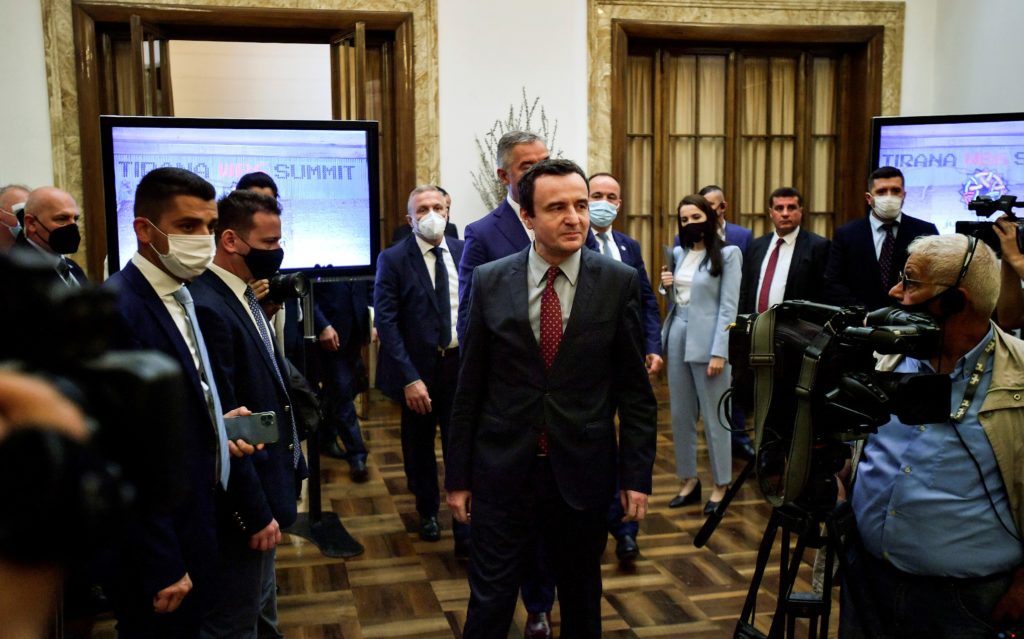
  • Kryeministri Kurti në Samitin e Tiranës: Kosova nuk mund të angazhohet në iniciativa që janë përshtatur t’ia mohojnë shtetësinë, do të angazhohemi vetëm si të barabartë/

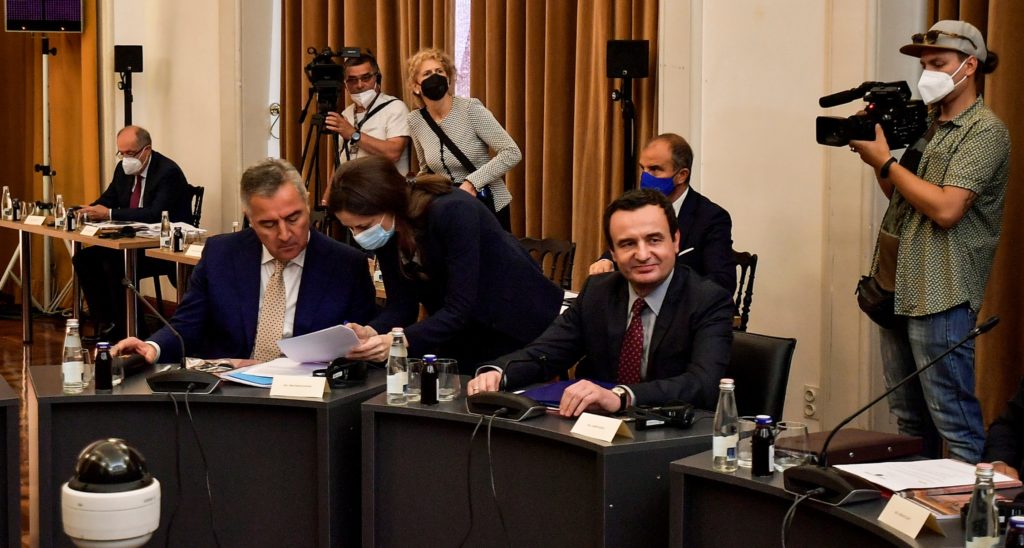
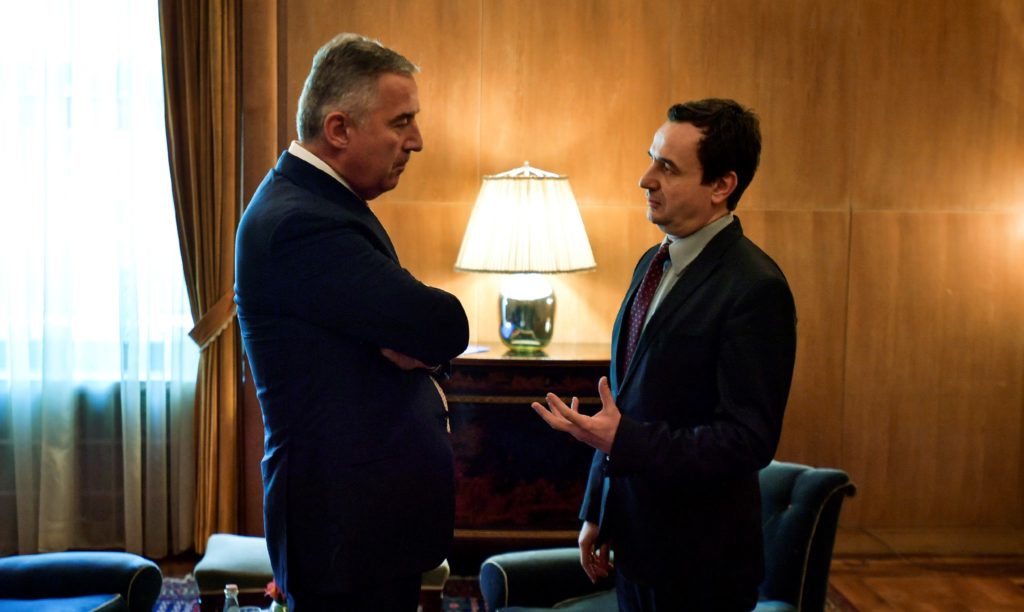
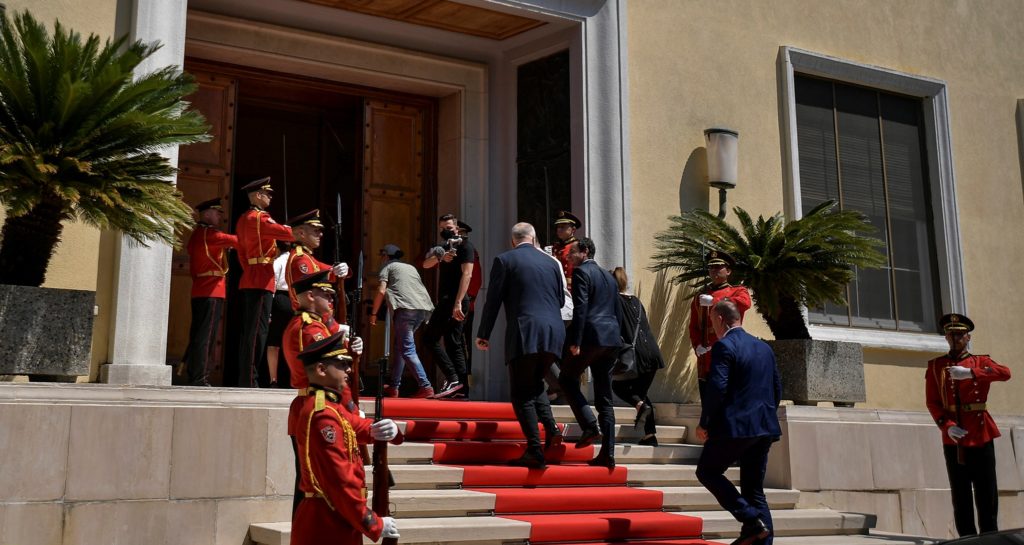
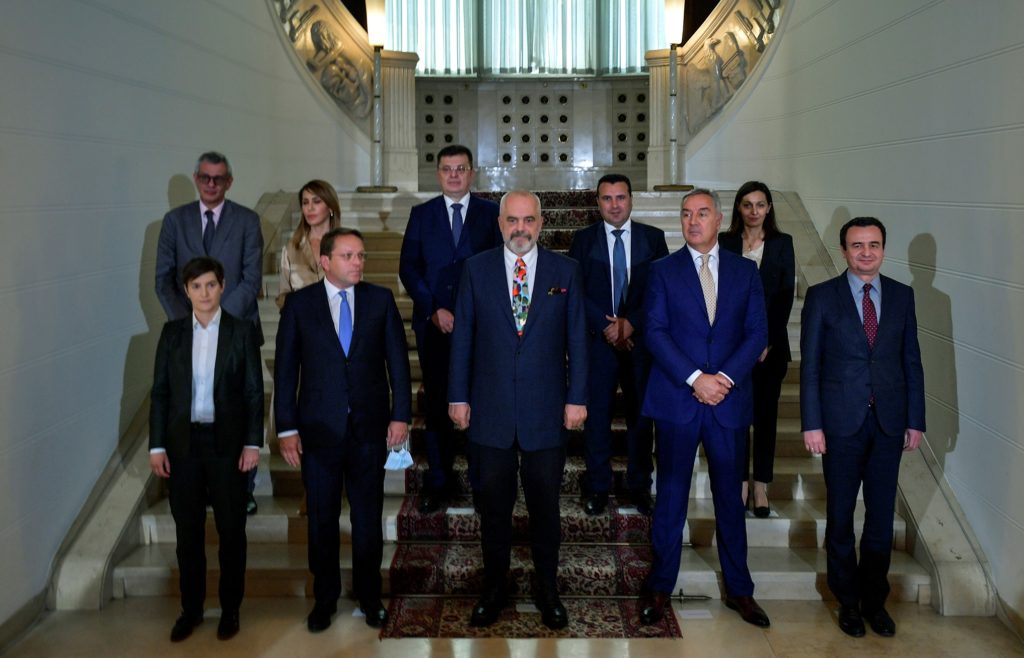
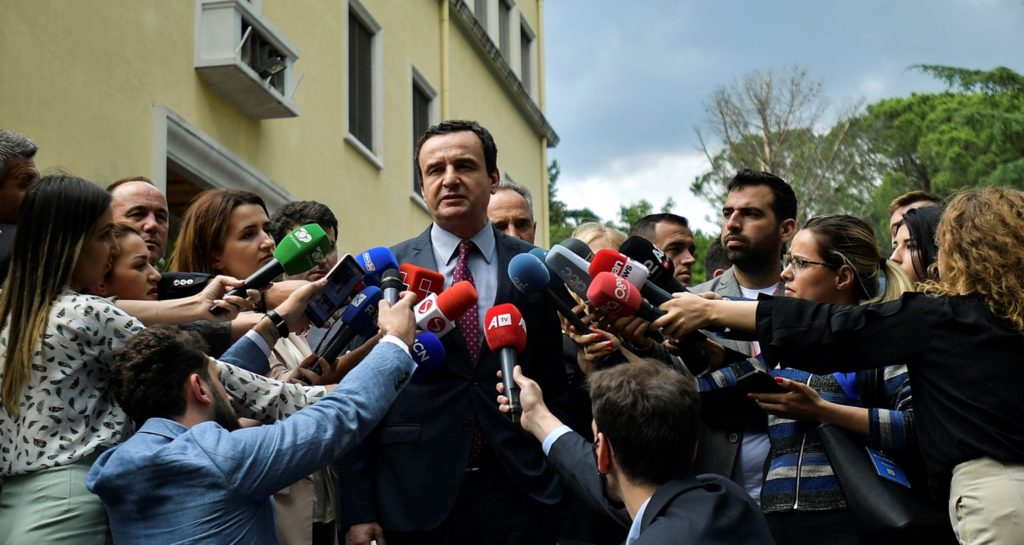
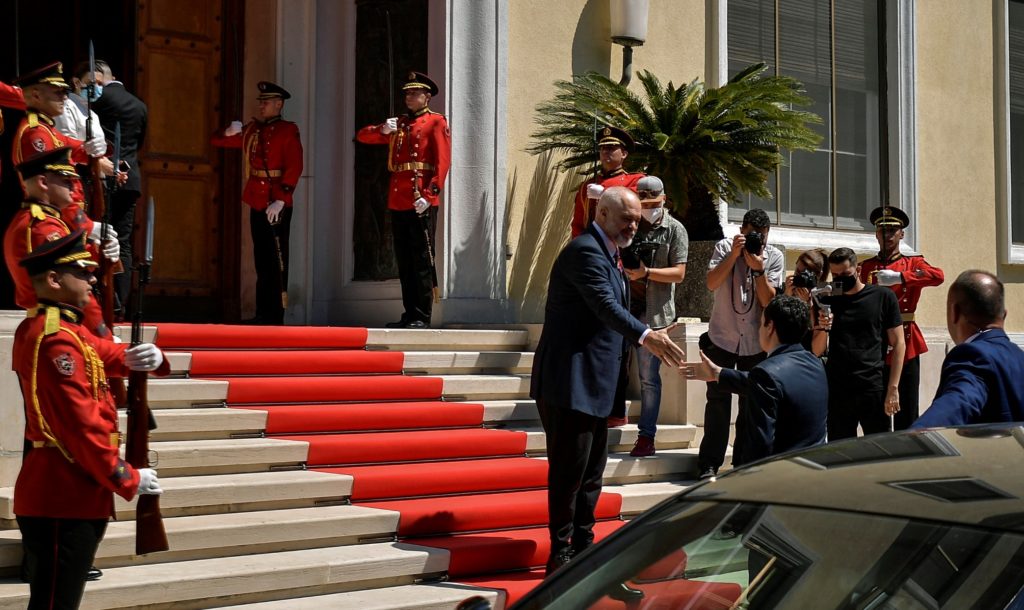
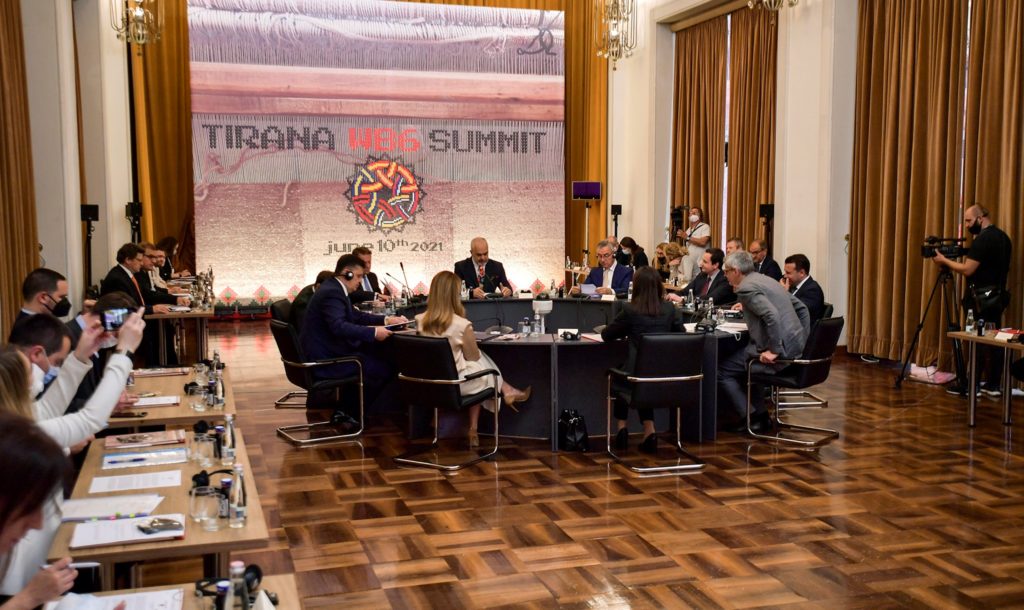
Tiranë, 10 qershor 2021– Refuzimi i Serbisë për ta njohur pavarësinë e Kosovës është pengesë e vazhdueshme ndaj bashkëpunimit rajonal. Kosova nuk mund të angazhohet në iniciativa që janë të përshtatura për ta mohuar statusin e Kosovës, si shtet sovran dhe i pavarur; do të angazhohemi vetëm si të barabartë, ka thënë Kryeministri i Republikës së Kosovës, Albin Kurti, gjatë fjalimit të tij në Samitin e Liderëve të Ballkanit Perëndimor, në Tiranë.

Samiti që bëri bashkë në takim liderët e gjashtë vendeve të Ballkanit Perëndimor dhe Komisionerin Evropian për Zgjerimin dhe Fqinjësinë e Mirë, Olivér Várhelyi, kishte në fokus zbatimin e planit ekonomik dhe të investimeve të paraqitur për rajonin nga Komisioni Evropian si edhe rrugën përpara për në samitin e Procesit të Berlinit me udhëheqësit e rajonit në korrik.

Në fjalën e tij kryeministri Kurti ka thënë se Shqipëria, Kosova, Mal i Zi, Maqedonia e Veriut, Bosnja dhe Hercegovinë dhe Serbia ende mbeten jashtë BE-së. Gjashtë vendet e Ballkanit Perëndimor janë në Evropë, por BE-ja akoma nuk është Evropë, ka thënë ai, gjersa ka propozuar ndryshimin e modelit të angazhimit dhe të bashkëpunimit në të ardhmen mes vendeve të Ballkanit Perëndimor.

Për të ecur përpara na duhet një kornizë e re bashkëpunimi, e cila bazohet në vlera të përbashkëta dhe në një zotim për një sërë parimesh thelbësore. Kjo kornizë e re do të quhet Marrëveshja për Tregti të Lirë e Evropës Juglindore – ose SEFTA, ka thënë kryeministri.

Fjalimi i plotë i kryeministrit Kurti në samit:

“White Paper” për Agjendën për Ballkanin Perëndimor 2030

I nderuari Kryeministër i Shqipërisë, z. Rama,

I nderuari Komisioner i BE-së, z. Varhelyi,

Të nderuar liderë nga vendet fqinje dhe rajoni,

Kryeministër Rama, ju faleminderit për organizimin e këtij samiti dhe që na mblodhët të gjithëve, në të vërtetë, ne duhet të takohemi më shpesh dhe të bisedojmë më shumë.

E di që i kemi 5 minuta për prezantim, prandaj do të përpiqem të flasë shkurtimisht. Fjalën time do ta ndajë në tri pjesë, ku pjesa e fundit përfundon me një propozim për bashkëpunim të ardhshëm mes vendeve tona.

Pjesa e parë ka të bëjë me shndërrimin e Bashkimit Evropian në Evropë.

Siç e dimë, shtatëdhjetë e një vite më parë, mes vuajtjeve të mëdha, shkatërrimit, armiqësisë dhe mosbesimit të krijuar nga Lufta e Dytë Botërore, është publikuar Deklarata Schuman dhe ka lindur një ide e guximshme; ideja e bashkëpunimit nëpërmjet institucioneve të përbashkëta. Kjo ide lulëzoi dhe çoi në krijimin e tregut më të madh të lirë në botë, duke bashkuar më shumë se 500 milionë njerëz në një Bashkim Evropian.

Megjithatë, edhe pse është zgjeruar në masë të madhe, BE-ja sot nuk është Evropë. Shqipëria, Kosova, Mali i Zi, Maqedonia e Veriut, Bosnja e Hercegovina dhe Serbia mbeten jashtë BE-së.

Gjashtë vendet e Ballkanit Perëndimor janë në Evropë, por BE-ja akoma nuk është Evropë.

Pjesa e dytë ka të bëjë me faktin që modeli ynë aktual i angazhimit duhet të ndryshojë.

Qasja aktuale ndaj bashkëpunimit rajonal ndikohet negativisht nga mosmarrëveshjet politike që e kanë penguar bashkëpunimin dhe i kanë ngritur dyshimet dhe pasiguritë në lidhje me të ardhmen. Për t’i zgjidhur këto probleme, ne së pari duhet ta pranojmë hapur burimin e tyre, pa ekuivoke ose finesë.

–        Refuzimi i Serbisë për ta njohur pavarësinë e Kosovës është pengesë e vazhdueshme ndaj bashkëpunimit rajonal. Kosova nuk mund të angazhohet në iniciativa që janë të përshtatura për ta mohuar statusin e Kosovës si shtet sovran dhe i pavarur; ne do të angazhohemi vetëm si të barabartë.

–        Në kuadër të Marrëveshjes për Tregti të Lirë të Evropës Qendrore (CEFTA), Kosova vazhdimisht është trajtuar në mënyrë të pabarabartë dhe të padrejtë. Në formën e saj aktuale, CEFTA nuk mund ta përgatisë rajonin për anëtarësim në BE. Kemi nevojë për përmirësim dhe përshpejtim.

–        Në kuadër të Këshillit për Bashkëpunim Rajonal (RCC), për shkak të mosnjohjes së Kosovës nga Serbia, të gjitha iniciativat shndërrohen në mosmarrëveshje në lidhje me terminologjinë. Duke i pasur parasysh këto fakte, nuk mund të pretendojmë që iniciativat e ardhshme do t’i zgjidhin pengesat aktuale, përveç nëse e ndërrojmë kornizën aktuale të bashkëpunimit.

–        Për më tepër, korniza aktuale nuk i adreson çështjet që ndërlidhen me pjesëmarrjen demokratike, ballafaqimin me të kaluarën, luftën kundër korrupsionit, llogaridhënien nga qeveria, pavarësinë e gjyqësorit dhe lirinë e medias.

Kjo më sjell në pjesën e fundit, e cila është rruga që e kemi përpara.

Për të ecur përpara na duhet një kornizë e re bashkëpunimi, e cila bazohet në vlera të përbashkëta dhe në një zotim për një sërë parimesh thelbësore. Kjo kornizë e re do të quhej Marrëveshja e Evropës Juglindore për Tregti të Lirë – ose SEFTA.

–  SEFTA do t’i përfshinte vendet e Ballkanit Perëndimor si anëtarë të barabartë me të drejta të barabarta, bazuar në një marrëdhënie të veçantë me BE-në, të ngjashme me marrëveshjen e Zonës Ekonomike Evropiane (EEA).

– Pas krijimit të SEFTA-s, BE-ja, përmes një marrëveshje me SEFTA-në, do të zgjerojë katër liritë e BE-së – lëvizjen e lirë të mallrave, shërbimeve, personave dhe kapitalit – në të gjithë vendet e SEFTA-s.

– Kjo marrëveshje do të modelohet në Marrëveshjen aktuale EFTA-EEA e cila do të parashikonte që Ballkani Perëndimor dhe BE të ecnin përpara së bashku duke u bazuar në legjislacionin e BE-së.

-Marrëveshja do të kishte një strukturë të ngjashme institucionale të modeluar rreth EEA-së që do të përbëhej nga Këshilli, Komiteti i Përbashkët, Gjykata, Sekretariati dhe autoriteti i Mbikëqyrjes, ndër të tjera.

– Marrëveshja do t’i përgjigjej gjithashtu “Planit të Investimeve Ekonomike të BE-së për Ballkanin Perëndimor”, i cili synon të mobilizojë deri në 9 miliardë euro në fonde në këtë dekadë.

–  Duke pasur parasysh mungesën e gatishmërisë dhe ekspertizës brenda rajonit, marrëveshja me BE-në do të parashikonte një mekanizëm mbikëqyrjeje, të drejtuar dhe operuar në kuadër të Bashkimit Evropian për të siguruar që të gjithë anëtarët e respektojnë marrëveshjen; kjo është thelbësore nëse do të kemi një treg të përbashkët që funksionon në mënyrë të drejtë dhe parimore.

– BE-ja dhe Ballkani Perëndimor do të mund të zhvillonin një samit të veçantë në vitet 2024 dhe 2027 për ta vlerësuar nivelin e gatishmërisë për anëtarësim të plotë në BE.

– Republika e Kosovës është e interesuar të anëtarësohet në BE dhe të kontribuojë në rritjen e saj të vazhdueshme. E mirëpresim mundësinë për të punuar ngushtë me të gjithë fqinjët tanë rajonalë në lehtësimin e anëtarësimit tonë kolektiv në BE. Propozimi ynë është i guximshëm, por të tilla janë edhe ëndrrat e qytetarëve tanë. Ne jemi të bindur që nëse ecim së bashku në këtë rrugë, atëherë do të jemi në gjendje të adresojmë shumë sfida dhe të arrijmë objektivin tonë të përbashkët.
Filed Under: Featured Tagged With: Kryeministri Albin KURTI, Mosnjohjen e Shtetesise, Qe synojne, Samiti i Tiranes

NDERIM PER LIDHJEN E PRIZRENIT!

June 10, 2021 by dgreca

– Kryekuvendari Konjufca: Lidhja e Prizrenit paraqet kulmin politik të Rilindjes Kombëtare/

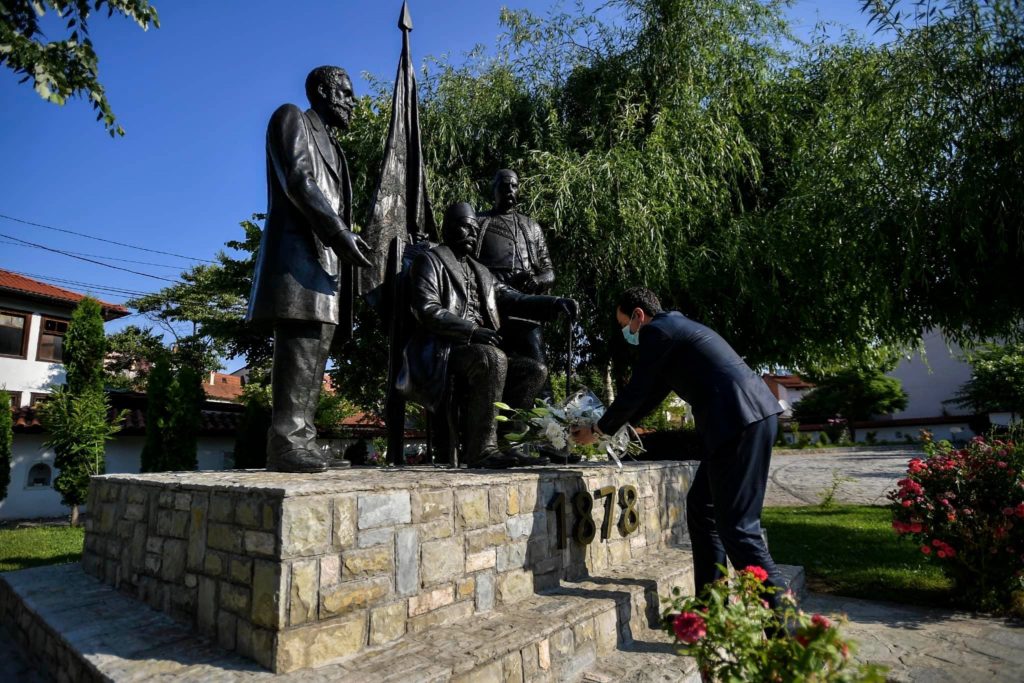
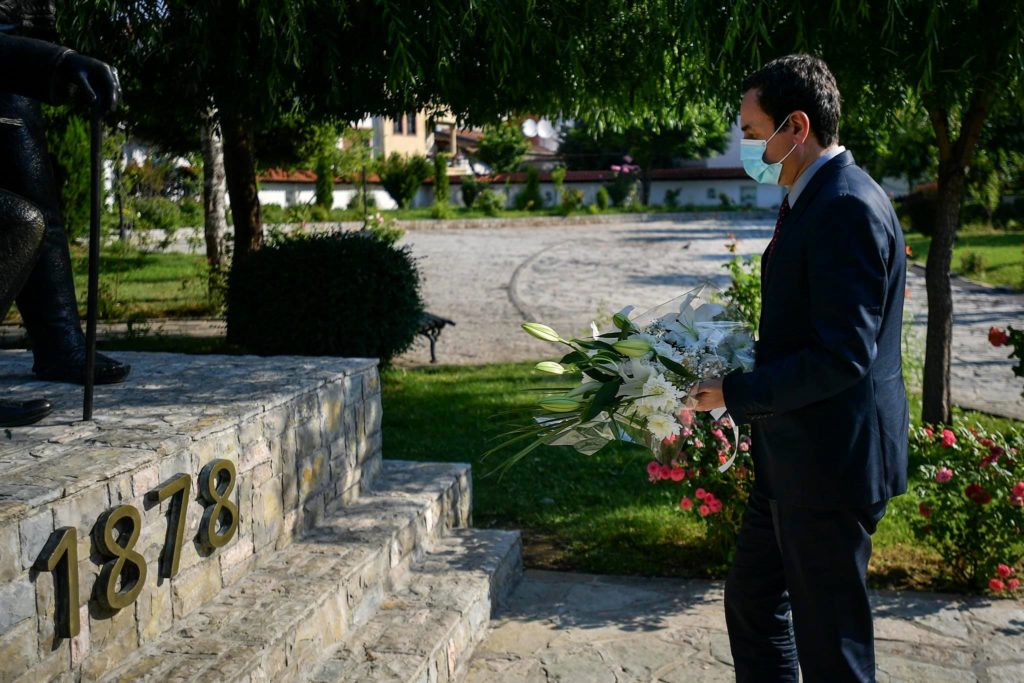
– Kryeministri Kurti në Prizren nderoi Lidhjen Shqiptare, rrugës për në Shqipëri/ 

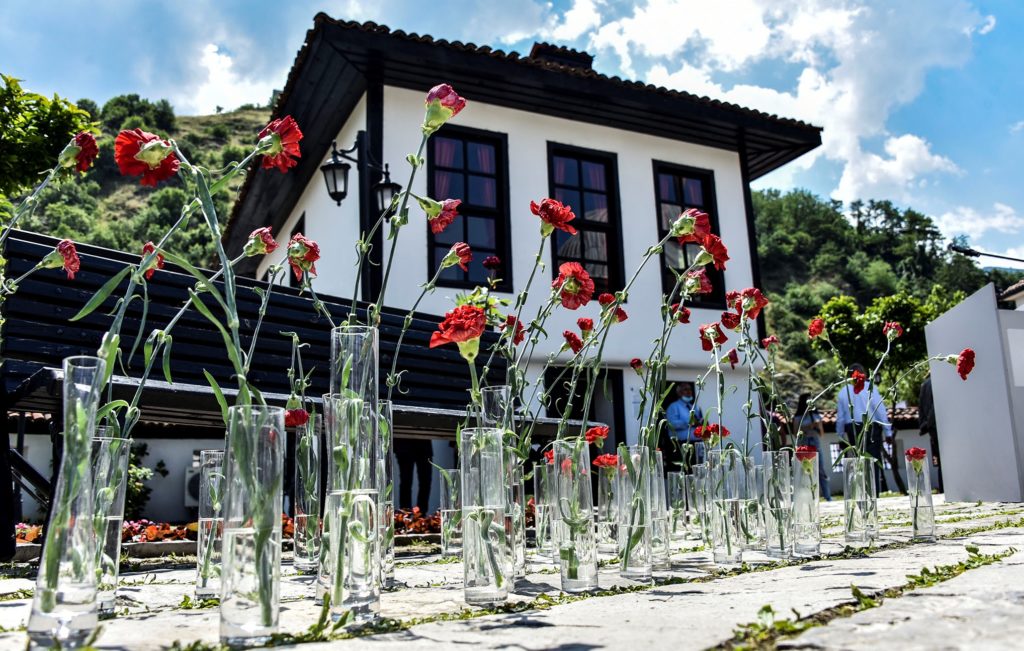
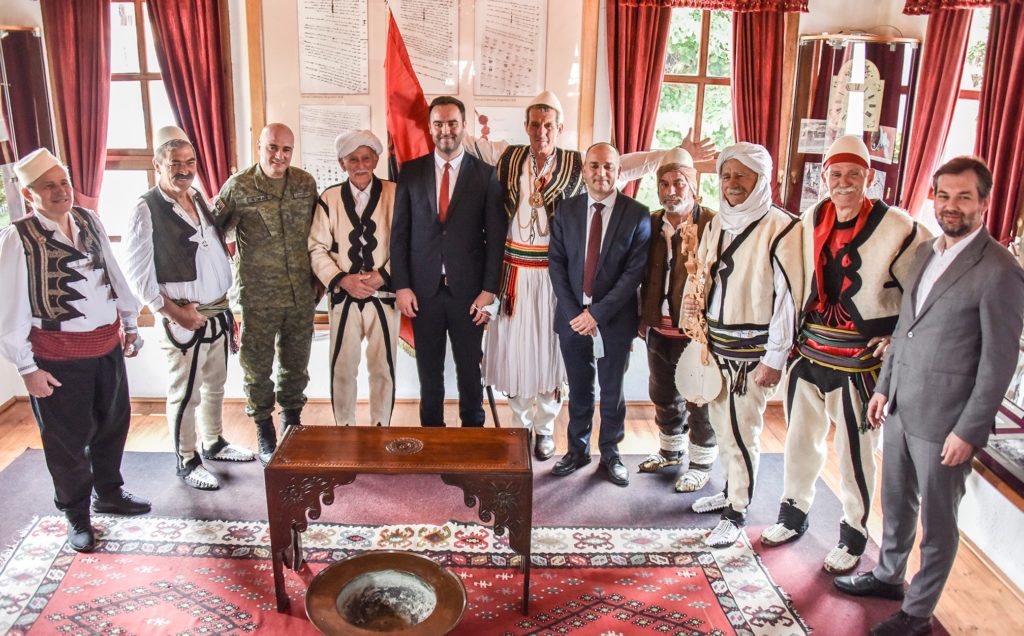
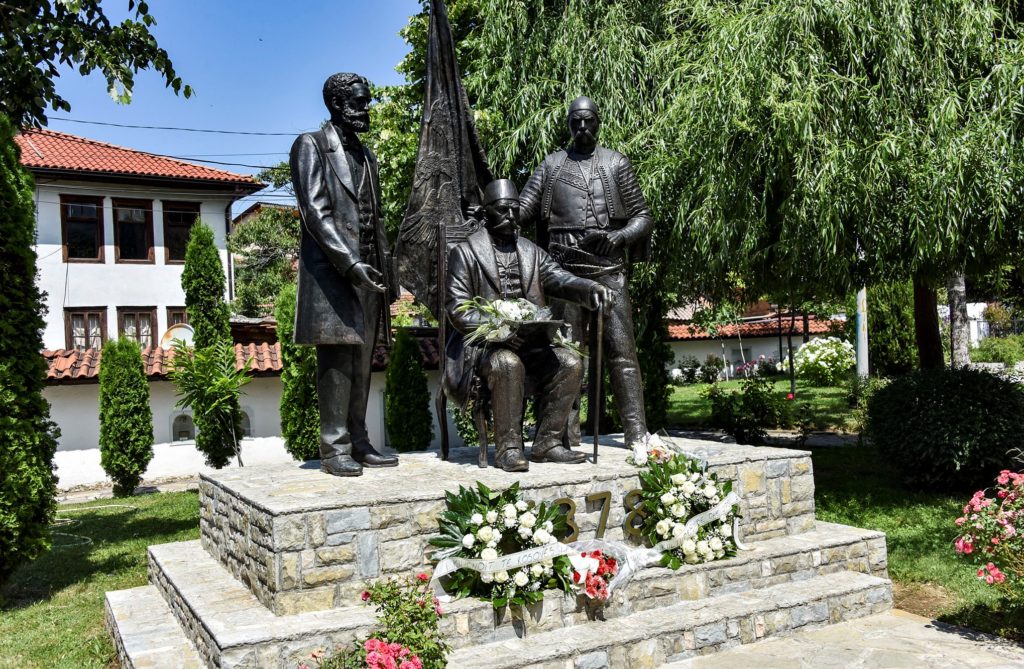
Kryetari i Kuvendit të Republikës së Kosovës, Glauk Konjufca, së bashku me ministrin e Kulturës, Rinisë dhe Sportit, Hajrullah Çeku dhe kryetarin e Komunës së Prizrenit, Mytaher Haskuka, bëri homazhe te shtatorja e prijësve të Lidhjes Shqiptare të Prizrenit, për nder të përvjetorit të 143-të kësaj ngjarjeje të rëndësishme të historisë kombëtare.

Kryekuvendari Konjufca në fjalimin e tij për nder të kësaj dite, tha se 10 qershori është datë shumë e rëndësishme për gjithë kombin shqiptar.

Ai tha se Lidhja e Prizrenit paraqet kulmin politik të Rilindjes Kombëtare që kontribuoi në mbrojtjen e tokave shqiptare.

Kreu i Kuvendit tha se nuk është e rastësishme që ata qindra përfaqësues të trojeve shqiptare u mblodhën në Prizrenin historik, ngase, siç tha ai, ishte vendi më i sigurt dhe i cili, në kuptimin e gjeografisë shqiptare të shekullit XIX, përbënte epiqendrën gjeografike të kombit shqiptar.

 “Pas luftërave të lavdishme të Gjergj Kastrioti-Skënderbeut, kjo është ngjarja më e rëndësishme e cila vjen në shekullin XIX. Kurse në shekullin XX, ngjarjet më të rëndësishme për kombin tonë janë në fillim të atij shekulli, që është shpallja e Pavarësisë të Shqipërisë, dhe ky shekull përmbyllet me luftën e lavdishme të Ushtrisë Çlirimtare të Kosovës dhe çlirimin e Kosovës prej Serbisë. Siç dihet, ngjarja më e rëndësishme e shekullit XXI është shpallja e Republikës së Kosovës”, tha kryekuvendari Konjufca.

Të pranishmëve me një fjalë rasti iu drejtuan edhe ministri i Kulturës, Hajrullah Çeku dhe kryetari i Komunës së Prizrenit, Mytaher Haskuka.

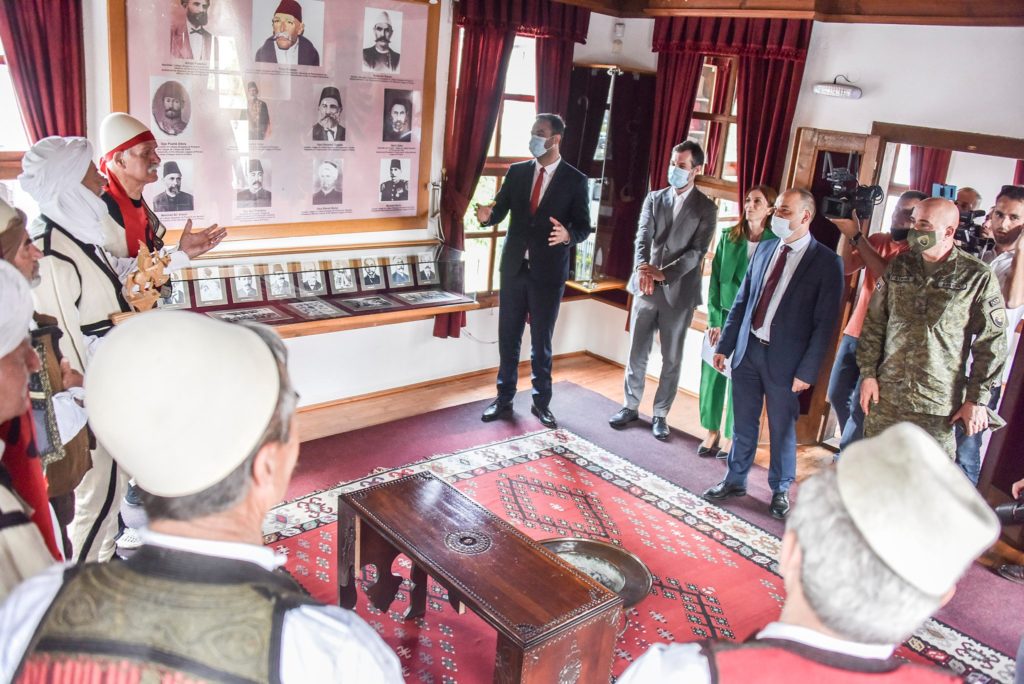
Manifestimi vazhdoi me vizitën e kryetarit Konjufca në ndërtesën e Lidhjes Shqiptare të Prizrenit, duke e përmbyllur atë me pjesëmarrjen e tij në ekspozitën e Prof. Dr. Ukë Xhema, me prezantimin e fotografive të përzgjedhura për këtë ditë.

   *** 

Kryeministri Kurti në Prizren nderon Lidhjen Shqiptare, rrugës për në Shqipëri

PRIZREN, 10 Qershor 2021- Gazeta DIELLI/ Kryeministri i Republikës së Kosovës, Albin Kurti, sot në mëngjes, në Prizren ka nderuar Lidhjen Shqiptare dhe veprimtarët e saj rrugës për në Shqipëri, ku  merr pjesë në Samitin e  Ballkanit Perëndimor, që  mbahet në Tiranë ketë të enjte të 10 Qershorit 2021.

Kreu i Qeverisë së Kosovës, Kurti ka shkruar:Jemi nisur herët në mëngjes për në Tiranë, ku do të takohemi me udhëheqësit e shteteve të rajonit. Por sot është data e kryengjarjes së kombit tonë, përvjetori i Lidhjes që u mblodh në 10 qershor 1878 në Prizren.

Ishte e domosdoshme të ndaleshim në Prizren për ta nderuar Lidhjen e veprimtarët e saj, gegë e toskë e të të gjitha bindjeve politike e feve, që vendosën të bëhen bashkë për mbrojtjen e njerëzve e trojeve të Atdheut.

Pas homazheve, vijuam rrugën për në Shqipëri, duke e patur përherë të qartë se cila është busulla jonë historike, ajo që na e tregon udhën e mbarë.

(me shume fotografi i gjeni ne FB)

​ 

Filed Under: Featured Tagged With: Kryekuvendari Konjufca, Kryeministri Albin KURTI, Lidhja e Prizrenit

President Osmani on Kosovo’s domestic reforms, dialogue with Serbia, and relationship with the US

June 10, 2021 by dgreca

Transcript by Atlantic Council/ Related Experts: Damon Wilson, Benjamin Haddad/

Event transcript/

Speaker
H.E. Vjosa Osmani

President of the Republic of Kosovo

Introduction and Moderator
Damon Wilson
Executive Vice President, Atlantic Council

Closing Remarks
Benjamin Haddad
Director, Europe Center, Atlantic Council

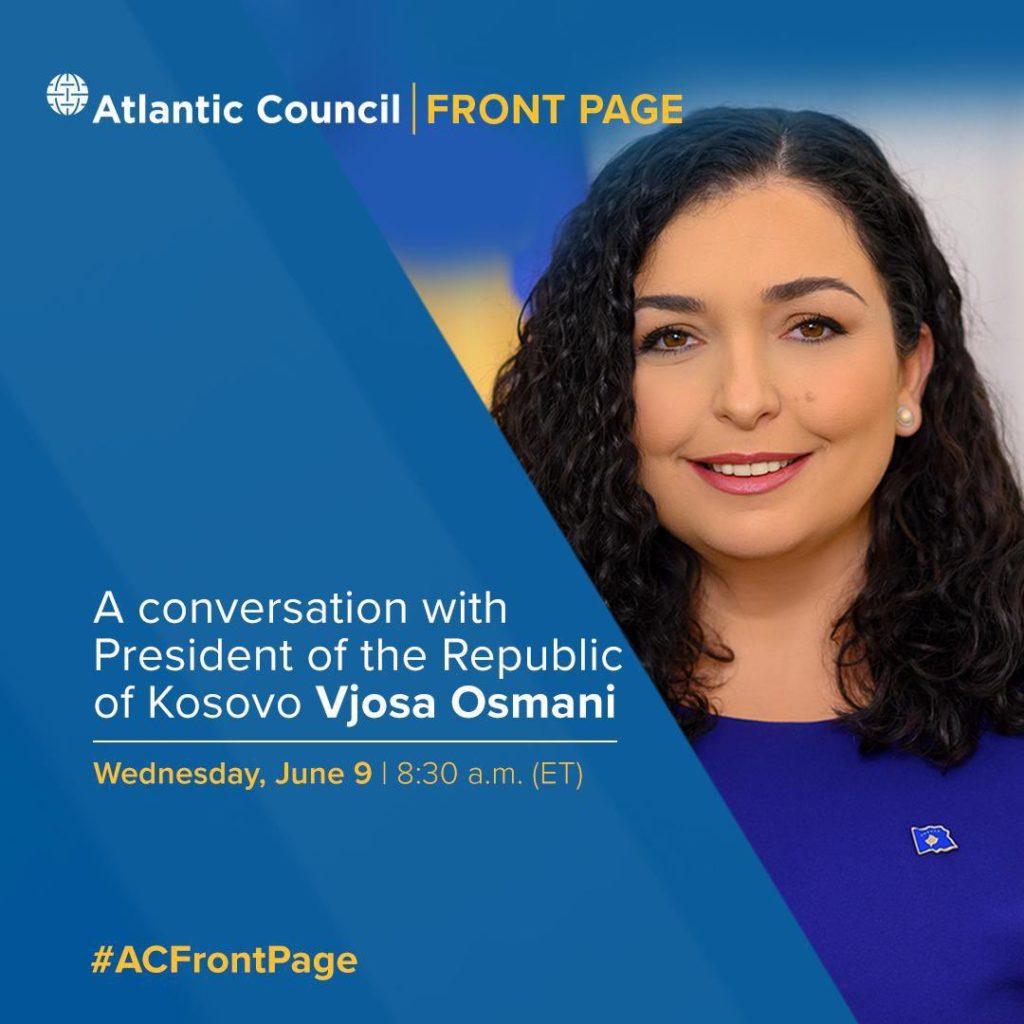
DAMON WILSON: Good morning to those joining us in the United States and good afternoon to our audience in Europe. I’m Damon Wilson, executive vice president of the Atlantic Council, live from studios—Atlantic Council studios in Washington. And I’m delighted to welcome you to our latest edition of AC Front Page, our premier broadcast featuring top newsmakers.

Today we’re delighted to welcome one of Europe’s youngest and newest leaders, her excellency Vjosa Osmani, the president of the Republic of Kosovo. So welcome to AC Front Page, Madam President. We’re honored to have you with us today.

PRESIDENT VJOSA OSMANI: Thank you, Damon. The honor is all mine. I really look forward to the conversation with you and everyone else joining us today.

DAMON WILSON: Thank you so much.

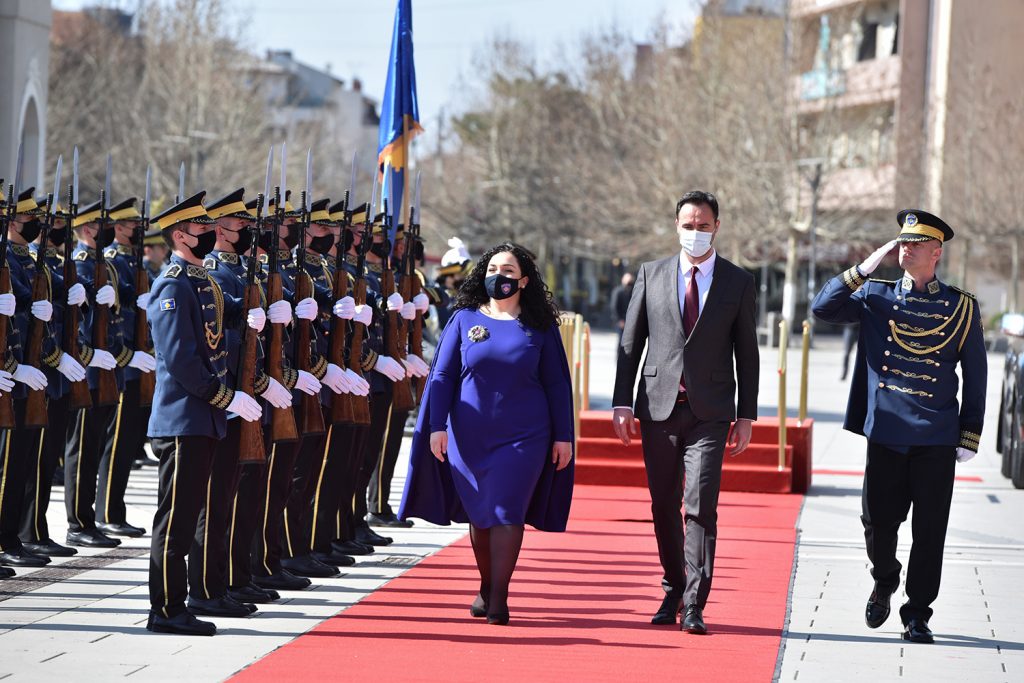
President Osmani was elected in April to president. And she is only the second female president of Kosovo, the first woman to serve as speaker of the Assembly of Kosovo. And she ran on a reform and anti-corruption platform. She’s also emphasized the need to normalized Kosovo-Serbia relations. So today we’ll explore how she’s going to tackle these priorities during her tenure. And we’ll also discuss President Osmani’s expectations of the United States on President—the eve of President Biden’s trip to Europe.

She has close ties to the United States. We first had the chance to meet in the fall of 2019 in Washington when she was planning for new elections. She brings energy, vision, pragmatism, and a human touch to her work. Kosovo has emerged as among the most dynamic democracies in the region. But still, more than a decade after its independence, it faces tremendous challenges at home and in the region. So we look forward to hearing… the president’s vision for [her] country, for how it can be part of regional stability and economic growth, and anchoring it in the transatlantic community.

And that’s why here at the Atlantic Council we’ve created the Balkans Forward Initiative, to foster a democratic, secure, and prosperous Western Balkans, firmly integrated in the transatlantic community. So I’ll be moderating today’s conversation. I’m going to be joined by some colleagues who will be asking some questions on air. And I would encourage all of you in the audience to join and participate using the hashtag #ACFrontPage and the hashtag #BalkansForward.

So with that, Madam President, let’s jump in. You were just elected as president in April. You are not new to politics, and you’ve been involved in helping to disrupt, if you will, Kosovo’s politics. But share with our audience a little bit of your vision for Kosovo, your priorities as president.

PRESIDENT VJOSA OSMANI: Once again, thank you, Damon. Really looking forward to this. And also looking forward to meeting you all in Washington whenever the time permits, as well as the COVID-19 measures. Let me wish you all health during these very difficult and challenging times. As we all know, that’s the most important thing nowadays and every day, I would say.

As you know, the Kosovo institutions that emerged from the 14th of February elections of this year were all around two main pillars. First of all, our promise to the people of Kosovo that our main job is rule of law and justice as a precondition for success in every other area—be it economy, health, education, and other areas. And secondly is creation of new jobs, given the fact that Kosovo has quite a high rate of unemployment even thirteen years after the declaration of independence, especially among youth and women, which are the two categories that we’re aiming to help support most.

Kosovo has the highest inactivity rate of women in the region when it comes to the job market. And for that reason, it’s extremely important that we understand that without including the other 50 percent of our society in the job market and in every other area of life we cannot aim for a successful country and for long-term and sustainable economic development of it.

So what we’re aiming to do—and as you can—you have heard it so far from both myself and the government—is institutions that very much tackle the daily acute problems of our citizens and are very much focused on the domestic issues. At the same time I’m very much aware, as president of the country, and at the same time head of foreign policy according to our constitution, but it’s not like the globe is going to wait for us to tackle all of the domestic problems and only then focus on our foreign policy.

So, as president of the country, of course, in cooperation with the government, we meet quarterly—on a weekly basis on foreign-policy issues—from regional ones, which of course also include dialogue with Serbia, to bilateral relations with the United States as our most important and most strategic ally, and even other countries in other continents with which, while maybe geographically far, I still think bilateral relations with all of them are extremely important for young nations like Kosovo.

So, having in mind the result of the latest elections and the fact that the change, the positive change that we all aimed for, was mainly made possible because of the votes of women and youth, it is our obligation that these two categories are really heard—all of the citizens of Kosovo, obviously, no matter their gender, no matter their ethnicity, no matter their background. But first and foremost, we really need to make sure that Kosovo becomes a country that its young people, that comprise the majority of the population, see their perspective inside of Kosovo. These are some brilliant young minds that really need to have their potential developed, and then they could be successful in Kosovo or outside. But at the same time, they need support from the Kosovo institutions in fair processes that are based on meritocracy in a country where education is qualitative. Because, as a person that comes from… academia, you would expect… that I would not just say but also act on a platform where investment in education and investment in human capital is really at the center of what we do in our country.

But all these are priorities which, of course, we need to turn into concrete action in the next four to five years because, as you know, the government has a four-year mandate, but I as president have a five-year mandate. But the reforms that are necessary in the justice sector, one, and in the jobs sector, which of course encompasses reforms in education, in economy, and so on and so forth, will require patience, will require courage, will require a vision that will go even beyond four years.

I really want that what we tackle, what we do, what we envision, what we carry out as part of these reforms, are such that will be continued even by presidents that will come after me and even by governments that will come after the Kurti government because only when we understand that, only when we understand that top reforms in education will have to take about a decade, will have to be continued from one government to another, only when we understand that institutional memory really is key to a cohesive success of our institutions, I believe we’ll be successful in tackling some of the biggest problems.

So, as you can see from my very long answer to your first question, the challenges are enormous. But we’re, as President Obama would say, all fired up and ready to go.

DAMON WILSON: Thank you for sharing that. I think you’re right. I mean, as president, you articulate a vision for the state. And while you’re right that the domestic elections, or domestic issues, really drove the elections earlier this year, one of the remarkable things that seems to unite everyone across the political spectrum in Kosovo is the relationship with the United States.

You have an outsized voice as president in your lead on foreign affairs. We’re speaking on the eve of President Biden’s first trip to Europe. What are your expectations for President Biden’s trip? And more specifically, what would you like to see from the United States towards the Western Balkans during this administration?

PRESIDENT VJOSA OSMANI: Probably the list is quite long, but let me mention a couple of the expectations that I think are extremely important not just for the people of Kosovo but wider—for the region and for Europe as a continent.

First and foremost, I strongly believe that President Biden really understands—and probably is one of the US politicians that best understands because of his experience in transatlantic cooperation—how important cooperation between the United States and Europe is. Our region has suffered at times when such transatlantic cooperation was not at its best times. For that reason, I really have the great belief that he will only contribute to strengthening this transatlantic cooperation. And in addition to that, the fact that he is participating in the NATO summit, he is once again emphasizing how important the NATO alliance is for the security of not just our continent, but for the security of the world.

When it comes to Kosovo in particular, of course, having in mind the close ties that President Biden has had with Kosovo—he’s visited Kosovo a couple times—I’ve had the honor of meeting him a couple of times in Washington, DC, at the White House as vice president, previously as senator, and in different capacities during my short but interesting political career, and I have to say that he is one of the people if not the person in the United States that knows Kosovo best. And I think that is quite an important factor in making us feel confident that he will understand that what he has started, together with all of us, in supporting Kosovo in its path towards strengthening its statehood—which among others include recognitions bilaterally as well as memberships multilaterally—is something that he will continue to support. Moreover, the fact that he’s going to be in Brussels for the NATO meeting, the NATO summit, I do hope that is one of the elements that will only increase the level of preparations of the countries in our region towards becoming a NATO member for those of us that are not.

As far as Kosovo is concerned, the new institutions have stepped up their efforts when it comes to preparation for first of all Partnership for Peace, and secondly to prepare for a NATO membership. And I do hope that President Biden and his administration will understand how important that is for the security of the entire region. Albania’s and Montenegro’s membership at NATO has only stepped up the security level and the level of peace in our region. I strongly believe that Kosovo, as a country that used to be an importer of stability in NATO forces in the past and now as being an exporter of stability with Kosovo soldiers joining US forces in the Middle East operations, I think it’s such an incredible example of, one, NATO contribution, but most importantly US contribution to peace in the world and to peace in the European continent, in our region more importantly. And to have Kosovo become a member of NATO would be not just Kosovo’s success, but I think just a stamp to the US success in the world as well.

DAMON WILSON: Thank you for sharing that—sharing that ambition.

Here, the Balkans Forward team at the Atlantic Council works very much to promote strengthened US-EU cooperation on the Balkans. And one of the areas where we’ve seen sometimes really coordinated action, sometimes complementary action, and sometimes disjointed action is on the EU-facilitated dialogue between Belgrade and Pristina. So you’ve watched. You’ve been involved and seen this over a decade. How do you see, as president, the prospects for Kosovo-Serbia relations? And how do you begin to translate this dialogue from a dialogue into results that deliver for the people of the region?

PRESIDENT VJOSA OSMANI: Let me be very frank here: I really think it will depend on how much Serbia takes its obligations in the dialogue seriously. It will also depend on how much Serbia truly means when they say integration in the European Union. Because, as the saying goes, you cannot really sit on two chairs at the same time. You cannot flirt with Russia militarily, politically, economically, and in other areas, and at the same time say that you believe in EU values. You cannot promote ideas of border changes based on ethnicities that belongs to the past—belongs to the past centuries—and at the same time aim to join the European Union, which was built on the exact opposite values. You cannot aim to promote human rights and multiethnicity and at the same time promote ideas that would be based on ethnic divisions.

I myself, as the president of Kosovo, as the president of the people of Kosovo, truly believe in the multiethnic values that we have embraced in our constitution and we’re implementing every single day of our work in the institutions and every single day in every other area of life. So I do think that it’s about time that Serbia actually decides what does it want.

From its side, Kosovo has always shown to be the constructive party in the dialogue. We have always extended our hand of cooperation in this process. We have decided to sit at that table in spite of the fact that Serbia has never asked for forgiveness. We were the good neighbor. Kosovo is never a country that destabilizes any other country in the region. So it’s about time that Serbia becomes a good neighbor as well, not just to us but also a good neighbor to Croatia, a good neighbor to Montenegro, a good neighbor to Bosnia. For that reason, I think Europe should start talking with clear language when it comes to Serbia and what their expectations are.

In this process—and, as you know, there will be a meeting now soon in June—Kosovo is going all prepared with the intention of contributing to a qualitative final agreement that is centered around mutual recognition in Kosovo’s current borders and based on its declaration of independence and the constitution of February and April 2008. There are lots of issues that I think are a priority and would really help push the process forward positively.

And let me mention one that is extremely important—not just to me as the representative of the people of Kosovo, but to the people of Kosovo generally—and that is the issue of the missing persons that were forcibly disappeared during the war. We will be doing our utmost to make sure that we contribute to a dialogue where Serbia will finally open up their archives and show the whereabouts of the beloveds of 1,639 families that are still longing for information as to where their kids are. I meet the families of the missing every single day.

And we really should understand that while it’s extremely important to talk about how to remove barriers of movement and, you know, we’ve had so many agreements, even focusing on stickers on the—on the registration plates of cars. But you know, when I go to Suva Reka, a city in Kosovo, and I meet a mother… she found some of her children but she’s still missing one of her—of her girls—little girls, and the grave is still open, I’m sorry, but I cannot talk about the stickers on those registration plates any longer. I need my people back, first of all. When the people are back, then there is an entire new chapter that can be opened on discussing the issues of trade, and issues of stickers, and how to remove these barriers, which unfortunately Serbia has not removed—especially the nontariff barriers—throughout the years.

I belong to a generation of people in politics and outside of politics that really sees a potential of regional cooperation in many other areas apart from politics—in tourism, in trade, in economy, in digitalization. We can truly transform this region. But we also must understand that, just like anywhere else in the world where countries went through wars and paid in destruction, there is a precondition for peace, and that is justice. No one in Kosovo is asking for revenge. We’re simply asking for justice.

And these will be issues that we will openly tackle in the dialogue with Serbia. Every single time that I talk about these crimes, I’m very clear in saying that they were committed by the Milošević regime. It’s about time that Serbia also makes the difference and cuts the ties with that regime of the past and really brings the perpetrators before justice so that the entire region can move forward in development and cooperation.

DAMON WILSON: So, despite some of the differences across the region, one of the things you hear from leaders—whether in Belgrade, Pristina, or anywhere in the region, is this emphasis on economic growth in jobs, recovering from this pandemic. Obviously, the president’s priority here, President Biden’s priority here, economic recovery from the pandemic, that’s the focus in the G7. How do you see the effort in the region, particularly around this Western Balkans Six sort of partnership, to promote an accelerated recovery out of the pandemic through greater regional economic cooperation, greater common cooperation on green recovery, recognizing regional cooperation as a—as a pathway long before EU membership becomes a reality. Is that a viable option economically and politically for Pristina?

PRESIDENT VJOSA OSMANI: For Kosovo, it is extremely important that economic cooperation in the region is something that we all contribute to. But I have to emphasize that countries need to respect what they sign. So if a country signs to remove nontariff barriers, as Serbia did with CEFTA, they should implement that.

The other issue that I need to point out is that, in Kosovo, we’re really concerned with efforts to double up and just replicate the regional initiatives that actually exist, either with the regional economic area that has now turned into a common regional market, in the Berlin Process, or with the RCC and other regional institutions to which Kosovo has always contributed. In early July, as you know, in the new meeting of the Berlin Process—which might be the last one—there will be a reconfirmation of the efforts and the wills of the governments of the Western Balkans to cooperate in a common regional market.

There are—of course, there were a couple of issues with which Kosovo had concerns which were removed. And mostly the focus is to remove the barriers of movement, especially for the people but also for goods. And I think in that sense, since we were never a barrier to anyone, we will continue to contribute in that area. But I do hope that other countries in the region will contribute to that, because if we present important regional projects to the European Union and the United States it will be much easier to convince them, obviously, to invest.

But I think one thing that we should never forget: The support should be equitable. It should be just. The principle of equity needs to be taken into account so that those that have been damaged most like Kosovo, those that need more support like Kosovo, actually get more support. I have to say that even during the delivery of the vaccines of the some of the international initiatives, I don’t think these principles were taking into account the situation in our area. So some of the countries that were doing really well were getting more vaccines than countries like Kosovo and Bosnia that were really far behind. But now we’re lucky to be doing better, and I wanted to take this opportunity to express gratitude towards all of those nations that have helped us within the EU or elsewhere, but in particular to President Biden, first of all, for including Kosovo in the list of countries that will be benefitting not just through COVAX but also bilaterally from the US initiative to spread the surplus of their vaccines with the rest of the world.

So economy is extremely important. But as I said, countries really need to implement what they signed. And just going back to history, I think we don’t need anyone to explain us the numbers because they are very, very clear that despite of what it signed Serbia did not implement, either from the Berlin Process nor from CEFTA agreements nor the regional economic area commitments. None of these are, in fact, implemented in practice. I think it’s about time that the European Union in particular takes into account that investing in Kosovo financially is something that would also turn its, you know, long-term investment in Kosovo into a success. We should not be seen as a country where the West has contributed to its freedom and independence and just forget about its success economically and in other areas.

DAMON WILSON: Thank you. We’ve got some terrific guests who have joined us for this conversation, so I don’t want to monopolize the questions with you, Madam President.

And with that, I want to turn to Ambassador Cameron Munter, who is joining us from Prague. Cameron Munter has become a senior fellow here at the Atlantic Council, with a long track record in the region. He helped build out the Balkans work when he was at the EastWest Institute. He’s also a senior fellow in our South Asia Center. Ambassador Munter, over to you, sir.

CAMERON MUNTER: Madam President, really a pleasure to have this opportunity. And let me just give a brief, more specific kind of question, which is one of the things that I think you and the government of Kosovo is committed to is fighting corruption, and it’s a big topic and a tough one. I’d like to ask what kind of initiatives you have in mind, what specific things that you can do, and especially whether you see fighting corruption simply as a domestic issue or whether it’s part of the effort to try to get the region to work together. Inasmuch as all the countries in the region have this problem, are there ways, A, that there can be these new initiatives? And, B, can your neighbors be involved to help as well?

PRESIDENT VJOSA OSMANI: Thank you, Ambassador. Perhaps I’ll just start with the second part of your question.

I am a strong believer of cooperation in every area in the region, but especially where these are joint rule-of-law efforts. That is why I thought it was so important that Kosovo’s efforts towards joining Interpol would be successful. But unfortunately, because, as you know, the work of Russia and Serbia, we were blocked at the very last minute from joining this institution, which would help us cooperate with other nations in the region and elsewhere.

Recently we’ve had an excellent cooperation example between Kosovo, Italy, and Albania, which actually is the most successful in Kosovo’s recent history as a joint cooperation program. And I think it only shows how important regional cooperation is in combating high-level organized crime because, as you know, if it’s high-level, it means that it’s not just local. It has absolutely crossed borders.

And that is particularly true for the Western Balkans. It’s particularly true. It goes back to the early 90s, to be very frank. But I’m not going to go or dwell into details of that. But it’s a chain of cooperation between these elements, which we need to tackle all together. And we will. We will for sure.

I do agree with you that it does require cooperation in the region, but I think it goes even wider than just the region. And for that reason it’s so important that Kosovo’s membership in Interpol and Europol is supported so that we can also contribute to this, as we have. Kosovo’s police, in fact, is one of the institutions with the highest credibility rate and trustworthiness among the people of Kosovo. And I think that is really helping us have the people cooperate with them in these kind of cases.

But lately we’ve had some really great success stories, which are an example to show also to the rest of the world because being successful in fighting crime and corruption is not just a success domestically. I think it reflects positively for the image of the country internationally. So that’s why I think it’s so important for us. And as I said, the success in this area is a precondition for success in every other area.

Some of the issues which we will—we will be dealing with—and we’re already working on that—is, one, adopting new pieces of legislation that will be tackling this phenomenon much more seriously, whether it’s with confiscation of assets illegally obtained or other pieces of legislation.

Secondly, we will start a vetting process. And the Ministry of Justice is already working on the concept document and the platform and strategy that will be followed, obviously learning from the lessons or some mistakes that were made in other countries during the vetting process. And vetting, I strongly believe, should not only include the justice sector, but also the security sector, because they go together. If you’re really investigating a case, you need to make sure that you’re successful with the police, you’re successful with the prosecutor’s office, and then end up with judges. And in all these pillars—and other security and intelligence institutions, obviously—you need to have people with integrity everywhere, not just in one institution, because if the chain is broken somewhere you’re not going to be able to move on.

So perhaps to conclude by emphasizing what I emphasize every day in my work: Integrity is the key word here. We need integrity in this sector, because even if we as politicians fail, even if the politics of this country end up perhaps violating the rights of the citizens, they need to have a place to go, a place that they trust to have their rights protected. And that should be the courts. That should be the justice system. As a lawyer in particular, I strongly believe that only on the day when we will have an independent, apoliticized justice system that is based on integrity at its core will we show to the rest of the world that, yes, we can stand on our own feet.

DAMON WILSON: Thank you for that clear answer.

I want to bring in Judy Ansley next. Judy is a former deputy national security adviser in the Bush administration, the top staffer on the Senate Armed Services Committee for many years, and now serves as a senior advisor here at the Atlantic Council as well as a board member of the US Institute for Peace. Over to you, Judy.

JUDY ANSLEY: Thank you very much, Damon. And Madam President, it’s very nice to see you again in this new role that you have.

I wanted to ask you a little bit about a topic that you have already mentioned, which is very important as well to the Council, which is the outlook for Kosovo joining NATO. What do you see as Kosovo’s next steps on the path to NATO membership? And you mentioned that your institutions are already stepping up their prep work, but what specifically is being done now to prepare your country for integration into NATO? Thank you.

PRESIDENT VJOSA OSMANI: Thank you, Judy. Great to see you again.

There are two main pillars that we’re working on. And obviously, perhaps I shouldn’t be talking about all the details, but I do want to mention these two main pillars.

The one is very much diplomatic. And it’s focused on working with members of NATO individually to explain why it is so important not just for Kosovo but for the security of the entire region that Kosovo joins the alliance. We’re working with—have stepped up the efforts in working with countries individually so that they could understand this and how important it is to support Kosovo’s path towards this membership. Obviously, we will start by joining Partnership for Peace. And I think that would only help us have a smoother way towards NATO membership.

The second pillar is very much practical. It’s what is happening every day on the ground in Kosovo. Kosovo’s security force, which is our army, is being, I would say, not just built but also becoming more and more professional every single day with the support of NATO and entirely based on NATO standards. We’ve recently joined the Defender Europe ’21 exercise, along [with] other nations in our region, and our forces also received the confirmation from the US forces that they were absolutely in line with all of the data standards and US Army standards to participate in such exercises. The fact that we’re also preparing from a defense point of view, not just diplomatically, I think shows that Kosovo is really taking this more seriously, so that at the time when our diplomatic efforts are culminating with actual membership we also have an army in place that is ready to immediately participate in missions.

Right now, as you know, Kosovo is not only being successful within its territory, but it has also started participating in missions outside—although small missions, but for us these are historic because no matter how small they have a big impact to show that after—twenty-three years after NATO entered Kosovo, and on the 12th of June is the anniversary, we actually are exporting stability by having Kosovo soldiers serve in the Middle East and other places where we can contribute to peacekeeping. So it’s mainly these two pillars and also by increasing the role of the Ministry of Defense in everyday work of the government by increasing the budget that we spend in defense. So it’s these kinds of actions. But mostly it’s focused on cooperation with the United States, obviously, as the main NATO member. But every single effort is in full coordination with the US.

DAMON WILSON: Thank you.

I want to turn now to our final guest, Maja Piscevic, who is joining us live from Belgrade. Maja is a senior fellow for the Atlantic Council, working on our Balkans Forward program. She leads the Balkans Dialogue, which she launched at the EastWest Institute. We’re delighted to have her as part of our team now. Maja, over to you.

MAJA PISCEVIC: Thank you so much, Damon.

And Mrs. President, it is such a pleasure to meet you. You’re such a unique political figure. [You became] President of Kosovo at thirty-eight, you are Europe’s youngest country in which half population is under thirty. You were born in Yugoslavia, but by the time you turned ten, Yugoslavia collapsed into the Balkan wars. In 1999, your family were forced to leave home in northern Mitrovica in a convey of thousands of people, as you describe this journey during which one of the paramilitary fighters put barrel of Kalashnikov in your mouth. These are horrible memories from the very early age.

Peace, you say today, cannot come without Serbia apologizing for the war. On the other hand, Kosovo has to move on. More than 50 percent of young people are unemployed. A poll in 2019, I think, showed that 81.2 percent of ethnic Albanians believed that unemployment was Kosovo’s biggest problem, followed by corruption. Kosovo’s economy was struggling before pandemic, and COVID didn’t make things easier. It has made the economic problems bigger and harder to solve, especially alone without opening up to regional cooperation. So my question to you is, as the most prominent political figure together with Prime Minister Kurti, how do you see your priorities in terms of balancing the past and the future?

PRESIDENT VJOSA OSMANI: Thank you, Maja. This is such an important topic. We are having to deal with making this balance every single day of our work.

As I—as I pointed out at the beginning of this conversation, we won these elections with a historic landslide victory mainly because every single day in front of the people of Kosovo we talked about how are we going to resolve the problems that they face daily—whether it’s security in schools, or whether it’s justice from the institutions, or it’s jobs that need to be created especially for the young generation and women. It is extremely important that we keep that promise. And for that reason, most of our work is absolutely built up on efforts that we make, decisions that we make every single day in what I think and what I call an entirely different government mindset.

The first change that we need to make—and that’s going to be budgetary impact—is to make sure that the small but important budget that we have as a country in fact turns from infrastructure, where it was usually spent, to investment in human capital, which is education and health. We’ve inherited a health system that was near collapse, even without the pandemic. It’s about time that we don’t just double, but even triple the budget in the health sector, even after we pass the pandemic. We really need to make sure that the hospitals are places where people go to heal, and not get the opposite. And unfortunately, it was a sector that was entirely left behind. And it must become a priority. We need to have a healthy population, so that that population can become productive. Because only a productive population can help the economy of the country.

Secondly, we truly need to turn our investment—financially speaking, but also our human investment in education. I think education, if it’s qualitative, can transform a country. It can make it more democratic, it can make it more open as a society, and it can really transform it economically. We don’t really need to actually reinvent the wheel. We can just check, let’s say, the World Bank reports on how countries really succeeded if they had high rates of unemployment and problems such as the ones that we’re facing today in Kosovo. They all invested in human capital, which means investing in your youth, investing in early childhood education, invest in education projects generally speaking, invest in your health sector. Then you will have a population that can really transform the country economically.

We do understand, however, that these are all decisions that are not going to just affect our lives in the next four or five years. They’re going to affect generations to come, especially if we’re talking, let’s say, about decisions that we make on energy transition or environment, because the green agenda is one of the top priorities of my office. This will all affect generations to come, so we need to make the right decisions.

Lots of analysis is also taking place nowadays. It’s not just deciding right there and then. We need to make sure to make the right decisions. So that’s why it takes analysis, so that we can make the right ones, and that effect on the people in the generations to come is a positive one and not a negative one.

At the same time, obviously, while we’re dealing with all these and a thousand other issues, every single day we receive guests from around the world trying to focus on the dialogue with Serbia. Let me be very frank: There was a time where we were the very last country in Europe to get vaccines—in fact, we were the only ones with zero vaccines. And if I would get a guest in my office saying, what about the dialogue, my answer was, what about the vaccines? If the EU really wants to be taken seriously in this region, it should not forget about the Western Balkans as part of it in terms of planning for vaccination. So only until we started vaccination and were doing, you know, fairly well on it, then I really start talking about the dialogue with Serbia—always understanding the importance of it, but not while the people that I’m representing are dying because of lack of vaccination.

So it’s quite a balance that we need to find and keep every single day, always understanding that success in the dialogue with Serbia, with a final agreement that is implementable in practice, that is centered around mutual recognition and Kosovo’s current borders, is extremely important. But I really reject the idea that our entire foreign policy, our entire international relations, should be redundant and reduced to relations with only one country—although Serbia is an immediate neighbor, but it’s not the only country in the globe. We really need to be focused on how to develop and enhance bilateral relations with other countries as well.

I will—I mean, I’ve met with quite many leaders of the world in this past month that I was elected, and I will be meeting plenty more during June. I really want to reemphasize the importance of bilateral relations with all the countries, big and small, around the world, because I represent a peace-loving nation. And for that reason, talking to leaders around the world, saying that Kosovo has this great potential—it should not be seen as a burden any longer but as a potential for itself and the world—is a message that I will try to convey beyond our borders.

So, of course, both are extremely important. But during a pandemic, where people have lost lives and those who have survived have lost jobs, our focus is clear. The focus of every leader around the world should be clear. It’s about the people. It should always be about the people.

DAMON WILSON: Madam President, thank you so much for this extraordinarily wide-ranging conversation so early in your tenure. We look forward to welcoming you in person when you’re able to visit Washington later this year. I want to thank you for your time today.

We’re going to close the program by handing over to Benjamin Haddad, the director of the Atlantic Council Europe Center, to close us out. But Madam President, thank you.

PRESIDENT VJOSA OSMANI: Thank you, Damon. It’s been a pleasure.

BENJAMIN HADDAD: Thank you, Damon.

And thank you so much, Madam President, for joining us. You concluded by saying it’s always about the people. And it’s such a fitting conclusion to this really engaging and wide-ranging conversation on the issues impacting Kosovo and the Western Balkans. You talked about youth empowerment. You talked about defense, of rule of law, regional dialogue, and cooperation.

As Damon said in his introduction, at the Atlantic Council we are committed to the firm integration of Kosovo and the entire Western Balkan region into the institution and the family, the Euro-Atlantic community. In fact, our goal, a Europe whole and free and at peace, won’t be complete without Kosovo and the Western Balkans.

Our Balkans Forward Initiative at the Europe Center here at the Atlantic Council will continue to work with our partners in the region, with you in the United States and in Europe, to make that vision a reality. And so our work on Kosovo-Serbia relations, on regional economic integration in the Western Balkans, and the opportunities in politics and economic development that this young region promises, will focus on just that—helping our friends address their challenges and make the most of their strengths and settle fully into the transatlantic community.

So I want to focus just on this to finish, Madam President. We look forward to hosting you in Washington, DC And always remember that you have friends and partners here at the Atlantic Council to make your vision a reality and to continue to promote the relationship between the United States and Kosovo.

Thank you very much, and I hope to see you all very soon for the rest of our [programming].

Filed Under: Featured Tagged With: and relationship with the US, dialogue with Serbia, Kosovo’s domestic reforms, President Osmani

Emër 500 vjet

June 10, 2021 by dgreca

Nga Astrit Lulushi/Ka një lidhje të padukshme midis njeriut dhe vendit; emrit dhe besimit. Kush krenohet se ka besë, nuk është aspak i besës – tregon ndonjëherë përvoja.
Të parët tanë në mesjetën e vonë ndërruan emrin, toponimin e vendit dhe besimin, thotë historia. Dhe ne sot ecim në gjurmët e tyre, edhe pse rrotull nuk shohim ndonjë osmanlli të na detyrojë t’i falemi Zotit si ata, ose të na pengojë të kthehemi tek emri i parë – Albania, për shembull, ose Arbëria. Çfarë e shtynë njeriun t’i besojë fesë së të parëve, kur të parët vetë nuk i kishin qëndruan besnikë fesë së të parëve të tyre? Mendoj se historia nuk na e thotë të gjithë të vërtetën. Një popull nuk qëndron dot i shtypur për 500 vjet – por vetëm vdes, tretet, shprishet, humbet, ose bëhet dikush dhe në trojet e tij vjen një tjetër; ashtu si një popull, që kur mbahet për 45 vjet në izolim armiqësohet dhe përçahet.
Rajoni mē në perëndim i Perandorisë Osmane ishte edhe muri ndarës midis lindjes dhe perëndimit. Ndonjë mund të thotë se ishte Deti, të tjerë thonë se ishte Skënderbeu që e caktoi këtë kufi, edhe pse trupat osmane u përpoqën ta kapërcenin. Pas mposhtjes së Arbërisë, Sulltani mori masa që një qëndresë me të cilën ishte ndeshur për 25 a më shumë vjet të mos përsëritej më, të pakten jo nga një shtet i vogël si i Arbërit. Sapo hynë në Lezhë, trupat osmane iu vërsulën si të çmendur varrit të Skënderbeut dhe i zhdukën eshtrat e tij, ose i varën në qafë për efekt magjie; Politika e Stambollit pastaj vendosi të merrej me emrin edhe toponimin; banorët filluan të quhen “shqiptarë” dhe vendi “Shqipëri”. Para kësaj, sigurisht, kishte kaluar fshesa, spastrimi steril për të zhdukur çdo gjurmë e kujtese. Për një brez a dy kjo u arrit, ndërsa tokat e banorëve autoktonë i zunë kolonët osmanë të ardhur nga skaji më lindor i perandorisë. Dhe këta u begatuan; morën prona e poste për të cilat kishin luftuar; u bënë bejlerë, pashallarë e vezirë në Stamboll – pa harruar çifliqet në tokat e mbetura pa arbëreshë, pa arvanitë të cilët ishin përzënë e shpërngulur.
Dhe tradita vazhdoi e vazhdon. Shumica në mos e gjithë udhëheqja e lartë e PPSh-së rridhte nga familje të pasura e me pozita falë shpërblimeve dhe dhuratave që u kishin dhënë sulltanët. Pas shpërbërjes së Perandorisë Osmane, Shqipëria, de facto, mbeti një parajsë bejlerët dhe kaloi në sundim elitash që në kohë të vështira sytë i kthejnë për ndihmë nga “Baba”.

Filed Under: Analiza Tagged With: Astrit Lulushi, Emër 500 vjet

PRIZRENI FESTON 143 VJETORIN E LIDHJES SHQIPTARE DHE DITËN E LIRISË

June 10, 2021 by dgreca

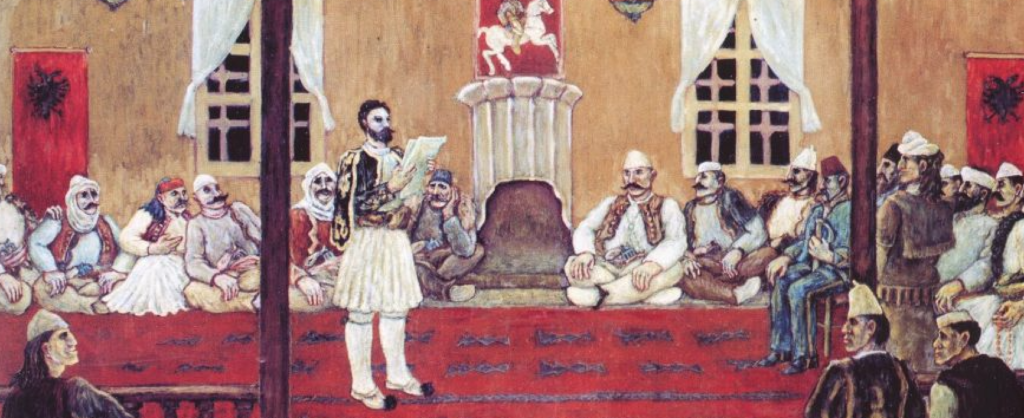
-Lidhja e Prizrenit ishte përcaktuar për t’u inkuadruar me shtetin e vet shqiptar në botën perëndimore. Në 10 Qershor të vitit 1878 në Prizren delegatë nga të gjitha viset shqiptare themeluan institucionet: Kuvendin Kombëtar, Qeverinë, Sektorin Diplomatik dhe Forcat Mbrojtëse – Ushtrinë e vet/ 
– “Në saje të përpjekjeve të përbashkëta dhe me ndërhyrjen e NATO-s më 12 Qershor të vitit 1999 Kosova u lirua”¸ theksonte Presidenti historik Ibrahim Rugova në akademinë solemne kushtuar 125 vjetorit të Lidhjes Shqiptare të Prizrenit, ku si gjithmonë thekonte mirënjohjen më të madhe dhe miqësinë e përhershme të Kosovës për Shtetet e Bashkuara të Amerikës.
“Jemi krenarë me Lidhjen e Prizrenit që reflekton edhe në kohën tonë për të mirë”, shprehej Rugova para 18 viteve/
 
-Përvjetorët e Lidhjes Shqiptare të Prizrenit në Kosovë janë shënuar tradicionalisht në kërkim të lirisë, edhe kur ishte e ndaluar, në rrethanat e rënda të dhunës dhe okupimit. Në 10 Qershorin  e vitit 1997 të pragluftës derisa ishim në aktivitetet e shënimit të përvjetorit të Lidhjes Shqiptare bashkë me ekipin e gazetës së përditshme të rezistencës “Bujku”-Rilindja  u ndaluam nga policia serbe në Prizren. 
 
SPECIALE-Gazeta DIELLI nga korrespondenti në Kosovë Behlul JASHARI
 
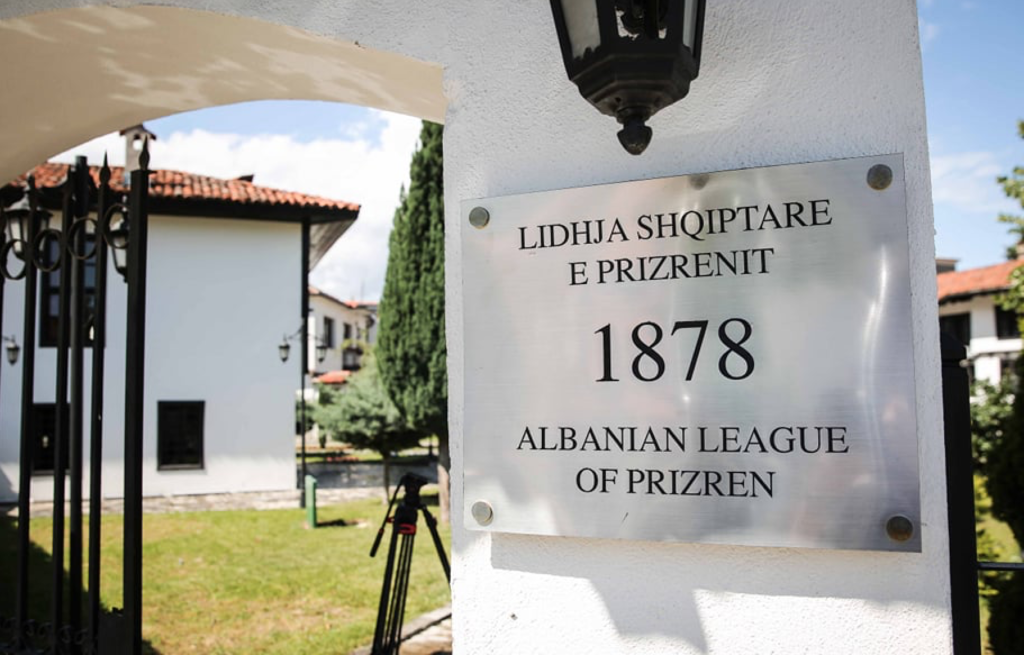
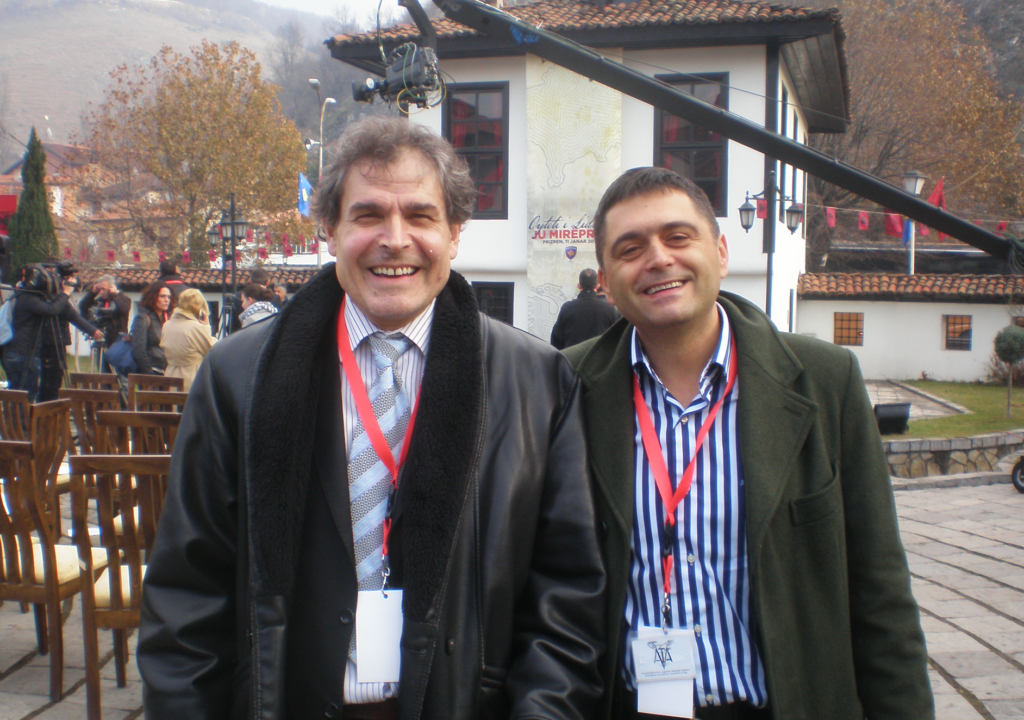
PRIZREN, 9 Qershor 2021/ Kremtimi i 143 vjetorit të Lidhjes Shqiptare të Prizrenit është  në axhendën e aktiviteteve të 10 Qershorit 2021 të Komunës së Prizrent, qytetit më të madh jugor të Kosovës afër kufirit me Shqipërinë, ku do të ketë edhe vendosje të luleve në monumentin e Lidhjes së Prizrenit dhe koncerte festive e manifestime tjera treditore edhe për 22 vjetorin e lirisë.
 
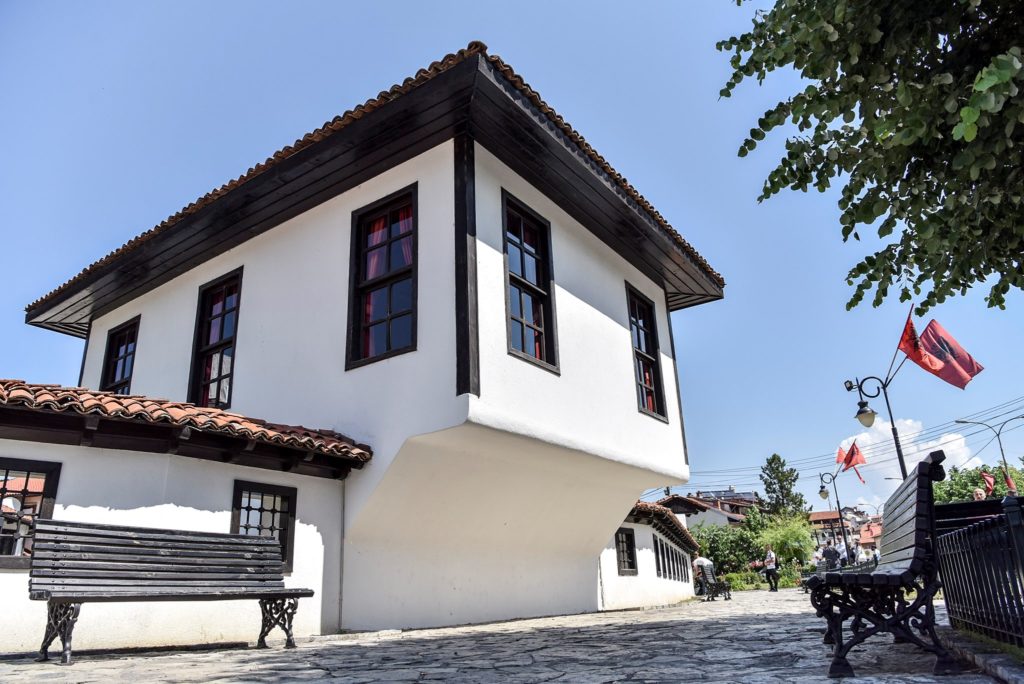
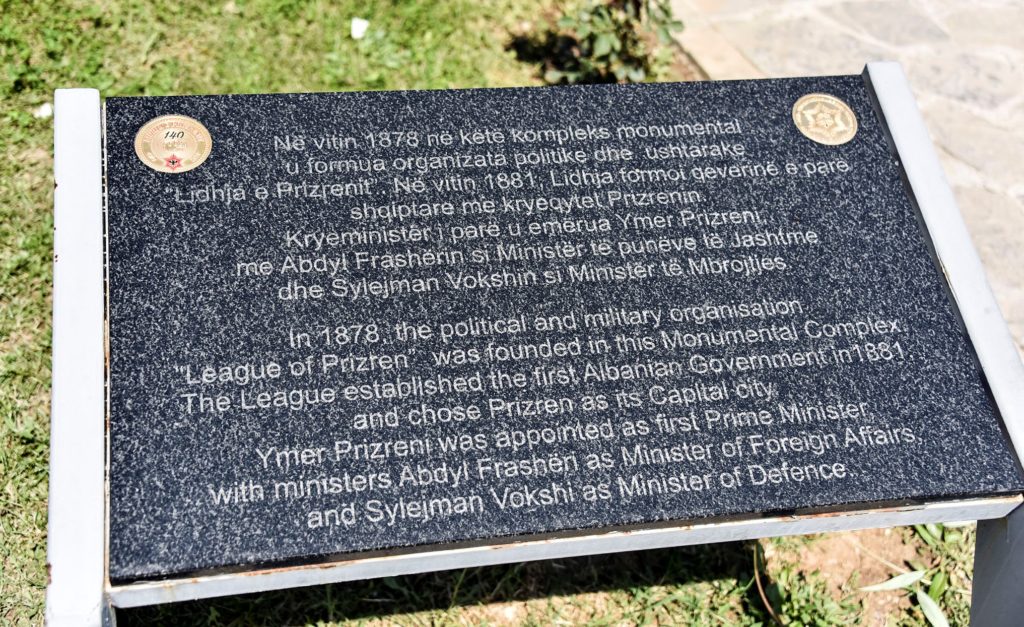
Shtatoret e tre liderëve historikë Abdyl Frashërit, Sylejman Vokshit dhe Ymer Prizrenit në Kompleksin e Lidhjes Shqiptare të Prizrenit janë përuruar në 25 Nëntor 2018, në vitin e 140 vjetorit të Lidhjes Shqiptare të Prizrenit, në kuadër  të Vitit Mbarëkombëtar Gjergj Kastrioti Skënderbeu, në një veprimtari ku kanë marrë pjesë drejtues të lartë institucionalë e politikë të Shqipërisë e të Kosovës.
Në 22 vitet e lirisë në Prizren e në qytetet e tjera kosovare aktivitetet e përvjetorëve të Lidhjes Shqiptare vijojnë me festimet e ditëve të çlirimit, duke nisur me Ditën e Lirisë e Paqes – 12 Qershorin, ditën kur në vitin 1999 forcat shpëtimtare të NATO-s prirë nga Shtetet e Bashkuara të Amerikës nisën të hyjnë në Kosovën e shkatërruar nga lufta, me mëse 12 mijë shqiptarë të vrarë e 6 mijë të zhdukur, afër një milon të dëbuar – shumica drejt Shqipërisë, me 400 qytete e fshatra të djegura. Gjatë luftës forcat serbe kanë djegur edhe Kompleksin Monumental të Lidhjes Shqiptare të Prizrenit, i cili u rinovua në Kosovën e lirë.
Përvjetorët e Lidhjes Shqiptare janë shënuar tradicionalisht në Kosovë, në qytetin e Prizrenit, në kërkim të lirisë, edhe kur ishte e ndaluar, në rrethanat e rënda të dhunës dhe okupimit nga regjimi serb.  Edhe në atë kohë veprimtaritë kushtuar Lidhjes Shqiptare të Prizrenit i kam raportuar vit pas viti për Agjencinë Shtetërore-Zyrtare të Lajmeve të Shqipërisë – Agjencinë Telegrafike Shqiptare, duke nisur si korrespondenti i parë nga Kosova i mediave të Shqipërisë – nga 24 Maji 1992 i zgjedhjeve të para pluraliste presidenciale e parlamentare në Kosovë.
Në 10 Qershorin  e vitit 1997 të pragluftës derisa isha në aktivitetet e shënimit të përvjetorit të Lidhjes Shqiptare me ekipin e gazetës së përditshme të rezistencës “Bujku”-Rilindja, bashkë me fotoreporterin Ilaz Bylykbashi e shoferin Faik Binça,  u ndaluam nga policia serbe në Prizren, e cila po na mbante në shënjestër të armëve dhe na mori e asgjasoi fotot – filmin e aparatit fotografik, por kurrë nuk arriti të ndalojë aktivitetet dhe raportimet për Lidhjen Shqiptare.
 
Edhe në atë ballafaqim me forcat okupator serbe arritëm të shpëtojmë fotot që kishim fshehur dhe u botuan me raportin duke nisur nga faqja e parë me legjendën “Vizitorë të shumtë dhe orë historike, dje në Komplksin Memorial të Lidhjes së Prizrenit”. Raporti që e shkruaja i botuar në numrin e 11 Qershorit 1997 në gazetën e rezistencës “Bujku”  në ballinë kishte mbititullin “Në Kosovë u shënua 119-vjetori i Lidhjes Shqiptare të Prizrenit”, titullin “Program kombëtar edhe për sot e të ardhmen” dhe nëntitujt “Në Prizren dje u mbajt akademia solemne në temën: Lidhja Shqiptare e Prizrenit, roli i saj dhe porosia politiko-kombëtare.-Kompleksin e Lidhjes Shqiptare të Prizrenit e vizituan mijëra shqiptarë nga gjithë Kosova e trojet e tjera etnike”.
Një nga mestitujt ishte “Mesazhet e Lidhjes Shqiptare të Prizrenit aktuale deri në bashkimin kombëtar”. Në raportin që vijonte edhe në faqen e dytë të gazetës theksohej edhe: “Derisa ktheheshin nga Prizreni, në të dalë të qytetit, policia ndaloi rreth gjysëm ore, bastisi e i pyeti për qëllimin shkuarjes në Prizren edhe ekipin e reporterëve të “Rilindjes” – “Bujkut”, që po ktheheshin në Prishtinë, (Behlul Jasharin, Iljaz Bylykbashin dhe Faik Binçen)”.
 
***
LAJMI I ASAJ KOHE PER NDALIMIN NË 10 QERSHOR 1997 – nga Buletini i Ministrisë së Informateve të Republikës së Kosovës Nr. 304, 16 Qershor 1997:
 
https://groups.google.com/forum/#!topic/bit.listserv.albanian/QgXzizjYqD0
Police harasses ‘Bujku’ reporters
Prizren, 11 June – Yesterday Serbian police stopped a team of ‘Bujku’
journalists on their return from Prizren. Behluh Jashari, Ilaz
Bylykbashi and Faik Binca, were interrogated regarding their visit to
Prizren. Film had been taken of the camera and destroyed.
***
Përvjetorët e Lidhjes Shqiptare të Prizrenit në Kosovë festohen në liri vetëm nga Qershori i vitit 1999, i hyrjes së forcave shpëtimtare të NATO-s.
 “Në saje të përpjekjeve të përbashkëta dhe me ndërhyrjen e NATO-s më 12 Qershor të vitit 1999 Kosova u lirua”¸ theksonte Presidenti historik Ibrahim Rugova në akademinë solemne kushtuar 125 vjetorit të Lidhjes Shqiptare të Prizrenit, ku si gjithmonë thekonte mirënjohjen më të madhe dhe miqësinë e përhershme të Kosovës për Shtetet e Bashkuara të Amerikës.
“Jemi krenarë me Lidhjen e Prizrenit që reflekton edhe në kohën tonë për të mire”, shprehej Rugova para 18 viteve dhe theksonte se, “Lidhja e Prizrenit ishte përcaktuar për t’u inkuadruar me shtetin e vet shqiptar në botën perëndimore”.
“Më 10 Qershor të vitit 1878 u mblodhën në Prizren delegatë nga të gjitha viset shqiptare, themeluan institucionet: Kuvendin Kombëtar, Qeverinë, Sektorin Diplomatik dhe Forcat Mbrojtëse – Ushtrinë e vet”, shprehej Presidenti historik i Kosovës Ibrahim Rugova. 
 
Atëherë, në vitin 2003, gjatë tre ditëve, duke filluar nga data 9 Qershori, Kosova festonte 125 vjetorin e Lidhjes Shqiptare të Prizrenit me manifestime të organizuara nën përkujdesjen e Presidentit Rugova, i cili ditën e parë njoftonte se ka dekoruar 37 personalitete të njohura nga Kosova, Shqipëria, viset e diaspora shqiptare, si dhe nga Shtetetet e Bashkuara të Amerikës e vende të tjera të botës me Dekoratën Medalja e Artë e Lidhjes Shqiptare të Prizrenit.
Njëherësh, Presidenti i Kosovës Ibrahim Rugova ka dekoruar të gjithë themeluesit dhe veprimtarët e Lidhjes së Prizrenit me Dekoratën Hero i Kosovës.
“Në kuadër të shënimit të 125 vjetorit të Lidhjes Shqiptare të Prizrenit dhe në bazë të kompetencave kushtetuese të gjithë themeluesit, duke filluar nga Ymer Prizreni, Abdyl Frashëri, Sylejman Vokshi, Vaso Pashë Shkodrani, Ferid e Shaqir Curri, e veprimtarë të ndryshëm i kam shpallë Hero të Kosovës”, theksonte Presidenti Rugova. 
Në akademinë solemne kushtuar 125 vjetorit të Lidhjes Shqiptare të Prizrenit merrnin pjesë përfaqësuesit më të lartë të institucioneve të Kosovës, përfaqësues të pushtetit lokal të asambleve komunale, përfaqësues nga Shqipëria, Maqedonia dhe nga të gjitha trevat shqiptare, si dhe nga diaspora. Ishte i pranishëm në këtë solemnitet edhe Naltmadhnia e Tij trashëgimtari i Fronit Shqiptar Leka Zogu I me bashkëshorten.
  “Kufiri i ëndrrës” ishte reportazhi futuristik që kam shkruar para më shumë se 23 viteve, në fundvitin 1997, botuar 3 Janar 1998 në Prishtinë në gazetën e rezistencës e pjesë e lëvizjes e luftës për liri e pavarësi “Bujku”, kryeredaktor i parë-themelues i së cilës isha, e që sfidonte ndalimin e gazetës së vetme shqipe në Kosovë Rilindja nga regjimi okupues serb. Në atë reportazh në kohë të rënda okupimi paralajmëroja “festimin gjithëkombëtar të pritjes së vitit jubilar të Lidhjes Shqiptare të Prizrenit, kuvendit historik për kufijtë e atdheut”, ku do shkonte edhe personazhja, vajza nga Lurasi, që po mbaronte studimet në Gjirokastër, e nisur nga jugu-Janina drejt veriut të “kufirit të ëndrrës” – Mollës së Kuqe…
Ishte ky reportazhi i tretë i ardhmërisë në kohën e viteve të rënda të okupimit, kur me shkrimet futuristike e shihja dhe e përshkruaja Kosovën e së ardhmes, të lirë, shtet, të ëndërrave.
I pari ishte reportazhi futuristik me titull “Një ditë e një viti që vjen”, i shkruar dhe  dërguar nga Prishtina drejt Tiranës në 27 Dhjetor 1995.
Ndërsa, reportazhi i dytë futuristik ishte “Udhëtimi për në Prizren…”, botuar në Prishtinë e Tiranë në 31 Dhjetor 1996.
Shumë nga ato që shkruaja në reportazhet futuristike atëherë e që dukeshin si ëndërra,  që ishin ngjarje të fantazuara-parashikuara, tashmë janë realizuar në Kosovën e lirë nga Qershori 1999 dhe të pavarur tashmë 13 vite nga 17 Shkurti 2008, të njohur deri tani nga 117 shtete të botës.

Filed Under: Featured Tagged With: 143 Vjet, Behlul Jashari, Lidhja e Prizrenit

  • « Previous Page
  • 1
  • …
  • 25
  • 26
  • 27
  • 28
  • 29
  • …
  • 38
  • Next Page »

Artikujt e fundit

  • Kontributi shumëdimensional i Klerit Katolik dhe i Elitave Shqiptare në Pavarësinë e Shqipërisë 
  • Takimi i përvitshëm i Malësorëve të New Yorkut – Mbrëmje fondmbledhëse për Shoqatën “Malësia e Madhe”
  • Edi Rama, Belinda Balluku, SPAK, kur drejtësia troket, pushteti zbulohet!
  • “Strategjia Trump, ShBA më e fortë, Interesat Amerikane mbi gjithçka”
  • Pse leku shqiptar duket i fortë ndërsa ekonomia ndihet e dobët
  • IMAM ISA HOXHA (1918–2001), NJË JETË NË SHËRBIM TË FESË, DIJES, KULTURËS DHE ÇËSHTJES KOMBËTARE SHQIPTARE
  • UGSH ndan çmimet vjetore për gazetarët shqiptarë dhe për fituesit e konkursit “Vangjush Gambeta”
  • Fjala përshëndetëse e kryetarit të Federatës Vatra Dr. Elmi Berisha për Akademinë e Shkencave të Shqipërisë në Seancën Akademike kushtuar 100 vjetorit të lindjes së Peter Priftit
  • Shqipëria u bë pjesë e Lidhjes së Kombeve (17 dhjetor 1920)
  • NJЁ SURPRIZЁ XHENTЁLMENЁSH E GJON MILIT   
  • Format jo standarde të pullave në Filatelinë Shqiptare
  • Avokati i kujt?
  • MËSIMI I GJUHËS SHQIPE SI MJET PËR FORMIMIN E VETEDIJES KOMBËTARE TE SHQIPTARËT  
  • MES KULTURES DHE HIJEVE TE ANTIKULTURES
  • Historia dhe braktisja e Kullës së Elez Murrës – Një apel për të shpëtuar trashëgiminë historike

Kategoritë

Arkiv

Tags

albano kolonjari alfons Grishaj Anton Cefa arben llalla asllan Bushati Astrit Lulushi Aurenc Bebja Behlul Jashari Beqir Sina dalip greca Elida Buçpapaj Elmi Berisha Enver Bytyci Ermira Babamusta Eugjen Merlika Fahri Xharra Frank shkreli Fritz radovani Gezim Llojdia Ilir Levonja Interviste Keze Kozeta Zylo Kolec Traboini kosova Kosove Marjana Bulku Murat Gecaj nderroi jete ne Kosove Nene Tereza presidenti Nishani Rafaela Prifti Rafael Floqi Raimonda Moisiu Ramiz Lushaj reshat kripa Sadik Elshani SHBA Shefqet Kercelli shqiperia shqiptaret Sokol Paja Thaci Vatra Visar Zhiti

Log in

This website uses cookies to improve your experience. We'll assume you're ok with this, but you can opt-out if you wish. Cookie settingsACCEPT
Privacy & Cookies Policy

Privacy Overview

This website uses cookies to improve your experience while you navigate through the website. Out of these cookies, the cookies that are categorized as necessary are stored on your browser as they are essential for the working of basic functionalities of the website. We also use third-party cookies that help us analyze and understand how you use this website. These cookies will be stored in your browser only with your consent. You also have the option to opt-out of these cookies. But opting out of some of these cookies may have an effect on your browsing experience.
Necessary
Always Enabled
Necessary cookies are absolutely essential for the website to function properly. This category only includes cookies that ensures basic functionalities and security features of the website. These cookies do not store any personal information.
Non-necessary
Any cookies that may not be particularly necessary for the website to function and is used specifically to collect user personal data via analytics, ads, other embedded contents are termed as non-necessary cookies. It is mandatory to procure user consent prior to running these cookies on your website.
SAVE & ACCEPT