• Home
  • Politics
  • Opinion
  • Culture
  • Sports
  • Economy
  • Interview
  • Reporting
  • Community
  • Vatra

Dielli | The Sun

Albanian American Newspaper Devoted to the Intellectual and Cultural Advancement of the Albanians in America | Since 1909

SERBIAN ORTHODOX CHURCH: ROLE AND SIGNIFICANCE

July 2, 2019 by dgreca

–HELSINKI COMMITTEE FOR HUMAN RIGHTSINSERBIA –Helsinki-Bulletin -NO.148 // MAy 2019 /

Photo: A. Vučić and M. Dodik with Patriarch Irinej and Holy Synod of the SPC -Foto: Dimitrije Goll /Tanjug /

The very fact that Serbian President Aleksandar Vučić has informed the Holy Synod of the Ser- bian Orthodox Church /SPC/ about negotiations on Kosovo (and their outcomes up to now) be- fore letting the Parliament and domestic public know anything about it testifies of SPC’s stan- ding over the past decades. And it also testifies of the Church’s traditional ambitions to cruci- ally influence social, political and governmental decisions. 

In the early 1980s SPC imposed itself on the so- ciety as a major player. By insisting on the Gre- ater Serbia project together with Serbia’s natio- nalistic political and intellectual elites it became a major pillar of the regime’s plans before and during the wars. 

Following on Milošević’s ouster and in the pe- riod of transition from socialism to a multi- party system such a “credit” made it possible for SPC to strengthen its position and role. Given than its strategic goals considerably overlap with those of Serbia’s elites, after 2000 all regimes tre- ated Church dignitaries with respect. Occasional discrepancies would only play into the hands of SPC to get another concession from the regime.1 

And so, shortly after 2000 the Synod demanded that religious teaching should be incorporated into school curricula. Religious teaching and then priests preaching in military institutions were requests directly influencing many other and more important issues. Vojislav Koštunica, the then SRY president, was and remained a po- litician closest to the Church whom Bishop Amfi- lohije recently named as “politician truly mirro- ring the very being of this nation.”2 He enabled SPC to occupy the public space and gave it a free pass to all institutions, including educational. 

Ever since 2000 SPC has been actively involved in resolution of the status for Kosovo. It has been strongly arguing that “the state should
call for international guarantees for the legal status of the Serbian Orthodox Church in the province, and its temples and facilities.”3 It has been the only Serbian institution that functi- ons in Kosovo and is hugely trusted by Kosovo Serbs. It is also the only institution, in Kosovo and in other neighboring countries, that sticks to the delusion about pan-Serbian unification. Namely, it bases the unity of the Serbian nation on the so-called “Serbian spiritual space.” It ar- gues that there can be no state of Serbia without Kosovo because “Serbia is a temple, and Kosovo its altar.” “Without an altar the very existence of a temple is meaningless. Serbia is a body and 

1  When Zoran Đinđić extradited Slobodan Milošević
to ICTY, helped to have construction of the St. Sava Temple in Belgrade finalized as rependance for that “anti-Christian act,” and introduced religious teaching into elementary school curricula. 


2  Danas, May 17, 2019. 


3  Večernje Novosti, February 6, 2013, http:// www.novosti.rs/vesti/naslovna/aktuelno.290. html:418599-Crkva-nece-ugovor-sa-Kosovom. 


SPC has been living in harmony with the state most the time. But this harmony was disrup- ted in 2018 when the idea about demarcation between Serbs and Albanians, as a possible compromise solution of the status of Kosovo, began circulating.7 Namely, presidents Vučić and Thachi, and Albanian Premier Rama were ne- gotiating a border change, that is Kosovo’s par- tition. Besides local players the proposal found an echo in a rather large circle of international officials (including a part of American admini- stration) and in a much bigger circle of infor- mal, though influential actors and lobbyists on both sides. SPC was the most influential opponent to the idea at home. In the past 150 years it has been arguing that Kosovo is a foundation of its iden- tity. Its highest dignitaries backed up their co- unterparts in Kosovo, Bishop of Raska-Prizren Teodosije and Abbot of the Visoki Dečani Mona- stery Sava (Janjić). Mutual accusations and harsh words followed. The demarcation idea is shelved for the time being. Key international factors helmed by Ger- many and Chancellor Merkel turned it down as unacceptable and made this clear to Vučić at the Berlin Summit in late April. Vučić was visibly crestfallen and frustrated, and shared his fee- lings with the public at home. His visit (in tandem with Milorad Dodik who spends more time in Serbia than in Bosnia) to SPC dignitaries during the May Session of SPC Synod came as a surprise. Observers speculate that was an attempt at patching things up, “re- demption,” “sharing the burden of common anxieties,” “ensuring support,” etc. 7 “Demarkation” or partition (of Kosovo) is the only option Serbia has had in the matter of Kosovo in the past half a century. Namely, for excluding Kosovo from its sovereignity Serbia would be compensated with four municipalities in Kosovo North where Serbs are in majority.  Although Patriarch Irinej obviously sided with him and praised him for “heroic struggle for Serbia and Kosovo alike, and everything connec- ted with Serbian name,”8 the Synod said as one that it would not give up its strong stance about Kosovo. “Any change in the status of Kosovo and Metohija leading either to recognition of Kosovo’s independence or any variant of territo- rial partition, a precondition to a possible de- marcation, is unacceptable to the Holy Synod of the Serbian Orthodox Church. All such solutions would surely result in exodus of the remaining Serbian people that lives in majority Albanian populated areas and inflict unforeseeable da- mage on our spiritual and cultural heritage,” quotes the Synod’s release.9 The Synod not only invokes the UNSC Res. 1244 but also the fact that neither Russia and China nor five other EU member-states have recognized Kosovo up to now.10 SPC’s staunch stance was interpreted as its re- fusal to give the head of the state a free hand for any of his options for Kosovo. According to commentator Cvijetin Milivojević, the release is “painful” for the regime, which means that it will go one with its showdown with bishops cri- tical of Vučić’s Kosovo policy.11 And yet, it is possible in the context of some new developments that Vučić and Church dignitaries could find some “common ground.” Namely, if after his demarcation idea failed Vučić decides to put off the issue of Kosovo until some future time, Serbia’s Presidency and the Patriarchy will find themselves together in a “frozen conflict.”12 True, the Synod release claims that SPC opposes 8  Politika, May 14, 2019. 
9  Danas, May 18-19, 2019. 
10  Ibid. 
11  Ibid. 
12  One of the President’s unbecoming statements given 
following on is meeting in the Patriarchy – “Everybody plays dead and so I will be playing dead too,” indicates such possible scenario. TVN1, May 18, 2019. 
 
SPC has been living in harmony with the state most the time. But this harmony was disrup- ted in 2018 when the idea about demarcation between Serbs and Albanians, as a possible compromise solution of the status of Kosovo, began circulating.7 Namely, presidents Vučić and Thachi, and Albanian Premier Rama were ne- gotiating a border change, that is Kosovo’s par- tition. Besides local players the proposal found an echo in a rather large circle of international officials (including a part of American admini- stration) and in a much bigger circle of infor- mal, though influential actors and lobbyists on both sides. SPC was the most influential opponent to the idea at home. In the past 150 years it has been arguing that Kosovo is a foundation of its iden- tity. Its highest dignitaries backed up their co- unterparts in Kosovo, Bishop of Raska-Prizren Teodosije and Abbot of the Visoki Dečani Mona- stery Sava (Janjić). Mutual accusations and harsh words followed. The demarcation idea is shelved for the time being. Key international factors helmed by Ger- many and Chancellor Merkel turned it down as unacceptable and made this clear to Vučić at the Berlin Summit in late April. Vučić was visibly crestfallen and frustrated, and shared his fee- lings with the public at home. His visit (in tandem with Milorad Dodik who spends more time in Serbia than in Bosnia) to SPC dignitaries during the May Session of SPC Synod came as a surprise. Observers speculate that was an attempt at patching things up, “re- demption,” “sharing the burden of common anxieties,” “ensuring support,” etc. 7 “Demarkation” or partition (of Kosovo) is the only option Serbia has had in the matter of Kosovo in the past half a century. Namely, for excluding Kosovo from its sovereignity Serbia would be compensated with four municipalities in Kosovo North where Serbs are in majority.  Although Patriarch Irinej obviously sided with him and praised him for “heroic struggle for Serbia and Kosovo alike, and everything connec- ted with Serbian name,”8 the Synod said as one that it would not give up its strong stance about Kosovo. “Any change in the status of Kosovo and Metohija leading either to recognition of Kosovo’s independence or any variant of territo- rial partition, a precondition to a possible de- marcation, is unacceptable to the Holy Synod of the Serbian Orthodox Church. All such solutions would surely result in exodus of the remaining Serbian people that lives in majority Albanian populated areas and inflict unforeseeable da- mage on our spiritual and cultural heritage,” quotes the Synod’s release.9 The Synod not only invokes the UNSC Res. 1244 but also the fact that neither Russia and China nor five other EU member-states have recognized Kosovo up to now.10 SPC’s staunch stance was interpreted as its re- fusal to give the head of the state a free hand for any of his options for Kosovo. According to commentator Cvijetin Milivojević, the release is “painful” for the regime, which means that it will go one with its showdown with bishops cri- tical of Vučić’s Kosovo policy.11 And yet, it is possible in the context of some new developments that Vučić and Church dignitaries could find some “common ground.” Namely, if after his demarcation idea failed Vučić decides to put off the issue of Kosovo until some future time, Serbia’s Presidency and the Patriarchy will find themselves together in a “frozen conflict.”12 True, the Synod release claims that SPC opposes 8  Politika, May 14, 2019. 
9  Danas, May 18-19, 2019. 
10  Ibid. 
11  Ibid. 
12  One of the President’s unbecoming statements given 
following on is meeting in the Patriarchy – “Everybody plays dead and so I will be playing dead too,” indicates such possible scenario. TVN1, May 18, 2019. 
 
a frozen conflict and stands for continua-
tion of the dialogue freed from “pressures and blackmails,” but considering the stance it has had up to now that would be a quite unexpecta- ble turn of the tide.13 The biggest part of Serbia’s cultural and in- tellectual elite shares SPC’s stance on Kosovo as evidenced during the “inner dialogue” the Pre- sident had launched. “With the helping hand from the Church, science and culture Serbia sho- uld not give way because we could not give up that region (Kosovo),” says academician Ljubo- drag Dimić.14 However, President of the Serbian Academy of Arts and Sciences (SANU) Vladimir Kostić says that the only option will be to leave Kosovo “with dignity” given that it is in Serbia’s hands no more, either de facto or de jure, and some- one must go public with this. In an interview with Radio Belgrade (2015), he said that SANU has not yet articulated its stance about the issue, adding, “Kosovo implies a bunk of our cultural heritage and we should struggle for it tooth and nail. This is an attempt to take away from us a substrate of our history and psychology, and just name it. But to be honest, if any minister, pre- mier of president has to ask for a permit to en- ter this territory, we evidently have neither hu- man, economic nor any other resources to have our way. We can be fooling one another but an alternative is more than clear.”15 13  Politika, May 18, 2019. 
14  Pravoslavlje, May 15, 2019. 
15 http://mondo.rs/a840148/Info/Srbija/Predsednik-SANU- Vladimir-Kostic-Kosovo-nije-deo-Srbije.html. VISIT TO SPC: a TRy TO REaCH aN aGREEMENT Many controversies accompanied President Vučić’s visit to bishops during the session of the Holy Synod, most of all because governmental and Church top brass to not meet that often.16 The word had it that not all bishops were glad
to see him in their seat, and some were making no bones about it.17 The latter were quite at odds with him about the Kosovo issue. Open conflicts between the Church and the re- gime broke out in the summer of 2018 once
the idea about Kosovo’s partition was “semi-le- galized.” Of all opponents to it are bishops “in the field,” Bishop Teodosije and Abbot Sava.
By saying that regimes in Belgrade and Pri- stina were provoking a violent conflict in Ko- sovo North in order to establish a “new reality” in the field along a planned demarcation line, Bishop Teodosije was turned into a target of a smear campaign by tabloids close to the regime and TV Pink throughout August and September. Belgrade’s yellow press was calling him “a trai- tor,” while their Pristina counterparts “a cigarette smuggler” and a priest who had blessed Arkan18 During the December 2018 session the Synod publicly supported Kosovo bishops under the fire, and stand against any form of Serbia’s gi- ving up Kosovo. “What is most troubling un- der the veil of demarcation between Serbs and Albanians is the possibility of having the most important and biggest, if not the entire, part of Kosovo from Serbia cut off, and having it 16  Before Vučić only Slobodan Milošević paid such a visit in the 1990s. . 
17  Quoting its sources among bishops, the Danas daily reported this and other developments going on behind closed doors. The media close to the regime attacked it for it, while officials such as Vučić’s secretary Nikola Selaković, who was in the delegation, tried to negate and deny such reporting. 
18  Danas, August 25-26, 2018. 
 

recognized as a part of independent Kosovo or the so-called Greater Albania,” says a release.19 

Vučić’s advocacy for Kosovo’s partition as an act of “historical compromise” between Serbs and Albanians turned out as a fiasco in the Berlin Summit. His has been obviously inspired by
the stance first launched by Dobrica Ćosić. Ćosić had said on several occasions, “A compromise between historical and ethnic rights was for me a solution to the centurial antagonism between Serbs and Albanians. Such compromise implies the right of Albanians in the territories where they are in majority to unite with their mother land, Albania. Territorial partition and demarca- tion between Serbs and Albanians should not be imbued with aspirations after ethnically clean territories, but with reciprocity when it comes to national and civil rights for minorities. Kosovo within Serbia that is biologically exhausted and demographically depressed will in two decades only turn it into a federation of two constantly antagonized nations. Life in such a community would be hard, and progress slowed down.”20 

Disappointed with the international community and his own people (“Which has not given me a hand”) Aleksandar Vučić decided to pay a visit to the Patriarchy at the time of its major spiritual session; aware that unlike the Patriarch many church dignitaries do not respect nor support him, he probably wanted to smooth mutual differences. 

After the talks behind closed doors that lasted more than two hours, he told the press that he had spoken truly and sincerely “about everyt- hing that troubles our people” and warned that “we paid dear once when we behaved in dis- cord with realities.”21 “It is our duty to fight, not to succumb to blackmail and give up what we 

19  NIN, May 16, 2019. 


20  Interview with Dobrica Ćosić, Večerne Novosti, March 
20, 2008. 


21  Politika, May 14, 2019. 


it directly – as the Ukrainian church has been under its and Moscow Patriarchy’s canonic ju- risdiction for long – and in the latter because of a possible precedent in the cases of Orthodox churches in Montenegro and Macedonia that are also aspiring towards independence. This church problem – accompanied by major political repercussions – emerged in the 1990s following on disintegration of complex federa- tions, the Soviet Union and Yugoslavia. When their states became independent some domicile churches raised the question of their autonomy. This resulted in the foundation of new churches – precisely in Ukraine and Montenegro – consi- dered “schismatic” by their former “headquar- ters.” Macedonia is here a unique case – its do- micile church began calling for autonomy at the time of the federal state, in 1967. Its action was a part of the strategy for strengthening of Mace- donian identity. Yugoslavia used to invest huge resources in Macedonia’s cultural scene (Natio- nal Theater, language standardization, etc.). Even before Patriarch Bartolomeo took this step SPC dignitaries had been strongly against it and hoping he would never say yes, since, as Bishop of Backa Irinej put it, “that would a bigger and deeper schism than all the previous ones in hi- story of the Church, quantitatively bigger even than the schism in 1054.”28 He was aware at the time that in the future the “Ukrainian scenario” could take place in the closest neighborhood.29 28  Politika, September 24, 2018. 
29  “Just imagine this so as to better understand what 
it is all about: a delagation from Bosporus arrives
in Skopje to examine a mode and procedure for giving autocephalic status to the local church thati
is disunited with all other churches, while silently bypassing the cannonic church and its head…One can imagine even a bigger oxymoron: a similar delegation arrives in Cetinje and begins developing a procedure for assigning auto-cephalic status to Miraš Dedeić and his schismatic sekt.” Ibid. 
 All the time until Patriarch Bartolomeo decided in favor of the Ukrainian Church, SPC dignita- ries were busy mediating between Constanti- nople and Moscow patriarchies. Only Patriarch Irinej met with both Moscow Patriarch Cyril and the Constantinople Patriarch but all that was in vain.30 Moscow Patriarchy broke every tie with Con- stantinople (Istanbul is still so named by Ea- stern Orthodox terminology), and SPC sided with Moscow. To reaffirm its attitude, SPC Synod stressed out in its final release that it “recogni- zes not the newly established para-religious structure in Ukraine.”31 SPC aND aUTOCEPHaLIC STaTUS OF THE UKRaINIaN CHURCH The May SPC Synod discussed Patriarch Bartolomeo’s decision to assign autocephalic sta- tus to the Ukrainian Orthodox Church. In the ensuing dispute between Constantinople and Moscow patriarchies SPC sided with the Ru- ssian Church. Such solidarity was to be expected given that SPC fears that the Patriarch of Con- stantinople could do the same for churches in Macedonia and Montenegro. Ongoing turmoil in the Eastern Orthodox world is another chall- enge to SPC dignitaries. The Synod also discussed “the inner misun- derstanding” arising from the decision on the Ukrainian Church. Unlike his counterparts in Serbia Bishop of America West Maxim showed more understanding for Bishop Bartolomeo’s move. In an interview he reminded his “spiri- tual brothers” that 800 years ago St. Sava mana- ged to get autocephaly for the Serbian Orthodox Church in a “non-canonic way.” His attitude and 30  Politika, October 2, 2018. 
31  Politika, May 19, 2019. 
 

the polemic he had over it with SPC spokesman Bishop of Backa Irinej heated the atmosphere in the hall. Some speculated that Bishop Maxim could be seriously punished. How all this ended remained unclear. According to some, Bishop Maxim got a pardon after demurely saying that he was sorry for giving “a tactless and inappro- priate statement,32 while others claimed that a paragraph about a pardon to Bishop Maxim was taken out from the release.33 

MaCEDONIa: RENEWaL OF a DIaLOGUE BETWEEN SPC aND MPC? 

SPC denies Montenegrin (CPC) and Macedonian (MPC) Orthodox churches that once they get autocephaly round off their identities and thus make a clear break with Serbhood, which nega- tes both Montenegrin and Macedonian nations. SPC misses no opportunity to criticize not only SPC but also Podgorica’s attitude towards Russia and its course towards EU and NATO. 

At the session of “the Church government” SPC decided to renew a dialogue with the canoni- cally unrecognized MCP. Relations between the two churches fit in the corps of Serbia-North Macedonia relationship wherein the state (Ser- bia) stands by “its” church. Although not so explosively as in the case of Montenegro (for Skopje Belgrade prefers some other methods of destabilization, mostly of intelligence nature), the church issue between Serbia and Macedo- nia has been simmering for more than half a century. 

As of 1967 two parallel churches have been ope- rating in Macedonia: the self-proclaimed and unrecognized Macedonian Church and canonic Ohrid Eparchy of the Serbian Orthodox Church. On several occasions have SPC and MPC tried 

32 Ibid.
33 Danas, May 20, 2019. 

MONTENEGRO: SPC aND ITS DESTaBILIZING POLITICaL ROLE 

Unlike in Macedonia where the Ohrid Eparchy is not exactly engaged in unclerical activities, SPC – acting through its “man No. 1” Metropo- litan of Montenegro-Adriatic Coast Amfilohije – stands for a major factor of destabilization at Montenegro’s political and social scene. Pro- Serbian opposition in Montenegro is its trusted ally in the business, along with political and ecclesiastical elites in Belgrade still opposing Montenegro’s independence. 

As of 2000 the non-canonic Montenegrin Ort- hodox Church Belgrade-seated media pejorati- vely label “a non-governmental organization,” adding occasionally that it “was established in
a police station in Cetinje” has been operating in parallel with SPC.38 It has to be noted that
the once autocephalic Montenegrin Orthodox Church has placed its independence on the altar of the Kingdom of Serbs, Croats and Slovenians in 1918. Ever since it has been a part of SPC’s ca- nonic structure. 

Montenegro would surely want to crown its in- dependence with independence of its domicile church. “I take we should go on working wisely on the renewal of autocephalic Montenegrin Orthodox Church, and the state will be engaged in this as it is its responsibility,” said Montene- grin President Milo Đukanović. 

This is why SPC dignitaries have been perma- nently strongly accusing Đukanović and min- cing no words about him.39 “Now they are 

38  Politika, July 25, 2018. 


39  Politika, December 23, 2018. 


CONCLUSION aND RECOMMENDaTIONS

Ever since the Middle Ages the Serbian national identity has been closely connected with SPC. As the sole organized safekeeper of national memory, SPC has been preserving and passing
on the myth about the medieval Serbian state lost in Kosovo, and preaching for its renewal. The Serbian people have entered the modern era, the era of establishing a national state of its own without modern political and cultural institutions. Religious identification has been trans- formed into national, and followed by the struggle for a nation-state. This makes the sum and substance of the traditional trinity – church, nation and state – SPC is even now promoting as a formula of Serbs’ cultural and political identity. 

Since it perceives a Serbian nation-state as a pan-Serbian state, and the Serbian nation as an ethno-confessional community, SPC has never recognized the so-called AVNOJ borders: Ser- bia’s borders within the post-war Yugoslavia. It takes that revision of these borders as a mat- ter of existence of the Serbian people and the most important duty of its army. Not even after the Greater Serbian project suffered defeat has SPC made a minimal change in its position; and this is also reflected in its attitude towards Kosovo. 

With its communicative dimension and some readiness for dialogue religion becomes more and more important. The dialogue has to be based on human rights and human dignity – on major messages of Biblical tradition. To become an actor of productive mediator between reli- gion and modern age SPC has first to face up its own role in past decades, admit its responsi- bility for supporting the war, the Greater Serbia project and ignoring crimes committed in the name of the devastating ideology. 

Filed Under: Featured Tagged With: Helsinki Bulletin-NO . 148-Serbian Churche

2 Korrik 1990- PAVARËSIA E KOSOVËS DEKLAROHEJ PARA 29 VITEVE

July 1, 2019 by dgreca

-Kosova para 29 viteve shpallte Pavarësinë me Deklaratën Kushtetuese të 2 Korrikut 1990 para dyerve të mbyllura e snajperëve në rrethana të shtetrrethimit ushtarako-policor që kishte vendosur regjimi i Beogradit, pasi me “kushtetutën e tankeve” në marsin 1989 kishte suprimuar autonominë që kishte Kosova element konstituiv i federatës me të drejtë vetoje me Kushtetutën e vitit 1974/

 -Ishte “Fillim i së nesërmes”, e cila tani është e sotmja. Redaksionali që kam shkruar për gazetën tradicionale të Kosovës Rilindja, botuar në faqen e parë në 3 Korrik 1990/

-Presidenti historik Dr. Ibrahim Rugova paralajmëronte dhe përshëndeste Deklaratën për Pavarësinë e Kosovës të 2 korrikut 1990/

-Deklarata Kushtetuese për pavarësi  e 2 Korrikut 1990 në përvjetorin e 29-të në Arkivin Shtetëror të Kosovës, i cili hapë edhe ekspozitë/

-SHKRUAR NË 1 KORRIK 1990: REPRIZË NUK DO TË KËTË – Në ditën e Deklaratës Kushtetuese për pavarësi të Kosovës të 2 Korrikut 1990 gazeta tradicionale Rilindja doli me mbështetje të fuqishme, edhe me komentin e redaktorit të saj atëherë – korrespondentit tash të Gazetës DIELLI, e cila e sjell sot të plotë/

SPECIALE-Gazeta DIELLI nga korrespondenti në Kosovë Behlul JASHARI*

PRISHTINË, 1 Korrik 2019/ Para 29 viteve, Kosova me Deklaratën Kushtetuese të 2 Korrikut 1990 shpallte pavarësinë e saj, e cila atëherë nuk u njoh ndërkombëtarisht, megjithatë ishte dhe njihej si deklarim i fuqishëm i vullnetit kombëtar, politik e demokratik.

“Me këtë deklaratë shprehet dhe shpallet qëndrimi burimor kushtetues i popullsisë së Kosovës dhe i këtij Kuvendi si akt i vetëvendosjes politike…”, theksohej në vendimin historik, që merrej në seancën para dyerve të mbyllura e snajperëve në rrethana të shtetrrethimit ushtarako-policor që kishte vendosur regjimi i Beogradit, pasi me “kushtetutën e tankeve” në marsin 1989 kishte suprimuar autonominë që kishte Kosova element konstituiv i federatës me të drejtë vetoje me Kushtetutën e vitit 1974.

 “Deklarata Kushtetuese është hapi i parë drejt pavarësisë së Kosovës, që u ndërtua me Lëvizjen paqësore për çlirim, ndërsa kulmoi me luftën e Ushtrisë Çlirimtare të Kosovës për t’u realizuar e plotë në 17 Shkurt 2008”, shprehet nënkryetari në kohën e 2 Korrikut 1990 e pastaj edhe kryetari i Kuvendit, Ilaz Ramajli.  Ai udhëheqte Kuvendin e Kosovës kur miratoi Kushtetutën dhe më të shpalli Kosovën Republikë në një mbledhje në Kaçanik në 7 Shtator 1990, edhe kur u mbajt Referendumi për pavarësi i shtatorit 1991, në të cilin pro votuan 99,87% në pjesëmarrjen masive të 87,01% të qytetarëve me të drejtë vote.

“Deklarata Kushtetuese e 2 Korrikut dhe Kushtetuta e Republikës së Kosovës e 7 Shtatorit 1990 janë dy aktet kushtetuese juridike të rëndësishme që i kanë paraprirë mbajtjes së Referendumit të shtatorit 1991…Deklarata Kushtetuese ishte dhënie e formës kushtetuese juridike vullnetit të shprehur unanimisht nga shumica dërmuese e qytetarëve të Kosovës, dhe nga subjektet e atëhershme politike në Kosovë”, ka theksuar, mes tjerash, Ilaz Ramajli në një bisedë ekskluzive që kam zhvilluar.

Skenari i delegatëve të Kuvendit të Kosovës për aktin historik të 2 Korrikut të para 29 viteve ishte: Seancën do ta udhëheqë Bujar Gjurgjealo nga Prizreni, Deklaratën do ta lexojë Muharrem Shabani nga Vushtrria…dhe nëse ata do arrestoheshinin, ishin caktuar edhe zëvendësit e tyre.

Delegati që e lexoi Deklaratën Kushtetuese të Pavarësisë së Kosovës, Muharrem Shabani, po ashtu në një bisedë ekskluzive që kam zhvilluar kujtonte:
“Ishte marrë qëndrimi që unë ta lexoj Deklaratën. Më thanë kolegët delegatë të ulem afër një shtylle te hyrja e poshtme e ndërtesës së Kuvendit, që të mos më rrokte ndonjë plumb, sepse snajperistët shiheshin mbi ndërtesën Bankës së Kosovës, që tash është kjo ku jemi e Qeverisë së Republikës së Kosovës…Snajperistë kishte edhe në ndërtesa tjera përreth. Por, kishim vendosur që me çdo kusht ta shpallnim Deklaratën Kushtetuese, dhe qëndruam pa u ulur. Lexuam, miratuam dhe nënshkruam Deklaratën. Rreth nesh ishin edhe qytetarët, kishim përkrahjen e madhe të popullit…”

Në prag të ditës së Deklaratës Kushtetuese për pavarësi të Kosovës të 2 Korrikut 1990, të dielën e 1 Korrikut, në gazetën tradicionale të Kosovës Rilindja isha redaktori kujdestar për ngjarjet e ditës.

Në atë ditë të 1 Korrikut 1990 pjesë e sulmeve të Serbisë kundër Kosovës e shqiptarëve ishte edhe një “referendum për Kushtetutën e re serbe” të kundërshtuar nga shqiptarët, si dhe shpallja e “shtyerjes” së mbledhjes së Kuvendit të Kosovës të paralajmërur për 2 Korrik, e për të cilën përfaqësuesit e popullit-delegatët shqiptarë shumicë e delegatë të komuniteteve pakicë kishin bërë të gjitha përgatitjet për Deklaratën Kushtetuese…

“Shtyrja” shpallej si vazhdimësi e bllokimeve e ndërprerjeve të punimeve të Kuvendit të Kosovës…“Reprizë nuk do të ketë”, me këtë titull shkruajta komentin në mbështetje të delegatëve që të mbahet gjithësesi mbledhja e Kuvendit me axhendë vullnetin e kërkesat e popullit – Deklaratën Kushtetuese për pavarësi të Kosovës….(Te plote lexoje ne gazeten Dielli online www.gazetadielli.com)

 Komenti u botua në numrin e 2 Korrikut 1990 të gazetës Rilindja, e cila që nga faqja e parë kishte raportime e shkrime me tiujt “Kosova duhet të ruajë subjektivitetin e vet në federatë”, “Populli vendosë në Kuvendin e vet”, “Kosova e re – sipas vullnetit të popullit”…

Raportohej se “vazhdojnë tubimet legale dhe protestat e shqiptarëve në Kosovë” dhe se “kërkesë unanime” ishte që mbledhja e Kuvendit të Kosovës “të mbajet sot dhe të ketë në rend dite këkesat gjithëpopullore”. Poashtu raportohej se në Gjakovë përfundoi Kongresi i parë i Bashkimit të Sindikatave të Pavarura të Kosovës, i cili përkrahu delegatët e Kuvendit të Kosovës edhe për iniciativën për shpalljen e Kushtetutës së re të Kosovës, e cila Kushtetutë e Repoublikës së Kosovës e miratuar në 7 Shtator 1990 pasonte Deklaratën Kushtetues të 2 Korrikut të po atij viti.

Deklarata Kushtetuese, bashkë me aktet e tjera madhore që e pasuan, Kushtetutën e Republikës së Kosovës të 7 Shtatorit të po atij viti e Referendumin për Pavarësi të  ditëve të fundshtatorit 1991, shënonte kthesën historike drejt së nesërmes – të sotmes së Kosovës së lirë tash mëse 20 vjet nga Qershori 1999, Kosovës shtet  11 vjet – Pavarësisë së shpallur në 17 Shkurt 2008, të njohur deri tani nga 116 shtete të botës, anëtare të OKB-së.

Delegatët kosovarë të 2 Korrikut 1990 kujtojnë e vlerësojnë mbështetjen e fuqishme që u dhanë në atë kohë gazeta tradicionale e Kosovës Rilindja, me të cilën në duar u panë edhe në seancën për pavarësi, dhe Radio Televizioni i Prishtinës.

 “Fillim i së nesërmes” ishte titulli i redaksionalit tjetër që kam shkruar në 2 Korrik 1990, duke qenë me delegatët në ngjarjen historike, të botuar të nesërmen në ballinën e gazetës tradicionale të vetme shqipe kosovare në atë kohë Rilindja, ku theksoja se, “Deklarata Kushtetuese e delegatëve të Kuvendit të Kosovës është deklarim i popullit për barazi e subjektivitet të plotë të Kosovës e të shqiptarëve… është fitore e akt historik i shprehjes së vullnetit gjithëpopullor demokratik, është fillimi i fundit të pabarazisë e padrejtësive…Kosova e re, ajo me rregullim kushtetues sipas Deklaratës të sapo aprovuar do të jetë një djep kombëtar dhe i bashkëjetesës për të gjithë, i të drejtave të plota…”

Teksti i plotë i komentit, botuar në 2 Korrik 1990:

REPRIZË NUK DO TË KËTË

E ashtuquajtura “fazë e parë” e ndryshimeve kushtetuese të Serbisë për “shtetësi në tërë territorin”, përkatësisht për suprimimin e funksionave vitale të autonomisë së krahinave, u bë vjet me aplikimin e gjendjes së jashtëzakonshme në Kosovë nga Kryesia e RSFJ-së, që atëbotë u quajt me eufemizëm me termin “masa të posaçme”.

“Faza e dytë”, e paralajmëruar qysh atëherë, e ndryshimeve kushtetuese dhe e suprimimit të autonomisë së Kosovës, filloi shpejt dhe tentohet të realizohet përfundimisht tash me aplikim të gjendjes së jashtëzakonshme në Kosovë nga Kryesia e RS të Serbisë, po ashtu duke përdorur eufemizmin – “rrethana të posaçme”.

Në këtë shpejtësi të premtuar të “zgjidhjes së problemit të Kosovës” erdhi edhe referendumi për nxjerrje të kushtetutës së re të Serbisë, që në fakt është edhe tendencë për ruajtjen e monopolit monist të udhëheqjes e Partisë që e shkaktoi tragjedinë kosovare, si dhe tendencë për t’ia prerë rrugën pluralizmit e demokracisë, madje në emër të popullit dhe të “shpëtimit të shtetit”!

Shihet sheshazi se kështu dëshirohet të përsëritet skenari i vjetëm i dramës tragjike e plot gjakderdhje në Kosovë.

Ka edhe segmente tjera të ngjashmërisë së situatave. Vjet minatorëve të vetëngujuar të Staritërgut iu premtua dialog pasi të dalin nga zgafella, e për dalje u mashtruan me përmbushjen e rreme edhe të një kërkese – të dorëheqjeve që mandej u tërhoqën me pretekst se me pranimin e atyre dorëheqjeve, me shkuarjen e tre individëve, po u shkatërruaka tërë LKJ dhe politika e saj. Pas mashtrimit që iu bë minatorëve për nxjerrjen e tyre nga greva në nëntokë, jo vetëm që nuk u bë dialog, por u aplikua gjendja e jashtëzakonshme, e me këtë e me masa represive e gjakderdhje “shteti juridik” iu kundërvu rezistencave gjithëpopullore kundër ndryshimeve kushtetuese që e ngushtonin autonominë.

Megjithatë, rezistenca gjithëpopullore, jo vetëm që nuk u shua, por edhe u rrit, çka shihet edhe nga kërkesat e tubimeve e manifestimeve te tjera popullore qe një kohë të gjatë. As LK nuk u shpëtua me mbetjen në funksione të atyre që tërhoqën dorëheqjet, përkundrazi u shkatërrua, sepse populli humbi çdo besim në të dhe ia ktheu shpinën përgjithmonë, duke kërkuar fat e ardhmëri në pluralizëm e demokraci.

Por, ja edhe tash paraqiten “shpëtimtarë”, përkundër mësimeve që do të duhej të nxirreshin nga pësimet që solli injorimi i vullnetit e kërkesave të popullit. Një nga kata “shpëtimtarë” është Gjorgje Bozhoviqi, kryetar i Kuvendit të Kosovës, i cili si koautor i realizimit të një skenari drejtashkelës, kundërkushtetues e kundërkosovar e anti shqiptar  vepron edhe duke shkaktuar drama në Kuvend, duke mos lejuar që në te të hyjnë në rend dite kërkesat legjitime të popullit dhe të përfaqësuesve të tij -delegatëve, duke bllokuar e ndërprerë punën e organit më të lërtë të vetëqeverisjes e të pushtetit të Kosovës, po edhe të proceseve demokratike.

Ai punën e mbledhjes së Kuvendit e ndërpreu dy herë që të vazhdojë në “ditë më të mira”, sigurisht për të pritur aplikimin e “rrethanave të posaçme” në Kosovë, që u bë pas bindjes së delegatëve që të dalin nga salla e Kuvendit në mëngjesin e 23 qershorit e pas premtimit se mbledhja do të vazhdojë më 2 korrik. Megjithatë kryetari i Kuvendit, i cili tashmë ka humbur besimin e mandatin nga shumica e popullatës në Kosovë, përsëri gjeti dofarë arsyesh për ta shpallur të shtyer mbledhjen edhe pse shumica e delegatëve janë këmbëngulës që ajo të mbahet sipas marrëveshjes në ditën e premtuar – sot.

Kurdo që të mbahet kjo mbledhje, një gjë është e sigurt: Kuvendi i Kosovës është i popullit dhe në të mund të vendoset vetëm sipas vullnetit e kërkesave të popullit. Asnjë shtyerje nuk mund të ndalë realizimin e këtyre kërkesave e këtij vullneti gjithpopullor, të shprehur me urti e vendosmëri, në qetësi paqësore e në frymim të thellë demokratik në çdo mjedis në Kosovë.

Kjo është garanci se reprizim të skenarit të vjetmë të dramës tragjike e të humbjes së autonomisë në Kosovë nuk do të ketë as sot, as nesër, as kurrë më. Populli dhe përfaqësuesit e tij legjitimë – delegatët janë të vendosur që vetëm me urti e demokraci të realizojnë të drejtat dhe interest e veta jetike të patjetërsueshme.

B. JASHARI

(Gazeta Rilindja – Prishtinë, 2 Korrik 1990)

TEKSTI I PLOTË I DEKLARATËS KUSHTETUESE TË 2 KORRIKUT 1990 ISHTE:

“Duke u nisur nga vullneti i shprehur vendosmërisht anembanë Kosovës nga ana e shumicës së popullsisë së Kosovës, vullnet ky i sublimuar edhe në Deklaratën e ASHA të Kosovës për pozitë të re kushtetuese të Kosovës, si dhe duke u nisur nga roli dhe pozita e Kuvendit të Kosovës si organ përfaqësues dhe kushtetutëdhënës më i lartë i pushtetit dhe i vetëqeverisjes në Kosovë, Kuvendi i Kosovës solemnisht shpallë:

DEKLARATEN KUSHTETUESE MBI KOSOVEN SI NJESI TË PAVARUR DHE TE BARABARTE NE KUADER TE FEDERATES (KONFEDERATES) TE JUGOSLLAVISE SI SUBJEKT I BARABARTE ME NJESITE E TJERA NE FEDERATE (KONFEDERATE)

1. Me këtë deklaratë shprehet dhe shpallet qëndrimi burimor kushtetues i popullsisë së Kosovës dhe i këtij Kuvendi si akt i vetëvendosjes politike në kuadër të Jugosllavisë.

2. Ky kuvend duke e shpallur nga ana e tij dhe në nivel të tij Kosovën si njësi të barabartë në Jugosllavi, në bazë të principeve të demokracisë autentike mbi respektimin e vullnetit të njerëzve dhe të kolektiviteteve njerëzore dhe kombëtare, pret konfirmimin e këtij akti konstitutiv të tij në Kushtetutën e Jugosllavisë me mbështetje të plotë të opinionit demokratik në Jugosllavi dhe të opinionit ndërkombëtar.

3. Ky kuvend Kosovën dhe pozitën e re kushtetuese të saj e konfirmon si bashkësi politiko-kushtetuese dhe pozitë politiko-kushtetuese të përbashkët të qytetarëve dhe nacionaliteteve të barabarta të Kosovës, ku shqiptarët si shumicë e popullsisë së Kosovës dhe një ndër popujt më numerikë në Jugosllavi, si dhe serbët dhe të tjerët në Kosovë konsiderohen popull-komb dhe jo kombësi (pakicë kombëtare).

4. Në ndërkohë, deri në aplikimin definitiv juridik të kësaj Deklarate Kushtetuese, Kuvendi dhe organet e pushtetit të Kosovës marrëdhëniet e tyre në rendin kushtetues të Jugosllavisë i mbështesin në Kushtetutën në fuqi të Jugosllavisë dhe jo në amendamentet e Kushtetutës së RS të Serbisë të vitit 1989, me ç’rast bëhet edhe anulimi i vendimit të Kuvendit të Kosovës i datës 23 mars 1989 mbi dhënien e pëlqimit në këto amendamente.

5. Kuvendi i Kosovës deri në nxjerrjen e Kushtetutës së re të Kosovës tash e tutje do të komunikojë publikisht me këtë emërtim, duke e emërtuar njëkohësisht bashkësinë shoqërore-politike organ i së cilës është, vetëm si Kosovë.

Prishtinë, më 2 korrik 1990                                              

Delegatët, nënshkrues të Deklaratës:

PRESIDENTI HISTORIK DR. IBRAHIM RUGOVA PARALAJMËRONTE DHE PËRSHËNDESTE DEKLARATËN PËR PAVARËSINË E KOSOVËS TË 2 KORRIKUT 1990

Presidenti historik i Kosovës, Dr. Ibrahim Rugova në një intervistë të botuar në 15 prill 1990 në revistën “Fjala” në Prishtinë, duke komentuar debatet që zhvillohen në atë kohë thotë: “Ne si LDK pak më vonë do të dalim me një deklaratë kushtetuese që do të inkuadrohemi në këto debate për Kushtetutën e re”, duke paralajmëruar në këtë mënyrë Deklaratën e njohur Kushtetuese apo të Pavarësisë, siç do të quhet më vonë, të 2 Korrikut 1990, të Kuvendit të Kosovës.
Pak më vonë Presidenti historik Rugova do të deklarojë se, “pa shqiptarët si subjekt i barabartë politik nuk mund të ekzistojë as federata dhe as konfederata jugosllave” (“Hrvatski rubikon”, qershor Zagreb-Kroaci).
Në 2 Korrik 1990 në Prishtinë deputetët e Kuvendit të Kosovës shpallin Deklaratën Kushtetuese. Rugova si kryetar i LDK-së, e cila tashmë tubonte rreth 700 mijë anëtarë, përshëndet dhe mbështet i pari këtë Deklaratë, duke e quajtur një dokument historik dhe Deklaratë për Pavarësinë.

DEKLARATA KUSHTETUESE PËR PAVARËSI  E 2 KORRIKUT 1990 NË PËRVJETORIN E 29-TË NË ARKIVIN SHTETËROR TË KOSOVËS

Deklarata Kushtetuese për pavarësi të Kosovës e 2 Korrikut 1990 përvjetorin e 29-të e pret në Arkivin Shtetëror të Kosovës, ku u dërgua nga korrespondenti tash i Gazetës DIELLI, me këtë shënim bashkangjitur në një letër shoqëruese të veçantë:

“Kjo është Deklarata Kushtetuese e Kuvendit të Kosovës e 2 Korrikut 1990, ekzemplari origjinal që sapo u lexua e mora dhe e ruajë prej atëherë, kur edhe e kam cituar në redaksionalin që shkruajta për gazetën Rilindja me titull ‘Fillim i së nesërmes’ botuar në faqen e parë në numrin e 3 Korrikut 1990.

Prishtinë,  30 Maj 2019

Behlul Jashari”.

Dërgimin e shumëmirëpritur të origjinalit të Deklaratës Kushtetuese në Pallatin e dokumenteve historike e kisha paralajmëruar në takime e komunikime me Kryeshefin Ekzekutiv të Agjencisë Shtetërore të Arkivave të Kosovës, Ramë Manaj dhe Drejtorët Hamit Shala e Ruzhdi Panxha, si dhe me Kryeinspektoren Dijana Dushullovci Haziri, e cila e mori në dorëzim.

Deklarata Kushtetuese e 2 Korrikut 1990, ekzemplari origjinal, për herë të parë do jetë edhe e ekspozuar në një ekspozitë të Arkivit Shtetëror të Kosovës. Deklarata Kushtetuese për Kosovën e pavarur e 2 Korrikut të vitit 1990, e cila më është dhënë në Kuvendin historik,  ishte e shkruar me makinë shkrimi vetëm në një faqe, në një letër, të cilën viteve më parë si foto e kam dërguar për botim në Agjencinë Shtetërore Zyrtare të Lajmeve të Shqipërisë dhe në Gazetën DIELLI.

Me Kryeshefin Ekzekutiv të Agjencisë Shtetërore të Arkivave të Kosovës, Ramë Manaj, derisa bisedojmë në zyrën e tij, flasim edhe për Deklaratën Kushtetuese të 2 Korrikut 1990 dhe shkrime të gazetës tradicionale të Kosovës Rilindja të asaj kohe për ngjarjen historike.

Në takim falënderuam për të gjitha angazhimet që i plotë edhe me një pjesë të mbetur në një kontenjer Arkivi i Gazetës Rilindja, pasuri e madhe kombëtare, të jetë pjesë e Arkivit Shtëtëror të Kosovës. Fillimisht  është dërguar pjesa më e madhe e Arkivit të Gazetës Rilindja që administrate e UNMIK pas mbylljes së kundërligjshme e të padrejtë me dëbim të dhunshëm të kësaj gazete në 21 Shkurt 2002 e kishte hedhur në bunkerin-bodrumin e errët dhe me lagështi, ku po dëmtohej. Dërgimi në Arkivin Shtetëror të Kosovës është edhe shpëtim i Arkivit të gazetës tradicionale të Kosovës Rilindja.

KOHA E FUNDIT PËR TË MARRË ARKIVIN E GAZETËS RILINDJA TË MBETUR NË NJË KONTENJER NË OBORRIN E PALLATIT TË SHTYPIT

Në komunikimet me Arkivin Shtetëror të Kosovës e Agjencinë Kosovare të Privatizimitm edhe këtyre ditëve, kam theksuar:

Shumë të nderuar miq,

Ndërmarrja Shoqërore Gazeta Rilindja është në procesin e likuidimit dhe është koha e fundit të merret një pjesë shumë e rëndësishme e Arkivit të gazetës tradicionale të Kosovës Rilindja që ndodhet i mbyllur në një kontenjer (kontenjeri nr.1) në oborrin e Pallatit Rilindja.

Duke e marrë edhe atë pjesë të Arkivit dhe pasur Arkivi Shtetëror i Kosovës edhe numrat e fundit të viteve të fundit të gazetës Rilindja do ta kishte edhe historinë e Kosovës në gazetën tradicionale që nga fryma e koha e Konferencës së Bujanit e deri në shpalljen e Pavarësisë e njohjet ndërkombëtare, pasi numri i parë ka dalë në 12 Shkurt 1945 e numri i fundit në 30 Dhjetor 2008.

Në cilësinë kryetarit të Këshillit Drejtues-kryeredaktorit të gazetës Rilindja,  në 29 Janar 2007  me një vendim të veçantë të Kryeministrit kam nënshkruar marrëveshjen e hartuar nga Agjencia Kosovare e Mirëbesimit (tash e Privatizimit), e cila poashtu është nënshkruese, me Arkivin Shtetëror të Kosovës për dërgimin atje të gjithë Arkivit të Rilindjes.

Në kontenjer janë të lidhura në libra gazetat Rilindja të gjithë vitit 2001 – 12 libra – nga një kopje, – nga 1 liber i Janarit  e Shkurtit 2002 deri kur gazeta dilte përditë, dhe në dy libra-kopje të lidhur numrat e jashtëzakonshëm protestues  – 34, pastaj ka dalë edhe një në 30 Dhjetor 2008 që ka mbetë pa hy në ato lidhje. Pra janë gjithësej 35 numra të jashtëzakonshëm protestues, sipas evidencës që kam ruajtur, po mund të jetë edhe ndonjë më shumë.

Kur janë lidhur në libra nuk janë të renditur krejt sipas datave, prandaj për Arkivin e Kosovës numrat e jashtëzakonshëm protestues të Rilindjes deri në numrin e fundit mirë do ishte të lidhen në libër të renditur si duhet me gjithë kalendarët.

Mirë do ishte që edhe për Bibliotekën Kombëtare të lidhen në një libër numrat e jashtëzakonshëm që ta kenë Rilindjen deri në numrin e fundit.

Poashtu mirë do ishte që numrat e jashtëzakonshëm të lidhen në një libër edhe për atë që do e privatizojë-blejë gazetën tradicionale të Kosovës, që t’i ketë në arkivin e vet dhe nga ata të vijojë traditën – aty ku kishte mbetur Rilindja të shkojë më tej…

Numra të jashtëzakonshëm ka shumë ekzemplarë dhe ata që teprojnë besoj mund t’i marrin të interesuarit – bibliotekat apo personat që duan t’i ruajnë në bibliotekat e veta (numrat e jashtëzakonshëm protestues që nuk shiteshin i merrja dhe i ruaja që mos të dërgohen në Fabrikën e letrës e në mbeturina sepse janë shumë të rëndësishëm – historia më e re e Kosovës).

Të lidhur janë në një libër edhe  gazeta “Bujku” e verës 1991 dhe një liber i gazetës Rilindja i viteve të mëherëshme, që është marrë nga bunkeri-podrumi për t’u terur – kishte rënë në betonin me lagështi.

Të palidhura janë numra të gazetës Rilindja që e nxirrnim në Prishtinë të Shkurtit-Marsit 1999 deri në fillimin e bombardimeve të NATO-s në 24 Mars. Gjatë kësaj kohe për të mos e lënë Kosovën në terr informativ në kohë lufte gazetën Rilindja e nxirrnim përditë duke punuar nëpër shtëpia e duke e shtypur në një shtypshkronjë private në Prishtinë, pasi në fund të Dhjetorit 1998 regjimi okupues serb e ndaloi gazetën e rezistencës “Bujku” që dilte nga 18 Janari 1991, kryeredaktor i parë-themelues i së cilës isha.

Në kontenjer ka edhe gazeta komplet të muajve të viteve të ndryshme të mëparshme – të lidhura me spagë, që ishin në zyrat e shërbimit të maketingut-reklamave, e që janë shumë të rëndëishme për protësimin e mungesave të mundëshme në Arkivin e Kosovës e në Bibliotekën Kombëtare. Një mungesë e madhe në Arkivin e Kosovës është mungesa numrave të gazetës “Bujku” të ditëve të Referendumit për Kosovën Shtet Sovran dhe i Pavarur të  26-30 Shtatorit 19991.

DATAT – RENDITJA E NUMRAVE PROTESTUES TE GAZETES RILINDJA – GJITHESEJ 35

Viti 2002: datat 5 Mars, 17 prill, 10 maj, 12 qershor, 27 tetor, 4 nëntor, 28 nëntor, 30 dhjetor; Viti 2003 – data 31 dhjetor; Viti 2004 – datat 19 mars, 12 qershor, 18 tetor, 23 tetor, 25 tetor, 4 nëntor, 4 dhjetor, 31 dhjetor: Viti 2005 – datat 12 shkurt (ka brenda edhe numrin e 31 dhjetorit 2004 – që ishte poashtu për 60-vjetorin dhe ishte me më shumë faqe), 9 mars, 28 mars, 4 prill, 11 prill, 18 prill, 25 prill, 3 maj, 10 maj, 17 maj, 24 maj, 13 qershor, 31 dhjetor; Viti 2006 – datat 27 janar, 31 dhjetor; Viti 2007 – data 30 dhjetor; Viti 2008 – datat 22 shkurt, 30 dhjetor. Gjithesaj 35: 8+1+8+13-2+1+2.

Gazeta tradicionale e Kosovës Rilindja ka pasur edhe një ridalje simbolike-protestuese pas 10 vitesh – në 31 Dhjetor 2018, botim digjital.

PARALAJMËROHET PËR 2 KORRIK: AShAK-u hap ekspozitën me portretet e shqiptarëve të famshëm ndër shekuj

Agjencia Shtetërore e Arkivave të Kosovës do të hapë nesër (2 korrik 2019) në ora 19:00 në Muzeun e Kosovës ekspozitën “Figurat kombëtare dhe familjet e njohura shqiptare në veprat e artistëve evropian”,  të autorit Eqrem Zenelaj.

Ekspozita organizohet edhe me rastin e shënimit të 2 korrikut, (Deklarata Kushtetuese, 2 korrik 1990).

Përmes kësaj ekspozite autori Zenelaj sjellë 139 portrete -gravura e dokumente të figurave kombëtare shqiptare me përmasa ndërkombëtare nga Skënderbeu, Gjergj Dhimitër Basta, Papë Shqiptar Albani, Dinastia shqiptare në Moldavi e Rumuni, Gjika deri tek gjeniu i hekurudhave, Karl Gasper Gega, e Mehmet Aliu i  Egjipt.

Pjesë e kësaj ekspozite do të jenë edhe portretet e Ali Pashë Tepelenës, Ismail Qenalit dhe pjesëtarëve të familjes, etj.

“Ekspozita mbahet për dy ngjarje: Dy korrikut 1990, Deklaratës Kushtetuese dhe me rastin e pensionimit të Kryeshefit të Agjencisë së Arkivave të Kosovës,  Rame Manaj”, ka thënë Zenelaj. (KALLXO )

  • Per me shume fotografi shikoni ne Facebook Gazeta Dielli

Filed Under: Featured Tagged With: Behlul Jashari-2 korrik 1990-Pavaresia e Kosoves

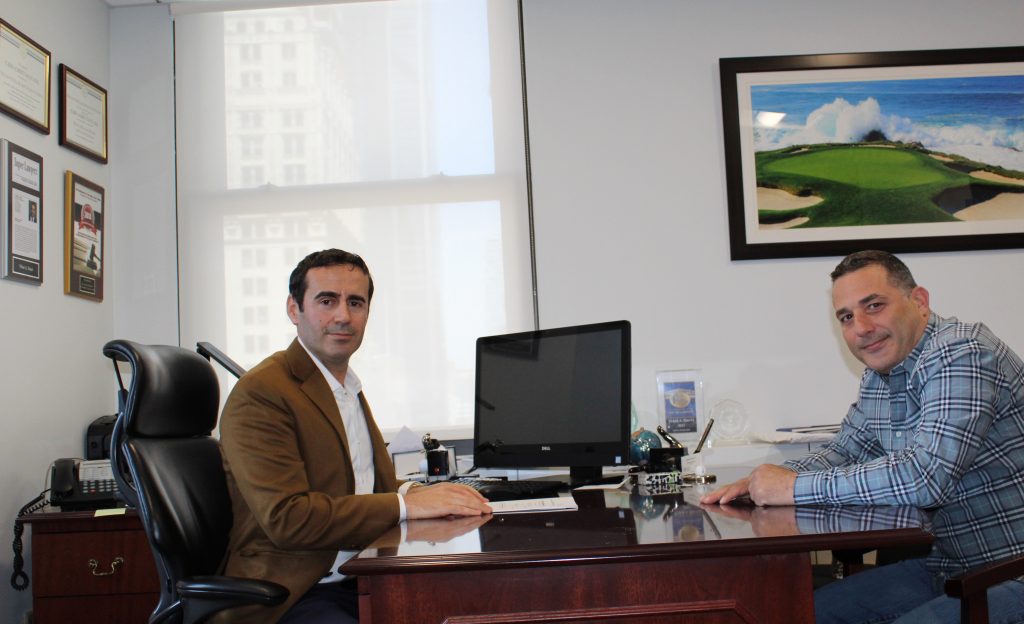
THE INSPIRATIONAL STORY OF THE ALBANIAN ATTORNEY, YLBER ALBERT DAUTI….

July 1, 2019 by dgreca

THE INSPIRATIONAL STORY OF THE ALBANIAN ATTORNEY, YLBER ALBERT DAUTI, AND HOW HE RETURNED THE FAVOR TO THE BENEVOLENT BUSINESSMAN WHO HELPED HIM WHEN HE WAS A STUDENT

B

BY DALIP GRECA/DIELLI/

In the year 2000, Ylber Albert Dauti was a student preparing for the bar exam in New York, with no credit history, pleading with realtor Viktor Gjonaj to rent him an apartment. In the year 2019, attorney Dauti successfully handles five actions in four different courts that enable his former benevolent landlord, Viktor Gjonaj to save one million dollar and preempt the seizing of his business assets and freezing of his bank accounts.

“Meeting the student who became a lawyer has changed my life forever and has prompted me to invite interested Albanian businessmen to start a foundation that opens the doors for students from Albania and Kosova,” says Viktor Gjonaj.        

The story starts back in the fall of 2000. Ylber Dauti was a newcomer from Albania intent on pursuing a dream: completing his law school studies, passing the bar exam and becoming a lawyer. As many immigrants before Ylber had found out, the beginning can be unforgiving. With no support from any one and no credit history to secure an apartment, he walked up and down the Bronx streets day in and day out and knocked on the doors of real estate offices, from morning till night only to hear the same line: due to his lack of credit history the realtors could not do much for him.

Viktor Gjonaj remembers seeing a young man walk in the office on the Gun Hill Road in the Bronx. “I must admit that Ylber’s story sounded more like a fairytale,” he says. “I came here to become a lawyer, Ylber stated as he stood in front of me. I need to rent an apartment but I have no credit history.” For my part, Viktor says, I couldn’t help smiling with myself. I could even hear my inside voice saying “What is this guy thinking? He has come from across the ocean, with no family here and is set on being a lawyer! We are born and raised here, with access to anything we desire and with family that looks after us, and still deem it difficult to dream so big. It was hard for me to grasp that someone with no connections, who probably could not find his way around New York City or even the college campus, who has nothing and no one, stands in front of me believing that he will be a lawyer. I remember thinking to myself: He is no ordinary fellow, I will say that much about him! I recall handing him the keys to an apartment. “Here are the keys, I said, but if you don’t become a lawyer, you and I will have a problem! I was only teasing, comments Viktor who gets a little emotional while speaking a beautiful Albanian that he has learned at home from his parents who immigrated here from Montenegro. In truth, the law school goals sounded like a pipe dream to me yet his determination to get himself there gave me reason to be hopeful….”

This was how I rented a unit to a young man. In my view, it wasn’t a very big deal. I simply took him at his own word. Although he had no credit history I was impressed with his honesty and his confidence in becoming a lawyer,” wraps up Viktor.

Attorney Dauti interject by saying “Viktor is being modest. I am grateful that he trusted me with the rental without any credit history. He took my word for it. I had visited several real estate offices only to be turned down due to lack of credit history. What’s more, with my student status, my social security card was invalid without an authorization from immigration, which made the realtors less confident that I would be able to make monthly rent payments. One rainy day, as I walked tired and worried about the apartment situation, at the entrance of a building on Gun Hill Road in the Bronx, there was a sign that said Gjonaj Realty. In my head, I thought, God willing, they are Albanians and will believe that I will be good with payments as a tenant. I walked in. I made sure to clear up the issue right at the start: Don’t ask for credit history because I don’t have one. If you place your trust in me, as one Albanian to another, on my word of honor, if you agree to rent the apartment, I will pay. I waited. Sitting across the desk, Viktor thought about it for a moment then he smiled and asked suspiciously: You wanna be a lawyer? He repeated the question a second time. -Yes! – I answered. – That is why I am here. He handed me the keys in good faith.”

It is Viktor who picks up at this point in the conversation. “After the initial encounter, we didn’t see much of each other. I was busy with office work, and he with school. A year later, the young man comes back to the office: “Here are the keys! I am moving out! I passed the bar exam. Thank you for the apartment. I will not forget it.”

We were filled with joy for the young man who became a lawyer and that we had rented the apartment when he needed it. We said our goodbyes. None of us could have imagined that one day we will be in a dire situation and that the lawyer would save the day while most people told us to follow the order and pay up one million dollar before the daily interest percentage kicked in.

ATTORNEY DAUTI FIGHTS LEGAL BATTLES IN FOUR COURTS

In 2010 Gjonaj Realty of the Gjonaj family was sued for one million dollars by a plaintiff. Right after receiving the lawsuit papers, Viktor sends them out to the insurance agent. Gjonaj Realty pays the insurance which, as a rule, assesses and covers the damage and assigns the legal team or lawyers to represent their client. Instead of sending the paperwork to the proper insurance company, the insurance agent mails the papers to the wrong address. As a result, no insurance lawyer is assigned to Viktor’s case. Under these circumstances, the court convenes and orders (in absentia) that Gjonaj Real Estate must pay the plaintiff the amount of one million within 30 days. Upon being notified of the court’s judgment Viktor contacted the insurance company that refuses to make the payment to the other party. The insurance company claimed that they had not received a timely notification regarding the allegations brought by the plaintiff and were not provided with the opportunity to have legal representation and defend against plaintiff’s claims. Under the law, it is the insured’s obligation, in this case Viktor’s obligation, to forward the lawsuit documents directly to the insurance company and not the insurance broker. Due to this lapse, which Viktor had repeated four times, he would have to make a payment of one million to the plaintiff within 30 days, (otherwise) failing to do so would result in freezing of the bank accounts and seizing of the company’s assets. Viktor got in contact with a few lawyers in New York who all said that this “was a done deal” and that all that was left for Viktor to do was to pay one million dollars to avoid the nine percent interest penalty on the one million dollars judgment. Multiple lawyers had advised Vikto that the court judgment cannot be reversed. What were his options? No lawyer would take his case. In the middle of it, Viktor remembered the young tenant who wanted to become a lawyer. He contacted the attorney at law Ylber Dauti. And the lawyer jumps in the story: “There was very little time! When Viktor reached out to me, there was a ten day window before the freezing of his bank accounts and seizing of his assets. As soon as Viktor brought the judgment papers along with the case folder to the office, it was imperative for me to act fast in order to meet the legal deadlines for fighting the court ruling.

Within ten days, I proceeded in three fronts:

  1. Filed a Motion with the Court to review the judgment and reopen the case arguing that Viktor had assumed (by mistake) that the insurance broker would mail the papers to the right address
  2. Filed a Notice of Appeal 
  3. Started a lawsuit against the insurance broker

The attorney Ylber Dauti presented the arguments to the Judge who had issued the judgment that entitled the plaintiff to one million dollar. Judge agreed to reopen the case in order to allow Viktor’s legal defense do its job. It was the first victory! Equipped with the Judge’s new order, the attorney pressured the Insurance Company to take the case and represent Viktor. The argument was made that the reopening of the case means that in the proceedings Viktor is entitled to legal representation which must be provided to him by the insurance company. The insurance company’s claim of prejudice was no longer valid because the Court had agreed to reopen the case. Fortunately, the Insurance Company agreed to take the case and assign a team of lawyers to represent Viktor… An excellent outcome which meant that Viktor did not owe anything to the plaintiff and all legal fees would be covered by the insurance company.

-Does the struggle end here? – I asked attorney Dauti.

-I thought it did! – he answered. I thought I was done with the case, however, plaintiff appealed the judge’s order to reopen the case. The Appellate Division of First Department (Manhattan) reversed the lower Court and modified the lower court’s decision. The Court reasoned that because Viktor did not follow proper procedure for notifying his insurance company in a timely fashion and given fact that he had repeated the same mistake four times, he should not be given the benefit of the doubt and be excused for the default. It is worth-noting that the ruling was partly in our favor, because the Court ruled that there should be a new trial on damages as the record before the Court was not sufficient to justify a judgment of approximately one million dollars. Therefore, a new trial would have to be held to determine the amount of damages. The ruling is one of the lengthiest decisions issued by the Appellate Division of First Department (33 pages) which includes the arguments by a panel of four judges, three of them concurring with partial disagreement and one dissenting.

At this point the legal battle becomes even more complicated. As soon as the insurance company received the Decision of the appellate Court, it filed a Declaratory Judgment action in Westchester County Supreme Court, seeking the Court to declare that they no longer needed to defend and indemnify Viktor in the underlying action. The Westchester Court ruled in favor of the insurance company and ordered Viktor to find and hire a lawyer for his legal defense since the insurance company was no longer obligated to defend and/or indemnify him. There was only one option for Viktor. He goes back to the offices of Ylber Dauti with a handful of legal papers.

The attorney is well aware of the time constraints. With only a month’s notice, the lawyer moved fast to cover four areas in thirty days.

“It was a tall order,” he says and lists the following:

  1. I filed a Motion with the Westchester County Supreme Court to Review and Reverse its prior decision
  2. I filed a Notice to Appeal with the Appellate Division of Second Department in Brooklyn
  3. I re-filed in Bronx County Supreme Court the action against the insurance broker which mailed the initial paperwork to the wrong address and not to Viktor’s insurance company.
  4. I took over the defense of the underlying action brought in Bronx County Supreme Court by plaintiff who had initially won the million dollar judgment because in light of the Appellate Court’s Division for First Department a new trial would be held to determine the amount of damages to be paid by Viktor to the plaintiff.”   

A series of intricacies and complicated legal maneuverings in four different court houses in New York State unfolded for five years. In February of this year, at the eve of the jury trial to determine the damages that Viktor would pay to the party who had sued him for over one million dollar, the plaintiff’s lawyer stipulated to withdraw all claims against Viktor and his company in return for assignment of rights to pursue Viktor’s action against the insurance company and the insurance broker.

“There cannot be a better outcome,” explains the lawyer, “because it is not subject to appeal. Viktor does not owe a penny to the plaintiff who was initially awarded one million dollars. Secondly, there is no need for Viktor and his company to pay legal expenses to defend and pursue actions in four different courthouses: in the Bronx, Brooklyn, Manhattan and Westchester courts.”

A sigh of relief can be heard as Ylber Dauti finishes the story of an exceptional legal battle that span five years and four different courthouses. He feels relief and contentment in fulfilling a moral obligation that started with Viktor Gjonaj’s good deed.

VIKTOR GJONAJ to start a Foundation to help students from Albania and Kosova…

In the end Viktor concludes, to be honest, just as I had doubts nineteen years ago that Ylber would ever manage to become a lawyer when he walked in my office asking to rent an apartment, I was doubtful that he could ever win my case five years ago when I walked into his office with my case after numerous lawyers had advised me that this was “a lost case”. I admit it was a long shot. Still, I thought, if Ylber managed to become a lawyer in less than a year after he came to America, he might be also able to deliver more miracles.

Meeting with the former student/currently lawyer has impacted my life to a great extent. It has prompted me to discuss with other Albanian businessmen in America the possibility of creating a foundation to help students from Albania and Kosova so that when they come here – they have a door to known on instead of wandering the Bronx streets looking for a place to rent – like the young Ylber did many years go. My own personal experience with attorney Dauti has inspired me to be helpful and do more good deeds because I have learned that you may think you are taking a risk by renting a unit for five hundred dollars a month to a tenant without a credit history – but then, it happens that later that former tenant becomes a lawyer who saves you over one million dollars.

***

ALBANIAN LAWYER YLBER DAUTI AMONG THE LEADERS IN THE LAW

“This was the first time that a Jury and Judge in New York State had to render a verdict and decision on a civil action where plaintiff was still in immigration proceedings at the time of trial.”

Currently Mr. Dauti is an attorney licensed to practice law in several parts of the World. He is admitted to the Bar of the State of New York and he is also admitted to practice law before the United States of America Federal Courts for the Southern and Eastern Districts of New York. Additionally, he has passed the respective bar exams and is a duly licensed attorney-at-law law in Albania, and he is a duly licensed Solicitor of England and Wales (non-practicing). He is a graduate of University of Tirana Law School (JD equivalent), Central European University (LLM in International Business Law) and University of Connecticut School of Law (LLM in US Legal Studies).

Mr. Dauti is a member of the International Bar Association, American Bar Association, New York State Bar Association, Association of the Bar of the City of New York, The Law Society of England and Wales, and The International High IQ Society. 

Prior to founding The Dauti Law Firm, P.C., Mr. Dauti was a Trial Attorney, for five years.

Mr. Dauti has been Trial Counsel on civil matters that have created legal precedent in the State of New York. Numerous favorable court decisions and jury verdicts on matters where Mr. Dauti has acted as Trial Counsel have been published in New York Law Journal and Jury Verdict Reporter. In June 2009, New York Law Journal (most prestigious legal publication in the United States) published on its front page, an article titled “Jury May Consider Immigrant’s Status in Damages” written by Daniel Weise, senior editor of New York Law Journal, where he analyzes the decision of a Supreme Court Judge in a case where Mr. Dauti was the Trial Counsel for plaintiff and the Jury awarded a seven-figure verdict to his client even though the client was subject to deportation at the time of the work-related accident and at the time of trial he was still in immigration proceedings. This was the first time that a Jury and Judge in New York State had to render a verdict and decision on a civil action where plaintiff was still in immigration proceedings at the time of trial.

Gotham Gazette (New York City newspaper) published an article titled “Political Intrigue in a Civil Action” written by the Honorable Emily Goodman, Judge of New York State Supreme Court, where she described the odyssey and drama that unfolded during the jury trial where Mr. Dauti was lead Counsel for plaintiff and the Jury awarded a seven-figure verdict in favor of Mr. Dauti’s client despite the client’s immigration status.

Mr. Dauti has successfully argued various matters before the Appellate Courts. Million and multi-million dollar awards and verdicts won by Mr. Dauti have been published by Verdict Search and New York Law Journal and ranked amongst the top New York verdicts and awards for the last ten years in a row: 2009, 2010, 2011, 2012, 2013, 2014, 2015, 2016, 2017 and 2018.

Mr. Dauti is a life member of Million-Dollar and Multi-Million Dollar Advocate Forums, where less than 1% of US lawyers have achieved the required professional results to qualify for membership and have become members. Additionally, Mr. Dauti – due to his extraordinary achievements – has recently been selected by his peers as a member of New York Super Lawyers/Rising Stars, an honor bestowed upon only 2.5% of the New York Lawyers.

According to the annual publication of the New York Law Journal/Verdict Search Report of December 23, 2013, Mr. Ylber Dauti secured the largest award for one of his clients in the Premises Liability category in the State of New York for the year 2013. He also secured the largest award in the year 2012, for another client in the same category, thus, making him the first attorney in New York to have secured the largest awards for two years in a row in such category, since New York Law Journal/Verdict Search Report started publishing the annual rankings. He is one of the 100 Top Attorneys on America and one of the Top 100 Civil Lawyers as per rankings of The National Trial Lawyers Institute.

Source: Top 100 National Trial Lawyers, 2013 Issue

In June 2014 the story of Mr. Dauti’s litigation of an Automobile Accident involving Serious Injuries was reported by Dielli’s Chief Editor Dalip Greca since the case involved a Kosova Albanian woman, who had no family in the States. The story describes the plight of the victim who was disabled, diagnosed with Multiple Sclerosis (MS) and how her case had been dragged on for five years by an American law firm. “Within one year, thanks to Mr. Dauti’s highly professional representation, the client was awarded ten times the amount she was previously offered to the lawyer who was representing her before Mr. Dauti took over her case.” (Dielli, June 2014 page 26-27)

Mr. Ylber Dauti’s name is listed consistently in the New York’s Leading Personal Injury Lawyers published by New York magazine. The Leaders in the Law section for 2018 included Mr. Dauti in the Top New York Verdicts/Settlements for the tenth year in a row with million and multi-million dollar awards.
 
A BRIEF SUMMARY OF VERDITS/SETTLEMENT INVOLVING ALBANIAN CLIENTS:
 

$8.2 million award on a Premises Liability action

$4 million award on a Medical Malpractice action

$3 million award on a Construction Accident action

$2.7 million award on action against New York City Transit Authority

$2.3 million award on a Construction Accident action

$2.25 million award on a Construction Accident action

$2 million award on an action against the Government of United States

$1.8 million award on a Motor Vehicle Accident action

$1.8 million award on a Construction Accident action

$1.75 million award on a Business Liability action

$1.7 million award on a Construction Accident action

$1.35 million award on an Elevator Accident action

$1.3 million award on a Construction Accident action

$1.2 million award on an Elevator Accident action

$1.175 million award on a Motor Vehicle Accident action

$1.1 million award on a Motor Vehicle Accident action

 
Source: Dielli Newspaper 
 
Mr. Ylber Dauti is a frequent guest speaker and lecturer on International Business Law at prestigious Universities in the United States, Europe and Asia. He has recently returned from a Japan Lecture Tour at Kyushu University Faculty of Law, one of the top universities in Japan. Mr. Dauti has conducted Lecture Series for International Students at the Tilburg University in the Netherlands that provide guidance on the drafting of contracts and more specifically international legal contracts.(Translated from Albanian to English by Rafaela Prifti)

Filed Under: Featured Tagged With: Ylber Dauti-Viktor Gjonaj- Story

Rrugëtimi i shenjtë i gjuhës shqipe në Diasporë

June 30, 2019 by dgreca

Nga Marjana BULKU/

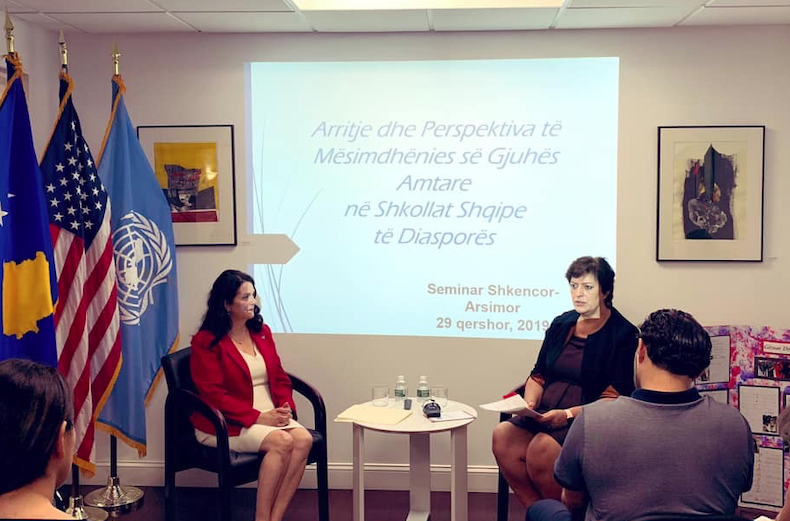
Rrugëtim i shenjtë…kështu e quajti ambasadorja e Republikës së Kosovës në Nju Jork, të gjitha përpjekjet që bëjnë mësuesit dhe shkollat shqipe këtu në Amerikë për të mbajtur gjallë gjuhën dhe për ta trashëguar atë ndër breza. 

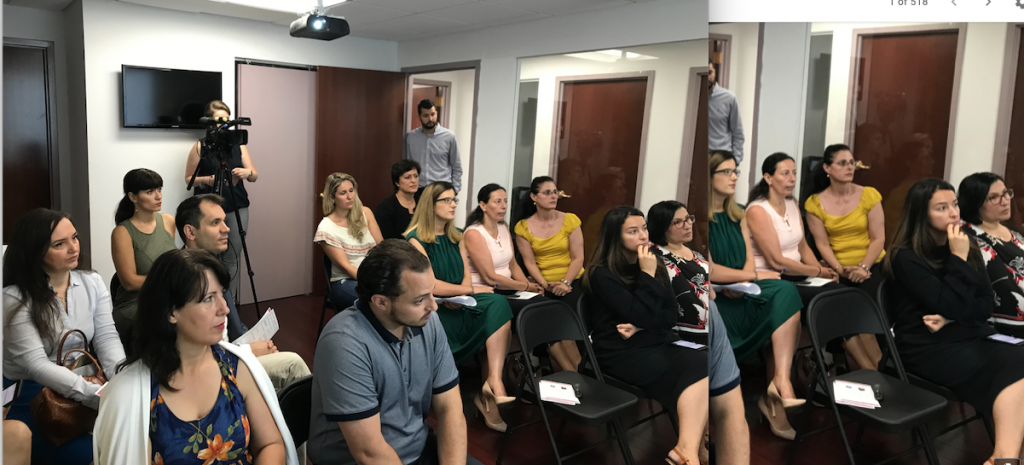
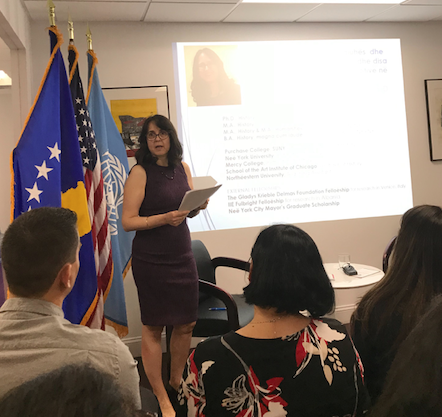
Ka qenë një e shtunë aktive jo vetëm për stafin e konsullatës mikpritëse e Seminarit shkencor-arsimor mbi arritjet dhe perspektivat e mësimdhënies së gjuhës shqipe në Diasporë, por edhe për shumë prej shkollave shqipe që operojnë në Nju Jork, mësues dhe aktivistë të komunitetit. 

Zonja Drita Gjongecaj, n/drejtore e një prej shkollave publike të Nju Jorkut, iniçuese dhe organizatore e kësaj veprimtarie e dyta në radhe por natyrisht me vlera të shumfishta për stafin mësimdhënës , prindërit dhe të interesuarit e shumtë duke falenderuar pjesmarrësit sqaron se përse ky seminar është një mjet që i bashkon mësimdhënësit qoftë edhe duke prezantuar apo debatuar e dëgjuar njëri -tjetrin me qëllim arritjet dhe cilësitë në funksion të ruajtjes dhe konsolidimit të gjuhes kombëtare si detyrim profesional  intelektual dhe patriotik. Në prag të përmbylljes së vitit akademik një komunikim i tillë do ti jepte rezultate edhe më të mira proçesit të të mesuarit të viteve të ardhshme , siguri familjeve se kanë bërë zgjedhjen e duhur për ndjekjen e ketyre programeve si dhe nxitje e motivim për të tjerët që nuk janë ulur ende mbi abetaret dhe shkrimin shqip.

Shkolla shqipe “Children of the eagle ” , Albanian American dual language and culture ,organizatorët e këtij seminari të dytë shkencor-arsimor por edhe shumë nga të pranishmit e shohin si shumë të rëndësishëm bashkëpunimin e shkollave shqipe në Nju Jork dhe më gjërë me qëllim arritjen e qëllimit të përbashkët : ruajtjen dhe konsolidimin e gjuhës shqipe.

Seminari u përshëndet nga zonja Teuta Sahatçija e cila ka një ndjeshmëri shumë të lartë, vemendje dhe kujdes të veçantë ndaj gjuhës shqipe  rrugëtimin e së cilës , aspak të lehtë kur je larg atdheut ajo e quajti të shenjtë.

Marjana Bulku trajtoi : Rolin e institucioneve, individëve dhe medias nē kultivimin e gjuhës shqipe në Diasporë nga ku mjaft inspirues ishte rasti i katedrës 60 -vjeçare të gjuhës shqipe që Martin Camaj krijoi në Mynih dhe intelektualët jo vetëm me kombësi shqiptare e mbajnë ende gjallë.

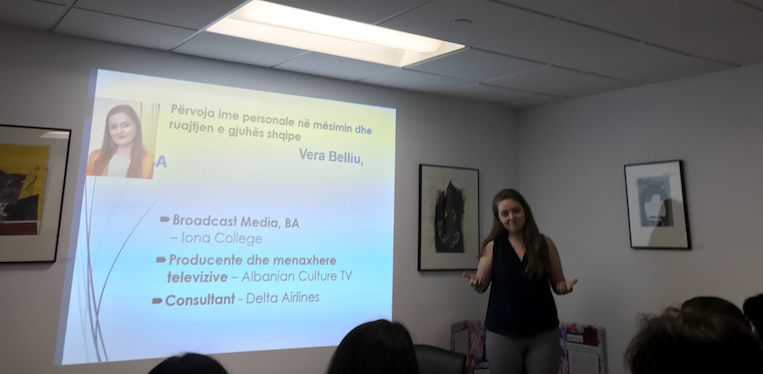
Vera Belliu. Një prej rasteve që edhe pse e lindur në Amerikë gjuhën shqie jo vetëm e flet dhe shkruan por ka ndërtuar mjaft produksione televizive  rrefeu përvojën e saj personale në familje e televizion.

Azeta Zhabjaku Kola trajtoi në mënyrë të detajuar dhe shkencore vlerat e mësimdhënies së gjuhës dhe historisë tonë duke referuar dhe sugjerime për rezultate pozitive e pritshmëri më të larta .

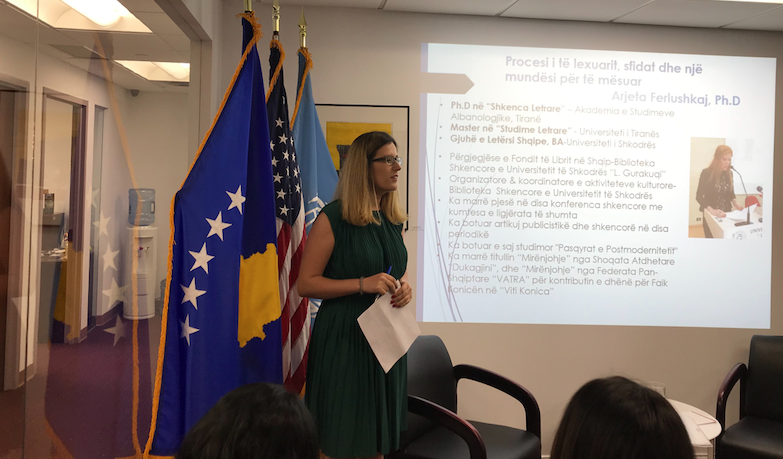
Arjeta Ferlushkaj solli një trajtesë mbi ” Proçesin e të lexuarit , sfidat si dhe mundësitë “.

Thëllëza Arifi Krasniqi  dhe Programi i integruar i mësimit shqip në diasporë dhe kurrikulat u ndoq me shumë interes.

Drita Gjongecaj shtjelloi në mënyrë të detajuar dhe mjaft profesionale trajtesën : ” Programi i ndërsjellë dy gjuhësor anglisht -shqip në shkollat publike të Nju Jorkut”.Të pranishmit ndoqën me interes disa nga avantazhet që sjell ky aplikim për femijët që anglishten e kanē gjuhë parësore por edhe për fëmijêt e porsa ardhur tek të cilët shqipja është ende e tillë.

Një prezantim plot larmi, kreativitet dhe mjeshtëri metodike solli Mirjana Lukic Kim e cila trajtoi ” Metoda efektive në diferencimin e mësimdhënies në klasat me fëmijë të moshave dhe niveleve të ndryshme gjuhsore”.

Alban Biba me një dinamizëm dhe mjeshtri profesionale prezantoi ” Projekti i kulturës shqiptare me nxënësit e Qendrës Kulturore në Riverdale , Nju Jersey.

Mësuese Haxhere Veseli Matoshi  prezantoi një material  me temë” Aktivitete dhe materiale didaktike në punën me fëmijët e moshës 4-6 vjeç në shkollën Children of the eagle”

Dhe nuk munguan pyetjet dhe sygjerimet që e bënë interaktiv dhe mjaft të frytshëm këtë seminar komunikues e informues ku asnjë minut nuk ishte kohë e humbur . 

30 qeshor 2019

Filed Under: Featured Tagged With: Marjana Bulku-Seminari-Shkollat Shqipe

KJO E SHTUNË ME SHKRIMTAREN ELIONA GJERGO NË VATËR

June 29, 2019 by dgreca

SHOQATA E SHKRIMTARËVE SHQIPTARO-AMERIKANË DHE FEDERATA” VATRA” PROMOVUAN KRIJIMTARINË E SHKRIMTARES ELIONA GJERGO, QË PËR 18 VJET JETON NË GREQI/

NGA DALIP GRECA/DIELLI/

Të Shtunën paradite, me 29 Qershor 2019, në mjediset e Vatrës u promovua vepra letrare e shkrimtares nga Korça, Eliona Gjergo, që prej 18 vitesh jeton në Greqi. Veprimtaria pat për organizatorë Vatrën dhe Shoqatën e Shkrimtarëve Shqiptaro-Amerikanë. E moderuar nga kryetari i Shoqatës së Shkrimtarëve, Mhill Velaj, veprimtaria ka nisë me një minut heshtje në nderim të gazetarit Rrok Berisha, që ndëroi jetë në Kosovë.

Më pas Kryetari i Vatrës Dritan Mishto i ka uruar mirëseardhjen në Vatër pjesmarrësve dhe një urim i veçantë i ëshë drejtuar shkrimtares Eliona Gjergo, që jeton dhe punon në shtetin fqinj me Shqipërinë, në Greqi, ku jetojnë rreth 750-800 mijë shqiptarë. Kjo është një urëlidhje mes dy mërgatave që duhet të thellohet në të ardhmen. Kryetari i Vatrës ka uruar edhe kryetarin e ri të Shoqatës së Shkrimtarëve Mhill Velaj, si dhe presidentin Adnan Mehmeti,ish kryssaren Raimonda Moisiu, që siç tha ai, janë edhe pjesë e Vatrës.


Eliona Gjergo dhuroi për Vatrën një flamur të qëndisur nga mjeshtret korçare.
Presidenti i Shoqatës së shkrimtarëve Shqiptaro-Amerikanë Adnan Mehmeti, i falenderoi pjesmarrësit dhe uroi Kryesinë e re dhe kryetarin Mhill Velaj, në këtë dalje të parë publike në një veprimtari promovuse së bashku me Vatrën. Ai informoi se shoqata e ka shtuar numrin e anëtarëve dhe përmendi një pjesë prej më të rinjve të anëtarësuar në radhët e shoqatës, ku veçoi profesor Sami Repishtin dhe shkrimtarë të tjerë.
Ish Kryetarja e Shoqatës, shkrimtarja Raimonda Moisiu, pasi ka treguar lidhjet me miken e saj , shkrimtaren Eliona Gjergo, ka analizuar romanin e Gjergos me titull” Gjashtë Gishta e gjysmë”, duke u ndalur në subjektin e veprës, në realizmin e ngjarjeve, në përjetimet e personazheve dhe në kompozicionin e romanit.


Editori i Diellit, Dalip Greca, ka falenderuar Eliona Gjergon, që promovimin e veprës së saj me shqiptarët e Amerikës e bëri në Vatër. Këtu në Vatër dhe në Gazetën e saj Dielli, janë gjurmët e shkrimtarëve, ish editorë të Diellit; Fan S. Noli, Faik Konica, Kristo Floqi, Kostë Çekrezi, Nelo Drizari, Athanas Gegaj, Bilal Xhaferri, Edward Licho, Xhevat Kallajxhiu, Arshi Pipa, apo e zonjës së Vatrës Nexhmije Zaimi, e mjeshtrit të Fotografisë Gjon Mili e shumë emrave të tjerë.


Duke analizuar veprën letrare të shkrimtares Eliona Gjergo, editori i Diellit, u ndal në stilin dhe mjeshtërinë e rrëfimit artistik, duke analizuar romanet “Bisha prej Qelqi” dhe “Dy gishta e Gjysmë”.


Shkrimtari Mhill Velaj analizoi me detaje romanin” Bisha prej Qelqi”, duke u ndalur në subjektin, personazhet dhe mesazhet që përcjell shkrimtarja. Ai e vlerësoi romanin si një arritje e letërsisë për fëmijë, ku shkrimtarja ka arritur që të përcjellë me realizëm botën e fëmijëve në prag të adoleshencës.


Poeti Vahid Hyzoti, analizoi romanin më të fundit të shkrimtares Gjergo me titull”Specter”, një roman me vlera artistike. Folësi u ndal në stilin e rrëfimit dhe në realizimin artistik të romanit.

Shkrimtarja Eliona Gjergo falenderoi Vatrën dhe Shoqatën e shkrimtarëve për organizimin e promovimit të romaneve të saj, falenderoi Fatos Mustafaj, për mbështetjen , Raimonda Moisiun, Vaid Hyzoti etj. Ajo tha: Lista e miqëve të mi para se të vija këtu ishte shumë e vockël, por tani siç e shihni, unë bëra shumë miq këtu. Falenderime të përzemërta për fjalët e mira dhe vlerësimin që i bëtë librave të mi.”
Lista e falenderimeve të saj ishte tepër e gjatë.


Përshëndetën dhe i shprehën urimet shkrimtares edhe regjisorja Marika Krasniqi, aktori dhe produseri Avni Abazi, Sabije Veseli, Shkumbin Teta, Prend Qetta, Nexhat Imeraj, Dritan Haxhia e të tjerë. Këngëtarja Sabahete Bejarolli, e ka shprehur urimin e saj duke interpretuar këngë nga repertori.
Eliona Gjergo e nisi rrugëtimin e saj letrar në vitin 2010 me romanin”Kur i lëmë ëngjëjt të vdesin”, “Skizofrenia” më 2012; “Gjashtë Gishta e Gjysmë” më 2016, “Bisha prej Qelqi” më 2017, “Specter” 2019.(Për më shumë lexoni Diellin në print)

Filed Under: Featured Tagged With: Dalip Greca- Promovimi ne Vater-Eliona GJERGO

  • « Previous Page
  • 1
  • …
  • 325
  • 326
  • 327
  • 328
  • 329
  • …
  • 900
  • Next Page »

Artikujt e fundit

  • Bahamas njeh Kosovën!
  • Legjenda e portës shkodrane, Paulin Ndoja (19 dhjetor 1945 – 16 prill 2025) do të mbushte sot 80 vjeç
  • “Roli dhe kontributi i diplomacisë shqiptare në Maqedoninë e Veriut nga pavarësia deri sot”
  • Marie Shllaku, kur një jetë e re u shndërrua në përjetësi kombëtare
  • Në sinoret e Epirit…
  • Mbrëmë hyri në fuqi Ligji i SHBA për autorizimin e mbrojtjes kombëtare
  • Skënderbeu “grek”, ose si të bëhesh grek pa e ditur
  • A historic moment of pride for the New Jersey Albanian-American community
  • U zhvillua veprimtaria përkujtimore shkencore për studiuesin shqiptaro-amerikan Peter Prifti
  • Dashuria që e kemi dhe s’e kemi
  • “Jo ndërhyrje në punët e brendshme”, dorëheqja e Ismail Qemalit, gjest atdhetarie dhe fletë lavdie
  • Arti dhe kultura në Dardani
  • Gjon Gazulli 1400-1465, letërsia e hershme shqipe, gurthemeli mbi të cilin u ndërtua vetëdija gjuhesore dhe kulturore e shqiptarëve
  • “Albanian BookFest”, festivali i librit shqiptar në diasporë si dëshmi e kapitalit kulturor, shpirtëror dhe intelektual
  • VEPRIMTARI PËRKUJTIMORE SHKENCORE “PETER PRIFTI NË 100 – VJETORIN E LINDJES”

Kategoritë

Arkiv

Tags

albano kolonjari alfons Grishaj Anton Cefa arben llalla asllan Bushati Astrit Lulushi Aurenc Bebja Behlul Jashari Beqir Sina dalip greca Elida Buçpapaj Elmi Berisha Enver Bytyci Ermira Babamusta Eugjen Merlika Fahri Xharra Frank shkreli Fritz radovani Gezim Llojdia Ilir Levonja Interviste Keze Kozeta Zylo Kolec Traboini kosova Kosove Marjana Bulku Murat Gecaj nderroi jete ne Kosove Nene Tereza presidenti Nishani Rafaela Prifti Rafael Floqi Raimonda Moisiu Ramiz Lushaj reshat kripa Sadik Elshani SHBA Shefqet Kercelli shqiperia shqiptaret Sokol Paja Thaci Vatra Visar Zhiti

Log in

This website uses cookies to improve your experience. We'll assume you're ok with this, but you can opt-out if you wish. Cookie settingsACCEPT
Privacy & Cookies Policy

Privacy Overview

This website uses cookies to improve your experience while you navigate through the website. Out of these cookies, the cookies that are categorized as necessary are stored on your browser as they are essential for the working of basic functionalities of the website. We also use third-party cookies that help us analyze and understand how you use this website. These cookies will be stored in your browser only with your consent. You also have the option to opt-out of these cookies. But opting out of some of these cookies may have an effect on your browsing experience.
Necessary
Always Enabled
Necessary cookies are absolutely essential for the website to function properly. This category only includes cookies that ensures basic functionalities and security features of the website. These cookies do not store any personal information.
Non-necessary
Any cookies that may not be particularly necessary for the website to function and is used specifically to collect user personal data via analytics, ads, other embedded contents are termed as non-necessary cookies. It is mandatory to procure user consent prior to running these cookies on your website.
SAVE & ACCEPT