• Home
  • Politics
  • Opinion
  • Culture
  • Sports
  • Economy
  • Interview
  • Reporting
  • Community
  • Vatra

Dielli | The Sun

Albanian American Newspaper Devoted to the Intellectual and Cultural Advancement of the Albanians in America | Since 1909

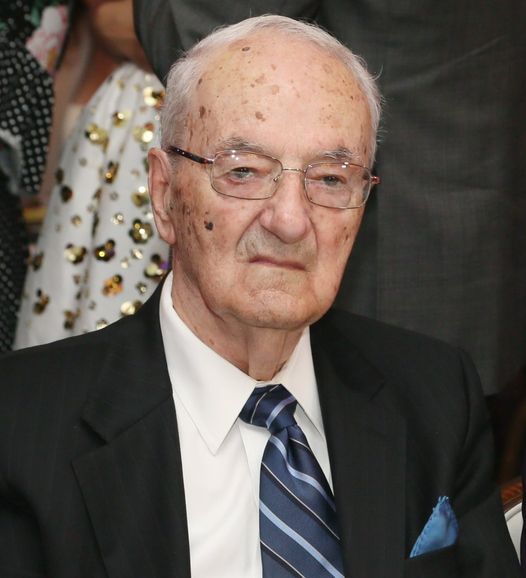
Lamtumirë Heroi ynë Profesor Sami Repishti

November 30, 2024 by s p

Nga Mimoza Dajçi/

Si aktiviste pranë komunitetit shqiptar edhe në Shtetet e Bashkuara të Amerikës, kam patur rast të takoj e të flas nga afër me legjendën shqiptare, ish të burgosurin politik të ndërgjegjes Prof. Sami Repishti.

Rreth dy vite më parë sëbashku me disa koleget tona realizuam dokumentarin me titull “E Bukura nën Pranga”, ku personalisht mbaj autorësinë si skenariste dhe regjisore e tij.

Dokumentari i dedikohet grave dhe vajzave shqiptare që u burgosën, u vranë e internuan padrejtësisht nga diktatura më e egër në Europë. Aty paraqiten jetët plot mund, vuajtje e sakrifica të Hava Repishtit – nënës së Prof. Sami Repishtit, Hana Sinës – nënës së gazetarit të palodhur Beqir Sina, i cili ka lindur dhe është rritur në internim në Shqipëri. Përshkruhet jeta dhe veprimtaria patriotike e Heroinave Musine Kokalari, Marie Shllaku, Marie Dvorani, Klara Mirakaj, Suzana Matja, Flora Selfo, Prof. Dr. Dolore Bushatit, e cila ka lindur dhe është rritur në internim në Shqipëri, italianes Jolanda Tahmizi, Marie Rexhaj. Shpresa Tuda, Fatbardha Mulleti Saraçi, Leze Smajlaj, juristes dhe diplomates Rozana Cima etj.

Në dokumentar flitet gjithashtu edhe për femrat – Heroina shqiptare që u vranë, përdhunuan e u malltrajtuan nga makineria serbe gjatë luftës në Kosovë, genocidin çam ndaj femrave shqiptare si dhe diktatin e egër që ushtronte qeveria serbe në Maqedoni ndaj femrave dhe popullit shqiptar në tërësi.

Dokumentari “E Bukura nën Pranga” hap siparin e tij me jetëshkrimin e një nëne që pas ndarjes nga jeta të bashkëshortit të saj Ibrahim Repishti, një nga promotorët e Lëvizjes Demokratike të periudhës së Pavarëisë dhe konfiskimit të pasurisë, punonte në mënyrë që të ndihmonte të birin, i cili vuante dënimin në burgun pranë Urës Vajgurore. Mbështjellë në një torbë të vogël pak ushqim, përpiqet t’ia dërgojë të birit të saj në burg, por rojet e burgut e shtyjnë e largojnë si armike e popullit.

Kjo ishte Hava Bushati Repishti nëna e Prof. Sami Repishtit, i cili po vuante dënimin si i burgosur politik në atë ferr torturash sëbashku me qindra e mijra ish të burgosur politik të Shqipërisë, kundërshtarë të atij regjimi diktatorial që shkatërroi individin, fëmijë, familje shqiptare dhe të huaja. Një natë dhjetori në vitin 1953 nënë Hava u la për 24 orë jashtë dyerve të burgut nga rojet duke mos e lejuar të takonte të birin.

Jetëshkrimin për nënën e tij Prof. Repishti ma dërgoi me postë, si dhe më kishte dhuruar edhe një nga veprat e tij letrare titulluar “Pika e Lotit”. Libër ky me tregime, ku përshkruan torturat nga burgu i Shkodrës, konceptuar në formë autobiografie dhe përjetime jetësore historike.

Gjithashtu sa herë që me antaret e Organizatës së Gruas “Shpresë & Paqe” në SHBA do të mbanim ndonjë event përkujtimor do të na përgëzonte duke bërë një analizë super pozitive dhe entuziaste edhe në media, ku shprehte rëndësinë dhe vlerësimin e tij.

Nuk jam e sigurtë për emërtimin e titullit Presidencial që gëzonte në Shqipëri Prof. Sami Repishti, por për ne dhe popullin shqiptar mbetet një Hero, aktivist i të drejtave civile të njeriut, luftëtar i vërtetë i paqes dhe demokracisë botërore.

Lamtumirë Legjenda Shqiptare Prof. Sami Repishti!

Foto: Dritan Haxhia

Filed Under: Komente

Professor Sami Repishti and the Struggle for Kosova’s Freedom and Independence

November 29, 2024 by s p

By Dr. Elez Biberaj/

Director, Eurasia Division/

Voice of America /

Presentation at the Symposium on the Occasion of Professor Repishti’s 90th Birthday/

The International House, New York/

July 18, 2015

It is a real pleasure for me to participate in this important event honoring Professor Sami Repishti. I have known him since I came to this country in 1968 and am fortunate to have had a close-up view of many of Professor Repishti’s activities and engagements. I worked closely with him on Albanian affairs – a cause very dear to both of us. During the last four decades we maintained regular contacts, and consulted and cooperated on many issues. Throughout the years, we at the Voice of America benefited enormously from his insightful interviews and commentary on a wide range of issues. On a personal level, I always enjoyed Professor Repishti’s support, encouragement and mentorship – and for that I am very grateful to him.

Professor Sami Repishti has had a long, remarkable and multifaceted career: He is a great champion of human rights, a fighter for democracy, a notable scholar, a prolific writer, and a distinguished advocate of the Albanian cause. Professor Repishti exhibited an unflinching commitment to defend and promote the establishment of a democratic order in his native Albania, self-determination and freedom for Albanians unjustly excluded from their mother country, and, in recent years, the establishment of vibrant, inclusive democratic societies in the Albanian lands.

My task today is to focus on Professor Repishti’s contribution to Kosova’s long and difficult struggle for freedom and independence. His activities on behalf of Kosova span over five decades, having begun shortly after his arrival in the United States and continuing to this day. He promoted the cause of Kosova with fortitude, moral purpose, unflinching courage and deep commitment. The Albanian-American community has produced many distinguished activists, but few can match Professor Repishti’s remarkable contribution and exceptional intellectual and diplomatic abilities. He developed an extensive network of professional contacts and became personally acquainted with senior U.S. administration officials, prominent members of the U.S. Congress, foreign policy experts, and prominent media representatives. His depth of understanding of U.S. foreign policy and the workings of Washington, and high degree of political and policy awareness were incomparable. And he used these very effectively on behalf of Kosova.

Professor Repishti operated on parallel levels – engaging other prominent Albanian-Americans, mobilizing the community around critical issues, facilitating the creation of advocacy organizations, writing, lecturing, and cultivating relationships with key people in the U.S. administration, the Congress, think tanks, the media, and democracy promotion and human rights organizations. Similar to many other ethnic groups, the Albanian-American community was politically fragmented. Professor Repishti displayed an ability to work with people across the political spectrum – political party leaders, clerics, scholars, students, and businessmen – and succeeded in building significant support from the community. He was instrumental in the creation of three organizations that played a critical role: The Albanian Kosovar Youth in the Free World, the Albanian-American Civic League, and the National Albanian American Council.

Through his many scholarly activities and advocacy, Professor Repishti sought to achieve several important objectives:

• First and foremost, educate the American and Western public about the Albanians’ plight and their demands, and counter the negative, conventional narrative and the pernicious stereotypes about Albanians that the Yugoslav propaganda machine promoted quite aggressively.

• Second, document and expose the systematic repression of Albanians’ human and national rights.

• Third, urge the United States and the international community in general to impose sanctions on the Yugoslav government for its human rights violations.

• Fourth, convince American decision-makers of the urgency of rigorous action to avert an inevitability of armed conflict between Albanians and Serbs, making the case that failure to act carried long-term risks to peace and stability in the region and undermined U.S. strategic interests.

• And finally, after the declaration of Kosova’s independence, promote the development of a just society and vibrant democracy, with robust democratic institutions, rule of law, and a free media.

This was a tall order, but Professor Repishti and other distinguished activists who worked with him pursued these objectives with unflinching determination. Their contribution is even more remarkable when one takes into account the many challenges they faced and the political environment in which they operated.

Until the end of the 1980s, Yugoslavia enjoyed widespread Western support. The protection of human rights and democracy promotion were given short thrift and Belgrade’s view of events in Kosova were widely accepted. U.S. policy toward Kosova was shaped by the largely positive views of Yugoslavia and its international role. The overwhelmingly favorable views of Yugoslavia were contrasted with the largely negative views of Albanians, in general, and of the totalitarian regime of Enver Hoxha, in particular. U.S. official and public support for Yugoslavia remained high and Westerners tended to be profoundly skeptical of Albanian demands. The media environment was such that most outlets were sympathetic to Yugoslavia and rarely published reports critical of Belgrade. Moreover, the influence of the Albanian community in American politics was negligible. Albanians had no sizeable voting bloc that would make the difference in propelling a candidate into office. Thus, Albanian-American leaders faced an uphill battle in their attempts to gain the support of American politicians.

Professor Repishti authored scores of reports and articles, gave lectures and interviews, attended and organized numerous panels, seminars and conferences, wrote talking points and policy papers for senior U.S. officials, and testified before the U.S. Congress.

In 1982, Professor Repishti, together with Professor Arshi Pipa, organized an international conference on Kosova, which brought together prominent American, European and Albanian scholars, including Nicholas C. Pano, Martin Camaj, Safete Juka, Peter Prifti, and Anton Logoreci. Most of the presentations were included in Studies on Kosova, published in 1984. That was an extremely useful book and an indispensable reading for scholars as well as policymakers. The volume shed new light on the Albanian question and the complicated relationship between Albanians and Serbs. In his own contribution, Professor Repishti analyzed the evolution of the post-World War II constitutional arrangements, which denied Albanians equal rights with other ethnic groups and essentially turned them into second class citizens. He explored the relationship between the Albanians’ right to self-determination and Belgrade’s insistence on a constitutional framework that would deny Albanians genuine self-government and democratic rights. Professor Repishti issued a stern warning that conflict was inevitable if Belgrade continued to reject Albanian demands for constitutional equality with Yugoslavia’s other major ethnic groups.

The annual memorandums that Professor Repishti authored and sent to the UN General Secretary, in the name of the Albanian Kosovar Youth in the Free World, presented a comprehensive history of the Albanian national question and a detailed chronicle of human rights violations in the former Yugoslavia. These were well-documented reports and sounded the alarm about the systematic abuses of Albanians’ rights. Professor Repishti cooperated closely with and was an authoritative source for human rights and democracy promotion organizations, such as Freedom House, Amnesty International and Human Rights Watch, and the State Department’s Bureau of Human Rights. He also published numerous articles in the U.S. press as well as in the émigré Albanian newspapers.

With his perceptive, detailed and balanced analysis, Professor Repishti sought to counter the negative narrative promoted by Belgrade, and increase the understanding of the complexities of the Kosova issue. He brought to the discussion a unique combination of personal, scholarly knowledge of Albanian-Serb relations, and of service as a leading spokesman of the Albanian-American community. He blended his writings and public statements with specific policy recommendations in the hope of influencing and shaping U.S. policy. Before 1990, he argued for sanctions against Yugoslavia and urged the opening of a U.S. consulate in Prishtina. During the early and mid-1990s, Professor Repishti made the case for U.S. and NATO intervention in Kosova, emphasizing that failure to act would inevitably lead to an armed conflict that carried long-term risks to peace and stability in the region and undermined overall U.S. strategic interests.

At a time when Kosova did not have any genuine official representation in the United States or the possibility and the means to make its case to the American government and public, Professor Repishti promoted and defended Kosova’s right to self-determination skillfully and in a dignified and effective manner. He was always careful to provide his interlocutors reliable and objective information. This helped him to cultivate trusting relationships with key people, thus becoming an authoritative source. It was largely due to the work of Professor Repishti and other prominent Albanian-American activists and leaders that Kosova was able to have her voice heard in Washington.

By 1990, Yugoslavia began to lose support and its image suffered irreparable damage, while Kosova witnessed the emergence of a genuine representative leadership with the establishment of the Democratic League of Kosova and other parties. These developments were followed by gradual but remarkable changes in American attitudes toward Albanians. While this change was due to Belgrade’s reprehensive policies and the rapidly changing political landscape in the wake of the demise of communism in Eastern Europe, the successful campaigning of Professor Repishti and other Albanian-American activists was a major contributing factor. The community had been mobilized and Albanian-Americans, working through many organizations such as the Albanian-American Civic League, the National Albanian American Council, and VATRA, were gradually gaining access and the attention of influential members of the Congress and senior policy makers. Arguably, the 1990s can be considered the golden age of Albanian-American activism and effectiveness.

During the conflict in Slovenia, Croatia, and later the war in Bosnia, Professor Repishti consistently pressed for the United States to exert political and economic pressure to force Belgrade to change its dangerous course in Kosova. He strongly believed that military intervention in Kosova was absolutely necessary to avert a larger Balkan conflagration. He also correctly predicted that the exclusion of Kosova from the Dayton process would have serious ramifications: it would embolden Slobodan Milosevic while convincing the Albanians that their situation was untenable and that they had to take matters into their own hands.

Professor Repishti became a staunch supporter of Kosova’s leaders, particularly President Ibrahim Rugova. A good part of his activities were then focused on helping Kosova’s leadership clearly articulate its policies and demands in meetings with senior U.S. officials and their public announcements. Not only was he instrumental in facilitating many meetings and contacts for President Rugova, but he also helped draft important talking points and policy memoranda.

The U.S.-led NATO intervention and liberation of Kosova, and the subsequent declaration of Kosova’s independence marked the culmination of Professor Repishti’s activities and the realization of his long held dreams for Kosova’s freedom.

After the peak of the euphoria that followed the demise of communism in Albania in the early 1990s and the declaration of Kosova’s independence in 2008, Professor Repishti amazingly enough did not cease his activities. Democracy, respect for human rights, and national reconciliation continued to be featured in his writings and public activities. He became a strong promoter of the establishment of vibrant democracies in the two Albanian states. While recognizing the challenges ahead, Professor Repishti stressed the imperative of Albanians seizing the opportunities, cementing their Western orientation, preserving and strengthening their religious harmony, and countering any signs of religious extremism.

In his many public pronouncements, he urged the new governing elites in both Albania and Kosova, as well as Albanian leaders in Macedonia, to address pressing problems, such as tackling corruption and organized crime – which threaten the fabric of the Albanian society; stimulating economic growth; reducing inequality; empowering women; and creating transparent and accountable governance.

Professor Repishti has come to see the political, social and economic empowerment of the Albanians as closely connected to the strategic relationship and alliance with the United States. Recognizing the vital role that the United States has played – first, in supporting and affirming Albania’s independence; supporting and promoting democracy in Albania; and finally the critical role that America played in liberating Kosova and ensuring its independence – Professor Repishti has shown a strong commitment to nurturing and strengthening the Albanian-American relationship, but emphasizing that this relationship should not and cannot be taken for granted. The future and viability of Albanian-American strategic relationship is based on continued shared interests – respect for human rights, the establishment of rule of law, and good governance.

After decades of academic and community thought leadership, Professor Repishti continues to inspire generations of Albanians to always pursue a more democratic and just society. He is a great Albanian-American, a real Albanian patriot, an accomplished scholar, and a man of principles, who never ceased fighting for what he believed.

It has been my great honor to have cooperated closely with Professor Repishti and I am very grateful for his consistent support and friendship.

Happy Birthday, Young Man! Edhe 100!

Published: JULY 18, 2015 BY DGRECA

Foto: Dritan Haxhia

Filed Under: Komente

VATRA PËRSHËNDET VENDIMIN E GJYQËSORIT SHQIPTAR PËR LIRIMIN NGA ARRESTI TË LIDERIT TË OPOZITËS PROF. DR. SALI BERISHA

November 28, 2024 by s p

Kryetari i Federatës Panshqiptare të Amerikës “VATRA” mirëpret vendimin e gjygjësorit shqiptar për lirimin nga arresti shtëpiak të liderit të opozitës shqiptare Prof. Dr. Sali Berisha.

Ky vendim është lajm i mirë për Shqipërinë, ambientin politik, klimën parlamentare, demokracinë dhe pavarësinë e gjygjësorit në Shqipëri.

Në këtë kohë dinamike kur Shqipëria angazhohet për integrim në BE, një mjedis stabil politik me funksionim të mirëfilltë të institucioneve të drejtësisë dhe raporte brenda normave të konkurencës politike pozitë – opozitë i duhet më shumti Shqipërisë dhe shqiptarëve.

Duke i dëshiruar shëndet dhe punë të mbarë Dr. Berishës, unë si kryetar dhe “VATRA” si organizata më e vjetër shqiptare në SHBA, besojmë fuqishëm në drejtësinë dhe fuqinë e së drejtës dhe të vërtetës.

Urojmë që të dëgjojmë vetëm lajme të mira nga atdheu i ynë i begatë.

Me shpresën për tu takuar së shpejti në Tiranë dhe Uashington,

Me respekt

Kryetari i Federatës Panshqiptare të Amerikës “VATRA”,

Dr. Elmi Berisha

Filed Under: Komente

Shoqata Skënderbej festoi festën e Flamurit Kombëtar

November 27, 2024 by s p

Prof. As. Dr. Gëzim MUSTAFAJ/

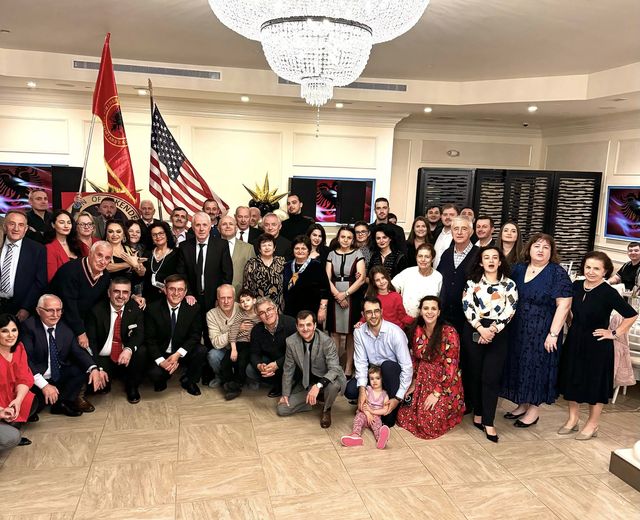
Data 28 Nëntor, është një datë që përkon me shumë ngjarje historike për kombin Shqiptarë. Me 28 Nëntor 1443, Skënderbeu në Kështjellën e Krujës ngriti Flamurin Kombëtar. Me 28 Nëntor 1912, Ismail Qemaili në Vlorë ngriti Flamurin kombëtar dhe shpalli pavarësinë e Shqipërisë. Më 28 Nëntor 1997, në varrimin e mësuesit Halit Geci të vrarë nga ushtria dhe policia serbe, UÇK, ajo që do ti sillte lirine dhe pavarsinë Kosovës, pas disa vite në ilegalitet, doli hapur me uniformën, simbolin dhe flamurin kombtarë. Më 28 Nëntor lindi Komandanti Legjendar Adem Jasharit, që për interest kombtare dhe çlirimin e Kosovës dha jetën së bashku me gjithë familjen e tijë, duke luftuar dhe qëndruar heroikisht për 3 ditë me radhë përballë forcave ushtarake dhe policore Serbe. Ky vit është edhe viti i 80-vjetorit të çlirimit të vendit nga pushtimi fashist. Prandaj shumë shoqata Shqipëtare këtu në New York janë mbledhur për festat e Pavarsisë dhe të Çlirimit të atdheut tonë. Edhe Association of “Skënderbej”, (Shoqata Skënderbej), në Restaurant PINE 19 13 Bronxdale Avenue, Bronx, NY 10462 organizon mbasditen e 24 nëntorit, takim festiv për këto ngjarje të rëndësishme të biografisë së kombit shqiptar,112-vjetorin e Pavarsisë dhe 80-vjetorin e Çlirimit.

Si zakonisht mjedisi festiv fillon nën tingujt solemn të dy himneve, atij Shqiptar dhe Amerikan. Më pas modratorja e aktivitetit Znj.Nadire Xhakolli pasi u uroj të pranishëmve dhe të ftuarve mirëseardhjen dhe gëzuar festat, i dha fjalen Presidëntit të shoqates Profesor Asc. Dr. Gëzim MUSTAFAJ, ku midis të tjerave ai theksoi; Pavarësia e shpallur në Vlorë më 28 nëntor 1912, është një produkt kompleks, shumë dimensional, shumë faktorësh. Ajo ditë sot quhet Dita e Pavarësisë së Shqipërisë por në fakt ajo u arrit me kontributin e të gjithë shqiptarëve kudo që ndodheshin në trojet e tyre nga Çamëria deri në Kosovë si dhe nga Durrësi deri në Luginën e Preshëvës. Më 28 nëntor 1912 në orën 14.05 do shpallej pavarësia e Shqipërisë, ndërsa flamuri do të shpalosej nga Ismail Qemali në orën 15.12 minuta nga dritarja ku ishte mbledhur kuvendi. Në përbërje të Kabinetit të saj të parë, si një ndër ministritë kryesore u përfshi edhe Dikasteri i Luftës apo i Mbrojtjes Kombëtare, me në krye një oficer madhor karriere, me shumë përvojë drejtimi, organizimi dhe luftarake, GjeneralBrigade Mehmet Dërralla (Tetova). Detyrat e këtij dikasteri ishin që të organizonin mbrojtjen e territoreve. Pak muaj më pas, më 4 Maj 1913, u krijua edhe Shtabi Madhor, që përbënte njëherëshi zyrën numër Një të Ministrisë së Luftës. Sot ne festojmë edhe 80-vjetorin e çlirimit të vendit nga pushtuesit fashist. Pak kohë mbas shpërthimit të Luftës së Dytë Botërore, Shqipëria u rendit në Aleancen Antifashiste Botërore, në krah të ShBA, BS dhe Britanisë së Madhe. Me krijimin e Frontit Nacional-Çlirimtar, lufta jonë u bë pjesë e luftës antifashiste botërore dhe u hodhën bazat e rreshtimit të Shqipërisë në Koalicionin Antifashist.

Më pas përshendeti Kryetari i Organizates së Veteranëve të Luftës të UÇK-së, Z. Astrit HUSKAJ, i cili në emer të Kryetarit të Veteranëve të Luftës të UÇK-së, për disa nga anëtaret e shoqates dha çertifikata mirënjohje për kontributin e tyre gjatë luftes në Kosovë.

Në vazhdim përshëndeti Kryetari i Deges së Vatres për Queens Z. Skender MYRTEZANI. Amosfera u zbukurua me këngëtarin dhe DJ, Z. Argjend Lloga dhe këngëtaren Kristina Marku. Mbresat si përher janë të shumta, por në këtë ditë të shënuar do të veçoj momentin kur, nëpërmjet një torte të përgatitur enkas për këtë, të gjithë anëtaret e shoqatës i uruan dtëlindjen një nga nismetaret e krijimit të shoqatës, njëkohësisht edhe nga kontribuesit kryesorë anëtarit të bordit dhe Kryetar i Deges së Queens Z. Përparim SEHITAJ.

Nën tingujt e muzikës, valles, trokitjes së gotave, dashamirësis dhe mikpritjes vazhdoj gjithë aktiviteti. Faleminderit të gjithë pjesëmarrësve dhe të ftuar që nderonin me pjesëmarrjen e tyre në këtë aktivitet. Një falënderim special është për anëtarët e rinj të shoqatës që si asnjë here tjeter kishin mbushur sallen, çfar tregon se atdhedashuria dhe krenaria kombtare do të vazhdoj brez pas brezi.

Të gjithë shqiptarët kudo ku jetojmë e punojmë jemi një komb, kemi një gjuhë, një flamur, kemi një aspiratë për të ardhmen, të jemi të bashkuar, prandaj është dita që të gjithë duhet të festojmë sepse kjo është festa më e madhe e të gjithë kombit Shqiptarë.

New York 24 Nëntor 2024

Filed Under: Komente

Kompania investuese “Albanica Homes” nga Kosova dhuron 200 mijë dollarë për shtëpinë e re të Vatrës në New York

November 27, 2024 by s p

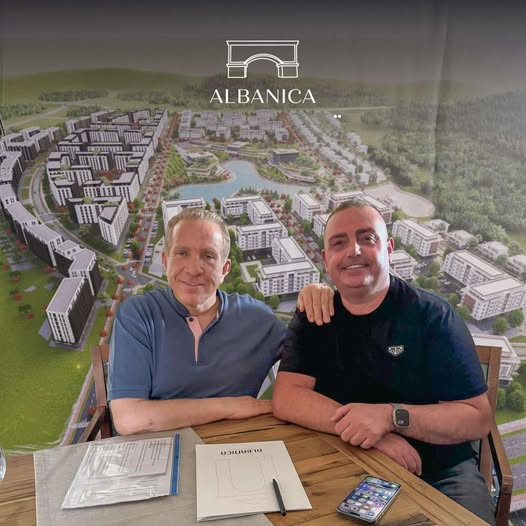
Kompania investuese “Albanica Homes” nga Kosova lider i padiskutueshëm në fushën e investimit, ndërtimit, zhvillimit urban, inxhinierisë e arkitekturës në Kosovë, Shqipëri dhe Mal të Zi, e udhëhequr nga filantropi i shquar Driton Gerbeshi në bashkëpunim të ngushtë me shqiptarin e madh Behgjet Pacolli, dhuroi 200 mijë dollarë për shtëpinë e re të Vatrës në New York. Një shtëpi kombëtare që do të bashkojë të gjithë shqiptarët e Amerikës në Vatrën e ngrohtë atdhetare që udhëheq me krenari e dinjitet proceset patriotike e komunitare në dobi të çështjes kombëtare prej 112 vitesh në Shtetet e Bashkuara të Amerikës.

Filed Under: Komente

  • « Previous Page
  • 1
  • …
  • 33
  • 34
  • 35
  • 36
  • 37
  • …
  • 489
  • Next Page »

Artikujt e fundit

  • Meditim para varrit të Faik Konicës
  • Bashkimi i Diasporës Shqiptare të Greqisë
  • “Fortifikimi ilir i Komlikut në Fregen dhe Ungrej të Lezhës (Mirdita Etnografike)”
  • “The Real Thing”: A Conversation with Luljeta Lleshanaku
  • REPUBLIKA E BARAZISË PARA LIGJIT
  • BLLACA SI INFRASTRUKTURË HISTORIKE E DHUNËS DHE NYJE E KUJTESËS KOLEKTIVE
  • Kur gjuha sfidohet në auditore – cenimi i së drejtës kushtetuese në emër të provimit të jurisprudencës
  • LAHUTA E MALËSISË, ZËRI QË NUK SHUHET: SI MBAN GJALLË IDENTITETIN SHQIPTAR NË SHEKULLIN E XXI
  • DIMENSIONET ETNOKULTURORE DHE NARRATIVE NË ROMANIN “SHTJELLË FATESH”
  • Mbreti Zog I, themeluesi i shtetit të parë modern shqiptar, burrshtetas, politikan dhe diplomat i rralle e shumë dimensional
  • 𝗔𝗹𝗯𝗮𝗻𝗶𝗮𝗻 𝗡𝗶𝗴𝗵𝘁 @ 𝗬𝗮𝗻𝗸𝗲𝗲 𝗦𝘁𝗮𝗱𝗶𝘂𝗺
  • 27 Vjetori i Betejës së Koshares – Një epokë lavdie, sakrifice dhe bashkimi kombëtar
  • Historia e Krizës së Kosovës 1999-2000 përmes Zarfave Postare
  • Ali Dino – deputeti i Çamërisë dhe artisti i shquar
  • “Rikoshete e fatit” dhe “Nusja e Topiajve”, botimet më të reja nga shkrimtarja Raimonda Moisiu -Sade

Kategoritë

Arkiv

Tags

albano kolonjari alfons Grishaj Anton Cefa arben llalla asllan Bushati Astrit Lulushi Aurenc Bebja Behlul Jashari Beqir Sina dalip greca Elida Buçpapaj Elmi Berisha Enver Bytyci Ermira Babamusta Eugjen Merlika Fahri Xharra Frank shkreli Fritz radovani Gezim Llojdia Ilir Levonja Interviste Keze Kozeta Zylo Kolec Traboini kosova Kosove Marjana Bulku Murat Gecaj nderroi jete ne Kosove Nene Tereza presidenti Nishani Rafaela Prifti Rafael Floqi Raimonda Moisiu Ramiz Lushaj reshat kripa Sadik Elshani SHBA Shefqet Kercelli shqiperia shqiptaret Sokol Paja Thaci Vatra Visar Zhiti

Log in

This website uses cookies to improve your experience. We'll assume you're ok with this, but you can opt-out if you wish. Cookie settingsACCEPT
Privacy & Cookies Policy

Privacy Overview

This website uses cookies to improve your experience while you navigate through the website. Out of these cookies, the cookies that are categorized as necessary are stored on your browser as they are essential for the working of basic functionalities of the website. We also use third-party cookies that help us analyze and understand how you use this website. These cookies will be stored in your browser only with your consent. You also have the option to opt-out of these cookies. But opting out of some of these cookies may have an effect on your browsing experience.
Necessary
Always Enabled
Necessary cookies are absolutely essential for the website to function properly. This category only includes cookies that ensures basic functionalities and security features of the website. These cookies do not store any personal information.
Non-necessary
Any cookies that may not be particularly necessary for the website to function and is used specifically to collect user personal data via analytics, ads, other embedded contents are termed as non-necessary cookies. It is mandatory to procure user consent prior to running these cookies on your website.
SAVE & ACCEPT