• Home
  • Politics
  • Opinion
  • Culture
  • Sports
  • Economy
  • Interview
  • Reporting
  • Community
  • Vatra

Dielli | The Sun

Albanian American Newspaper Devoted to the Intellectual and Cultural Advancement of the Albanians in America | Since 1909

CORRUPTION – A CONTINUING PROBLEM FOR DOING BUSINESS IN ALBANIA – DOS REPORT

September 11, 2020 by dgreca

by Rafaela Prifti-

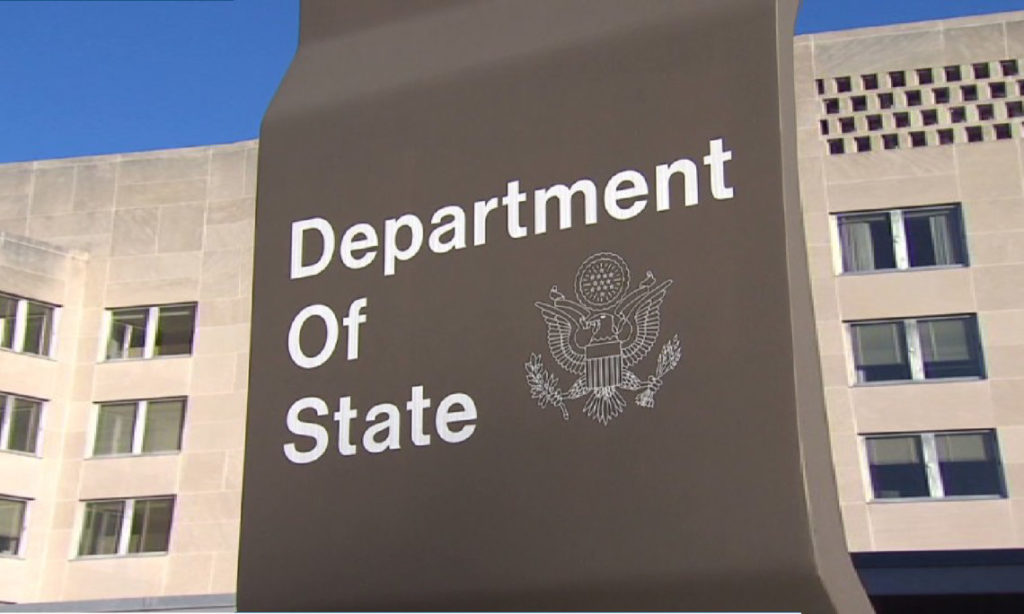
The newly released report by the Department of State on the Investment Climate in Albania cites corruption, “particularly in the judiciary, a lack of transparency in public procurement, and poor enforcement of contracts as continuing problems in Albania.”  With regard to foreign investment laws, “US investors receive national treatment and most-favored-nation treatment” pursuant to the 1998 U.S.-Albanian Bilateral Investment Treaty. Yet, the review asserts that U.S. investors are challenged by corruption and the perpetuation of informal business practices. “Several U.S. investors have faced contentious commercial disputes with both public and private entities, including some that went to international arbitration,” according to the document. Without providing the name of the business, the statement indicates that in 2019 and 2020, a U.S. company’s attempted investment was allegedly thwarted by several judicial decisions and questionable actions of stakeholders involved in a dispute over the investment. Such practices have negatively impacted US investments because, based on the Bank of Albania data, “Switzerland, The Netherlands, Canada, Turkey, Austria, and Greece are the largest sources of Foreign Direct Investment”, while “investments are concentrated in the energy sector, extractive industries, banking and insurance, telecommunications, and real estate”.  As the start of the EU accession negotiations loom large, the Department of State considers that “Albania must implement a number of reforms in the justice sector, adopt changes to its electoral code, advance efforts to support minority rights, reduce unfounded asylum claims in EU member states, and show tangible progress in its fight against organized crime and corruption.” While pointing out at some positive legislative steps to promote domestic and foreign investment such as Strategic Investment Law in 2015 and Technical Economic Development Areas -which is yet to begin-, the review indicates that “reports of corruption in government procurement are commonplace. The increasing use of public private partnership (3P) contracts has reduced opportunities for competition, including by foreign investors, in infrastructure and other sectors.  Poor cost-benefit analyses and a lack of technical expertise in drafting and monitoring 3P contracts are ongoing concerns. U.S. investors are challenged by corruption and the perpetuation of informal business practices.” Backing the perception of Albania by the foreign investors,  the country dropped seven places from 2018 in the International Corruption Index, and 19 spots in the World Bank’s 2020 Doing Business Survey.

According to the latest data: “Transparency International’s 2019 Corruption Perceptions Index ranked Albania 16th of 180 countries, a drop of seven places from 2018.  Consequently, Albania and North Macedonia are now perceived as the most corrupt countries in the Western Balkans. Albania also fell 19 spots in the World Bank’s 2020 Doing Business survey, ranking 82nd from 63rd in 2019. Although this change can be partially attributed to the implementation of a new methodology, the country continues to score poorly in the areas of granting construction permits, paying taxes, enforcing contracts, registering property, obtaining electricity, and protecting minority investors.”

The DOS recognizes the efforts by the Government of Albania to improve the rule of law and to reform the country’s judicial system as evidenced in the passing of constitutional amendments. It notes that these steps are underway and are expected to boost the investment chances going forward. “The implementation of judicial reform is ongoing, and its completion is expected to improve the investment climate in the country.”

 
The annual report, which include topics, like: Openness to Investment, Legal and Regulatory Systems, Property Rights, Transparency, Performance Requirements, State-Owned Enterprises, Responsible Business Conduct and Corruption, is prepared by economic officers at US embassies and missions in order to help US companies make informed business decisions. 

Direct Investment from/in Counterpart Economy Data (2018)
From Top Five Sources/To Top Five Destinations (US Dollars, Millions)
Inward Direct InvestmentOutward Direct Investment
Total Inward7,833100%Total Outward563100%
Switzerland1,50519%Kosovo33559.5%
Canada1,13914.5%Italy16529.3%
The Netherlands1,10514%United States213.7%
Greece90311.5%North Macedonia132.3%
Italy6177.9%Greece81.4%
“0” reflects amounts rounded to +/- USD 500,000.
Portfolio Investment Assets
Top Five Partners (Millions, current US Dollars) December 2018
TotalEquity SecuritiesTotal Debt Securities
All Countries846100%All Countries36100%All Countries810100%
Turkey18722%Turkey1747%Turkey17021%
Germany11713.8%Canada822%Germany11714%
Czech9911.7%The Netherlands822%Czech9912%
France728.5%The Bahamas25.5%France728.9X%
Italy475.5%Country #5Italy475.8%

Filed Under: Analiza Tagged With: albania, CORRUPTION, Rafaela Prifti

Pope Francis: Albania, a land of ancient and glorious history

November 19, 2018 by dgreca

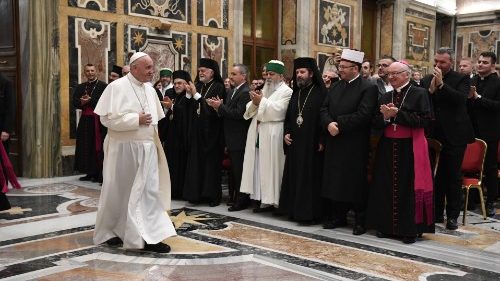
Pope Francis receives a group of Albanian pilgrims, who are in Rome during the commemoration of the 550th anniversary of the death of national hero George Castriot – known to history as Skanderbeg./

1 pope

By Christopher Wells/

In his prepared remarks to Albanian pilgrims, Pope Francis took the opportunity to greet all Albanians “in the name of the ancient bond of friendship and habitual relations” with the See of Peter.

An ancient and glorious history

Pope Francis noted the “ancient and glorious history” of Albania, remarking that the country is an integral part of Europe, with its own unique culture. “Today,” he said, “we remember and celebrate George Castriot Skanderbeg, an heroic son of a strong and generous people, who defended spiritual values and the Christian name with courage.” Skanderbeg, he continued, “forged the Albanian cultural identity with his deeds, becoming an undisputed symbol of cohesion and national unity.”The Holy Father also spoke of the emigration of many Christians after the death of Skanderbeg, and the subsequent invasion of Albania, and welcomed the presence of Italo-Albanians among the pilgrims.

Renewed commitment to development

“I sincerely hope that this anniversary will not be limited to the celebration of the glory of past deeds,” the Pope said, “but will also be a good opportunity for a renewed commitment of all, institutions and citizens, in favour of an authentic and balanced development, so that the younger generations” will not be forced to migrate.

From coexistence to collaboration and brotherhood

The example of Skanderbeg, Pope Francis said, “has validly expressed the Albanian character.” In particular, he pointed out the “climate of mutual respect and trust” between Catholics, Orthodox, and Muslims. This, he said, shows that the peaceful coexistence of citizens belonging to different religions is a concretely viable path that produces harmony, and frees the best forces and the creativity of an entire people, transforming simple coexistence into true collaboration and brotherhood.”


Filed Under: Politike Tagged With: a land of ancient, albania, and glorious history, Pope Francis

Albania:vendi i ilirëve të lashtë…

February 14, 2017 by dgreca

Vendi i Ilirëve të lashte ka qenë pika e kontaktit në mes qytetërimeve/
 1-gezim-llojdia
Nga Gezim Llojdia/
 
1-Me hirin e ftohtè tè kujtimeve mund  tè mbulohen,tri pika kontakti.  Shqipëria e sotme ,thotë Sandro Caranzano te:” Albania:vendi i ilirëve të lashtë, ka luajtur një rol strategjik në kohët e lashta dhe ka qenë pika e kontaktit në mes qytetërimit ilir, grekë dhe romake. Durrësi, Apollonia, Butrinti, Finiqi, Bylisi dhe Shkodra kanë të fshehur një trashëgimi arkeologjike me vlerë të madhe ende të  panjohur.
Po sipa këtij artikulli thuhet se:”Rekord i vjetër i emrit të Shqipërisë është gjetur, megjithatë, tashmë  në një dokument historik të shkruar nga historiani bizantin Michael Attaleiates rreth shekullit të dhjetë. Para erës sonë,për sa i përket periudhës Së mëparshme, burimet e shkruara kanë  heshture prandaj është e përshtatshme për reagime nga arkeologjia.
Kemi disa teza që hedhartikullshkruesi  italian.Në territorin malor të Shqipërisë  gjatë periudhës së hekurit u pushtua nga fiset ilire etnike, ndërsa bregu detar dhe rrethina e tij ka qenë objekt i një kolonizimit progresiv dhe të ngadalshëm nga grekët,thotë ky autor.Sipas shumicës së arkeologëve, paraardhësit e shqiptarëve duhen kërkuar pikërisht midis fiseve aktuale  lashta Ilire, që populluan rajonin nga kohra e lashta.
2.-Cfarë i afron më shumë artikulshkresit italianë me të kaluarën e lasstë të vendit tonë?Faktori ryesor ka qenë se rrugët  gjeografike mes lindjes dhe perëndimit  kalonin përmes këtij territori.Kështu duke shqyrtuar edhe këtë autor që thotë:Nuk ka dyshim  të veçantë  se pozita gjeografike e Shqipërisë,  vendosur në mes të Lindjes dhe Perëndimit, dhe në mes të zonave të latinishtes dhe zona greko-folëse, ka ndikuar vendosmërisht ne  historinë e vendit. Dy përplasjet e mëdha si lufta midis Cezarit dhe Pompeut, dhe midis Oktavian, Antoni dhe Kleopatra u zhvillua, j çuditërisht, në det ngjitur me bregdetin aktual shqiptar.Historiani Appian i Aleksandrisë (shekulli i dytë AD) e përshkruan me hollësi të madhe zbarkimin e Cezarit dhe veteranëve të tij besnikë në Gjirin e Peleste dhe marshimet  e detyruar në male Acroceraun, gjatë natës, në një përpjekje për të marrë  anën  papritur Pompey  duke e rrethuar në Durrës. Shkëmbim i erdhi në Pharsalus në Maqedoni, ku Pompey u mund, dhe një turmë e madhe aristokratike me të dhe parimet orientale – kryesisht clientes  që u ishin bashkuar fraksionit të tij.Beteja e Actium mes Oktavianit dhe Mark Antonit u bë njëqind kilometra në jug të kufirit greko-shqiptar, por kjo pak rëndësi, sepse e tillë ka ekzistuar në antikitetit. Fitorja mbi Pompey, u paraqit në Romë si një fitore e kulturës romake kërcënuar nga teokracisë egjiptian të  Ptolemies.Rezultatet e këtyre përleshjeve ishin reflektime radikale në botën e lashtë, dhe shumë studiues janë të bindur në qoftë se rezultatet kanë qenë të ndryshme, bota në të cilën jetojmë nuk do të jetë e njëjtë.
3.-Më pas, Shqipëria ishte vendi i migrimeve  sllave, e gjeti veten edhe një herë në qendër të vëmendjes në mesjetë gjatë periudhës ethshëm pas rënies së Kostandinopojës në duart e Muslimit (1453). Giorgio Castriota Skënderbeu –  heroi kombëtar shqiptar – kujtohet për kundërshtimin në  përparimin drejt  perëndimit  të Portës së Lartë. Emri i tij është vendosur shpesh së bashku me atë të Huniadit të Hungarisë dhe të krerëve vllehe (Mbrojtja e mostrave krishterimit), dhe shqiptarët janë të bindur se roli i luajtur nga Ky lider është nënvlerësuar padrejtësisht nga publiku perëndimor.
4.Autorët e lashtë raportojnë emrat e komuniteteve të shumta ilire që jetonin në Shqipëri: më të rëndësishme ishin  në mesin e Tesprotët, të chaonians, e Taulantit,  Partini, të Amantini dhe Labeati.Ky citim i përket thotë S. Caranzano .Kjo nuk është e lehtë për të plotësoni një “hartë” të epokës së hekurit, sepse, luftërat dhe ngjarjet politike kanë  çuar në ndryshime të shpeshta të kufijve dhe disa komunitete kanë përfunduan duke u zhytur nga fqinjët e saj më të fuqishme,shprehet autori italian.
Në përgjithësi, mund të thuhet se zonat e brendshme malore, të pakontestuar nga prania e  fiseve ilire, ndërsa bregdeti është vizituar disa herë nga njerëzit shpesh të ardhur nga vende të largëta në kërkim të burimeve bujqësore dhe minerale ose, më thjesht, për të kryer tregti.

Filed Under: Kulture Tagged With: albania, Gezim Llojdia, të lashtë, vendi i ilirëve

Albania – Go Your Own Way

January 20, 2017 by dgreca

Si destinacion turistik Shqipëria ofron jo vetëm surpriza për të huajt, por shumë të panjohura edhe për vetë banorët vendas

Deutschland Stuttgart - Urlaubsmesse (DW/P. Pani)

204 metra katrorë Shqipëri në Shtutgart – kjo është sipërfaqja e stendës së Shqipërisë në Panairin e Shtutgartit. Është hera e parë që Shqipëria merr pjesë si vend partner i një panairi ndërkombëtar.

Stenda e përbashkët ofron vend si për operatorët turistikë që promovojnë turizimin shqiptar, edhe për 15 bashki që kanë në fokus të tyre turizmin, thotë Leonard Maçi, drejtor i Marketingut dhe i Imazhit pranë Agjencisë Kombëtare të Turizimit.

Deutschland Stuttgart - Urlaubsmesse (DW/P. Pani)Leonard Maçi (majtas), Xhimi Begeja (në mes) /

Broshura informative, filma dokumentarë, fotografi, shfaqje me valle popullore, prezantime të destinacioneve turistike në Shqipëri tërheqin vizitorë të shumtë në stendën shqiptare. Andrea Mazelliu përllogarit se stendën e kanë vizituar rreth 80 mijë të interesuar.

Mjaft mundësi….

humë prej të interesuarve duan ta vizitojnë Shqipërinë në mënyrë individuale dhe u interesojnë sidomos malet e Shqipërisë, që i lidhin me përfytyrimet e tyre romantike të fëmijërisë, kur lexonin romanet e Karl May-it.

Xhimi Begeja, kryetar i shoqatës turistiko-alpinistike Dajti, sqaron intineraret që kanë përgatitur vullnetarisht anëtarët e kësaj shoqate dhe se kudo sot ofrohen mundësi për të fjetur dhe për të shijuar prodhimet vendase. Agjencitë dhe shoqatat e turzimit në Shqipëri kanë përgatitur edhe një hartë për kampingjet dhe turizimin aventuror në Shqipëri.

Albania – Go Your Own Way…..

Shqipëria e promovon në botë turizimin e saj nën markën: Albania – Go Your Own Way. Dhe turistët kanë mundësi të ndryshme për ta bërë këtë: me këmbë, biçikleta, motorë, makinë, individualisht apo në grup.

Deutschland Stuttgart - Urlaubsmesse (DW/P. Pani)

Në stendat e tjera të panarit të bie në sy se ka shumë operatorë turistikë që e kanë përfshirë tani Shqipërinë në programet e tyre dhe ofrojnë ture. Turet janë që nga ato të karakterit të përgjithshëm, deri tek ato me karakter specifik, si ture kulturore, ture kulinarike apo edhe botanike.

Orkide dhe bimë të tjera vendase

Një ekskursion botanik nëpër Shqipëri ofron p.sh. Duma-Naturreisen. Pjesëmarrësit e këtij udhëtimi kanë mundësi të njihen me bimë endemike të Shqipërisë, pra që rriten vetëm në zona të caktuara të saj si viola albanicum dhe viola tomorricum që rriten në Berat, si dhe me lloje të ndryshme orkidesh që rriten në zonën e Gjirokastrës.

Shqipëria si destinacion turistik ofron pra jo vetëm surpriza për të huajt, por shumë të panjohura edhe për vetë banorët vendas.

Filed Under: Analiza Tagged With: - Go Your Own Way, albania

A Muslim country that loves America

March 31, 2016 by dgreca

By Frida Ghitis*/

Tirana, Albania (CNN)In this time of dispiriting headlines  when Islamist terrorists target Christian children and their mothers on an Easter Sunday outing in Lahore, Pakistan; when an American presidential candidate advocates stopping Muslims from coming to the United States; when ISIS terrorists have just killed dozens in Brussels; when the very possibility of peaceful coexistence sometimes seems remote, there is a place that may just restore our faith in the future: Welcome to Albania.

The small Muslim majority nation in the Balkans, a region that until recently was synonymous with political turbulence, is a model of inter-religious coexistence. And it is also one of the most pro-American countries on Earth.How did that happen? The answer contains important lessons for America on the global stage.

Walk around the airy streets of the capital Tirana and ask people what they think about the United States, and you will be met with almost uniform responses of admiration, respect and gratitude.Just as uniform is the reaction to the U.S. presidential election.

Albanians say they are not following the primaries closely, but they react without hesitation when they hear the name “Trump,” with some laughing, some shaking their heads, and others wincing. Most have not heard of Ted Cruz, and seem enthusiastic about a possible Hillary Clinton presidency. But when it comes to Trump, reaction is a mixture of disbelief, amusement and revulsion. “He seems a little crazy, but clever,” Aurora Xhixha, a microbiologist, told me. “Selfish,” is how Endri Hasanaj described him.

Discussing Trump’s call to stop Muslims from entering the United States, Adelina Bego, a doctor, sounded pained. “Here in Albania we live together, without considering religious differences,” she said. “We have seen America as the symbol of democracy, a symbol to emulate.” Trump’s proposal, she said, would destroy that symbol.

U.S. secretaries of state from James Baker to John Kerry have received rock star treatment in Albania. Republicans and Democrats are admired here by people of all parties and religions. And the reason, in a word, is integrity.

American foreign policy, which so often suffers from the conflict between ideals and practical considerations, has found here a merger of idealism and action.

Albanians fell in love with the United States in 1919, when world leaders gathered at the Paris Peace Conference to redesign the world after World War I dismantled the empires that had held sway over much of the planet. President Woodrow Wilson stood up for Albania, stopping a plan to dismember the country and hand the pieces to its neighbors, Italy, Greece and Serbia.

That’s why in Tirana today you can see Wilson’s statue on Wilson Square.

Albanians, who endured the most repressive of Communist dictatorships under Enver Hoxha, admired the United States as a beacon of freedom, approved of Ronald Reagan’s “Tear down this wall” words, and deeply valued the efforts of the George H.W. Bush administration, which helped pave their path to NATO. In 1991, some 300,000 Albanians chanting “USA! USA!” came out to hear Secretary of State James Baker declare that “Freedom works.”

Affection for America grew passionate when Bill Clinton led a NATO operation next door in Kosovo to save ethnic Albanians from a genocidal campaign. Clinton is a superstar in Kosovo and here. Years after that war, George W. Bush visited Tirana. Back then, Tirana’s socialist mayor, Edi Rama, famously declared “Albania is for sure the most pro-American country in Europe, maybe even in the world.” Rama is now Prime Minister.

America’s close ties with Albania have not prevented Washington from speaking honestly to a country still riddled with problems, including entrenched corruption. But the consistency of American behavior, putting action behind its words, has given it a measure of moral authority among the people.

You might think a Muslim-majority country is a poor candidate to be America’s cheerleader, but Albania is uniquely suited to emulate the United States. As much as two-thirds or more of the population is estimated to be Muslim, but coexistence, tolerance and patriotism figure much more prominently than religion.

Centuries of invasions and foreign conquerors have made the need to unite take precedence over private religious differences. And Muslims here have some of the most strikingly moderate views of any Muslim-majority country — about one-fifth are Bektashi, followers of a moderate Sufi sect, while others follow Fethullah Gulen, U.S.-based Turkish advocate of modern democratic Islam. Most others are just as moderate. There are relatively few mosques in town, and I have only seen a handful of women wearing hijab, the veil, much less a burqa.

A member of the tiny Jewish community, meanwhile, told me he has seen no anti-Semitism here. Last December, when Prime Minister Rama visited Israel, with which Albania has very good relations, Israel’s prime minister praised Albanians’ actions during the Holocaust, noting that Albania is the only European country with more Jews after than before World War II.

During the Hoxha dictatorship, religion was forbidden and brutally suppressed. Today, the constitution guarantees freedom of religion. Albanians are proud of their tolerance and coexistence. True, extremism is not completely alien; a number of Albanians have joined ISIS. But extremism is undoubtedly rarer here than in the Middle East or even Western Europe.

Ultimately, the brand of Islam widely practiced in Albania is more easily compatible with America. But I believe it’s clear that the foundation of Albanian affection for the United States is America’s integrity in its actions toward Albania and the Albanian people, standing up for them, upholding America’s own pluralistic democratic standards, and not apologizing for helping them gain their freedom.

In a presidential campaign season where the rhetoric has too often been about fear and looking inward, this is a lesson worth remembering.

* Frida Ghitis is a world affairs columnist for The Miami Herald andWorld Politics Review, and a former CNN producer and correspondent. Follow her @FridaGhitis. The opinions expressed in this commentary are hers.


Filed Under: Reportazh Tagged With: A Muslim country that loves America, albania, CNN, Frida Ghitis

  • « Previous Page
  • 1
  • 2
  • 3
  • Next Page »

Artikujt e fundit

  • NDAA i SHBA-së dhe pozicioni i Kosovës në arkitekturën e sigurisë
  • Alis Kallaçi do të çojë zërin dhe dhimbjen e “Nân”-s shqiptare në Eurovision Song
  • Garë për pushtet…
  • Njëqind vjet vetmi!
  • “Shënime për historinë antike të shqiptarëve”*
  • Si funksionon sistemi juridik në Shqipëri dhe pse ai ka nevojë për korrigjim?
  • Emisionet postare festive të fundvitit në Kosovë
  • JAKOBSTADS TIDNING (1939) / MBRETI ZOG, SHUMË BUJAR ME BAKSHISHE. — EMRI I TIJ NUK DO TË HARROHET KAQ SHPEJT NGA PRONARËT DHE PERSONELI I HOTELEVE NË VARSHAVË.
  • HAFIZ SHERIF LANGU, DELEGATI I PAVARËSISË TË CILIT IU MOHUA KONTRIBUTI PËR 50 VJET ME RRADHË, KLERIKU DHE VEPRIMTARI I SHQUAR I ÇËSHTJES KOMBËTARE
  • RIPUSHTIMI I KOSOVËS – KUVENDI I PRIZRENIT 1945
  • Nikola Tesla, gjeniu që u fiksua pas pëllumbave dhe u dashurua me njërin prej tyre
  • Bahamas njeh Kosovën!
  • Legjenda e portës shkodrane, Paulin Ndoja (19 dhjetor 1945 – 16 prill 2025) do të mbushte sot 80 vjeç
  • “Roli dhe kontributi i diplomacisë shqiptare në Maqedoninë e Veriut nga pavarësia deri sot”
  • Marie Shllaku, kur një jetë e re u shndërrua në përjetësi kombëtare

Kategoritë

Arkiv

Tags

albano kolonjari alfons Grishaj Anton Cefa arben llalla asllan Bushati Astrit Lulushi Aurenc Bebja Behlul Jashari Beqir Sina dalip greca Elida Buçpapaj Elmi Berisha Enver Bytyci Ermira Babamusta Eugjen Merlika Fahri Xharra Frank shkreli Fritz radovani Gezim Llojdia Ilir Levonja Interviste Keze Kozeta Zylo Kolec Traboini kosova Kosove Marjana Bulku Murat Gecaj nderroi jete ne Kosove Nene Tereza presidenti Nishani Rafaela Prifti Rafael Floqi Raimonda Moisiu Ramiz Lushaj reshat kripa Sadik Elshani SHBA Shefqet Kercelli shqiperia shqiptaret Sokol Paja Thaci Vatra Visar Zhiti

Log in

This website uses cookies to improve your experience. We'll assume you're ok with this, but you can opt-out if you wish. Cookie settingsACCEPT
Privacy & Cookies Policy

Privacy Overview

This website uses cookies to improve your experience while you navigate through the website. Out of these cookies, the cookies that are categorized as necessary are stored on your browser as they are essential for the working of basic functionalities of the website. We also use third-party cookies that help us analyze and understand how you use this website. These cookies will be stored in your browser only with your consent. You also have the option to opt-out of these cookies. But opting out of some of these cookies may have an effect on your browsing experience.
Necessary
Always Enabled
Necessary cookies are absolutely essential for the website to function properly. This category only includes cookies that ensures basic functionalities and security features of the website. These cookies do not store any personal information.
Non-necessary
Any cookies that may not be particularly necessary for the website to function and is used specifically to collect user personal data via analytics, ads, other embedded contents are termed as non-necessary cookies. It is mandatory to procure user consent prior to running these cookies on your website.
SAVE & ACCEPT