• Home
  • Politics
  • Opinion
  • Culture
  • Sports
  • Economy
  • Interview
  • Reporting
  • Community
  • Vatra

Dielli | The Sun

Albanian American Newspaper Devoted to the Intellectual and Cultural Advancement of the Albanians in America | Since 1909

US Retreat from Syria

December 28, 2016 by dgreca

By David L. Phillips/
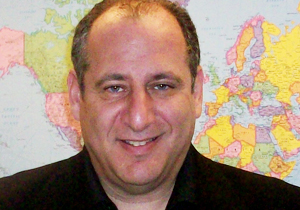
1-david

Russia and Turkey are systematically excluding the United States from events in Syria. The US must either demand a seat at the table, shaping negotiations, or cede diplomacy to Russia and Turkey, knowing they will act in their narrow national interests to the detriment of Syrians.Collusion between Russia and Turkey has been underway since August 8 when Vladimir Putin and Tayyip Erdogan met in St. Petersburg to normalize relations. Their collusion intensified after the assassination of Russia’s Ambassador to Turkey, Andrey Karlov.

Russia and Turkey coordinated their response to Karlov’s killing, calling it a provocation “to spoil Russia-Turkey ties” and undermine “the peace process.” They announced a joint commission to investigate the assassination.

Russia and Turkey orchestrated the evacuation of eastern Aleppo — without informing the US.

The foreign ministers of Russia, Turkey and Iran endorsed the “Moscow Declaration.” Neither Secretary of State John Kerry nor UN officials was invited to discuss the road-map to end Syria’s civil war at the conference in Moscow on December 20.

Today’s announcement that Russia and Turkey are working towards a cease-fire is no surprise. It merely formalizes what was apparent.

It’s time for a steely-eyed assessment: Tayyip Erdogan is at best an uncertain ally; Vladimir Putin is a strategic adversary. Both are unprincipled pragmatists, colluding to advance their national interests at the expense of the United States.

Erdogan was initially committed to overthrowing Syria’s President Bashar al-Assad. Turkey provided logistical support, weapons and money to radical groups such as the Islamic State. However, Russia’s entry into the war turned the tide against the proponents of regime change.

In response, Erdogan shifted Turkey’s priority from overthrowing Assad to constraining the Syrian Kurds. He fears that the establishment of contiguous Kurdish territory in Syria along Turkey’s border would destabilize Turkey, inspiring greater demands by Turkish Kurds.

Turkey’s launched “Operation Euphrates Shield,” invading Jarablus and pushing south to Al-Bab. Turkey called it a counter-terrorism operation, but the invasion of Syria is really intended to block Kurdish ambitions.

Russia and Turkey have reached an understanding. Turkey would be silent in the face of Russia’s actions in Aleppo. It would abandon demands for regime change in Damascus, and end support for certain jihadi groups threatening Assad. In turn, Russia would turn a blind eye to Turkey’s illegal occupation aimed at establishing a “safe zone” inside Syria.

Putin was furious when Turkey downed a Russian Sukhoi-24 in November 2015. He called it a “stab in the back” and launched an economic embargo. The boycott was short-lived. When Putin and Erdogan met on August 8, they agreed to resume economic cooperation and normalize relations.

Putin and Erdogan have adopted their own cynical real-politic. On the 100-year anniversary of the Sykes-Picot Agreement, which carved up the Ottoman and Habsburg empires between Western Powers after the First World War, Russia and Turkey have agreed on spheres of influence in Syria.

The Obama administration’s response has been muted. Without boots on-the-ground, America has little leverage in Syria. Russia and Turkey have filled the gap, aligning their interests to the exclusion of the United States.

Russia and Turkey have marginalized and maligned the United States. Erdogan pronounced at the UN Security Council, “The world is bigger than five.” Turkish officials suggested that Washington was behind Karlov’s killing in order to drive a wedge between Russia and Turkey. Russia’s Foreign Minister Sergey Lavrov disparaged the Obama administration for “idle chatter.”

America’s marginalization has been ongoing since 2012, when President Obama disappointed Assad’s opponents by refusing to get militarily involved.

What about America’s future role? President-elect Donald J. Trump is enamored with Putin. National Security Adviser Michael Flynn is a bedfellow of Erdogan. Given their affinities, Russia and Turkey can expect free reign to entrench Assad’s rule and target Sunni rebels.

Declaring peace does not mean there is peace. Count on the Islamic State to keep fighting. US-backed Syrian Democratic Forces, which include Arab and Kurdish militias, are engaged in a battle for Raqqa, the ISIS capitol. They are not about to lay down their weapons and have a tea party with Islamic State hard liners. Too many have sacrificed too much to simply surrender and wave a white flag.

Surrendering the field to Russia and Turkey would be a blow to US strategic interests. Emboldened by Turkey’s fealty, Putin could test NATO commitments in the region, seizing lands in Eastern Ukraine and threatening Poland and the Baltic States. Would Turkey block NATO’s response? Will it deny access to Incirlik Air Force Base on NATO’s eastern flank? Europe’s security architecture will be in shambles if Turkey allies with Russia.

In addition, Russia and Turkey risk a spiral of deadly violence domestically. About 14 percent of Russia’s population is Sunni Muslim. Kurds represent at least 20 percent of Turkey’s population. Both are embittered by indiscriminate counter-insurgency measures targeting Sunnis and Kurds in Syria.

Turkey’s realignment with Russia would also have an economic cost. Siding with Russia would indefinitely delay Turkey’s EU membership. Turkey could turn to the Shanghai Cooperation Organization as a substitute for European integration, but no windfall will come from business with cleptocracies.

There is no military solution to Syria’s civil war. Fighting will only stop through negotiations that preserve Syria’s sovereignty and devolve power from Damascus to Syria’s regions with security and political guarantees from the international community.

The US is at a fork in the road. Will Washington retreat, confirming its decline? Syria is a proving ground, testing US leadership in the Middle East and around the world.

Mr. Phillips is Director of the Program on Peace-building and Rights at Columbia University’s Institute for the Study of Human Rights. He served as a Senior Adviser and Foreign Affairs Expert at the US Department of State during the Clinton, Bush and Obama administrations.(Kortezi; The Huffington Post)

 

Filed Under: Analiza Tagged With: David L Philips, US Retreat from Syria

President-Elect Trump Can End Syria’s Civil War

November 23, 2016 by dgreca

1-david-filips-300x169

By David L. Phillips/
President-elect Donald J. Trump believes, “The enemy of my enemy is my friend.” He suggests the United States cooperate with Syria and Russia to destroy the Islamic State. Aligning with Syria’s President Bashar al-Assad and Russia’s Vladimir Putin would have the exact opposite effect. It would entrench Assad’s opponents and radicalize Syria’s Sunni majority. The Islamic State would intensify its worldwide recruitment, making the US more vulnerable.

Two wars are simultaneously underway in Syria. Syrian Democratic Forces (SDS) are taking territory previously held by the Islamic State (ISIS). The SDS includes 50,00 Kurdish fighters, People’s Protection Units (YPG). The SDS and YPG are engaged in fierce fighting as they advance on Raqqa, the de facto ISIS capitol.

The other is between Syria’s President Bashar al-Assad and Sunni rebels, which the US has supported with training and weapons. Assad is winning this war. Moderate rebels are desperately defending their families and homes in Aleppo from the Syria-Russia onslaught. Under siege, they are finding common cause with more radical Sunni groups such as Al-Sham.

Abandoning moderate Syrian rebels would be a strategic blunder. If the US suspends assistance, other regional powers will fill the gap. Salafism will prevail. US leverage will be diminished both on the battlefield and when the parties move to negotiations.

The US should not be on the wrong side of history. Assad is responsible for killing approximately 450,000 Syrians and driving at least 11 million from their homes. Russia has targeted civilians, schools, and hospitals in Aleppo.

Despite Russia’s war crimes, the US and Russia can cooperate by more effectively sharing information on target selection that actually degrades ISIS, sparing civilians and moderate opposition.

Guiding principles should govern Washington’s engagement with groups on the ground. The US could deepen cooperation with Syrians who:

  • Share our commitment to fighting terrorism, including the Islamic State and al-Qaeda.
  • Believe that the only solution to Syria’s civil war is through a political settlement.
  • Commit to respect the territorial integrity of Syria.
  • Demonstrate respect for human rights, pluralism, and inclusivity.
  • Adhere to humanitarian principles, including international humanitarian law.

These principles would be the basis for peace talks to achieve a negotiated settlement. To create conditions for talks, the Trump administration should:

  • Intensify pressure on the Islamic State, expanding assistance to Syrian Kurdish fighters and other Syrian Democratic Forces.
  • Leverage relations with Putin, encouraging Russia to focus on jihadists rather than Syrian Democratic Forces.
  • Broker a deal with Putin for a ceasefire in Aleppo, humanitarian access, and corridors for rebels to leave the city.

To kick-start negotiations, President-elect Trump should outline the scope of a deal ending Syria’s civil war that envisions an end-state. Local authorities would be responsible for local security. Politics, economy, and control of resources would be decentralized.

Russia can be invited to join the United States and the United Nations as co-chair of political talks in Geneva. However, the US should be wary of more malevolent regional powers such as Turkey and Saudi Arabia who support proxies to advance their narrow national and sectarian interests.

Solving Syria’s civil war will be the first order of business for the incoming Trump administration. The US should set a date for talks to start – and a deadline for a full and final agreement.

Ending Syria’s long national nightmare would set a positive precedent for US global leadership.

David L. Phillips is Director of the Program on Peace-building and Rights at Columbia University’s Institute for the Study of Human Rights. He served as a Foreign Affairs Expert to the State Department’s Near Eastern Affairs Bureau during the administration of President George W. Bush. He was also a senior adviser to the State Department under President Clinton and Obama. 

Filed Under: Analiza Tagged With: Can End, David L Philips, President-Elect Trump, Syria’s Civil War

Refoulement Violates International Law

March 11, 2016 by dgreca

By David L. Phillips*/

Germany’s Chancellor Angela Merkel heralded the European Union’s deal with Turkey as a “breakthrough.” The deal envisions returning migrants and refugees from Greece to Turkey. For every Syrian sent back to Turkey, the EU will resettle one Syrian refugee from Turkey. The deal is ethically, politically, and practically flawed. Moreover, it violates international law.

“Refoulement” (forcible return) is forbidden by international law. Persons who cross an international border have the right to protection. They cannot be returned against their will. Victims cannot be returned to a country from which they fled.The principle of non-refoulement is inspired by the collective failure of European countries during World War II to provide sanctuary to refugees fleeing Nazi atrocities. Non-refoulemnent was enshrined in Article 33 of the 1951 Convention Relating to the Status of Refugees, the 1967 Protocol Relating to the Status, and Article 3 of the 1984 Convention against Torture. Article 33 affirms: “No Contracting State shall expel or return a refugee in any manner whatsoever to the frontiers of territories where his life or freedom would be threatened…”

Filippo Grandi, the United Nations High Commissioner for Refugees (UNHCR), reacted skeptically to the EU-Turkey deal, “[I am] concerned about any agreement that involves blanket return of all individuals from one country to another without sufficiently spelled-out refugee protection safeguards.” He demands legal safeguards for any mechanism transferring responsibility for asylum claims.

Grandi welcomed the EU’s financial contribution to support Turkey and refugee communities in Turkey. However, Turkey is an unprincipled and opportunistic partner.

President Recep Tayyip Erdogan laments hosting the growing number of migrants and refugees. He has repeatedly threated to expel them. Erdogan said, “Let the United Nations advise other countries to accept the refugees.” The generic return of refugees to Turkey is a step towards their potential repatriation to Syria or Iraq.

The European Council is under Germany’s sway. It falls to the European Parliament (EP) to provide an opinion on the legality of refoulement. The EP Committee on Civil Liberties, Justice and Home Affairs should offer an opinion on refoulement. In addition, the Committee should formally ask the Legal Counsel of the European

Parliament to refer the matter to the European Court of Justice.

Merkel talks about a European consensus, but the European Council is deeply divided over the proposed EU-Turkey deal. The deal is actually a “pre-agreement” because some governments did not actually agree. The European Council will meet for further deliberations on March 17-18.

Opponents are galvanized by Merkel’s heavy-handed tactics. Additionally, German voters are skittish. Germany’s handling of the migrant and refugee crisis may backfire and cost her Christian Democratic Union in state elections on March 13 in Saxony-Anhalt, Baden-Württemberg and Rheinland-Palatinate.

EU Member States are concerned about Merkel’s collusion with Turkey. They resent that Turkey has used the crisis to extort financial gains and EU privileges.

An EP member cynically likened the EU-Turkey deal to Donald Trump’s proposal that Mexico solve the immigration crisis for America, and pay for the wall.

While Merkel deserves credit for taking in one million migrants and refugees, she and European leaders must remember the lessons of World War II. Appeasement does not work. Refoulement is an illegal and unethical solution to Europe’s refugee crisis.

*Mr. Phillips is Director of the Program on Peace-building and Rights at Columbia University’s Institute for the Study of Human Rights.

The Huffington Post- March 9, 2016


Filed Under: Analiza Tagged With: David L Philips, Huffington Post, International Law, Refoulement Violates

ÇLIRIMI I KOSOVËS

November 27, 2015 by dgreca

Nga Frank Shkreli/

Zyra për Informim e Universitetit Shtetëror të Tetovës  (USHT) njoftoi se fund javën e kaluar më 21 nëntor, në njërën prej hapësirava të këtij universiteti u promovua  versioni shqip i librit, “Çlirimi i Kosovës –Diplomacia këmbëngulëse dhe ndërhyrja e SHBA-ve”, e autorit amerikan David L. Phillips, përkthyer në gjuhën shqipe nga Mr.sc. Gjyla Çeliku.  Njoftohet se në promovimin e librit mori pjesë edhe Profesori Phillips, Drejtor i Programit për Paqë dhe të Drejta të Njeriut në universitetin e njohur amerikan Columbia të New York-ut si dhe një numër personalitetesh vendase të botës politike dhe akademike, përfshirë  profesorë dhe studentë të universitetit.Rektori i Universitetit të Tetovës, Prof. Dr. Vullnet Ameti paraqiti autorin David Phillips , “si një mik, koleg dhe intelektual me përmasa globale”, librin e të cilit përkthyer në gjuhën shqipe e përurojmë tha ai, me krenari, “Në ambientet tona, tashmë të shëndërruara në arenë të avancimit të vlerave të mirëfillta shkencore, kulturore dhe kombëtare.”  Rektori i USHT, Prof. Ameti, duke folur për jetën dhe veprimtarinë e autorit David Phillips, tha se ndonëse ai është amerikan, ai njëkohsisht, “është një shqiptar që ia kalon cdo shqiptari”, pasi për më shumë se dy dekada të jetës së tij, David Phillips ia ka kushtuar çështjes shqiptare, i cili me shkrimet e tija ka sensibilizuar opinionin amerikan dhe atë botëror, mbi padrejtësitë historike dhe shoqërore si dhe për shtypjet e pa para politike dhe ideologjike kundër shqiptarëve.  Sipas njoftimit të zyrës së informimit të USHT, me këtë rast folën edhe personalitete të tjera të botës akdemike dhe politike, përfshirë recensentin e vëllimit, Prof. Dr. Fehari Ramadani i cili theksoi se libri, “Çlirimi i Kosovës -diplomacia  këmbëngulëse dhe intervenimi i SHBA-ve”, i  autorit David L Phillips, e përkthyer në  gjuhën shqipe me një mjeshtri të madhe nga Mr.sc. Gjyla Çeliku, përmban të dhëna mjaft interesante dhe sjell dëshmi të rëndësishme për vorbullën e luftërave që çuan në shpërbërjen përfundimtare të Jugosllavisë.”  Në këtë libër, vazhdoi ai, “ne gjejmë shumë informacione dhe tema me interes, të cilat vazhdojnë të mbeten aktuale edhe në ditët e sotme”.   Autori, sipas Prof. Dr. Fehari Ramadani, është treguar shumë i kujdesshëm në paraqitjen e ngjarjeve dhe të fakteve.  Për më tepër, shtoi ai, ky libër bazohet në përvojën personale të autorit, i cili ka punuar për çështjen shqiptare për më shumë se njëzet vjet”, u shpreh Prof. Dr. Fehari Ramadani.

Në këtë promovim, njofton Zyra e Informimit e USHT, ishte i pranishëm edhe ish ambasadori i Republikës së Shqipërisë në Maqedoni, Arben Çejku, i cili duke folur për veprimtarinë e David Phillips, u shpreh se për kontributin e tij që ka dhënë gjatë gjithë jetës për çështjen shqiptare, David L. Phillips “meriton të jetë ambasador i popullit shqiptar në SHBA”.  Ai e cilësoi David L. Phillips, si një njeri i cili “nuk i le të zënë pluhur dosjet e çështjeve dhe të problemeve shqiptare”, theksoi ndër të tjera, ish ambasadori i Shqipërisë në Republikën e Maqedonisë, z. Arben Çejku.

Ndërsa përkthyesja e këtij vëllimi në gjuhën shqipe, Mr.Sc., Gjyla Çeliku tha gjatë promovimit se libri, i autorit David Phillips, “Çlirimi i Kosovës – Diplomacia këmbëngulëse dhe intervenimi i SHBA-ve”,  pasqyron në hollësi rolin e diplomacisë amerikane karshi zhvillimeve dhe ngjarjeve në Kosovë.  Të gjitha këto të dhëna të përfshira në libër, nënvijoi ajo, “dëshmojnë se autori ka qenë një nga aktorët kryesorë që ka realizuar një agjendë intensive me autoritetet politike të kohës, si në rajon ashtu edhe në arenën  ndërkombëtare”, tha përkthyesja e këtij libri, Mr.Sc. Gjyla Çeliku.

Ndërkaq, David L.Phillips më dërgoi kumtesën që kishte mbajtur me rastin e promovimit të versionit shqip të librit të tij mbi Kosovën në USHT.  Në fjalën e tij, profesori Phillips u ka thënë të pranishmëve tha se librin, “Çlirimi i Kosovës”, ai ia kishte dedikuar ish-ambasadorit amerikan, të ndjerit Richard Holdbrooke. Sipas David Phillips, roli i ambasadorit Holbrooke ka qenë aq i madh dhe aq vendimtar sa që pa ndihmën e tij, tha Phillips, Kosova nuk do ta arrinte kurrë pavarësinë e saj. Andaj, tha ai, vdekja e Riçard Holbrooke ishte një humbje e madhe për të gjithë botën dhe se librin “Çlirimi i Kosovës” ia kishte dedikuar ish-Ambasadorit Holbrooke për kontributin e tij ndaj lirisë dhe pavarësisë që gëzon sot Kosova.  “Holbrooke ishte i dedikuar për të mbrojtur viktimat e konflikteve me dhunë”, shtoi Phillips.

Libri “Çlirimi i Kosovës” është mbi të gjitha një histori e diplomacisë, pohoi autori, në të cilin pasqyrohen aktet terroriste të regjimit brutal të Millosheviçit, ndërhyrja e NATO-s më 1999, pavarësia e Kosovës dhe roli që kanë luajtur për Çlirimin e Kosovës, dyzina zyrtarë amerikanë dhe ndërkombëtarë, përfshirë edhe kontributin e komunitetit shqiptaro-amerikanë gjatë asaj periudhe.  Autori Phillips u tha të pranishmëve në Universitetin Shtetëror të Tetovës se përsa i përket atij, ai “Është shumë krenar që Shtetet e Bashkuara hynë në luftë kundër Serbisë për të mbrojtur Kosovarët. Ndërhyrja e NATO-s e udhëhequr  nga Shtetet e Bashkuara ishte një moment i madhërishëm si për Amerikën ashtu edhe për Kosovën”, nënvijoi ai.  Phillips foli në universitetin e Tetovës edhe për rolin obskurantist të Rusisë në lidhje me situatën në Kosovë atëherë, ashtu siç po luan edhe sot të njëjtin rol obskurantist në Siri në mbrojtje të regjimit kriminal të Bashar Al Assad-it. Phillips tha se, në fushën diplomatike dhe ushtarake, Kosova na ka dhënë mësime me rëndësi  se si fitohet paqa dhe foli mbi gjëndjen e tanishme dhe mbi sfidat me të cilat po përballet Kosova. Ai tha se, “Mungesat dhe dështimet e politikanëve të sotëm të Kosovës “Nuk duhet të përdoren nga disa qarqe kundër pavarësisë së Kosovës dhe as për të penguar Kosovën që të zëjë vendin që i takon në familjen e kombeve.”

“Megjithëse Kosova është një demokraci e re”, tha ai, “kjo nuk është arsye për të përdorur gazin lotësjellëssi protestë me qëllim që të pengohet mbledhja e Kuvendit të Kosovës. Në një demokraci, politikanët i zgjidhin ndryshimet midis tyre nepërmjet negociatave e dialogut dhe jo me dhunë”, u shpreh autori i librit, Çlirimi i Kosovës dhe njohës i mirë i problemeve të Kosovës. Gjatë fjalës së tij në Universitetin Shtetëror të Tetovës, David Phillips sikur fajësoi udhëheqsit e tanishëm të Kosovës, pozitë dhe opozitë, për problemet e atij vendi ndërsa u shpreh se “Kosova ka nevojë për udhëheqës të ri…të cilët janë të pastër, të pa korruptuar dhe të cilët i kushtohen shërbimit publik dhe atij kombëtar”.  Ai u shpreh se dialogu midis Kosovës dhe Serbisë është i rëndësishëm, por theksoi ndërkaq se marrveshja e prillit ishte një marrveshje e keqe për Kosovën prej të cilës ajo nuk përfitoi asgjë, madje as liberalizimin e vizave, tha David Phillips. Phillips tha se qëllimi i Millosheviqit ka qenë gjithmonë ndarja e Kosovës dhe ndarja e Kosovës në baza etnike mbetet gjithnjë objektivi i Serbisë. Prandaj, shtoi ai, është e rëndësishme që Kosova e tërë dhe e lirë të integrohet sa më pare në institucionet euro-atlantike dhe të bëhet anëtare Kombeve të Bashkuara.

Ai tha gjithashtu se është shqetsues fakti se shumë të rinjë e të reja po largohen nga Kosova dhe u shpreh se shfaqja e islamit radikal në radhë të shqiptarëve është tepër shqtesuese.  Llogaritet, shtoi ai, se 1200 shqiptarë nga Kosova, Maqedonia dhe  Shqipëria i janë bashkuar Shtetit Islamik në Siri. Rinia shqiptare ndihet e dëshpëruar dhe e pa përspektivë, tha Phillips. Ai u bëri thirrje Shteteve të Bashkuara të bëjnë më shumë për të përforcuar partneritetin me Kosovën dhe njëkohsisht t’i dërgojnë një mesazh popullit të Kosovës se Shtetet e Bashkuara janë pranë tij. Afrimi i shqiptarëve me Perendimin është mënyra më e mirë për të kundërshtuar ekstremizmin e dhunshëm, tha David Phillips, gjatë promovimit të versionit shqip të librit të tij , “Çlirimi i Kosovës.

Më në fund, autori i librit “Çlirimi i Kosovës” tha në Tetovë se sfida e ardhëshme për shqiptarët është krijimi i asaj që ai quajti, “një fqinjësi (neighborhood) më të afërt të shqiptarëve anë e mbanë Ballkanit Perëndimor”, duke shtuar se nuk po fliste për “Shqipërinë e Madhe”, por për një serë aktivitetesh, përfshirë ato tregtare, arsimore dhe ambientale, të cilat do të përbënin një solidarizim interesash të përbashkëta, theksoi David Phillips.“Është krejtë normale”, shtoi ai, “që Shqiptarët të krijojnë një komunitet të vërtetë mbarëkombëtar në Ballkanin Perëndimor.”  Duke përmendur përsëri emrin e Richard Holbrooke si historian dhe diplomat, të cilit ia dedikoi librin, “Çlirimi i Kosovës”, David Phillips, u tha të pranishëmve në Universitetin Shtetëror të Tetovës se, rasti i Kosovës nuk është as hera e parë as e fundit që Shtetet e Bashkuara futen në luftë për të ndaluar gjenocidin kundër njerëzimit. Ai u shpreh se shpreson që diplomatët e ardhëshëm amerikanë të mësojnë nga përvoja e Kosovës, një përvojë, hollësitë e së cilës janë të dokumentuara në librin, “Çlirimi i Kosovës – Diplomacia këmbëngulëse dhe intervenimi i SHBA-ve” —  tashti edhe në shqip – dhe promovimi i së cilës u bë fund javën e kaluar në Universitetin Shtetëror të Tetovës.


Filed Under: Komente Tagged With: Clirimi i Kosoves, David L Philips, Frank shkreli

“Liberating Kosovo: Coercive Diplomacy and US Intervention.”

November 26, 2015 by dgreca

Phillips remarks on “Liberating Kosovo”/

Remarks by DAVID L. PHILLIPS/

at TETOVO STATE UNIVERSITY/

November 21, 2015/

President Bill Clinton made his first trip to Kosova since her independence in November 2009. He addressed parliament and then attended a ceremony on a boulevard bearing his name. A red cover was removed revealing a statue three meters tall. Clinton bit his lip and was visibly moved: “I never expected that anywhere someone would make such a big statue of me.”

I feel a bit like Bill Clinton did that day. I never thought there would be such a magnificent gathering attended by so many Albanian friends. I am moved and deeply grateful. Thanks to Rector Ahmeti and other faculty involved with translating and publishing the Albanian language version of Liberating Kosovo:

Coercive Diplomacy and U.S. Intervention. Liberating Kosovo is dedicated to Ambassador Richard C. Holbrooke. Kosova would never have realized her freedom without him. Richard’s death was a loss to the world. Solutions to intractable problems, like Syria, would not be so difficult if Holbrooke were alive. He was never one to “lead from behind.” He knew how to project American power in service of US interests. He was devoted to protecting victims of violent conflict.

Liberating Kosovo is a diplomatic history. It recounts Milosevic’s brutal reign,events leading up to NATO’s action in 1999, and Kosova’s coordinated declaration of independence. Its pages are informed by interviews with dozens of US and international officials who played a pivotal role: Martti Ahtisaari, Soren Jessen- Petersen, Marc Grossman, Dan Fried, James Pardew, Nick Burns and others too I was leading a seminar on state-building in East Timor when the phone rang on March 23, 1999. I saw Holbrooke’s name on the caller ID and thought: “Curious, Holbrooke is in Belgrade meeting with Milosevic.”

Holbrooke wanted me to know that negotiations with Milosevic had broken down and NATO would start bombing the next day. My heart started pounding. After more than a decade advocating Kosova’s independence, intervention was at-hand.

Holbrooke wanted me to call our Albanian American friends – “the AAs” – so they could warn their relatives. I called Jim Xhema, Harry Bajraktari, and Ekrem Bardha. The word spread like wildfire. Holbrooke was a shrewd negotiator. He knew that Serbia’s intelligence agency would be monitoring telephone traffic. Instead of returning to the United States, Holbrooke took his air force plane to Budapest. He called Milosevic in the morning to ask: Now do you believe that military action is imminent? Milosevic never believed the US would go to war on behalf of Shiptars. He rejected Holbrooke’s last appeal.

I am very proud that the US went to war to protect Kosovars. The US stood on principle to prevent from happening in Kosovo what had happened in Bosnia. It backed diplomacy with force to stop the slaughter of Albanians. The US-led NATO action was a great moment for both America and Kosova.

More than a diplomatic history, Liberating Kosovo is a study of statecraft. When, why, and how should the US intervene to prevent genocide? What is the correct balance between principal and practical considerations? Who decides? As a humanitarian activist, I believe that the US is a force for good in the world. At Holbrooke’s memorial service, President Obama declared. “We can make a difference. America’s moral leadership is at-stake when civilians are victims of senseless violence. America has a unique responsibility in the cause of human rights.” Elie Wiesel, the Nobel Peace Prize recipient and Holocaust survivor, reminds us: “Indifference is itself a crime against humanity.”

From the Kosova intervention, we can derive lessons for intervention.The US should stand on principle. Intervention must have a moral basis to prevent genocide or crimes against humanity. The US must never use humanitarian intervention to justify military action whose real purpose is to advance national interests. We saw in Iraq that misrepresenting humanitarian intervention to advance security, economic or ideological interests actually undermines US goals and America’s standing in the world.

War is a last resort, after all diplomatic options have been exhausted. The Bush administration rushed to war in Iraq without considering its consequences.

Responsibility comes with intervention. If the US leads an intervention, it must also take the lead mobilizing international action to rebuild war-torn societies and break the cycle of violence. The US should always work to uphold international law and foster international cooperation. But multilateralism must never be an excuse for inaction.

Multilateralism can be flawed by opaque decision-making and strategic vagueness. The North Atlantic Council authorized NATO’s action in Kosovo because the United National Security Council would not. Just as Russia was obstructionist then, Russia is guilty today of both providing diplomatic cover and military support to Bashar al-Assad’s criminal regime in Syria. If the UN is paralyzed and unable to act, then NATO or a coalition of willing countries should impose safe havens protecting the people of Syria. Aiding and abetting Assad makes Russia complicit in his crimes.

Kosovo taught us the importance of winning the peace. Intervention does not work unless power is handed over to local leaders with credibility and a commitment to public service. Kosovo is still struggling to gain greater global recognition. The shortcomings of Kosovo’s current politicians must not be used to de-legitimize.Kosovo’s independence or prevent its rightful place among the family of nations.

Today, Kosova faces many challenges.Kosova is a young democracy. However, that is no excuse for using tear gas to prevent the Kosova Assembly from convening. In democracy, politicians resolve their differences through negotiations, not through violence.

Kosova needs new leadership. It is important that a younger generation of leaders emerge who are not tainted by any activities during the war. Young leaders are needed who are clean and not corrupt, who are devoted to national and public The EU’s work in Kosova has been ineffective. EULEX was a fiasco. It harbored criminals, rather than prosecute them. EU members are incapable of agreeing among themselves, as evidenced by the recent migrant and refugee crisis. Kosova needs more active participation by the United States.

Dialogue between Kosovo and Serbia is essential. But the April Agreement was a bad deal for Kosova. Serbia was put on the track to EU membership, while Kosova did not even get visa liberalization. Kosova remains a divided country without recognition from Belgrade. Without recognition, Kosova will never gain greater recognition by the international community.

The Milosevic Project was always to partition Kosova. Ethno-territorial division is still Serbia’s goal. Partition represents the fulfillment of Milosevic’s racist policies.

Kosova whole and free needs to be integrated into Euro-Atlantic institutions and become a Member State of the United Nations.

It is very unfortunate that so many young people are leaving Kosova. If there was a good economy and prospects for the future, they would stay at home and work to The rise of radical Islam among Albanians is deeply troubling. It is estimated that 1,200 ethnic Albanians from Kosovo, Macedonia, and Albania have joined the Islamic State in Syria. Albanian youth feel disenfranchised and despair. The US must do more to strengthen its partnership with Kosova, and send a message to the people of Kosova that US stands with them. Bringing Albanians closer to the West is the best way to counter violent extremism.

Education is the most effective tool for de-radicalization. I remember visiting Tetovo State University during a cold February in 1994, meeting students in the basement of buildings. Now look at what you have built. This gleaming auditorium is a testament to the value of education. You should be very proud.

The next great challenge will be building an Albanian neighborhood across the Western Balkans. I am not talking about a greater Albania. Cross-border commercial, educational, and environmental activities represent interests solidarity. It is entirely normal for Albanians to establish a virtual community in the Western Balkans. This virtual community is actually a bulwark against We convened an international conference of the Albanian Neighborhood Project two years ago in Tirana. Tetovo State University should take the lead to convene the next conference. We pledge our support in service of this vision and great Holbrooke was an historian as well as a diplomat. Kosovo is not the last time the US will go to war to prevent genocide and crimes against humanity. I hope that future peacemaking efforts by American diplomats are also informed by Kosova’s experience, which is recounted on the pages of Liberating Kosovo.

Thank you for honoring me this evening. “Faleminderit Shume.”

Filed Under: Kulture Tagged With: and US Intervention, Coercive Diplomaci, David L Philips, Liberating Kosovo:

  • « Previous Page
  • 1
  • 2
  • 3
  • Next Page »

Artikujt e fundit

  • NDJESHMËRIA SI STRUKTURË – NGA PËRKORËSIA TE THELLËSIA
  • Si Fan Noli i takoi presidentët Wilson the T. Roosevelt për çështjen shqiptare
  • TRIDIMENSIONALJA NË KRIJIMTARINË E PREҪ ZOGAJT
  • Kosova dhe NATO: Një hap strategjik për stabilitet, siguri dhe legjitimitet ndërkombëtar
  • MEGASPEKTAKLI MË I MADH ARTISTIK PAS LUFTËS GJENOCIDIALE NË KOSOVË!
  • Veprimtaria atdhetare e Isa Boletinit në shërbim të çështjes kombëtare
  • FLAMURI I SKËNDERBEUT
  • Këngët e dasmës dhe rituali i tyre te “Bleta shqiptare” e Thimi Mitkos
  • Trashëgimia shqiptare meriton më shumë se sa emërtimet simbolike të rrugëve në New York
  • “Unbreakable and other short stories”
  • ÇËSHTJA SHQIPTARE NË MAQEDONINË E VERIUT NUK TRAJTOHET SI PARTNERITET KONSTITUIV, POR SI PROBLEM PËR T’U ADMINISTRUAR
  • Dr. Evia Nano hosts Albanian American author, Dearta Logu Fusaro
  • DR IBRAHIM RUGOVA – PRESIDENTI I PARË HISTORIK I DARDANISË
  • Krijohet Albanian American Gastrointestinal Association (AAGA)
  • Prof. Rifat Latifi zgjidhet drejtor i Qendrës për Kërkime, Simulime dhe Trajnime të Avancuara Kirurgjike dhe Mjekësore të Kosovës (QKSTK) në Universitetin e Prishtinës

Kategoritë

Arkiv

Tags

albano kolonjari alfons Grishaj Anton Cefa arben llalla asllan Bushati Astrit Lulushi Aurenc Bebja Behlul Jashari Beqir Sina dalip greca Elida Buçpapaj Elmi Berisha Enver Bytyci Ermira Babamusta Eugjen Merlika Fahri Xharra Frank shkreli Fritz radovani Gezim Llojdia Ilir Levonja Interviste Keze Kozeta Zylo Kolec Traboini kosova Kosove Marjana Bulku Murat Gecaj nderroi jete ne Kosove Nene Tereza presidenti Nishani Rafaela Prifti Rafael Floqi Raimonda Moisiu Ramiz Lushaj reshat kripa Sadik Elshani SHBA Shefqet Kercelli shqiperia shqiptaret Sokol Paja Thaci Vatra Visar Zhiti

Log in

This website uses cookies to improve your experience. We'll assume you're ok with this, but you can opt-out if you wish. Cookie settingsACCEPT
Privacy & Cookies Policy

Privacy Overview

This website uses cookies to improve your experience while you navigate through the website. Out of these cookies, the cookies that are categorized as necessary are stored on your browser as they are essential for the working of basic functionalities of the website. We also use third-party cookies that help us analyze and understand how you use this website. These cookies will be stored in your browser only with your consent. You also have the option to opt-out of these cookies. But opting out of some of these cookies may have an effect on your browsing experience.
Necessary
Always Enabled
Necessary cookies are absolutely essential for the website to function properly. This category only includes cookies that ensures basic functionalities and security features of the website. These cookies do not store any personal information.
Non-necessary
Any cookies that may not be particularly necessary for the website to function and is used specifically to collect user personal data via analytics, ads, other embedded contents are termed as non-necessary cookies. It is mandatory to procure user consent prior to running these cookies on your website.
SAVE & ACCEPT