• Home
  • Politics
  • Opinion
  • Culture
  • Sports
  • Economy
  • Interview
  • Reporting
  • Community
  • Vatra

Dielli | The Sun

Albanian American Newspaper Devoted to the Intellectual and Cultural Advancement of the Albanians in America | Since 1909

Phillips: Administrata Trump kërkon zgjidhje të shpejtë….

August 27, 2020 by dgreca

…por s’ka zgjidhje të tillë për krimet e Serbisë/*

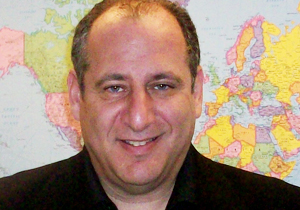
David L. Phillips, drejtori i Programit për Ndërtimin e Paqes dhe të Drejtat e Njeriut në Institutin për Studimin e të Drejtave të Njeriut në Universitetin Columbia në New York, njëherësh njohës i mirë i rrethanave politike në rajonin e Ballkanit Perëndimor, në një intervistë të shkurtër për “Zërin” rreth takimit që pritet të mbahet më 4 shtator në Washington mes delegacioneve të Kosovës dhe të Serbisë, ka thënë se nuk pret ndonjë befasi nga ai takim.

Ai thotë se është mirë që po takohen kryeministri Avdullah Hoti me presidentin e Serbisë, Aleksandar Vuçiq, pasi që kjo dëshmon se dialogu është mënyra e preferuar për zgjidhjen e dallimeve, por thekson se dallimet mes dy vendeve janë të mëdha.

“Nuk pres ndonjë befasi nga takimi i 4 shtatorit mes kryeministrit Hoti dhe presidentit Vuçiq. Është mirë që po takohen, sepse kjo tregon se dialogu është ende mënyra e preferuar për zgjidhjen e dallimeve. Por dallimet mes Kosovës dhe Serbisë janë të mëdha; do të duhet kohë për zgjidhjen e tyre. Diplomacia është një proces, e jo një ngjarje”, deklaroi Phillips për “Zërin”.

Ai thotë se administrata Trump dëshiron një zgjidhje të shpejtë mes dy vendeve në mënyrë që ta prezantojë si një fitore diplomatike para zgjedhjeve presidenciale amerikane.

“Por, nuk ka zgjidhje të shpejtë për krimet e Serbisë. Paqja mund të arrihet vetëm atëherë kur ka një marrëveshje gjithëpërfshirëse që përfshin llogaridhënien për krimet e luftës; kompensimin për pronat e vjedhura apo shkatërruara; dhe për zbardhjen e plotë të fatit të personave të pagjetur”, potencoi ai. Gara presidenciale në SHBA tashmë ka hyrë në fazën finale, duke u zyrtarizuar dy kandidaturat: Donald Trump nga Republikanët edhe për një mandat, dhe Joe Biden nga Demokratët.

Biden, kohë më parë e pati kritikuar qasjen e Trumpit ndaj çështjes Kosovë-Serbi dhe për mungesën e bashkëpunimit me BE-në për këtë çështje. Madje, ai pati thënë se nëse zgjidhet president, administrata e tij do të bashkëpunonte me BE-në për të lehtësuar një marrëveshje mes dy vendeve e cila do të rezultonte me njohje reciproke, dhe do të ruante sovranitetin dhe integritetin territorial të të dyja vendeve.

David Phillips mendon se Bideni, në rast të fitores në zgjedhjet e 3 nëntorit në SHBA, do të punonte në arritjen e një marrëveshjeje e cila do t’i avanconte interesat e Kosovës.

“Duhet të përfshijë edhe njohjen e sovranitetit dhe integritetit territorial të Kosovës nga ana e Serbisë brenda kufijve aktualë. Veç kësaj, Beogradi duhet të ndalojë menjëherë fushatën e saj tinëzare për të parandaluar njohje tjera globale për Kosovën dhe t’i ndalojë përpjekjet e saja për t’i detyruar vendet që e kanë njohur Kosovën t’i tërheqin njohjet. Zëvendës presidenti Biden e njeh Ballkanin dhe do të punojë që të arrijë një marrëveshje që i shërben qëllimit të një paqeje të qëndrueshme, duke i avancuar interesat e Kosovës”, thekson David Phillips për Zeri.info.

Ai mendon se, në mënyrë që negociatat të jenë të suksesshme, nevojitet bashkëpunim më i madh trans-atlantik.

“Për dallim nga presidenti Trump, i cili përçmon aleancat dhe multilateralizmin, administrata Biden do ta vë theksin te puna me aleatët. Bulizimi që Rick Grenell ia bën Kosovës është mosrespektues. Diplomacia e Trumpit dhe paragjykimi pro-serb ka qenë një dështim. Ajo çnderon mijëra shqiptarë të Kosovës që vdiqën për shkak të agresionit të Serbisë”, theksoi ish-Këshilltari i Lartë i Departamentit të Shtetit që punoi mbi ish-Jugosllavinë gjatë administratës Clinton.

Phillips tha koordinatori për dialogun, Skender Hyseni, të cilin qeveria e Kosovës po e dërgon në Berlin, Paris e Bruksel, do të nënvizojë rëndësinë e bashkëpunimit trans-atlantik në bisedimet Kosovë-Serbi. Sipas tij, Hyseni do të nënvizojë edhe rëndësinë e Kapitullit 35, i cili e kushtëzon anëtarësimin e Serbisë në BE pa një marrëveshje për normalizim të raporteve dhe pa njohje reciproke me Kosovën.

Njohësi i çështjeve ballkanike, David Phillips, thotë se nëse Serbia refuzon njohjen reciproke me Kosovën, atëherë do të mbetet një vend i përjashtuar në Evropë dhe një paria-shtet për krimet që [Slobodan] Milosheviqi i kreu dhe të cilat populli i Serbisë i dënoi.

“Është koha që të ecet përpara dhe serbët t’i japin fund turpit të tyre”, deklaroi ai.

Duke folur për propozimin e vjetër për dy zona të lira ekonomike, njëra në pjesën veriore të Kosovës, dhe tjera në Luginën e Preshevës, Phillips thotë se integrimi ekonomik është një synim i vlefshëm, mirëpo nuk e zëvendëson marrëveshjen për njohje reciproke.

“Qeveria e Kosovës ka shfaqur mbështetje për hekurudhën, për autostradën dhe për zgjerimin e shërbimeve ajrore mes Kosovës dhe Serbisë. Megjithatë, renditja është e rëndësishme. Marrëveshjet teknike do të rrjedhin nga njohja. Kosova me të drejtë dhe në mënyrë empatike refuzon hapat e vegjël si zëvendësim për një marrëveshje të plotë dhe gjithëpërfshirëse”, theksoi në fund, David L. Phillips, drejtor i Programit për Ndërtimin e Paqes dhe të Drejtat e Njeriut në Institutin për Studimin e të Drejtave të Njeriut në Universitetin Columbia në New York.

Kujtojmë se Phillips ka shërbyer si Këshilltar i Lartë i Departamentit të Shtetit duke punuar mbi ish-Jugosllavinë gjatë Administratës Clinton. Ai është autor i librit “Liberating Kosovo: Coercive Diplomacy and US Intervention” (Harvard’s Kennedy School). Libri i tij i ri është “Front Line Syria: From Revolution to Proxy War”-Zeri-Kosove-
Filed Under: Analiza Tagged With: administrata Trump, David L.Phillips, Zgjidhje e shpejte

The U.S. must rein in Erdoğan’s war-mongering

July 30, 2020 by dgreca

By David L. Philips- Proclaiming “zero problems with neighbours”, former Prime Minister Ahmet Davutoğlu heralded a new era of Turkish foreign policy in 2013. However, Davutoğlu and other stalwarts of the ruling Justice and Development Party (AKP) were eventually side-lined as Recep Tayyip Erdoğan consolidated his dictatorship.

With Turkey’s economy collapsing, Erdoğan is fuelling regional conflicts in order to distract Turks from his economic mismanagement. Instead of helping Turkey, the administration of U.S. President Donald Trump has turned a blind eye to Turkey’s economic strife, democratic deficit, and nefarious role in the region.

Today, Turkey is engaged in multiple armed conflicts.

Turkey invaded northern and eastern Syria, killing hundreds in the Syrian Defence Forces, America’s ally against Islamic State (ISIS). Kurds, Armenians and Syriac Christians were targeted. Hundreds of thousands were driven from their homes in Afrin and communities east of the Euphrates River.

In Iraqi Kurdistan, Yezidis in Sinjar and Christians in Zakho were victimised by Turkey’s bombing and occupation. Yezidis, who barely survived a genocide by ISIS, now face persecution from Turkey’s jihadist proxies. Forced conversion to Islam, rape of women and girls, arbitrary arrest, torture, and ethnic cleansing are routine.

Turkish warships are plying the eastern Mediterranean to disrupt an agreement between Egypt and Greece on an exclusive economic zone (EEZ), which will produce natural gas with Israel as a major beneficiary.

Mock dogfights regularly occur between Greek and Turkish war planes, as Erdoğan questions the 1923 Treaty of Lausanne that established Turkey’s current borders. Seizing islets in Greek territorial waters would be a major provocation and causus belli between NATO allies.

Turkey recently encouraged Azerbaijan to launch cross-border attacks against Armenia. With drones and missiles from Turkey, Azerbaijan is threatening to renew the conflict over Nagorno-Karabakh.

Turkey has also intervened in Libya, where tribal and regional factions are in desperate need of reconciliation. There is real risk of conflict escalation between Turkey and Egypt, who support different sides in Libya’s civil war.  

While all these front-line states are at-risk from Turkey’s aggression, Libya is a laboratory for Turkey’s malign foreign policy. During the first months of 2020, Turkey deployed up to 3,800 Syrian mercenaries to Libya. These mercenaries from the National Syrian Army, some allegedly drawn from al-Qaeda and ISIS remnants, are notorious for war crimes. They have beheaded opponents, raped women and girls, tortured and killed opponents. They are the dregs – the worst of the worst.

Their deployment to Libya swung the tide in favour of the Government of National Accord (GNA), led by Prime Minister Fayez al-Sarraj. Turkey’s actions are fuelled by geo-strategic and economic interests. Libya is an oil-rich country with energy assets coveted by foreign powers. Backing Farraj gives Erdoğan influence over Libya’s energy sector.

Since 2011, when Libyan dictator Muammar Gaddafi was ousted, Libya has been at war with itself. Libya has been divided for years between Farraj’s GNA and the Libyan National Army (LNA) led by Khalifa Haftar. Backed by Russia and the Gulf States, the LNA’s forces were on the verge of seizing Tripoli when Turkey and its mercenaries intervened. Having turned the tide, the GNA now vows to capture Sirte, the gateway to Libya’s oil fields, and the al-Jufra air base.

Egypt, which backs the LNA, has pledged to defend Sirte. To this end, the Egyptian parliament authorised the deployment of troops “to defend Egyptian national security against criminal armed militias and foreign terrorist elements”. Recent developments pit Turkey against Russia and the United Arab Emirates. Tensions could boil over into a full blown war without a ceasefire and international mediation.

These are times when countries look to the United States for leadership. However, the Trump administration does not have a Libya policy. Its ambivalence and lack of leadership has opened the space for ill-intended and self-serving powers to intervene. It is understandable that the United States wants to avoid another entanglement in the Middle East. But America’s neglect of Libya is another example of a situation gone awry when the United States abrogates its leadership role

In each of the violent conflicts where Turkey is involved, the Trump administration has failed to lead.

Trump gave Erdoğan a green light to invade and occupy northeast Syria, betraying the Syrian Democratic Forces (SDF), which lost 11,000 fighters killed and 24, 000 wounded fighting ISIS.

U.S. officials barely said a word when Turkey invaded Iraqi Kurdistan, threatening American troops and oil companies. 

And as Turkey provokes Greece and Cyprus, there is serious concern whether the Trump administration would enforce Article 5 of the North Atlantic Charter in the event of a clash between treaty allies.

None of these problems are intractable if the United States uses diplomatic leverage to address them. Regarding Libya, the U.S. should call for a ceasefire and humanitarian access while endorsing a United Nations-led mediation.

U.S. national interests are served by upholding sovereignty and international humanitarian law. Trump’s fawning over Erdoğan is inexplicable. Erdoğan is a serial war-monger who will continue his aggression until a punitive reprisal from the U.S.

Much damage has been done. However, it is not too late to stabilise these conflicts. If Trump is unable or unwilling to do, his successor must.

Filed Under: Politike Tagged With: David L.Phillips, The U.S. Erdoğan’s war-mongering

  • « Previous Page
  • 1
  • 2

Artikujt e fundit

  • NDJESHMËRIA SI STRUKTURË – NGA PËRKORËSIA TE THELLËSIA
  • Si Fan Noli i takoi presidentët Wilson the T. Roosevelt për çështjen shqiptare
  • TRIDIMENSIONALJA NË KRIJIMTARINË E PREҪ ZOGAJT
  • Kosova dhe NATO: Një hap strategjik për stabilitet, siguri dhe legjitimitet ndërkombëtar
  • MEGASPEKTAKLI MË I MADH ARTISTIK PAS LUFTËS GJENOCIDIALE NË KOSOVË!
  • Veprimtaria atdhetare e Isa Boletinit në shërbim të çështjes kombëtare
  • FLAMURI I SKËNDERBEUT
  • Këngët e dasmës dhe rituali i tyre te “Bleta shqiptare” e Thimi Mitkos
  • Trashëgimia shqiptare meriton më shumë se sa emërtimet simbolike të rrugëve në New York
  • “Unbreakable and other short stories”
  • ÇËSHTJA SHQIPTARE NË MAQEDONINË E VERIUT NUK TRAJTOHET SI PARTNERITET KONSTITUIV, POR SI PROBLEM PËR T’U ADMINISTRUAR
  • Dr. Evia Nano hosts Albanian American author, Dearta Logu Fusaro
  • DR IBRAHIM RUGOVA – PRESIDENTI I PARË HISTORIK I DARDANISË
  • Krijohet Albanian American Gastrointestinal Association (AAGA)
  • Prof. Rifat Latifi zgjidhet drejtor i Qendrës për Kërkime, Simulime dhe Trajnime të Avancuara Kirurgjike dhe Mjekësore të Kosovës (QKSTK) në Universitetin e Prishtinës

Kategoritë

Arkiv

Tags

albano kolonjari alfons Grishaj Anton Cefa arben llalla asllan Bushati Astrit Lulushi Aurenc Bebja Behlul Jashari Beqir Sina dalip greca Elida Buçpapaj Elmi Berisha Enver Bytyci Ermira Babamusta Eugjen Merlika Fahri Xharra Frank shkreli Fritz radovani Gezim Llojdia Ilir Levonja Interviste Keze Kozeta Zylo Kolec Traboini kosova Kosove Marjana Bulku Murat Gecaj nderroi jete ne Kosove Nene Tereza presidenti Nishani Rafaela Prifti Rafael Floqi Raimonda Moisiu Ramiz Lushaj reshat kripa Sadik Elshani SHBA Shefqet Kercelli shqiperia shqiptaret Sokol Paja Thaci Vatra Visar Zhiti

Log in

This website uses cookies to improve your experience. We'll assume you're ok with this, but you can opt-out if you wish. Cookie settingsACCEPT
Privacy & Cookies Policy

Privacy Overview

This website uses cookies to improve your experience while you navigate through the website. Out of these cookies, the cookies that are categorized as necessary are stored on your browser as they are essential for the working of basic functionalities of the website. We also use third-party cookies that help us analyze and understand how you use this website. These cookies will be stored in your browser only with your consent. You also have the option to opt-out of these cookies. But opting out of some of these cookies may have an effect on your browsing experience.
Necessary
Always Enabled
Necessary cookies are absolutely essential for the website to function properly. This category only includes cookies that ensures basic functionalities and security features of the website. These cookies do not store any personal information.
Non-necessary
Any cookies that may not be particularly necessary for the website to function and is used specifically to collect user personal data via analytics, ads, other embedded contents are termed as non-necessary cookies. It is mandatory to procure user consent prior to running these cookies on your website.
SAVE & ACCEPT