• Home
  • Politics
  • Opinion
  • Culture
  • Sports
  • Economy
  • Interview
  • Reporting
  • Community
  • Vatra

Dielli | The Sun

Albanian American Newspaper Devoted to the Intellectual and Cultural Advancement of the Albanians in America | Since 1909

Archives for February 2025

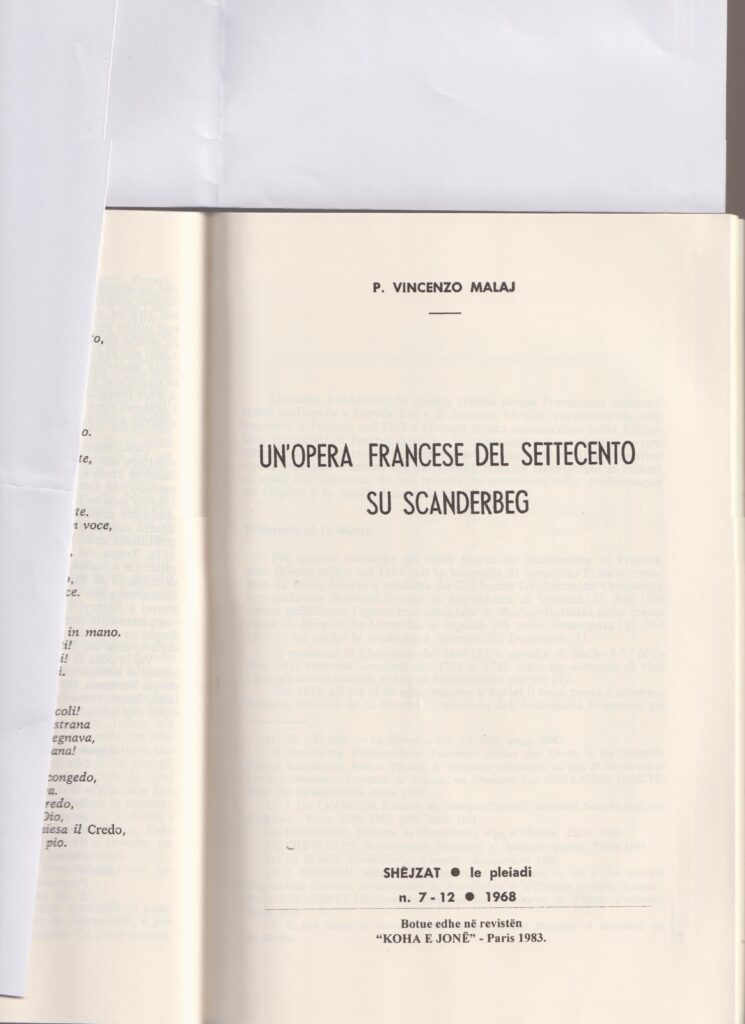
SKËNDERBEU NË  VEPREN E AT VINÇENS MALAJ

February 13, 2025 by s p

Hysen S.Dizdari/

NË KUJTIM TË 25 VJETORIT VDEKJES – AT VINҪENS MALAJ


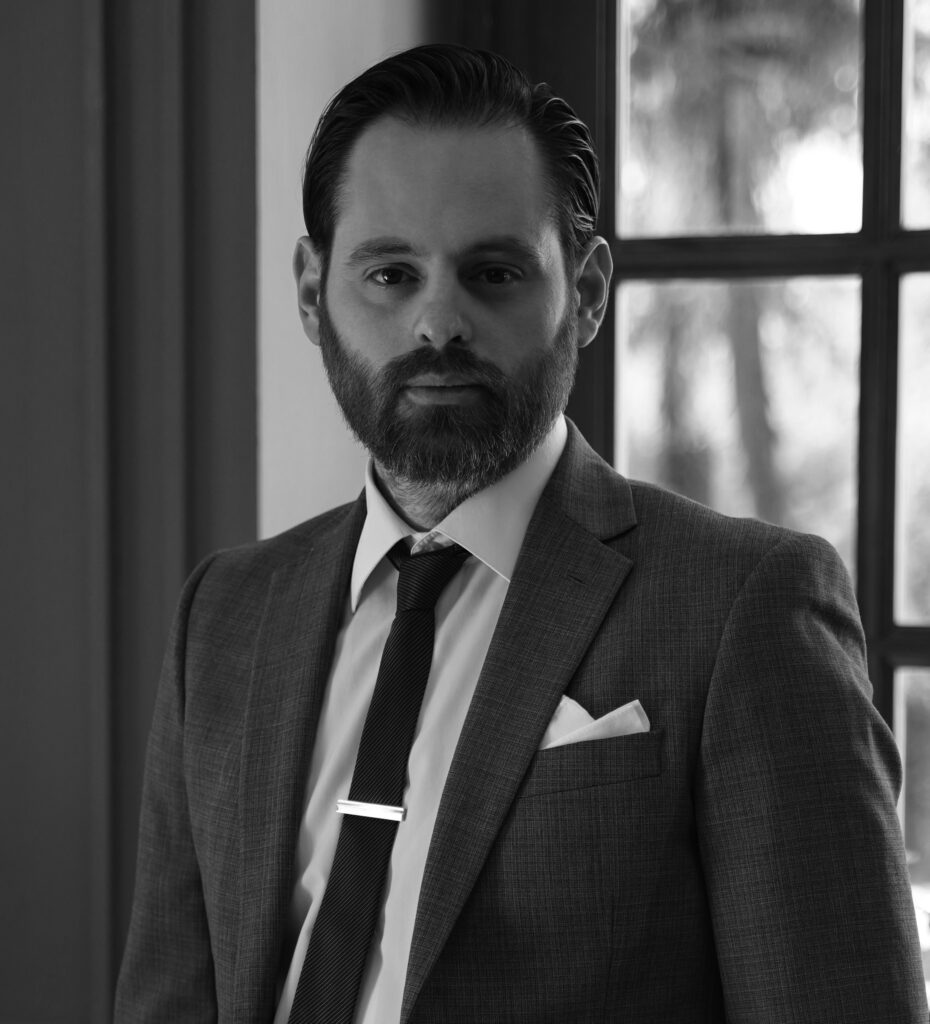
At Vinçens Malaj ishte një dijetar i madh, historian, bibliograf, folklorist, piktor, skulptor, studies i gjuhës e letërisë shqipe, lindi me 1 dhjetor të vitit 1928 në fshatin Ljare (Krajë), të komunës së Tivarit dhe ndërrojë jetë me 4 shkurt të vitit 2000.

Ai rradhitet në plejadën e artë të françeskanve shqiptarë si At Gjegj Fishta, At Leonardo De Martino, At Shtjefën Gjeçovi, At Vinçens Prenushi, At Marin Sirdani, At Anton Harapi, At Bernardin Palaj, At Donat Kurti, At Ndre Mjeda, etj.  të cilët gjatë gjithë historisë i qëndruan besnik fesë, atdheut ,gjuhës shqipe e kombit shqiptarë. Át Vinçenci shkollen fillore e fillojë në vendlindje dhe e kreu në Tivar, kurse të mesmen në Split, e Pazin ku dhe u diplomua. Në vitin 1945-1946 , kreu shkollën fetare në Troshan afër Lezhës, ku dhe veshi petkun e meshtarit françeskan. Kryen nji vit Filozofije në Dubrovnik. Mbas shërbimit të detyruem ushtarak, vazhdon studimet  për Filozofi dhe Teologji në Zagreb ku edhe diplomohet.

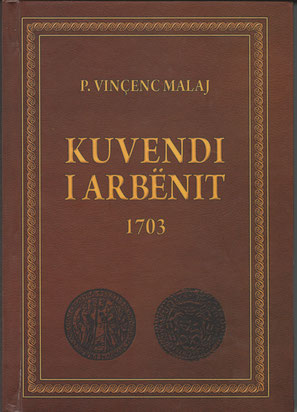
Prej vjetit 1957 deri më 1966 shërben në Kotor dhe Dubrovnik, si kapelan dhe kujdestar biblioteket. Nën drejtimin e prof. dr. Ernest Koliqit, mbledh tekste gojore të 31 vendeve shqiptare në Kalabri. Prej vitit 1966 – 1972 studion në letërsi italiane në universitetin shtetëror “La Sapienza” në Romë, ku dhe doktoron nën udhëqjen e Ernest Koliqit me tezën: Kuvendi i Arbënit 1703. Prej vitit 1969 – 1995 merr pjesë në më shumë se dhjetë simpoziume ndërkombëtare me tema të ndryshme albanologjike. Ka botuar më shumë se tridhjetë studime shkencore në fusha të ndryshme, mbi Gjergj Kastriotin, studime historike, bibliografike, folklorike, etj.

At Vinçens Malaj ishte themelues i shoqatës : “Don Gjon Buzuku” që veproi në Ulqin e Tuz dhe ishte kryetar Nderi i saj. Ai ishte Profesor i shkollës së naltë teologjike në Shkodër, ku ligjëroi për histori kishtare. Përveç se e donte librin, ai është marrë edhe me veprimtari kulturore e letrare, me  arkeologji, pikturë, skulpturë, vizatime, etj.

At Vinçens Malaj ka dhanë një kontributë, Madhorë në njohjen e studimin e zbulimin e veprave kushtuar, Gjergj Kastriotin Skënderbeut: 

Në  vitin jubilarë të 500-të  vjetorit të  vdekjes së Heroit tonë Kombëtar Gjergj Kastrioti Skënderbeut, shqiptarët në diasporë organizuan një sërë aktivitetesh në shumë vende si në Romë, Bruksel, Paris,New York, Boston. Në një nga sheshet më të bukura të Brukselit u ngrit shtatorja e Heroit tonë Kombëtar, Skënderbeu, një  sheshi në qëndër të Parisit ju dha emri një sheshi : “Scanderbeg”. Organizime të tilla i shtynë organizatorët (Qendra Ndërkombëtare për Studime Shqiptare në Itali dhe Kryesinë e Federatës Panshqiptare “Vatra”, që të mbahej një Seminar Ndërkombëtar në New York në Nëntor të vitit 1968.

At Vinçens Malaj është një nga studiuesit më të njohur të ikonografisë e përfytyrimit të Heroit tonë Kombëtar, Skënderbeu në artet figurative të cilat gjenden në muzetë e Evropës si në Firence, Milano, Vjenë, Berlinë e Palermo. 

At Vinçensi shkruan:“Skënderbeu është një figurë shumë e njohur në botë”,prandaj  ai është marrë me mbledhjen e shumë veprave biografive e botimeve mbi figurën e Skënderbeut në mbarë Evropën, që nga  shekullit XV e deri në vitin 1969. At Vinçensi i ndihmuar edhe nga shkrimtari patriot, Ernest Koliqi, organizojë një ekspozitë me të gjitha botimet e ribotimet e veprave kushtuar,  Heroin tonë Kombëtar, Gjergj Kastriotit Skënderbeun  në prill të vitit 1969.

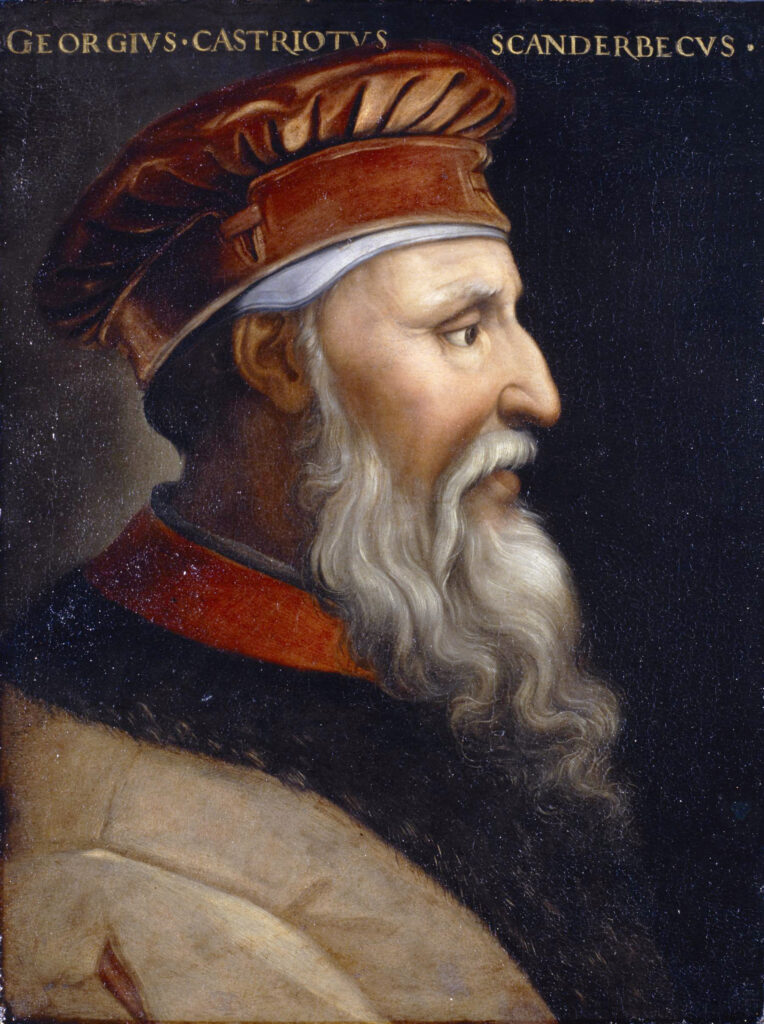
 Nxitja që e kish shtyrë At Vinçensin për tu marrë me temën “Cili është portreti i Skënderbeut më autentik, a egziston një i tillë?” ishin pyetjet e ndjeshme për gjithë studjuesit shqiptarët dhe të huaj.

 At Vinçens Malaj shkruan se nuk dihet me siguri, cili është portreti original i Skënderbeut, por portretet e tij  janë kopje të kopjeve të bëra nga ekzemplarë autentikë më të vjetër, apo janë realizime sipas përshkrimit të Dhimitër Frangut, Marin Barletit e biografëve të tjerë.

Gjergj Kastrioti Skënderbeut,  Heroit tonë Kombëtar në kundërshtim me çfarë bënin princat e tjerë evropianë të epokës së tij, nuk kishte kohë që të rrinte duke pozuar përpara piktorëve dhe artistëve, sepse atij  ditë e natë i duhej të organizonte sulme kundër pushtusve  dhe të rindërtonte kështjellat e rrënuara. 

Referuar autorëve G.T. Petrovitch në vepren e tij: “George Castriota Scanderbeg,  Essai de biblographie raisonee, Paris 1881”, Legrand-H.Goys në : “Biblogragraphie Albania, Paris1912”, Marin Barleti e përshkruan me një shtat të lartë e i hedhur, krahët që s’ishin parë kurrë më të bukura tek njeri, gjerësia e supeve e admirueshme, shikimi i syve as i ashpër, as i egër, por shumë i këndshëm.

Paulus Jovius e përshkruan kështu Skënderbeun: “Kishte një shtat të lartë e të hedhur dhe një trup të madh, këtë dukje kemi parë në Apulje tek princat e familjes së tij të cilët zunë vend këtu, sikurse duket edhe prej përfytyrimit që gjendet në muze, i ngjet sidomos Ferdinantit stërnipi markjon i Sant “Angelo” në Gargano, i cili ra në luftën e Ticinos i vrarë nga dora mbretërore.”
Disa studjues theksojnë  se autor i një portreti të tillë mund të ketë qenë piktori i famshëm i kohës veneciani Gentile Bellini(1429-1507) i cili mbas kërkesës së senatit të Venedikut udhëtoi deri në Stamboll dhe bëri një portret të Mehmetit të II(i cili ruhet sot në Londër). At Viçensi shkruan se egzistojnë shumë koleksione të vjetra botërore dhe private me portretin e Skënderbeut, por shumica e tyre janë mjaft të dobët, dhe  janë të gjitha janë kopjeve të shumta të fundshekullit XVI,  XVII e XVIII.


Potreti më i mirë që njohim deri sot për të cilin mund të diskutohet për autinticitetin e tij, është padyshim portreti me ngjyra që sot ruhet në “Galleria degli Uffizi” në Firence. Në këtë portret, të pikturuar nga një piktor i dorës së dytë, Skënderbeu na paraqitet me profil nga e djathta në moshën 60 deri 65 vjeçare, me mjekër të gjatë të thinjur. Një tjetër autorë të cilës i referohet At Vinçensi është edhe zonja Dhorka Dhamo, e cila në materialin, e botuar në revistën “Shqiptarja e Re” Nr.11, Tiranë 1967, fq.26. shkruan : “Rezultatet e deritanishme dëshmojnë se portreti më i vjetër i Skënderbeut është ai i pikturuar në natyrë nga piktori i dëgjuar, Xhentile Belini, gjatë kohës kur Skënderbeu ishte në Itali’.

Veprat e tij më të rëndësishme kushtuar Skënderbeut janë:

1-Necessita D, Un Coordinamento Bibliografico Castriotiano, [Shqip-Nevoja për një kordinim Bibliografik Kastriotian], Palermo,1969

2- Nevoja për një kordinim Bibliografik Kastriotian,Vëllimi I, Të dhëna  Albanologjike,Botimet Françeskane, Shkodër,2016

3- Zbulio:Vepra muzikore “Skanderbeg” të kompozitorit  francez,Antonio Vivaldi, botim i vitit 1718

4- Zbuloi: Vepra muzikore “ Skanderbegu” , të dy kompozitorëve  francez:Rebel e Franceur, botim i vitit 1735.

4-Përfytyrimi i Skanderbegut dhe autenticateti i tij-Mbajtur në 500 Vjetorin e vdekjes Skënderbeut , në nëntor të vitit 1968. Vëllimi I, Të dhëna  Albanologjike,Botimet Françeskane, Shkodër,2016.

Vepra të tjera janë:

–Bibliografia di Giuseppe Valentini, botim,1970

-Biografia e Antonio Baldacci (1867 – 1950), Bibliografski Vjesnik, God. XVI, Br. 1 Cetinje, 1985, është një bashkëpunim me Vukiq Puleviq.

-Kuvendi i Arbënit 1703 , Podgoricë,2017

-Don Gjon Buzuku Ulqin ,Tuz, 1999

– Të dhëna albanologjike, -2 Vëllime, Botimet Françeskane ,Shkodër, 2016

-Bibliografi ilirjane, dorëshkrim

– Në biblotekën At Vinçens Malaj ai ruajti e  koleksionojë libra të rrallë, ky koleksione sot ndodhet në Kuvendin Franceskan, Tuz, të cilat janë :
-Fjalori i parë i gjuhës shqip i Frang Bardhit, botim i vitit, 1635

-Historia e Skënderbeu e Marin Barletit botim i vitit, 1568 dhe shumë vepra të rralla e dorëshkrime etj.

Bibloteka përsonale e At Vinçens Malaj, kjo pasuri e madhe kombëtare, me vepra të rralla në fushën e albanologjisë, duhet të mbrohen dhe të ruhen, jo vetem nga Kuvendi Françeskan, në Tuz por edhe nga Drejtoria e Kulturës e Komunës Tuzit e cila sot drejtohet nga shqiptarët.
Filed Under: Histori

The Inexhaustible Powder Keg

February 13, 2025 by s p

Viliem Kurtulaj/

Perhaps you too have heard the expression “The Balkans is a powder keg.” This expression is commonly used whenever there are conflicts in the Balkan Peninsula. In fact, in a quick review, since the creation of the modern Albanian state in 1912, there is no evidence that the Albanian army, or its segments, has deliberately and organized attacked another state with the aim of annexation, occupation, or ethnic cleansing. On the other hand, only in the last three decades, the armies of other Balkan countries have turned the region into a battleground. On 10 April 1994, members of the Greek armed forces attacked an Albanian border unit near the village of Peshkëpi in Dropull, where two Albanian soldiers were killed, and three others were wounded. The Albanian government did not undertake any military response against Greece for this case.

Meanwhile, attacks by the northern neighbours of Albania had become something common in the ’90s. In June-July 1991, the Serbian army attacked Slovenia to prevent its separation from Yugoslavia. This war is known as the 10-Day War, which ended with the Brioni Agreement, prohibiting the Yugoslav federal army from conducting military operations in Slovenia. Consequently, this gave Slovenia the opportunity to become an independent country. This led the Yugoslav army (dominated and leaded by Serbs) to turn towards Croatia and Bosnia.

In March 1991, Yugoslav-Serbian military forces attacked Croatian police units, killing a Croatian policeman, considered the starting act of the Serbo-Croatian war. On 19 May 1991, Croatia held a referendum for complete separation from Yugoslavia, passing with 94% of the votes in favour. On 25 June 1991, the Croatian parliament declared Croatia’s independence, breaking away from Yugoslavia. The same was done by Slovenia. The Yugoslav government responded by claiming that the declarations of independence by Slovenia and Croatia were illegal and contrary to the Yugoslav constitution. In response, it intensified attacks against Croats, resulting in a 4-year war between Serbia and Croatia. The war ended in 1995 with Croatia achieving its goals of independence and preserving its borders.

Another bloody war in the Balkans is the Bosnian War, which began in April 1992 and lasted until December 1995. This war occurred within the framework of the disintegration of Yugoslavia and developed between Serbian and Bosnian forces. The massacres committed by the Serbian army in this war were among the most horrific, culminating in the Srebrenica massacre or, as it is otherwise known, the Srebrenica genocide. This infamous event took place in July 1995, where more than 8,000 Bosnian men were killed by the Serbian army in Srebrenica. The war ended in December 1995 with the signing of the Dayton Agreement.

In 1998, another war erupted in the Balkans, a war in which the victims were different but not the aggressor. Under the leadership of Slobodan Milošević, on 28 February 1998, the Serbian army carried out several attacks against Albanians in the villages of Likoshan and Qirez in the Drenica region, in Kosova. This is considered the starting point of this war. After battles and gruesome massacres by the Serbian army, the war ended in 1999 with the intervention of NATO forces, mainly the United States forces, and the signing of the Kumanova Agreement. Since February 11, 2008, Kosova has been permanently separated from Serbia, declaring independence as a sovereign state. However, for many years afterwards, the Serbian parallel criminal structures in northern Kosova continued to be active. On 24 September 2023, a Serbian terrorist group of over 30 individuals, located in the Banjska Monastery in northern Kosova, attacked the Kosova Police, resulting in one police officer killed and another injured. After several hours of fighting with the Kosova Police, three members of this terrorist group were killed, while others withdrew towards the Serbian border, where they received protection from the Serbian government.

In January 2001, there would be war again in the Balkans. North Macedonia, which had managed to separate peacefully from Yugoslavia, would fail to secure almost any rights for the Albanian community, leading to the outbreak of a war between the Macedonian army and Albanian insurgents there, organized under the name Ushtria Çlirimtare Kombëtare (National Liberation Army). As an example of denied rights, in 2001, only 2% of Macedonian public administration employees were ethnic Albanians, even though the Albanian community in the country constituted about 30% of the total population. The war ended on 13 August 2011, with the signing of the Ohrid Agreement.

In conclusion, of all the wars or conflicts mentioned above, which have occurred in the Balkans over the last three decades, there is no case of an attack by the Albanian army against another country. It seems clear that the Serbian armies have consistently been the initiators of wars, not to mention the First World War, which also started in the Balkans after the assassination of Archduke Franz Ferdinand of Austria on 28 June 1914, in Sarajevo by the Serbian student Gavrilo Princip. Occurring in a harsh region, Albania and Albanians have suffered more than they have gained from their relationship with their neighbours. To correctly reformulate the statement “The Balkans is a powder keg,” it would be fairer and more accurate to say “Serbia is a powder keg.”

Filed Under: Ekonomi

E ardhmja i takon Kosovës!

February 13, 2025 by s p

Ambasador Blerim Reka/

Të dashur bashkatdhetar, vëllezër dhe motra, urime 17 vjetori i pavarësisë së Kosovës. Ju faleminderit juve që ishit ambasadorë të Kosovës, kur Kosova nuk kishte ambasada, kur ju ishit zëri i Kosovës së pushtuar, që flisnit për Kosovën në Uashington e Nju Jork.

Lavdi ushtarëve të lirisë dhe SHBA-ve.

Falënderim i përjetshëm për UÇK dhe Komandantin legjendar Adem Jashari, faleminderit NATO-s.

Festimet janë edhe reflektin e jo vetëm kremtim për atë se ku ishim, ku jemi e ku do të jemi?

Ky 17 vjetor i pavarësisë nuk e harron të kaluarën tragjike: një shekull shypje koloniale dhe gjenocid të Serbisë kundër pooullit shqiptar në Kosovë.

Por sot Republika e Kosovës është shteti me pro Amerikan në botë, vendi më demokratik në Ballkan me Kushtetutën model më të avancuar për mbrojtjen e pakicave kombëtare.

Shteti më i ri evropian për vetëm 17 vite u ngrit si feniksi nga tmerret e luftës pushtuese të Serbisë, në një rrëfim suksesi të shtet-ndërtimit demokratik.

E ardhmja i takon Kosovës!

Zoti e bekoftë Kosovën,

Zoti i bekoftë SHBA!

Filed Under: Politike

Independence and democracy need to be protected!

February 13, 2025 by s p

Arben Xhixho

Chief, Albanian Service

Voice of America/

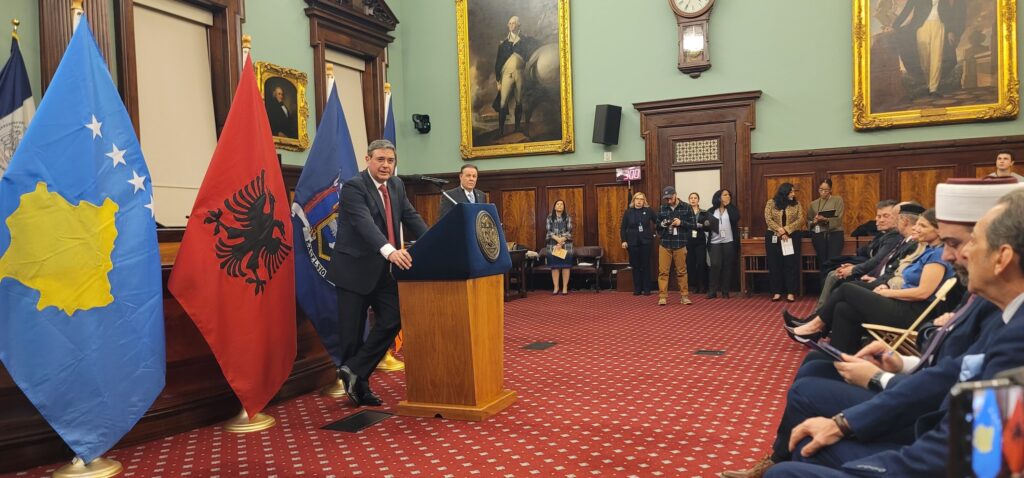
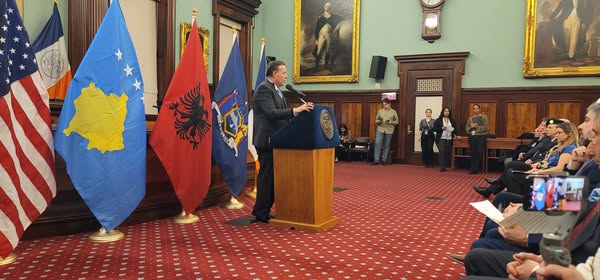
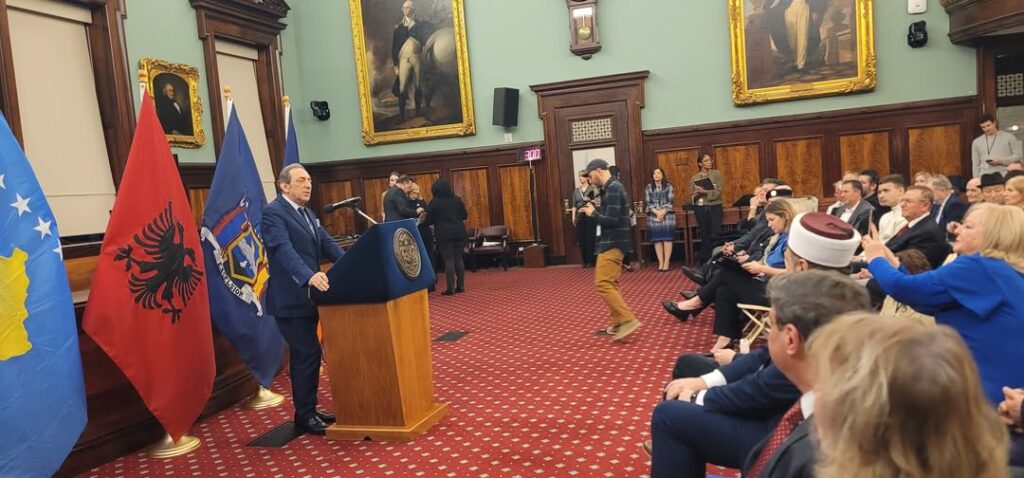
17th Anniversary of Kosova’s Independence at New York City Hall

February 12th 2025

Speaker, Adrienne Adams

Council members,

Kristy Marmorato

David Carr

Oswald Feliz

Kamilla Hanks

Robert Holden

Lynn Schulman

Ambassadors,

Suela Janina

Blerim Reka

Clergy, Imam Edin Gjoni

It is an honor to be recognized today, and it is a privilege to speak also on behalf of my other colleagues, distinguished journalists, for the role that Voice of America, together with the other Albanian American media, have played in covering events related to Kosova on both sides of the Atlantic.

Voice of America, and other Albanian American media organizations, honored here today, have really been instrumental in serving as a bridge connecting Albanians in the Balkans with the vibrant Albanian American community in U.S.

While Voice of America is not the oldest Albanian American media, that honor goes to Dielli, for sure it has been the most popular US based media, broadcasting in Albanian to its overseas audience.

Albanian Service is among the first Services established at VOA. Its first broadcast aired on May 13, 1943. Then, in 1945, after the Second World War, the broadcast discontinued to resumed again on May 13, 1951, during the Cold War, and since then, it has been on air every single day, fomenting the hopes for democracy to the people in Albania that were living under communism, and keeping up the hopes for freedom to the Albanians in the former Yugoslavia, that were faced with an existential threat.

Voice of America, that had enjoyed an unprecedented 70% listenership rate in the early ‘90ies, during the end of communism in Albania, became even more of an household name in Kosova during the conflict in the Balkans, in the late 1990s. During those years, the eyes and ears of the Albanians in Kosova were turned towards US, which they saw as the savoir of their homeland. Voice of America was with them during those challenging times, giving them hope when the Albanians were forced out of their homes.

Undeniably, it was the Albanian American community, that changed the minds of the American policymakers, educating them about Kosova and the plight of its people. History will tell, but one might make the point, that that has been one of the most consequential efforts of our community and its leaders. Without it, there would have been no independence of Kosova, that we are celebrating here today.

But make no mistake, the work is not done yet. Independence and democracy need to be protected. Nothing can be taken for granted.

We the media, have an important role to play, even more today, when the truth is being attacked from all directions.

Voice of America, as the largest U.S. international broadcaster, provides trusted and objective news and information in 49 languages to an audience of more than 362 million people around the world.

We have a noble mission, to inform, engage, and connect people around the world in support of freedom and democracy.

We do it by telling American stories and suppling objective news and information, that is in high demand, but in short supply.

We should never forget the famous words of one of the icons of American journalism Edward Murrow:

“To be persuasive, We must be believable,

To be believable, We must be credible,

To be credible, We must be truthful.”

Thank you again for recognizing the mission and the important work of the media.

Filed Under: Analiza

JUSTICE IS NOT JUST A MORAL OBLIGATION; IT IS A NECESSARY STEP FOR TRUE RECONCILIATION AND HEALING

February 13, 2025 by s p

Mark Gjonaj/

It is a great honor and privilege to stand before you today to celebrate the 17th anniversary of the independence of the Republic of Kosova. This is a moment of deep pride for all of us, especially for those of us who carry the memory of struggle, sacrifice, and victory in our hearts. We gather here today not only to mark a historic milestone but to honor the unbreakable spirit of our people, our past, and the brilliant future that Kosova is shaping as a proud, sovereign nation.

Seventeen years ago, Kosova declared its independence, marking the culmination of decades of hardship, bloodshed, and relentless pursuit of freedom.  It was a hard-won victory that emerged from the dark years of the Kosova War, a defining moment in the history of the Albanian people. It was a moment when the world watched as Serbia sought to eradicate the Albanian population through a brutal campaign of ethnic cleansing. Tens of thousands were displaced from their homes, and countless others faced the horrors of mass atrocities.

The Albanian people stood against this violence, not with hatred but with an unwavering commitment to freedom, dignity, and their right to self-determination. We must also acknowledge the painful truth that there has been no full justice for the victims of the war. The war crimes committed by Serbian forces—acts of ethnic cleansing, mass executions, rape, and the displacement of over a million people—have largely gone unpunished. Too many families continue to grieve without the closure they deserve, and too many perpetrators have not been held accountable for their atrocities.

The search for justice is far from complete.

We stand united in solemn remembrance of the victims—the 13,950 killed, the 20,000 raped, and the 1,600 who remain missing to this day. Let us not forget the innocent lives taken too soon, the children who never got to grow up, the fathers who never came home, and the mothers who still mourn their lost families. Let us not forget the names of those who are missing, whose families are still left without answers, whose graves remain unmarked, whose memories are still hidden beneath the rubble of a war that should never have happened.

We owe it to the victims, to the families, and to future generations to ensure that those responsible for the horrors of the Kosova War face the full weight of justice. Justice is not just a moral obligation; it is a necessary step for true reconciliation and healing. Today, Kosova is an independent, democratic republic—a beacon of hope, not just for Albanians, but for all those who yearn for freedom, peace, and justice.

In just 17 years, Kosova has transformed itself from a war-torn region to a vibrant democracy, building its institutions, fostering economic growth, and forging alliances across the world. Kosova’s independence is a testament to the resilience of its people, a beacon that shines bright in Europe. And as we stand here today, we must remember those who contributed to this struggle, who documented the Albanian fight for freedom, and who kept the flame of our independence alive. This year, we honor the Albanian media who have tirelessly worked to document Kosova’s fight for independence and the journey of the Albanian community here in New York.

They have been the eyes and the voices of our people, sharing our stories with the world, raising awareness of the atrocities we faced, and championing the cause of freedom in the face of adversity. Their dedication and perseverance have ensured that Kosova’s story is known, that its sacrifices are remembered, and that its future is secured. To the honorees, we extend our deepest gratitude. You have been the bridges connecting our people with the world. You have brought Kosova’s history and progress to the forefront, and through your work, you have helped ensure that the sacrifices of our people are never forgotten.

Your courage, your dedication, and your love for Kosova and Albania are felt across the globe. Today, we salute you, as we honor the past and look forward to the future. On this, the 17th anniversary of Kosova’s independence, let us remember the past with gratitude, honor the present with pride, and look to the future with hope. Kosova’s journey is far from over.

There are still challenges ahead, including the pursuit of justice for the victims of the war, but with the strength of our people, the support of our friends like the United States, and the determination to preserve our hard-won freedom, I have no doubt that Kosova will continue to thrive. Together, we have made Kosova free. Together, we will continue to build a future that reflects the values we hold dear—freedom, democracy, and justice for all.

Rroftë Amerika

Rroftë Shqipëria

Rroftë Kosova

Zoti bekoftë shqiptarët kudo ku janë në botë!

Filed Under: Opinion

  • « Previous Page
  • 1
  • …
  • 30
  • 31
  • 32
  • 33
  • 34
  • …
  • 51
  • Next Page »

Artikujt e fundit

  • Kontributi shumëdimensional i Klerit Katolik dhe i Elitave Shqiptare në Pavarësinë e Shqipërisë 
  • Takimi i përvitshëm i Malësorëve të New Yorkut – Mbrëmje fondmbledhëse për Shoqatën “Malësia e Madhe”
  • Edi Rama, Belinda Balluku, SPAK, kur drejtësia troket, pushteti zbulohet!
  • “Strategjia Trump, ShBA më e fortë, Interesat Amerikane mbi gjithçka”
  • Pse leku shqiptar duket i fortë ndërsa ekonomia ndihet e dobët
  • IMAM ISA HOXHA (1918–2001), NJË JETË NË SHËRBIM TË FESË, DIJES, KULTURËS DHE ÇËSHTJES KOMBËTARE SHQIPTARE
  • UGSH ndan çmimet vjetore për gazetarët shqiptarë dhe për fituesit e konkursit “Vangjush Gambeta”
  • Fjala përshëndetëse e kryetarit të Federatës Vatra Dr. Elmi Berisha për Akademinë e Shkencave të Shqipërisë në Seancën Akademike kushtuar 100 vjetorit të lindjes së Peter Priftit
  • Shqipëria u bë pjesë e Lidhjes së Kombeve (17 dhjetor 1920)
  • NJЁ SURPRIZЁ XHENTЁLMENЁSH E GJON MILIT   
  • Format jo standarde të pullave në Filatelinë Shqiptare
  • Avokati i kujt?
  • MËSIMI I GJUHËS SHQIPE SI MJET PËR FORMIMIN E VETEDIJES KOMBËTARE TE SHQIPTARËT  
  • MES KULTURES DHE HIJEVE TE ANTIKULTURES
  • Historia dhe braktisja e Kullës së Elez Murrës – Një apel për të shpëtuar trashëgiminë historike

Kategoritë

Arkiv

Tags

albano kolonjari alfons Grishaj Anton Cefa arben llalla asllan Bushati Astrit Lulushi Aurenc Bebja Behlul Jashari Beqir Sina dalip greca Elida Buçpapaj Elmi Berisha Enver Bytyci Ermira Babamusta Eugjen Merlika Fahri Xharra Frank shkreli Fritz radovani Gezim Llojdia Ilir Levonja Interviste Keze Kozeta Zylo Kolec Traboini kosova Kosove Marjana Bulku Murat Gecaj nderroi jete ne Kosove Nene Tereza presidenti Nishani Rafaela Prifti Rafael Floqi Raimonda Moisiu Ramiz Lushaj reshat kripa Sadik Elshani SHBA Shefqet Kercelli shqiperia shqiptaret Sokol Paja Thaci Vatra Visar Zhiti

Log in

This website uses cookies to improve your experience. We'll assume you're ok with this, but you can opt-out if you wish. Cookie settingsACCEPT
Privacy & Cookies Policy

Privacy Overview

This website uses cookies to improve your experience while you navigate through the website. Out of these cookies, the cookies that are categorized as necessary are stored on your browser as they are essential for the working of basic functionalities of the website. We also use third-party cookies that help us analyze and understand how you use this website. These cookies will be stored in your browser only with your consent. You also have the option to opt-out of these cookies. But opting out of some of these cookies may have an effect on your browsing experience.
Necessary
Always Enabled
Necessary cookies are absolutely essential for the website to function properly. This category only includes cookies that ensures basic functionalities and security features of the website. These cookies do not store any personal information.
Non-necessary
Any cookies that may not be particularly necessary for the website to function and is used specifically to collect user personal data via analytics, ads, other embedded contents are termed as non-necessary cookies. It is mandatory to procure user consent prior to running these cookies on your website.
SAVE & ACCEPT