• Home
  • Politics
  • Opinion
  • Culture
  • Sports
  • Economy
  • Interview
  • Reporting
  • Community
  • Vatra

Dielli | The Sun

Albanian American Newspaper Devoted to the Intellectual and Cultural Advancement of the Albanians in America | Since 1909

Our Mother Teresa stands out as one the greatest humanitarians and Saints in our world’s history

September 4, 2016 by dgreca

“By blood, I am Albanian. By citizenship, an Indian. By faith, I am a Catholic nun. As to my calling, I belong to the world. As to my heart, I belong entirely to the Heart of Jesus.” –Mother Teresa/
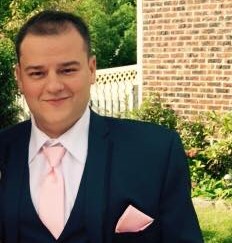
3 IliriBy Ilir CUBI/

Mother Teresa was born in 1910, in Shkup (today the capital of Macedonia) to an Albanian Family.  Her Birth name was Gonxhe Bojaxhiu. In Albanian Gonxhe is the name of a flower.  Her father was Nikola (Kola) Bojaxhiu. He was born Prizren, an important Albanian city in Kosova.  Her mother, Drandafile (Drane) was from a town called Gjakova, which is also located in Kosova.  Kola was a successful businessman who was raised with traditional Albanian values.  Drane Bojaxhiu was a traditional Albanian housewife and always showed love and compassion for the poor and the sick.  Through action she became a role model to her kids and to others.

Mother Teresa was the youngest of three children. Her brother Lazër was the oldest of the three.  Age, her sister, and Mother Teresa would go to Albanian Catholic church “Zemra e Krishtit” in Shkup.  Both Mother Teresa and Age were part of the church’s chorus and were very talented in singing, drama and very involved with the church’s activities.

Mother Teresa received a calling to become a nun during a pilgrimage to St. Mary’s Church in a Letnica, a picturesque village in southwest of Kosova. Each year, on August 15th, the young Gonxha Bojaxhiu, visited the church that inspired her. Every time she visited the church, she was filled with more and more of the holly spirit. Subsequently, at age 17, she set about her mission of charity.

In 1919, when Mother Teresa was only 8 years old, her father Kola, a proponent of Albanian independence, had been poisoned and died in Belgrade.  Her father was a representative of the city of Shkup, at the time populated by a majority Albanian population.  After the loss of her father, Drane had to fill in her husband’s shoes -to not only being a mother to the three children but also a father.

In 1928, Gonxhe (Mother Teresa) joined the congregation of Loretos in Zagreb, Croatia.  From Zagreb she was transferred to Dublin in Ireland, then soon after she was transferred to Calcutta. She taught history and geography at Saint Mary’s High School for Girls, a school run by the Loreto Sisters. She learned Bangali and Hindi fluently and dedicated herself to teaching children Calcutta’s poorest kids.

On September 10, 1946, Mother Teresa experienced a second calling, the “call within a call”. This happened while she was riding a train to a retreat to the Himalayan region. Mother Teresa said that Christ spoke to her and asked her to work in the slums of Calcutta to help the city’s poorest and sickest people.  She needed permission to leave the convent. She requested permission from the archdiocese.  Through persistence, and more requests, it took nearly a year and a half for her to receive approval from the Vatican to pursue her new calling, to help the poor, “the unwanted, the unloved, the uncared for.”

Mother Teresa took action to help the city’s poor. She quickly convinced the city officials to donate to her a dilapidated building to establish a home for the dying destitute. In 1950, she was given canonical recognition, resulting in the formation of the Missionaries of Charity, a Roman Catholic congregation of women dedicated to helping the poor, which she founded with a few members, mostly students and former teachers from St. Mary’s school.

In the words of Mother Teresa, the purpose of the Missionaries of Charity was to care for “the hungry, the naked, the homeless, the crippled, the blind, the lepers, all those people who feel unwanted, unloved, uncared for throughout society, people that have become a burden to the society and are shunned by everyone.”

For over 50 years, Mother Teresa dedicated herself to helping the poor and to spreading the word that God is Love and that He loves us all.

Today, an Order that started with 12 members in Culcutta, has over 5,000 dedicated women and volunteers in helping the poor and sick in over 135 countries around the world, wearing the traditional color that she designed, the WHITE AND BLUE. Their presence is in orphanages, hospices, caring for refugees, the blind, disabled, aged, alcoholics, the poor and homeless and victims of floods, epidemics and famine all over the world

Mother Teresa received various honors for her tireless work of charity.  She was also awarded the Jewel of India, the highest honor bestowed to an Indian Civilian.  And 1979, Mother Teresa won her highest honor when she was awarded the Nobel Peace Prize in recognition of her tireless work in giving help to the poor and sick.  In 2003, she was beautified and on September 4th, 2016, Mother Teresa will become one of our greatest Saint’s and will always be remembered for all she has done for humanity.


Thank you all for coming to this miracle of miracles and being part of History


May God Bless You All

From a Proud AMERICAN ALBANIAN

ILIR CUBI

NEW YORK


Filed Under: Komente Tagged With: humanitarians and Saints, Ilir CUBI, Our Mother Teresa

Our Mother Teresa

December 13, 2014 by dgreca

Nga Rozi Theohari/
After I found out the dentist’s office was not far from our house, I ran quickly holding a handkerchief to my cheek. Besides feeling fear and uncertainty, I was confused by another thing: How could I explain my symptoms correctly to the doctor in my broken English? Luckily, everything went smoothly because there was a Russian nurse present. “Decide,” she said to me in her language, after I told her that I knew Russian. “There are two doctors here. One is an American doctor, the other, Dr. Raj, is an Indian, and he is very careful.” This name reminded me of Raj Kapour, a famous Indian artist and his movies. I decided. Of course I will be treated by the Indian. I would tell him how people broke down the cinema doors in Albania to watch Indian movies. I will tell him…Bur I didn’t say a word because a harsher person than doctor Raj you have never met. A more serious and more taciturn person you never will see.
I didn’t talk. When he took off his mask and explained the treatment to me, I saw white and regular teeth which shone brighter because of the contrast with his dark-skinned face. I tried to begin a conversation, but his dismal visage dampened my naturally gregarious nature. Only when the appointment ended and he was calling another patient, did I stay before him and spoke unexpectedly: “ We both have in common Mother Teresa!”
“Why?” he asked raising his brows.
“Because Albania is her birthplace,” I insisted.
“Mother Teresa is an Indian. She is our Mother,” he stated and with a nearly contemptuous gesture he gave me to understand that our conversation was over.
I left. It goes without saying that I was offended by him. After two weeks, on another appointment, I went back to the same dentist with issues of the Albanian-American newspaper “Illyria.” I had selected all the English articles about Mother Teresa. After reading some of them, Dr. Raj took off the mask and said: “Alright, she was born in Albania. I had not known this. I have been away from India since I was four.”
“But you should have known it by now,” I was able to say before he filled up my mouth with cotton.
It is difficult to have a dialogue at the dentist’s clinic.
“Mother Teresa could have been born anywhere in the world. This is not important,” he continued with a decisive tone, “She is an Indian; she is ours. This is what matters!”
I was enraged by his answer but I was not able to speak. “My God, why is that people from small countries have so little voice?” I thought at that moment.
I was still angry when I left the clinic. I was glad that my next appointment was after two months, in late autumn.
As time passed, I almost forgot the Indian doctor. However, I remembered him a few days after Mother Teresa’s death. I made up my mind to call him. How much he loved her, and how passionate he was when he spoke about the saintly Mother. I dialed his telephone and introduced myself to the nurse.
“ Do you want an appointment?” she asked.
“ No, I want to speak with Dr. Raj.”
After a while I heard his voice in the receiver.
“ My sympathy for Mother Teresa,” I said in a very controlled voice.
“ Oh, thank you, thank you very much,” he answered in a low and vibrating voice. Then, after a short pause, as if he was just remembering something, he added, “And you, certainly…accept my condolence!”
“Thank you,” I answered and thought how death-pain unites and connects people.
Two months later, at my next appointment, I was sitting in the waiting room, together with other patients.
“How will the discussion go today?” I thought. In earnest, I recollected that I had published a poem in English dedicated to our Mother Teresa. Naturally, I needed this poem today. In a few minutes I hurried back home, took the newspaper and walking over the frozen snow, I whispered, “At last, I wrote a poem for the Mother, and…you doctor, what did you do?” But when I entered, the room’s warmth, the sweet music, and the indifferent glance of fishes from the aquarium melted my grudge little by little. It seemed too small a matter to resume the argument. On the other side of the window, the nurse was watching with attention the belligerence in my face. No, I didn’t want to show him my poem. I left the newspaper on the table and went into the dentist’s room.
Before being attended to, the Russian nurse entered, “ You have forgotten the newspaper…I was touched by your verses!” she said in Russian…Later she spoke in English: “I didn’t know that Mother Teresa was Albanian!”
The doctor, who knew about the Albanian-American newspaper, took it from her hand. Quietly he started to read the poem. It was a short one, but he focused intently on it for some minutes.
He raised his head and our eyes met. Calmness…No need for speech. Only calmness…
Boston, December 1997

Filed Under: ESSE Tagged With: Our Mother Teresa, Rozi Theohari

Our Mother Teresa

August 26, 2013 by dgreca

By Rozi Theohari/

After I found out the dentist’s office was not far from our house, I ran quickly holding a handkerchief to my cheek. Besides feeling fear and uncertainty, I was confused by another thing: How could I explain my symptoms correctly to the doctor in my broken English? Luckily, everything went smoothly because there was a Russian nurse present. “Decide,” she said to me in her language, after I told her that I knew Russian. “There are two doctors here. One is an American doctor, the other, Dr. Raj, is an Indian, and he is very careful.” This name reminded me of Raj Kapour, a famous Indian artist and his movies. I decided. Of course I will be treated by the Indian. I would tell him how people broke down the cinema doors in Albania to watch Indian movies. I will tell him…Bur I didn’t say a word because a harsher person than doctor Raj you have never met. A more serious and more taciturn person you never will see.

I didn’t talk. When he took off his mask and explained the treatment to me, I saw white and regular teeth which shone brighter because of the contrast with his dark-skinned face. I tried to begin a conversation, but his dismal visage dampened my naturally gregarious nature. Only when the appointment ended and he was calling another patient, did I stay before him and spoke unexpectedly: “ We both have in common Mother Teresa!”

“Why?” he asked raising his brows.

“Because Albania is her birthplace,” I insisted.

“Mother Teresa is an Indian. She is our Mother,” he stated and with a nearly contemptuous gesture he gave me to understand that our conversation was over.

I left. It goes without saying that I was offended by him. After two weeks, on another appointment, I went back to the same dentist with issues of the Albanian-American newspaper “Illyria.” I had selected all the English articles about Mother Teresa. After reading some of them, Dr. Raj took off the mask and said: “Alright, she was born in Albania. I had not known this. I have been away from India since I was four.”

“But you should have known it by now,” I was able to say before he filled up my mouth with cotton.

It is difficult to have a dialogue at the dentist’s clinic.

“Mother Teresa could have been born anywhere in the world. This is not important,” he continued with a decisive tone, “She is an Indian; she is ours. This is what matters!”

I was enraged by his answer but I was not able to speak. “My God, why is that people from small countries have so little voice?” I thought at that moment.

I was still angry when I left the clinic. I was glad that my next appointment was after two months, in late autumn.

As time passed, I almost forgot the Indian doctor. However, I remembered him a few days after Mother Teresa’s death. I made up my mind to call him. How much he loved her, and how passionate he was when he spoke about the saintly Mother. I dialed his telephone and introduced myself to the nurse.

“ Do you want an appointment?” she asked.

“ No, I want to speak with Dr. Raj.”

After a while I heard his voice in the receiver.

“ My sympathy for Mother Teresa,” I said in a very controlled voice.

“ Oh, thank you, thank you very much,” he answered in a low and vibrating voice. Then, after a short pause, as if he was just remembering something, he added, “And you, certainly…accept my condolence!”

“Thank you,” I answered and thought how death-pain unites and connects people.

Two months later, at my next appointment, I was sitting in the waiting room, together with other patients.

“How will the discussion go today?” I thought. In earnest, I recollected that I had published a poem in English dedicated to our Mother Teresa. Naturally, I needed this poem today. In a few minutes I hurried back home, took the newspaper and walking over the frozen snow, I whispered, “At last, I wrote a poem for the Mother, and…you doctor, what did you do?” But when I entered, the room’s warmth, the sweet music, and the indifferent glance of fishes from the aquarium melted my grudge little by little. It seemed too small a matter to resume the argument. On the other side of the window, the nurse was watching with attention the belligerence in my face. No, I didn’t want to show him my poem. I left the newspaper on the table and went into the dentist’s room.

Before being attended to, the Russian nurse entered, “ You have forgotten the newspaper…I was touched by your verses!” she said in Russian…Later she spoke in English: “I didn’t know that Mother Teresa was Albanian!”

The doctor, who knew about the Albanian-American newspaper, took it from her hand. Quietly he started to read the poem. It was a short one, but he focused intently on it for some minutes.

He raised his head and our eyes met. Calmness…No need for speech. Only calmness…

Boston, December 1997


Filed Under: Histori Tagged With: Our Mother Teresa, Rozi Theohari

Artikujt e fundit

  • NDJESHMËRIA SI STRUKTURË – NGA PËRKORËSIA TE THELLËSIA
  • Si Fan Noli i takoi presidentët Wilson the T. Roosevelt për çështjen shqiptare
  • TRIDIMENSIONALJA NË KRIJIMTARINË E PREҪ ZOGAJT
  • Kosova dhe NATO: Një hap strategjik për stabilitet, siguri dhe legjitimitet ndërkombëtar
  • MEGASPEKTAKLI MË I MADH ARTISTIK PAS LUFTËS GJENOCIDIALE NË KOSOVË!
  • Veprimtaria atdhetare e Isa Boletinit në shërbim të çështjes kombëtare
  • FLAMURI I SKËNDERBEUT
  • Këngët e dasmës dhe rituali i tyre te “Bleta shqiptare” e Thimi Mitkos
  • Trashëgimia shqiptare meriton më shumë se sa emërtimet simbolike të rrugëve në New York
  • “Unbreakable and other short stories”
  • ÇËSHTJA SHQIPTARE NË MAQEDONINË E VERIUT NUK TRAJTOHET SI PARTNERITET KONSTITUIV, POR SI PROBLEM PËR T’U ADMINISTRUAR
  • Dr. Evia Nano hosts Albanian American author, Dearta Logu Fusaro
  • DR IBRAHIM RUGOVA – PRESIDENTI I PARË HISTORIK I DARDANISË
  • Krijohet Albanian American Gastrointestinal Association (AAGA)
  • Prof. Rifat Latifi zgjidhet drejtor i Qendrës për Kërkime, Simulime dhe Trajnime të Avancuara Kirurgjike dhe Mjekësore të Kosovës (QKSTK) në Universitetin e Prishtinës

Kategoritë

Arkiv

Tags

albano kolonjari alfons Grishaj Anton Cefa arben llalla asllan Bushati Astrit Lulushi Aurenc Bebja Behlul Jashari Beqir Sina dalip greca Elida Buçpapaj Elmi Berisha Enver Bytyci Ermira Babamusta Eugjen Merlika Fahri Xharra Frank shkreli Fritz radovani Gezim Llojdia Ilir Levonja Interviste Keze Kozeta Zylo Kolec Traboini kosova Kosove Marjana Bulku Murat Gecaj nderroi jete ne Kosove Nene Tereza presidenti Nishani Rafaela Prifti Rafael Floqi Raimonda Moisiu Ramiz Lushaj reshat kripa Sadik Elshani SHBA Shefqet Kercelli shqiperia shqiptaret Sokol Paja Thaci Vatra Visar Zhiti

Log in

This website uses cookies to improve your experience. We'll assume you're ok with this, but you can opt-out if you wish. Cookie settingsACCEPT
Privacy & Cookies Policy

Privacy Overview

This website uses cookies to improve your experience while you navigate through the website. Out of these cookies, the cookies that are categorized as necessary are stored on your browser as they are essential for the working of basic functionalities of the website. We also use third-party cookies that help us analyze and understand how you use this website. These cookies will be stored in your browser only with your consent. You also have the option to opt-out of these cookies. But opting out of some of these cookies may have an effect on your browsing experience.
Necessary
Always Enabled
Necessary cookies are absolutely essential for the website to function properly. This category only includes cookies that ensures basic functionalities and security features of the website. These cookies do not store any personal information.
Non-necessary
Any cookies that may not be particularly necessary for the website to function and is used specifically to collect user personal data via analytics, ads, other embedded contents are termed as non-necessary cookies. It is mandatory to procure user consent prior to running these cookies on your website.
SAVE & ACCEPT