• Home
  • Politics
  • Opinion
  • Culture
  • Sports
  • Economy
  • Interview
  • Reporting
  • Community
  • Vatra

Dielli | The Sun

Albanian American Newspaper Devoted to the Intellectual and Cultural Advancement of the Albanians in America | Since 1909

Book Talk : In Their Footsteps

September 23, 2022 by s p

Rafaela Prifti/

In their Footsteps – a memoir book of Simon Qafa narrates the struggles of  his freedom loving family that ultimately brought him to the land of the free. The stories of Simon’s father, uncle, cousins are unique yet relatable to many Albanians who were targeted by the communist regime after WWII. Simon, who is a ranking member of Vatra, depicts how those who did not comply were interrogated, intimidated, imprisoned, forced into internment camps and even executed.

Asked by Dielli about the takeaway from the book, Simon Qafa says that he wants “the reader to understand what families go through and the struggles they endure” but also to appreciate “how life has a funny way of turning on you in a split second.”

The assertions are understood to be factual. The writer Louis Romano says that the research for the book involved “many hours of reading as well as personally interviewing Simon Qafa, his family members and others who knew of the Qafa family. The bravery and determination this family shared for generations made for an incredible story.” Romano, a published novelist and Bronx native, knew Simon personally. There are parallels between Simon’s ancestors and Romano’s immigrant family from Sicily, that resonate in the present times. The writer notes that the extreme poverty under which the family lived was not unusual. But “It wasn’t simply poverty that is a common bond but the desire for a better life under freedom for their families that brought various ethnic groups to this great country. Obviously, it is still going on today,” adds Romano.

Determined to have the freedom his family members believed in, Simon Qafa set out on his own path that crossed over a few countries and even landed him in prison.  “What set Simon’s life apart was his journey as a young man from Albania to Kosovo to the seminary in Rome and to prison in New York State,” says Louis Romano to Dielli.

Even though he is very knowledgeable about our history, Romano says that, when writing the book In Their Footsteps, he “was particularly surprised at the brutality that faced the Albanian people over the course of the last three hundred years. Most Americans have no idea what occurred during that period in Albania.” Shedding light on the endurance of Qafa family gives credence to the freedom fighting spirit that resonates with the Albanian American community and groups of various background in and around the Unites States.

The first collaboration has been a success. “So far, the reviews are nothing less than amazing,” relays Louis Romano. For his part, Simon appreciates Romano as “a great writer. Very respectful and patient. He pays attention to little things as much as he does about bigger things.”    

Vatra hosted a book launching party at the Bronx headquarters last night. 

Filed Under: Komente Tagged With: Rafaela Prifti

A bountiful fair by Fan Noli Library at Boston Saint George’ s celebrates Albanian entrepreneurship with rich historical tones 

September 20, 2022 by s p

Rafaela Prifti /

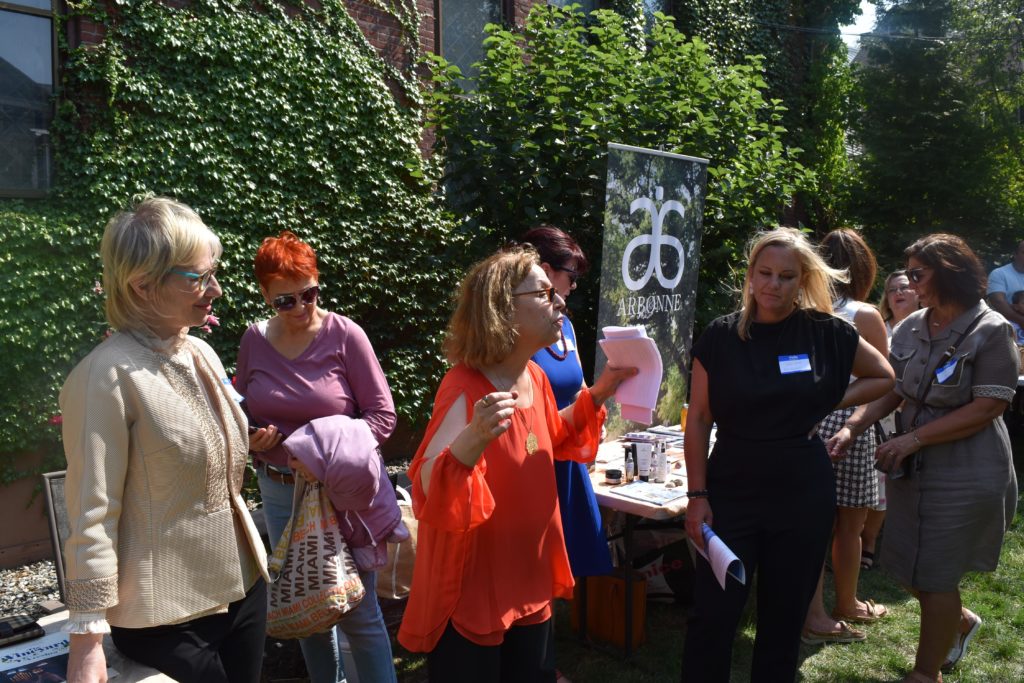
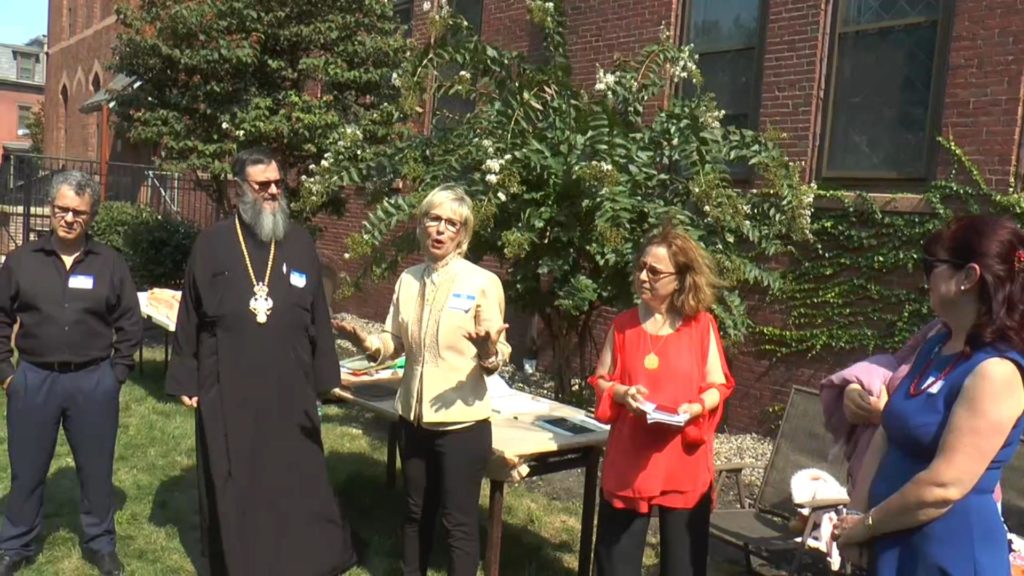
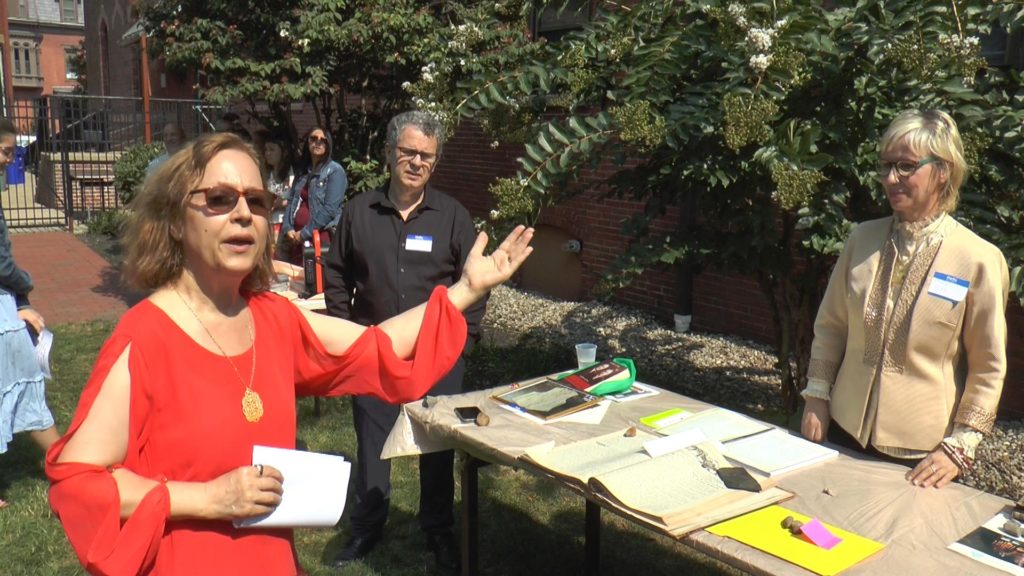
At the Mediation Garden, back of the Chancery building, west of the Saint George’s Cathedral, a set of eight tables served as stands for the participants of  the First Fall Fair this Sunday. About a month ago, the iniciator and hostess Neka Doko, sent out an invite calling for presentations of “the best of recent family products or old artifacts and historic memorabilia inherited from your family.” Vatra, Fan Noli Library, Albanian Chancery, South Boston, Life School of New York, MaasBesa, Gocat e Bostonit, Worcester Music and Dance Festival were on board as supporters. Businesses and representatives included Arbonne International, Life School, Apiculture Family Business, Elbasan Traditional Pastries, Vinny Santal Boston, Massachusetts, Fan Noli Library contributors and friends, L&T Abruzzi Wine, Importer and Distributor. The result was a veritable feast of culinary and food products from honey to olive oil, organic gastronomic and beauty products, as well as rare historical items.   

“The theme,” says Neka Doko, Head of the Fan Noli Library, “is the 100th anniversary of the diplomatic relations between Albania and the US. Yet the approach is rather innovative.” She places emphasis on promoting traditions and  entrepreneurs that embrace Echo standards in their presentations.  Armed with the “know-how” by the Life School’s Mission Driven Entrepreneurship, Neka set out to bring this presentation to the community. 

Archimandrite Theophan, after completing Sunday mass, stepped out on the grass area of the garden, to greet the participants and then say a prayer for the event. He and Neka went to each stand to introduce the respective vendor, who spoke briefly about their product and professional careers. 

“I didn’t know that there are Vlora Sardines and Albanian dairy products here in Boston,” says Silva Hani, who is a financial advisor. At the fair, she presented homegrown honey, a hobby she inherited from her father who is currently in Albania.

Andrea Pani, third generation of a distinguished Vatra family, is at the Dielli and Vatra table, where one finds rare publications such as the Vatra Calendar of 1918. Among them, the first Vreshta (the Vineyard) issues in 1970s, which Neka says laid the foundation of the Noli library. Andrea showcases a framed  black and white photo of a man’s vest. At the upper right corner of the picture, handwritten in printed letters is the name: Faik Konica. He explains that his grandfather Vasil Pani had taken care of some of Faik Konica’s possessions. Years after his father passed, Andrea discovered that he had some items of historical significance such as the photo of the vest and indeed the vest itself. 

From the next table that displays  a banner that reads Arbonne International, a line of organic food and beauty products, Anila Hasko Kurti walks just a few steps and reaches for an item on the Vatra stand. It is a binded copy with a laminated cover of Vatra Calendar 1918. She quietly turns the pages in search of something she knows she will find there. Then stops at a page showing a group photo with the caption: Vatra Manchester #4, New Hampshire, and points at a young man in the third raw and another one in the middle of the top raw. “This one is Islam Kurti, my grandfather and that one is Emin Kurti, his brother,” she says. It is hard to say what the expectations were of the people coming to the fair, but it seemed that this buffet offered samples, surprises and exchanges potentially fruitful and meaningful. 

John Pappas of the Pappas family, one of the founders of Saint George’s Church, sits behind a white clothed table with an impressive display of  publications starting with the original copy of Faik Konica’s Albania: The Rock Garden of Southeastern Europe  and photocopies of issues of Dielli marking its  50th anniversary, and so on.  Vatra President Elmi Berisha could not attend the event in person but has been supportive of it since its initial stages.  In my remarks, I noted the ongoing collaboration as a source of our strength. “To mark the 100th year of the Albanian American diplomatic relations,  the community celebrated the opening of the photo exhibit at  the Worcester Historic Museum at the end of June, Vatra hosted a conference on July 23rd, and now we are gathered at the Fall Fair hosted by the Fan Noli library ”  The proceeds will go to offset the cost of an English language publication supported by friends of Fan Noli library titled “Albanians of Americas”, a long-term project of the Library’s Cultural Fund.  

“There are no limits to what humans can reach,” emphasizes founder of Life School New York, Elona Lopari. Perhaps the same can be said about Sundays Fair. In view of the areas of interests and industries presented, it could generate new ideas and partnerships that could go into so many directions. 

Filed Under: Opinion Tagged With: Rafaela Prifti

A do sjellë një libër më shumë hulumtime për veshjen e nusënisë krajane?

September 19, 2022 by s p

Rafaela Prifti /

 
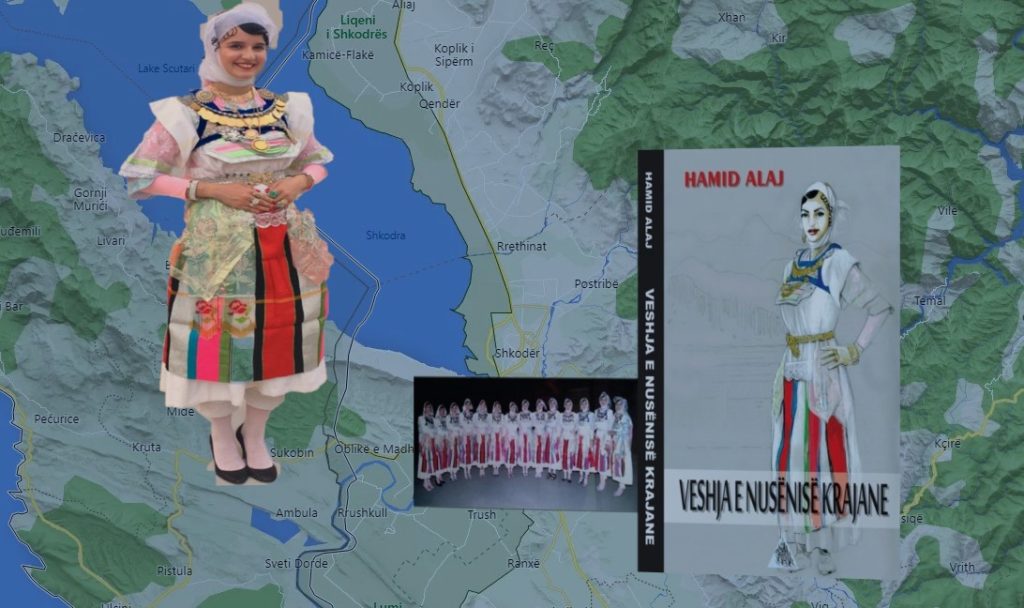
Veshja e Nusënisë Krajane është dëshmi e pasionit të autorit Hamid Alaj për etnografinë popullore të vendlindjes. Prej vitesh i emigruar në bregun tjetër të Atlantikut, ai lundron “në oqeanin e vlerave dhe kulturës krajane” për të qëmtuar sa më shumë të dhëna për veshjen e nusënisë së trevës së Krajës. Duke ia kushtuar tërë punimin këtij “thesari të femrës krajane”, autori tenton të plotësojë mungesën e studimeve etnografike për këtë veshje dhe t’i japë vendin e merituar një elementi kaq të rëndësishëm për kulturën dhe identitetin e trevës së Krajës dhe për veshjet popullore shqiptare në përgjithësi. 

Femrën krajane e sheh të mbajë veshjen e nusënisë në raste të gëzimeve familjare dhe në ditët e festave në diasporë. A mund të thuhet se është “veshje muzeale” dhe traditë e braktisur nga brezi i ri? Hamid Alaj shpjegon se “Nuset e reja, vitin e parë të martesës e vishnin më shpesh këtë veshje (kostum), bile edhe kur shkonin në gjini (prindërit e tyre), në treg, në dasmë etj.” (faqja 11), por veshja “mbetet gjithnjë një nga manifestimet më të fuqishme të kulturës popullore” (faqja 13). Synimi tjetër i autorit është plotësimi sadopak i zbrazëtive të studimeve etnografike të mirëfillta për këtë lloj veshje tradicionale, e bartur brez pas brezi si pjesë e kulturës materiale të trevës së Krajës. Alaj e trajton funksionin identifikues të vetë kostumit që manifestonte gjendjen civile të nuses si shprehje e domosdoshmërisë “që vajza e martuar (nusja), të mos duket dhe vishet më si vajzë, pra me veshje të vajzërisë, por të duket dhe vishet si nuse, pra nusërisht.” (faqja 16) 

Në lidhje me origjinën e veshjes dhe emërtimin popullor “veshja allaturka” ekzistojnë disa interpretime. Autori argumenton se treva e Krajës dallon në këtë aspekt nga krahinat e tjera shqiptare. Për të demonstruar evolucionin e veshjes mund të jetë më e lehtë sepse gjurmët e ndikimeve të njëpasnjëshme kulturore e historike mund të evidentohen vizualisht në formë kronologjike, ndërsa për emërtimin “allaturka” tezat janë më eluzive. Afërmendsh, hipoteza e parë është e lidhur me ndikimet e kulturës orientale dhe popullsinë e islamizuar të trevës së Krajës. Hipoteza e dytë lidhet me gjurmë të një kostumi antik, që sipas autorit ia vlen të hulumtohet më tej. Një interpretim tjetër i jep përparësi funksionit estetik meqë për dallim nga veshja e përditshme, ajo “allaturka” ishte pjesë e pajës nusërore dhe mbahej në raste të veçanta. 

Autori paraqet me imtësi strukturën artistike të veshjes, motivet (yrnekët) zbukuruese, qendisjet dhe vizatimet dekorative, praninë e të cilave e konsideron bazë të hipotezës për prejardhjen e tyre të lashtë meqë për gjenezën e tyre nuk ka të dhëna të mjaftueshme (faqja 54). Në studime të mirëfillta etnografike nga etnografë shqiptarë si Dr. Drita Halimi, Andromaqi Gjergji etj është provuar teza se “kmisha” (këmisha), petku i gjatë i veshjes popullore haset te gratë pellazge nga shekujt III-II para erës sonë, në Shqipëri, Kosovë, Maqedoninë Perëndimore, një pjesë të Malit te Zi, të njohura si treva shqiptare; prandaj “nga ky kontekst mund të themi se edhe “kmisha e nuses” krajane, pa dyshim se duhet ta ketë prejardhjen nga kjo kohë,” argumenton Hamid Alaj. 

Në libër përshkruhet procesi i endjes, prerjes, dhe qepjes së pëlhurës, paraqiten pajisjet artizanale si tezgjahu (tezjehu) dhe veglat e tjera të punës duke përfshirë ndërtimin, mekanizmat dhe funksionin e tyre. Një kapitull i gjatë rendit në mënyrë të detajuar, të shoqëruar me ilustrime e foto nga autori, çdo element përbërës të veshjes së nusënise krajane: fanella, fistra, mang’t, kmisha, tpanat, gryka, xhamadani, toja e brezit, boçja, cevra, riza (manili), toja, xhemperi, setra, kaferxhiu, kurdelet, degermia, duvaku, çerapt (çorapet), kunrat (këpucët), stolitë. Njohja me çdo pjesë të veshjes, e vendosur në kontekst, mund të jetë me interes për të ndjekur zanafillën dhe evolucionin e elementeve të saj. Por synimi i autorit në mbledhjen e sa më shumë të dhënave si nga literatura ashtu edhe nga femrat krajane është përqendruar tek gjurmimet e ardhshme dhe parashtrimi i hipotezave për kërkime vijuese.  Përsa i takon aspektit gjuhësor, Alaj ka ruajtur emërtimet vendase dhe krahas tyre ka shënuar termat sinonime si per shembull tezjehu (tezgjah, avelmend).

Libri përmban teza e hipoteza për emërtimin, prejardhjen, shtresëzimet, evolucionin që i përket një tradite të “braktisur nga brezi i ri i femrave” (faqja 69). Qysh prej fillimit të viteve ’90, veshja është pjesë e rekuizitës së femrës për raste të gëzimeve familjare apo në festa të diasporës krajane. Por një grup i grave nga treva e Krajës, pjesëtare të OJQ Kranjania përkujdesen për ruajtjen e trashëgimisë kulturore dhe posaçërisht veshjen e nusënisë krajane duke e punuar dhe kompletuar kostumin me anë të porosive nga të interesuarit. Në vitin 2019 shoqata pati 22 kërkesa nga diaspora krajane në Nju Jork, ku jeton komuniteti më i madh i krajanëve jashtë vendlindjes, pohon autori. Çdo përurim i librit, duke nisur nga promovimi në Vatër vitin e kaluar si edhe gjatë javës së Krajës këtë vit, kanë krijuar një rast a mundësi, ashtu siç janë gëzimet familjare, për të parë vajzat dhe gratë e trevës së Krajës me veshjen e nusërisë krajane. Vetë promovimet e librit janë kthyer në akte të kultivimit të këtij elementi të rëndësishëm të etnografisë krajane dhe trashëgimisë sonë të përbashkët kulturore. 

Hamid Alaj është autor i nëntë librave. Nga viti 2018 është arkëtar i Shoqatës Atdhetare Kraja në Nju Jork dhe anëtar i Këshillit të Qendrës Islamike Shqiptaro-Amerikane në Queens. 

Filed Under: Komente Tagged With: Hamid Alaj, Rafaela Prifti

Zogaj Durmishi Duo, Eager to Perform for the Community in the Upcoming US Tour

September 16, 2022 by s p

Rafaela Prifti/

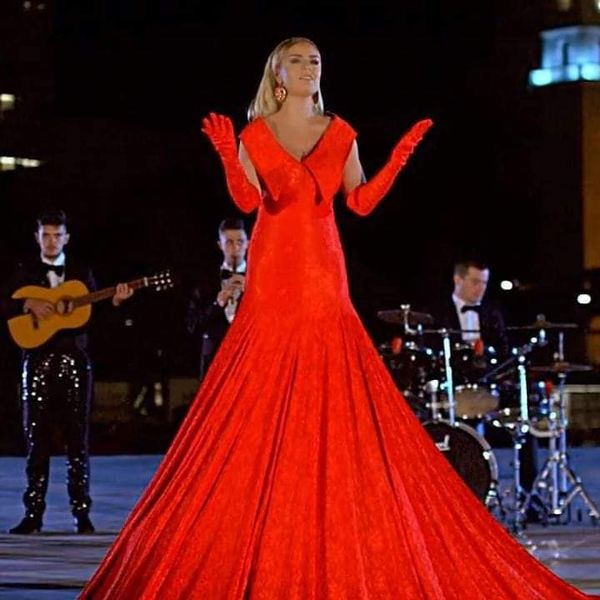
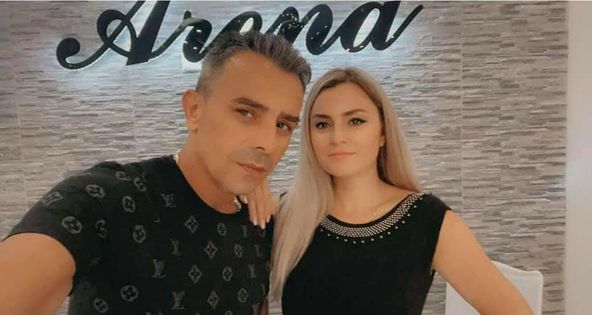
The Zogaj Durmishi pair have connected to each other through their love of music. It is that medium that links them with the Albanian audience around the world and keeps the fans coming back for more. The upcoming US tour of the Albanian duo of performers Zogaj – Durmishi is made possible under the auspices of USALB Parties Corp. The couple has visited the US a few times and was featured on the USALB TV programs. Responding to the audiences demand for the celebrity singers, USALB Parties Corp is sponsoring a music collaboration scheduled on Albania’s Independence Day festivities at the end of November through winter holiday celebrations. Zogaj’s repertoire includes her best known and popular hit songs that celebrate Albania, the country and flag. Durmishi will perform a few arrangements of folk inspired Southern Albanian songs that are played on musical instruments typically used in the Northern and Southern regions.

The pair’s love story starts more than two decades ago. Fahrije Zogaj, who had just graduated from high school in the war torn country of Kosovo, and Bujar Durmishi, a young man from Albania, met and fell in love. Both were raised by parents who instilled in them the Albanian traditions of honor and respect. They also shared a profound affection for music. Fahrije says that her father and brother play the violin and are song performers in Kosovo.

Joined together in marriage and by music, they launched their careers and shared their voice and talent with audiences far and wide in Albania and neighboring countries. Fahrije has released a dozen albums and hit songs popularized in music video productions and media platforms. The duo’s initial success continued with many song releases and guest appearances on many of the top television shows. “They are two well-known names of the Albanian variety show, with whom the public has been associated for years,” writes Albania_Showbizz magazine.

It did not take long for the popularity of the husband and wife performers to reach across the Atlantic. Previously, Fahrije Zogaj and Bujar Durmishi have been invited as guests in the US. “Each trip is an emotional journey,” says Fahrije, validating “the crucial role of the United States leadership in the events that led to the Kosovo independence’. A key voice of the Albanian American community is the Pan Albanian Federation of America Vatra, a New York based social and cultural organization. At last year’s festivities that marked the 109th year of its foundation, Fahrije Zogaj and Bujar Durmishi were invited as guests of Vatra. During that visit they went on to make guest appearances on USALB TV. The couple has traveled to a few US cities like New York, Boston etc. and has enjoyed meeting with compatriots in the diaspora as well as many of their music fans.

Their connection with music is at the heart of their union which Zogaj and Durmishi celebrate in their performances and share with the audiences. They are excited about the upcoming US tour and say that performing gives them the greatest joy. The tour dates schedule and events will be managed by Gjergj Kovaçi, Head of USALB TV and USALB Parties Corp.

Filed Under: Kulture Tagged With: Rafaela Prifti

Porosia e Fundit e Profesorit Ferdinand Leka: A mund të flasim e të shkruajmë pak më shqip?

September 14, 2022 by s p

Rafaela Prifti/

Për nga vëllimi i punës dhe prurjet në leksikografinë shqipe, Profesor Doktor Ferdinand Leka (Prill 1930- Korrik 2022) i përket brezit të lëvruesve klasik të gjuhës. Ai pranonte se së pari ishte gjuhëtar dhe se përkthimet ishin dytësore, por e parë në tërësi vepra e tij voluminoze është shprehje e një përkushtimi të hershëm e të pashuar për gjuhën. Bibliografia e tij rendit 70 publikime në 4 gjuhë, 27 punime dhe 162 tituj e referenca përfshirë fjalorë terminologjie, gjuhësorë etj. Pa kurrfarë hezitimi, Profesori Leka pohonte se pasioni i tij ishte leksikografia. Simbioza me fjalën shqipe nisi herët dhe vazhdoi gjatë. Idhtar i palëkundur i gjuhës së njësuar shqipe, ai flet me admirim për gjuhëtarët e Kosovës të cilët në Kongresin e Drejtshkrimit (1972) pranuan versionin standart të shqipes, të vetëdijshëm për domethënien e këtij akti në rrafshin e identitetit kombëtar. Nga të gjithë referuesit në Kongres, duhet të ketë rënë në sy kualifikimi i Profesor Lekës si diplomant në gjuhën serbe i Liceut të Shkodrës. Në këtë institucion prestigjioz, kujton Profesori, jepnin mësim edukatorë të nivelit të lartë të përgatitur nga Shkolla Normale e Elbasanit. Vec kredencialeve profesionale, thotë ai, këta mësues jepnin të njëjtin program rigoroz si në Gjimnazin e Shkodrës ashtu edhe në një gjimnaz të largët në Mirditë apo kudo gjetkë.

I mbrujtur me frymë iluministe. Ferdinand Leka e vuri formimin e tij gjuhësor të latinishtes, italishtes si edhe frëngjishten, greqishten e Vjetër dhe gjermanishten në të mirë të përhapjes së dijeve. I sapodiplomuar nga Gjimnazi i Shkodrës më 1946, ai shkoi në Kukës dhe hapi e drejtoi për katër vjet Shtëpinë e Kulturës ndërsa priste të merrte të drejtën universitare. Edhe këtë fakt humanitar ai e ‘zbut’ me modesti duke kujtuar shembuj të ngjashëm siç ishte Tonin Rropi në fushën e muzikës. Akte të tilla ishin fare të thjeshta për të sepse manifestojnë parimin e tij udhërrëfyes: “Njerëzve nuk ka nevojë t’ju predikosh, mjafton t’ju hapësh sytë.” Nuk besoj se ka ndonjë aforizëm tjetër që mund t’i vijë më për shtat situatës bashkëkohore në mbarë botën.

Pasi kreu studimet universitare filologjike për Gjuhën Ruse, Leka u punësua në Sektorin e Terminologjisë në Institutin Akademik. Ndonëse është autor i Fjalorit Italisht Shqip dhe bashkautor i shumë fjalorëve dygjuhësh, Profesori Ferdinand Leka nuk ishte i ftuar në studio dhe as i intervistuar në gazetat shqiptare të sistemit të kaluar. Në vitin 2006 ai pranoi një bashkëbisedim të regjistruar në video me Ardian Murraj, realizues në TVSh. Materiali u pasqyrua në programet e bashkësisë shqiptare në Shtetet e Bashkuara dhe nën kujdesin e realizuesit u rifreskua me të dhëna bashkëkohore, në kanalin YouTube në 2018. Profesor Leka përmend në bisedë se kur Fjalori i Gjuhës së Sotme Shqipe, botuar më 1980, u nderua nga zyrtarët komunistë, çmimi i Republikës iu dha Kryeredaktorit dhe Redaktorëve por jo autorëve me arsyetimin se “ishin shumë”. Po të bëjmë një metafor me sportin, thotë Profesor Leka me humorin e hollë shkodran, “morën çmim arbitri dhe trajneri, por jo skuadra dhe lojtarët.”

Bashkëpunëtorja e tij Lucia Nadin, autore dhe studiuese e historise shqiptaro italiane, ka shprehur konsideratë të thellë dhe mirënjohje për Profesorin Ferdinand Leka për diapazonin e padiskutueshëm gjuhësor dhe kontributin në leksikografinë dygjuhëshe.

“Leksikografia është pjesa më e lëvizshme dhe e gjallë e gjuhës,” theksonte Profesori. Kjo do të thotë se fjalorët duhen punuar e freskuar shpesh, dhe ribotuar çdo dekadë. Si një klasik i vërtetë, Ferdinand Leka barazvlerëson gjuhën dhe flamurin. “Një popull ka një fjalor dhe një flamur, – flamuri përfshin territorin e traditat por gjuha është ajo që mbetet në shekuj, pra krahas flamurit është edhe fjalori.”

Edhe në përzgjidhjen e përkthimeve shquhet prirja e tij për vlera të mirëfillta letrare dhe pasurim të letërsisë shqipe. Ferdinand Leka përktheu nga Francesco Petrarka Lirika të zgjedhura nga Canzoniere, nga Alessandro Manzoni (1842) Të fejuarit, që cilësohet si e dyta vepër klasike pas Komedisë Hyjnore. Në veprën Lavdërimi i Cmendurisë nga Erazmit i Roterdamit, Profesori Leka vlerëson njëherazi autorin si mendimtar i viteve 1500 ashtu edhe librin si një kryevepër e letërsisë botërore, e papërkthyer kurrë më parë në shqip. Me përkorjen dhe erudicionin e një akademiku, ai i dhuroi përkthimeve shqipe së bashku me veprën edhe biografinë e Erazmit shkruar nga Stefan Cvajg. Profesori komentonte se jeta e të dyve kishte patur paralele të dukshme. Vetëm një shikim i shpejtë i disa prej titujve të veprave të përkthyera flasin për kulturën e tij fenomenale dhe mprehtësinë mendore. Profesor Ferdinand Leka ka përkthyer: Jezusi i Nazaretit nga Joseph Ratzinger, Papa Benedikoti XVI, Të kapërcehet Pragu i Shpresës nga Shenjtëria e tij Gjon Pali II, Histori e Kishës nga Michel Lemonnier, Lavdërim i Disiplinës nga Bernhard Bueb, Botëkuptimii i Dostojevskit nga Nikollaj Berdjajev, Për të kuptuar Muzikën e Sotme nga Henry Barraud.

Lexuesi i librit me ese të Faik Konicës Shqipëria: Kopsht Shkëmbor në Evropën Juglindore është njohur me pikëpamjet e tij më thelbësore në fushën filozofike, historike, politike e gjuhësore. Por nëse ju ka rënë në dorë botimi i Shtëpisë Botuese Marin Barleti Tiranë, 1993, apo ribotim i tij, atëherë keni lexuar mendimet e Faik Konices përkthyer nga Ferdinand Leka. Ai e quan Konicën “mjek” për nga mënyra sesi dinte të jepte vlerësime por edhe kritika e qëmtime filozofike për shqiptarët, historinë, kulturën, gjuhën.

https://youtube.com/clip/Ugkx3JHxWkrwcRh3wX-4hLtjGxhzNv5ll1gk Admirimi për figurën e Konicës si edhe kërshëria e entusiazmi u bënë shtysë për përkthimin e eseve nga anglishtja në shqip. Profesor Leka pohon se nuk është njohës ekspert i anglishtes, por duke arsyetuar se Konica i kishte menduar esetë së pari në shqip, ai dëshironte të hynte në këtë “sfidë” me gjigantin e stilit për të qëmtuar fjalën që mund ta ketë menduar Konica në shqip përpara se ta shkruante atë anglisht. Kurrë nuk do ta dimë nëse Konica do kënaqej me përkthimin nga Ferdinand Leka, por në vend të përgjigjes mund të marrim në konsideratë paragrafin e fundit të Kapitullit I – Shqipëria Vend i Mrekullueshëm: “Vetëkënaqësia është një qëndrim kundër diturisë dhe unë nuk pretendoj të kem shpëtuar pa gabime. Por mund të përsërit me sinqeritetin më të madh fjalët e shkrimtarit të vjetër, Hekateut nga Mileti, të cilat i kam vënë edhe në ballë të librit: “Po i shkruaj këto gjëra sepse më duket se janë të vërteta.” Tek ky mesazh autori dhe përkthyesi ndihen krejtësisht të unifikuar me njëri tjetrin.

Nderimi i emrit dhe punës së gjuhëtarit të përkushtuar Ferndinand Leka, do ishte vetëdijshmëria për pastërtinë e gjuhës dhe termave të përditshme kur flasim e shkruajmë shqip duke i rezistuar vërshimit të përkthimeve pa nivel dhe huazimeve pa vend të cilat e bjerrin si gjuhën ashtu edhe kulturën e komunikimit. Kaq e vlefshme ishte kauza gjuhësore për të sa deri në vitin 2018, ai po punonte dhe më vonë e përfundoi Fjalorin e Termave të Drejtësisë. Porosia e tij e fundit ishte i njëjti mesazh që e pat thënë gjatë festimit të 85 vjetorit të ditëlindjes se tij: “Librat tona mos i hidhni në kosh dhe mos harroni të na citoni për punën që kemi bërë.”Pranë emrit të tij sot mund të vendosen plot tituj e punime, por më e përshtatshmja mes tyre është porosia e shprehur në librin e tij: A mund të flasim e të shkruajmë pak më shqip?

Kolazhi dhe Fotot nga Ardian Murraj

Filed Under: ESSE Tagged With: Rafaela Prifti

  • « Previous Page
  • 1
  • …
  • 19
  • 20
  • 21
  • 22
  • 23
  • …
  • 52
  • Next Page »

Artikujt e fundit

  • NGA NJË KOLONI DE FACTO NË NJË KOLONI DE JURE
  • ADEM DEMAÇI, JO THJESHT FIGURË E REZISTENCËS, POR KATEGORI KONCEPTUALE E SHTETFORMIMIT
  • Roli i gazetës “Arnavud/Shqipëtari” në formimin e vetëdijes kombëtare te shqiptarët përballë politikave turqizuese të xhonturqve
  • Si investonte Serbia në thellimin e përçarjeve ndërmjet udhëheqësve shqiptarë dhe në shkëputjen e tyre nga ndikimi austro-hungarez
  • Marrëdhëniet e Gjergj Kastriotit – Skënderbeut me Republikën e Venedikut sipas dokumenteve të Arkivit Apostolik të Vatikanit, Arkivit të Shtetit të Venedikut dhe burimeve historike botërore
  • “U SHKEPUT NJE METEOR POR ZJARRI MBETET ZJARR…!”
  • Përurim i “American Dream” në Vatër
  • Një vit që ka filluar mbarë për Vatrën në Chicago
  • Kategorizimi i qyteteve shqiptare sipas Sami Frashërit në vitin 1890
  • Abas Kupi, historia, e vërteta dhe dashuria për atdheun…
  • Kur karakteri tejkalon pushtetin
  • ABAZ KUPI DHE LUFTA ANTIFASHISTE NË SHQIPËRI
  • Fortesa Latifi: “It can be difficult to grow up when you’re constantly faced with a younger version of yourself”
  • ABAZ KUPI, I HARRUAR DHE I KEQTRAJTUAR NGA HISTORIA ZYRTARE
  • VATRA DHE FAMILJA KUPI ORGANIZUAN SIMPOZIUM SHKENCOR ME RASTIN E 50 VJETORIT TË KALIMIT NË PËRJETËSI TË NACIONALISTIT TË SHQUAR ABAS KUPI

Kategoritë

Arkiv

Tags

albano kolonjari alfons Grishaj Anton Cefa arben llalla asllan Bushati Astrit Lulushi Aurenc Bebja Behlul Jashari Beqir Sina dalip greca Elida Buçpapaj Elmi Berisha Enver Bytyci Ermira Babamusta Eugjen Merlika Fahri Xharra Frank shkreli Fritz radovani Gezim Llojdia Ilir Levonja Interviste Keze Kozeta Zylo Kolec Traboini kosova Kosove Marjana Bulku Murat Gecaj nderroi jete ne Kosove Nene Tereza presidenti Nishani Rafaela Prifti Rafael Floqi Raimonda Moisiu Ramiz Lushaj reshat kripa Sadik Elshani SHBA Shefqet Kercelli shqiperia shqiptaret Sokol Paja Thaci Vatra Visar Zhiti

Log in

This website uses cookies to improve your experience. We'll assume you're ok with this, but you can opt-out if you wish. Cookie settingsACCEPT
Privacy & Cookies Policy

Privacy Overview

This website uses cookies to improve your experience while you navigate through the website. Out of these cookies, the cookies that are categorized as necessary are stored on your browser as they are essential for the working of basic functionalities of the website. We also use third-party cookies that help us analyze and understand how you use this website. These cookies will be stored in your browser only with your consent. You also have the option to opt-out of these cookies. But opting out of some of these cookies may have an effect on your browsing experience.
Necessary
Always Enabled
Necessary cookies are absolutely essential for the website to function properly. This category only includes cookies that ensures basic functionalities and security features of the website. These cookies do not store any personal information.
Non-necessary
Any cookies that may not be particularly necessary for the website to function and is used specifically to collect user personal data via analytics, ads, other embedded contents are termed as non-necessary cookies. It is mandatory to procure user consent prior to running these cookies on your website.
SAVE & ACCEPT