• Home
  • Politics
  • Opinion
  • Culture
  • Sports
  • Economy
  • Interview
  • Reporting
  • Community
  • Vatra

Dielli | The Sun

Albanian American Newspaper Devoted to the Intellectual and Cultural Advancement of the Albanians in America | Since 1909

Archives for April 2022

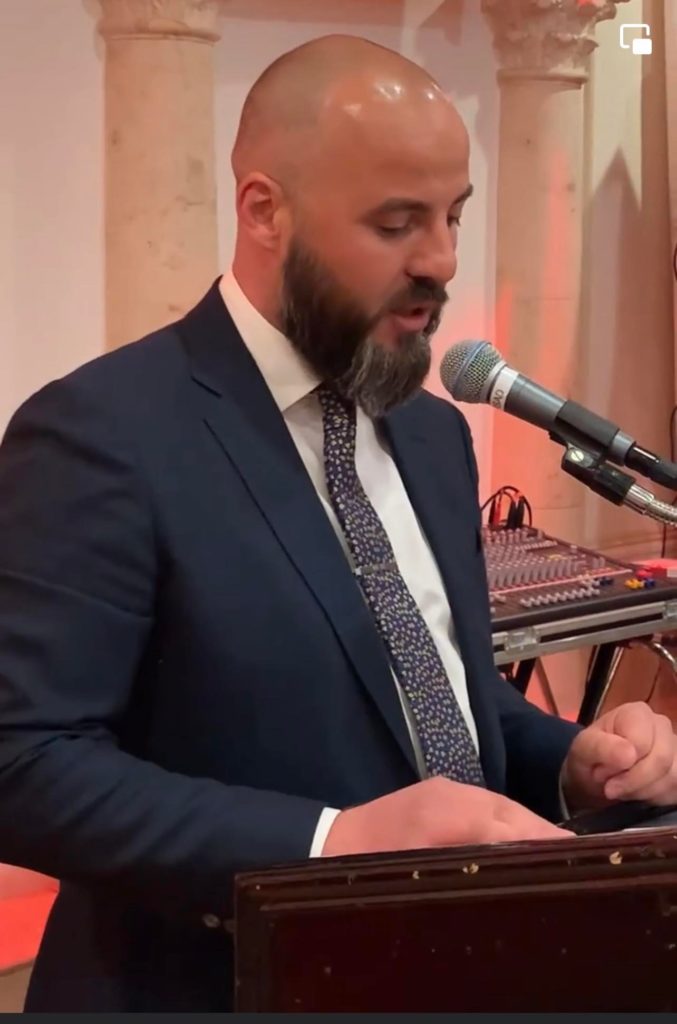
111 VITE NGA KRYENGRITJA E MALËSISË SË MADHE

April 3, 2022 by s p

Zef Ujkaj/

Sot kujtojmë 111- vjetorin e Kryengritjes së Malësisë, një prej ngjarjeve  më të rëndësishme historike jo vetëm për Malësinë,  por edhe për historinë e popullit shqiptar në tërësi. 

Dua të sjell në vëmendjen tuaj  disa nga momentet  më  kyçe të kryengritjes:

  • ngritjen e flamurit kuq e zi më 6 prill në Bratilë të Deçiqit, për herë të parë pas pesë shekujsh robërie në trojet shqiptare,
  • vendimet e Kuvendit të Greçës, duke i ofruar Rilindjes Kombëtare Shqiptare një memorandum, i cili do të bëhej programi bazë i luftës për liri e pavarësi të Shqipërisë,
  • marrëveshjen e Podgoricës të 2 gushtit, nga e cila mësojmë se turqit u detyruan të ulen në tryezën e bisedimeve, duke i marrë në konsideratë kërkesat e shqiptarëve.

Pas luftrave të shumta përgjatë periudhës së Rilindjes Kombëtare, shqiptarët kishin realizuar disa prej pikësynimeve të tyre në rrafshin kombëtar, kulturor e politik, por ardhja e xhonturqve në pushtet dhe masat antishqiptare si mbyllja e shkollave shqipe, klubeve apo gazetave; përndjekja e mësuesve dhe veprimtarëve shqiptarë; mohimi i kombësisë, mbledhja me dhunë e taksave të vjetra dhe vendosja e taksave të reja; çarmatimi, rekrutimi etj., shkaktuan pakënaqësi të madhe në mesin e tyre, dhe sollën shpërthimin e kryengritjeve pothuajse në të katër vilajetet. Xhonturqit nuk qëndruan duarkryq, por dërguan Shefqet Turgut Pashën për të shtypur kryengritjen e Kosovës dhe të Malësisë së Madhe, e cila ishte më e tensionuar se sa në krahinat e tjera. Nga terrori i egër i ushtrisë turke, shumë shqiptarë u detyruan të kërkonin strehim në Mal të Zi. 

    Malësorët themeluan  Komitetin e Podgoricës me në krye Sokol Bacin, Komitet, i cili shënoi pikënisjen për organizimin e kryengritjes antiosmane dhe bëri të mundur sigurimin e armatimeve, strehimin e emigrantëve dhe prezantimin e çështjes shqiptare nëpër qarqet diplomatike, si dhe afrimin e shumë patriotëve shqiptarë. Ndërkohë Krajl Nikolla synonte që lëvizjen e shqiptarëve ta shfrytëzonte për interesat e Malit të Zi. Kur malësorët nuk bënë kompromis ai iu ndërpreu ndihmat ushqimore dhe i detyroi të ktheheshin në shtëpitë e tyre. Kryengritësit nuk pranuan të dorëzoheshin në dorë të xhonturqve, por shpërthyen në kryengritje të armatosur për të fituar lirinë e shumëkërkuar. Në këto rrethana më 24 mars 1911, në Rapshë të Hotit filloi Kryengritja e udhëhequr nga burri trim e i mençur Dedë Gjo Luli, kryengritje e cila do të përhapej shumë shpejt në të gjithë territorin e Malësisë heroike dhe do të shkaktonte panik tek autoritetet osmane. Valiu famëkeq i Shkodrës, Bedri Pasha duke u munduar të shkaktonte përçarje mes kryengritësve i dha asaj ngjyrime fetare duke e  quajtur Kryengritje të të krishterëve. Malësorët dërguan disa përfaqësues, për të bindur vullnetarët, që iu ishin bashkuar osmanëve, se kjo kryengritje ishte e drejtuar vetëm kundra autoriteteve otomane dhe kishte objektiv kryesor çlirimin e Shqipërisë nga zgjedha e huaj. Shumë prej tyre reflektuan dhe dezertuan prej ushtrive të pushtuesit duke u bërë shembull tregues se turqit nuk do të mund të përçanin shqiptarët në baza fetare.

    Kryengritësve të Hotit, Grudës, Kelmendit, Kastratit e Shkrelit iu bashkuan shumë patriotë shkodranë, malësorë nga Trieshi, Koja, Fundënat, dukagjinas etj. Kryengritja e Malësisë vuri në lëvizje edhe krahina të tjera, në veri e jug të vendit, të cilat treguan mbështetjen e tyre përmes shpërthimit të kryengritjeve. Edhe shqiptarët e Amerikës i dolën në krah Kryengritjes, po ashtu  arbëreshët e Italisë, me synimin që Kryengritja të shtrihej në të gjitha territoret shqiptare, të sigurohej mbështetje nga qeveritë e huaja dhe të ndërkombëtarizohej çështja shqiptare.

    Më 30 mars në Cetinë u mbajt mbledhja e udhëheqësve të kryengritjes, e cila miratoi një memorandum, të miratuar nga Muharrem Bushati, Isa Boletini, Sokol Baci, Ded Gjo Luli, Abdulla Aga, Preng Kola dhe Mehmet Shpend, drejtuar Fuqive të Mëdha. Me anë të këtij dokumenti kërkohej paprekshmëria e territoreve shqiptare; njohja e gjuhës shqipe si gjuhë zyrtare në të katër vilajetet, njohja e kombësisë shqiptare; shpenzimi i të ardhurave buxhetore në dobi të vendit etj. Megjithëse Porta u bëri shqiptarëve disa lëshime, kryengritësit  nuk do të ndaleshin, derisa të arrihej autonomia  e  plotë e Shqipërisë. 

    Më 6 prill, pas luftimeve të ashpra, malësorët morën Deçiqin dhe po atë ditë në majën e Bratilës, Nikë Gjelosh Luli do të ngrinte për herë të parë, pas kaq shekujsh robërie flamurin në emër të të gjithë shqiptarëve. Ngritja e flamurit, do të shërbente si një tregues i qartë, se qëllimi i Kryengritjes së vitit 1911 ishte mëvetësimi i Shqipërisë. Shpirti i kësaj kryengritjeje ishte Dedë Gjo’ Luli, ky burrë energjik, me karakter të fortë, që kurrë nuk bëri asnjë kompromis në kurriz të të drejtave të shqiptarëve. Lajmin e ngritjes së flamurit në Deçiq e botoi  fillimisht gazeta e kolonisë shqiptare në Sofje “Liria e Shqipërisë” Aty  thuhet: “…malësorët luftojnë me flamur t’kuq me shqiponjen e zezë me dy krena, …. me bajrakun e Skënderbeut”. 

    Osmanët e cilësuan ngritjen e flamurit si disfatë, prandaj intesifikuan sulmet. Por meqënëse Bedri Pasha nuk po shënonte ndonjë sukses në shtypjen e Kryengritjes, në vend të tij u emërua Shefqet Turgut pasha, i cili zbarkoi në territoret shqiptare me një fuqi ushtarake të konsiderueshme, sikurse dhe materiale të shumta luftarake. Ai do të nxirrte në Shkodër një proklamatë prej 12 nenesh, duke iu premtuar kryengritësve falje nëse dorëzoheshin brenda 5 ditëve. Kryengritësit iu përgjigjën kësaj thirrjeje me një deklaratë, që u miratua në mbledhjen e mbajtur në Pikalë, deklaratë e cila iu dorëzua konsujve të huaj në Cetinë më 12 maj. Dokumenti konsistonte në parandalimin e masave ekstreme të ndërmarra nga osmanët kundrejt shqiptarëve. Sipas tyre kthimi në atdhe do të realizohej vetëm në rast se kërkesat e kryengritësve do të realizoheshin, kur Stambolli të siguronte drejtësi dhe barazi mes shqiptarëve, kur të respektonte zakonet dhe traditat e tyre, kur populli shqiptar të pranohej si komb, të jetonte i lirë si çdo popull tjetër, në të kundërt do të luftonin deri në pikën e fundit të gjakut për çlirimin e atdheut. 

Austro-Hungaria dhe Rusia kërkuan prej Portës që shqiptarëve t’u bëheshin disa lëshime në mënyrë që krizës t’i jepej fund. Kështu që, më 17 qershor osmanët shpallen amnisti të përgjithshme për kryengritësit shqiptarë nëse dorëzonin armët brenda një afati 10-ditor, por përpjekja e tyre rezultoi e dështuar. Meqë pjesa më e madhe e kryengritësve ishin katolikë, Stambolli kërkoi ndihmën e Arqipeshkvit të Shkodrës, Jak Serreqi, që të ndërmjetësonte midis dy palëve. Edhe ky mision dështoi pasi pikat e marrëveshjes binin ndesh me idenë e qartë të malësorëve për  autonominë e Shqipërisë. 

    Me nismën e Komitetit të Podgoricës, u mblodh në pllajën e Greçës, në Malësinë e Madhe Kuvendi i Përgjithshëm i krerëve shqiptarë, i cili më 23 qershor miratoi dokumentin më të rëndësishëm të kryengritjes, të njohur me emrin “Memorandumi i Greçës”. Me këtë akt kryengritja e armatosur e malësorëve kishte tani një program kombëtar në të cilin aderuan tashmë të gjithë shqiptarët. Memorandumi i Greçës parashtronte një program të plotë të autonomisë së Shqipërisë, ashtu siç ishte konceptuar ajo në platformën e Lëvizjes Kombëtare Shqiptare qysh nga koha e Lidhjes së Prizrenit. Ky memorandum kishte një rëndësi të veçantë, sepse dilte nga gjiri i kryengritjes dhe në formulimin e tij morën pjesë atdhetarë të krahinave të ndryshme të vendit e të kolonive shqiptare të mërgimit. Përmbajtja kombëtare e këtij memorandumi ishte një argument i fuqishëm për të kundërshtuar trillimet e qeverisë turke dhe të propagandës së shteteve fqinje, që mohonin karakterin e vërtetë kombëtar të lëvizjes shqiptare dhe e paraqisnin kryengritjen e malësorëve si kryengritje fetare për ruajtjen e venomeve të vjetra lokale. Më 26 qershor, “Libri i Kuq” iu paraqit ambasadorit turk në Mal të Zi, mbretit malazez dhe ambasadorëve të Fuqive të Mëdha të akredituara në Cetinë. Një memorandum i veçantë do t’i dërgohej edhe qeverisë angleze. Qeveria osmane i hodhi poshtë kërkesat e malësorëve pasi plotësimi i tyre nënkuptonte shkatërrimin dhe fundosjen e Perandorisë.

    Duke qenë se Porta e Lartë nuk po i detyronte dot malësorët të ulnin armët, kërcënoi Malin e Zi me luftë nëse do të vazhdonte të strehonte më tej malësorët, gjithashtu kërkoi ndërhyrjen e Fuqive të Mëdha. Ndërhyrja e Rusisë dhe Austro-Hungarisë, bëri që osmanët dhe malazezët të diskutonin çështjen e rregullimit të kufirit mes tyre, dëbimin e emigrantëve kryengritës nga Mali i Zi dhe përfitimin e kompensimeve materiale për mbajtjen e emigrantëve shqiptarë. Pas gjithë tentativave, Mali i Zi premtoi sigurimin e paqes mes malësorëve dhe osmanëve. Por meqënëse malësorët nuk lëviznin nga kërkesat e Greçës, osmanët paralajmëruan që do t’i ndiqnin kryengritësit malësorë edhe brenda kufirit malazez. Për arsye se kjo ndërhyrje parashikonte fillimin e luftës malazezo-osmane dhe më tej ballkanike, Mali i Zi kërcënoi malësorët me zi të bukës. Malësorët, duke konsideruar si të vetmen rrugëdalje marrëveshjen e pjesshme të ofruar nga osmanët, u ulën në tryezën e bisedimeve. Të gjendur mes dy zjarresh dhe pa asnjë mbështetje, më 2 gusht 1911 malësorët nënshkruan në Podgoricë marrëveshjen e paqes me përfaqësuesit e qeverisë xhonturke. Fakti që Perandoria Osmane u detyrua të nënshkuante një marrëveshje me malësorët, në sytë e shqiptarëve zhveshi mitin e pathyeshmërisë së saj dhe përgatiti rrugën drejt organizimit të revolucionit kombëtar shqiptar të vitit 1912. Pavarësisht gjithë shpërblimeve, posteve dhe pensioneve të ofruara nga xhonturqit,  Dedë Gjo Luli nuk pranoi të kthehej në atdhe për sa kohë që nuk njihej autonomia e Shqipërisë. Duke qenë se ndërkombëtarët nuk dhanë asnjë garanci lidhur me lëshimet e bëra, Porta nuk do të zbatonte pothuajse asnjë pikë të koncensioneve. Kur  kryengritësit u kthyen në shtëpitë e tyre, xhonturqit iu rikthyen politikës antishqiptare. Ata bënë gjithçka që zbatimi i pikave të marrëveshjes së Podgoricës, që fillimisht iu premtua gjithë sanxhakut të Shkodrës, të kufizohej vetëm në krahinën e Malësisë së Madhe e më pas për malësorët e riatdhesuar nga Mali i Zi. Të ndodhur në një situatë kritike, malësorët do të bëjnë gjithçka që të sigurojnë armë dhe të fillojnë  kryengritjen e radhës për çlirim të plotë nga pushtimi turk. Ndërkohë shtetet ballkanike, duke e vlerësuar autonominë e Shqipërisë si një pengesë për plotësimin e synimeve të tyre pushtuese ndaj tokave shqiptare, vunë të gjitha forcat për ta penguar Kryengritjen e Malësisë dhe për të mos lejuar që ajo të kthehej në kryengritje të përgjithshme. Me ngritjen e flamurit kombëtar në Bratilën e Deçiqit dhe me programin mbarëkombëtar të Greçës u vërtetua se Kryengritja nuk ishte as lëvizje lokale, as fetare dhe as e nxitur nga Mali i Zi. Aq e rëndësishme ka qenë për Shqipërinë Kryengritja e Malësisë së Madhe, sa themeluesi i shtetit shqiptar, Ismail Qemali, do të shkruante lidhur me të: “Trima malësor – shqiptarë që i zbardhen faqen Shqipërisë për gjithë jetën”. Kryengritja e Malësisë e vitit 1911 tregoi qartazi se ishte një kryengritje e bazuar në idenë kombëtare për pavarësi.Ajo përbën një prej ngjarjeve më të rëndësishme të historisë së Shqipërisë dhe na bën edhe sot të ndihemi krenarë që jemi bijtë e Malësisë heroike. 
Filed Under: ESSE

100 Years of Hungarian–Albanian Diplomatic Relations

April 3, 2022 by s p

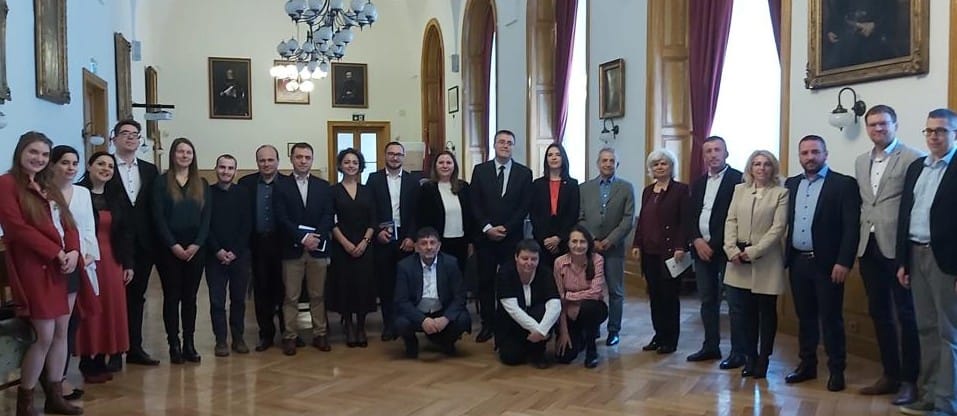
International Conference Organized by Albanian Studies Program  Department of Eastern and Central European History and Historical Russistics Faculty of Humanities, Eötvös Loránd University (ELTE BTK), Budapest in partnership with the Institute for Foreign Affairs and Trade, held on 24-25 March 2022

Prof. Dr. Musa Ahmeti

Center for Albanian Studiues

The International Conference “100 Years of Hungarian-Albanian Diplomatic Relations” held on 24-25 March 2022, was organized by the Program of Albanian Studies, at the Department of History of Eastern and Central Europe and Historical Russian Studies, at the Faculty of Humanities, Eötvös Loránd University (ELTE BTK), Budapest in partnership with the Institute of Foreign Affairs and Trade (IFAT).

Although relations between Hungarians and Albanians have deep historical roots, diplomatic relations between Hungary and Albania were institutionalized in March 1922 and the first credentials were submitted on May 31, 1922. The multilateral relations arising from the framework created through these political relations between Albania and Hungary during the last 100 years, have shown that both countries have had a strong will to overcome the difficulties created by global challenges such as World War II and communism and have been able to intensify their dialogue not only in political and diplomatic fields, but at all levels, as evidenced by this recent conference.

After the official opening of the conference with Albanian and Hungarian anthems sung by the beautiful voice of the well-known Albanian soprano who lives and works in Hungary, Ms. Alisa Katroshi, the floor was given to Dr. Etleva Lala, director of the Albanian Studies Program to introduce the participating authorities and researchers. The Dean of the Faculty of Humanities at ELTE University, Prof. Dr. Dávid Bartus, greeted the conference participants noting some of the main activities of the Albanian Studies program in these last 10 years. He emphasized the fact that in addition to the regular teaching of Albanian, a language that is becoming more and more attractive due to the increased attention of Hungarian politics and society towards Albania and Albanians, the program has organized many scientific activities, such as international conferences, workshops, round tables, book presentations and has been a scientific center, where political and academic personalities have been invited not only from Hungary, but also from the region. Prof. Dr. Bartus emphasized the importance of expanding this program and strengthening it, as it is the only place in Hungary, where Albanian and studies about Albanians are taught not only academically, but also practically.

Ms. Gentiana Mburimi, Chargés d’Affaires a.i. of the Republic of Albania in Hungary took the word emphasizing the historical ties that exist between Hungarians and Albanians dating back to long before the establishment of official diplomatic relations, mentioning Skanderbeg and Hunyadi, and also prominent Hungarian scholars such as Franz Nopcsa, Lajos Thallóczy, Istvan Schütz , Daniel Gjergj etc. They have made a great contribution in the field of ethnography, history and Albanian language, she stated. The Queen Géraldine Apponyi, the Hungarian countess who became the queen of the Albanians after her marriage to King Zog of Albania, in 1938 was another bridge between Albania and Hungary. Putting her emphasis on the excellent relations that exist in all areas, Ms. Mburimi stated: 

“Both our countries have shown the will to further intensify bilateral relations through visits at all levels, including high-level visits, as an important contribution to strengthening and intensifying political, economic, cultural, touristic cooperation, etc. During the last decade, three successful sessions of the Joint Intergovernmental Commission for Economic Cooperation between Albania and Hungary have been successfully completed. The good will of the two governments, high-level visits and the favorable business environment have made the economic cooperation between Albania and Hungary constantly increase. 

In recent years, well-known Hungarian companies such as WizzAir, OTP Bank, 4iG, etc. have strongly entered the Albanian market. WizAir has now one of its aircraft bases at Tirana International Airport and has recently launched flights from Kukes International Airport of Albania. Direct flights Budapest-Tirana-Budapest have significantly increased the number of Hungarian tourists visiting Albania but also the number of Albanian tourists visiting Budapest. We are confident that the number of tourists will continue to grow in the future. While Hungarian tourists travel to Albania to enjoy the endless natural beauties of the country, they also have the opportunity to enjoy delicious baking in the many Albanian bakeries in Hungary.

Cooperation is not lacking in the field of education either. As a result of a bilateral agreement between the Ministries of Education of Albania and Hungary, within the Stipendium Hungaricum program, Albanian students receive about 20 scholarships each year to study at one of the Hungarian universities, at all levels. The program of Albanian Studies, for 10 years, here at the oldest and largest Hungarian university is another indicator of educational cooperation between our countries. Thanks to the work of Dr. Etleva Lala, through this program, many Hungarian and international students have the opportunity to learn about Albanian culture and language.

Albania is also grateful to Hungary for its permanent and unconditional support for Albania’s integration into the European Union. The recognition of Kosovo as a sovereign and independent state by Hungary has been another step towards strengthening the friendship between Albanians and Hungarians. On the other hand, Albania has also supported Hungary in international organizations when necessary. Both in the good days and in the bad days, Hungary and Albania have shown that they stand for each other.” – concluded Ms. Mburimi. 

Former Ambassador of Hungary to Albania, Dr. János Huszár, said in his speech that he would not speak about Skanderbeg or Hunyadi, nor about the Hungarian scholars of the Albanian history and culture, whom he mentioned one by one, nor about the Hungarian queen on the Albanian throne, nor about many other events and important historical relations between the two peoples, but in his speech he would focus on the personal experience he had during his stay in Albania as the ambassador of Hungary, as well as during numerous previous and subsequent visits not only to Albania , but also in Kosovo and in the region. 

Dr. Huszár emphasized the drastic change that has taken place in Albania since the moment he stepped there for the first time. “At first, – he said, – Tirana seemed like an underdeveloped Middle Eastern country, while now there is no difference from European metropolises.” In his personal experience Dr. Huszár focused on his diplomatic mission, which consisted more in establishing ties and alliances between the elites of Albania and those of Kosovo, for stability and development in the region. In this context, he mentioned the meetings with the late President Rugova in his favorite wooden hut as well as the meetings with many personalities of politics, literature and culture both in Kosovo and in Tirana. 

The Ambassador of the Republic of Kosovo in Hungary, Her Excellency, Ms. Genesis Budima, focused on the importance of the support that Hungary has given to the Republic of Kosovo, not only through the recognition of its independence, but also through the security that it offers through military troops part of NATO. Thanking the director of the Albanian Studies program in Hungary, dr. Etleva Lala, Her Excellency, once again found the moment to emphasize the importance of this program for the study of the Albanian language and the history and culture of Albanians in the region, as the only center with such a character in all of Hungary. Here is a brief summary of her speech:

“On this day, 23 years ago, after months of living in terror, it was the day when the intervention of the NATO forces saved the Kosovo Albanians from extermination by the genocidal regime of Serbia. Today, on the anniversary of the victory of the force of human conscience, we thank NATO forces, which helped Kosovo to become free, and maintain its freedom and security, not just in Kosovo but in all Western Balkan region. Today, the NATO’s peacekeeping mission in Kosovo is led by Major General Ferenc Kajári, the first Hungarian officer the commander of KFOR, while Hungary provides the third-largest unit to this mission. Kosovo remains grateful forever to the guardians of peace and freedom, to the guardians of the humanity and the truth!

This brings me to the second point, the war of today, that started on the 24th of the last month. What we see today, the aggression of a war machine against a nation, it is not new to us. Thus the Republic of Kosovo expresses its unreserved solidarity and support to Ukraine and its people. The right to defend its territory and its people is a right of every nation, therefore Kosovo joined the response of democratic states and international organizations in taking actions and measures sanctioning Russia’s aggression war against Ukraine. We express our hope and belief that a determined and unified response by the international community against military aggression and invasion of Ukraine is crucial to end this war. Albanian nation, as Hungarian nation, is a peace-loving and freedom-loving nation, so we find ourselves in their heroism to fight for their freedom and their country, because we know very well the high price of freedom. We must never forget these lessons, for they are lessons of history. Recognizing this fact, Hungary was among the first countries that recognized our independence for which we are grateful and we seek to advance our bilateral relations.

And this brings me to the final point, the importance of this historical conference. Works like yours that you are going to present and discuss during this conference are essential. They are a necessity to remember and document the past. These conferences are of particular importance to study, discuss and emphasize the values that unite us and future that our nations want to see. Your passion for scientific studies and research is an extraordinary power that shall keep enriching also the bibliography of our diplomatic relations. I wish you a successful conference and I do look forward to read each and every work of yours.” – concluded H.E. Ms. Budima.

Dr. Dorian Koçi, director of the National Historical Museum of Tirana also greeted the participants in the opening ceremony of the conference, emphasizing in particular the importance of Hungarian-Albanian relations for our two nations and the Albanian Studies program in further promoting these relationships that are intensifying every day and more. More in detail, he would speak in his own presentation.

After the official opening, participants were invited to receive a copy of the book published by the Institute of the Ministry of Foreign Affairs and Trade (IFAT), the book of the Honorary Consul of Albania in Pécs, Mr. Avni Hafuzi, as well as the periodical of the United Union for Peace brought by the president of this society, Mr. Tibor Krebsz. Instead of the greeting speech, the Honorary Consul, Mr. Hafuzi chose to speak with deeds, not only bringing his free book to the participants, but also providing coffee and cookies to the participants.

The first session of the conference began its work on a beautiful library of the Department of History of Eastern and Central Europe, and the first to speak was the well-known Hungarian scholar, Dr. Krisztián Csaplár Degovics, researcher at the Hungarian Academy of Sciences. Dr. Csaplár Degovics, who has been dealing with the history of Albania and Albanians in Southeast Europe for years already, creating a leading authority of historical studies in this field not only in Hungary and the region but also beyond, spoke about the role that Austria-Hungary has played in the raising of awareness among Albanians to become a nation, emphasizing that this was done deliberately by the Austro-Hungarian monarchy and later by Hungary throughout the first half of the century XX.

The speech of dr. Dorian Koçi, focused on the diplomatic relations between Albania and Hungary in the years 1928-1939, identifying and highlighting all the state-building elements that followed during this time and giving a complex and yet clear overview of all elements of the development of a new state, in a difficult period for the whole of Europe. Not only the establishment of diplomatic relations shaped the path that Hungarian-Albanian relations would take, but also the further investment in the network of consuls in the region, the view of the Balkans as a new market not only for agricultural products, but also industrial ones, as well as the empowerment of the Albanian elites, whether through regional peace conferences, the marriage of King Zog with Countess Geraldine etc. in order to balance the interests and influence of Italy in Albania, the establishment of Skanderbeg’s order approved by King Zog, the exchange of high orders. All these elements prove that diplomatic relations between Albania and Hungary were quite dense and promising before the Second World War. The whole presentation of Dr. Koçi relied on archival sources and recently published specialized literature.

Dr. László Markusz, former Ambassador of the Republic of Hungary to Kosovo focused his speech on three aspects of Hungarian foreign policy, while outlining his topic on the Hungarian perspective of Kosovo’s independence: 1. The crisis in the region and the efforts of interested Hungary for peace and stability in the region and to alleviate the consequences of this crisis. 2. National minorities and the dedication of Hungary to protection of the rights of these minorities, wherever and whenever they are, since Hungarians themselves are minorities in many countries already. 3. Recognition of Kosovo’s independence very wisely, so as not to damage the balances neither within Hungary nor with the neighboring countries of the region. Dr. Márkusz described the difficulties and challenges that Hungary has encountered in achieving these points over the past 30 years. Dr. Márkusz is a senior researcher at the Institute of Foreign Affairs and Trade.

In the second session, Dr. Edmond Malaj, researcher at the Academy of Albanian Studies in Tirana and PhD student Lilla Menyhárt. Dr. Malaj in his paper entitled “Cultural and economic relations between Albania and Hungary during the second half of the twentieth century, the period of communism” focused in his paper mainly on cultural relations and spoke about a topic that has been neglected until now, which specifically relates to Albanian students and scholars who have studied in Hungary or in one way or another have been associated with Hungary and have lived in Albania. The vicissitudes of these students and scholars are little known to this day, hence his contribution was highly appreciated.

PhD student Lilla Menyhárt spoke at length about the Zogu royal family, their impact on the political and social organization of Albania, the royal family movements (illustrating these movements visually in a very rich and at the same time very clear PowerPoint presentation), continuing about the character of the Queen Geraldine. Although long, her presentation was followed with tremendous interest by the specialized audience and like the other presentations was followed by many constructive and supportive questions.

In the online session, the researcher of the Institute of History in Tirana, Dr. Gjon Boriçi spoke about the Hungarian anti-communist revolution of 1956 and its effects in Albania, as well as the relations between these two communist countries during the 1950s, in the context of being USSR satellites. In addition to many interesting issues presented by Dr. Boriçi, his argument that Albania during this period has received very large funds, but has mismanaged them by investing them in heavy industry, made all those present think about the consequences of such an experience of the Albanian leadership of that time.

Dr. Ines Murzaku, professor of religion and director of the Catholic Studies Program at Seton Hall University, gave a broad overview of Mother Teresa’s gentleness revolution, placing it in the context of the Balkan women who were the main nurturers of this revolution of Mother Teresa. It is precisely this environment and this spiritual food with which Mother Teresa has grown since she was little, what made Mother Teresa what she is nowadays for the whole world. Dr. Ines Murzaku is considered as the best connoisseur in the world of the life and work of Mother Teresa, probably due to the fact that she is not only Albanian and knows the Albanian and regional tradition very well, but also because she has been dealing with the forms of religion in these parts of world since a long time already.

The famous Albanian researcher and restaurateur, Prof. Dr. Frederik Stamati, as well as the editor-in-chief of the oldest Albanian newspaper in America, Dielli, Dr. Sokol Paja could not present their papers in person, but they had already sent them to the conference committee. Prof. Dr. Stamati described his personal experience with Hungarian laboratories and restorers and the impact these had had on his formation as a restaurateur. His collaboration with the best Hungarian researchers Prof. Dr. Stamati describes it the following way: “The course was of a very high scientific level. The acquired knowledge and literature that was donated to us, became the main basis where the work for the conservation of textiles with cultural and historical values ​​in Albania was based. Curiosity about the technical problems of the work made me talk about the epitaph of Glavinica. Marta Jaró undertook the chemical analysis of the metallic yarn used to embroider that epitaph. Study methods were used through non-destructive analysis based on nuclear physics. With those analyzes, another window was opened for the conception of the trade relations of our country in the 14th century. Later we invited Dr. Marta Jaró for a working visit to Albania, where she got acquainted with the epitaph.”

Dr. Sokol Paja has done research in Gazeta Dielli-The Sun to see how the marriage of King Zog with the Hungarian princess Geraldine Apponyi is presented in this newspaper and the results are very interesting: 

“The news of the marriage of the Albanian King Ahmet Zogu to the Hungarian Géraldine Apponyi de Nagy-Appony was news that for months dominated the Albanian print press both in Albania and in international media. The echo of this event reached the USA in the newspaper Dielli—Official Organ of the Pan-Albanian Federation of America Vatra. This great event for the Kingdom of Albania and the Albanian people was reflected in detail and with full enthusiasm in Dielli. The newspaper dedicated most of the space on its front page in its March, April, May and June editions of 1938 to articles, foreign cables of greeting, and editorials that provided detailsof the ceremony, congratulations, various descriptions of the festive atmosphere, biographies of the King and Queen and feelings and perceptions about this extraordinary event for the Kingdom of Albania. Dielli in its editorial wrote that Queen Geraldine immediately won the hearts of the Albanian people and described her as a“goddess sent from heaven.”

The newspaper described in detail, the arrival of Queen Géraldine in Albania as it was reported: “As soon as she stepped on Albanian soil, Her Majesty, Queen Géraldine, was first interested in the country’s poor and the establishment of a shelter for the elderly.” The newspaper Dielli described and tried to provide a précis of the physical and spiritual personality of the Queen, while focusing on the details, and on the good spirit she engendered.” Dielli called the marriage of King Zog to Queen Geraldine a blessing for Albania and Albanians. “It is lucky,” wrote Dielli in its editorial of May 1938, “that Albania is led by two wise and very kind sovereigns who lookupon their people from their hearts and we are more than sure that the Albanian nation will prosper under the leadership of their Majesties.”

In that May editorial, Dielli described in chronological detail the great work and transformation that King Zog had brought to Albania and that the great joy of the King was also the joy of the people. King Zog is quoted in Dielli as saying that he restored a ruined state, eradicated anarchy, united the people separated by the propaganda and interests of foreign countries, saved Albania from adventurers who worked against the interests of Albania and Albanians, and gave the state power, freedom, national progress,and civilization. Dielli makes a historical parallel between the friendship that Albania had with Hungary since the time of Skanderbeg, and this marriage of the King in strengthening and honoring the friendship of Hungary with the Albanian state. Countess Geraldine Apponyi, according to the April,1938 article in Dielli, made Albanians very happy because, “she has beautiful qualities, she is very cultured, is very noble, and is kind-hearted and generous. From her rare beauty, many virtues, Countess Géraldine Apponyi has earned the beautiful nickname ‘The White Rose of Hungary.’ We wholeheartedly wish that this White Rose grows in the beautiful garden of Albania and is the right hand of our KingZog for the well-being of the Albanian Nation.”

The expert level discussion that continued on Friday morning, organized by the Institute of Foreign Affairs and Trade (IFAT) and led by Ferenc Nemeth, researcher and coordinator of this institute, brought to a table Alba Çela, executive director of the Albanian Institute for International Studies, Eralda Methasani Çanin, Professor of Public Law in the Department of Law at the University of Tirana, and Géllert Horváth, EU expert at the Ministry of Europe and Foreign Affairs of Albania, to discuss not only the current situation in Albania in regarding its integration into the European Union, successes and failures so far as well as challenges for the future. Everyone agreed that it is time when it is required more than ever for Albania to come up with a clear vision for the future, not only for Albania’s rapid integration into the EU, but also to make Albania attractive for the absorption of European funds as and human capital lost in recent years.

In the last session, Dr. Musa Ahmeti, researcher at the Center for Albanological Studies in Budapest presented a part of his project for diplomatic relations between Hungary and Albania in a historical context, bringing to the attention of the audience not only the lists of ambassadors and charge d’affaires in these 100 years, but also the role of the Albanian Studies program in these relations, with a special focus on the activities of this program in the 10 years of its life. 

Dr. Etleva Lala, director of the Albanian Studies program and lecturer at ELTE University, presented the newest project of this program related to the icon of Albanology in Hungary in the second half of the XX century, István Schütz. The main points of this project are

1. Schütz as a Hungarian teacher to Albanian students and his influence.

2. Schütz as a teacher of the Albanian language to the Hungarians and his method of teaching.

3. Schütz’s dictionary / dictionaries as a first-hand source for the study of the Albanian language

4. Translations of Schütz and his time from Hungarian into Albanian and vice versa.

5. The life of a scholar – interpreter and translator between two Communist systems.

6. Schütz and the other languages ​​he studied and taught.

The project presented was an open invitation to all present but not only, to participate in this 5-years project in order to highlight better the communist period and the connection between Hungary and Albania through such an individual, who invested 63 years of his life to this cause. Through such an important personality for the Albanians in Hungary of the second half of the XX century aims not only to shed light on the bilateral relations of that period, but also to identify issues related to the individual’s relations with the communist system / systems. 

After Schütz, in the 90s of the last century, the historical studies of Albanians were dominated mainly by the Hungarian scholar József Juhász, and starting from 2010, the number of Hungarian scholars dealing with Albania and Albanians increased significantly, but the leading role is held by Krisztián Csaplár Degovics, making these studies accessible not only in Hungarian, but also to other scholars through his publications in English, German and even in Albanian.

Filed Under: Ekonomi

VATRA NGUSHËLLON DR. PASHKO CAMAJN PËR HUMBJEN E MOTRËS

April 3, 2022 by s p

I dashur miku ynë i çmuar Dr. Pashko Camaj

E nderuar familja Camaj

Lajmi se motra juaj e shtrenjtë Drita ndërroi jetë, na trishtoi shumë. Ajo luftoi fort deri në momentet e fundit duke humbur betejen me sëmundjen e pa shërueshme. Në emër të Federatës Pan- Shqiptare të Amerikës VATRA, në emër të të gjithë vatranëve e të familjes sime ju përcjell ngushëllimet tona më të sinqerta e më të dhimbshme për humbjen e motrës suaj të shtrenjtë Drita. Jemi pranë familjes Camaj, familjarëve e miqve në këto momente trishtimi, lamtumire e humbje. Lusim Zotin për shpirtin e Dritës. Pushoftë në paqe e përjetësi. Pranë jush dhe me nderime Kryetari i VATRËS Elmi BERISHA

Filed Under: Vatra

What a beautiful day

April 3, 2022 by s p

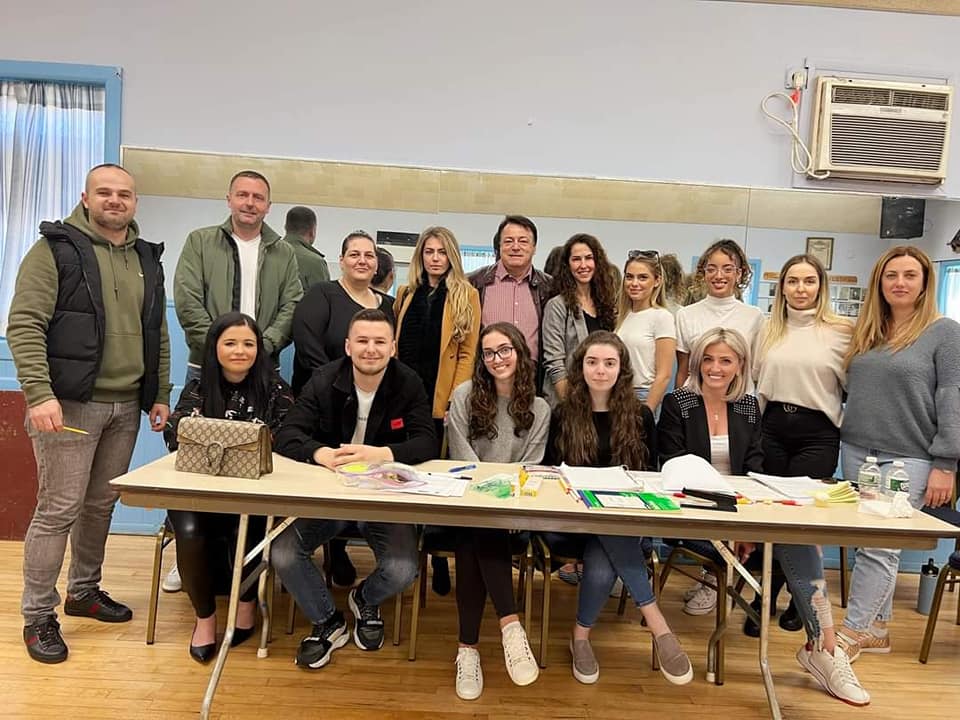
Shoqata Kraja vazhdon projektin e të mësuarit shqip dhe vallëzim. Ketë vit për her të parë ne bashkëpunim me Shoqaten e Ulqinit dhe Anës se Malit hapem dyert e klasave ‘Mëso Shqip’ dhe ‘Vallëzim Tradicional’ ku me sukses u regjistruan rreth 120 fëmijë. Pjesëmarrja e fëmijve dhe prindërve sot tejkaloj cdo pritshmëri. Klasa ‘Mëso Shqip’ do te udhëhiqet nga mësuese Arlinda Suka, ndërsa klasa ‘Vallëzim tradicional’ do të udhehiqet nga Nadia Hoxha dhe Hannah Demiri. Një falenderim i veçantë shkon për këta mësuese të mrekullueshme të cilat gjetën kohën dhe impenjimin të mësojnë fëmijet tonë. Falenderojmë të gjithë prindërit për besimin qe na dhuruan.Falenderojmë te gjithë antaret e Këshillit dhe të Kryesisë që sot ndihmuan me regjistrimin.Ju urojmë mësim te mbarë dhe argëtim fëmive.The future is bright!God bless all the kids! 🙏Thank you to everyone working today and creating a very successful registration process. @musa_ardoli @dafina.de @anda.gjenashaj @sabinakanacevic @armend_gjecbritaj Special thank you to our incredible language teachers:@lindaarjan for volunteering to teach our children and just being an incredible humanitarian.Our amazing dance teachers this year:Nadia, Hana & Lexi what beautiful young ladies to pass on the lessons they’ve learned over the years. Looking forward to a beautiful journey.
Filed Under: Komunitet

USHTRIA E PUTINIT DREJT DËSHTIMIT TË TURPSHËM

April 3, 2022 by s p

Kolonel (Ret) SF, Dritan Demiraj, Ph.D. Ish komandant i Forcave Speciale Shqiptare (2007-2013)./

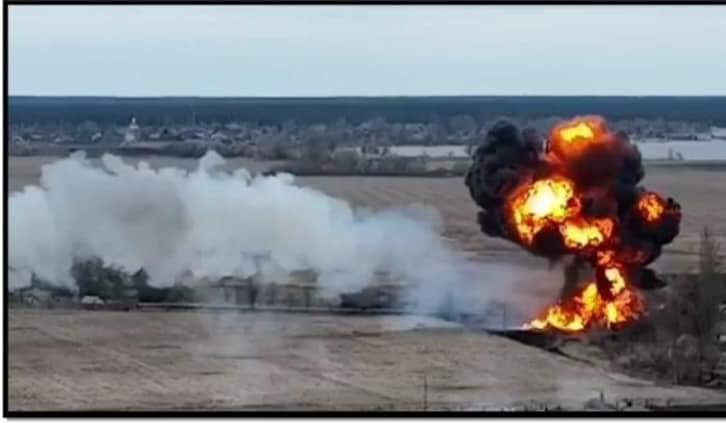
Ndërkohë që kemi hyrë në javën e gjashtë të përpjekjes së dështuar të Rusisë për të pushtuar Ukrainën, mendoj se duhen analizuar shkaqet, rrethanat të cilat po ndikojnë në këtë pushtim të jashtëligjshëm dhe kriminal.Në përpjekje për të mbajtur ritmin e operacioneve luftarake në Ukrainë, Vladimir Putini se fundi firmosi një dekret presidencial për mobilizimin e shpejtë të 134.500 rekrutëve të rinj të moshës 18-27 vjeç, kryesisht studentë nga universitetet dhe nga zonat rurale të Rusisë.Por si mund të ‘lexohet’ kjo? Tashmë pamjet e videove të tankeve, helikopterëve luftarakë, mjeteve të blinduara, transportit dhe logjistikës të shkatërruara me shumicë nga sulmet e vazhdueshme, intensive, ditën, natën në zona urbane dhe rurale të ushtrisë dhe të njësive të rezistencës Ukrainase po bëjnë xhirot e Botës.Këtyre videove u mungonin vetëm pamjet e rekrutëve studentë rusë të frikësuar, të pamotivuar, të papajisur, të pastërvitur, etj të cilët po merren me forcë në universitete, duke i çuar drejt vdekjes në një mision tashmë të pamundur. Janë vetë këta studentë, të cilët kanë denoncuar me zë dhe figurë dërgimin e tyre me forcë në Ukrainë, duke kërkuar që ato video të shpërndahen në mënyrë që t’i shohë e gjithë bota.Kjo tregon qartë se popullsia i Rusisë nuk është në armiqësi me popullin e Ukrainës, por është pushteti korruptiv tashmë krejtësisht i izoluar nga ndërkombëtarët i Putinit dhe i stafit të tij të ngushtë, të cilët duan shkatërrimin dhe nënshtrimin e Ukrainës.Askush nuk e kishte menduar se rezistenca e Ukrainës do të ishte kaq e suksesshme, e qëndrueshme dhe e lëvizëshme. Deri në ditën e sotme ushtria ruse përveç dinjitetit, forcës së ‘pathyeshmërisë’, luftës psikologjike, luftës informative, luftës së parregullt dhe luftës asimetrike, etj ka humbur më shumë se 30.000 ushtarë (të vrarë, plagosur, kapur peng, dezertuar nga posti luftarak) një numër shumë i lartë ky që pasqyron jo më pak 1/5 e sasisë së përgjithshme të trupave të angazhuara në luftime në Ukrainë.Kjo pasqyrohet qartë tek urdhëri i fundit për t’u tërhequr nga rrethinat e Kievit, rajonet e Çernobilit, në frontin e Kharkiv-it, Irpin, Chernihiv Zaporizhia, etj për tu përqëndruar më tepër tek dy republikat e shpallura të pavarura të Luhanskut dhe Donetskit. Është e qartë për çdo ekspert ushtarak se kjo tërheqje e detyruar vjen pas kundërsulmeve të suksesshme të njësive speciale ukrainase rreth kryeqytetit, pas humbjeve të turpshme dhe ky mobilizim i sforcuar tregon qartë situatën drastike në të cilën ndodhet ushtria ruse.Ky konflikt duhet të shërbejë për të nxjerrë mësime për ushtritë e NATO-s, përfshirë këtu edhe ushtritë tona në Shqipëri dhe në Kosovë, se duhet të ridimencionojmë sa më parë strukturat e njësive luftarake, pajisjet, armatimin dhe stërvitjen me qëllim përballjen me sukses të konflikteve të ngjashme në të ardhmen.Në këtë këndvështrim, pamjet e konfliktit në Ukraninë të kujtojnë vitet 1986-1989 kur muxhahedinët afganë në Afganistan shkatërruan hiç më pak se 333 helikopterë luftarakë dhe 113 aeroplanë sovjetikë me më pak se 1000 raketa ‘Stinger’.Në gjykimin tim por jo vetëm, ky konflikt do të shërbejë për rishikimin e taktikave të përdorimit të mjeteve të blinduara në fushëbetejë, të mbështetjes ajrore, të operacioneve luftarake nga ajri dhe rritjes së përdorimit të forcave të operacioneve speciale në luftim.Rritja e asistencës ushtarake në Ukrainë me mbi 3 miliardë dollarë, dërgimi i më shumë se 20.000 raketave moderne kundërtanke dhe kundërajrore, blerja e më shumë se 40 droneve Bajraktar TB-2, investimi serioz për tetë vite i forcave speciale ukrainase me taktikat e fundit të luftës asimetrike, operacioneve guerrile, operacioneve psikologjike, etj ka bërë që qëndra e gravitetit të luftës të ndryshojë në favor të Ukrainës.Në respekt të lexuesit, dëshiroj të bëjmë disa analiza të thjeshta. Investimi i ushtrive tona në të ardhmen e afërt duhet të jetë ‘smart’. Një tank T-90 që kushton 5 milionë dollarësh, mposhtet lehtësisht nga një raketë ‘Javelin’ 160.000 dollarë, raketë ‘Carl Gustav’ 6.000 dollarë ose nga një predhë ‘RPG-7’ që gjendet me shumicë dhe ka kosto të lirë.Një helikopter sulmues rus MI-24, MI-25, MI-28, MI-35M, KA-52, etj të cilat kushtojnë 18-30 milionë dollarë, mposhten nga një raketë ‘Stinger’ që kushton vetëm 120.000 dollarë. Por këtu duhet të shtojmë edhe kostot e trajnimit të pilotëve që shkon nga 5-7 milionë dollarë dhe kohën e gjatë që duhet për t’i zëvendësuar ata, duke shkaktuar pothuajse 30 milionë dollarë dëme nëpërmjet përdorimit të një sistemi të lirë dhe të lëvizshëm luftimi.Në të njëjtën kohë, duhet shtuar edhe përdorimi efektiv i mjeteve të shkëlqyera ajrore turke ‘Bayraktar TB-2’, të cilat njëlloj si në konfliktin në Nagorni Karabakh, jo vetëm që kanë shkatërruar dhjetëra konvoja të mekanizuara dhe të blinduara ruse, por në të njëjtën kohë kanë mundësuar edhe informacione inteligjence në lidhje me pozicionet luftarake, vendndodhjen e trupave ruse, në të njëjtën kohë kanë ulur në ‘tokë’ moralin e ushtrisë ruse.MESIMET E NXJERRA PER SHQIPERINE DHE KOSOVEN. Në këtë kontekst, në pamundësi të blerjes së avionëve modernë ose të helikopterëve të sulmit me vlerë 15-30 milionë dollarë, ushtritë tona në Shqipëri dhe në Kosovë duhet të zbatojnë qasjet e NATO-s “smart defense” dhe “qasjen gjithëpërfshirëse” duke u pajisur me dronë sulmi, kostoja financiare e të cilave është disa herë më e vogël, por në njëjtën kohë ofrojnë kapacitete të larta inteligjence dhe sulmi.Një sasi prej 6-12 dronësh ‘Bayraktar TB-2’ dhe 6 copë ‘Bayraktar Akinci B’, do të rrisnin ndjeshëm kapacitetet operacionale të ushtrive tona, të cilat jo vetëm do të rrisnin sigurinë tonë kombëtare, por në të njëjtën kohë do t’i ofronin SHBA-ve dhe NATO-s një forcë të gatshme efektive në mbështetje të operacioneve të ndryshme luftarake në luftën kundër terrorizmit global.Kjo kërkon që në të ardhmen e afërt, Forcat e Armatosura të Shqipërisë dhe Forcat e Sigurisë së Kosovës në pamundësi për të patur në dispozicion buxhete të larta ushtarake, duhet sa më parë të planifikojnë së bashku Strategjinë e Sigurisë Kombëtare, Strategjinë Ushtarake dhe të fillojnë zbatimin e një plani afatmesëm dhe afatgjatë për krijimin e njësive moderne të operacioneve speciale, modernizimin me dronë të armatosur, armë moderne kundërajrore, kundërtanke dhe krijimin e kapaciteve të qënësishme të inteligjencës.Kolonel (Ret) SF, Dritan Demiraj, Ph.D. Ish komandant i Forcave Speciale Shqiptare (2007-2013).

Filed Under: Politike

  • « Previous Page
  • 1
  • …
  • 40
  • 41
  • 42
  • 43
  • 44
  • …
  • 47
  • Next Page »

Artikujt e fundit

  • Dashuria që e kemi dhe s’e kemi
  • “Jo ndërhyrje në punët e brendshme”, dorëheqja e Ismail Qemalit, gjest atdhetarie dhe fletë lavdie
  • Arti dhe kultura në Dardani
  • Gjon Gazulli 1400-1465, letërsia e hershme shqipe, gurthemeli mbi të cilin u ndërtua vetëdija gjuhesore dhe kulturore e shqiptarëve
  • “Albanian BookFest”, festivali i librit shqiptar në diasporë si dëshmi e kapitalit kulturor, shpirtëror dhe intelektual
  • VEPRIMTARI PËRKUJTIMORE SHKENCORE “PETER PRIFTI NË 100 – VJETORIN E LINDJES”
  • 18 dhjetori është Dita Ndërkombëtare e Emigrantëve
  • Kontributi shumëdimensional i Klerit Katolik dhe i Elitave Shqiptare në Pavarësinë e Shqipërisë 
  • Takimi i përvitshëm i Malësorëve të New Yorkut – Mbrëmje fondmbledhëse për Shoqatën “Malësia e Madhe”
  • Edi Rama, Belinda Balluku, SPAK, kur drejtësia troket, pushteti zbulohet!
  • “Strategjia Trump, ShBA më e fortë, Interesat Amerikane mbi gjithçka”
  • Pse leku shqiptar duket i fortë ndërsa ekonomia ndihet e dobët
  • IMAM ISA HOXHA (1918–2001), NJË JETË NË SHËRBIM TË FESË, DIJES, KULTURËS DHE ÇËSHTJES KOMBËTARE SHQIPTARE
  • UGSH ndan çmimet vjetore për gazetarët shqiptarë dhe për fituesit e konkursit “Vangjush Gambeta”
  • Fjala përshëndetëse e kryetarit të Federatës Vatra Dr. Elmi Berisha për Akademinë e Shkencave të Shqipërisë në Seancën Akademike kushtuar 100 vjetorit të lindjes së Peter Priftit

Kategoritë

Arkiv

Tags

albano kolonjari alfons Grishaj Anton Cefa arben llalla asllan Bushati Astrit Lulushi Aurenc Bebja Behlul Jashari Beqir Sina dalip greca Elida Buçpapaj Elmi Berisha Enver Bytyci Ermira Babamusta Eugjen Merlika Fahri Xharra Frank shkreli Fritz radovani Gezim Llojdia Ilir Levonja Interviste Keze Kozeta Zylo Kolec Traboini kosova Kosove Marjana Bulku Murat Gecaj nderroi jete ne Kosove Nene Tereza presidenti Nishani Rafaela Prifti Rafael Floqi Raimonda Moisiu Ramiz Lushaj reshat kripa Sadik Elshani SHBA Shefqet Kercelli shqiperia shqiptaret Sokol Paja Thaci Vatra Visar Zhiti

Log in

This website uses cookies to improve your experience. We'll assume you're ok with this, but you can opt-out if you wish. Cookie settingsACCEPT
Privacy & Cookies Policy

Privacy Overview

This website uses cookies to improve your experience while you navigate through the website. Out of these cookies, the cookies that are categorized as necessary are stored on your browser as they are essential for the working of basic functionalities of the website. We also use third-party cookies that help us analyze and understand how you use this website. These cookies will be stored in your browser only with your consent. You also have the option to opt-out of these cookies. But opting out of some of these cookies may have an effect on your browsing experience.
Necessary
Always Enabled
Necessary cookies are absolutely essential for the website to function properly. This category only includes cookies that ensures basic functionalities and security features of the website. These cookies do not store any personal information.
Non-necessary
Any cookies that may not be particularly necessary for the website to function and is used specifically to collect user personal data via analytics, ads, other embedded contents are termed as non-necessary cookies. It is mandatory to procure user consent prior to running these cookies on your website.
SAVE & ACCEPT