• Home
  • Politics
  • Opinion
  • Culture
  • Sports
  • Economy
  • Interview
  • Reporting
  • Community
  • Vatra

Dielli | The Sun

Albanian American Newspaper Devoted to the Intellectual and Cultural Advancement of the Albanians in America | Since 1909

Archives for July 2022

PARTITOKRACIA – VIRUS I SHOQËRISË PLURALISTE

July 22, 2022 by s p

Nail  Draga/

Ndonëse është pritur se do të kemi ndryshime cilësore në pluralizëm qytetarët janë të zhgënjyer sepse koncepti i depolitizimit të pushtetit edhe  në pluralizëm  mbetët mision i dëshiruar me pengesa nga partitë politike të cilat janë në qeverisjet lokale apo ate shtetërore, nga del se kemi të bëjmë me partitokracinë që  është në kundërshtim me vlerat e demokracisë pluraliste, duke  dëshmuar  se kemi të bëjmë me shoqëri të pakonsoliduar dhe kundër parimeve demokratike.

Nëse në monizëm për kuadrat udhëheqëse vendoste partia ku si kriter bazë ishte përshtatshmëria politike e pastaj ajo profesionale, në pluralizëm me të drejtë është pritur që në këtë aspekt të bëhën ndryshime pozitive. Por, ndodhi e kundërta sepse edhe në pluralizëm fusha e punësimit mbeti iluzion, sepse infektimi i monizmit  është bartur me besnikëri  edhe në pluralizëm. 

Në vend që të respektohet sistemi i vlerave , ka ndodhur e kundërta ku parësore është përkatësia partiake, duke vendosur aty kuadra partiakë pa marrë parasysh përgatitjen  etyre partiake, meritokarcinë apo autoritetin shoqëror në mjedisin përkatës. Në këtë aspekt përjashtim nuk bëjnë as subjektët politike të shqiptarëve në Mal të Zi, çështje e cila nuk është në favor të vlerave shoqërore dhe demokracisë pluraliste.

Depolitizimi mision i parealizuar 

Kemi të bëjmë me ambiciet e partive politike për të vendosur në struktura të qeverisjës lokale apo shtetërore individët partiak të cilët kanë qenë të angazhuar në fushatën zgjedhore apo i kanë mbeshtetur në forma të ndryshme. Një veprim i tillë ka marrë përmasa shqetësuese sepse në këtë drejtim janë angazhuar të gjitha partitë politike të cilat janë pjesë e koalicionëve qeverisëse.

Ndonëse në Mal të Zi, në sajë të rotacionit të pushtetit  në sajë të zgjedhjeve parlamentare të mbajtuara me 30 gusht 2020, është pritur qe qeverisja e re te dallohej  nga ajo e shkuara, ndodhi pikërisht e kundërta, sepse partitë politike fituese të zgjedhjeve në strukturat  e pushtetit vendosën kuadrat partiake. I njëjti veprim është duke ndodhur  edhe pas dekompozimit të shumicës parlamentare dhe formimit të qeverisë së pakicës(28 prill 2022). Sepse, tradita e trashëguar në këtë aspekt  është vështirë të ndryshojë, pavarësisht deklaratave politike, nga del  se depolitizimi i sistemit mbetën mision i parealizuar, që nuk është në favor të parimeve demokratike.

Përkatësia partiake e jo ajo shkollore

Nuk është çështje e panjohur se përkatësia partiake është parësore në fushën e punësimit e jo të përgatitjes shkollore. Madje resor të ndryshëm qeveritar si arsimi, shëndetësia e administrata publike janë bërë veprimtaritë kryesore duke qenë bazat e elektortatit votues të partive politike. Kemi të bëjmë me dukurinë e politizimit  ku në veçanti dallohet fusha e arsimit. Madje disa shkolla partitë politike i trajtojnë si bastione të tyre, që dëshmohet përmes emërimit të drejtorëve sipas marrëveshjeve të pjesëtarëve të koalicionit  në nivel qeveritar. 

Duket paradoksale, por as në vendin e punëtorit sanitar nuk mund të punësohej nëse nuk i përket partisë politike, nga del se është politizuar çdo veprimtari publike shoqërore. Një veprim i tillë dëshmon se nuk vlerësohen vlerat profesionale apo shoqërore por përkatësia partiake,  dukuri  me pasoja shoqërore tash dhe në të ardhmën.

Përfaqësimi dhe prezantimi

Në vendet e ish kampit socialist ku ekzistonte kulti i individit pa kufizime të mandatit, në pluralizëm në sajë të zgjedhjeve  mandati  i pushtetit është i kufizuar  duke respektuar vullnetin e qytetarëve  që paraqet vlerë të demokracisë pluraliste. Në rrethana të reja kemi të bëjmë me mundësi që qytetarët përmes procesit të zgjedhjeve duke mbeshtetur subjektet politike sipas preferencës së tyre të ofrojnë ndryshime shoqërore.

Nëse e trajtojmë në këtë aspekt Ulqinin, përkatësisht qeverisjën lokale me keqardhje themi ndonëse janë mbajtur zgjedhjet lokale me pjesëmarrje me parti të ndryshme është përshtypje e përgjithshme se qeverisja lokale ka pasur pengesa subjektive si nga kuadrat përgjegjëse, korrupsioni,, nepotizmi, shpërdorimi i pozitës zyrtare si dhe nga mos funksionimi i pushtetit ligjor. Dhe një situatë e tillë është mbeshtur nga pushteti qendror të cilët këtu kanë realizuar objektivat e tyre që dëshmohet me dështimin e privatizimit, papunësinë dhe emigrimin e popullsisë në botën e jashtme.Kemi të bëjmë me dështimin e përgjithshëm për tre dekada, që dëshmon dështimin e individëve në përfaqësim dhe prezantim në strukturat të qeverisjës lokale e asaj qendrore.

Qytetarët e Ulqinit presin ndryshime 

Ulqini ka nevojë për ndryshime  me një pushtet lokal të përgjegjshëm e profesional që punon në favor të qytetarëve e jo të idividëve apo klanëve të ndryshme. Pas zgjedhjeve lokale të mbajtura me 28 mars 2022 dhe formimit të shumicës parlamentare(Koalicioni “Fillimi i ri” dhe Forca) me 19 këshilltarë qytetarët presin  ndryshime në nivelin lokal sidomos kur nga Ulqini është edhe kryeministri i Qeverisë  së Malit të Zi(D.Abazoviqi). Është ky një moment që duhet të shfrytëzohet, sidomos në investimet e munguara vite me radhë në Ulqin nga pushteti qendror. Andaj, të gjithë qytetarët me kureshtje presin të fillojnë të realizohen në praktikë premtimet pazgjedhore. që do të jetë në favor të qytetarëve të këtij mjedisi.

Duhen profesionist  të guximshëm 

Nuk ka dilemë se për ndryshime pozitive duhet angazhim konkret me individë të përgatitur dhe të guximshëm pa hipoteka për tu ballafaquar me realitetin i cili për tre dekada ka qenë degradues për Ulqinin. Por, duhet të jemi realistë se Ulqini vite me radhë ka pasur pushtet të pakonsoliduar  në sajë të raportëve jo parimore  me pushtetin qendror. Ndërsa tash egzitojnë gjasat të eliminohen këto divergjenca duke u konsoliduar jo vetëm  në aspektin financiar, sepse nuk mund të arsyetohet e dhëna se qyteti i Ulqinit është me i varfëri në regjionin bregdetar, kur dihet se këtu janë resurse të mëdha për zhvillim ekonomik. 

Andaj, ka ardhur koha për  një qasje tjetër me strategji zhvillimore dhe përgjegjësi personale e institucionale e kuadrave udhëheqëse, e jo si deri më tash që pushteti lokal është trajtuar sipas interesit të individëve lokal dhe oligarkëve  në nivel shtetëror.     
Filed Under: Politike Tagged With: Nail Draga

Shqipëria: Aty kur Letërsia i ndërtonte urat e miqësisë përpara Diplomacisë

July 22, 2022 by s p

Me rastin e 100-vjetorit të Marrdhënieve Diplomatike Shqiptaro-Amerikane

                                              (Melsen Kafilaj- Studiues)

C:\Users\Admin\Desktop\0888.jpg

“Shqipëria, vendi më pro-Amerikan në Europë”, “Shqipëria, Shteti i 51 i SHBA-së”, “Shqipëria, një vend musliman që i do Amerikanët…”

Në faqet e tabloidëve më të mëdha ndërkombtare (DW, New York Times, The Washington Diplomat, CNN, etc) do të gjesh padyshim edhe headlines të tilla si këto.Në fakt, duket si cliché dhe ngjan gati-gati e pabesueshme që një komb i vogël europian, me dhjetra milje larg Amerikës, të jetë kombi që e do më tepër “Tokën e Endërrave.” Kjo nuk është një legjendë urbane por diçka mëse e vërtetë.Shqiptarët janë një Komb Amerikanofil! Për shqiptarin e sotëm ashtu si edhe  për shqiptarin e parë që shkeli tokën amerikane në vitin 1899 Amerika nuk është “thjesht një frazë boshe”, “një flamur për tu valëvitur Shesheve” apo “një lajkë e bërë ndaj më të Madhit dhe më të Fuqishmit.” Në kuptimin e parë që Benjamin Franklin i jep Endrrës Amerikane, Amerika për çdo shqiptar është një ëndërr Mesianike, një aspiratë dhe një ideal jete, e cila i jep gjithëscilit që është i ndershëm dhe punon fort një shanc dhe një mundësi për tu realizuar si njeri, për të qënë i lirë si individ si dhe për ta kërkuar dhe siguruar lumturinë e tij vetiake.Ato të cilat i kanë munguar shpesh në Tokën-Amë si Liria, Demokracia dhe Prosperiteti, çdo shqiptar i thjeshtë dhe fisnik  i ka mbajtur si fanar drejtues në jetën vetiake dhe i ka mishëruar në Tokën e Endrrave.

Amerika për Shqiptarët nuk është “një nevojë biologjiko-fiziologjiko-politike mbijetese”, siç përflasin në mënyrë dashakeqe fqinjët përreth; ajo nis nga Mëndja dhe në këtë kuptim (ashtu edhe siç u krijua) Amerika është për Shqiptarin një IDE; një ide e fuqishme e cila të fton të besosh tek mrekullitë.Një punë të paçmueshme në këtë drejtim, për kultivimin e kësaj Ideje në Mëndjen Shqiptare dhe afrimin e saj kulturor me popullin amerikan kanë bërë padyshim edhe përkthyesit tanë, të cilëve duhet tu jemi mirënjohës. Falë tyre, Letërsia Amerikane nisi ndërtimin e urave të miqësisë me Popullin Shqiptar madje edhe disa vite më parë se dy shtetet në fjalë ta realizonin diplomatikisht këtë marrdhënie me njëra-tjetrën. 

Në një letër të 18 Shkurtit të vitit 1784 që Ati i Kombit Amerikan, George Washington u drejtonte dy librashitësve francezë, Daniel Boinod dhe Alexander Gaillard midis të tjerash Ai edhe i porosiste që “të inkurajosh literaturën dhe artet është një detyrë e lartë për të cilën çdo qytetar i mirë i detyrohet Atdheut të tij.” Mesa duket këtë këshillë të vyer të tij ndoqi edhe Apostulli i Demokracisë Shqiptare, Fan S. Noli  i cili për të inkurajuar zhvillimin e literaturës në vend midis të tjerash do të përkthente edhe poemën “Skënderbeu” të poetit dhe edukatorit të madh amerikan Henry Wadsworth Longfellow në vitin 1916.Eshtë intersante të konstatosh që  Skënderbeu shihej nga Longfellow si kampion i Lirisë, po ashtu siç është parë në çdo kohë Amerika prej çdo Shqiptari.Dhe Noli ynë me mëndje-mprehtësinë që e karakterizonte e bëri këtë përkthim me synimin për tu përçuar dhe farkëtuar shqiptarëve një vlerë të lartë; atë të LIRISE. Prej penës së tij mjeshtërore do të vinte në shqip edhe një tjetër kolos i literaturës amerikane, Edgar Allan Poe dhe poema e tij rrënqethëse “Korbi” (1918).

Vitet 30-të do të ishin mjaft konstruktive për çimentimin e këtyre urave të miqësisë.Kështu psh, “Almanaku” i famshëm  i Benjamin Franklin për të cilin sociologu i madh gjerman Max Weber thoshte se pasqyronte Frymën e Kapitalizmit në formën e tij të kulluar klasike do të vinte në shqip me titullin “Shkenca e Riçardit Zemër-mirë”, falë përkthimit të Veli Panaritit në vitin 1935.Gjithashtu shkrimtarë të Letërsisë së Aventurave si James Fenimore Cooper, Thomas Mayne Reid, Buffalo Bill dhe kryeveprat e tyre si “I fundit i Mohikanëve”, “Okseola, prijësi i Seminolëve” dhe “Çeta e Tigrave” do të përktheheshin në shqip dhe do të ishin “bestsellers” të librarive të Tiranës. Gjatë kësaj periudhe do të përktheheshin në shqip edhe 2 kryeveprat e Letërsisë për Fëmijë e të madhit Mark Twain “Hakëlberi Fin” dhe “Aventurat e Tom Sojerit” (Nuk më kujtohen tash emrat e tyre),  të ri-ardhura më vonë prej Gjergj Zhejit dhe Ardian Klosit. Një kryevepër klasike e Letërsisë Amerikane dhe një zë i fuqishëm kundër Skllavërisë si “Kasollja e Xha Tomit” e Harriet Beecher Stowe do të vinte e përkthyer në shqip në vitin 1944 prej prozatorit tonë të shkëlqyer  Sterjo Spase.

Një fakt tjetër që të bën përshtypje është që edhe pse marrdhëniet diplomatike midis Shqipërisë dhe SHBA gjatë Regjimit Komunist u prishën, urat e miqësisë përmes letërsisë vazhduan që të qëndronin të forta dhe solide.Kështu psh, krejt befasisht një prej veprave monumentale të Letërsisë Amerikane dhe një kryevepër botërore, “Fije Bari” e shkruar prej “Poetit të Demokracisë” Walt Whitman do të fliste përmes një Shqipeje Zotash falë përkthimit mjeshtëror të Skënder Luarasit në vitin 1956.Një vepër e cila jo vetëm do të ndizte Idealin e DEMOKRACISE mes nesh por do të shërbente edhe si një nxitëse e fuqishme për lulëzimin e poezisë moderne shqipe duke bërë të mundur që një brez i tërë poetësh të rinj të frymëzohej dhe ndikohej prej saj.Prej pinjollit fisnik të Luarasëve do të kemi gjithashtu të përkthyer edhe një poemë me leitmotiv Shpirtin Amerikano-Nativ, “Këngët e Hajavathës” të Henry Longfellow-t.Në vitin 1958 përkthimi i “Tregime Moderne Amerikane” i cili do të përfshinte në brëndësi të tij emra shkrimtarësh kalibri si Jack London, Theodore Dreiser, William Faulkner, John Dos Passos, John Steinbeck, etj do të bëhej realitet falë mundit intelektual të Ramiz Kelmendit dhe Masar Murtezait. Vitet 60-70 do të sillnin edhe kryevepra të tjera nga Letërsia e Brezit të Humbur, ku spikasin këtu “Lamtumirë Armë” e Ernest Hemingway dhe “Tre Shokët” e Erich Maria Remark nën përkthimin e gjigandëve të këtij arti të latimit të fjalës si Vedat Kokona dhe Robert Shvarc.Një tjetër shkrimtar amerikan, ende mjaft i pëlqyer edhe sot, Theodore Dreiser dhe dy kryeveprat e tij “Një Tragjedi Amerikane”(1957) dhe “Gjeniu”(1965) do të vinin në shqip prej Kolonjarit të mënçur Bujar Doko.(Përkthyes i një sërë kryeveprash të Letërsisë Botërore)  Në vitin 1975 shkrimtari i madh amerikan Jack London, i pagëzuar ndryshe edhe si “Shkrimtari i Mbijetesës” dhe kryevepra e tij “Martin Eden” do të vinte me një shqipe të qashtër përmes përkujdesjes gjuhësore të Akademik Shaban Demirajt. Gjithashtu një prej tregimtarëve më të mirë amerikan, O’ Henry dhe “Tregime: nga dashuria për atin” do të fliste brisk në shqip përmes Klio Evangjelit në vitin 1977.

Pas viteve 90-të, me rënien e Komunizmit në Shqipëri dhe në vijim do të rritej ndjeshëm sasia e veprave të ardhura në shqip prej Letërsisë Amerikane.Aq sa mund të themi me plot gojë që disa nga veprat e autorëve më të shquar amerikanë në gjuhën shqipe janë gati duke u kompletuar.Kështu psh, “Getsbi i Madh” i Frances Scott Fitzgerald ka mbërritur në gjuhën tonë qysh prej vitit 1994.Kryevepra klasike amerikane “Moby Dick” e Herman Melville e përkthyer qysh në vitin 1997 prej Dashnor Kokonozit është ri-përkthyer së fundmi edhe prej Rudi Erebarës ndërsa kryevepra e një shkrimtari që e kam fort për zemër, “Vilet e Zemërimit” e John Steinbeck ka ardhur madhërisht e arrirë përmes gjuhëtarit dhe përkthyesit tonë të papërsëritshëm Petro Zheji në vitin 2005.Përtej emrave dhe titujve të rinj të pafund të ardhur së fundmi në shqip prej Tokës Amerikane (duke përjashtuar “Letërsinë-Limonatë”), disa autorë dhe vepra specifike do ti veçoja dhe konsideroja si më të rëndësishmet.Kështu psh, “Rruga” e Cormac McCarthy-t nën përkthimin e Astrit Canit në vitin 2009 do të ishte njëra prej tyre.Një tjetër kryevepër klasike amerikane si “Të vrasësh zogun përqeshës” e Harpër Lee, shqipëruar prej Jorgji Qiriakos në vitin 2013 do ta plotësonte këtë listë. “Tokë e Shkretë dhe 4 Kuartetet” e Thomas Stearns Eliot nën përkthimin e poetit Gentian Çoçoli në vitin 2018 përbëjnë gjithashtu një prurje cilësore, pasuar kjo nga “Tetralogjia e Lepurit” prej zulmëmadhit John Updike, nën përkthimin e shkrimtarit tonë bashkëkohor Granit Zela (2020). 

Amerika është kulturë dhe ajka më e mirë e kësaj kulture është padyshim letërsia.Secili prej shkrimtarëve të mësipërm na ka dhënë një aspekt të ndryshëm të kësaj Amerike por të gjithë së bashku na kanë dhënë Amerikën si vlerë, ku liria e fjalës dhe e shprehjes, pluraliteti i mendimeve, të menduarit ndryshe dhe demokratizimi i mëndjes mbrohen dhe respektohen si vlerat më të larta!Bekuar qofshin të gjithë përkthyesit tanë që na e transmetuan dhe vazhdojnë që të na i transmetojnë këtë kulturë; të cilët bënë të mundur ndërtimin, çimentimin dhe ende kontribuojnë për ngritjen edhe më lartë të kësaj katedraleje të miqësisë midis dy popujve.Ndaj, ler të ecim krah për krah së bashku, siç njofton edhe motoja e këtij 100-vjetori; të ecim nga ky Shekull në drejtim të Mijëvjeçarëve!

Filed Under: Featured Tagged With: Melsen Kafilaj

“OLTA’S SUMMER CAMP” QENDRA VERORE SHQIPTARE NË MACERATA TË ITALISË

July 21, 2022 by s p

Sokol Paja/

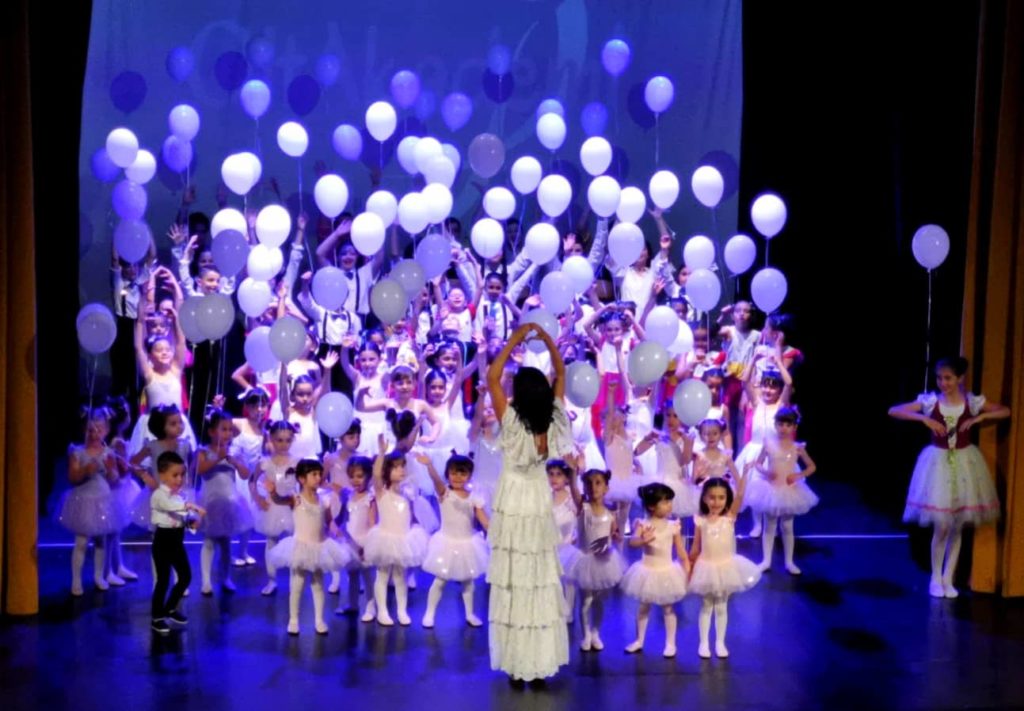
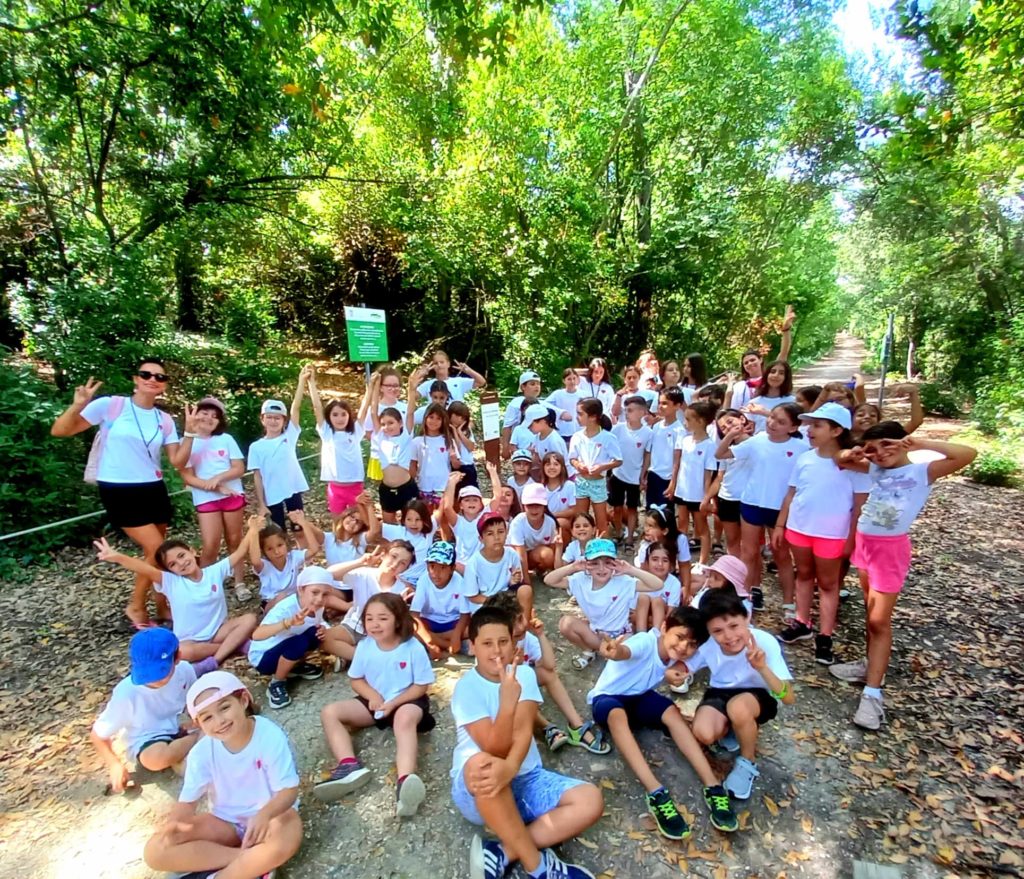
“Olta’s Summer Camp” qëndra verore në Macerata të Italisë përmbylli me sukses duke shënuar një arritje të jashtëzakonshme si nga pjesëmarrja, aktivitetet e shumta kulturore, sportive dhe emocionet që përjetuan fëmijët. Balerina Olta Shehu, Drejtore Artistike dhe Mësuese e Baletit me shkollen e saj OltAkademi në Macerata, Itali, në një bashkëbisedim me Editorin e gazetës Dielli të Federatës Vatra në New York Sokol Paja, rrëfen suksesin dhe arritjet që shënoi ky vit. “Olta Summer Camp” është një nismë kreative dhe entuziaste me aktivitete social-kulturore duke praktikuar sporte në natyrë dhe Yoga për fëmijë, eskursione, pishina e shumë aktivitete që lanë gjurmë dhe emocione të jashtëzakonshme te fëmijët. “Olta Summer Camp” ishte një qendër verore e ideuar, organizuar e menaxhuar nga artisja, koreografja tashmë mbi 20 vjet që jeton në Macerata të Italisë balerina Olta Shehu që me profesionalizmin e saj tregoi lidership dhe aftësi të spikatura jo vetëm për të zhvilluar talentet e fëmijëve shqiptarë por edhe për të krijuar një traditë në të ardhmen. Ky aktivitet shënoi një pjesëmarrje masive me 350 fëmijë me 6 javë aktivitet nga mosha 4 deri në 11 vjeç kanë jetuar një eksperiencë verore përrallore në të gjitha dimensionet. Në të gjithë eksperiencën fantastike të fëmijëve, ishin të shumta aktivitetet e propozuara javë per javë duke pasur alternime dhe kombinime që te fëmijët prodhoi shumë emocione dhe eksperienca të jashtëzakonshme. Shumëllojshmëria e aktiviteteve sportive dhe kulturore balerina Olta Shehu ka ditur të sjellë risi, inovacion, larmishmëri, dituri, informacion, formacion artistic e patriotic në qendrën e saj verore duke u shëndërruar në një pikë shumë të rëndësishme komunitare. Idea e Oltës ishte ajo të tregonte te fëmijët nga afër profesionet dhe sportet e ndryshme që bëjnë prindërit o në të ardhmen do të praktikojnë vetë fëmija duke zhvilluar aftësitë krijuese, talentin por edhe shëndetin nëpërmjet aplikimit të tyre në jetën e përditshme. Stimulimi te fëmijët e disa aktiviteteve sportive e kulturore si “profesione” si: parukeria që u rikthyen femijet te bejne gersheta si dikur, Psikologu, ku kan folur për emocionet dhe gjendjen shpirtërore, Edukatori professional- mbi gjendjen emocionale dhe ndjesitë e ndryshme, Aktor komik, ku krijuan një shfaqje artistike si Portokalli apo variete të tjera humori ku në qendër ishin protagonistë fëmijet, Dj- ku miksuan muzikë e kërcyen ne ritme te ndyshme muzike e këngën duke prodhuar shumë entuziazëm dhe emocion, “Insektet”- si ushqimi i të ardhmes. U aplikuan sporte si: Regby, Basketboll, Futboll, Not, Atletikë, Vizatim, Pikturë, Balet, Gjimnastikë artistike, Kopesht në bujqësi, Pishina, Eskursione me shumë fëmijë shqiptarë, Skerma, Baseball e shumë sporte të tjera.

“Sekreti i këtij suksesi është fakti se nga fëmijët unë merrja përditë aq shumë energji pozitive saqë idetë lindnin natyrshëm. Unë s’kisha paramenduar asgjë pervecse anën teknike të hapësirave ku do zhvilloja aktivitetin…çdo ditë ishin ndryshe: Në park lodrash, në kopësht në bujqësi, në palestër për anën sportive, kopësht botanik. Për anën kreative (vizatimet, hecja në natyrë, joga, shprehja e emocioneve etj). Fëmijët meritojnë me të mirën e mundshme dhe për mua janë të gjithë si fëmijët e mi….secili me natyrën e tij, të ndryshme secili me kohët e veta. U respektua personaliteti dhe identiteti i çdo kujt besoj se është fitore e madhe…aty mbizotëron harmonia dhe argetimi natyrshëm. Pa bërë publicitet në qytet fare ….as neper shkolla….thjesht publikimi në facebook dhe fjala fjalës që kanë kaluar thjesht prindrit me njëri-tjetrin e sigurisht besimi që kanë te unë si profesioniste” u shpreh për Diellin e Vatrës balerina Olta Shehu. Nder aktivitet dhe angazhimet ne muajin qershor spikati dhe festa e 1 Qershorit ne bashkepunim me shoqaten ILIRIA dhe shkolla e gjuhes shqipe “Naim Frashëri” në Macerata ku mori pjesë dhe mbeti e mahnitur dhe nënkryetarja e Bashkisë e qytetit Macerata per organizimin e persosur, femijet kenduan shqip, recituan, shprehen deshira ku i lanë te fluturonin me tullumbace në qiell e më tej të gjithë bashkë në valle. Shfaqja e fundvitit akademik te shkolles se baletit drejtuar nga koreografja Olta Shehu “Neqofte se un do te isha….” pa në skenë mbi 80 nxënës nga mosha 3 vjeë e sipër …ishte një sukses tjetër i timbruar me emrin e artistes shqiptare Olta Shehu.

Filed Under: Opinion Tagged With: Sokol Paja

Trashegimia mes brezave: promovimi i vlerave te gruas shqiptare

July 21, 2022 by s p

Anila Niklos/

Kam pasur privilegjin e madh te takoj Dr. Kohen ne New York. Si idhulli im gjate viteve te shkolles se mesme, kjo grua e forte, e qarte ne vizion, qe respekton moralin, dhe qe tejkalon pritshmerite ne familje, profesion, e shoqeri eshte padyshim nje ikone per shume e shume breza vajzash e grash jo vetem shqiptare, por edhe te vendeve te tjera, kudo ku ajo ka kontribuar.

Muajin e kaluar pata kenaqesine te udhetoja ne North Carolina (Karolina e Veriut) me nje grup grash te suskesshme ne fushen e biznesit. Ne nje moment treguan kuriozitet per Shqiperine dhe nuk nguarruan te me benin pyetje. Mos harroni qe secili nga ne prezanton nje pjese te kombit tone ne menyre te vazhdueshme pavaresisht se jetojme ne Amerike. Ne jemi ura lidhese midis Shqiperise dhe Amerikes. E pare ne kete aspekt gje qe eshte shume e natyrshme tek une, nuk munda te mos ndaja me keto individe historine e Dr. Kohen.

Per mua Dr. Kohen eshte modeli i gruas qe duhet lexuar e studiuar. Dr. Kohen eshte gjithmone ne levizje, duke punuar, duke kontribuar, duke ofruar veten e saj per ata qe kane nevoje. Ajo eshte nje bashkeshorte e denje dhe nje nene e papare. Si profesioniste jam pa fjale per arritjen e saj akademike dhe suskesin e saj si nje grua biznesi.

Megjithese Dr. Kohen e kam takuar para shume vitesh kur ajo jetonte ne New York dhe une ne Ohio, tani te dyja jetojme ne Florida. Por pandemia ndaloj shume gjera dhe une mund ta takoja vetem gjate festes se nenes. Pse ka shume rendesi per mua ndarja me te gjithe ju e ketij relacioni, e ketij respekti qe une kam per Dr. Anna Kohen? Eshte e rendesishme sepse edhe pas kaq shume vitesh ajo vazhdon te me dhuroje surprisa te bukura dhe me jep mundesine te njoh gra shqiptare nga te gjitha sferat e jetes, po ashtu edhe te krijoj miqesi te reja te pacmuara.

Ja pra edhe kujtimi i bukur ne Florida.. Maj 2022

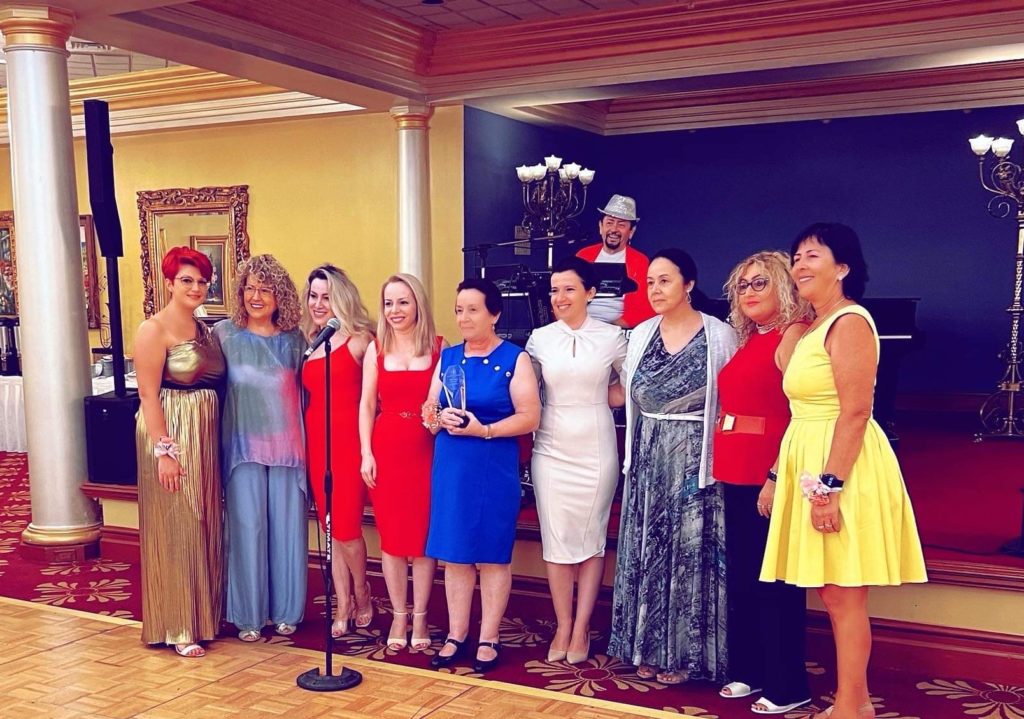
Dr. Anna Kohen ka vite që e feston diten e Nenes, këtë ditë të vecantë fillimisht në New York kurse vitet e fundit, ajo dhe Shoqata Motrat Qiriazi (Albanian American Women’s Organization Florida Chapter) të cilën ajo drejton festuan me madhështi Nënën dhe vlerën e saj në jetën e të gjithëve, dhe në shoqëri. Mbrëmja e festës u mbajt në Safety Harbor Resort and Spa në Tampa të Floridës. Për mua, kjo ishte mundësi shumë e vecantë sepse tepër vite kane kaluar dhe jo vetëm që nuk e kisha takuar Dr. Kohen por edhe pandemia nuk lejoj festimin e grumbullimet e njerëzve në ambjente publike.

Me këtë rast mendova te mbështes këtë celebrim te Nënës, dhe të shkoja në këtë festë jo vetëm por me nje grup shoqesh dhe njerëzish të afërt në jetën time. Dita erdhi shumë shpejt. Momentin e fundit njëra nga mikeshat kërkoj falje që e kishte të pamundur të vinte në festë. Megjithë dëshirën që kisha të vinte me mua vajza e saj i bëri surprisë dhe sigurisht që nuk do ti merrja kohë nga koha me vajzën e saj. Ajo grua ka një vend shumë special për mua. Sa herë vizitoja New York-un ajo dhe burri i saj kujdeseshin pa masë për mua. Faktikisht i quaj si prindërit e mi. Lida është një grua shumë vitale që më fal shumë dashuri. Tani ajo jeton ne Sarasota dhe meqënëse kisha shume kohë pa e parë mendova që ky moment do ishte shumë special. Por nuk ishte e thënë që të realizohej këtë herë.

Ditën e festës e nisa udhëtimin shumë herët. Motra ime, shoqja ime shqiptare, dhe shoqja ime Amerikane nisëm udhëtimin për në Tampa. Sikur udhëtimi vet mos ishte shume i gjatë, në një pjesë të rruges mu desh të isha edhe më tepër e kujdesshme sepse shiu binte me gjyma. Kur arritëm te festa nje tavolinë ishte bërë gati për ne. Kush e njeh Dr. Kohen e di që ajo punon me një intensitet të fortë. Megjithëse arritëm pak vonë tavolina jonë ishte gati. Dr. Kohen na përshëndeti përzemërsisht dhe na ftoj tek tavolina e posacme. Pikërisht këtu fillon gjithcka.

Dr. Kohen e hapi fjalimin e saj duke i uruar pjesëmarrësve mirëseardhjen, festën si edhe i falenderoj për prezencën e tyre. Në fjalimin e saj Dr. Kohen përmendi dhe falenderoj të gjithë të pranishmit, të gjithë organizatat përfaqësuese në festë, si edhe të gjithë sponsorët e festës. Dr. Kohen foli për mision e organizatës dhe tha: “Qëllimi ynë është të ndihmojmë gra, fëmijë, nëna që rrisin fëmijët pa ndihmën e një partneri, dhe të moshuar vit pas viti. Ne te Motrat Qiriazi, Dega e Floridës, gjithashtu besojmë te bashkëpunimi me të tjera organizata lokale, e kështu së bashku e mbështetim më mirë komunitetin tonë.”

Në fjalimin e saj Dr. Kohen përmendi organizatat lokale si Vatra e Tampa Bay, Albanian Heritage e Tampa Bay, Albanian American Organization of South-West Florida si edhe vuri në dukje se pjesëmarrësit në mbrëmje përfaqësonin familje nga Clearwater, Largo, St. Peté, Venice, Bradenton, Sarasota, Naples, Orlando, dhe Miami.

Një falenderim i ndjerë u pasqyrua edhe për sponsorizuesit e mbrëmjes, Arian Kushta, PA., Dodona Roboci, Luxury Real Estate Consultant, Klodiana Hysenlika, Injury Attorney, Klodiana Starova, Casa Italia, Adriana Terezi, Mel’s Diner, dhe Miss Fotini Allteni, Kosloski Family Foundation.

Shumë falenderime iu adresuan Bordit drejtues të Albanian American Women’s Organization (AAWO), Dega e Floridës për kontributin e tyre me festën e Nënës si edhe Zonjes Angie Sharxhie për kurabijet e gatuara me duart e saj prej floriri.

Masterja e Ceremonive Dorina Dori, përshëndeti të pranishmit dhe ja dha fjalën Presidentes së AAWO, Dega e Floridës, Dr. Kohen e cila mbajti fjalimin e mbrëmjes.

Është tashmë një traditë e gjatë e shoqatës AAWO që në mbrëmjen e Festës së Nënës, një nga gratë e komunitetit të nderohet me cmimin, “Gruaja e Vitit” për kontributin e saj në komunitetin shqiptar. Këtë vit, Sevdie Pllana meritoi cmimin Gruaja e Vitit, 2022. Historija e saj flet për një grua dhe nënë shumë të fortë udhëtimi i së cilës është i mbushur plot me pengesa, sakrifica, e vetmohim. Rolet e saj të shumta… bashkëshorte, nënë, motër, anëtare e Lidhjes Demokratike të Kosovës, grua biznesi, e me të gjitha rolet ajo ka arritur sukses.

Më mbushet zemra plot që një grua si Sevide Pllana, e cila për pak i shpëtoj masakrës së Racakut, që së bashku me bashkëshortin e saj udhëhoqën demonstratat paqësore në Kosovën e viteve 90’, përjetuan bastisje të shtëpisë, provuan urinë, e të tjera vështirësi gjatë jetës në Kosovë, dhe me pas në Amerikë humbja e dhimbshme e bashkëshortit nuk e ndaloj atë për të rritur tre vajza të shkëlqyera të cilat e bëjnë vetëm të krenohet. Është një ditë shumë domethënëse për Sevdien, dhe për te gjitha nënat dhe vajzat shqiptare. Sevdija meriton këtë cmim dhe jam e sigurtë që vajzat e saj e duan pa masë. Gjëja më e bukur në jetën tonë familjare dhe shoqërore është lulëzimi dhe suksesi i brezit të ri i ndërtuar mbi sakrificat e prindërve dhe brezin e ri që ndjek këshillat e tyre dhe studion e ndërton një të ardhme të bukur në të cilën përfshin, nderon dhe respekton prindërit e vet.

Edhe ne tavoline time një grua shqiptare e mëncur dhe e dashur më priti sikur të më kishte motrën e saj. Megjithëse ishte hera e parë që më takonte më priti me shumë ngrohtësi. E vlerësova jashtëzakonisht mikpritjen e saj. Folëm për fëmijërinë, për bukurinë e gjuhës shqipe, për vlerat e kulturës tonë. Traditat tona shqiptare janë shumë te bukura edhe kur i provojmë në Amerikë. Kjo grua shqiptare edhe emrin e ka shumë të bukur, e quajnë Amantia. Nëna e Amantias e mori shoqen time Amerikane me vete në pistën e kërcimit dhe i mësonte te vallëzonte ndër tingujt e këngëve të këngëtarit të shquar Frederik Ndoci. Kjo atmosferë e ngrohtë nuk kish se si të mos përcillej në të gjithë qënien time dhe do mbetet me mua, motrën time dhe shoqet e mija për një kohë te gjatë.

Dr. Kohen ka një vlerë të jashtëzakonshme në shoqërinë tonë. Një nënë e mrekullushme për familjen e saj ajo ka kohë që është nëna e gjithë komunitetit shqiptar dhe një rol model për të gjitha ne.

Filed Under: Emigracion Tagged With: ANILA NIKLOS

Boston- Worcester, “Head and Heart” * of the Independent, Spiritual and Educational Movement within Albanian First Organized Émigré Community in the New World

July 21, 2022 by s p

Neka DokoA person wearing glasses

Description automatically generated with medium confidence

Albanian Orthodox Archdiocese

Fan Noli Library & Cultural Center

Interdisciplinary Research

& Digital Archival Projects

South Boston, MA

July 2022

Introduction:

This research paper has been compiled after years of historic interest in the oldest Albanian community existence in America. From the beginning of March 2004 when I was appointed as the archivist of the Fan Noli Library with honor and responsibility I embarked in the terrain of firsthand documents to fulfill an identity quest. Following my own work ethic for meticulous analysis based on steady observation and archival work for more than a decade I felt the inner joy to discover data and start connecting dots. I was curious to see more behind what I was hearing from St George’s churchgoers’ words of mouth reiterating how Bishop Noli had baptized Boston and Worcester special connection respectively as the “head and heart” (1) of the first Albanian émigré community of Massachusetts. Energetically, I sensed the veracity of Noli’s words in the vivid expressions and feelings of the oldest generation of Saint George, when talking in person during Sunday post liturgy reunions. I went on however, to see how real the word of mouth would have sounded if documented from archival data about two cities subtle variables hypothetically both considered as the oldest immigrant settlement of Albanian urban sites. Upon providing further evidence, the Massachusetts community could be symbolically remembered as the Mayflower history of Albanians in the new continent. Also, sincere efforts and feelings were aligned with logic into spiritual lane, as a holistic connection of body-mind-heart and soul of my paper to energy work. 

Since Bishop Noli himself was a brilliant scholar so are Prof Nicholas Pano and Very Rev. Arthur E. Liolin, I had peace in my mind to lean into their legacy and continue my researching work. Their inspiration had motivated me personally to put in good use direct historic facts from Fan Noli archive to new search and research for almost 15 years now. Some 20 years ago when I was working with my PhD, thesis of interdisciplinary education on the linguistic, sociocultural and emotional intelligence shift of Albanian families settled in Paris, what I struggled to seek down there I all found it up here in the community of Saint George in the first cell of ever organized Albanian state in the Western World. I didn’t even dream about it, God gifted to me. Right here in Boston, some 100 + years after the first settlement of Albanians in America, I am living my life among books of the non-Albanian and Albanian alike best scholars of the world who had poured their mind and soul into the Albania’s history from the ancient era to the modern time, something the communist regime in our homeland had never allowed us to have at hand. In addition, that was a keen motivation of lifetime dedication to an unknown experience I was eager to live in. 

The first source I was advised by Prof. Pano to consult was “The Albanian Struggle in the Old World and New”, a 1939 published book by The Writers, INC., in Boston, a solid and sole data content for the beginning of the Albanian experience in America, that has been recently translated into Albanian with the foreword of Prof. Nicholas Pano in 2019.

“It was in Boston that the first Albanian organizations took root. To Boston came Albanian emissaries from overseas with messages for American compatriots. From Boston were sent those earnest, labored cablegrams by which American Albanians aspired to influence the Near Eastern policy of Sir Edouard Grey and other potentates no less august. Massachusetts which received the first pioneers and has kept the largest concentration, is the focal point of the Albanian American history in the New World. Who opened America may his soul shine and shine; A fellow from Korcha and one from Katundi, may their souls shine and shine. Thus have Albanians expressed their gratitude to the first two of their compatriots who came to America. The man from the city of Korcha arrived in 1876, but he soon left for the Argentine. More important was the man from Katundi who settled in Massachusetts in 1886. His name was Nicholas Christopher. This was the man who carried the vision of America back to Albania.” (2) 

Shortly after the list of brisk issues and vast differences between two worlds the old and the new for all Albanian immigrants was revealed without hesitations, “The Albanian coming from a semi-feudal Balkan country to highly industrialized Massachusetts, was not prepared to struggle for existence in the New World. In crossing the Atlantic he seemed suddenly to be spanning centuries of economic and social development. The Albanian Immigrant to America was not only facing a complete shift in environment, but he was also actually being projected from one epoch of civilization to another.” (3)

And something has been crossed there with our own approach of research in the field.

The transatlantic sociologistic gap, as the first phenomenon due to socio political, cultural and psychological differences between two countries in the beginning of the 20th century, I assume has been viewed as a personal, group and cultural shock by all Albanian immigrants here and there because of the wide range of social and economic factors that have separated them from the originated lifestyle back in their homeland identified with a place of lack of almost everything. (4)

While attempting to connect historical dots in the context within two first decades of the last century on urban establishment of the Albanian immigration cell in Massachusetts, the scope of this paper makes sense to be focused on the educational and sociocultural component of the Albanian independent of émigré movement lead by Boston – Worcester bond. Trying to advance the quest on that proactive component trajectory since the beginning, the reader will acknowledge its pivotal role in the essence of independent and spiritual self-determination of the very first newcomers in Massachusetts among whom the majority didn’t know yet to read or write in their own tongue. Moreover, to trace the identity through archival data of the first brave and intelligent Albanians who no matter the odds, difficulties, and struggles, succeeded to lead an anti-illiterate massive education campaign to enlighten their compatriots’ mind to find their own way for straitening the gap and fulfilling their families dreams, with the price of leaving an occupied and outsourced homeland for freedom in worship, trust in law structure and economic progress and a better future for their children. Finally, to recognize the first generation of grandparents and parents who sacrificed their own lives by working very hard and putting their heart and soul into it while never forgetting where they came from but kept giving the best they earned in mindset and economy to Albanian independence cause, through financial aid, educational and cultural influence. Pointing out all this during this year of the 100th anniversary of the Albanian American diplomatic relation celebration it does justice to the cause while recording in print their inheritance and a unique deserved legacy to the New World, Albania and diaspora.

First Things First: Education in Albanian and then in English 

The illiterate gap above all couldn’t have been narrowed with time if the immigrants of Albanian elite made up of intellectuals and patriots did not lead the mass education movement from the beginning. 

From the Albanian intelligentsia, of the late of 19th century spread all over the Balkan’s region and Egypt only a few who had the patriotic stamina and missionary spirit to support and direct the Albanian nationalist movement were up to the task for that purpose in the beginning of the 20th century to America. 

As documented, (5) among the first was Sotir Peci who came to Boston in 1905 and established the weekly Kombi (Nation) newspaper on June 12, 1906. Financially assisted by his fellow countrymen Peci began the publication with the fear that the most of immigrant Albanians would not have given a try to read it for several reasons. Primary, they never had seen their native language in print, since neither the Albanian schools nor the Albanian periodicals were allowed to exist in Albania because all were banned by Turks or Greeks. 

“Hence the nationalist leaders first preoccupation was to teach their compatriots the rudiments of reading and writing. “(6) 

The contextual auditorium of the Albanian literacy campaign was set up in the “konak”- the collective home of the old émigré waves the first groups could ever afford to reside without in the city. “The arrival of the Albanian newspaper was eagerly awaited by members of the konak. In a new world, still foreign to them, the appearance of an Albanian paper seemed to give them something of their own.” (7) 

Several books of “patriotic poems, political pamphlets and translations from foreign languages” some old and sample of the kind preserved and catalogued in Fan Noli archive under rare books category written in Albanian with Greek and Slavic letters were published before the Congress of Monastir (8) which marked the beginning of the unified written Albanian with Latin letters. Presumably these publications were the primary education source that was provided to the konak’s school by the abroad colonies of Egypt, Romania and Bulgaria.

“In the years following the establishment of Kombi in Boston, the metropolitan district became the working center of a number of Albanian intellectuals whose sole mission in life was the education of their own people.” (9) 

From the same source and from “Ylli I Mengjesit” (10) we learn that Christo Dako was one of them. Educated in Bucharest, he came to Boston in 1907 to pursue his studies at Oberlin College. Influential as educator in Massachusetts through his free Albanian and English evening courses to his compatriots in Boston and Natick. Mr. Dako had shown a concrete example of the value and the virtues of education to his students. Thanks to a successful campaign of education lead by this patriotic and intellectual men in both languages to the young workers in Massachusetts industry, one could even read at the time bilingual adages in the headlines of the Albanian newspapers. “The Pen is Mightier than the Sword.” “Education spells Success”. 

In the same year of the first issue of Kombi, another Albanian nationalist came to Massachusetts. Fan Stylian Noli, who came from Egypt supported and incited by the nationalist old movement there.

Fan S Noli came to America because his prime calling was both religion and patriotic. As Arshi Pippa in his paper “Fan Noli as National and International Figure” Sudost Forschungen 1984, had emphasized Fan Noli’s decision to become a priest was primarily patriotic.” (11) 

Nevertheless, the arrival in 1909 of Faik Konitza from England to Boston invited by Fan S Noli to work for Dielli’s first editorial ship after 9 years’ experience of his own “Albania” first multilingual historic and national review in the world, was another crucial event to Boston’s movement for independence and Albanian international cultural education.

Between Worcester and Boston: An Albanian Liturgy Founder, Orator, Leader and Educator

As the historic data shows the multidimensional role of the young Fan S. Noli started to be recognized, supported and honored by a growing group of Massachusetts Albanian worshipers and patriots from the beginning for his clear vision toward the Independence of the National Orthodox Church and Cause, for his oratory skills of a natural educator and strong leader when listening his speeches in public. In 1907- 1908 Hudson, Marlborough, Worcester and Southbridge were in the heart of the Albanian Nationalist Movement against the Greek church of Hudson, which refused to officiate the burial for the first Albanian Christian immigrant who died in 1907. The movement started in the Worcester’s County and the Albanian church foundation ended up in Boston in 1908.

“The year 1908 was momentous in American Albanian life. Fan Noli jumped to the head of the movement for religious separatism and called a convention of Christian Albanians from settlements throughout new England. The delegates resolved to abandon the unpatriotic church and to create an Albanian Autocephalous Orthodox church with Fan Noli as their first Shephard. Platon, Archbishop of New York ordained Fan Noli as a priest; a hall on Tremont Street became the tabernacle; and the National Church Association was founded to protect the rights of the newly formed body. Never before, not even in Albania, had Albanians worshiped in an autocephalous church. In March 1908, the mother church of Saint George in Boston was organized, the young Albanian priest Fan Noli officiated from there the first Albanian Orthodox liturgy in Boston on March 22, 1908. After the first independent achievement for the Albanian church history in America, from the mother church, many daughter-churches were born one after the other. In this context, in 1915 Saint Mary of Worcester was established.” (12) 

During the second archival search and research we noticed that the beginning of Saint Mary’s Assumption history has been clearly influenced by two main educational and cultural cities, Boston and Korcha. In terms of direction and organization data show that the church’s life has been inspired by the leadership of Saint George’s Cathedral- the Albanian Mother Church in Boston. And on the other hand, in terms of the internal structure and design of their church, other data show that the church of Saint Mary has been inspired by the architecture of Saint George in Korcha. (13)

In the Anniversary book of Saint Mary’s Assumption Albanian Orthodox Church, 1915-1990, for the 75th Diamond Jubilee, when the history of the Albanians legacy of the church in Worcester was written and published by themselves, it sounds that the special bond between two churches and communities was celebrated. 

“On August 13, 1911, the Albanian of Worcester organized a Chapter of Saint George Cathedral of Boston Four years later, in 1915 this branch was organized into the Church of Saint Mary’s of Assumption.” (14) 

From the same source other data show the Albanian efforts to find an appropriate and definite location because from 1911-1917, services were held in various halls. The situation changed when in 1918 a German Presbyterian Church on 63 Wellington Street was purchased.” The church was designed and styled to be a replica of Saint George in Korce, Albania. The icons were painted by the Rev. Naum Cere who had studied iconography in Odessa.” (15) 

In addition, Louis Pero, historian. writer of Saint’s Mary history, and member of the 75th Diamond Jubilee Committee concludes the “History of Our Church”- chapter with this message, “ We are the children, grandchildren, and great grandchildren of these dedicated pioneers who established St Mary’s Assumption Albanian Orthodox Church under the leadership of Bishop Fan S, Noli, They installed in us a deep love of God, country- America, and our ancestral roots- Albania.” (16) 

However, under Fan Noli’s leadership a second important independent movement and organization of the Albanian community in America after the establishment of the Orthodox church occurred again in Boston, Massachusetts. The Pan Albanian Organization in America, Vatra- the Hearth, was founded on April 28, 1912, in Boston, by Fan S. Noli, Faik Konitza, and many others whose names are identified at the first photo of the Vatra’s meeting in Boston. (17) 

Some interesting organizational changes came along with the event. During the Vatra’s first meeting, the same day the organization’s committee had to suspend all Albanian running social or political societies under the Massachusetts state law.

For instance, whereas Boston was scrupulous to abide by the law, Worcester where the Hearth’s operation started after May 19th, namely known as Vatra Branch N. 5, the social organizations dynamic itself went a different direction. In Boston where Vatra had the seat, the legitimate organization entirely took the center of the stage having merged the existing Albanian societies, in other cities like in Worcester, many societies coexisted with Vatra and even flourished under the Saint Mary’s hospice.

As the Saint Mary’s church anniversary books show the figure of Bishop Noli has been thoroughly supported recognized and cheered by the Worcester community leaders and worshippers from the beginning to the very last decade of his life.

Through book dedications or even handwriting sentiments we have seen messages of praise and gratitude toward his missionary patriotic, educational and intellectual service each step of his work with byzantine clergy literature to fulfill old and new Albanian churches needs in prayers books, hymnal music, and orthodox bible translations and research books. No one like him could have dedicated years of systematic and academic work in service for educational and spiritual enlightenment to the Albanian Orthodox compatriots in America and abroad. 

One of them was mentioned personally by the Worcester elderly priest named P. T Sinica, the translator and publisher of his own produced “Wishes Booklet for Evening Services” he had translated from Greek into Albanian “Urimtore e Sherbeses Mbremesore” and published in 1920 in Worcester by the Publishing House of Sinica. In his book’s introduction the veteran priest states with clear intention to whom was dedicated the issue. In the last paragraph of his foreword, he mentioned that the booklet was sent directly to Bishop Fan Noli for his mastery corrections and advice. In the next page the author writes a personal dedication to the Grace Bishop and Father, Imzot Theophan, the founder of the National Church as a sign of love and gratitude. (18) 

Worcester: an Albanian Urban City in Massachusetts ahead of Boston

Although Boston is considered the oldest capital of the Albanian Immigrants in the United States, data show there was a Worcester criterion that clearly identified a new urban choice of newcomers that separated in a way the former to the latter. Connecting the data, it seems that this criterion was related to the Albanian newly married couple preferring their family reside the urban city of Worcester rather than the Boston’s extended urban area. That became a social phenomenon for Albanian families that grew in number as ‘urban’ during two waves of immigration movement. In the first decade of the start of the century after 1910 and again after 1990 during the last decade of the 20th century when new immigrants were heading to the urban city of Worcester rather than to the same areas of Boston, the social shift differentiated the two respectively Albanian communities from one another. While choosing Worcester urban city over Boston’s larger area the first urban Albanians originated from the southern cities of Korcha and by nearby towns, data show they were mostly young women that brought along the criterion of education and cultural lifestyle of their hometown and preserve it in the New World émigré journey. From many sources including the Albanian Struggle book, the first dominant criterion was related to the single male house affordability. (19) When the migrant men returned to homeland and married Albanian educated women things changed and the new criterion of urban residency emerged as definitive. Since the urban aria of Boston was too expensive to be afforded by male konaks, the family cell led this time by educated brides left Boston behind to establish their future family plans in a city who welcomed Albanians and many other immigrants to live in more affordable larger family homes near facilities of workplace, public transportation, schools and hospitals all located near one another and not far from the heart of the city. The best city located in the center of Massachusetts that fulfilled these two criteria for the urban Albanian category of affordable near city family houses, when fulfilling their sociocultural lifestyle, was Worcester. (20)

With that variable of educated women in the equation, a remarkable social and cultural urban movement, fully flourished in Worcester turning that point into a female influence phenomenon ahead of Boston.

As a result, no wonder like the “champignons après la pluie”, between 1911 the year of the first mission of Worcester’s Chapter in Boston and 1915 when the church was established, blossomed numerous social and cultural societies and groups all female oriented with educated women’s participation that outnumbered those in Boston. All started in 1910 under the name of Korche and other towns where the immigrants originated from, such as Drenovare Society Bashkimi, Lulezimi Boboshtare, Korcare Arsimi, Albanian American Women of Worcester, Gruaja Shqiptare, Women of Drenova, Daughters of Korce. (21)

Another viable source of supporting our point of view is what Very Rev. Arthur E. Liolin emphasized during the two last year interviews about Worcester’s urban development of the Albanian community. He precisely answered our questions by providing many data and details while observing firsthand of old photographs describing the Albanian School of Worcester of 1926-7 and the “Voice of Albania”, recognizing the logo of that Local Radio of Worcester where his mother Helena Shoqo- Peter was among other ladies as artists and members of a male directory team.

In his relevancy of thoughts and sentiments, he enlightened an important point that Women of Worcester represented the pioneers of the Albanian Women Liberation Movement, occurring in America in the beginning of the 20th century, an affirmation supported by the data and arguments we have discovered in many digital and documentary sources for the matter. (22)

To make the above arguments stronger, to our pending question, “Where and when was founded the First Albanian School in Massachusetts?” I started to believe that an answer was on the way. When consulting for this file, the history college paper of Dennis Paul Philips “The Albanian Orthodox Church in America- A History, a Parish, a Future”, his last point shed more lights to the question. “Boston found a great number of its Albanian residents formerly from the Vakefet, the parishes, five villages, that surrounded the large Albanian city of Korce. On the other hand, Worcester had a great many settlers from Korce inhabit its community. These people were the most educated of the Albanian Americans having lived in the cultural capital of the mother country. Thus, it was no surprise to see the Worcester Albanians organize the first Albanian school in America. (23)

Since last sentence only touched up the surface of my long-term search and research about the year of the first Albanian school foundation in Massachusetts, a more specific question had arrived, “Where in Worcester and when that happened?”

Worcester Albanian School Prior to Boston Sunday School of Saint George

The Interviews with Fr Arthur on May 20 and August 26, 2021, had two panel questionaries that were both centered on the first Albanian school foundation in place and time.

In the first meeting organized at the Albanian chancery Garden Room a spiritual space gifted by the late generous +Archbishop Nikon, the Liolin family, Fr Arthur, Prifteresha Margaret and their son Evans, were keenly received in the sacred place for a first audio interview. 

I had all questions written and tried to not to ask for all of them, using my energy work to let Fr Arthur and family enjoy the reception above all. It was the first come back for him to the office after Covid second shut down time. I was very cautious to treat this first meeting as a casual and smooth conversation with Fr Arthur although around an unknown quest related to Worcester history on urban cultural and educational characteristics that had distinguished that highly demanded immigrant city compared to our Boston’s denotation as the first ever capital of Albanians.

I showed Fr Arthur the old photograph of 1926-7 (24) where a photo of Sunday School framing a larger contingent of the institution lead by the staff of the founder and co-founders, teachers and children who practically are categorized in different group ages seat or standing in three- four rows, an old, rare and fairly well-preserved photograph taken at the backyard of their former church of Saint Mary in Worcester.

The first-person Fr Arthur recognized right away and mentioned the name was Mr. Peter Kolonia, who was in his words the founder and the director of the school in company of his wife and children among other women teachers and students. 

I had known this name from Professor Pano’s advice to look up on Fan Noli’s correspondence with Peter Kolonia over the years. I had a smiling face and a yes confirmed in place about the name of a significant leader of the earliest Albanian educational movement.

One of the puzzle’s pieces about the Albanian School in Worcester file just had been shaffled on the table. We know now the place, at Saint Mary and the director, Mr. Peter Kolonia, who in addition, was a close collaborator of Bishop Noli. With all that unexpected data connection, a released ‘yes’ came out, “So far so good.”

I stopped going into getting other names that day, but I got the feeling that photograph couldn’t represent the first year of the school foundation. My intuition directed a further search to see if I would find an older photograph about the event. I was satisfied with the answers I raised and well received that day about the features of Albanian life in two cities of Boston and Worcester that could influence an educational movement to lead to the Albanian school foundation. Both Fr Arthur and Margaret gave some clear perspective and advice on family memory recollection and all that was very much appreciated and insightful. Now I knew that this event had more chances to have happened in Worcester before Boston. The conversation- audio interview was an accomplished mission, and all were happy at the end of the day.

Meanwhile I presented all the data to the WHM project team where we as Fan Noli Library archive and Saint George’s history were involved in during this event of 2020 and 2021, over the zoom meetings.

However, our digging quest for finding the year of the first Albanian School foundation in Worcester Massachusetts had a long way to go.

In the second video interview that had taken place in the house of Very Rev Arthur E Liolin, on August 26, 2021, we learned more about the two generational Peter family business and educational history in Worcester Massachusetts the birthplace of Fr Arthur’s mother and Peter’s brotherhood siblings whose business success played a crucial role in that community independent cause and prosperity, that we were pleased to collect data with enlightening conversation through these old photographs history and memorability. (25)

However, it had to come another project for celebrating this year of 2022 the 100th anniversary of the American Albanian diplomatic relations establishment that activated my further search on a large-scale firsthand document, without it the data for the year of the event I was looking for a year ago wouldn’t have seen the light right now.

This is an interesting turn I never thought of when I started this work. Then, during last month thorough search over all periodicals of the year of 1922 about all what was written on the event, I found in Dielli of August 26, 1922, the photo I was eager to discover long time ago but happy to locate and get used on time. (26)

They are both now displayed here in the row, based upon the year criterion of the school foundation time and place. The first one represents from the text below the photo’s atmosphere this event has brought to the community around Saint Mary’s cheering the news of the ALBANIAN SCHOOL OF WORCESTER, the first one in Massachusetts opened to public in August 1922. The date of the Dielli issue, in the front page printed was well noted as August 26, 1922 marked the day of school foundation. 

A picture containing text, book

Description automatically generatedA group of people posing for a photo

Description automatically generated with medium confidence(1,2)

 Worcester Historical Museum Project on the Albanian community history: What’s next?

If the approach of next exhibit will be focused on the family history, we have been honored to receive over the years people from second and third generation representatives who had preserved in their personal libraries their family’s history firsthand documentation. With emotions they have submitted to the Fan Noli Library and archive a piece from their own family history believing that may contribute somehow to link their stories to other families and create the puzzle of the entire family of the Albanian generations of old and new immigrants in America.

There is a list of few cases as below:

  1. Peter Brothers Family through Helena Shoqo- Liolin and Fr Arthur Liolin collective and transmitted data, displayed respectively as daughter and grandson of Kosta Shoqo- Peter of Worcester, who represented a successful brotherhood business and patriotic family.
  2. Chani & Chico families through John Chani, the grandson of both Van Chani and Harry Chico, of Worcester and Boston, great independent church and identity cause leaders in Vatra and Albanian Orthodox Archdiocese in Boston and Massachusetts.
  3. Kirka & Lito families, through John Lito, former President of Worcester Vatra’s branch, the grandson of Kristo Kirka one of the imminent leaders of the independent Albanian cause of Worcester and Boston. 
  4. Morcka family through Lidiana Morcka the granddaughter of Zisi Morcka, flute musician and one of the co-founders of Vatra’s band of Worcester in 1925.

The list is open to other cases. The time is working in favor of this interesting project one of the kind historic and cultural enterprise for the Albanian immigration history in the United States. We take a moment here to express our gratitude towards all the participants who organized, and lead the event, while thanking all people who provided their family’s history materials to celebrate together in this first venue of the Fan Noli Library involvement in the central Massachusetts Worcester Historical Museum pioneer project, as a legit partner and professional collaborator.

References and notes

  1. “Head and Heart” * Concept of Neuroscience and our Energy Work referring to how Bishop Noli had baptized the organic bond between Boston and Worcester considering their pivotal role for the Albanian Orthodox church foundation, independent worship and national cause in America. The concept is our research paper denotation symbolically linking two epithets Imzot Noli used in comparison to spiritual status of Boston as the Head of the Albanian Independent Movement and Worcester as the Heart of it.
  2.  “The Albanian Struggle in the Old World and New”, a 1939 published book by The Writers, INC., Boston. P. 5-6
  3. Ibid, p. 8
  4. Albanian American Intercultural Research & Documentary dedicated to Fan S Noli on the 100th anniversary of Noli’s graduation from Harvard. (2012, Doko, N. in Fan Noli Archive file)
  5. File of the Albanian American Community History Bibliographical Sources. Mentioned by S. Skendi, in Beginnings of the Albanian Nationalist Trends in Culture and Education, p.365

(In Fan Noli Library)

  1. “The Albanian Struggle in the Old World and New”, a 1939 published book by The Writers, INC., Boston. p. 38- 39
  2. Ibid p. 39
  3. Stavro Skendi, in Albanian Political Thought and Revolutionary Activity, 1881 -1912, München 1954
  4. The Albanian Struggle… p. 40
  5. Ylli I Mengjezit (The Morning Star) Monthly Albanian Review, N. 4, July 1918. Published by Miss Paraskevi D. Kyrias in collaboration with Christo Dako
  6. Arshi Pippa “Fan Noli as National and International Figure” Sudost Forschungen 1984, p. 242
  7. “The Albanian Struggle in the Old World and New”, a 1939 published book by The Writers, INC., Boston. P. 43
  8. Oral data collection in FN Library File compiled during our tour visit at Saint Mary Church in Worcester in 2018
  9. Anniversary book of Saint Mary’s Assumption Albanian Orthodox Church, 1915-1990, for the 75th Diamond Jubilee, Worcester, MA, 1990, p. 21
  10. Ibid p. 22
  11. Ibid, p.23
  12. In the “Kalendari of Vatra” Published by Vatra, Boston, 1918
  13. “Urimtore e Sherbeses Mbremesore” Translated and compiled in Albanian by P.T Sinica in 1920 in Worcester by Sinica Publishing House. Hyrje.
  14. Albanian Struggle & al
  15. Our thesis approaches on Boston – Worcester organic bond and urban differences on the Albanian American Community History and Lifestyle (Worcester Historical Museum Project file, 2021-22)
  16. Directory of Ethnic Organizations in Massachusetts- Massachusetts Bicentennial Commission. P. 7
  17. Audio Interview Text with Fr Arthur Liolin on May 20, 2021, on Worcester family roots, in Albanian Archdiocese in South Boston
  18. Dennis Paul Philips “The Albanian Orthodox Church in America- A History, a Parish, a Future”, Boston, 1973, p. 13
  19. Second photo in the row of the Albanian School in Saint Mary, Worcester, 1926-1927
  20. Historic Video about Worcester family cases file on Albanian Émigré history and legacy, of Very Rev Arthur E. Liolin, Saint George’s Emeritus Chancelor on August 26, 2021. Produced on behalf of Fan Noli Library Digital Projects for WHM of the Albanian Community History Panel, by N. Doko with E. Liolin’s assistance.
  21. Firsthand historic in print photograph of the Albanian School in Worcester, representing a milestone educational cultural and spiritual event that have happened at Saint Mary’s church in summer 1922. 

Photos

  1. The first Albanian Sunday School of Saint Mary’s photo featured by the frontpage of Dielli on August 26, 1922, along with a bellow’s text written in Albanian that congratulates and cheers the founder and teachers at the school for the beautiful gift to all of Worcester Albanian community. (Source: Fan Noli Archive in Dielli’s 1922 collection)
  2. The second so far in the row photograph of Albanian Sunday School in Worcester, a photo we previously had used as the first digital data document of the Worcester Albanian School History.

(Source Fan Noli Library old and rare photographs collection in the Archive’s Artefacts File)

Filed Under: Politike Tagged With: Neka Doko

  • « Previous Page
  • 1
  • …
  • 12
  • 13
  • 14
  • 15
  • 16
  • …
  • 50
  • Next Page »

Artikujt e fundit

  • Kontributi shumëdimensional i Klerit Katolik dhe i Elitave Shqiptare në Pavarësinë e Shqipërisë 
  • Takimi i përvitshëm i Malësorëve të New Yorkut – Mbrëmje fondmbledhëse për Shoqatën “Malësia e Madhe”
  • Edi Rama, Belinda Balluku, SPAK, kur drejtësia troket, pushteti zbulohet!
  • “Strategjia Trump, ShBA më e fortë, Interesat Amerikane mbi gjithçka”
  • Pse leku shqiptar duket i fortë ndërsa ekonomia ndihet e dobët
  • IMAM ISA HOXHA (1918–2001), NJË JETË NË SHËRBIM TË FESË, DIJES, KULTURËS DHE ÇËSHTJES KOMBËTARE SHQIPTARE
  • UGSH ndan çmimet vjetore për gazetarët shqiptarë dhe për fituesit e konkursit “Vangjush Gambeta”
  • Fjala përshëndetëse e kryetarit të Federatës Vatra Dr. Elmi Berisha për Akademinë e Shkencave të Shqipërisë në Seancën Akademike kushtuar 100 vjetorit të lindjes së Peter Priftit
  • Shqipëria u bë pjesë e Lidhjes së Kombeve (17 dhjetor 1920)
  • NJЁ SURPRIZЁ XHENTЁLMENЁSH E GJON MILIT   
  • Format jo standarde të pullave në Filatelinë Shqiptare
  • Avokati i kujt?
  • MËSIMI I GJUHËS SHQIPE SI MJET PËR FORMIMIN E VETEDIJES KOMBËTARE TE SHQIPTARËT  
  • MES KULTURES DHE HIJEVE TE ANTIKULTURES
  • Historia dhe braktisja e Kullës së Elez Murrës – Një apel për të shpëtuar trashëgiminë historike

Kategoritë

Arkiv

Tags

albano kolonjari alfons Grishaj Anton Cefa arben llalla asllan Bushati Astrit Lulushi Aurenc Bebja Behlul Jashari Beqir Sina dalip greca Elida Buçpapaj Elmi Berisha Enver Bytyci Ermira Babamusta Eugjen Merlika Fahri Xharra Frank shkreli Fritz radovani Gezim Llojdia Ilir Levonja Interviste Keze Kozeta Zylo Kolec Traboini kosova Kosove Marjana Bulku Murat Gecaj nderroi jete ne Kosove Nene Tereza presidenti Nishani Rafaela Prifti Rafael Floqi Raimonda Moisiu Ramiz Lushaj reshat kripa Sadik Elshani SHBA Shefqet Kercelli shqiperia shqiptaret Sokol Paja Thaci Vatra Visar Zhiti

Log in

This website uses cookies to improve your experience. We'll assume you're ok with this, but you can opt-out if you wish. Cookie settingsACCEPT
Privacy & Cookies Policy

Privacy Overview

This website uses cookies to improve your experience while you navigate through the website. Out of these cookies, the cookies that are categorized as necessary are stored on your browser as they are essential for the working of basic functionalities of the website. We also use third-party cookies that help us analyze and understand how you use this website. These cookies will be stored in your browser only with your consent. You also have the option to opt-out of these cookies. But opting out of some of these cookies may have an effect on your browsing experience.
Necessary
Always Enabled
Necessary cookies are absolutely essential for the website to function properly. This category only includes cookies that ensures basic functionalities and security features of the website. These cookies do not store any personal information.
Non-necessary
Any cookies that may not be particularly necessary for the website to function and is used specifically to collect user personal data via analytics, ads, other embedded contents are termed as non-necessary cookies. It is mandatory to procure user consent prior to running these cookies on your website.
SAVE & ACCEPT