• Home
  • Politics
  • Opinion
  • Culture
  • Sports
  • Economy
  • Interview
  • Reporting
  • Community
  • Vatra

Dielli | The Sun

Albanian American Newspaper Devoted to the Intellectual and Cultural Advancement of the Albanians in America | Since 1909

Archives for August 2023

Senatori Menendez: “Politika për Ballkanin me Beogradin në qendër nuk do të funksionojë”

August 9, 2023 by s p

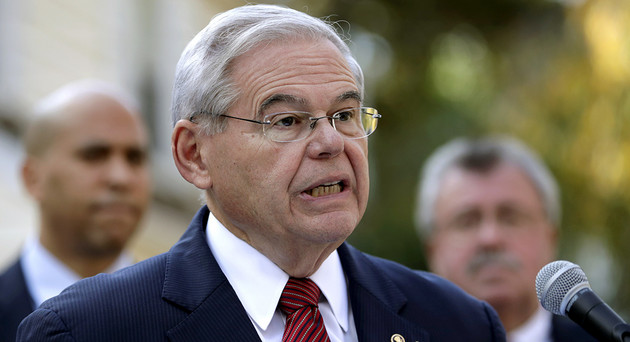
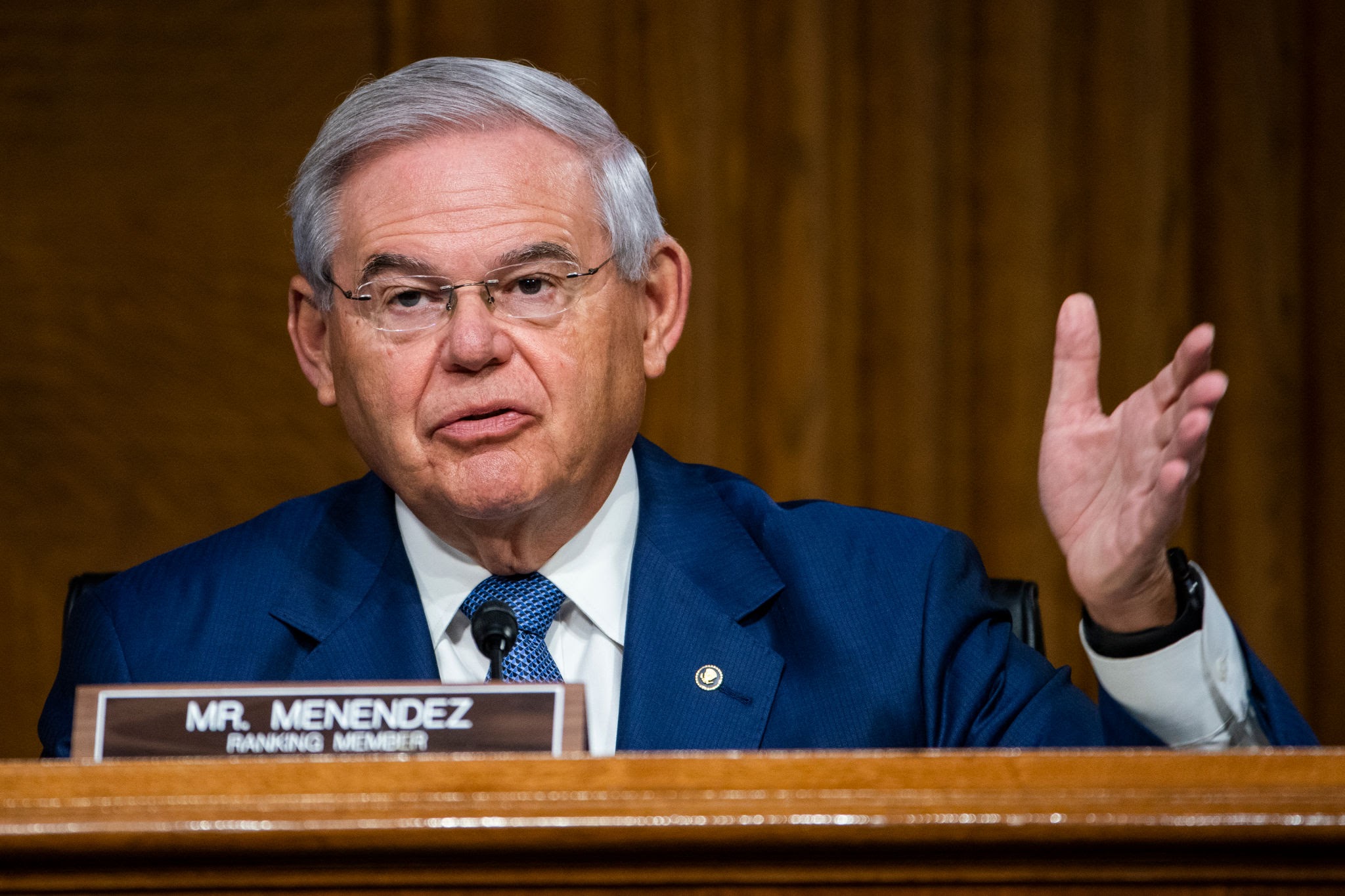
Kryetari i Komitetit për Punë të Jashtme të Senatit amerikan, Bob Menendez, shprehet se është krenar që i është bashkuar thirrjes së kryetarëve të komiteve për politikë të jashtme dhe 56 deputetë të disa vendeve evropiane drejtuar Brukselit dhe Uashingtonit që të rishqyrtojnë qasjen ndaj Serbisë për shkak të rolit të saj në tensionimin e situatës në pjesën veriore të Kosovës.

Në postimin e tij Senatori Menendez shkruan “politika për Ballkanin me Beogradin në qendër” nuk do të funksionojë.

“Jam krenar që bashkohem me Kryetarët transatlantik të Komiteteve të Punëve të Jashtme dhe ligjvënësve, duke përfshirë @aliciakearns, @MiRo_SPD & @ChairOlek, për të kërkuar nga qeveritë tona që të rishqyrtojnë qasjet e tyre ndaj marrëdhënieve Serbi-Kosovë. Një politikë për Ballkanin me Beogradin në qendër” nuk do të funksionojë”, shkruan Senatori Menendez.
Photo by: politico.com
Filed Under: Interviste

The U.S. Should Stand With Kosovo

August 9, 2023 by s p

Washington’s desire for Balkan stability has overtaken its support for democracy, the rule of law, and anti-corruption

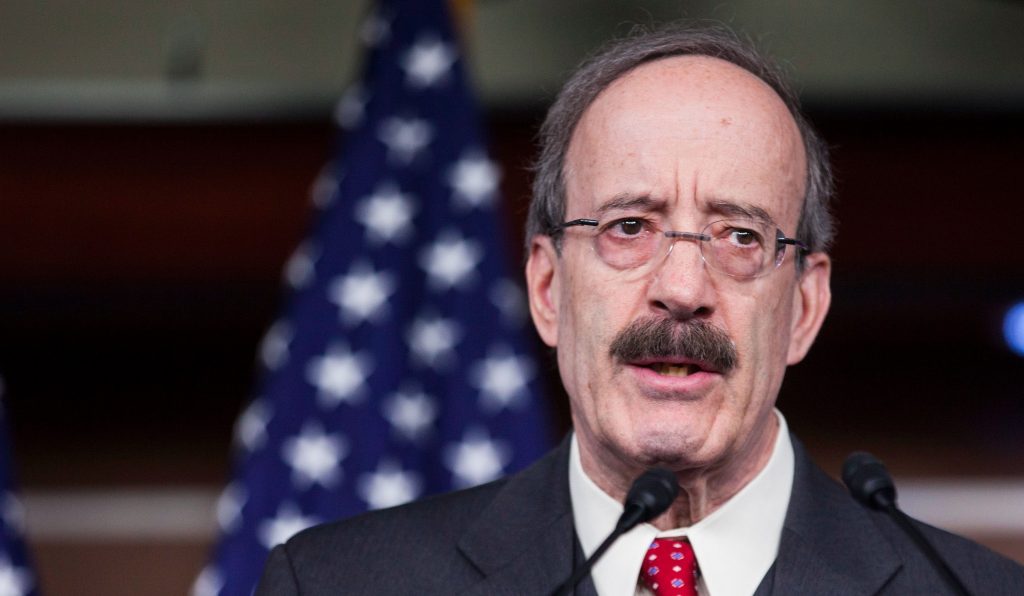
Eliot L. Engel, the former chairman of the Committee on Foreign Affairs in the U.S. House of Representatives. He served in the House from 1989 to 2021.

Dielli Editorial Note: The expert’s point of view published previously by Foreign Policy online

As the former chairman of the U.S. House Foreign Affairs Committee and during more than 30 years in the House of Representatives, I closely followed United States policy toward the Balkans and have been pleased by Washington’s support for democracy, the rule of law, and anti-corruption efforts there. But although I generally back what President Joe Biden’s administration is doing at home and abroad, I have concerns with the State Department’s handling of the ongoing dispute between Kosovo and Serbia.

The United States and most of Europe recognized the Republic of Kosovo in 2008, when the small country declared independence from Serbia. Less than a decade earlier, the United States and NATO halted former Yugoslav strongman Slobodan Milosevic’s vicious ethnic cleansing of Kosovo’s ethnic Albanian population. It was a major foreign-policy success for the West, and it was followed by years of robust U.S. support for Kosovo. But since then, Serbia and Russia have blocked Kosovo’s effort to join the United Nations and gain full recognition around the world, and the U.S. State Department has recently seemed less willing to support Kosovo’s exertion of sovereignty throughout its own territory.

Within the past year, Kosovo has sought to carry out the normal functions of government within its borders only to be faced with condemnation and even punishment by the United States. When Kosovo tried to have all of its citizens, including ethnic Serbs in the north, use its license plates rather than those of Serbia, the State Department firmly criticized Kosovo. When Kosovo sought to have duly elected mayors, who happened to be ethnic Albanian because ethnic Serbs boycotted the vote, begin work in their northern Kosovo offices—a basic and normal function of a democratic government—U.S. Secretary of State Antony Blinken “strongly condemned” the young republic and slapped punishments on the country.

Did Washington condemn Serbian President Aleksandar Vucic for pressuring Kosovo Serbs to boycott the election? No. Did it condemn the small group of Serbs who attacked NATO’s Kosovo Force, wounding 30 peacekeepers? Barely—it condemned the violence but did not call out the attackers. Did it condemn Serbia for stoking ethnic Serb citizens of northern Kosovo to aggressively reject using license plates of the country where they live? No. Has it condemned Serbia’s actions against ethnic Albanians in south Serbia, which, according to the Helsinki Committee for Human Rights in Serbia, amount to “ethnic cleansing through administrative means”? Again, barely, if at all.

I have reluctantly reached the conclusion that in the dispute between Kosovo and Serbia, Washington has been appeasing a semi-autocratic bully—Vucic—and has become a bit of a bully itself, pushing around and intimidating the smaller, more vulnerable Kosovo. It’s behavior that’s beneath the United States, and it’s time to reset the approach.

Serbia has been drifting away from democracy and the West ever since Vucic’s Serbian Progressive Party (SNS) came to power in Belgrade more than a decade ago. According to Freedom House, a nongovernmental organization that tracks human rights and civil liberties around the world, the ruling SNS “has steadily eroded political rights and civil liberties, putting pressure on independent media, the political opposition, and civil society organizations.” In addition, the U.S. Defense Department reported in 2019 that “[f]ollowing Serbia’s 2012 election, the SNS took steps to increase its military relationship with Russia.” Since then, the Moscow-Belgrade connection has persisted. Indeed, Serbia has still not imposed sanctions on Russia for invading Ukraine—which every other country in Europe (except Belarus) has done.

So what’s going on? Why is the United States so quick to condemn Kosovo and so averse to calling out Serbia? And how do we end this downward spiral and restore some good sense to U.S. policy?

I believe that in light of the war in Ukraine, Washington’s desire for stability in the Balkans has overtaken its support for democracy, the rule of law, and anti-corruption. The U.S. president deserves enormous credit for how his administration is leading the West in support of Ukraine. But his fervent desire to maintain stability in Europe has skewed his administration’s view of the long-standing conflict between Serbia and Kosovo. Washington is now placating Vucic in an attempt to tamp down his incendiary tendencies.

Of course, the United States wants to see both Serbia and Kosovo join the key Euro-Atlantic institutions, including the European Union and NATO, as peaceful and democratic states. But right now, the Biden administration should be backing Kosovo as it strengthens its democracy and consolidates sovereignty. Instead, its blocking Pristina out of fear that semi-autocratic Belgrade could stoke nationalist flames and set fire to the powder keg it has cultivated in northern Kosovo.

U.S. diplomats argue that if only Kosovo would implement the Association of Serb Majority Municipalities (ASMM)—a proposed community association with some ability to coordinate local activities—in its north, then all could move forward. Yes, Kosovo promised to set up the ASMM in the 2013 Brussels Agreement, and it should do so. But the ASMM won’t solve the basic problem—Serbia’s aggressive opposition to an independent Kosovo—which is only bolstered as Washington indulges Vucic’s misdeeds. At the end of the day, whether the ASMM is created, the same parties will have the same interests and will pull the same levers to achieve the same goals. And Vucic will keep stoking separatism and inciting violence.

Of course, it’s good that the United States and the European Union have been trying to advance normalization between Serbia and Kosovo through the EU-facilitated dialogue. Still, normalization means rather different things to each side.

In the meantime, appeasement of Serbia is not working, and it’s time to change course. The Biden administration took the first step in that direction last week, when the Treasury Department imposed sanctions on Serbia’s spy chief, Aleksandar Vulin, for having “advanced corruption … including involvement in a drug trafficking ring” and using “his public positions to support Russia, facilitating Russia’s malign activities that degrade the security and stability of the Western Balkans.” But those activities have been going on across the Serbian government for years, and it’s time to make a real break with the past.

The United States needs to support democracy, the rule of law, and the free press, as well as oppose corruption. Those features are in decline in Serbia, but they are in the ascendance in Kosovo. I urge the Biden administration to return to basics: Refocus on U.S. values and stop bullying Kosovo. And it needs to rebalance its policy in the Balkans to support those who embrace those priorities and stand up to those who don’t.

https://foreignpolicy.com/2023/07/18/biden-kosovo-policy-serbia-democracy-vucic/

Filed Under: Analiza

Top US and EU lawmakers say West is too soft on Serbia when it comes to easing Kosovo tensions

August 9, 2023 by s p

WASHINGTON, DC – JULY 30: Sen. Bob Menendez (D-NJ) questions U.S. Secretary of State Mike Pompeo during a Senate Foreign Relations committee hearing on the State Department’s 2021 budget in the Dirksen Senate Office Building on July 30, 2020 in Washington, DC. (Photo by Jim Lo Scalzo-Pool/Getty Images)

Senior lawmakers from the United States and Europe are calling for a change in the Western diplomatic approach toward Serbia and Kosovo

Senior lawmakers from the United States and Europe are calling for a change in the Western diplomatic approach toward Serbia and Kosovo amid concern that tensions between the two could rapidly spiral out of control.

In the letter, signed by U.S. Sen. Bob Menendez, chair of the Senate Foreign Relations Committee, and his counterparts in Germany, the U.K., Ukraine and other countries, the lawmakers said U.S. and European Union negotiators were not putting enough pressure on Serbian President Aleksandar Vucic. Serbia and its former province of Kosovo have been at odds for decades. Their 1998-99 war left more than 10,000 people dead, mostly Kosovo Albanians. Kosovo unilaterally declared independence in 2008 but Belgrade has refuses to recognize the move.

“It is hugely underestimated how serious the situation is that the EU and allies have brought themselves into with the continued appeasement of autocrats in the region like Vucic and (Bosnian Serb leader Milorad) Dodik,” one of the letter’s signatories, Dutch EU lawmaker Thijs Reuten, told the Associated Press on Wednesday.

The letter, addressed to U.S. Secretary of State Antony Blinken, EU foreign policy chief Josep Borrell and U.K. Foreign Secretary James Cleverly, highlights a series of incidents, including attacks on NATO peacekeepers, since Serbs living in the north of Kosovo boycotted municipal elections there in April.

“All point toward a rapidly deteriorating situation which not only threatens the Belgrade-Pristina dialogue, but regional peace itself,” the lawmakers wrote. They said recent finds of hidden weapons in northern Kosovo and cross-border arms smuggling “highlight the risk of further escalations.”

Borrell and his team lead a Belgrade-Pristina dialogue aimed at normalizing ties, and the U.S. is the other major player. In June, emergency talks with Vucic and Kosovo Prime Minister Albin Kurti to defuse tensions ended without producing a clear result.

The two refused to meet face-to-face and Borrell, who held talks separately with both men, conceded that they have “different interpretations of the causes and also the facts, consequences and solutions.”

In their letter, the lawmakers warned that “the current approach is not working. We would ask that the international community learns from our past and ensure we do not adopt a Belgrade-centered policy for the Balkans.”

They noted a “lack of pressure on Serbia” over the attacks on peacekeepers and the detention of Kosovo police and said the West’s diplomatic response “highlights the current lack of even-handedness in addressing such flashpoints.”

Borrell’s team confirmed he received the letter. Spokesman Peter Stano underlined that “the EU is a neutral facilitator” in the normalization dialogue and that both Serbia and Kosovo’s governments were being asked equally to help ease tensions.

“The EU is currently closely monitoring Serbia’s compliance to the EU’s requests and stands ready to take measures in case of non-compliance to these requests,” Stano said.

Vucic told reporters Tuesday that even though the letter was “directed against” him personally, “it is actually directed against Serbia.” He said the lawmakers who signed it think he’s “guilty” because he does not recognize Kosovo’s 2008 declaration of independence.

“I’m causing instability in the region because I’m advocating for the rights of the Serbian people in Bosnia and Montenegro,” Vucic said. “It is my fault and I’m proud of that.”

Vucic, a former ultranationalist who now claims to want to take Serbia into the EU, has maintained close ties with Russian President Vladimir Putin and has refused to impose sanctions on Russia over its war on Ukraine.

There are widespread fears in the West that Moscow could use Belgrade to reignite ethnic conflicts in the Balkans, which experienced a series of bloody wars in the 1990s during the breakup of Yugoslavia, in an effort to draw world attention away from the war.

At the same time, Kurti, a longtime Kosovo independence activist who served prison time in both Serbia and Kosovo, has proven a thorny interlocutor for negotiators to work with. Little progress has been made on improving ties since he took office as prime minister in 2021.

LORNE COOK Associated Press

Filed Under: Ekonomi

Eda Late si një Musine e kohës sonë, me shkëlqim inteligjence dhe urtësie

August 9, 2023 by s p

Aleksandër Çipa/

Kur pashë titullin e kobshëm për ikjen tënde në amëshim, Eda Late, lëngova si prej dhimbjes së thellë prej miku. Qysh nga adoleshenca ime, (atëhere humba vëllain tim të vogël), ia mallëkoj me koshiencë vdekjes, rrëmbimet e befta.

Në këtë të sotmin, të rrëmbeu ty.!

Të rrëmbeu Eda e mirë, hapasëz, (siç do të thuhej në sofatë e qytetit jo vetëm nga anetë). Të rrëmbeu duke të lënë në mes, gjëra të vyera e merita që s’i trashëgojnë dot, qoftë edhe simotra të tuat…Ti ishe një model i fismë Musineje. E kam fjalën për Musine Kokalarin, shkrimtarja, intelektualja, bila ( bija) që i shtoi qytetit një dimension njerëzor të cilin e shton dhe vlerëson shtueshëm e ardhmja, më shumë dhe përherë më tepër se e sotmja, e aq më tepër, se e shkuara.

Eda, nuk ishte “Musine” për shkak të penës apo të fjalës, ishte fisnikërisht e tillë, për shkak të intelektit, për shkak të ambicies dhe dashurisë për dije, për shkak të etjes dhe urisë sharmante për kulturë dhe për të qenë një bijë e arsimit dhe shkollimit shqip në nivelet dhe ambiciet më cilësore të mundshme.

Eda Late ishte ndër ato të reja gjirokastrite që pasuronte perceptimin dhe dijeninë e çdo ekstra-gjirokastriti, për zonjëzat e kulturuara, të holla dhe fine, prej hir-it mendor dhe sharmit logjik e largshikues.

Me Edën kaluam mbi 35 vite njohjeje.

U rritëm në Gjirokastër dhe në Tiranë. Flisnim, molloiseshim, qeshnim, monologonim e dialogonim më shumë me një shikim se sa me qindra fjalë.

I thoshim të gjitha edhe kur nuk shkëmbenim qoftë edhe më shumë se tre fjalë. (!)

Kur im bir Akri, po spikaste si student i bachelorit dhe pretendonte bursën e ekselentit për në New York, Eda ishte një autoritet në administratën e lartë arsimore. Mishëronte punonjësen madhështisht modeste, studiuesen dhe kërkuesen me një rigorozitet dhe korrektesë sfidueshëm për në nivelet e larta, teknicienen gjakftohtë e buzëqeshur.

Ishte pjesë e administratës arsimore, pranë ministrit të atëhershëm të Arsimit, Profesor Myqerem Tafaj. Profesori duke dashur ta prezantonte me mua, i thotë:- Sandri është gazetar dhe biri i tij është shqiptar i gjeneratës që do na përfaqësojë Shqipërinë tjetër…

Eda, me buzëqeshjen e saj karakteristike, i përgjigjet:

– Nga qyteti ynë, Sandri vjen me historinë moderne të shtypit…

Eda, sa herë me mikun tonë të përbashkët, tashmë aq mungestar, Hysni Çani të sillnim në kujtesë e përmendje bisedash! Të sillnim, sikundër flisnim për Musinenë dhe letërsinë e saj aq tipologjike, me rrëfimin në gjirokastriçe, sepse ti ishe e tillë në ditët tona. Sot e humbëm mundësinë e përgjithmonshme për ritakim me ty, Eda Late. Të gjitha të pathënat, do t’i themi veçmas, ndarë e për së ndari. Tonat do t’i dëgjojmë e artikulojmë me njeri-tjetrin si frymorë. Të tuat, ndoshta mund t’i marrim mistikisht prej botës tënde të amëshimtë.

Gjithësesi, pengu mbetet i joni ndër ne:

Ishe më e mirë nga sa të njihnin, mbete më e mirë nga sa të njohën.

U prehsh në paqe! Në dritë të shpirtit tënd qëndrofsh, bija e mirësishme e Gjirokastrës!

Filed Under: Komunitet Tagged With: aleksander Cipa, Eda Late

Vjetërsia e gjuhës shqipe

August 9, 2023 by s p

Bledi Filipi/

Lajmi u përhap me shpejtësinë e dritës, a thua se dëgjohej e lexohej për të parën herë. Si fillim do të përpiqem shkurt të përmbledh se ç’kanë thënë për shqipen. J. Hahn, në veprën “Studime shqiptare” (1854), me të cilën shënoi një etapë të re në më shumë se një fushë të albanologjisë, shtroi pyetjen se a janë shqiptarët autoktonë në vendbanimet e sotme të tyre, pyetje së cilës ai iu përgjigj në mënyrë pohuese. Ai i shihte shqiptarët si pasardhës të ilirëve, me të cilët afroi epirotët e maqedonasit, duke e lidhur gjithë këtë me pellazgët parahistorikë. Për të argumentuar tezën e tij të prejardhjes ilire të shqiptarëve e të gjuhës së tyre, Hahni përdori edhe materialet gjuhësore. Teoria e prejardhjes së shqipes, nëpërmjet ilirishtes, nga pellazgjishtja, u përkrah përpara Hahnit e për një periudhë edhe pas tij nga një radhë autorësh arbëreshë, duke filluar nga Nikollë Keta i shek. XVIII gjer te poeti i madh arbëresh Jeronim De Rada, që e mbrojti atë me zjarr gjer në fund të jetës së tij. Ajo u bë teza e përgjithshme e rilindësve tanë, që, duke theksuar me të lashtësinë e popullit shqiptar, kërkonin të vinin në dukje të drejtat e tij për të qenë zot i vetvetes e për të marrë vendin që i takonte në mes të popujve të lirë e të pavarur të Evropës. (Buda, 1987:25)

G. Mayeri më pas e pati caktuar vendin e shqipes, duke theksuar sidomos lidhjet e saj me arealin indoevropian. H. Pederseni solli disa përkime me armenishten. N. Jokli përforcoi qëndrimin e Mayer-it. Pas Joklit përkimet speciale leksikore midis shqipes dhe gjuhëve indoevropiane flasin për raportet e lashta të paraardhësve të shqiptarëve me paraardhësit e baltëve, gjermanikëve etj.

Këto janë thënë shekuj më parë nga albanologë të huaj dhe gjuhëtarë shqiptarë. Por para disa ditësh një lajm bëri bujë, sa kaloi në kryelajm në gazeta dhe televizione. Ishte për “zbulimin” e madh se shqipja është një ndër tri gjuhët më të vjetra në botë. Por kur e lexova këtë lajm edhe në faqen e AShSh-së, mendova: deri këtu arritëm?

Dikush mund të thotë me të drejtë, u bëre ti të dalësh kundër tyre. Nuk është çështja se po kundërshtoj punën e dikujt. Jo! Përkundrazi, më bëhet qejfi që në një revistë me prestigj dhe që lexohet gjerësisht ripohohet, se shqipja bashkë me dy gjuhë të tjera është ndër më të lashtat gjuhë indoeuropiane (jo më të vjetrat në botë). Këtë gjë shumë vite më parë e kanë vërtetuar arkitektët e gjuhësisë dhe të historisë shqiptare, si: Çabej, Domi, Buda, Ajeti etj., dhe nga albanologët e huaj pëfrmenda Pedersenin, Joklin, Majerin etj. dhe do ishte e udhës të citoheshin këta dijetarë të mëdhenj. Një e ftuar e një TV deklaronte se ajo e kishte thënë vite më parë këtë dhe akademikët tanë nuk ia kishin vënë veshin. E më pas zuri të fliste me pasion e ta shpallte veten etimologe bashkë me disa kolegë të saj. Ajo filloi si gjithmonë të shante gjuhëtarët e vërtetë e të hidhte baltë mbi veprën e tyre. Kësaj iu bashkëngjitën edhe allosoj “gjuhëtarësh”, që lanë mënjanë profesionin për të cilin ishin thirrur dhe i thanë vetes gjuhëtarë.

U bë temë dite sa u përfshinë në debat juristë, mjekë, sociologë, klerikë dhe lanë mënjanë profesionin e tyre e i thanë vetes mashalla gjuhëtarë.

Por a kemi kësaj here një zbulim të ri?

Këtu nuk kemi të bëjmë me një zbulim të ri, por me një saktësim të asaj që albanologët e kanë vërtetuar herët

Siç e theksova, ditët e fundit këtij lajmi iu bashkëngjitën jo gjuhëtarët e vërtetë, por sharlatanët që s’lanë fjalë të rruzullit pa e nxjerrë shqip. Të gjithë do të donim që shqipja të ishte nëna e gjuhëve indoeuropiane, por s’të lë historia e gjuhës dhe më saktë fonetika historike, etimologjia dhe mbi të gjitha gjuhësia krahasuese.

Do të ishte një lajm i ri nëse do të ishte zbuluar ndonjë shkrim i vjetër i parashqipes, pra ilirishtes dhe rregulli e do që të flasin të parët specialistët e fushës e jo ata që nuk kanë asnjë lidhje me gjuhësinë. Mjafton të citoj prof. Xh. Lloshin, i cili në librin “Periudhat historike të gjuhës shqipe”, botuar më 2013, domethënë dhjetë vjet më parë, ka shkruar: “Shqipja bën pjesë në gjuhët indoeuropiane, por zë një vend të veçantë, ashtu si greqishtja ose armenishtja, sepse qëndron më vete, nuk është brenda një grupi, si gjuhët romane, gjermanike ose sllave”. Sipas shpjegimeve të tij, arsyeja është se këto tri gjuhë nuk janë degëzuar në pasardhëset e sotme për shkakun se popullsitë bartëse të tyre janë pasojë e rrudhjes, e zvogëlimit të hapësirës së tyre për shkaqe historike. Mjafton të përmendet Magna Grecia dy mijë e ca vjet më parë, ndërsa edhe ilirët shtriheshin në veri deri në Trieste dhe në jug deri në Pargë, kure përfundimisht shqipja është pasardhëse e një grupi dialektesh ilire jug-perëndimore. Madje prof. Xh. Lloshi ka shkruar jo për një ilirishte, por për disa gjuhë ilire dhe prandaj shqipja është me vlera të veçanta, sepse vetëm ajo ka qenë e aftë të mbijetojë deri në ditët tona e të jetë si shoqet e saj një gjuhë e lëvruar europiane. Sa për datën 6 mijë vjet, është e vërtetë që sipaa dijes gjuhësore, gjuhët indoeuropiane mund të quhet se përcaktohen në një periudhë paraindoeuropiane dhe rreth 3700 vjet para erës së re mund të flitet për një gjuhë indoeuropiane si bashkësi dialektesh.

Do të ishte mirë që edhe televizionet të ndërgjegjësoheshin dhe të thërrasin në emisione ata gjuhëtarë që kanë dhënë kontribut të çmuar në gjuhësinë shqiptare e jo ata që po bëhen qesharakë me budallallëqet e tyre.

Kombi ynë është një komb me histori të lashtë në trojet e tij dhe këtë e dinë të gjithë. Jemi komb i copëtuar në gjashtë pjesë dhe në Evropë dhe botë ne duhet të përfaqësohemi denjësisht dhe jo me përralla.

Ajo që na bën një kudo jemi është gjuha, por kur vjen puna te vjetërsia e gjuhës sonë amtare duhet të flasin specialistët. Gjuhësia, historia flasin me shkrime, dokumente dhe shkenca me prova a eksperimente.

Historia e gjuhës ka rregullat e saj, dhe për të dëshmuar vjetërsinë e një gjuhe duhen shkrime të vjetra që ne deri më sot nuk i kemi dhe për të shkuar te gjuha-nënë niset nga e reja tek e vjetra, jo nga e vjetra tek e reja.

Filed Under: Kulture

  • « Previous Page
  • 1
  • …
  • 41
  • 42
  • 43
  • 44
  • 45
  • …
  • 56
  • Next Page »

Artikujt e fundit

  • Kontributi shumëdimensional i Klerit Katolik dhe i Elitave Shqiptare në Pavarësinë e Shqipërisë 
  • Takimi i përvitshëm i Malësorëve të New Yorkut – Mbrëmje fondmbledhëse për Shoqatën “Malësia e Madhe”
  • Edi Rama, Belinda Balluku, SPAK, kur drejtësia troket, pushteti zbulohet!
  • “Strategjia Trump, ShBA më e fortë, Interesat Amerikane mbi gjithçka”
  • Pse leku shqiptar duket i fortë ndërsa ekonomia ndihet e dobët
  • IMAM ISA HOXHA (1918–2001), NJË JETË NË SHËRBIM TË FESË, DIJES, KULTURËS DHE ÇËSHTJES KOMBËTARE SHQIPTARE
  • UGSH ndan çmimet vjetore për gazetarët shqiptarë dhe për fituesit e konkursit “Vangjush Gambeta”
  • Fjala përshëndetëse e kryetarit të Federatës Vatra Dr. Elmi Berisha për Akademinë e Shkencave të Shqipërisë në Seancën Akademike kushtuar 100 vjetorit të lindjes së Peter Priftit
  • Shqipëria u bë pjesë e Lidhjes së Kombeve (17 dhjetor 1920)
  • NJЁ SURPRIZЁ XHENTЁLMENЁSH E GJON MILIT   
  • Format jo standarde të pullave në Filatelinë Shqiptare
  • Avokati i kujt?
  • MËSIMI I GJUHËS SHQIPE SI MJET PËR FORMIMIN E VETEDIJES KOMBËTARE TE SHQIPTARËT  
  • MES KULTURES DHE HIJEVE TE ANTIKULTURES
  • Historia dhe braktisja e Kullës së Elez Murrës – Një apel për të shpëtuar trashëgiminë historike

Kategoritë

Arkiv

Tags

albano kolonjari alfons Grishaj Anton Cefa arben llalla asllan Bushati Astrit Lulushi Aurenc Bebja Behlul Jashari Beqir Sina dalip greca Elida Buçpapaj Elmi Berisha Enver Bytyci Ermira Babamusta Eugjen Merlika Fahri Xharra Frank shkreli Fritz radovani Gezim Llojdia Ilir Levonja Interviste Keze Kozeta Zylo Kolec Traboini kosova Kosove Marjana Bulku Murat Gecaj nderroi jete ne Kosove Nene Tereza presidenti Nishani Rafaela Prifti Rafael Floqi Raimonda Moisiu Ramiz Lushaj reshat kripa Sadik Elshani SHBA Shefqet Kercelli shqiperia shqiptaret Sokol Paja Thaci Vatra Visar Zhiti

Log in

This website uses cookies to improve your experience. We'll assume you're ok with this, but you can opt-out if you wish. Cookie settingsACCEPT
Privacy & Cookies Policy

Privacy Overview

This website uses cookies to improve your experience while you navigate through the website. Out of these cookies, the cookies that are categorized as necessary are stored on your browser as they are essential for the working of basic functionalities of the website. We also use third-party cookies that help us analyze and understand how you use this website. These cookies will be stored in your browser only with your consent. You also have the option to opt-out of these cookies. But opting out of some of these cookies may have an effect on your browsing experience.
Necessary
Always Enabled
Necessary cookies are absolutely essential for the website to function properly. This category only includes cookies that ensures basic functionalities and security features of the website. These cookies do not store any personal information.
Non-necessary
Any cookies that may not be particularly necessary for the website to function and is used specifically to collect user personal data via analytics, ads, other embedded contents are termed as non-necessary cookies. It is mandatory to procure user consent prior to running these cookies on your website.
SAVE & ACCEPT