• Home
  • Politics
  • Opinion
  • Culture
  • Sports
  • Economy
  • Interview
  • Reporting
  • Community
  • Vatra

Dielli | The Sun

Albanian American Newspaper Devoted to the Intellectual and Cultural Advancement of the Albanians in America | Since 1909

Estonia, mbështetje për rrugën euro-atlantike të Kosovës

June 11, 2021 by dgreca

Presidentja Osmani përfundoi vizitën zyrtare dyditore në Estoni/
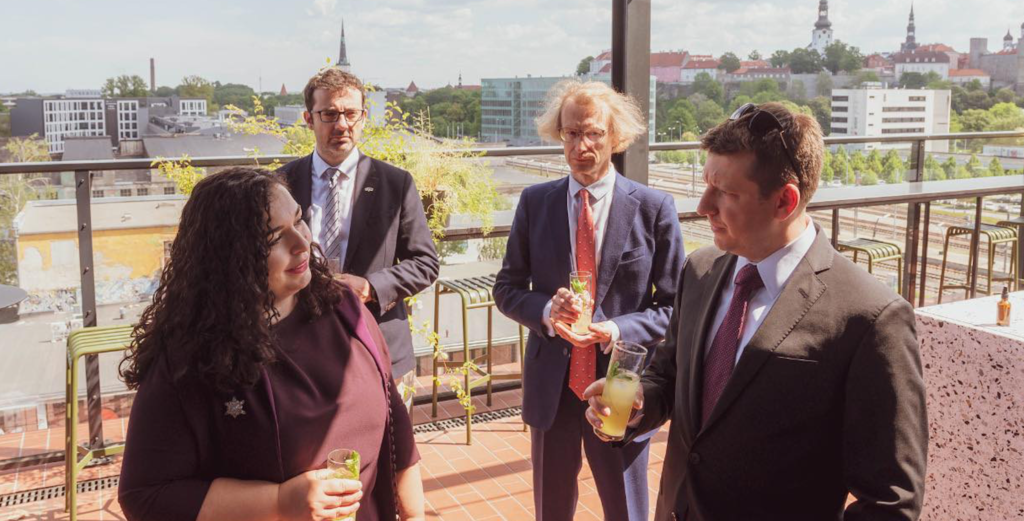
-Nga të gjithë krerët shtetërorë të Estonisë, Presidentja Osmani ka marrë mbështetjen për rrugën euro-atlantike të Kosovës, por edhe për anëtarësim në organizata ndërkombëtare/

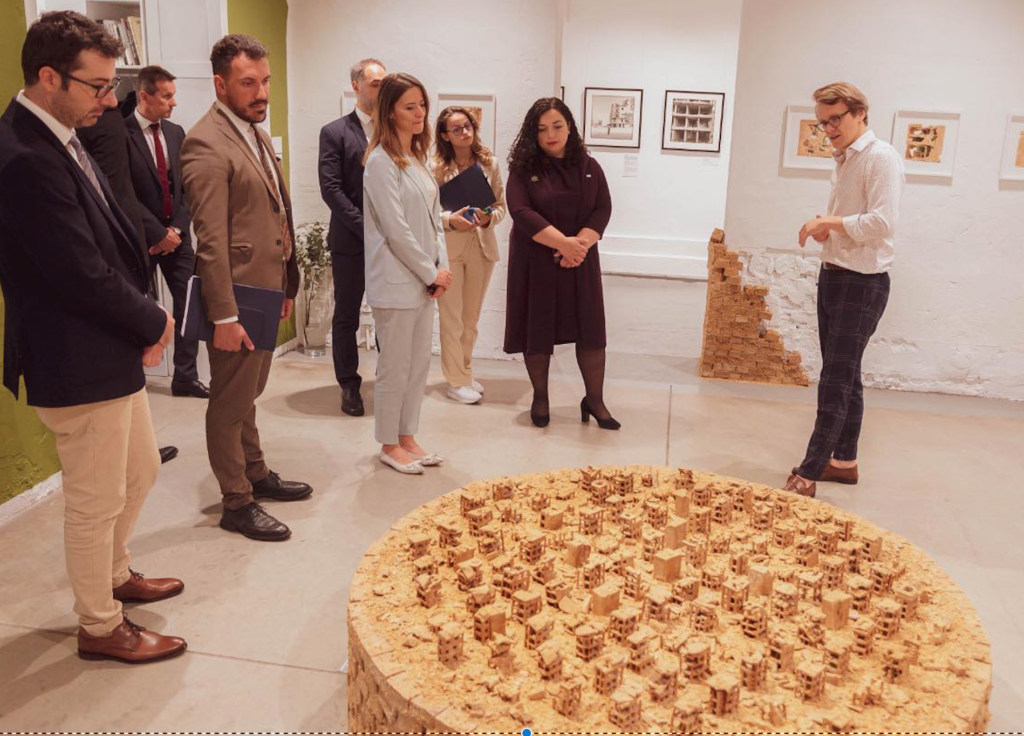
PRISHTINË, 11 Qershor 2021- Gazeta DIELLI/ Presidentja e Republikës së Kosovës, Vjosa Osmani dhe delegacioni i bizneseve nga fusha e teknologjisë informative kanë përfunduar vizitën dyditore zyrtare në Estoni. Bashkë me delegacionin, Presidentja ka vizituar e-Estonia Briefing Center, Qytetin Kreativ Telliskivi dhe Qendrën Pipedrive.

Gjatë vizitës në të tri këto qendra digjitale, Presidentja Osmani ka përgëzuar kompanitë estoneze për transformimin digjital dhe shpirtin inovativ. Ajo ka theksuar se me ekipin e bizneseve nga kompanitë digjitale të Estonisë kanë parë gatishmërinë për ta ndihmuar Kosovën në këtë sferë. Më tej, Presidentja Osmani ka shfaqur besimin se një transformim i tillë digjital është i mundshëm edhe në Kosovë duke marrë përvojën nga Estonia.

Këto tri qendra digjitale kanë shfaqur gatishmërinë që me kompani të fushës së njëjtë në Kosovë të vendosin bashkëpunim me idenë për realizimin e projekteve konkrete.

Gjatë qëndrimit dyditor në Estoni, Presidentja Osmani është pritur nga Presidentja, Kersti Kaljulaid, Kryetari i Parlamentit, Jüri Ratas, Kryeministrja Kaja Kallas, ministren e Jashtme Eva Maria Liimec, sekretarin e përgjithshëm të Ministrisë së Jashtme, Jonatan Vseivov, si dhe kryesuesin e Komitetit për çështje evropiane, Siim Kallas.

Nga të gjithë krerët shtetërorë të Estonisë, Presidentja Osmani ka marrë mbështetjen për rrugën euro-atlantike të Kosovës, por edhe për anëtarësim në organizata ndërkombëtare.

Republika e Estonisë e ka njohur Republikën e Kosovës në 21 Shkurt 2008, ndërsa marrëdhëniet diplomatike janë vendosur nga Prilli 2008 – vitit të shpalljes së pavarësisë në 17 Shkurtin historik.

Filed Under: Featured Tagged With: President Osmani

DIELLI- VIZITA DHE FJALA E PRESIDENTIT AMERIKAN BUSH NË TIRANË NË 10 QERSHOR 2007, NGJARJE VITI

June 11, 2021 by dgreca

-Shtypi në Prishtinë e vlerësonte ngjarje viti fjalën e Presidentit Amerikan Bush në Tiranë në 10 qershor 2007: “Herët apo vonë do të duhet të themi: ‘Mjaft, është mjaft. Kosova është e pavarur’”.  “Atë ditë, burrri më me ndikim në botë, George W. Bush, e shprehu hapur përkrahjen e tij dhe garancinë e Shteteve të Bashkuara të Amerikës për pavarësinë e Kosovës”, ka shkruar gazeta “Koha Ditore”

-“Viti i Ri 2008 është një tjetër vit historik i realizimit të Pavarësisë, ëndërrës shekullore, pritjeve tona të madha”, shkruante në 30 dhjetor 2007  gazeta tradicionale e Kosovës “Rilindja” në faqen e parë, ndërsa në Kalendar uronte: Gëzuar Viti i Pavarësisë 2008/

SPECIALE-Gazeta DIELLI nga korrespondenti në Kosovë Behlul Jashari

PRISHTINË, 10 Qershor 2020/ NGJARJA E VITIT 2007: VIZITA DHE FJALA E PRESIDENTIT BUSH NË TIRANË, KA VLERËSUAR SHTYPI I KOSOVËS

Në fundvitin 2007 kam raportuar nga Prishtina: Vizita dhe fjala për pavarësinë e Presidentit Amerkan Xhorxh Bush në Tiranë më 10 qershor 2007 ëshë vlerësuar ngjarja e vitit 2007 në numrat specialë festivë të Vitit të Ri 2008 të gazetave të Kosovës.

“Ngjarja e vitit: Fjala e Presidentit Bush”, thuhet në një titull në faqen e parë të gazetës “Zëri”.

“Në veçanti, paraqitja e Presidentit Bush në Tiranë, ishte e tillë që ndodhë një herë në historinë e një populli. Bush ishte shumë i qartë, shumë i saktë, shumë i drejtpërdrejtë: Kosova do të behet shtet”, ka shkruar “Zëri”.

“10 qeshori 2007, sipas të gjitha gjasave, do të mbetet dita më vendimtare në historinë e definimit të statusit të Kosovës, pas datës së shpalljes së pavarësisë. Atë ditë, burrri më me ndikim në botë, George W. Bush, e shprehu hapur përkrahjen e tij dhe garancinë e Shteteve të Bashkuara të Amerikës për pavarësinë e Kosovës”, ka shkruar gazeta “Koha Ditore”.

Presidenti Bush,  ka vazhduar gazeta, “foli në mes të Shqipërisë, dhe në mënyrën më të qartë të mundur”. “Herët apo vonë do të duhet të themi: ‘Mjaft, është mjaft. Kosova është e pavarur’”, tha ai në vizitën e tij, mbase më të popullarizuarën të bërë jashtë SHBA-së, gjatë këtyre dy mandateve të tij, shkruan “Koha Ditore” nën titullin “Figurat e vitit në Kosovë dhe për Kosovën” dhe mestitullin “Garantuesi”.

Ndër “Figurat e vitit në Kosovë dhe për Kosovën” “Koha Ditore” me nëntitullin “Avokati i Kosovës” ka radhitur edhe Kryeministrin e Shqipërisë, Sali Berisha, dhe në kontekst të vizitës së Presidentit  Bush në Shqipëri ka theksuar: “Ndryshe, Berisha ishte vlerësuar edhe si njeriu më i duhur nga Presidenti Amerikan për t’ia përcjellë Prishtinës garancinë se pavarësia e Kosovës do të vijë gjithësesi, vetëm se duhet pasur kujdes nga hapat e ngutshëm”, ka theksuar gazeta.

“Koha Ditore” ka përkujtuar se Kryeministri Berisha  ia ka kushtuar Kosovës edhe “një pjesë të madhe të takimeve e vizitave të tij jashtë vendit, madje edhe në selitë kryesore të botës.”

“Ndër to, më kulmori ka qenë fjalimi i tij në Asamblenë e Prgjithshme të Komeve të Bashkuara, kur tha se Serbia duhet të dijë se koha e kolonizimit ka kaluar dhe Kosova duhet të jetë përfundimisht e pavarur”,  ka shkruar kjo gazetë.

Me titullin “Ngjarja e vitit 2007 – vizita e Presidentit Amerikan në Shqipëri”, gazeta “Bota Sot” ka shkruar se “në kalendarin e vitit 2007 do të shënohet me shkronja të arta 10 qershori”. “Me këtë datë në tokën shqiptare zbriti Presidenti i Shteteve të Bashkuara të Amerikës Xhorxh Bush” dhe “dha porosinë e madhe: ‘Kosova do të bëhet e pavarur!’”, ka theksuar kjo gazetë.

“10 qershor – Presidenti Bush: Pavarësia është rezultat i fundit”, ka shkruar “Epoka e Re”, e cila ka përkujtuar se Presidenti Amerikan u deklarua për pavarësinë e Kosovës “në një konferencë të përbashkët shtypi me Kryeministrin shqiptar, Sali Berisha, e cila u përshkua nga pyetjet rreth Kosovës”.

“Presidenti Bush në Tiranë tha se Kosova do ta fitojë pavarësinë”, ka përkujtar ngjarjen e madhe gazeta “Kosova Sot”, nën titullin “Viti i afrimit të pavarësisë”.

Gazeta tradicionale e Kosovës “Rilindja”, që për Vitin e Ri të pritjes së pavërsisë ka dalë numër i jashtëzakonshëm, vizitën e Presidentit Bush në Tiranë më 10 qershor e ka vlerësuar “një ngjarje tepër të rëndësishme historike” për Shqipërinë, Kosovën dhe rajonin. “Zgjidhja e statusit të Kosovës  nuk përfaqëson më vetëm vetvetën, por ka marrë tashmë një kuptim thelbësor gjeopolitik”, ka theksuar gazeta në shkrimin me titull “Shqipëria në arenën ndëkobëtare”, ku veçmas është nënvizuar rëndësia shumë e madhe vizitës së Presidentit Bush në Tiranë.

Ngjarje tjetër historike në procesin e statusit të Kosovës shtypi i Prishtinës ka vlerësuar arritjen në OKB të Propozimit të Ahtisaarit për pavarësi të mbikëqyrur të Kosovës,  të cilin dokument Sekretarit të Përgjithshëm të OKB-së, Ban Ki-Muun, ia ka dorëzuar zv.kryenegociatori Albert Rohan, më 15 mars. “Viti 2007, që po shkon, mbetet në histori si vit i Planit të Ahtisaarit për pavarësinë e Kosovës, dokumentit të OKB-së me përkrahje të gjerë ndërkombëtare dhe me ndonjë kundërshtim. Viti i Ri 2008 është një tjetër vit historik i realizimit të Pavarësisë, ëndërrës shekullore, pritjeve tona të madha”, shkruan “Rilindja” në faqen e parë.

Në 10 Qershor 2007 kam raportuar: KOSOVË, VIZITA E HISTORIKE E PRESIDENTIT BUSH NË SHQIPËRI NDIQET ME SHUMË INTERESIM E GËZIM

Vizita historike e presidentit amerikan Xhoorxh Bush sot në Shqipëri në Kosovë po ndiqet me shumë interesim e gëzim. Në transmetim të drejtpërdrejtë të Televizionit të Kosovës arrtija e presidentit Bush në Aeroportin e Rinasit  është përshëndetur me ngritje në këmbë e duartrokitje edhë nëpër familje dhe kudo tjetër në Kosovë. “Bush në Shqiipëri”, “Mirësevini Zoti President”, “Dhjetë milionë shqiptarë me Xhorxh W Bushin”, “Bush: Jo shtyrje të statusit të Ksovës”, “Ka ardhur koha për pavarësi”, jënë disa nga tutujt kryesorë në faqet e para të gazetave të Prishtinës. Raportet nga Tirana kryeqytetin shqiptar në pritje të presidentit Bush e përshkruajnë “sikur të ishte qytet amerikan”.

Atmosfera e festës për vizitn e presidentit amerikan Bush në Shqipëri përshkon sot edhe festimet në Prizren të 129-vjetorit të Lidhjes Shqiptare të Prizrenit, ku në akademinë solemne dhe veprimtari tjera është paralajmëruar pjesëmarrja e liderëve institucionalë e politikë të Kosovës.

Një numër i madh i kosovarëve kanë udhëtuar të jenë sot në pritjen e madhe për presidentin Bush në Tiranë. Për të dhënë mesazhin e mirënjohjes e falenderimit të madh për SHBA-të e presidentin Bush tre gjakovarë drejt kryeqytetit shqiptar kanë udhëtuar me biçikleta.

Televizioni i Kosovës po vazhdon transmetimet e drejtpërdrejta nga Tirana për vizitën e presidentit të SHB-ve Xhorxh Bush, që kështu ka hyrë edhe në familjet kosovarëve – mysafiri e miku i madh i të gjithë shqiptarëve.

Në 11 Qershor 2007 kam raportuar: KOSOVË, EKIPI I UNITETIT PËRSHËNDET FJALËN DHE QËNDRIMIN E PRESIDENTIT BUSH  DHE E VLERËSON MESAZHIN PËR BASHKËPUNIMIN TIRANË-PRISHTINË

 Anëtarët e Ekipit të Unitetit, pas deklarimeve të veçanta, në takimin e sotëm së bashku dhe unanimisht, kanë përshëndetur fjalën dhe qëndrimin për Kosovën të presidentit amerikan Xhorxh Bush në Shqipëri dhe kanë vlerësuar shumë të rëndësishëm mesazhin për bashkëpunimin mes Tiranës e Prishtinës. “Ekipi i Unitetet përshëndet fjalën dhe qëndrimin e presidentit Bush edhe në vizitën e Romës, edhe në vizitën në Shqipëri, për të ardhmen e Kosovës, për pavarësinë e Kosovës, që është një qëndrim shumë i prerë dhe shumë i qartë”, ka thënë presidenti Fatmir Sejdiu.

“Ne do të vazhdojmë në përgatitjet tona për të kryer pjesën e obligimev që kemi, sidomos ato që lidhen me fazën e parë të transicionit”, ka thënë Sejdiu.

I pyetur lidhur me mesazhin e presidentit amerikan Bush kryeministrit shqiptar Berisha në Tiranë për bashkëpunimin me liderët kosovarë që të mbajnë qetësinë në këta hapa të fundit, presidenti Sejdiu  ka thënë se “për Kosovën është shumë e rëndësishme që të bashkëpunojë me Shqipërinë”. Duke theksuar poashtu rëndësinë e bashkëpunimit edhe me Maqedoninë e vendet e tjera fqinje, Sejdiu  është përgjigjur:

“Kjo ka të bëjëme nevojën e bashkëpunimit të gjithmonshëm, me udhëheqjen shtetërore të Shqipërisë, po edhe me vendet tjera të rajonit. Ne kemi pasur dhe kemi kontakte të rregullta dhe shumë të mira… Për ne është me rëndësi që Shqipëria ka dhënë dhe do të japë kontributin e saj të jashtëzalkonshëm në ndihmë proceseve në Kosovë dhe poashtu është shumë e rëndësishme që gjithë struktura e saj diplomatike, gjithë rrjeti diplomatik i Shqipërisë, është në shërbim të Kosovës, të pjesës së lobizimit dhe të mbështetjes së fuqishme. Prandaj, ne do të vazhdojmë bashkëpunimin tonë. Është shumë e rëndësishme që kemi mirëkuptim të ndërsjellë. Është shumë e rëndësishme që në këtë pjesë të projektit kemi të bëjmë edhe me elementet që lidhen me çështjen e përgatitjeve të mëtejshme në pjesën e përvojave për integrime. Shqipëria, qysh tash mund të them se do të jetë kandidat serioz edhe për NATO, edhe për stukturat e Bashkimit Evropian. Për ne është e mirëseardhur kjo pjesë e punës që kanë bërë, përvoja e jashtëzakonshme, sidomos viteve të fundit, dhe mbështetja që i ipet nga ana e komunitetit ndërkombëtar”.

VIZITA DHE FJALA E PRESIDENTIT AMERIKAN BUSH NË TIRANË NË 10 QERSHOR 2007 NGJARJE VITI

Filed Under: Featured Tagged With: shqiperi, Vizita e Presidentit Bush

David L.Philips: Vetëm SHBA ka kapacitetin për të obliguar marrëveshjen finale

June 11, 2021 by dgreca

Drejtori i Institutit për të Drejtat e Njeriut dhe Paqes në Universitetin “Columbia” të Nju Jorkut, David Philips, ka deklaruar sot se presin që këtë vit të arrihet marrëveshja përfundimtare Kosovë-Serbi, për të cilën tha se vetëm SHBA ka kapacitetin për ta shtyrë përpara.

RTK- Philips, në një tryezë të organizuar nga LDK me temën “Fuqizimi i sovranitetit dhe pavarësisë së Kosovës”, shprehu bindjen e tij se marrëveshja përfundimtare do të rezultojë me njohje reciproke.

Ai foli edhe për marrëveshjet e arritura në Bruksel, për çka tha se nuk janë zbatuar plotësisht.

Philips: Vetëm SHBA ka kapacitetin për të obliguar marrëveshjen finale me Serbinë

“Vetëm SHBA ka kapacitetin për të detyruar një marrëveshje, për të zbatuar një marrëveshje, dhe përmes diplomacisë dhe ndërmjetësimit të saj për t’u bashkuar në bashkëpunimin transatlantik e për t’i dërguar një mesazh shumë të qartë Beogradit, boll më, ky proces duhet të përfundojë, duhet të përfundojë me drejtësi për popullin e Kosovës. Në qoftë se nuk arrijmë në atë pikë, Serbia vetë nuk mund të zhvillohet si shoqëri dhe të gjithë duam që kjo pjesë e botës të ecë përpara, në mënyrë që të ketë progres dhe bashkëpunim. Dhe kështu, SHBA mund të forcojë aleancat e saj, në radhë të parë më së shumti me Republikën e Kosovës, por gjithashtu edhe me të gjitha vendet në rajon”, tha Philips.

Ai potencoi se BE është ndërmjetësuesi kryesor, porse theksoi se SHBA duhet të përmirësojë pjesëmarrjen e saj.

Philips hodhi dyshime nëse BE mund të bëjë presion ndaj Serbisë për ta njohur Kosovën, pasi që përfaqësuesi special i BE-së për dialog, Miroslav Lajçak është sllovak dhe Sllovakia nuk e ka njohur pavarësinë e Kosovës.

Sipas tij, në këto takime nuk duhet të marrë pjesë një ndihmës-sekretar ose zëvendës ndihmës-sekretari, porse do të ishte e dobishme që presidenti Joe Biden të caktojë një të dërguar të posaçëm presidencial, në mënyrë që të rritet presioni në këto diskutime dhe të arrihen rezultate.

Philips: Lajçaku është sllovak, a mund të presim që BE të bëjë presion ndaj Serbisë për ta njohur Kosovën

“Kam gjithashtu disa pyetje në lidhje me besueshmërinë e BE-së si ndërmjetësues. Nëse BE dëshiron të demonstrojë një dëshirë të sinqertë për të ndihmuar Kosovën, atëherë çfarë ka ndodhur me liberalizimin e vizave nga BE? Pse po vazhdon ky diskutim prej vitesh pa rezultat? Z. Lajcak është një njeri i mirë, ai është një diplomat kompetent, ai është gjithashtu një sllovak, dhe ne e dimë që Sllovakia është një nga pesë shtetet që nuk e kane njohur Kosovën. Pra, a mund të presim me të vërtetë që BE të bëjë presion ndaj Serbisë për ta njohur Kosovën dhe për ta çuar përpara këtë proces”, tha Philips.

Ai u shpreh se SHBA-të dëshirojnë një marrëveshje me njohje reciproke, në mënyrë që të dy shtetet, Kosova dhe Serbia, të ecin përpara.

Philips: Qëllimet tona janë pavarësia, sovraniteti dhe njohja reciproke

“Qëllimet tona janë pavarësia, sovraniteti dhe njohja reciproke. Detajet e çështjeve bilaterale mund të adresohen, por nëse Serbia nuk është e përgatitur ta pranojë që ajo e humbi Kosovën për shkak të krimeve të Millosheviqit, ne nuk do të jemi në gjendje të ecim përpara. Dhe ne do të zbulojmë se ka ende keqkuptim dhe konflikt të mundshëm në këtë rajon. SHBA dëshiron që ju të keni sukses, dëshiron një marrëveshje reciproke, në mënyrë që të dyja, Kosova dhe Serbia mund të ecin përpara, kështu që të ketë paqe dhe prosperitet për popujt e të dyja vendeve”, tha ai.

Philips përmendi edhe marrëveshjet e arritura mes dy shteteve, por që tha se moszbatimi i të njëjtave qëndron tërësisht nga ana e serbëve.

Philips: Moszbatimi i tyre qëndronte pothuajse tërësisht në anën serbe

“Është folur shumë në Bruksel, ka pasur 33 marrëveshje që janë arritur gjatë viteve. Kam kryer një studim në Universitetin e Columbia-s dhe kam bërë një hulumtim mbi dialogun Kosovë-Serbi. Dhe, ajo që gjeta ishte se ato marrëveshje nuk ishin zbatuar plotësisht dhe moszbatimi i tyre qëndronte pothuajse tërësisht në anën serbe. Në vend që të adresojë çështjet thelbësore të njohjes së pavarësisë së Kosovës, si përgatitjen e terrenit për njohjen reciproke, për mendimin tim, Serbia ka hyrë në këtë dialog jo për të gjetur zgjidhje, por si një taktikë vonese, si një mënyrë që të shtyjë diçka që është e pashmangshme, e që është njohja e plotë e Republikës së Kosovës”, deklaroi Philips.

Ndërsa Teuta Sahatqija nga Lidhja Demokratike e Kosovës, tha se pas marrëveshjes së Uashingtonit vitin e kaluar është rritur interesi i partnerëve ndërkombëtarë, derisa tha se tash janë në një kohë kur dialogu duhet të finalizohet.

Sahatqija: Ne jemi në një kohë kur dialogu duhet të finalizohet

“Në vitin 2008 Kosova shpalli pavarësinë, ne kishim shumë njohje, por vitet e fundit numri i njohjeve ra shumë dhe madje filloi me disa çështje të çnjohjeve edhe pse kjo nuk ekziston si nocion në diplomaci. Interesat e partnerëve tanë ishin me intensitet të ulët, dhe pas marrëveshjes së Uashingtonit vitin e kaluar, pamë një rritje të nivelit të interesit, dhe ne jemi në një kohë kur dialogu duhet të finalizohet”, tha ajo.

Ajo paralajmëroi se LDK në vazhdimësi do të organizojë debate të tilla, me qëllim që të jenë më gjithëpërfshirës. 

*Shenim: Editorja e Anglishtes e Diellit ka derguar kerkese tek folesi dhe organizatoret per te folur ne lidhje me diskutimin e mbajtur sot ne Prishtine.

Filed Under: Analiza Tagged With: David L Phillips, Marreveshja finale, SHBA, SHBA- KOSOVE:

AFTER MLADIC’S VERDICT: SIX LESSONS TO LEARN FROM HAGUE TRIALS

June 11, 2021 by dgreca

GJYKATA E HAGES/

In the wake of the confirmation of Ratko Mladic’s final judgment, the rulings of the Hague war crimes courts still leave us with much to discover about truth, guilt, the meaning of genocide and the elusive concept of reconciliation.

By Eric Gordy-Londer-BIRN*

The delivery of the Ratko Mladic appeal verdict went as expected, with no surprises other than a flurry of dissents from the presiding judge. With the legal outcome essentially unchanged from the trial verdict, there is not a lot that is new to say about it.

Having nothing new to say about legal findings may not be such a bad place to be. The International Criminal Tribunal for the Former Yugoslavia, ICTY and its successor, the Residual Mechanism, have left a mixed record. Their melange of good and bad decisions shows a great deal about the current capacity of law, both its ability to open new ground and its reluctance to step beyond some constraining boundaries.

But above all it has shown that the wounds and tensions of a part of the world recovering from large-scale violence cannot be addressed through processes that rely only on law.

So if this is the moment when we can turn away from criminals and the damage they have left behind them, and toward the societies picking up the pieces, what are the lessons that can be learned from 28 years of keeping law on the front burner? Let me suggest a few, in the hope that other people can suggest some more.

Lesson 1: The search for truth is more than confirmation of facts

A lot of people turned to courts in the hope that they would tell the story of the violence that people suffered. And in many respects the courts did tell that story. Thanks to the Tribunal’s researchers, we know more about the scope, scale, and details of atrocities that were committed in this conflict than in nearly any other conflict in history. And because the research was carried out in the context of criminal prosecution, we know a great deal about who was directly and indirectly responsible. The potential contributions of the archives of the prosecutors’ office have really only begun to be explored.

There are also some things that we do not know, and that the Tribunal archive will not tell us. We do not understand well enough the broad set of conditions that made violence possible. We do not fully understand what violence meant for the communities that suffered it. And we have only questions about what the experience means.

It will take more than facts collected to answer specific questions about the guilt or innocence of indictees to fill these demands for understanding. The most obvious need is for dialogue, for the sharing, hearing, and recognition of experience, and for the exchange of experiences across the ethnic and national boundaries that the violence created.

On a more specific level, two points that the judicial record left unclear need to be addressed. First, did the violence take place in a ‘civil war’ or as part of a cross-border conflict? Judicial findings have been vague: Croatia was indirectly implicated in the Tihomir Blaskic, Dario Kordic and Herzeg-Bosnia cases, but without any charges against the people named.

Judges have stopped short of saying that Serbia arming, financing, training, and staffing the forces that committed crimes constituted involvement in those crimes. The legal reasons for producing a historically nonsensical story like that are probably clear – a coherent story would expand the scope of prosecution beyond the capacity of the court. But there is no reason for historians, or citizens, to be satisfied with non-answers.

The second historical question that the court left unresolved is related. Did the incidents for which people were convicted comprise part of an overall plan? This is the source of the widespread frustration with the judges’ repeated finding that genocide was committed in Srebrenica but nowhere else.

It makes no sense to maintain that genocide can take place in the absence of a genocidal project, to create homogeneous territories by forcibly changing the population. It is entirely possible that the answer to this question involves interpretations that may not constitute proof beyond a reasonable doubt under the standards of criminal law, but demonstrate an intention and a pattern that are persuasive in their own terms.

Lesson 2: ‘Individualisation of guilt’ is fine for law but not for understanding

One of the principles that was brought to prosecutions was ‘individualisation’ of guilt. The principle meant that people directly responsible for committing or ordering crimes would be prosecuted and the guilt would rest with them. This was a reasonable answer to the prevalent rhetoric of the period of conflict, in which ‘the Serbs’ did one terrible thing, ‘the Croats’ another, and so on.

Of course ‘the’ members of abstractly conceived groups did not do anything. The atrocities were committed in their name by people who had seized power over diverse communities. Identifying the people and forces who had actually carried out the crimes was a good way of relieving whole societies of a burden they did not deserve.

But there is also a fundamental structural illogic to the neat legal logic. An individual can plan, order, participate in, or approve a large-scale crime. But an individual cannot commit a large-scale crime. The force, organisation, and equipment necessary to carry out, for example, the systematic execution of thousands of people, or the forced expulsion of thousands of people, are only available to institutions and states. And the will to commit a crime of this scale can only be the result of declared or unstated policy.

Legal institutions are poorly equipped to deal with this set of facts. States are able to sue one another before the International Court of Justice. But there are not many viable legal vehicles that allow victims to pursue the agents of political, corporate, or collective responsibility. From the point of view of law, this may be a good thing. But from the point of view of understanding, it makes no sense for the universe of responsibility to be restricted to individuals.

Many of the propositions that make good sense in relation to the application of criminal penalties – for example, that a person is ‘innocent until proven guilty’, or that ‘the benefit of the doubt should always accrue to the accused’ – do not translate well to the world of actually lived ethics in the material world.

This means that even if dangerously arbitrary propositions like ‘collective guilt’ have to be rejected, there is probably nonetheless reason to look at shared accountability in the action or inaction of institutions that contributed to the commission of crimes or to the creation of an atmosphere in which crimes were made to appear to be normal or justifiable.

This category of responsibility unavoidably includes political, media, and educational institutions.

Lesson 3: The genocide fetish causes more problems than it solves

Most of the findings of both the trial and the appeals chamber in the Mladic case were consistent with what most observers expected. Once other indictees had been found guilty for genocide in Srebrenica, there was not much chance that the highest-ranking military commander would not be found guilty. Similarly, once previous panels had decided not to qualify other large scale crimes as genocide, the probability that the last panel to consider the question would decide differently was fairly low. To the degree that these findings were controversial, the dispute had to do with whether the crimes were defined as genocide or another crime.

Let’s first get one question out of the way. The crimes that the judges did not define as genocide, they defined as crimes against humanity. As the label ‘crimes against humanity’ suggests, these are by no means minor offences. Before the Genocide Convention came into force in 1951, there was no higher crime under international law.

Regardless, genocide is ranked as a graver crime, so prosecutors are inclined to pursue it and states are inclined, depending on whether their political leadership declares an affinity with the perpetrators or the victims, to pursue it or avoid it (or in some cases that are familiar to everybody in the region, to do both).

This is where the jobs of the lawyers and the judges become complicated. In order to persuade a court to find that genocide was committed, the following poorly defined elements, delineated in Article 2 of the Genocide Convention, have to be proven: a) that the acts were committed with “an intent to destroy, in whole or in part” [both “intent” and “destroy” are undefined, and there is endless debate as to how big a part is a “part”], and b) that the object is a “group” that is “national, ethnical, racial or religious” (that is, a symbolic rather than a political or military target).

Most of these contentions range from difficult to impossible to prove beyond a reasonable doubt, and this is why courts have made so few findings that genocide has occurred. To the degree that there is a legal debate about the rigidity of the criteria, it takes place mostly in dissents (yesterday’s dissent by judges N’gum and Panton has now joined this literature).

It is possible that in the future, legal standards might change so that courts are more receptive to genocide charges, but for the foreseeable future they are not. This means that it is not reasonable to expect a lot of convictions for genocide.

Is this a problem? It is only a problem to the degree that a finding of genocide is regarded as a necessity to show the seriousness of a crime, or as an instrument for building political capital. Otherwise a finding of crimes against humanity cannot conceivably be thought of as a loss or (forgive the sport analogy) a consolation prize.

We can go further than this. One of the requirements for a finding of genocide is showing that the victims became victims as a member of a group. On the face of it, this may not seem so controversial – the perpetrators probably did, in most cases (often without great precision or accuracy), target victims as members of a group. The contention becomes more problematic when we think about the whole lives of victims. What caused them to be perceived as members of a targeted group? Is it because of something the victim believed or felt? This may be the case but we do not always have a way of knowing. Or is it because the perpetrator defined them in this way?

If this is the case, then the rationale of the perpetrator also becomes the dominant criterion of the judge. The logic of the Genocide Convention requires people analysing the crimes to adopt the same logic that is used by perpetrators in reducing the humanity of victims to the groups to which they are assigned.

This is why there is a growing body of opinion suggesting that a fixation on finding that crimes constituted genocide is at best a distraction, and at worst an enhancement of the harm that was done by the crime.

Lesson 4: Who do you want to know more about?

We know a lot of things that we never wanted to know about Ratko Mladic. We know that he requested and received strawberries while he was in pre-extradition detention. We know that he altered his customary finger decoration for the reading of his verdict, and that his choice of symbols was outrageously inappropriate. Overall, we know things that we might be curious to know about a pop singer or supermodel, but would never ask about a person whose principal distinction in life was to order mass executions.

This is, in short, the problem with highly public trials. The criminal becomes, for a period, a celebrity, a star of their own TV show and the focus of all attention. Not just the crimes, but the criminal’s health condition, personal idiosyncracies and other eccentricities take centre stage. Sometimes they do it to the exclusion of the crimes.

When attention is redirected in this way, it comes at a cost; it is directed away from something else. In this case it is directed away from the victims, and from the families of the victims, and from the large number of people whose lives have been transformed by the traumatic experience of the crime.

And that is in fact where attention has been directed during the period of over two decades when the main question put before the public was whether the things that had happened could be proved or not, and whether the people responsible would be sent to prison or not. A number of the people who were released from prison came home to public speeches, receptions, parades. Some published memoirs, some re-entered political life. Nearly all of them received some benefit.

It might be inevitable that a public trial for a major crime brings some publicity to the perpetrator. A gain for the perpetrator is a loss for the victims. We may want the story to turn to recognition of their experience, to the problems that they face, and to their needs. This does not seem to happen, if it happens at all, before the people who caused their problems leave the centre stage.

Lesson 5: Engage the whole society

For the most part, the trials have been an elite operation. The UN and other international institutions engaged in communication with states, which were given conditions with which they were expected to comply. The political leaders of these states either succeeded or failed in complying with these conditions, for which they either received or failed to receive benefits from the UN and other international institutions.

The exercise resulted in trials in which the law professors in the prosecution and the law professors in the defence contested before the law professors on the bench, in a technical language that most members of the audience could not understand.

Left out of this whole process was the public.

Why was the public excluded? Probably the principal reason was fear: fear on the part of politicians that any departure from the wartime line would be unpopular, fear on the part of the legal professionals that their activity would be subordinated to politics, fear on the part of criminals that their guilt would be revealed, and fear on the part of beneficiaries of crime that they would lose their position.

Another reason may have been that politicians calculated that the risk of revealing what they know could be passed onto the courts, who would reveal it in their own time. But there is no reason to single out politicians. They are, after all, in all the states of the region, among the least trusted people in the least trusted institutions.

What is striking if you trace the discourse of the last several years is, with some distinguished exceptions, the absence from public dialogue of the societies’ most trusted institutions: religion, education, and culture. More often than not, people who looked to these institutions for meaning or understanding found either mimicry of the ideology of the conflict period, or they found silence.

In that context it is hard to look in wonder at the publics in different states receiving information and rejecting it, or dismissing the sources, or recontextualising the information out of existence. Most people were not given the opportunity to do anything else. Part of the blame for this lies on the timidity of the institutions from which answers may have been expected. But a big part of it lies on the decision to transfer the whole work of producing historical understanding and interpreting its meaning onto courts.

The vicious circle of silence and repetition is difficult to exit under any circumstances. It is more difficult to exit when the holders of political and institutional power depend on it being maintained. In that regard, it is hard to imagine the monopoly of discourse being broken without the emergence of a new generation of socially active people whose position does not depend on the power of their predecessors.

Lesson 6: Only say ‘reconciliation’ if you mean it

If you want to annoy a person in any of the Balkan states, just say the word ‘reconciliation’. You will get a litany of responses, ranging from observations that the concept is empty, to complaints that it imposes a standard against which the citizens of no other part of the world are measured, to objections that victims were never in a conflict with their perpetrators and cannot be expected to reconcile with them. The term is in fact overused and badly defined.

But if we do mean something by ‘reconciliation’, what useful thing could we mean? The Canadian Truth and Reconciliation Commission, appointed to examine the role of residential schools in the destruction of indigenous cultures, offered an answer to the question in 2015, in a document entitled ‘Principles of Truth and Reconciliation’. The document sets out ten principles of reconciliation, and it may be worth devoting attention to a few of them.

Principle 3, for example, proposes a definition: “Reconciliation is a process of healing of relationships that requires public truth sharing, apology, and commemoration that acknowledge and redress past harms.”

Principle 5 suggests that “Reconciliation must create a more equitable and inclusive society by closing the gaps in social, health, and economic outcomes that exist…”

And principle 9 points out that “Reconciliation requires political will, joint leadership, trust building, accountability, and transparency, as well as a substantial investment of resources.”

These principles might be thought of as ideal in character, and they might be dismissed as unattainable. These objections would not be groundless. Every ‘truth and reconciliation commission’, in states where they have been appointed, has come forward with recommendations. And none of them had the authority to see that their recommendations were implemented. In all cases, the recommendations that pointed to systematic inequality as a core cause of abuse and proposed means to reduce inequality were ignored.

All the same, there is something to learn from these principles. They converge around an understanding not only facts but mutual recognition and action intended to ensure redress form the core conditions for reconciliation. They recognise that reconciliation comes at a cost but promises the benefit of trust. And they acknowledge that reconciliation involves a political commitment to address inequalities that are at the root of most political violence.

At this point, it would be understandable if some readers were to point to the ugly displays of the past few days, deriving both from official and unofficial sites of power, and observe that we are not talking about a fantasy land of pure mutual recognition, or even about the relatively stable and prosperous environment of Canada, but about deeply divided semi-peripheral states where the memory of violence is very much alive.

It might be further objected that it is excessive to demand moral greatness from political societies that are compelled to live with an atmosphere of insecurity and marginality. These are all reasonable objections.

But all of these objections invoke the same fear: the fear that recognising the truth will carry some unbearable cost, in particular for the security or the reputation of states. In that case it may be worth looking at states that have offered dramatic acknowledgements of responsibility.

We have several instances from just the past few weeks. France made apology and promised reparation for its complicity in the Rwanda genocide of 1994. Canada’s repeated apologies and renewed commitments to victims of violent forced re-education in the 19th and 20th Centuries. Germany both apologised and committed reparations to victims of the 1904-1908 Herero and Nama genocide. The US president visited Tulsa to commemorate the 100th anniversary of the massacre there and to offer promises of change.

Neither these gestures nor similar ones by other states have been complete or ideal, and not all of them have been universally welcomed. But it would be fair to observe that on balance they improved the reputations of the states involved rather than damaging them, and even critics who dismissed them as inadequate regarded them as steps in the right direction. A short period of accepting responsibility improved the reputation of states more than a century of repressing it did.

It is possible that ‘reconciliation’ has only become an ugly word because it points to nothing real and has no content. This problem may derive from a period in which all attention was concentrated on the past, all activity was confined to institutions that had no contact with the public, and all of the obligation to ‘reconcile’ was placed on people who had no ability to do anything about it.

These were drawbacks of the period when all energy was concentrated in criminal law. With that period reaching its end, it is possible (but not likely) that space could be opened for broader engagement in societies sharing understanding, to balance elites promoting fear.

*Eric Gordy is Professor of Political and Cultural Sociology at University College London.The opinions expressed are those of the author only and do not necessarily reflect the views of BIRN.


Filed Under: Analiza Tagged With: AFTER MLADIC’S VERDICT, ERIC GORDY, FROM HAGUE TRIALS, SIX LESSONS

LIBRI-Gjendja Kishtare në Kosovë në periudhën paraosmane- shekulli VII-XV

June 11, 2021 by dgreca

Shkruan: Mr.sc.Nue Oroshi /

Gjendja Kishtare në Kosovë në periudhën paraosmane – shekulli VII –XV një libër që zbulon shumë të vërteta historike për mbijetesën e kishës katolike në Kosovë /

Libri “Gjendja Kishtare në Kosovë në periudhën paraosmane –shekulli VII-XV“, e autorit dr.sc.Besim Morina është një libër i rrallë i cili flet për gjendjen kishtare në plotë tetë shekuj histori, në një periudhë kohore mesjetare ku është shumë e vështirë të gjinden materialet burimore.Autori i këtij libri studiuesi Morina me një përkushtim të rrallë ja ka arritur që jo vetëm ti mbledhë këto burime historike por këto burime t´i sistemoj dhe t´i analizoj në mënyrë shkencore duke nxjerrur përfundime shumë të frytshme për tetë shekuj histori të mesjetës shqiptare.Libri fillon me një parathënie ku autori paraqet mundin e veshtirsitë dhe angazhimin e tij në përgaditjen e këtij libri të mesjetës shqiptare.Që në kapitullin e parë, Fillet e Krishterizmit,këtu përfshihen edhe nënkapitujt,Ipeshkëvijtë e para,Martirët,Justiniana Prima, Ipeshkvia e Prizrenit, Institucionet kishtare në kohën dyndjeve barbare,Kisha e Kosovës përballë pushtimeve Bullgare.Autori vjen në konkludim se Ilirët kishin qenë të kristianizuar në kohën apostolike,që e dëshmon edhe me faktin se që nga zanafilla e organizimit dhe konstitucionit hierarkike-kishtar, kishat ilirike ishin të pranishme në të gjitha çështjet dogmatike e disiplinore. Po kjo kishë bënte pjesë në kishen e Romës dhe ishte gjithnjë besnike ndaj doktrinës katolike.Kapitulli i dytë fillon me temën Kisha e Kosovës përballë pushtuesve Nemanjid, duke vazhduar me nënkapitujt, pushtimi Nemanjid në tëritorinë e Kosovës së sotme,kisha katolike dhe bashkësitë e tyre në Kosovë nga shekulli XIII deri në shekullin XV,popullata autoktone e krishtere në Kosovë, përvetsimi i kishave shqiptare nga ana e pushtuesve serbë.Në këtë kapitull studiuesi Morina ka bërë një punë mjaftë të madhe ku thotë se duhet theksuar se kisha ortodokse-serbe përvetësoi kisha të moçme iliro-shqiptare, ndërtoi apo rindërtoi mbi to, që nga shekulli XIII, duke u ngjitur në shekujt e sundimit osman, mbretërisë Jugosllave dhe deri në ditët e sotme.Është për t’u theksuar se vetëm në një koloni të vogël kotorrase e raguzane në Llabin e Epërm, përkatësisht në Bellasicë, përmendën 7 kisha. Mirëpo, monumentet të cilat nuk i takonin ritit ortodoks serb, mbetën nën mëshirën e kushteve natyrore, ndër të cilat duhet përmendur Kisha Katedrale në Novobërdë dhe shumë kisha të tjera te cilave u kanë mbetur vetëm themelet. Mbreti Milutin, rreth vitit 1315, ngriti Manastirin e Graçanicës në vend të një kishe të vjetër.Ky Manastir, sipas njoftimeve burimore historike dhe gjetjeve arkeologjike gjatë viteve 1957, 1963 dhe 1964, është një bazilikë e ndërtuar midis shek. VI-XI. Kjo bazilikë ishte qendër e ipeshkvisë së Ulpianës dardane. Pas rrënimit të saj, mbi themelet e aniatës së mesme u rindërtua një kishë kushtuar Zojës së Bekuar të Graçanicës. Kjo kishë përmendet në letrën e papës Benedikti XI, në vitin 1303, si kishë famullitare katolike. Mbi këtë kishë është rindërtuar Manastiri i Graçanicës.Manastirin e Shenjtorëve Mihail e Gabriel, perandori Dushan e ngriti mbi themelet e një kishe të krishterimit të hershëm, që është ndërtuar mbi një kishë të moçme dardane, të periudhës së antikitetit të vonë. Rindërtimi është bërë rreth vitit 1348. Arkeologët në rrënojat e këtij manastiri, kanë zbuluar fragmente interesante të artit bizantin, romantik dhe gotik. Ajo që tërheq më tepër vëmendjen, është mozaiku, që nuk ka ndonjë paralele me ndonjë mozaik të punuar në Serbi, veçse më shumë i ngjan mozaikut në pagëzoren e katedrales Santa Maria në Firencë. Ndikimet perëndimore, posaçërisht ndikimi i Kotorrit, Tivarit dhe Raguzës, vërehen edhe në këtë Manastir. Në kishën e këtij manastiri, ruhet dhe varri i kryezotruesit shqiptar, Strazimir Balsha, nga vitit 1372.Është e njohur se pjesëtarët e familjes Balshaj, në vitet 1375 dhe 1385, udhëhoqën kuvendet kishtare në Patriarkanën e Pejës.Studiuesi Morina edhe për kishën e Deçanit me të dhëna burimore vjen në përfundim se kjo kishë është shqiptare dhe e ndërtuar nga shqiptarët:Kisha e Manastirit të Deçanit është vepra më e madhe që ruan elemente nga ndërtimtaria shqiptaro-dalmate, e ardhur nga bregdeti. Ndikimet e ndërtimit perëndimor, posaçërisht, ndikimet dalmato-shqiptare, që vinin nga Raguza, Kotorri, Korçulla, Tivari, Ulqini, Shkodra, etj., dhe që kishin depërtuar thellë në Kosovë vërehen më së mirë në këtë kishë, e rindërtuar apo ndërtuar gjatë sundimit të mbretërve nemanjid Stefan Deçani dhe Dushani -1327-1335.Këto studime që jep studiuesi Morina tregojnë qartë se Kishat iliro-shqiptare ishin pervetsuar nga serbët dhe më pas i kishin përshtatur në stilin e tyre kurse sot serbët bëjnë politikën e tyre shteterorë me kishat tona që na i kanë përvetsuar.Në kapitullin e tretë, Kisha shqiptare përballë pushtimeve Osmane, ku vazhdon me nenkapitujtë, pushtimet osmane në Kosovë, Islamizimi i të krishterëve shqiptar. Studiuesi vë në pah se të njëjtën politikë të përvetsimit të kishave iliro.shqiptare që kishin bërë pushtuesit serbë e vazhduan edhe pushtuesit turq ku thotë se disa kisha, pushtuesit osman i shëndërruan në xhami, për shembull kisha e Mitropolisë në Shkup, kisha e Shën Kollit në Novobërdë, dy kisha të Prizrenit, një në Pejë. Në Tivar Katedralja e Shën Gjergjit, kurse pallati ipeshkvnor bëhet rezidenca e guvernatorit turk.Këtu autori vë ne pah edhe bashkëpunimin e ngushtë në mes te turqve dhe serbëve në dëm të tokave iliro -shqiptare, madje ky bashkëpunim i tyre ishte forcuar posaçërisht pasë rënies se Konstantinopojës ku ishte bërë një marrëveshje në mes te turqeve dhe kishës ortodokse për tolerimin dhe përhapjen e ortodoksisë në vendët ku sundonte Perandoria Osmane,një marrëveshje e tillë ka qenë shumë e rëndë për liro- shqiptarët për faktin se në periudhën e pushtimit osman shqiptarët u gjendën përballë një shtypje të dyfishtë, në njërën anë nga turqit e në anën tjetër nga serbët.Në kapitullin e katërt temë boshtë është Paraqitja e mësimeve të shtermbëruara dhe qëndrimi i përfaqësusve të kishës shqiptare-duke folur për nënkapitujtë Periudha Ikonoklaste dhe qëndrimi i kishës shqiptare rreth këtij problemi,ndarja përfundimtare e kishës ,pasojat e kësaj ndarje për Kosovën,roli i Kryezotërinjëve Balshaj në riformimin e kishës shqiptare.Duke folur për këtë rol studiuesi Morina thotë se në kohën e marrëdhënieve të mira midis Balshajve dhe Papës së Romës, qyteti i Prizrenit në kandin lindor të Arbërisë veriore, fitoi një ipeshkëv katolik (rreth vitit 1372), por, për një kohë të shkurtër. Mos lejimi i funksionimit të ipeshkvisë, për një kohë më të gjatë, na jep të kuptojmë për vështirësitë në të cilat ndodhej kisha katolike shqiptare, nën sundimin Rasian.Libri përmbyllët me një rezyme në gjuhën shqipe dhe angleze, duke u pasuar me një vëllim mjaftë të madh të burimeve dhe literaturës historike për periudhën e mesjetës shqiptare duke i qemtuar dhe shikuar me sukses nga shumë burime të ndryshme historike.Autori i këtij libri vjen në përfundim se Arbëria, në mesjetë ishte një vend plot më kisha dhe manastire. Këtë nuk e shohim vetëm nga burimet, kryesisht mesjetare, por edhe nga gërmadhat e shumta mesjetare të kishave nga dokumentet e kohës së re, ashtu edhe nga nomenklaturat topografike. Këta tempuj të besimit krishterë, që u shërbenin banorëve autokton me shekuj, fati i ligë e deshi që pjesa me e madhe e tyre të shkatërrohet ose të përvetësohet.Për uzurpimet që i ishin bërë kishës katolike, kemi njoftime edhe nga letra e Papa Klementit VI (1346), ku Papa thekson se kisha e Shën Mërisë në Prizren dhe e Shën Pjetrit afër Prizrenit, janë të nënshtruara ipeshkvit të Kotorrit, Sergjit. Por, disa mbretër të Rashkës, paraardhës të Dushanit, kuvendet dhe kishat e përmendura , i përvetësuan në kohën e vet, e që edhe tani ai i mban si të pushtuara (pronë të vetën). Me këtë vepër studiuesi dr.sc.Besim Morina hyn në radhët e studiuesve seriozë të mesjetës shqiptare duke paraqitur një libër aq të nevojshëm dhe të munguar për historinë kishtare te Kosovës në mesjetë.

Filed Under: Analiza Tagged With: Kosova paraosmane, Libri-Gjendja Kishtare, mr. Sc. Besim Morina, Nue Oroshi

  • « Previous Page
  • 1
  • …
  • 47
  • 48
  • 49
  • 50
  • 51
  • …
  • 5724
  • Next Page »

Artikujt e fundit

  • Potret kushtuar guximtarit të përndjekur Qemal Agaj
  • Shqipëria Nuk Ka Nevojë të Bëhet Singapor — Ka Nevojë të Bëhet Baltike
  • “PRIJATARËT E LAVDISË” – POEZI NGA VALBONA AHMETI
  • Gjuhën shqipe nuk e humb Norvegjia, e humbim ne në shtëpi
  • Një letër – Dy intelektualë – Tri dekada më vonë
  • Propaganda…
  • 𝐃𝐢𝐩𝐥𝐨𝐦𝐚𝐜𝐢𝐚 𝐞 𝐒𝐞𝐧𝐭𝐢𝐦𝐞𝐧𝐭𝐞𝐯𝐞 𝐌𝐢𝐝𝐢𝐬 𝐊𝐨𝐦𝐛𝐞𝐯𝐞: 𝐑𝐢𝐤𝐭𝐡𝐢𝐦𝐢 𝐢 𝐍𝐣𝐞𝐫𝐞̈𝐳𝐢𝐦𝐢𝐭 𝐧𝐞̈ 𝐧𝐣𝐞̈ 𝐁𝐨𝐭𝐞̈ 𝐊𝐨𝐧𝐟𝐥𝐢𝐤𝐭𝐮𝐚𝐥𝐞
  • LËVIZJA KOMBËTARE – NGA AUTONOMIA TE PAVARËSIA E SHQIPËRISË
  • “VATRA” në Boston ju fton në “Albanian Boston Community Center” më 17 janar 2026
  • NGA NJË KOLONI DE FACTO NË NJË KOLONI DE JURE
  • ADEM DEMAÇI, JO THJESHT FIGURË E REZISTENCËS, POR KATEGORI KONCEPTUALE E SHTETFORMIMIT
  • Roli i gazetës “Arnavud/Shqipëtari” në formimin e vetëdijes kombëtare te shqiptarët përballë politikave turqizuese të xhonturqve
  • Si investonte Serbia në thellimin e përçarjeve ndërmjet udhëheqësve shqiptarë dhe në shkëputjen e tyre nga ndikimi austro-hungarez
  • Marrëdhëniet e Gjergj Kastriotit – Skënderbeut me Republikën e Venedikut sipas dokumenteve të Arkivit Apostolik të Vatikanit, Arkivit të Shtetit të Venedikut dhe burimeve historike botërore
  • “U SHKEPUT NJE METEOR POR ZJARRI MBETET ZJARR…!”

Kategoritë

Arkiv

Tags

albano kolonjari alfons Grishaj Anton Cefa arben llalla asllan Bushati Astrit Lulushi Aurenc Bebja Behlul Jashari Beqir Sina dalip greca Elida Buçpapaj Elmi Berisha Enver Bytyci Ermira Babamusta Eugjen Merlika Fahri Xharra Frank shkreli Fritz radovani Gezim Llojdia Ilir Levonja Interviste Keze Kozeta Zylo Kolec Traboini kosova Kosove Marjana Bulku Murat Gecaj nderroi jete ne Kosove Nene Tereza presidenti Nishani Rafaela Prifti Rafael Floqi Raimonda Moisiu Ramiz Lushaj reshat kripa Sadik Elshani SHBA Shefqet Kercelli shqiperia shqiptaret Sokol Paja Thaci Vatra Visar Zhiti

Log in

This website uses cookies to improve your experience. We'll assume you're ok with this, but you can opt-out if you wish. Cookie settingsACCEPT
Privacy & Cookies Policy

Privacy Overview

This website uses cookies to improve your experience while you navigate through the website. Out of these cookies, the cookies that are categorized as necessary are stored on your browser as they are essential for the working of basic functionalities of the website. We also use third-party cookies that help us analyze and understand how you use this website. These cookies will be stored in your browser only with your consent. You also have the option to opt-out of these cookies. But opting out of some of these cookies may have an effect on your browsing experience.
Necessary
Always Enabled
Necessary cookies are absolutely essential for the website to function properly. This category only includes cookies that ensures basic functionalities and security features of the website. These cookies do not store any personal information.
Non-necessary
Any cookies that may not be particularly necessary for the website to function and is used specifically to collect user personal data via analytics, ads, other embedded contents are termed as non-necessary cookies. It is mandatory to procure user consent prior to running these cookies on your website.
SAVE & ACCEPT