• Home
  • Politics
  • Opinion
  • Culture
  • Sports
  • Economy
  • Interview
  • Reporting
  • Community
  • Vatra

Dielli | The Sun

Albanian American Newspaper Devoted to the Intellectual and Cultural Advancement of the Albanians in America | Since 1909

Purgator

February 23, 2017 by dgreca


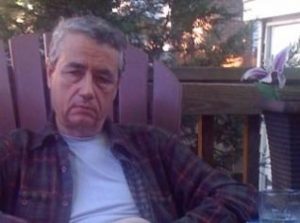
1-astrit_lulushi-300x223
Nga Astrit Lulushi/

 Imagjino boten si nje makineri te madhe, pa pjese nderrimi rezerve, dhe veten si pjese te saj.  Kjo ide ishte pupullore shekuj me pare kur bota shpjegohej si nje ore qe levizte pa ndihmen e oreberesit, nga lindi idea e materializmit, fatit dhe njeriut (pa Zot). 

Ne keto rrethana, nese do te mesosh se kush sundon thjesht gje se cilin nuk lejohesh te kritikosh. Mes kesaj fryme,  çdo kritike merret si sfidee dhe mbytet. Por nuk ka pune te rende. Mbi punen njeriu eshte me i rendesishem. Nese puna duket e rende, me siguri je duke bere edhe punen e dikujt tjeter. Gjitheashtu as i pasur nuk mund te behesh nese nuk vjedh vlerat e dikujt tjeter. 

E ardhmja udhehiqet nga fati, qe eshte binjak, i mire dhe i keq. Kjo e ben udhen e jetes zig-zake dhe  njeriu qe provon cdo gje, vetem sa del nga Purgatori, fundi i kesaj jete. 
Filed Under: ESSE Tagged With: Astrit Lulushi, Purgator

“Pa Koment” i autores Vilhelme Vrana Haxhiraj

February 21, 2017 by dgreca

Nga Gëzim Llojdia/
 Para pak ditësh doli nga botimi vëllimi  me titull “Pa Koment”, libri I dytë me ese-publicistikë i  autores Vilhelme Vrana Haxhiraj. Ky libër ibotuar nga ShB, “Nacional” ,me redaktor Mujo Buçpapën, me kopertinën e kompozuar nga autorja e u punua mjeshtërisht nga Jorgo Saqellari, me fotot e menaxher Fitim Haxhiraj dhe me parathënien nga Gëzim Llojdia. Në këtë libër me larmi temash autorja Vranari ka vënë në dukje problemet social-politike që shqetësojnë komunitetin familjen dhe kombin.Libri “pa Koment”me tematikë të gjerë, përfshirë në 368faqe, duket si vazhdimësie librit të parë me ese publicistikë “ Pa Titull” me 320 faqe,që u botua më 2011. Janë dy libra që flasin për aktualitetin shqiptar, marrëdhëniet ndërfqinjësore dhe zhvillimet demokratike në vendin tonë, “…ku mesazhet  përbëjnë pjesën më të lexueshme. Janë spontanë dhe magjikë për t’u lexuar me një frymë. Mbartin mjaftë ngarkesë emocionale, atdhetare e përcjellin mall të zhuritur emigrimi. Publicistika e autores Haxhiraj në këto dy botime tregoi se kjo gjini nuk është thjeshtë një kronikë ngjarjesh, por art më vete. Publicistika eVilhelma Haxhiraj tregoi me këtë botim mjeshtërinë, si dhe format e pasqyrimit e të mjeteve shprehëse që karakterizojnë esenë dhe publicistikën  e saj, e cila në themel ka parimet estetike të ndërtimit tënjë vepre letrare, që e dallojnë atë nga gjithë format e tjera tëkrijimtarisë fjalore. Në literaturën teorike është pranuar lidhja midis poetikës së letërsisë dhe poetikës së publicistikës letrare. Kjo vlen për të njohur si ngjashmëritë, ashtu edhe tiparet dalluese midis tyre;për të patur përfytyrime të sakta mbi strukturën përmbajtësore dhe estetiketë llojeve të publicistikës letrare dhe për ta afruar atë me letërsinë,brenda dimensioneve që nuk cënojnë identitetin e saj, por gjithashtu, edhe thelbin social, mënyrën specifike të shprehjes së mendimit në këto lloje publicistike sa moderne dhe po aq e adhurueshme  për një lexim të këndshëm,ku, edhe ke se çfarë mëson.Dhe tani para lexuesit autorja Vilhelme Vrana Haxhiraj vjen me botimin e saj më të ri me ese-publicistikë me titull „ Pa Koment“, jo më pak intrigues dhe po aq i bukur si libri i parë. Në të janë përfshirë 103 tituj me ese dhepublicistikë, ku autorja trajton sa e sa probleme sociale-politike e juridike që shqetësojnë atë dhe gjithë shoqërinë. Leximi i këtij libri përcilindo do të jetë jo vetëm kënaqësi dhe shlodhje , por temat e përfshiranë këtë libër, të bëjnë të mendohesh dhe të pyesësh ndërgjegjen:„Përse ndodh kështu vallë?! „
Për ju lexues…Të vërtetat lakuriqe!
Këtë libër eseistik e publicistikë, ua kushtoj gjithë bashkëpunëtorëve të mi, atyre që kanë ndihmuar për daljen në dritë jo vetëm të këtijlibri, por gjithë krijimtarisë sime 20 vjeçare, ku përfshihen që nga familja ime e deri te botuesit, redaktorët, recensuesit,kritikët dheanalistërt e shumtë,piktorët , fotografët, menaxherët, pa lënë mënjanë lexuesit dhe dashamirësitë e letërsisë.Gjatë gjithë jetës sime jam munduar që të kërkoj, të udhëtoj  e të gjej rrugën drejt së vërtetës. Për fat të keq sado e pranishme që është kjo e vërtetë, me gjithë lakuriqësinë e saj është e vështirë të pranohet nga cilido. Ne jetojmë me kohën, edhe pse është abstrakte, ajo ecën me ne, na shoqëron në bëmat tona, në ngjitjet e zbritjet, në rrokopujat, në të përpjetat dhe tatëpjetat e jetës. Pra ne jemi pjesë e pandashme e kohës, e cila na shoqëron në çdo hap tonin e në çdo sekondë. Është koha ajo që edhe kundër vullnetit tonë, na ngre sipër në stratosferë si me krahë engjëlli, kurse më pas na ul poshtë deri në gjunjëzim. Por ështëpikërisht koha ajo që nuk na lë të përbaltemi, por na mëson se si të ringrihemi të rilindur. Gjatë këtyre oshilacioneve që quhen dallgët e jetës, njeriu fiton një përvojë jetike, e cila e mëson atë të ecë nërrugën e duhur. Ndërkohë  hyn në skutat më të errëta të jetës, si dhe në labirintet e padukshme të qenies së tij. Në këtë mënyrë secili nga ne arrin të njohë veten në njëfarë mase. Njeriu sa më shumë të njohë anëne padukshme të tij, aq më shpejt njeh realitetin dhe është në gjendje ta analizojë atë. Natyrisht së pari njeh anët pozitive dhe ato negative të vetes. Gjë që njeriu bën të mundur që të  krijojë një këndvështrim të ri ndryshe për jetën. Atëherë individi del nga vetja e duke zbuluar të mirat dhe dobësitë e shoqërisë, fillon e i vë në dukje ato, jo me tendencë por me qëllimpozitiv që ato të shndërrohen në udhërrëfyes të njerëzimit. Kjo është detyra e krijuesit, artistit, e eseisti, publicistit apo gazetarit profesional. Sa më shumë vërtetësi të ketë në këtë gjini krijimtarie, aq më shpejt integron individi dhe si pasojë edhe kombi shkon drejt zhvillimit me hapa galopante.Porse kur ndodh kjo? Vetëm kur publicistika, gazetaria , letërsia dhe arti udhëhiqen nga pozitiviteti, kur nuk u mungon etika, estetika, trajtuar përmes një fjalori të pasur, pa huazime pompoze që po dëmtojnë gjuhën shqipe. Kujdesi për të mos lënduar teleshikuesit apo lexuesit, duhet domosdoshmërisht të hiqet dorë, që në përballjen e parë me komunitetin.Nuk duhet të reklamohen të parat fenomenet negative. Përballja e çdo njeriu me të keqen sa hap sytë në mëngjes , e vret atë shpirtërisht, e ligështon mendërisht dhe frenon vullnetin e cilit do, sepse media është epushtetshme m dhe ndikon pozitivisht apo negativisht tek dëgjuesi apo lexuesi.. Sa nis emisioni i lajmeve në ekran të TV, apo në titrat e gjithë mediave me kronikë të zezë, përballja me të keqen, nuk i bënë mirë askujt, sepse as dita, as puna, as ekonomia dhe as gjendja ndërgjegjësore e shpirtërore  nukshkojnë mbarë. Dita duhet të nis me një lajm të bukur  e të gëzueshëm. Ka ardhur koha që të paraqesim një publicistikë apo gazetari ndryshe, pa fjalor fyes apo vulgar. Duhet të kemi parasysh se çfarë po u mësojmë brezave? Pikërisht duke u ndalur këtu, na dalin pyetje të tilla që e vënë median para provës, para përgjegjësisë  se ç’rol luajnë dhe cili është misioni tyre. Autori që shkruan po qe se ka parasysh këto dilema, duhet të matet shumë para se të shkruajë për një problem shqetësues, sepse në vend që të edukojë, apo ndihmojë, artikulli i tij ç’edukon dhe shkatërron. Jo më kot Media është quajtur Pushteti i Katërt, ndaj për misionin madhor që ka, duhet të paraqesë të vërtetat lakuriqe, pa hiperbolizime, pa nxitje dhe mllefe, por vetëm të arrijë që përmes saj, të edukojë mirësinë si kusht për mbarëvajtjen e Kombit. Për të qenë i/e suksesshme, lexuesi ka nevojë për një media të pavaruar nga politika, një media që pasqyron realitetin dhe të vërtetën. Për këtë fushë të komunikimit është e domosdoshme .Liria e Medias, prej së cilës në marrëdhëniet shtyp-lexues kërkohet të vendoset drejtësi. Në qoftë se do të kthehemi pas në kohë, sepse ajo na
shërben si udhërrëfyes, do të shohim se liria e shtypit ka nisur të vlerësohet në Angli qysh në shek e XVII. Ndaj çdo krijuesi të gjinisë ese-publicistikë, i duhet të lexojë Xhon Milton,të parin që kërkoi shtypin epavarur përmes librit ”Aeropagjitika” në vitin 1643, i cili i parashtroip arlamentit kërkesën për për këtë të drejtë, që është një nga kushtet themelore të zhvillimit social të demokracive. Shpreh mirënjohjen time për: Redaktorin e librit, z. Mujo Buçpapaj, z.Gëzim Llojdia i cili e ka qëndisur parathënien e librit, disenjatorin e mrekullueshëm Jorgo Saqellari për kopertinën,  Shtëpinë Botuese Nacional në bashkëpunim me shtypshkronjën Europrint dhe veçanërisht falenderoj znj. Blerina Ndreu për punën ekujdesshme gjatë shtypjes! Falenderoj familjen time, sidomos bashkëshortin tim Fitim Haxhiraj për fotot në çastet më pikante dhe punën tij si menaxher! Konsiderata të vacanta kam për lexuesin tim si kritik i paanshëm, si dhe për miqtë e mi kudo që janë në botë! I përshëndes të gjithë përmes këtijlibri modest me ese dhe publicistikë!E juaja Vivra

Filed Under: ESSE Tagged With: "Pa Koment”, Gezim Llojdia, Vilhelme Vrana Haxhiraj

Gruaja nё Ar dhe Dhimbja e Harruar

February 20, 2017 by dgreca

Kёtё shkurt, 26 vjet pas rёnies, jemi prap aty ku e nisёm – numёrim tё ndershёm votash. Patjetёr qё vota ёshtё e rёndёsishme, por katёr muaj para zgjedhjeve, mbёshtetёsit e dy krahёve presin njё program tё mirёmenduar elektoral. Kanё nevojё pёr vizion/

1 Enkela Vebiu

Nga Enkela Vehbiu/

Filmi “Gruaja nё Ar,” tregon historinё e Marias, pjesёtare e njё familjeje hebreje nga Viena dhe e shpёrngulur nё Shtetet e Bashkuara tё Amerikёs gjatё luftёs sё dytё botёrore. Ajo lufton pёr tё rimarrё nё zotёrim pikturёn e famёshme tё Gustav Klimt “Adele – Gruaja nё Ar,” dikur pasuri e familjes dhe e konfiskuar nga nazistёt.  Mё ndodhi ta shoh kёtё film tё premten.

Paralelet e ngjashmёrisё mes historisё sё Marias nё luftёn e dytё dhe historive shqiptare nё luftёn e klasave mё trishtuan, por faji qё ndjeva pas filmit mё mundoi mё shume. Kuptova qё e kisha harruar vuajtjen.

Botimi “Legjislacioni Shqiptar 1945 – 1955” vёrteton qё nё mё pak se 2 vjet familja ime me origjinё nga Leskoviku kish prodhuar 2 armiq populli, 1 tё arratisur politik, dhe njё sabotator.

Kur kёneta e Maliqit u tha, armiku i popullit Hajdari Vehbiu, 58 vjeç, u lёrua. Shёndetin ia morёn, fytyrёn ia retushuan nga fotoja famkeqe e Hoxhёs nё Shkodёr, dhe nga i burgosur u bё i dёbuar. Kёtё damkё ia morёn e shoqja Nafije, 6 femijet, nuse e dhёndurё qё hyn nё shtёpi, si dhe 8 trashёgimёtarёt qё lindёn nga martesat – njё prej tyre unё qё shkruaj. Familja u vendos pёrfundimisht nё Shijak.

U tёrhoqёm thellё deri mё 1991.

Mbrёmjen e 18 shkurtit u grindёm pёr njё vend pranё televizorit. Kёrkonim nё ekran vёllain. Dritani Vehbiu, njё nga ish grevistёt e Dhjetorit, prej 19 vitesh, pa zhurmё dhe jehonё drejton kompaninё e tij dhe mbёshtet 83 familje nё Shijak, kёtё zonё qё na mbajti dhe mbrojti per 45 vite dёbim.

Po mё ‘91, njё tjetёr dёshmi. Jashtё nё rrugё duke krasitur trёndafilet e gardhit me tim atё, na afrohet njё burrё I thinjur. Mё njeh – e pyeti babin. Heshtje. Jam Xhako tha zotёria dhe pёrqafimet pasuan. Xhafer Xhomo dhe Duro Vehbiu, tё dy leskoviqarё tё 1932, ishin parё pёr herё tё fundit mes ‘47ёs dhe ‘48ёs  nё Tiranё, kur Duro dёbohet. Xhako, me pothuajse 24 vite burg mbi supe, vdiq mё 31 Mars 2012. Nё kёtё pesё vjetor qё po afron, e ndjej detyrim dhe nder t’i shkruaj njё eulogji tё munguar.

Nё fillim tё viteve 2000, fёmijёt e Hajdarit dhe Nafijes zhvarrosёn eshtrat e prindёrve dhe i sollёn nё Tiranё, ndёrsa tё gjallёt u vendosёn vajzat nё Tiranё dhe djemtё nё Durrёs. Kapitulli u mbyll.

Nuk e zё veten nё faj qё nuk e kam rrefyer kёtё histori me zё mё parё. Familjes sime nuk iu ekzekutua asnjё pjesёtar dhe nё sytё e te mi, kjo ka rёndёsi. Sot e vё veten nё faj qё e kam harruar vuajtjen dhe qё lejoj tё ma tallin dhimbjen.

Pafajёsia. Shoh me çudi qё kur kёrkoj nё internet pёr ish tё pёrndjekur politikё, paraja dhe kёstet dominojnё. Jo! Nga organizata e ish te pёrndjekurve prisja dёmshpёrblim por mё shumё prisja tё mё orientonte nё kuturunё e parё. Dhe mbi tё gjitha tё mё siguronte kёrkimin e ndjesёs nga ana e autorit tё vuajtjes sime – shtetit shqiptar. U deshёn 25 vite qё mё nё fund njё president ta pranojё. Dua tё besoj qё nё kёtё akt ka ndikim organizata nё fjalё. Nuk e di. Por di qё nuk e bёn Papёn mё pak katolik fakti qё u kёrkoi falje viktimave tё mitur tё priftёrinjёvё tё tij; nuk e bёn mё pak imponues kryeministrin irlandez fakti qё u kёrkoi falje mbijetuesёve tё atyre qё quhen Gratё e Lavanterive Magdalena; po ashtu nuk e bёn mё pak president zotin Nishani fakti qё mё nё fund, nё nёntor tё vitit tё kaluar si pёrfaqёsues I shtetit shqiptar, mё kёrkoi falje pёr vuajtjen e shkaktuar. Mё dekretoi pafajёsinё e ndёrgjegjes.

Njerёzia. I vё faj vetes qё vetёm nёnqesh me debatuesit rreth 20 shkurtёve. Nuk vё nё dyshim dёshmitё e ofruara, pёrdhunimet e dёgjuara apo ngjarje tё shikuara prapa perdeve. Instinkti seksual ashtu dhe I mbijetesёs nuk ka parti. As dёshirёn pёr vёmendje nuk ua gjykoj. Por nuk iu pranoj pёrbuzjen qё shprehni pёr njerёzit qё na morёn brenda. Pёr ju janё fshatarё dhe provincial. Pёr ne nё shumicёn e rasteve janё mbrojtёs. Po tё mos kishin qenё shijakasit, garantoj qё anёtarё tё familjes sime por besoj dhe tё familjeve Kozmaçi, Libohova, Zguri e shumё tё tjera, ose do kishin pёrfunduar mё keq ose do ishin vetvrarё nga vetmia. Mbetёm vetёm.

Qeveria. Tё djathtёt nuk mё duan, tё majtёt mё tundin shami enveri, dhe shteti mё tall – kur tё damkosurit e tu nuk tё pёrfaqёsojnё pёrse pret nga unё. Kur njё shtresё tё vёrtitet kuturu nga trauma e shkaktuar nga sishokёt e tu ёshtё detyrё e jote shtet ta pёrkrahёsh atё. Ёshtё dёtyrё e shtetit ta rehabilitojё dhe ti forcoje ndjenjёn e perkatёsisё nё atё shoqёri. Unё qё iu shkruaj jam pa rrёnjё. Lindur nё Tiranё, rritur nё Shijak, eci rrugёve tё Durrёsit si e huaj kur vizitoj prindёrit. Shpёrdorova tё paktёn 2/3 e jetёs sime pёr tё fituar deri diku njё vizion nё jetё, falё Amerikёs.

Fatkeqsisht, e gjej shoqёrinё time tё origjinёs ende nё kёrkim te vizionit.

Kёtё shkurt, 26 vjet pas rёnies, jemi prap aty ku e nisёm – numёrim tё ndershёm votash. Patjetёr qё vota ёshtё e rёndёsishme, por katёr muaj para zgjedhjeve, mbёshtetёsit e dy krahёve presin njё program tё mirёmenduar elektoral. Kanё nevojё pёr vizion.

Njё program qё do tu thoshte mё shumё se çfarё po bёhet me korridorin e tetё. Tu vёrtetojё qё po e konsideron seriozisht konkurrencёn pёr gjashtё korridore Pan-Europiane nё rajon. Tu premtojё qё infrastuktura rajonale dhe turizmi, dhe jo vetёm sheshe urbane, do tё sjellin pёrmirёsimin ekonomikё aq tё dёshiruar nё vend.

Njё program qё do tu thoshte qё Shqipёria ёshtё e rёndёsishme por e vetme nё Ballkan dhe Europё nuk mbijeton dot. Tё shpjegonte pёrse shteti shqipёtar dhe klasa politike e Kosovёs e humbёn rastin e bashkimit tё kombit me 99-ёn, dhe tё studionte idenё qё ashtu si karta e Adriatikut ndoshta tё ketё njё kartё ballkanike.

Njё program qё do t’i bёnte krenarё votuesit pёr perfaqёsuesit nё parlament. Deputetё qё nuk kanё krime mbi supe dhe mbi tё gjitha – qё dinё tё shkruajnё e lexojnё pёr hir tё zotit!

“Gruaja nё Ar” sot ёshtё nё Nju Jork. Sa herё tё jem nё atё qytet do ta vizitoj si njё falenderim pёr reflektimin qё mё shkaktoi, pёrgjegjёsinё qё mё detyroi, krenarinё qё mё riktheu, dhe mesimin qё mё dha – tё fal shkaktarёt por tё mos e harroj asnjёherё dhimbjen kurrёsesi.

Filed Under: ESSE Tagged With: dhe Dhimbja e Harruar, Enkela Vehbiu, Gruaja nё Ar

Nën peshën e mbresave dhe të përsiatjeve të Pavarësisë së Kosovës

February 16, 2017 by dgreca

1-anton-cefa2-220x300

 Nga Anton Cefa*/

Atë ditë aq të pritur prej shekujsh, prej vitesh, prej orësh, atë ditë të 17 Shkurtit, kur në ndërgjegjen kombëtare u përvijua e dyta datë e Madhe, pas 28-ës së Nëntorit, m’u ndërmend vetëtimthi ai shfrim i furishëm impulsi i gjakut tonë, aq bukur i shprehur prej Poetit : “Erdhi Dita e Arbrit!”

E kujt nuk iu përlot syri dhe nuk i gufoi shpirti tallaz gëzimi e krenarie, duke parë shqiptarët që pushtuan sheshet jo vetëm ato të trojeve tona, në Kosovë e Shqipëri, në Dibër e Malësi, po edhe në mbarë botën, kudo ku jetojnë ata! Me ditë vazhduan festimet, u valëvitën flamujt, shpërthyen brohoritjet, jehuan këngët më të bukura dhe u hodhën vallet më të gëzueshme prej shqiptarëve të veshur me rroba festive të stolisura me ngjyra e simbole kombëtare! Qenë këto ditë që do të na ndrisin gjithnjë me bardhësinë e tyre, që na bënë të shprehim para gjithë botës, si asnjë herë tjetër, veten tonë si popull dhe, po ashtu, edhe ta njohim më mirë veten tonë. Dhe na njohu e na kuptoi njëherë e mirë e gjithë bota, që u gëzua me ne, na përshëndeti dhe na uroi me zemër të hapur. E gjithë bota pau se si gëzohet shpirti i lirisë, ai shpirt optimist e entuziast, i etshëm prej shekujsh për t’u shprehur në plotninë e vet, në vetëdijen dhe nënvetëdijen e vet, ai shpirt i çiltër e këmbëngulës që synon veç ecjen përpara. Pau e u çudit se sa fort shqiptarët e ndarë më dhunë e duan njëri-tjetrin dhe e ëndërrojnë e vlerësojnë bashkimin.

Po çka se do të jenë dy shtete, dy administrata qeveritare, dy parlamente, dy data pavarësie, kur kemi një zemër dhe një shpirt! Do të jemi një e të bashkuar në shtetin e shpirtit tonë, shpirtit të kombit tonë, që nuk njeh kufij gjeografikë, por që, e thënë hapur, e ka të vështirë të pranojë dy flamuj, sado që njëri është thjesht një oportunitet politik i nevojshëm. Shqiptarët gjithnjë do të jenë shpirtërisht të bashkuar, do të glorifikojnë një hero kombëtar, do të shkruajnë një histori në një gjuhë të veten, do të kultivojnë një kulturë mbi të njëjtat rrënjë të qëmoçme, dhe do të valëvisin një flamur, flamurin e kuq të shpirtit tonë me shqiponjën me dy krerë, shtizën e të cilit e kemi të ngulur thellë në ndërgjegjen dhe nënndërgjegjen tonë; sepse ky flamur  është simbol i patjetërsueshëm i qenies  sonë, i vetëdijësimit tonë për ndjenjën e rrënjosur që motit të përkatësisë sonë etnike dhe të qenësisë sonë kombëtare, i ruajtjes së identitetit tonë si komb i lashtë, i plazmuar me virtyte aq të fisme, për t’u marrë si shembull prej të gjithëve.

*   *   *

Dita e madhërishme e 17-ës, na përhirohet sot e do të na përhirohet mot, së bashku me figurën e lavdishme të ideusit e të luftëtarit këmbëngulës të lirisë e të pavarësisë së Kosovës, Presidentit të Parë të saj, atdhetarit idealist, burrështetasit të urtë e të nderuar prej gjithë botës, gandistit të madh Ibrahim Rugova. “Një Kosovë e pavarur, demokratike e paqësore, e integruar në BE, në NATO dhe në miqësi permanente me SHBA, është vullneti politik i popullit të vendit tim”, pati thënë ai qartë e bukur, në Senatin Evropian, kur ky Forum i Lartë e shpalli atë Anëtar Nderi, në vitin 2004. Është ky vullnet politik që u jetësua atë ditë të 17-s dhe do të jetësohet më tej, kur Kosova do të hyjë në Bashkimin Europian dhe në NATO. Me këtë vizion politik transparent, me këmbëngulje, durim e urti të pashembullt, ai arriti ta bëjë të njohur çështjen e Kosovës në të gjithë botën, i siguroi asaj miqësinë e ngushtë me Shtetet e Bashkuara të Amerikës, me Bashkimin Evropian dhe me mbarë botën.

Në vitet e ndryshimeve kolosale, që ndodhën në të gjithë botën, por sidomos në Europë, nga shembja e komunizmit, Kosova shkroi një histori të lavdishme, për t’u paraqitur si shembull në historinë botërore i një lufte të qytetëruar gandiste, dhe i një qëndrese heroike vetëmbrojtëse. Hap pas hapi, ajo, nën drejtimin e tij, me pjekuri politike sendërtoi institucionet që mishëruan idealin dhe vullnetin e saj politik, duke shpallur para gjithë botës, në korrik të vitit 1990, Deklaratën e Pavarësisë, duke miratuar Kushtetutën, duke organizuar zgjedhjet e para të lira presidenciale e parlamentare. Në rrethanat e dhunës më të përgjakshme e më shnjerëzore të pushtuesit shekullor serb, në Republikën e Kosovës filloi të funksionojë një shtet sui generis, që qe quajtur në atë kohë “shteti paralel” dhe që u shtri në rrafshet më të rëndësishme të jetës politike, shoqërore, ekonomike. U mbajt një armatë e tërë mësuesish që ushtroi detyrën e vet në shkollat e improvizueme, një rrjetë shëndetësore aktive, u ngritën institucione të ndihmës sociale dhe u njëmendësuan detyra të tjera urgjente që kërkonte funksionimi i një shteti. U ndërkrye në përgjakjen e vet marramendëse pushteti kriminal serb, po edhe vërejti me vëmendje Europa dhe e gjithë bashkësia ndërkombëtare rrugën dhe përpjekjet paqësore të një populli të vogël për të fituar të drejtat e tij.

Dhe erdhi Rambuje-ja, ku një dorë e fisme shqiptare u shtri për paqe e miqësi, por mori një përgjigje arrogante: një mohim kategorik. Dhe më pas, ndodhi ajo që ndodhi: çmenduria serbe kaloi çdo kufi, duke dashur ta zgjidhte përfundimisht konfliktin me gjak, për ta zhbërë Kosovën sipas udhëzimeve të dikurshme të Naçertanie-s së Grashaninit dhe projekteve të Çubriloviçit.  Kosova organizoi menjëherë rezistencën, siç e ka organizuar gjithnjë. Radhëve të luftëtarëve të lirisë dhe të nderit kombëtar: Haxhi Zekës, Sulejman Vokshit, Isa Boletinit, Hasan Prishtinës, Azem e Shotë Galicës, Idriz Seferit, Shaban Polluzhës, për të përmendur një numër fare të vogël, iu shtuan martirë të rinj, Adem Jashari me shokë, me luftëtarët heroikë të UÇK-es. Forcat e NATO-s ndërhynë dhe i dhanë lirinë; OKB-ja dhe Bashkimi Europian e futën atë në rrugën e ndërtimit të institucioneve demokratike; Ahtisari, i ngarkuar nga OKB-ja, përgatiti planin që e çoi Kosovën drejt Pavarësisë.

Kosova e ka dëshmuar gjithnjë që pavarësia është e drejta e saj historike, etnike, shpirtërore, shoqërore, politike, ekonomike, e drejta e saj e shenjtëruar nga jeta e lufta e saj, nga mundimet dhe përpjekjet e saj, nga vlerat, meritat dhe virtytet e saj; ajo e ka dëshmuar që pavarësia është dëshira e saj, vullneti i saj, ëndrra e saj shekullore.

Kosova, në këtë hulli të rrezikshme ngjarjesh, për herë të parë në histori të saj pati përkrah Europën dhe Amerikën dhe, pothuejse, gjithë opinionin botëror, me përjashtim kryesisht të serbëve të mbrojtur si gjithnjë prej rusëve. Fatmirësisht, Europa e sotme nuk është më ajo e Kongreseve Berlineze dhe as e Konferencave Londineze, por është një Europë e Bashkuar, e formësuar mbi ligjëshmërinë e të drejtave njerëzore dhe Amerika është ajo e gjithmonshmja, Amerika e Wilsonit.

. . . . . . .

E ardhmja do të dëshmojë që shqiptarët në Ballkan, duke bërë një politikë të urtë paqësore, do të shndërrohen në një faktor të fuqishëm paqeje e stabiliteti.

17 shkurti e futi jo vetëm Kosovën në rrugën e zhvillimeve normale politike, ekonomike, shoqërore e shpirtërore, që karakterizojnë një shtet, në rrugën e integrimit të saj në bashkësinë e shteteve të lira të Europës së Bashkuar; po dhe gjithë kombit tonë i hapi një prespektivë historike krejt të re, që do ta çojë atë drejt realizimeve të reja të shpirtërimit shqiptar, dhe do ta bëjë faktor të rëndësishëm ndikues edhe për një shpirtërim ballkanik më realist, më human e më paqësor.

*(Ribotim)

KOSOVA*

Kosovën të lirë e paçim,

tonën për jetë,

Kosovën të lirë e paçim!

Në ditën e dasmës së madhe

ta bajmë nuse,

mbi krrelat e ditëve të ardhme

të hedhim kokrra gruni

ugur për Pavarësinë.

*Poezi e shkrueme në kohën kur Kosova vuente nën robninë dhe shtypjen e egër serbe.

Filed Under: ESSE Tagged With: Anton Cefa, e mbresave dhe të përsiatjeve të, Nën peshën, pavaresise se Kosoves

…The Miracle IS The Albanian Language

February 10, 2017 by dgreca

By James Wm. Pandeli*/

1 James Pandeli

“It is worse still to be ignorant of your ignorance” St. Jerome, 342 –420 AD, an Illyrian (i.e. Albanian).  (Prerequisite readings: Essays by this writer – “Language of God”, “Illyr-Albania: The Mother Earth”, “The Birth of Aphrodite and The Decline of the West”, “The Center of the World: The Double Eagle -Its Origin As The Symbol of the Illyr-Albanian People”, “ZeMbret: The Message From The King”; See Illyrians.org or Frosina.org . Writer authored the book ‘Oh Albania, My Poor Albania’, 1980, and began this journey.)

PREFACE

I am not a disrespectful person: not of religion, not of hope, not of faith and certainly not of spirituality or reality. Neither am I a person without reason or without experience. Sometimes, within a sphere of knowledge, I perceive a greater understanding, the result of life experiences. I know that there was a time when there were sacred understandings before there were sacred writings. I would like to share that insight about this ‘truth based on origin’ concept.

For the first time in human history, this will mark an attempt to write the pre-history of the human physical and spiritual experience and evolution based on the language of the Illyr-Albanian people, a pre-historic people that have survived until the present. The pre-history has been preserved in some instances in the names, words, phrases and concepts that appear in some cultures through folklore, legends, sacred writings and the theater/arts that evolved early in the human evolution, first perhaps as clan gatherings, the telling of stories and so on. Was this the early form of preserving the history in pre-historic time? Did anyone ever wonder how well developed the theater/arts were with places and structures in ancient historic times?

I make the assumption that there had been an ‘intercultural (as in ‘international’) sacred language’, concepts that had developed with the first pre-historic society that had a spiritual awareness that influenced other cultures. That society was the Illyr-Albanian groups and their language was the vehicle in which it found its way to other cultures, first through the Etruscans to the West and Thracians to the East. The Illyr-Albanian influence and reach was not local by any means at a very early time.

Long before Hebrew was Aramaic, Greek was Classical Greek, before the Phoenicians developed the alphabet, before Mesopotamia became a civilization, before Abraham was born in Ur, a place in ancient Iraq, of a woman of Ur, Amitlai, before Etruscan influenced Latin, before Jerusalem was a holy city, and before Mohammed’s tribe Quraysh and the Hebrew tribe Qurayszah existed near Mecca, there were Pelasgians, that is Illyr-Albanians speaking the language known today as Albanian in the Balkan Peninsula, the oldest language in Europe and maybe the most significant in the world. These were people of the pre-historic era – an era classified as a time when there were no writings. Miraculously the Albanians survived until today speaking the same language, the Language of God. If you can understand this and what it means to be a human being concerned about the failure of humanity’s journey here on Earth then try to be an informed influence on humanity’s journey through knowledge by increasing your insight into the human interpretations and politics of subsequent religions. Perhaps we will be able to clarify the sacred writings and clarify something about ourselves.

There should be an awareness of a possible Plural Divine: the God of Spiritual Guidance and Inspiration, the God of Abraham; and The Highest Existence; That Force, Energy, Infinity, Light and Love; That which created the Earth; That which the human capacity has not proven able or worthy of That Reach because of the great failure in humanity’s journey here on Earth. If the God of Abraham and That Highest Existence ARE One and the Same it is good, but recognize our failures.

I acknowledge and very much appreciate the following books, brilliantly written and serving to keep the name Miriam, ‘personal name of uncertain meaning’, in whatever context, alive and significant until a more pre-historic identity is realized, established and shared: “The Five Books of Miriam – Woman’s Comment on the Torah” (by Ellen Frankel, PhD., Harper San Francisco l996) , and “Mary (Maryam), The Chosen Woman, The Mother of Jesus in the Quran”, (by Ahmad Zaki Hammad, Quranic Literary Iinstitute, 2001).

An acknowledgement also to Rav P.S. Berg, author of “The Essential of Zohar” (2002, Bell Tower). It is a commentary on the Bible narratives available and understandable to most who have the interest and want the capacity. “Although the wisdom available in its pages is older than Creation itself, the text of the Zohar was composed approximately 2000 years ago.” The only caveat, and for the good of all, is the ‘Judaic only enlightenment’. The Hebrew people have limitations and humanity’s journey has witnessed too many disruptions as the result of mutual faults over the centuries. At the same time everyone should appreciate that ‘Judaic understandings’ provide an insight which few others have been willing to attempt of That Highest Existence (the Hebrew believe it within the context of the God of Abraham).

It is not possible for me to write anything concerning Albania without sharing the memory of the son of Baba Ali Plaku of Konispol, Albania, Rushet Ali Plaku. He was an Albanian patriot, a friend and a teacher of Aristotlian (a Tharcian) intellect: “I will share with you this understanding,” he said one day, “and someday you will come back and be my teacher.”

Contents:

  1. Introduction: Perception (of Albania), Context (Albanian Language as vehicle of Revelation), Perspective (The Divine Revelation), Summary of Contention
  2. Pelasgians: Pre-historic Illyr-Albanian People

III. Deciphering the Names ‘Miriam’and ‘Amitlai’

  1. Sacred Understandings Before The Sacred Writings
  2. Master’s of Publicity: Disseminators of Information Or Perpetuators of Ignorance.
  1. INTRODUCTION

Perception (of Albania)

Insight is the ability to see and understand the inner nature of things. It is discovering a ‘truth based on origin’.

3.The Illyr-Albanians have always existed, but the avoidance of the subject over the centuries has caused unfortunate results for the people. If you left it to the scholars, the theologians, linguists, and others the subject of Illyr-Albania throughout the ages would have included topics like ‘nonexistent’, ‘mysterious’, ‘uncivilized ethnicity’, ‘a language even God did not understand’, ‘of no consequence’ and ‘many foreign word influences’ because Illyr-Albanians had been an existence without the ‘writings’ for millennia. The subjective influence of academicians in our world today, in many cases, does not lead to any better results because of the interpretations and politics that follow the research.

The purpose of this essay is not ‘propaganda’. It is to improve the human condition, humanity’s journey on Earth through understanding ‘truth based on origin’. When another language could do so all would welcome that insight. Illyr-Albanianism is what it is, as old as it is, as profound as it is.

“ ‘Chaos’ (Greek > Kaos ) The disorder of formless matter and infinite space, supposed to have existed before ordered universe. Also, any great disorder or confusion.” The ‘Chaos’ appeared in Hesiod’s (c.700 B.C.) ‘Theogony’, ‘Genesis of The Gods’. ‘Verily at the first Chaos came to be, then wide-bosomed Earth (Ge).’ It was determined that in Illyr-Albanian the Greek ‘Kaos’ did not apply. The term as applied to the early evolution of the Illyr-Albanians was ‘cha’, (as in chop) ‘split’ or ‘break away’. (Hebrew: ‘Chochma’/’Chakhma’ – ‘Divine Wisdom’?.) ‘In the beginning there was a split, a breaking away; one part became the ‘Mother’ (Ge, Gaea), the other part the ‘Father’ (Tos). As the analysis proceeded using the names of the four Illyr-Albanian tribal divisions (Cham, Labe, Gege, Toske), as a consequence, the evolution of a fertilized egg could be imagined because ‘veri’, ‘north’ was ‘ve ri’, ‘the place of the egg’. North was the location of the tribal divisio!

n Gege, the Mother. As the result of this analysis the whole Illyr-Albanian world was opened despite the lack of ancient writings. That is the analysis that might have evolved in the ‘Western World’ culture had Hesiod had this ‘understanding’ about the people to the North of Ancient Greece, the Illyr-Albanians.

Context: (Albanian Language as vehicle of Revelation)

In my essay ‘Illyr-Albania: The Mother Earth’, I asked the question ‘Did God chose the Illyr-Albanian groups rather than Israel to be the vehicle of Revelation? I am more certain of the answer today. Albania, its language, remained in isolation, resisted a renaissance and remained ‘concealed’ for all these millennia until the 21st century and as it happens humanity might be ready for this ‘enlightenment’.

There have been great Revelations in the sacred writings of the Semitic people, the Eastern people, but there should be some clarifications. I do not say that, the great failures in humanity’s journey require it. It is required that we think outside the box, but not outside the human spirit and inspiration for good.

Perspective (The Divine Revelation)

A Divine Revelation is a disclosure or revealing inspired and/or given by God (the God of Abraham). It should be a truth not subject to human interpretations or the politics of any culture. It should be a fact produced by the human spirit for good and perceived through the physical and spiritual senses combined with an understanding of human sustenance. It is an appreciation and awareness of a Highest Existence and is ‘truth based on origin’

4.“The Miracle IS The Albania Language” is an example of longevity, an existence for tens of thousands of years without written sources. The gift from the Highest Existence to humanity is the reasoning ability to understand the higher message through a language of original insight – ‘truth based on origin’.

Summary of Contention

It is my contention that the pre-history was preserved in names, words, phrases and concepts through legends, folklore, theater/arts and sacred writings. There should be at least an appreciation of the existence of these names, words, etc., and applicable Illyr-Albanian explanations. The name ‘Miriam’ for example is a fact in historic times. The probability is that it existed in pre-historic times as well.

There is a big difference between sight (the reading) and insight (the understanding). The insight is the ‘greater awareness’. It must transcend the various cultures, interpretations, politics, if truth is the goal, and greater lessons learned so that we might Reach That Highest Existence whether it be the One and the Same God of Abraham. This is up to all of us to reach the goal of an improved humanity’s journey here on Mother Earth, through understanding Her (the Mother) physical lessons and inspiration as well as His (the Father) spiritual guidance and inspiration. We should understand that the physical is as much spiritual based on the survival and sustenance of the human life instinct when incorporating into it the concept ‘Love’ with Family, which has been given through the blessings of That Highest Existence. We may have failed That Plan of ‘Unity of Purpose’ and ‘Harmony’ but at least we now have the ‘greater awareness’.

  1. PELASGIANS: THE ILLYR-ALBANIANS

Who were these people that survived to modern times from the pre-historic era with their language intact and with little evidence of any written materials during that time period up to 1878 when an Albanian alphabet was established and until1945, with a 95% population that was illiterate? There had to be something more than tenacity. Something spiritual had to exist in the make-up of these people of the Illyr-Albanian world who were known originally as Pelasgians. That spirit was in their blood. IT WAS THEIR LANGUAGE. The language was a great part of the sacred understandings they had and it had a greater influence then heretofore imagined on the sacred writings that subsequently took hold in other cultures as the result of the ‘intercultural’ concept. This language was sustenance, as much as food and shelter because at night, in the shelters, language served them so well that writings need not have been developed. It served them in story-telling, day events however primitive, and family, clan and tribal communications. It served them with spiritual communication with each other, expressions of love, interacting with survival and sustenance concerns. The mystery is why it served them so well when other cultures found it necessary to develop writings. Don’t misinterpret what I say. As time went by, and as we realize today, the writings eventually were missed on many levels. The missed writings are what makes the ‘propagandists’ against Albanians successful with their efforts to confiscate lands and identity because they wrote the stories, the histories, but with untruths in languages that had no substance as it regards the early evolution of man in the Balkans nor any insights into the spiritual evolution of the sacred writings of the East. Western scholars appear ignorant to cling so vehemently to what was ‘Greece’ because Greeks had the writings when to the Greeks themselves, the Mother of understandings had been the Illyr-Albanians. The ancient Greeks appear to have been misguided with too many misinterpretations as was evident in the essay ‘The Birth of Aphrodite and The Decline of the West’; even Hesiod’s ‘Genesis of the Gods’, itself written to try to give an accounting of their early evolution ‘in the beginning’ appeared to be based on their misunderstandings of the society to the North which had evolved millennia earlier.

We are plagued with too many realities about the foundation of Western Civilization. First we have the Greek reality, the Greek Civilization. Now one Simcha Jacobovic, an investigative reporter suggests that “The Exodus is arguably the most important story ever told, for it is the founding story of Western Civilization”. I want to admit that his finding of the biblical ‘Ark of the Covenant’, the chest containing two stone tablets inscribed with the Ten Commandments and the location of Mount Sinai and ‘the discovery of a 3,500 year-old gold image that he thinks depicts the biblical chest’ is a brilliant piece of discovery by him. But is it ‘the founding story of Western Civilization’? Well, the Greek and Hebrew stories played key roles in the foundation. But without the understanding of the Illyr-Albanian existence, the key would have no door to open to the origin of Western Civilization to begin the building of a foundation unless you believe that time only began with Greek and Hebrew cultures.

Whatever form survival and sustenance took in their Balkan fastnesses in the pre-historic era, whether as hunter-gatherers, shepherds, early farmers, the Pelasgians, then Illyr-Albanians saw their benefactor was the Earth, who later became recognizable to them as Mother Earth and spiritual awareness matured. This had been true of many, if not most cultures. The distinction here was in the expression of words, names, phrases and concepts of this language that became recognizable in other cultures millennia later, many times being of a religious nature though with some inevitable changes. Illyr-Albanian became what we might call the ‘intercultural sacred language’ a concepts phenomenon. The propagandists would never accept this. What is important is not their politics or interpretations nor the lack of substance to claims made, but the lessons to be learned and not just for one sector of humanity, for all people who desire a positive humanity’s journey on Earth.The Mother Earth took on a persona, first person recognition by the early people of the Balkans. This was reflecting or acting out the first reality. How or why this evolved I am not certain, but it would be difficult for the people to refer to Mother Earth as ‘he, she, or it’ because perhaps it was they who were the ‘he, she or it’. Mother Earth was Supreme. Physical survival and sustenance came to them from Her bounty and that appreciation filled their awareness that translated into the inspiration of the human spirit for good.

III. DECIPHERING THE NAMES ‘MIRIAM’ AND ‘AMITLAI’

Some religious dictionaries suggest that ‘Miriam’ is a name of uncertain meaning. In Hebrew it means ‘Sorrow’ or ‘Bitterness’. It has also been suggested that ‘Miriam’ was the ‘source of all spirit’. ‘Miriam’ was the name of the older sister of Moses and the name of the Virgin Mother of Jesus as preserved in the Old and New Testaments of the Bible. Also, there was shown great respect for the memory of ‘Miriam’, the Mother of Jesus, in the Quran.

In Albanian, ‘mire jam’ (the ‘j’ pronounced as ‘y’) is ‘I am the Good’. It would not be unimaginable to suggest that the full name was ‘I am the Good Earth’ since the Earth was the logical source of the bounty enjoyed by the earliest people. ‘I am the Good Mother Earth’ since

6.‘motherhood’ was the analogy. It may have been disingenuous for the Hebrew writers of the Bible to suggest that God revealed his identity (though not his personal name) to them as ‘I am that I am’, Yahweh. It may have been that the revelation was ‘I am that I am’ suggesting that He was the son of the Virgin Mother Earth, ‘Mire jam’, ‘I am the Good’, or ‘I am from I am the Good’, my Mother, the Earth. ‘Miriam’ was one of those names of ‘intercultural’ significance. Most cultures, if not all, viewed the First God as originally coming from the Virgin Mother Earth. That being said, this evolution to a Supreme God, the One that Created the Earth, the God of Abraham, cannot be a bad thing because of spiritual guidance and inspiration that followed whether that be That Highest Existence or not.

The name of the mother of Abraham, a woman of ‘Ur’ (a place in ancient Iraq), was ‘Amitlai’. In Albanian, ‘e mituri’ is ‘innocence’. The Albanian linguist, Nelo Drizari (Albanian Dictionary, 1934,1957) suggested reviewing the word ‘ushter’. Albanian ‘ushter’ translates as ‘green’ (fruit or grain), ‘peme ushter’, ‘green or unripe fruit’. In this context the thought might be ‘virgin’, a ‘virgin mother’, imitating the ‘Virgin Mother Earth’. When Abraham was born the legend was that his mother, Amitlai of Ur hid his existence because the ruler at the time, King Nimrod had heard about a boy child that had been born and would be a usurper to his rule. The order came from the King to destroy all male children born at that time. Does it sound familiar? Was Abraham, Hebrew Patriarch, the real Hebrew ‘Messiah’ but no one among the Hebrew seemed to have had that understanding. Or was it too early? With the introduction of One God, Monotheism, what better ‘Messiah’ than Abraham, founder of the Hebrew people would there be?

  1. SACRED UNDERSTANDINGS BEFORE THE SACRED WRITINGS

Remember, there were sacred understandings before there were sacred writings. The importance of the sacred understandings is that it might clarify not only the sacred writings but perhaps ourselves as well. Sacred understandings began with early man and the appreciation of Mother Earth as the Virgin Mother of the First God.

The 21st Century is here. Maybe with the insight provided there will be a re-reading of religious history, a new understanding of the old and very old. Who could have imagined that the Illyr-Albanian Language would be the great teacher and an ‘enlightenment’ for a ‘Divine Revelation’? Who could have guessed that one of the great lessons would be that the physical, by way of an appreciation of survival and sustenance, was as much spiritual as the sacred writings and that we are made aware of this through the Illyr-Albanian language, itself spiritual, from the early evolution. Both the physical and spiritual were as much science and factual as reasoning and experience were and are – gifts of the Highest Existence – so that we might be a better vehicle for humanity’s journey by clarifying this ‘truth based on origin’ concept. But an even greater lesson emerges.

This had been mentioned in the Introduction but it is worth repeating it to reinforce and expand this lesson. In Greek, when Hesiod wrote about the ‘Genesis of the Gods’, (Theogony) and the beginning of the world, the various translations stress that in the beginning there was ‘emptiness, a void, Chaos (Kaos), an existence of confusion and disorder’. The Hebrew suggest that chaos is the negative and that chaos is a hindrance to the greater journey, the opposite of harmony.

7.When I initially began an analysis of Hesiod’s ‘Genesis of the Gods’, I discovered that the Chaos was not correct in what the beginning and evolution were all about. The correct concept was ‘Cha’. In Illyr-Albanian it means ‘break apart’ or ‘split’. It proved correct because of the more reasonable understanding of the beginning as applied to the Illyr-Albanian evolution. One could imagine this awareness being expressed in the creation of names of the tribes at the earliest time, albeit on a primitive level at first. “In the beginning there had been a breaking away or a split, one part became the Mother (Ge, Gaea), the other part became the Father (Tos).” The Highest Existence was revealing something. Family and offspring were the message. There was no negativity, but nativity. That was the ‘unity of purpose’ and ‘harmony’ of life that the Highest Existence had hoped for when providing Earth for sustenance, and providing our physical and spiritual senses, and we!

ll-being. Focus your capacity on humanity’s journey, one that until now has been filled with so much failure. Is it not enough to know that the mother came simultaneous with the egg, and that the male came with the seed to fertilize, and that it is not an altogether unpleasant experience thus fulfilling ‘unity of purpose’ and ‘harmony’ of the Highest Existence? Shouldn’t we consciously understand that it is a part of spiritual worship in the context of the respect and beauty of the gift from the Highest Existence? In Illyr-Albanian ‘veri’ translates to ‘north’ and ‘ve ri’, the ‘place of the egg’, is with the Mother. The Illyr-Albanian tribe, Gege, the Mother, is located north of the Genusus River in central Albania. ‘Genusus’ is ‘Earth as a Bride’ the Bride of Heaven. The Highest Existence provided the understanding of the concept ‘evolution’ whereby the Mother of God, the Mother Earth, in a later time evolved into another existence, still millennia earlier than the!

historic era, as the ‘Earth as a Bride’. In Illyr-Albanian ‘Ge Nuse’  translates to ‘the Earth as a Bride’. This is an example of ‘sacred understandings’.

In my essay the ‘Language of God’ I wrote about the universal importance of the concept ‘Ura’ which had been the first and second syllables in the name of the first Greek God of Heaven ‘Ouranos’. This is another very important part of the ‘intercultural sacred language’, a concept without which one might not understand possible explanations of the origin of the names or words as ‘Tos’, ‘Torah’, ‘Israel’ and the ‘Quran’.

A word that signifies the male ‘Tos’ in ‘Illyr-Albanian’, based on the evolution of the main Illyr-Albanian tribal division is present in the Hebrew ‘Tosefta’, meaning an addition, or addendum. With the understanding of the Illyr-Albanian ‘Tos’, an addendum, tosefta, can be found where ‘circumcision’ is a topic from the Torah: 2 Bereshet (Genesis) A38, Verse 364. The addition or addendum had something to do with oral and/or secret traditions in Hebrew religious culture and with the sacred writings. (Albanian ‘male’ is ‘mashkull’. The ‘Tos’ refers to ‘male’ based on the analysis of the tribal divisions, the carrier of the‘seed’. The word for ‘male’ had been deduced from the analysis of the Illyr-Albanian ‘beginning’. Drizari’s Albanian Dictionary, ‘Tos’, suggests looking up ‘pluhur’. ‘Pluhur’ translates to ‘dust’.)

The ‘To(s?)’ in ‘Torah’ could be an Illyr-Albanian ‘intercultural sacred name’. In Illyr-Albanian the ‘U ra’ is ‘I fell’, ‘U ra’; ‘God ‘fell’ or ‘came’ to Earth. This had been explained in the ‘Language of God’. You, as a cave-era person, can view the sky all around. Does not the sky appear to fall and touch the Earth in the distance? You do not have the understanding that the Earth is round. The ‘To(s?)’, ‘God the Father’, ‘Rah’, ‘Fell’ or ‘Came’ to Earth. The ‘Torah’ contains the first five Books of the Old Testament of the Bible, establishing the Creation, and the introduction of ‘God the Father’.

8.The name ‘Israel’ might be ‘Yees’, in Hebrew, ‘place founded ’or ‘established’; ‘Ra’ Illyr-Albanian (part of ‘intercultural sacred language’ applying to ‘God the Father’ ‘Ou’, ‘I’) ‘fell’; ‘El’in Hebrew, one name identifying ‘God’. The translation might be: ‘Place established were God (of Abraham) came to Earth.’ The ‘ra’ in Hebrew is ‘bad’or ‘badly’, so it does not make sense when considering the religious significance of the place ‘Israel’ as does this Illyr-Albanian /Hebrew combined translation in this ‘intercultural sacred language’ context and understanding.

One can see the ‘U ra’ revealed in the name ‘Quran’, or the tribe of Mohammed, ‘Quraysh’, or the Hebrew tribe ‘Qurayszah’. It was ‘a place where God’ (of Abraham) and ‘Allah, came to Earth’, ‘U ra’. That might be in the context of either Abraham’s Revelation or Mohammed’s Revelation (i.e. the prediction of).

Remember that this is in the context of humanity’s journey and the great failures we have experienced on Earth. The answers will never come from ‘interpretations’ or from ‘politics’ the of cultures with the sacred writings without the understanding of ‘the miracle that IS the Albanian Language’ and the ‘truth based on origin’ concept.

MASTER’S OF PUBLICITY

Disseminators of Information Or Perpetuators of Ignorance

Has the 21st century met its compliment with the Illyr-Albanian Language and ‘truth based on origin’ concept? Will there be a ‘language renaissance’ and will its success depend only on the master’s of publicity? A new insight has been given into the Illyr-Albanian World and Language and perhaps with it a new ‘enlightenment’. Will the master’s of publicity meet the challenges of its message and be a part of improving humanity’s journey here on Earth or will they continue with personal agendas, shallow and superficial attempts as disseminators of information and in effect perpetuators of ignorance?

The Illyr-Albanian World had been unaware of this significance of its pre-historic past until now. The sacred writings played a key role in helping to uncover that past and the sacred understandings were a part of the new ‘enlightenment’ through reason. Longevity of the language helped to bring ‘truths’ to our attention heretofore not recognizable.

I must confess that I am frightened by the way humanity has evolved. I am especially frightened by the so-called educated in our society. It seems that the ‘readings’ account for most of their knowledge with little ‘understandings’ about their role in humanity’s journey and even less about the nature of evolution. The politicians, potential leaders for this role in humanity’s journey in our society, have proven little more than egomaniacs without substance and without a reality based upbringing. There has been too much superficiality and delusion in their lifestyle.

Everyone should be frightened by the prospects in our world today. We should use our spiritual energies to adjust to ‘truth based on origin’. Today, the Illyr-Albanian language has been brought to your doorstep. Know the concept Mother, know the concept Father, know the Family on the Divine Level and on the Human Level; appreciate their significance and that role in the survival and sustenance of ‘civilization’. Appreciate that lesson. Focus on the physical survival and sustenance and you will be doing the spiritual as Intended. Balance it with an understanding of the similar interests of others. Don’t let negativity and disorder work its interference with That Plan of the  9.Highest Existence – ‘Unity of Purpose’ and ‘Harmony’ which has lost its way on humanity’s journey. That is what is meant by ‘Force’, ‘Energy’, ‘Infinity’, ‘Enlightenment’ and ‘Love’. We should all admit the problem of the failed journey and be a part of the solution.

It is time for a ‘melodious song’. In Hebrew the translation is ‘Zemer’. It is an arrangement of sounds in sequence; a single sequence of single tones to produce a rhythmic whole.

In Illyr-Albanian ‘Zemer’ translates to ‘the heart’. It is that muscular organ which circulates the blood by alternate dilation and contraction as in ‘the rhythm of the heartbeat’.

“They live no longer in the faith of reason.

“But still the heart does need a language, still

“Doth the old instinct bring back the old names.”

(-Coleridge, S.T., 1772-1834, English Poet)

Will it be ‘chaos’ or will it be ‘life’? Will it be just the ‘sacred writings’ or will it also be the ‘sacred understandings’? Will it be ignorance (even innocent ignorance) or will it be ‘reason’?

Will it be just the Revelations from the East or will it also include the Revelations from the West?

“Oh Albania, My Poor Albania, who has put your head in the ashes. You were once a Woman of great importance. The people of the Earth used to call thee Mother”, the Virgin Mother Earth, the Mother of God. Had anyone ever wondered why ‘Miriam’ had been held in such high esteem in Hebrew, ‘The Five Books of Miriam – Woman’s Comment on the Torah’; in Christianity, ‘The New Testament’; in Islam, ‘Mary, The Chosen Woman, The Mother of Jesus in the Quran’? It had been a ‘sacred understanding’ for tens of thousands of years that Her name be preserved for all time irrespective of the context of the times. In the Albanian language that original memory was never lost because I am here to tell you that, thanks to my four Albanian grandparents, their eight parents and before them their sixteen parents and so on. “The Miracle IS The Albanian Language”. “The Divine Revelation IS The Name ‘Miriam’” is now a fact as a result of this understanding of the Illyr-Albanian ‘Mire Ja!m’, ‘I am the Good Mother Earth’.

In Classical Greek, ‘Zephyr’ is ‘West Wind’. In Illyr-Albanian, ‘Ze Fare’ is ‘The Message from the Ancestors’. If one listens closely he can hear the sound of music coming from the first home of man, the cave. The ancestors have come back.

***

*James Wm. Pandeli is a Writer, and is an Albanian born and grown up in USA, where he now lives.

James Pandeli comes from an Albanian family, which migrated from Korça & Devolli (his grandparents) to USA in 1904, 1911,1917 and 1920 respectively.

His father was born in Treni and migrated to USA at the age of 5 years, and this coincided with the same day James’ mother was born in Philadelphia on 21 December 1920.

James is a product of the Noli-Konica generation in America.

James graduated in economics from the University of Connecticut in 1966 , and accomplished Juristic Doctorate degree from California College in 1975.

James has published the book “Oh Albania, my poor Albania” in 1980, deciphering a part of Hesiod’s “genesis of the gods” c.700 b.c. (the book was printed on the Albanian language in Ferizaj, Kosova).

In this book you will enjoy learning about Çam, Geg, Lab & Tosk and the evolution of the Albanian people, thanks in part to Hesiod (though he probably did not understand his own “genesis of the gods”).

James Pandeli was fortunate to analyze a new interpretation in Hesiod’s work as it applies to the Pellazg-Ilirian-Albanian people).

Details of the book: “Oh Albania, my poor Albania”: The history of ” Mother Albania ” from the beginning of time, the begin.


Filed Under: ESSE Tagged With: James Wm Pandeli, The Miracle IS The Albanian Language

  • « Previous Page
  • 1
  • …
  • 323
  • 324
  • 325
  • 326
  • 327
  • …
  • 607
  • Next Page »

Artikujt e fundit

  • NDAA i SHBA-së dhe pozicioni i Kosovës në arkitekturën e sigurisë
  • Alis Kallaçi do të çojë zërin dhe dhimbjen e “Nân”-s shqiptare në Eurovision Song
  • Garë për pushtet…
  • Njëqind vjet vetmi!
  • “Shënime për historinë antike të shqiptarëve”*
  • Si funksionon sistemi juridik në Shqipëri dhe pse ai ka nevojë për korrigjim?
  • Emisionet postare festive të fundvitit në Kosovë
  • JAKOBSTADS TIDNING (1939) / MBRETI ZOG, SHUMË BUJAR ME BAKSHISHE. — EMRI I TIJ NUK DO TË HARROHET KAQ SHPEJT NGA PRONARËT DHE PERSONELI I HOTELEVE NË VARSHAVË.
  • HAFIZ SHERIF LANGU, DELEGATI I PAVARËSISË TË CILIT IU MOHUA KONTRIBUTI PËR 50 VJET ME RRADHË, KLERIKU DHE VEPRIMTARI I SHQUAR I ÇËSHTJES KOMBËTARE
  • RIPUSHTIMI I KOSOVËS – KUVENDI I PRIZRENIT 1945
  • Nikola Tesla, gjeniu që u fiksua pas pëllumbave dhe u dashurua me njërin prej tyre
  • Bahamas njeh Kosovën!
  • Legjenda e portës shkodrane, Paulin Ndoja (19 dhjetor 1945 – 16 prill 2025) do të mbushte sot 80 vjeç
  • “Roli dhe kontributi i diplomacisë shqiptare në Maqedoninë e Veriut nga pavarësia deri sot”
  • Marie Shllaku, kur një jetë e re u shndërrua në përjetësi kombëtare

Kategoritë

Arkiv

Tags

albano kolonjari alfons Grishaj Anton Cefa arben llalla asllan Bushati Astrit Lulushi Aurenc Bebja Behlul Jashari Beqir Sina dalip greca Elida Buçpapaj Elmi Berisha Enver Bytyci Ermira Babamusta Eugjen Merlika Fahri Xharra Frank shkreli Fritz radovani Gezim Llojdia Ilir Levonja Interviste Keze Kozeta Zylo Kolec Traboini kosova Kosove Marjana Bulku Murat Gecaj nderroi jete ne Kosove Nene Tereza presidenti Nishani Rafaela Prifti Rafael Floqi Raimonda Moisiu Ramiz Lushaj reshat kripa Sadik Elshani SHBA Shefqet Kercelli shqiperia shqiptaret Sokol Paja Thaci Vatra Visar Zhiti

Log in

This website uses cookies to improve your experience. We'll assume you're ok with this, but you can opt-out if you wish. Cookie settingsACCEPT
Privacy & Cookies Policy

Privacy Overview

This website uses cookies to improve your experience while you navigate through the website. Out of these cookies, the cookies that are categorized as necessary are stored on your browser as they are essential for the working of basic functionalities of the website. We also use third-party cookies that help us analyze and understand how you use this website. These cookies will be stored in your browser only with your consent. You also have the option to opt-out of these cookies. But opting out of some of these cookies may have an effect on your browsing experience.
Necessary
Always Enabled
Necessary cookies are absolutely essential for the website to function properly. This category only includes cookies that ensures basic functionalities and security features of the website. These cookies do not store any personal information.
Non-necessary
Any cookies that may not be particularly necessary for the website to function and is used specifically to collect user personal data via analytics, ads, other embedded contents are termed as non-necessary cookies. It is mandatory to procure user consent prior to running these cookies on your website.
SAVE & ACCEPT