• Home
  • Politics
  • Opinion
  • Culture
  • Sports
  • Economy
  • Interview
  • Reporting
  • Community
  • Vatra

Dielli | The Sun

Albanian American Newspaper Devoted to the Intellectual and Cultural Advancement of the Albanians in America | Since 1909

“Vetevrasja e nje Kombi” ose Brenga e Moskuptimit

June 21, 2019 by dgreca

Nga Genci Nepravishta/

Eshte veshtire ti besh analize nje libri me kaq shume analiza historike ne vetvete, sepse nuk eshte e lehte te gjesh fjalet per nje mendje te ndritur qe kishte edhe trimerine edhe patriotizmin e shqipetarit te ndershem, I cili ka njohur edhe veshtiresite e fillimit te shtetit. Por ka patur edhe dijen si armen me te forte per te kuptuar rendesine e ngjarjeve qe jetoj. Si dhe per te parashikuar te ardhmen.

Ne qofte se do me duhej ti vija nje emer, do e quaja diplomati luftetar. Pena e mprehte, e gershetuar me gegerishten e bukur shprehese qe me kujton Fishten, Mjeden, Shiroken dhe Migjenin te pamundeson gjetjen e nje rreshtimi mendimesh qe te jete po aq I bukur sa libri. Dua ta perseris qe arma me e forte eshte dija, qe ajo qe e bente patriot,qe e bente te dallonte mikun nga armiku, te kuptonte se nga duhej kthyer vela per lundrim dhe te dinte se e armdhja do te ishte si ai e parashikoj. Ai e njihte mire te mundeshmen dhe te pa mundeshmen.

Besoj se nuk qe vetem dhe dha kushtrimin, (si Kasandra lajmeronte per te ardhmen e Trojes,se do te digjej) por pak kush e degjoj ate ze, e them dhe e besoj se rruga me e veshtire per te ndjekur eshte ajo e idealit,dhe ideal me te madh se Atdheu nuk ka. Fatkeqesisht Fishta kishte te drejte dhe e citoj me keqardhje: Troç, dy fjalë, kombit mbarë, Sy me sy me ja thanë deshta: “Ma zor mblidhen dy shqyptarë, Sesa mblidhet nji thes me pleshta”. Ajo ndodhi, dhe vazhdon te ndodhe. Duket sikur ky liber te jete shruajtur die, sikur flet per te njejtat problematika te nje mos bashkpunimi te nje neperkembje te interesave te vendit dhe njerez qe patriotizmin e kane vetem per fasade. 

Shume e sulmuan! Pse valle ? Apo ngaqe ndoshta ai I njihte mire “ata”? Apo sepse “ata” nuk e benin dot ate qe ai bente? Apo conin ujin tek mulliri i tjeterkujt? Apo shpresonin se keshtu I sherbenin padroneve qe ju kishin premtuar kolltukun? Ai nuk loyeti dhe as nuk e deshi ate fron, ai u perpoq edhe I vetem tju hapte syte , I vetem kunder te gjitheve , kjo I rrit emrin dhe vleren Akoma me shume, e bene nje ider luftetar qe largohet I fundit nga fusha e betejes. Lufton dhe mendon, hedh ne leter lavdine e burrave te shqiperise, perdor diturine dhe diplomacine te bisedoje me te gjithe por mbi te gjitha ai hedh ne leter bashkebisedimin me te veshtire, ate me brezat e ardhshem, dhe kjo e ben te madh. Besoj se ate fjale I ka thene me vehte mijera here, ka menduar takimin me historine, ka meduar ti japi nje ndihme te madhe te vertetes lakuriqe pa rrobat e partive me skino-tradhetare.

Ka menduar ti percjelle brezave ate mesazh qe ai e pati si moto; “Atdheun e duam se eshte I joni, jo se eshte I madh a I vogel, jo se eshte I pasur apo I varfer.”

Fatkeqeshisht Shqipetaret Akoma nuk dine te bashkohen, ende bien preh e interesave te castit. Nuk dine a ndoshta nuk duan te dalin nga levozhga e egoistit. Nuk munden te shohin apo te mendojne se ka dicka pertej individit eshte ai Atdhe qe permenda me lart, qe pret nga sejcili nga ne. Ndoshta kjo ka qene brenga me e madhe e Kol Bib Miraka, kur ndrroj jete….qe nuk e kuptuan.

21 Qershor 2019

Filed Under: Histori Tagged With: Genci Nepravishta- Vetevrasja e Nje Kombi

KARAKTER

June 21, 2019 by dgreca

Karakter/
William Wordsworth/
(shqipërim Nga Astrit Lulushi)

Rrallë natyra gjen vend
Për kaq shumë kontraste
Si në një fytyrë njeriu:
S’është e menduar
As e zbehur
Çel, shkëlqen e skuqet
Tregon nxitim e ftohje
Ka kënaqësi e zymtësi.
Trimëri, forcë e kotësi,
Ndonjëherë vuajtje e dobësi
Indiferencë kur diçka nuk arrin
Vëmendje më shumë se duhet
Liri dhe vështrim të çuditshëm
Virtyt e shtirje, të dyja i shihen
Të gjitha i shkojnë emrit të saj;
Çdo njeri do të kërkonte
Të vetën menjëherë ta quante.

Filed Under: Sofra Poetike Tagged With: KARAKTER-Astrit LULUSHI

Albania: Preliminary findings of joint freedom of expression mission

June 21, 2019 by dgreca

by ECPMF/

From 18-21 June 2019, we undertook an international freedom of expression mission to Albania, comprised of the European Centre for Press and Media Freedom (ECPMF), ARTICLE 19, the Committee to Protect Journalists (CPJ), the European Federation of Journalists (EFJ), the International Press Institute (IPI), Reporters Without Borders (RSF) and the South East Europe Media Organisation (SEEMO). The mission sought to gather information about challenges to freedom of expression and press freedom in Albania and bring concerns directly to Albanian government representatives.

Albania: Preliminary findings of joint freedom of expression mission

Press conference Albania Joint Mission (fltr): Oliver Vujovic (SEEMO), Attila Mong (CPJ), Flutura Kusari (ECPMF), Sarah Clarke (Article 19), Scott Griffen (IPI).

We met with journalists; editors-in-chief; representatives of civil society, international organisations and foreign embassies present in Tirana; and senior government officials, including Albanian Prime Minister Edi Rama. The mayor of Tirana, Erion Veliaj, refused to meet with the delegation. We appreciated the possibility to meet with a wide range of stakeholders who provided insight on the press freedom situation in Albania.

The delegation found that press freedom in Albania is deteriorating. Recent physical attacks against journalists have gone unresolved. Top public officials regularly use language that belittles and smears critical journalists. The public administration, including the office of the prime minister and the mayor of Tirana, are not transparent in their interactions with the media and restrict access to critical journalists. Recently proposed media-related legislation, including a draconian regulation scheme for Albanian and foreign online media outlets, is not in line with international human rights standards. 

We are concerned that Albania, a democracy, a member State of the Council of Europe and the Organization for Security and Co-operation in Europe (OSCE), and a candidate country for the European Union, is not living up to its obligations to guarantee and safeguard freedom of expression and press freedom as required under Albanian law and international instruments including the European Convention on Human Rights.

1. Proposed amendments on media regulation

The coalition is deeply concerned by the Albanian government’s December 2018 proposed amendments to the country’s media legislation which would introduce mandatory registration requirements for online media and create an administrative body with the power to fine and shut down online media and block foreign online media without a court order. We consider that these measures attempt to introduce state regulation of online media, which is contrary to international best practices on self-regulation and would have a detrimental impact on freedom of expression and information and press freedom in Albania.

In our meeting with the prime minister, he informed us that a new updated draft of the amendments will shortly be made public following international criticism. He stated that in the next draft of the law, the possibility of shutdowns will be eliminated and fines will be much lower than provided for in the first draft. We welcome these changes and recall international human rights standards that “states should not impose mandatory registration to online media as a precondition for their work as this can have a very negative effect on media freedom.” The government should ensure that this legislation is fully in line with OSCE, Council of Europe and EU best practice.

We are also concerned about the ongoing lack of transparency regarding consultation on the draft law, which was introduced over the Christmas holiday period and given an extremely short consultation period. We urge the government of Albania to ensure that a meaningful consultation process with journalists and civil society is undertaken with the next draft of the amendments.

2. Defamation

The delegation expressed concern about what journalists described as a rising number of politically motivated defamation cases against journalists filed by politicians, often requesting disproportionate sums in damages. Such claims can have a serious chilling effect on journalists. The delegation notes positive reports that Albanian courts increasingly apply European Court of Human Rights standards to defamation cases.

Although prison sentences for defamation were repealed in 2012, defamation and insult remain criminal offences punished by a criminal fine, and recent years have seen proposals to reintroduce criminal laws against defaming top state officials. Even without the threat of jail sentences, the potential of facing a criminal conviction for their work can lead journalists to practice self-censorship. We strongly recommend Albania to fully repeal all criminal defamation and insult laws.

For his part, Prime Minister Rama committed to considering the possibility of fully repealing criminal defamation laws. He said he personally would not use criminal law against journalists but would continue to bring civil defamation cases against journalists in “extreme” cases.

3. Safety of journalists: threats, attacks and self-censorship 

The delegation was informed during its interviews with stakeholders that various cases of physical attacks and serious threats against journalists in relation to their reporting remain unresolved by authorities. Recently, journalists were injured during anti-government protests. Investigative journalists have been harassed or fired because of their reporting, in some cases following suspected intervention of ruling party politicians. In some cases, journalists decide to not report threats and attacks to relevant authorities and not to inform the public. In addition, there are cases in which journalists revoke charges against their suspected perpetrators out of fear of further reprisals. The delegation was informed that authorities did not fully follow up on cases, and did not investigate the motives behind the threats and attacks. We are concerned that authorities fail to fully investigate the threats and attacks against journalists, thus contributing to an atmosphere of impunity, which might embolden perpetrators to commit similar attacks and intimidate journalists into silence. We are also concerned that authorities fail to ensure the safety of journalists covering protests.

4. Smear campaigns against journalists

During meetings with journalists, the delegation was informed that Prime Minister Rama constantly refers to them as “trash bins” (“kazan” in Albanian). Likewise, the leader of the opposition, Lulzim Basha, refers to media as “captured and bought”. Such language denigrates journalists and makes them appear to be a legitimate target for aggression in the eyes of the public, increasing the risk of threats or violence against them. The journalists we met with stated that when Prime Minister Rama calls them “kazan”, this results in immediate online harassment against journalists from members of the public using the same wording of the prime minister and sometimes even harsher language and threats. We are alarmed by such smears and propaganda-like language used by political leaders and other politicians against journalists. The delegation raised this with Prime Minister Rama, who defended his use of language but committed not to call journalists trash bins (“kazan”) in the future.

5. Transparency of institutions – access to information/press conferences

delegation albania

Mission delegates in front of the Prime Minister’s office (fltr): Oliver Vujovic (SEEMO), Sarah Clarke (Article 19), Attila Mong (CPJ), Flutura Kusari (ECPMF), Scott Griffen (IPI).

The situation of access to information and government transparency in Albania appears to be mixed. On the one hand, Albania’s Access to Information Law is widely regarded as excellent, although implementation remains inadequate. State authorities continue to deny journalists access to documents of legitimate and essential public interest – especially those related to public contracts, bids and concessions – and use delaying tactics with the result that when journalists do finally receive information it is no longer relevant. However, both the Information and Data Protection Commissioner and the Albanian courts are playing an important role in confirming journalists’ right to access documents.

On the other hand, the delegation found widespread consensus among media stakeholders that the Albanian public administration restricts access to independent journalists and utilizes its own communications formats to bypass critical media and control the narrative. According to interviews with numerous stakeholders, the prime minister does not conduct regular press conferences. When such press conferences take place, only journalists working for media close to the government are permitted to ask questions. Cameras from media outlets are not permitted. Increasingly, the prime minister uses ERTV, his online TV channel, as his official portal for communicating with the public. During election campaigns such as the one currently taking place, journalists are prevented from covering campaign events and instead provided with prepared material that they are expected to use. The practice of imposing government-controlled video feed and other materials on media outlets greatly restricts journalists’ access to information and ability to give the public an independent perspective on the actions of those in power.

In a meeting with the delegation, Prime Minister Rama disagreed with the above findings, saying that he conducted press conferences “when necessary”, adding “We don’t make any kind of selection, we don’t say ‘you are in’ or ‘you are out’ — we invite and everyone is there”. He said that he was open to questions from all journalists and that he never denied anyone the ability to cover his election campaigns. He described ERTV merely as a “window” into the government’s activities. 

6. Media ownership

Our mission confirmed that Albanian media ownership and advertising revenue remains highly concentrated in the hands of a few, family-owned groups, with a high degree of cross-sector ownership. This situation was previously highlighted by BIRN Albania and Reporters Without Borders. A previous law containing specific rules on ownership of television stations is no longer in the books.

7. Recommendations

In accordance with Albania’s international obligations and commitments under the Council of Europe, the European Court of Human Rights and the OSCE, we urge the Government to eliminate any legislative provisions that would impose registration requirements and state regulation of online media, as well as the provisions giving regulators the power to suspend or block access to electronic publications and levy fines;

Media legislation should be drafted in a transparent way, in close consultation with journalists and civil society organisations The prime minister, the leader of the opposition, and other politicians should immediately stop smear campaigns and discrediting rhetoric used against journalists and media professionals;

Albanian politicians should organise regular press conferences and allow all journalists to ask questions and not discriminate them on the basis of their reporting. All journalists should have equal access to government/public information;

We urge Albanian authorities to ensure the safety of journalists covering organized crime and corruption, increase their efficiency in fully and thoroughly investigating threats, smear campaigns and physical attacks against journalists, bringing those responsible to justice. The authorities should also ensure the safety of journalists covering protests.

We encourage journalists and media professionals to report cases of attacks and threats to the partners of the Council of Europe Platform for the Protection of Journalism and Safety of Journalists, the OSCE Representative on Freedom of the Media, and freedom of expression NGOs;

We encourage journalists and civil society within Albania to take measures to strengthen solidarity;

We encourage journalists and media professionals in Albania to respect professional standards and strengthen self-regulation through membership in the Albanian Media Council;

Lawmakers should pass amendments to secure the operational, financial and human resource independence of the Information and Data Protection Commissioner;  

Introduce effective measures to increase transparency and pluralism in media ownership.

Filed Under: Analiza Tagged With: Preliminary findings- of joint freedom- of expression mission

Deklaratë e Ambasadës së SHBA

June 21, 2019 by dgreca

Shtetet e Bashkuara duan atë që meriton populli shqiptar: sundim të ligjit që mbron punonjësit civilë dhe shkollat nga sulmet e pakuptimta, që mbron integritetin dhe sigurinë e procesit zgjedhor, dhe që mban premtimin e së drejtës së qytetarit për të protestuar paqësisht ndëkohë që bën që ata që përfshihen në dhunë të mbajnë përgjegjësi. Nxisim të gjithë qytetarët dhe të gjitha institucionet kudo në Shqipëri që të mbështesin parimet e sundimit të ligjit, të refuzojnë dhunën në të gjitha format e saj, si dhe të ushtrojnë paqësisht të drejtat e tyre demokratike ndërkohë që lejojnë bashkëqytetarët e tyre të bëjnë të njëjtën gjë. Po ashtu, iu bëjmë thirrje organizatorëve të protestës së nesërme që të mbajnë përgjegjësi përballë po të njëjtave parime, t’iu bëjnë thirrje publikisht mbështetësve të tyre të mblidhen paqësisht si dhe të refuzojnë energjikisht dhunën në çdo mundësi.

Filed Under: Opinion Tagged With: Ambasada amerikane-deklarate

Shqipëria në krizë të thellë demokratike

June 21, 2019 by dgreca

Përpjekjet e bëra nga Gjermania për afrim mes pozitës e opozitës shqiptare deri tani kanë qenë të pasuksesshme. Socialistët nuk lëvizin nga vendimi i tyre për të shkuar në zgjedhje, ndërkohë kriza në vend po thellohet.

Nga Anila Shuka*/Më 30 qershor në Shqipëri do të zhvillohen zgjedhje lokale. Trazirat janë të sigurta. Një ide të parë për atë çka mund të ndodhë në ditën e zgjedhjeve lokale, e pamë në ditët e shkuara, kur militantë të opozitës në Shkodër e Tropojë dhe gjetkë u përpoqën të asgjësojnë materialet zgjedhore dhe t’i vënë zjarrin lokaleve të votimeve. Opozita e ndjen veten te legjitimuar për sabotazhe te tilla që më 10 qershor, kur Presidenti Ilir Meta anuloi datën e zgjedhjeve, i shqetësuar nga trazirat e paralajmëruara.  Partia Socialiste reagoi me procedurën për shkarkimin e presidentit.

Kriza politike

Qe prej shkurtit Partia Socialiste sundon thuajse e vetme ne Parlamentin e Shqipërisë, hiq ata pak  deputetë opozitarë, me pozitë shumë të dobët në Kuvend, që nuk iu përgjigjën thirrjes së partisë së tyre për të dorëzuar ose mos pranuar mandatet. Dy grupimet kryesore të opozitës, aleanca përreth Partisë Demokratike dhe Lëvizja Socialiste për Integrim e zgjodhën këtë hap radikal pasi në media u botuan audio-përgjime që dëshmonin për manipulimin e zgjedhjeve parlamentare të vitit 2017, në të cilat socialistët fituan shumicën absolute, me anë të blerjes së votave me ndihmën e Krimit të Organizuar, sipas tyre.

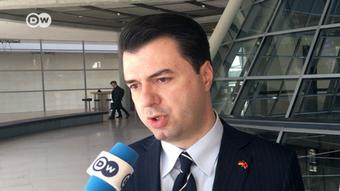
Lulzim Basha

Në një intervistë me Deutsche Wellen Lulzim Basha  u shpreh se e shikonte zgjidhjen e situatës aktuale vetëm me dorëheqjen e kryeministrit Edi Rama dhe krijimin e një qeverie teknike dhe zgjedhjeve të reja të parakohshme. Më pas dolën përgjime të reja që janë tregues për një sistematikë të mundshme në blerjen e votës – kësaj radhe të botuara në faqet online të gazetës bulaverdeske gjermane, Bild. Kryeministri dhe shefi i socialisteve Rama i hedh poshtë akuzat dhe kërcënon me paditje  gazetarin e Bild-it, Peter Tiede, i cili nga opozita dhe shumë shqiptarë konsiderohet tashmë hero.

Që audio-përgjimet janë të vërteta, këtë nuk e vë askush në dyshim në Shqipëri. Sepse ato vijnë nga prokuroria, e cila fillimisht i mbajti të mbyllura për gati dy vjet dhe vetëm pas presionit të shkaktuar nga publikimet nisi t’i trajtonte. Siç bëri të ditur për Deutsche Wellen të martën, Prokuroria e Përgjithshme  nuk ka ngritur ende padi për krimin elektoral, por sipas saj „hetimi vazhdon intensivisht dhe me dinamikë“.

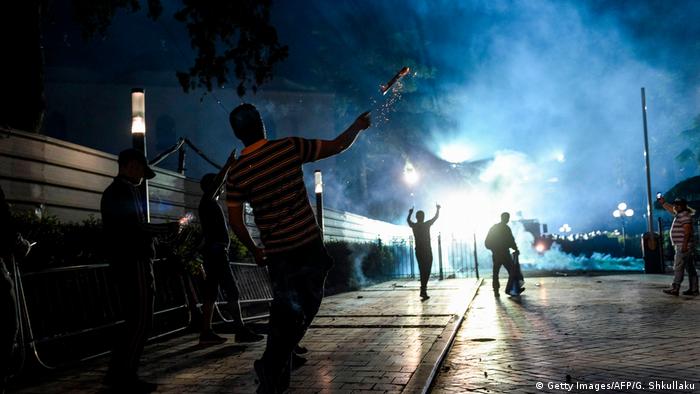
Albanien Anti-Regierungsproteste in Tirana (Getty Images/AFP/G. Shkullaku)

Protesta në Tiranë, 8 qershor

Reformë apo krizë gjyqësori? 

Zvarritja e trajtimit të çështjeve gjyqësore është ndërkohë një problem i të gjithë sistemit të drejtësisë shqiptare. Atë nuk e vuan vetëm prokuroria. Edhe Gjykata Kushtetuese, që do të duhej të ishte instanca, ku do të zgjidhej konflikti aktual mes parlamentit dhe opozitës, nuk funksionon. Shkak për këtë është procesi i Vettingut, i cili synon të kontrollojë përshtatshmërinë e gjykatësve dhe prokurorëve mbi bazën e kualifikimeve të tyre profesionale, pasurisë dhe integritetit etiko-profesional dhe që i ka bërë shumë gjyqtarë dhe prokurorë që të lëshojnë karriget ende pa filluar procesi i testimit. Të tjerë nuk e kaluan dot provimin e fortë të Komisionit të mbikqyrur nga BE-ja dhe u skualifikuan.

Në këto institucione dosjet po bëhen pirg. Për Jordan Dacin, drejtues i Qendrës Shqiptare „Rule of Law“, problemi kryesor i reformës së drejtësisë është mungesa e një mekanizmi efikas për të zëvendësuar ata gjykatës dhe prokurorë që dalin nga sistemi për shkak të Vetingut. Paralizimi i gjyqësorit bën që çdo vit të shtohen nga 30 përqind dosje të reja që mbeten të patrajtuara për shkak të mungesës së stafit adekuat, vëren Daci në një intervistë me DW. Vetëm në Gjykatën e Lartë numri i dosjeve të patrajtuara është mbi 31 000, thotë ai.

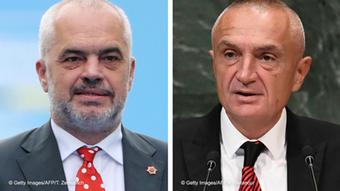
Kombibild - Edi Rama und Ilir Meta

Për bllokimin e drejtësisë në vend qeveria dhe opozita fajësojnë njëra-tjetrën. Ndërsa opozita e akuzon qeverinë se po e përdor bllokadën e gjyqësorit për të asgjësuar përfundimisht partitë e opozitës  për të instaluar një regjim autokratik, partia qeverisëse e akuzon opozitën se po  e përdor bojkotimin e zgjedhjeve si alibi për të penguar ngritjen e gjyqësorit të pavarur, prej të cilës të parët që do të dënoheshin do të ishin vetë krerët e opozitës. Prokuroria shqiptare është duke bërë hetime aktualisht kundër kreut të opozitës me akuzën për larjen e parave dhe fallsifikimin e dokumentave. Për Bashën kjo nuk është gjë tjetër, veçse një inskenim politik i sajuar nga kryeministri Rama për ta  shantazhuar politikisht.

Përpjekje të pasuksesshme për ndërmjetësim 

Në vjeshtë parlamenti gjerman do të duhet të japë dritë të gjelbër për çeljen e negociatave të anëtarësimit me Shqipërinë dhe Maqedoninë e Veriut. Ndërsa për Maqedoninë e Veriut, shumica e deputetëve në parlamentin gjerman janë mëse të qartë për një „po“ në lidhje me Shqipërinë ata kanë ende rezerva.

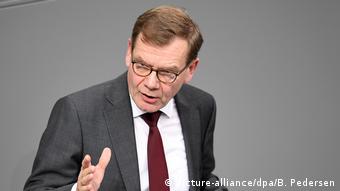
Sidomos deputetët e grupit parlamentar CDU/CSU ngurrojnë t’i hapin Shqipërisë këtë derëzë  kaq të rëndësishme drejt BE-së. Zëvendëskryetari i grupit parlamentar, Johann David Wadephul, dëshiron së paku që të kapërcehet kriza aktuale, dhe gjykon se mbajtja e zgjedhjeve lokale pa partinë më të madhe opozitare është problematike për demokracinë. Sepse gjysma e kandidatëve për kryetarë bashkie kandidojnë pa rivalë. Deri në ditët e fundit, Wadephul u përpoq të ndërmjetësonte mes partisë së mazhorancës dhe asaj opozitës, në mënyrë që së paku të shmangte përplasjen gjatë zgjedhjeve. Por deri tani pa sukses.

Deutschland Bundestag | Bundeswehreinsatz in Afghanistan (picture-alliance/dpa/B. Pedersen)

Johann Wadephul

Partia Socialiste nuk e pranon kurrsesi shtyrjen e datës së zgjedhjeve, thuhet nga kreu i saj. Ndër të tjera, socialistët nuk duan të krijojnë një rast precedent për shtyrjen e zgjedhjeve nëpërmjet kërcënimit me bojkotim. Veç kësaj, mazhoranca e akuzon opozitën se nuk mori pjesë në zgjedhje vetëm ngaqë ishte e papërgatitur dhe llogariste se do të dilte e humbur. Edhe deputeti gjerman nga Të Gjelbrit, Manuel Sarrazin, një ndër raportuesit e Shqipërisë në Bundestag, mendon se bojkoti i opozitës është i papërligjur. Ai thotë se këtu po bëhet thjesht një luftë  për pushtet mes Ramës dhe Bashës. Por sipas Sarrazinit, kjo luftë është shumë e pafavorshme për Shqipërinë duke pasur parasysh vendimin e vjeshtës në Bundestag.  Por Sarrazin shton se, sido që të përfundojë kjo betejë, Shqipëria do ta marrë votën si nga grupi parlamentar i tij, ashtu edhe ai socialdemokrat.

  • Kortezi DW

Filed Under: Featured Tagged With: DW-Shqiperia-destabilizim-demokracia e rrezikuar-Kriza

  • « Previous Page
  • 1
  • …
  • 974
  • 975
  • 976
  • 977
  • 978
  • …
  • 5724
  • Next Page »

Artikujt e fundit

  • Dashuria që e kemi dhe s’e kemi
  • “Jo ndërhyrje në punët e brendshme”, dorëheqja e Ismail Qemalit, gjest atdhetarie dhe fletë lavdie
  • Arti dhe kultura në Dardani
  • Gjon Gazulli 1400-1465, letërsia e hershme shqipe, gurthemeli mbi të cilin u ndërtua vetëdija gjuhesore dhe kulturore e shqiptarëve
  • “Albanian BookFest”, festivali i librit shqiptar në diasporë si dëshmi e kapitalit kulturor, shpirtëror dhe intelektual
  • VEPRIMTARI PËRKUJTIMORE SHKENCORE “PETER PRIFTI NË 100 – VJETORIN E LINDJES”
  • 18 dhjetori është Dita Ndërkombëtare e Emigrantëve
  • Kontributi shumëdimensional i Klerit Katolik dhe i Elitave Shqiptare në Pavarësinë e Shqipërisë 
  • Takimi i përvitshëm i Malësorëve të New Yorkut – Mbrëmje fondmbledhëse për Shoqatën “Malësia e Madhe”
  • Edi Rama, Belinda Balluku, SPAK, kur drejtësia troket, pushteti zbulohet!
  • “Strategjia Trump, ShBA më e fortë, Interesat Amerikane mbi gjithçka”
  • Pse leku shqiptar duket i fortë ndërsa ekonomia ndihet e dobët
  • IMAM ISA HOXHA (1918–2001), NJË JETË NË SHËRBIM TË FESË, DIJES, KULTURËS DHE ÇËSHTJES KOMBËTARE SHQIPTARE
  • UGSH ndan çmimet vjetore për gazetarët shqiptarë dhe për fituesit e konkursit “Vangjush Gambeta”
  • Fjala përshëndetëse e kryetarit të Federatës Vatra Dr. Elmi Berisha për Akademinë e Shkencave të Shqipërisë në Seancën Akademike kushtuar 100 vjetorit të lindjes së Peter Priftit

Kategoritë

Arkiv

Tags

albano kolonjari alfons Grishaj Anton Cefa arben llalla asllan Bushati Astrit Lulushi Aurenc Bebja Behlul Jashari Beqir Sina dalip greca Elida Buçpapaj Elmi Berisha Enver Bytyci Ermira Babamusta Eugjen Merlika Fahri Xharra Frank shkreli Fritz radovani Gezim Llojdia Ilir Levonja Interviste Keze Kozeta Zylo Kolec Traboini kosova Kosove Marjana Bulku Murat Gecaj nderroi jete ne Kosove Nene Tereza presidenti Nishani Rafaela Prifti Rafael Floqi Raimonda Moisiu Ramiz Lushaj reshat kripa Sadik Elshani SHBA Shefqet Kercelli shqiperia shqiptaret Sokol Paja Thaci Vatra Visar Zhiti

Log in

This website uses cookies to improve your experience. We'll assume you're ok with this, but you can opt-out if you wish. Cookie settingsACCEPT
Privacy & Cookies Policy

Privacy Overview

This website uses cookies to improve your experience while you navigate through the website. Out of these cookies, the cookies that are categorized as necessary are stored on your browser as they are essential for the working of basic functionalities of the website. We also use third-party cookies that help us analyze and understand how you use this website. These cookies will be stored in your browser only with your consent. You also have the option to opt-out of these cookies. But opting out of some of these cookies may have an effect on your browsing experience.
Necessary
Always Enabled
Necessary cookies are absolutely essential for the website to function properly. This category only includes cookies that ensures basic functionalities and security features of the website. These cookies do not store any personal information.
Non-necessary
Any cookies that may not be particularly necessary for the website to function and is used specifically to collect user personal data via analytics, ads, other embedded contents are termed as non-necessary cookies. It is mandatory to procure user consent prior to running these cookies on your website.
SAVE & ACCEPT