• Home
  • Politics
  • Opinion
  • Culture
  • Sports
  • Economy
  • Interview
  • Reporting
  • Community
  • Vatra

Dielli | The Sun

Albanian American Newspaper Devoted to the Intellectual and Cultural Advancement of the Albanians in America | Since 1909

Shkollat shqipe në Stamboll në vitet 1918-1925

February 24, 2025 by s p

Dr. Nikollë Loka/

Prania shqiptare në kryeqytetin e Perandorisë osmane është e vjetër: shqiptarët u shfaqën aty që në fillim të pushtimit osman. Deri në shekullin e 17-të, praktika e devshirmesë ndihmoi në ruajtjen e një pranie shqiptare në ushtri dhe administratën osmane, gjë që nuk përjashtonte ekzistencën e migrimeve vullnetare. Vendbanimi Arnautkoj dikur ishte i populluar nga shqiptarët. Nga gjysma e dytë e shekullit XIX, prania shqiptare mori një rëndësi të re me zhvillimin e Lëvizjes Kombëtare Shqiptare, ku një nga qendrat më aktive ishte Stambolli. Ndër personalitetet e kohës që jetuan në Stamboll mund të përmendim Pashko Vasën, Abdyl Frashërin dhe dy vëllezërit e tij: Naimin dhe Samiun, Namik Qemalin, Abedin Pashë Dinon, Ismail Qemalin etj. Shumica e tyre shërbyen në administratën e Perandorisë Osmane. Në përgjithësi, lëvizja e shqiptarëve në Perandori dhe vendosja e tyre në Stamboll dhe rajone të tjera, në brigjet e Detit të Zi dhe në Anadollin Perëndimor favorizoi krijimin e diasporës shqiptare në Turqi, kur rrethanat politike të fillimit të shekullit të 20-të i detyruan një numër të madh të shqiptarëve që të largoheshin nga Ballkani.

Nga mesi i shekullit të 16-të deri në Revolucionin Xhonturk, botimi dhe publikimi i librave në gjuhën shqipe në Perandorinë Osmane kaloi në tre faza: deri në fillim të shekullit të 19-të u botuan disa libra të rrallë fetarë për një audiencë të kufizuar; deri në Lidhjen e Prizrenit ka një periudhë tranzicioni, me kalimin nga libri “i shenjtë” në librin “kombëtar”, i cili u botua dhe u shpërnda më shumë gjatë fazës së tretë, midis viteve 1878 dhe 1908.

Perandoria Osmane nuk i lejoi shkollat në gjuhën shqipe edhe pas dekretit perandorak (Hatt-i-Humayun, 1856), kur me ligj, të gjithë popujt e Perandorisë kishin trajtim të barabartë në arsim. Krahas rezistencës antitanzimatiste, e cila synonte të kundërshtonte vendosjen e pushtetit centralist burokratik në Shqipëri, në viset shqiptare lindi dhe u zhvillua Rilindja Kombëtare me një frymëmarje të gjerë politike, shoqërore e kulturore, e frymëzuar nga ideologjia e çlirimit kombëtar të atdheut nga zgjedha osmane dhe e formimit të një shteti kombëtar shqiptar.

Përpjekjet e shqiptarëve brenda atdheut u bashkuan me veprimtarinë e madhe të atdhetarëve në mërgim, të cilët nën ndikimin e zhvillimeve në vendet pritëse ishin organizuar në shoqëri atdhetare, arsimore e kulturore, duke dhënë një kontribut të jashtëzakonshëm për përhapjen e mësimit shqip, botimin e teksteve shkollore etj.

Nga gjysma e dytë e shekullit të nëntëmbëdhjetë, shumë intelektualët shqiptarë, që kishin zënë vend në kryeqytetin osman, energjitë e tyre ia kushtuan në radhë të parë synimeve të zgjimit kombëtar shqiptar. Intelektualët shqiptarë në Stamboll krijuan në tetor 1879 “Shoqërinë e shtypjes së teksteve shqipe”, e cila propozoi krijimin e shkollave kombëtare jo vetëm në Shqipëri, por edhe në vende të tjera ku jetonin shqiptarët. Shoqëria përbëhej nga 10 myslimanë, 4 katolikë dhe 14 ortodoksë, të cilët përfaqësonin të gjitha shtresat shoqërore dhe u përkisnin tri besimeve fetare të ndryshme. Edhe pse qëndrimi osman ndaj kësaj shoqërie nuk dihet, ka të dhëna se shteti osman fillimisht shfaqi një politikë të moderuar kundër kërkesës për arsimin shqip. Por, sulltani Abdyl Hamiti II e lejoi shkollimin shqip aq sa i nevojitej dhe në ato vende ku i duhej, në jug të vendit për shkak të veprimtarisë së ethëshme të Patriarkanës së Stambollit dhe të shtetit grek. Sulltani ishte i interesuar për zhvillimin e nacionalizmit shqiptar të kontrolluar dhe vetëm për aq sa I duhej atij. Në viset jugore të krahinës së Janinës dhe në krahinën e Manastirit, ku vepronte kultura ortodokse greke, pas vitit 1877 u lejuan të ngriheshin disa shkolla shqipe, por, Porta e Lartë nuk mund ta toleronte ngritjen e shumë shkollave që do të bënin zhvillimin kulturor kombëtar dhe laik midis shqiptarëve myslimanë, prandaj i mbylli shpejt ato shkolla dhe bashkë me to “Shoqërinë e shtypjes së teksteve shqipe” të Stambollit. Në ato rrethana, disa nga anëtarët e lane veprimtarinë atdhetare në mes, ndërsa pjesa tjetër së bashku me kryetarin e Shoqërisë Sami Frashërin e vazhduan veprimtarinë e tyre individuale në ilegalitet. Për të siguruar vijimësi, veprimtaria e Shoqërisë së Stambollit u zhvillua në Rumani, ku nuk kishte mundësi që të ndërhynin autoritetet osmane. Kjo situatë ishte parashikuar, pasi qysh në vitin 1880, Shoqëria e Stambollit kishte dërguar në Bukuresht Jani Vreton, njërin nga anëtarët aktivë të saj, me mision për të krijuar një degë të shoqatës atje.

Revolucioni xhonturk i vitit 1908 ishte moment thelbësor për pohimin e lëvizjes shqiptare, duke i krijuar mundësi asaj të vepronte haptas pas rivendosjes së Kushtetutës. Në rrethana të tilla, shqiptarët shpresonin se do të përmbushnin aspiratat e tyre dhe pothuajse të gjitha rrymat politike u bashkuan në mendimin se Lëvizja Kombëtare duhej të zhvillohej brenda regjimit xhonturk, duke përfituar prej lirive të njohura me kushtetutë. Në kuadrin e gjallërimit të lëvizjes kulturore shqiptare, në gusht të vitit 1908, në Stamboll nisën përpjekjet për ngritjen e një shkolle shqipe, e cila duket se nuk ka vazhduar gjatë, pasi nuk përmendet në vitet në vijim. Kjo gjendje vazhdoi deri në përfundim të Luftës së Parë Botërore. Në kushtet, kur Perandoria Osmane humbi në luftë dhe çlirimi I vendit ishte detyra prioritare e autoriteteve osmane, një grup personalitetesh shqiptare në Stamboll vendosën të themelojnë një shoqëri me emrin “Shoqëria Ndihmëse e Kolonisë shqiptare në Turqi”, njëra prej angazhimit të të cilës ishte hapja e shkollave shqipe. Në Stamboll u krijua edhe shoqeria “Djalëria”, që kishte si qëllim kryesor arsimimin në gjuhën shqipe të fëmijëve të shqiptarëve në Turqi. Kjo shoqëri arriti të hapte tre qendra për mësimin e gjuhës shqipe në disa nga lagjet e Stambollit si: Topkapı, Eyüp dhe Üsküdar. Vështirësi ka pasur në sigurimin e teksteve shkollore, të cilat, siç dihej, kishin një kosto të lartë. Tekstet: abetare, gramatikë dhe këngë për vitin e parë, të cilat u shtypën nga shtypshkronja e Elbasanit u dërguan menjëherë në Stamboll. Krahas këtyre shkollave, atdhetarët shqiptarë u përpoqën të hapnin shkolla të reja edhe në lagje të tjera të Stambollit, si në Ferikoy, ku shkolla mori emrin e Naim Frashërit, njërit prej poetëve më të shquar kombëtarë.

Pas ardhjes në pushtet të qeverisë së Sulejman Delvinës, Komiteti Qendror i kolonisë shqiptare në Stamboll i kërkoi Kryeministrit shqiptar Sulejman Delvina tekstet dhe programet e shkollës fillore në Shqipëri. Kryeministri Delvina, që kishte vepruar në Stamboll si përfaqësues i asaj kolonie, do t’i përgjigjej pozitivisht kërkesës. Një vit më vonë, të njëjtën kërkesë përfaqësuesit e Komitetit të sipërpërmendur ia drejtuan kryeministrit të ri, Iljaz Vrionit. Programi i ardhur nga Shqipëria u botua i plotë në gazetën “E vërteta” nën kujdesin e Nesip Erës (Voshtinës). Gjatë kësaj periudhe u happen shumë shkollave shqipe në rrethe të tjera të Stambollit si në Beshiktash.

Shkolla kishte tri paralele me gjithsej 110 nxënës. Mësuesi i saj, Nesip Era, gjatë takimeve të shoqërisë shqiptare, u kishte bërë thirrje bashkatdhetarëve shqiptarë që të ndiqnin shkollën, ku krahas mësimit të gjuhës amtare, ai u përpoq të jepte mësime praktike dhe jetësore për kulturën tregtare dhe disa mësime zejtarie. Edhe kjo shkollë nuk arriti të plotësonte nevojat e shqiptarëve që jetonin në qytetin e madh të Stambollit, prandaj në lagjen “Fatih” u hap një shkollë tjetër e re që do të merrte emrin “Çamëria”. Po kështu, përfaqësues shqiptarë të klubit “Eyup”, hapën dhe një shkollë në lagjen e tyre të njohur si “Kosova”, me mësues Muntaz Kokalari, një djalë nga Gjirokastra. Shtypi shqiptar në Turqi do të vlerësonte hapjen e kësaj shkolle në qendër të Stambollit, duke shkruar se ”në qytetin e Stambollit ishin hapur disa shkolla në gjuhën shqipe, në të cilat mësonin rreth 500 nxënës”. Sipas të dhënave, shkolla shqipe ishin hapur edhe në Izmir, Bursë, Edrene, Inegol. Në vitin 1919, klubi i Izmirit i kërkoi Komitetit Qendror të Kolonisë Shqiptare në Stamboll 400 libra abetarje në gjuhën shqipe. Po më 19 gusht të vitit 1919 erdhi një kërkesë nga një shkollë tjetër në Bursa për 40 copë abetare.

Gjatë vitit 1920, u gjallëruan përpjekjet për mësimin e shqipes. Në janar 1922 Komiteti Qendror i shoqërisë në Stamboll vendosi të formonte një komitet i cili do të merrej kryesisht me çështjen e kujdesit për shkollat ​​shqipe. Anëtarë të Komitetit ishin: At Bonati, Cem Dibra, Sabri Qyteza, Shefqet Dibra, Q. Dani, Sermet Xhaxhuli, Dhimitër Fallo. Gazeta “Shqipëria e Re” në këtë periudhë shkruante për një rënie të nivelit të organizimit të shkollave të gjuhës shqipe në Turqi, për mungesë organizimi të Komitetit Qendror të kolonisë shqiptare në lidhje me këtë problem.

Në shtyp shkruhej gjithashtu se “qeveria shqiptare kishte caktuar një fond për hapjen e një shkolle shqipe në Stamboll në fillim të vitit të ri akademik”. Gjatë vitit 1924, konfirmohet ekzistencën e një shkolle shqipe në Stamboll, në ndërtesën, ku ishin vendosur edhe zyrat e kolonisë. Në këtë shkollë jepnin mësim vullnetarisht Asaf Xhaxhuli, Vasil Andoni, Stavro Skëndi, Teodor Sina etj.

Pas përfundit të luftës dhe nënshkrimit të Traktatit të Lozanës, Republika Turke iu kthye çështjeve arsimore, duke pamundësuar krijimin e një rrjeti shkollash shqipe, praktikë që në forma të ndryshme vazhdon dhe sot. Hapja e disa shkollave shqipe në Stamboll u bë e mundur në kushte të veçanta, kur osmanët ishin në luftë dhe nuk paten mundësi të hapnin një konflikt të ri me shqiptarët. Pas vitit 1925, shkollat shqipe u mbyllën dhe nuk u hapen më në vitet në vazhdim.

Filed Under: Histori

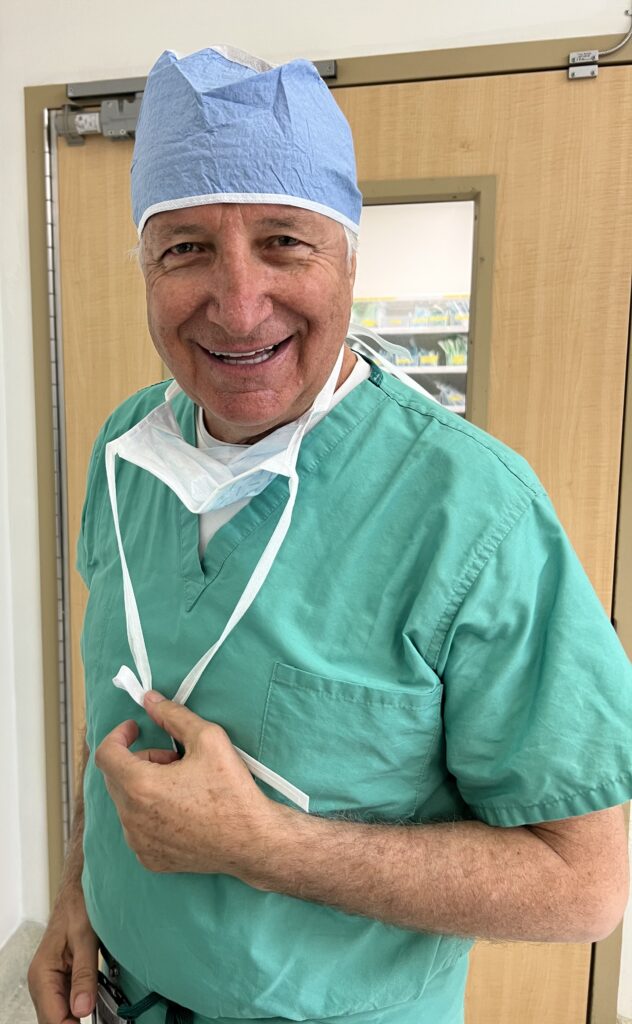
A Conversation with Dr. Rifat Latifi

February 24, 2025 by s p


By Rifat Latifi*

 Reflections on Healthcare System of Kosova – Perspective of a Former (Apolitical) Minister 

*Former Minister of Health of Republic of Kosova 

Surgeon, Author, and Editor

Founding President of Kosova College of Surgeons

** This is a part of the upcoming book: “Transformation of Healthcare system in Post -Conflict Countries: Why should it take so long?”

“Strike a half-empty pot, and it will make a loud sound; strike one that is full and hear the silence.”
                                                                                      Kabir, an Indian Poet of 15th Century.

Part I: Introduction


Many of my friends, some of family members and many colleagues, have and continue to ask me why I left the job of Minister of Health of Kosova. Well now, that elections in Kosova are done, I will tell you why. 

Let me start by saying at the beginning that leaving my role as the Minister of Health of Kosova stands as the most difficult and pivotal decision I have ever made in my career. During the phase of designing and starting the reforms, vital to the healthcare system of Kosova, I reached a crucial juncture where I realized that necessary support for sustainable transformation was totally lacking, and I could not see even a glimpse of hope that it will come through. This realization was painful and ignited a conflict within me – one that ultimately led to my departure from a position I had envisioned as a platform for a meaningful lifetime change. Upon my return to the United States, it took me a few months to get “rehabilitated” from the “trauma” of being a Minister and from “trauma of leaving the ministry. Eventually, months later after I returned from Kosova, I re-entered the operating room, but did not want any administrative role at all, and instead just take care of patients. 

Still, I have often found myself ensnared in a web of introspection, spending countless sleepless nights grappling with the question: Why did I leave?  In preparation to answer this question academically, since I have returned, I have read many books and papers on being a minister, and I have explored and illuminated my experience as Minister of Health through academic discussions and invited lectures in various universities on being a minister, questioning whether surgeons should engage in politics to influence healthcare policy effectively.

Engaging in a dialogue with myself during many sleepless nights, and miles and miles of hiking in the hills of Arizona with my wife Drita, friends or by myself (mostly) I have posed difficult questions to myself and confronted equally challenging answers. 

This internal, honest question and interview process has opened more questions about the complexities of leadership, governance, and the realities faced in the quest for healthcare reform in Kosova. The drive to make tangible changes in the healthcare system was rooted in my deep-seated desire to improve the lifes of the people of Kosova. This is as simple as that. However, the unambiguous realization that I did not have the necessary support from the government that invited me, and for which I left the USA and went to Kosova, was the turning point. Leadership in any domain requires not only vision but also collaboration and consensus among various stakeholders. The space where ideals meet reality collided with political dynamics, resistance to change, and the limitations of available resources. As I faced these challenges, I understood that without the requisite backing from the government, the ambitious reforms I envisioned and designed would remain mere and raw aspirations. 

Moreover, it became increasingly apparent that the environment in which I was striving for change was unsustainable. Often time when I was advocating for policies aimed at delivering better healthcare services I was met with cynical and frankly banal opposing political framework (not from political opposition), that favoured mere preservation of status quo over innovation. The disconnect between the urgent need for reform and those who had a prevailing attitude against the change was becoming every day more obvious. 

I felt lonely and at times confused. Recognizing that the efforts could fall short without the necessary coalition of support, made my decision more poignant; it was no longer about me, but about the people of Kosova who deserved a functional and equitable healthcare system that they hoped for. And I was supposed to be the agent of realization of these hopes. But without any support from the government that people had selected, it was becoming ever difficult and illusionary mission. That is why I left.

Returning to my surgical clinical practice, teaching and writing books in the United States involved a stark shift in focus, centring my efforts on immediate patient care rather than systemic reform, but it has not been an easy re-entry. 

While I found solace in the operating room and love for caring for the sick and injured patients, I could not escape the pervasive questions about my decision. Had I failed in my mission? Was there a different approach I could have taken? Each moment in surgery brought forth memories of policy discussions, passion for public health, and dreams of transformative practices that had yet to be realized in Kosova. 

Through this reflective process, I have gained a clearer understanding of resilience – a trait not only necessary within the complex healthcare landscape but also essential to personal growth and peace. The journey of a leader is often riddled with difficult choices and letting go, although it could be very difficult, can sometimes pave the way for future endeavours and learning experiences. My departure from the ministerial role allowed me to reevaluate my strengths and focus on what I could impact in my current practice, albeit within a different setting.

In sharing my candid reflections in this interview, a conversation with myself (yes, it is Rifat Latifi asking Rifat Latifi), I hope to offer readers insight into the multifaceted nature of my decision making for leaving the Ministry of Health and the government that was advertised as the government of hope, and whom I joined as an agent of change. My decision to leave the role of Minister of Health in Kosova, though difficult, has ultimately provided me with valuable lessons in resilience, the importance of support in governance, and the realization that sometimes stepping away is necessary to foster growth – both personally and professionally. These are some of the questions I have been rustling over the last two years. 

Part 2: 

Question: You served for a short period as Minister of Health, dropping off amazing successful surgical career, the highest position of leadership position in surgery that one can have, and the entire life in the USA to go back to help transform the healthcare system of Kosova. What did you find when you were there?

Answer:  Deep-rooted issues such as bureaucratic complexity, political lies, political dishonesty, corruption, unprofessionalism, insufficient funding, and a fragmented delivery approach pervade the public healthcare system of Kosova. Moreover, the healthcare system in Kosova continue to face significant challenges, stemming from years of neglect and mismanagement. At the core of all this, the system suffers from a convoluted administrative structure filled with confusing regulations that complicate access to care for patients and hinder efficient management. This historical neglect has resulted in underfunding, leading to a lack of essential resources and deteriorating facilities. Many hospitals and clinics are outdated and poorly equipped and in urgent need for modernization. 

The biggest surprises though, were the unfinished projects, including the Ferizaj Hospital, the building of trauma centre, the children’s hospital in Mitrovica, and the children’s hospital in Prishtina that was inaugurated but was not open. These unfinished projects became symbols and stark reminder of major systemic failures, poor governance, and non-existing accountability of the leadership of healthcare system. What political leadership inaugurates an empty hospital with no patients and no equipment to care for patient, and then walk away?


It did not take long to understand and realize how the healthcare system was fragmentated into numerous small clinics, which led to inefficiencies, with (often) excess medical staff but inadequate infrastructure, where in some cases, clinics had more doctors than hospital beds that exacerbated further resource mismatches. This situation was further complicated by a lack of accountability and insufficient qualified leadership to support medical staff.

Question: Being a Minister of Health in a system that public does not trust must have been a difficult task?

Answer: To be successful in any position or process one must understand all the intricacies of the entire complex or processes. But, in the case of minister of health position, one must understand that the primary stakeholders are patients who, in case of Kosova, often face difficulties in obtaining timely and adequate care, leading many to seek treatment abroad or in private institutions, which is often very costly. 

This trend diminishes trust of people in the local public healthcare system. Additionally, healthcare professionals frequently juggle multiple jobs due to the low salaries, undermining the quality of care they can provide. While this is understandable from the economic standpoint, there is much abuse in the entire system with major vacuum of leadership by healthcare professionals.  

On the other hand, the absence of malpractice insurance adds to the risks faced by medical practitioners that often are ridiculed publicly. A significant concern is the lack of emphasis on research and innovation among clinical staff within the University Clinical Centre and Hospital, which further stagnates progress in healthcare practices. To address these challenges, it was crucial to develop a comprehensive transformation plan that align the healthcare system with the population’s needs. So yest it was very difficult, but not impossible mission.

Question: So, you found a mess. Well, you knew this before going there, right? What were the few elements that you were concentrating to solve?

Answer:  Yes, I knew it, but not in as many details. I thought and hoped that this government was serious in changing the status quo in healthcare, whereas I thought I knew what I was doing, and I thought I knew well the process of transformation. Moreover, I thought I will have the support, then all I needed was to remind myself that as Minister of Health of Kosova, the transformation of healthcare system must be solved through the infrastructure improvements, enhanced governance, and accountability, along with effective training programs and better resource allocation to increase access to specialty care.

Changing clinical directors and repainting hospital corridors was never on my agenda. I went to Kosova to help those directors and clinicians, nurses and the entire system to become better and be the best local clinical leaders, and they should be evaluated based on their performance and not based on political will from the office of the minister or from the political party’s office. 

When criticizing previous governments, I had been on the record many times before I became a minister, saying governments should not change experts and clinical directors because they were from a different political party but based on the performance and milestones set by the leadership (minister). I maintain that believe to this day. It was on this point that “the rubber met the road” and difficulties started. 

Question: How did you create the strategy for transformation?
Answer: To address systematically the problems faced and understand them, I needed to study and create a road map of general issues that needed further and deeper dive, and dissection. During this short study, I identified seven pillars that I needed to concentrate on (Table 1). Digitalization and healthcare insurance (not in the pillars) were not under my responsibility. They were being managed by the Prime minister’s office. By addressing issues number 3, 4, 6 and 7 we could attract our experts from issue 2, while some of them were already waiting to come and join us in our process of transformation. The issue number 5 would have been a natural progress of transformation and result of other pillars being in place. But all this would take time. As I said, I was not interested in re-painting the corridors of hospitals.

Table 1. Seven Pillars of Transformation of Healthcare of Kosova

Seven pillars of transformation 
1 Digitalization of healthcare services, including health insurance. 
2 Brain return (gain) and reducing brain drain, creating policies for including the experts from diaspora in clinical, managerial, and leadership positions throughout the healthcare system. 
3 Advancing clinical programs and centres of excellence through the specially designed and data-based analysis of programs for treatment outside the country and private hospitals and institutions. 
4 Reforming residency and training programs and adding fellowships and international accreditation. 
5 Decentralization of the hospital system and reorganization of UCCK, with empowering regional and local health systems. 
6 Advancing research capacities and embedding research personnel, research residents, and medical students into most of the major clinical disciplines. 
7 Modernization of hospital infrastructure and other healthcare institutions and increase quality of healthcare services including international accreditation of hospitals and other institutions. 

Question: So, you realized that you’re being asked to change directors and paint the hospitals instead creating major reforms. What made you think you will succeed eventually? 

Answer:  Correct. Hope is an amazing weapon. I kept thinking maybe they will wake up and understand what is at stake. Afterall, I had no other motives. Just fix the healthcare system. While the healthcare challenges in Kosova were considerable, they were not insurmountable though. I was sure that by committing to overhauling the existing system and fostering collaboration among stakeholders (international and local), Kosova could have a more responsive and effective healthcare framework. Investing in a sustainable healthcare system will ultimately lead to improved health outcomes and a better quality of life for all citizens, better economic development, paving the way for a healthier future. 

Question: Basically, you did a major study (without any expensive consultants’ fees but just reading previous expensive reports of many feasibility studies, visiting the hospital and talking to the leadership, and used your experience and common sense approach to rebuild healthcare system in a very short time you during which you were  able to design a strategy that would create 12 centres of excellence and 22  clinical fellowships and truly  transform healthcare system.

Answer: Yes, I decided to foster meaningful dual transformation strategy, after I studied the entire system, without making media noise, because I agree with Kabir, an Indian Poet of 15th Century who wrote that: “Strike a half-empty pot, and it’ll make a loud sound; strike one that is full and hear the silence.”  

The dual strategy focused on improving healthcare quality and accessibility. First, I thought that we have to create 12 clinical centres of excellence and offer advanced training of 22 fellowships for over 100 physicians and surgeons in the first 2 years of being in the office. The second doable strategy was modernizing the hospital infrastructure and work through collaborations both local and international partners (medical diplomacy). Every aspect of this dual strategy reflected the insights and needs identified by the clinical directors during extensive meetings, ensuring that it aligns with the goals of each department and clinic. Started with modernization of neurosurgery, and vascular surgery. The rest of the clinics were to follow. 

When I predicted that it would take 5-10 years to create a great foundation and to be part of Europe as far as the healthcare system is concerned, it was an outburst of those who did not like my strategy.  Perhaps for those who considered fixing the bathrooms and painting of hospitals, it was transformation. As nonpolitical minister I would not lie to the public who had so much hope that with the help of this government I will be able to lead the change. I wanted meaningful transformation. Kosova needed a meaningful transformation of healthcare system. 

Question: You have done before such meaningful transformation and must have come natural to you.

Answer: Yes, my approach was perhaps too ambitious, but I believed it was essential to initiate an ambitious and comprehensive reform plan. By aiming for the stars, you reach the stars. And you are correct, it was not my “first rodeo”, as they say in Texas. I have done it before in several institutions both nationally and abroad and helped transform healthcare system significantly. So why would be it difficult to transform healthcare system of Kosova that is smaller than any midsize city anywhere in the world, or a neighbourhood of a large city?  For many decades we have asked and allowed others to do whatever they wanted to do with the healthcare in Kosova. Now we were dictating what we needed to be done. Had a clear vision. Our true international friends (USA and some others) loved it, many hated it and openly displayed neocolonialistic aspirations and tendencies. What I was planning to do was cutting the piece of their pie significantly, if not altogether.  But remember, the international neo-colonialists do not work alone. They work together with many local organizations and individuals. The latter were making most of the noise.

Question: What other issues you encountered in this process?

Answer: The main issues that I encountered, as I mentioned above, included a fragmented healthcare system with a surplus of healthcare professionals but insufficient care and lack of operating resources, resulting in inefficient and often inappropriate patient care. Corruption, sabotage of every initiative, preoccupation of administration and so many people around with small stuff and hiccups, unhappiness of many who used the public healthcare system just to help their primary businesses, dishonesty, lack of work discipline, lack of love for the country itself, and lack of trust amongst many high-ranking politicians in the public healthcare system were overwhelming. I found the task daunting but necessary, understanding that significant reforms require time, persistence, and a clear vision.  

Question: What made you think that you can do anything meaningful, when you were being micromanaged like some low-ranking administrator?


Answer:  Yes, I became acutely aware that  I will not have the support from the government that invited me to be the minister of health, but I thought that if I leverage medical diplomacy and foster collaboration with various stakeholders, we could reshape Kosova’s healthcare landscape, reduce the inequalities that had long plagued the healthcare system, and the government will see that the transformation is doable. Through these efforts, I hoped to lay the foundation for a sustainable healthcare environment that benefits all Kosovars. I did not want to become a “media noise maker” before things were palpable, for the reason stated above, based on the 7 pillars of transformation (Table 1) and working with leadership of clinics created the concept of 12 centres of excellence (Table 2).

Question: Tell me about the role of these 12 centres of excellence

Answer: The purpose of creating a network of 12 Clinical Centres of Excellence (CCEs) was to centralize specialized care, streamline patient management, and elevate the standards of treatment across Kosova. This would make the public system available (in addition to care for its own citizens), to provide health tourism for at least our entire diaspora but for the region as well. By establishing 12 CCEs, I sought to provide targeted and advanced healthcare services that were previously out of reach care for many citizens. Alongside this, I designed a program to implement Advanced Clinical Training Fellowships (ACTFs) in partnership with existing leaders of health system and directors of the clinics for more than 100 physicians and surgeons during the 2022-2024 period, partnering with international centres known for their cutting-edge practices.

Question: What would these centres do for the staff?

 Answer: This approach not only would have enhanced clinical skills of medical/surgical staff but also cultivate a culture of continuous learning and improvement within Kosova’s healthcare professionals. By equipping our medical staff with up-to-date knowledge and expertise, I aimed to instil confidence in our local healthcare system and encourage citizens to seek care domestically instead of traveling abroad.

The second pillar of my strategy emphasized modernization of our healthcare infrastructure. It is easily recognized that many hospitals are outdated and have inefficient management practices, and fragmentation that undermines service quality. Thus, I initiated a comprehensive plan to build and modernize hospital facilities while improving healthcare service delivery through better management practices. This involved working closely with local and international partners to ensure our hospitals not only met current healthcare demands but were also prepared for future challenges. Started with the trauma centre, that would have the burn centre and centre for all emergencies, including acute care surgery. 

Question: What were or are the reason(s) that for example trauma centre is not completed?

Answer: The situation surrounding the proposed trauma centre encapsulates the complicated intersection of healthcare needs and political dynamics. Various well-intentioned initiatives to create a dedicated trauma facility have faced significant hurdles in the past, resulting in a frustrating state of limbo. The moniker “ghost building” appropriately describes this building, as the facility waits for completion and sits unused, representing unmet healthcare demands. The political factors that contributed and continue to contribute to the stalling of this critical project were multifaceted, most of which were incomprehensible by a normal human mind. Shifts in governmental priorities, bureaucratic red tape, funding disputes, and regional governance disparities complicated decision-making processes vital for advancing healthcare infrastructure. Additionally, the political instability and ongoing tensions in the region diverted attention and resources from healthcare initiatives, further exacerbating the difficulties in maintaining momentum for such essential projects.

Question: You had spoken in the past about “feasibility” studies of healthcare system of Kosova. 

Answer:  As I navigated those complex potential historic reforms, I became acutely aware of the deeply rooted issues of corruption and mismanagement that had plagued the healthcare system of Kosova for decades and were still very much present. For each initiative of any minister, there was supposed to be a feasibility study first. This consumes great amount of time. Existing and previously done “feasibility” studies and dialogues with international and local experts revealed the alarming status of our healthcare assets, where incomplete buildings loomed as stark reminders of the past and the current government failures, that I became part of it. Feasibility studies that no clinical leader has read. Not even the board members of the UCCK read them or knew what these studies said. For example, numerous hospital projects remained unfinished (as stated above), contributing to a public perception of systemic inefficiency and distrust in the healthcare sector. Addressing these challenges required transparency, accountability, and an unwavering commitment to prioritize patient care over political affiliations. 

Question: Did you know in what you were getting yourself when you said “yes”?

Answer:  I knew that transforming the healthcare landscape of Kosova was undoubtedly a daunting task, but I firmly believed and continue to believe to this day that with a dual approach rooted in excellence and modernization, we could create a system capable of meeting the health needs of our citizens and more. This ambitious plan signalled a new era for Kosova’s healthcare, embodying the vision to build a resilient system that could withstand the tests of time and emerge as a model for other nations facing similar challenges. The establishment of 12 Clinical Centres of Excellence and the creation of 22 advanced clinical fellowship training programs represented a significant shift in how healthcare was delivered in Kosova. While these initiatives aimed to enhance the quality of care and reduce the necessity for patients to seek treatment abroad, they also posed a direct challenge to individuals and many entities (I called them shops/kiosks) that had built their operations and major profits around, sending patients out of the country for medical services.

Question: Those who had historically benefited from these practices viewed the new centres and training programs as a direct threat to their livelihoods. Correct?

Answer:  I understand, and I agree with them, because that was my goal and mission. By providing high-quality, specialized care domestically, I thought to create a system that will retain patients within Kosova, thereby reducing the financial outflow associated with international medical travel. This concept led to resistance from certain stakeholders who own shops to recruit patients to go abroad, who were invested in the status quo and feared that the changes would diminish their influence, but most importantly their income, shared by many.

Question: What broke down the Camel’s back? Just shy of 11 months of serving as Minister you resigned. What happened?

Answer: Despite my commitment to the development of these transformative initiatives, I faced significant obstacles and continuous lack of support from the government leadership and the Ministry of Finance. The creation of a “Health Commission” by the Prime Minister – which was composed of members who were reporting to me – became a clear signal that the government instead of supporting, it was undermining my efforts and strategy. In a well-run ministry and government, such a commission would have been an asset, facilitating collaboration and support, but its members were supposed to be (as agreed beforehand) internationally recognized leaders of healthcare transformation. This was the second  time that “the rubber met the road” and ultimately, after considerable reflection, I made the difficult decision to resign from my position, because it became clear that without the necessary backing to implement the vital reforms (that was expected from this government) needed for the healthcare system in Kosova, my ability to effect change was severely limited. 

I hoped that my resignation would serve as a call to action for future leaders to prioritize the transformation of a healthcare system that desperately needed support and revitalization and all those who wanted to go back and help Kosova. I gave the government my findings and what we did, and what we initiated. 

Part III. 

Question: Kosova has just had new elections, and it is in the process of creating a new government. Here lies a significant opportunity for the incoming government to prioritize essential healthcare reforms that can fundamentally reshape the country’s healthcare system. What would you advise the next government, whomever that may be?

Answer: The urgency for transformation of healthcare system is palpable among the people, who express a strong desire for policies that will enhance the quality of care and promote the well-being of all citizens. One critical element that should be prioritized is funding and the establishment of the 12 centres of excellence in healthcare that have been initiated in the country. 

Table 2. Proposed Centres and Clinical Programs of Excellence 

1. The Emergency, Trauma, and Burn Centre 
2. Clinical Oncology Centre of Kosovo (COCK) or Cancer Centre with ten departments and eleven clinical programs 
3. Bio Medical and Scientific Research Institute with four departments: 1. Scientific Research; 2. Medical Simulation, and Technological Education; 3. Minimally Laparoscopic Surgery Laboratory, and 4. Clinical Guidelines and Protocols 
4. Centre for Children and Adults with Disabilities (Autism, Down Syndrome, and Other Rare Diseases) 
5. Addiction Rehabilitation Centre 
6. Regional Centre for Training and Emergency Disaster and Trauma Management 
7. Expansion of the Telemedicine program from all Regional Hospitals of the Country to Main Centers of Family Medicine 
8. Consolidation of the Center for Neurosciences
9. Consolidation of the Heart Centre 
10. Minimally Invasive Laparoscopic Surgery Program in General Surgery, Urology, Gynaecology, Paediatrics, and Thoracic Surgery 
11. Endovascular Surgery Program 
12. Kidney and tissue transplant program


I argue that these centres are vital not only for improving healthcare quality but also for fostering an independent and self-sufficient medical infrastructure in Kosova. By investing in these centres, the new government can help the nation move away from reliance on foreign medical systems and practitioners, thus cultivating autonomy and pride in local healthcare capabilities.

Question: How would you advise the new government to pick the next Minister of Health?

Answer: The selection of a new Minister of Health is most important. It is essential that this appointment is made with careful consideration, emphasizing the need for a candidate with a solid medical background who is free from political affiliations and influence. 

To the next Prime Minister: Do not control the minister of health for your political benefits. This ensures that healthcare decisions are guided by clinical expertise and the genuine needs of the population, rather than the shifting political agendas. But remember, if healthcare system is reformed and build to stand, you will continue to prosper too. A neglected healthcare system by politics is the most significant missed opportunity for any political party that has led Kosova for the last 25 years. Do not miss it again. 

The new government should demand that the Minister of Health operates without corruption. By appointing a leader who is genuinely dedicated to improving the healthcare system and prioritizing the population’s welfare, the government can foster transparency and effective resource allocation, marking a significant shift towards accountability in the healthcare governance. This builds trust in public services.

Question: You have said that a very important time as Minister were in the parliament. Explain this further and what you advise the new members of parliament?

Answer: Yes, that was incredible. I thought that the parliament, where you can speak free as chosen of the people, where you can debate freely, was a blessed place, but our parliamentarians were doing too much politics and not much work, so at times did not look like a very blessed place. So, my advice to the next class of parliament members of the new Parliament is to approach the healthcare system not as a political football, but as a fundamental service crucial to the lives of all citizens in Kosova, to its economy and its security. To have a lasting impact, the government must prioritize healthcare over political manoeuvring and ensure that the sector is protected from the negative effects of political gamesmanship.

Question: You had time to reflect on your short tenure as Minister. What are your thoughts?

Answer: As I reflect on my short tenure as Minister of Health in Kosova and the profound responsibility that came with the role, particularly in a country with a struggling healthcare system, there are many things that come to mind. In fact, I would call it a study of the healthcare system of Kosova rather than being a minister of health. Minister should be allowed to minister, not be a mere middle manager. During my time in office I faced numerous challenges, from navigating historical neglect and underfunding to addressing inefficiencies and corruption ingrained in the system, particularly of the administration. It appeared that I was a middle manager even for trivial issues.

Part IV: 

Question: What would you advise the government overall?

Answers: As Kosova prepares to create a new government, the following essential priorities must be taken into consideration: the establishment of centres of excellence, the appointment of a qualified Minister, the commitment to corruption-free leadership, the prioritization of healthcare in political discourse, and the promotion of research. By addressing these areas, the new government can lay the groundwork for a robust and responsive healthcare system that truly serves the needs of all citizens, ultimately leading to better health outcomes and a stronger, more resilient Kosova. And we are all here to help. You do not need another damn feasibility study.  You have the most definitive one. 

Here are some specific issues that should be made priorities:

 1. Research agenda should be a priority that should be at the forefront of the new government’s agenda is the promotion of research across all fields, particularly in the medical sector. Investing in research not only enhances the capacity and quality of medical education but also drives innovation in treatment, prevention, and healthcare delivery. Establishing a strong research foundation will facilitate the development of evidence-based practices, improve patient outcomes, and position Kosova as a contender in the global medical community and will keep the brain in Kosova and will even help return the lost experts.

2. Allow the Minister of Health the autonomy to operate without excessive oversight and micromanagement. Trusting the appointed Minister’s expertise is critical for facilitating effective decision-making. Such trust empowers the Minister to explore innovative solutions and implement necessary reforms without being hindered by political interference.

3. Do not permit international organizations to conduct yet another feasibility study. While these studies can provide valuable insights, we have already gathered ample information about the healthcare challenges and needs in Kosova. What we require now is action, not additional analysis. Repeated studies can lead to delays and a cycle of inaction, as we risk getting caught up in endless evaluations rather than implementing the reforms that our healthcare system desperately needs. It is time to move forward with decisive measures based on existing knowledge, focusing on real solutions that will improve healthcare outcomes for our citizens. Let us prioritize actions over further bureaucracy and make meaningful progress together. 

4. Finish or forget the unfinished projects: If the construction of critical healthcare facilities like the trauma hospital and Ferizaj hospital is being impeded by corruption within the courts, it is essential to pivot and initiate a new project that circumvents these obstacles. 

5. Use medical diplomacy to involve partnerships with non-governmental organizations (NGOs) or international health agencies that have a track record of successfully implementing healthcare projects in similar conditions. By leveraging their expertise and resources, we can establish functioning healthcare services that directly meet the needs of the population while also drawing attention to the issues of corruption and inefficiency.

6. Prioritize the health needs of the community. Finding alternative solutions allows us to ensure that healthcare development continues and that citizens have timely access to essential services, regardless of the challenges posed by corrupt practices.

7. Expanding the healthcare system beyond Prishtina is crucial for improving access to medical services throughout Kosova. By strategically developing healthcare facilities in rural and underserved areas, we can ensure that all citizens receive the quality care they deserve without having to travel long distances to the capital.

One significant aspect of this expansion involves building new major highly specialized healthcare centre and hospital outside of Prishtina, which would allow for a more equitable distribution of medical resources such as cancer and research centre, and it should be a university clinical centre. The old, current UCKK, should be acute care, trauma and emergency centre only. This should be the “Cleveland Clinic” or “Mayo Clinic” of Kosova that will stop patients going out of the country. Arguments from that health commission that there is no electricity or infrastructure outside Prishtina were some of the most ludicrous things that I have heard when we discussed this issue.

8. Investing in telemedicine and mobile health units would complement these efforts, allowing specialists based in Prishtina to consult and collaborate with healthcare providers in the newly established facilities. This approach would facilitate ongoing education and training for local healthcare workers, enhancing their skills and knowledge while ensuring that patients receive expert care without the need to constantly travel to the capital.

9. Use medical diaspora.  Lastly, I believe that I speak on behalf of all of diaspora healthcare experts that we are ready to continue to contribute to whomever creates the new government but do make a loud sound like an empty pot.  

Filed Under: Interviste Tagged With: Dr. Rifat Latifi

SHPIRTRAT E ARRATISUR…

February 24, 2025 by s p

Kosta Nake/

Ndoshta është rasti i vetëm në historinë e letrave shqipe të tranzicionit që një roman të ribotohet edhe katër herë të tjera. Dy breza të shoqërisë shqiptare që navigojnë tri botë të ndryshme me konvejerin e kohës: Tiranë – Paris – Pekin. Një zbulim i raporteve afektive dhe shpërthimeve seksuale të moshës më të bukur si shtresëzim indiferent ndaj një epoke me konflikte të mëdha politike. Një zhbirim mjeshtëror i jetës familjare që, duke u bërë pre e ngarkesave politike, shpërbëhet dhe i çon individët në gjendje haluçinative. Një kompozicion i jashtëzakonshëm me një labirinth mjedisesh dhe karakteresh që të fton për t’iu rikthyer edhe një herë udhëtimit nëpër të.

Duke përkthyer diçka nga proza e shkurtër ruse, më është krijuar përshtypja që letërsia shqiptare e pesëdhjetë viteve të fundit, duke u angazhuar thekshëm politikisht, ka pakësuar frikshëm natyrën që e zbut bishën e fshehur brenda shpirtit njerëzor, shqiptarët janë bërë më luftarakë dhe më pak miqësorë; duke lexuar “Dragoin e fildishtë” mendoj se në tranzicion është krijuar një trend për viktimizimin e shoqërisë nën diktaturën komuniste, por nuk është hedhur dritë sa duhet për atë që po ndodh në sistemin e ri me largimin eksodik të shqiptarëve dhe me ftohjen akulluese ndaj jetës së fshatit dhe punëve bujqësore.

Një dashuri e pamundur dhe dragoi i fildishtë

Ndryshe nga romanet bashkëkohës të “Dragoit të fildishtë” të cilët e kanë politikën të ekspozuar pa kursim në shitoret e tyre, Fatos Kongoli ka zgjedhur në këndvështrim të veçantë duke vendosur në vitrinë fatin e individit që, edhe pse është i kushtëzuar nga politika, ka hapësirën e vet të mjaftueshme për ta jetuar jetën sipas ëndrrave, dëshirave, energjive të moshës në një sfidë të përhershme me rrethanat. Ja pse linja e dashurisë mes studentit shqiptar Genc Skampa dhe kinezes së bukur Çao Sui Lin përbën një fill magjepsës në rrjetin e ndërlikuar të strukturës së veprës duke sjellë simotrën e vet në historitë e nëpërkëmbura të dashurisë mes studentëve shqiptarë të viteve ’50 e ’60 që shkonin për studime të larta në vendet e ish-kampit socialist dhe vajzave vendase. Fillon si gjueti prostitutash dhe përfundon si dramë e dhimbshme. Fillon si dashuri me shikim të parë dhe përfundon me një përjetim të thellë e të bukur që as largësia e madhe nuk i mbyll dot të gjitha rrugët, as koha e pamëshirshme nuk e fshin dot siç bën deti me gjurmët në rërën e bregut.

Takimi rastësor i dy të rinjve ndodhi në magazinën Bai Huo Ta Lou në Pekin ku ishte statueta e një dragoi të gdhendur në fildish. Genci shkon për prostituta dhe dikujt pranë tij i bie të fiktit nga uria. Njerëzit mblidhen dhe atë që ndodhi e shpjegon një kineze e bukur që flet rusisht. Krijohet një shoqërim idesh që vazhdon deri në fund të veprës: statueta e dragoit – fytyra e bukur e kinezes – skena e të uriturit. Dragoi ia prish gjumin studentit shqiptar: “Je Kina, iu hakërreva me inat… Enigmatike, kurnace, e pistë. Ti s’më lejon të afrohem, të prek fildishin e ftohtë të zhguallit tënd. Lëviz, ulëri, godite me bisht xhamin e vitrinës, thyeje. Atëherë këtu do të shfaqet një vajzë, si shenjë e dorës së zgjatur të miqësisë sate.” (f.140) Dukej sikur dragoi ruante një të fshehtë dhe duhej t’ia shpjegonte Gencit pse ndodhej në atë vend, të padepërtueshëm si zhgualli i tij, me një enigmë të frikshme te sytë e tij. (f.146) Genci priste që dragoi që i kishte shkuar mysafir në dhomë si një pikturë, “…t’ia jepte pallmës. Si të pëlliste, të teshtinte. E si të teshtinte, përmes shtëllungave të flakëve të shfrynte mbi tryezë vajzën e bukur.” (f.148) Dragoi i shfaqet si mirazh kur katër studentë lundrojnë me varkë në liqen: “Ujërat e liqenit u rrudhën, rrudhat lëvizën, u kthyen në valë, valët rrahën ajrin, dielli u zu e përmes reve u shfaq në fluturim dragoi i fildishtë.” (f.153) Genci rri në një dhomë me një student kinez dhe rastësia bën që në Pekinin pa anë e fund ajo të jetë kushërira e Fengut, madje të shkojë për vizitë në shtëpinë e tyre. Sui Lini kishte qenë disa vite në Moskë, kishte dhe një emër të dytë, Raisa, prandaj Genci e kishte dëgjuar të fliste rusisht në takimin e parë rastësor. Njohja merr një shtysë të fuqishme nga kërkesa e kushëririt Vang Mei që tingëllon si amanet: “Shpëtoje Lui Sinin…Është vajzë shumë e mirë. Dhe shumë e bukur, shpëtoje, pra largoje nga ky vend.” (f. 294) Dragoi i shfaqet sërish në ëndërr Gencit, por këtë herë aspak me pamje të frikshme, sepse tashmë ai takohet hera-herës me Sui Linin. Takimet selitin një dashuri etalon dhe autori vendos një paralelizëm të jashtëzakonshëm mes Aleksandrit të Madh dhe Roksanës nga njëra anë, Gencit dhe Sui Linit nga ana tjetër. Po luftëtari i gjakut tonë të stërlashtë dhe pushtuesi i hapësirave perandorake vritet tepër i ri, kurse Gencit ia vranë dashurinë duke mos e lejuar të kthehet më në Pekin, sepse punonjësit e ambasadës kishin informatorët e tyre për studentët që “dilnin nga udha e Zotit.”

Tridhjetë vite më vonë ka një përpjekje të Gencit për ta gjetur Lui Sinin. Në anën tjetër të botës edhe ajo kishte parë një ëndërr me pulëbardhë para se të arrinte letra e Gencit. Por kjo është një dashuri e prerë dhunshëm për të mos u bashkuar më dhe ajo i shkruan: “Do të ndihem e lumtur po të më harrosh. Atëherë një pulëbardhë do të vijë përsëri të trokasë me sqep në dritaren time. Të më sjellë kujtimin tënd që e kam brenda meje.” (f.105)

Portrete vajzash

Rinia fillon me pubertitein, lulëzon me flirtet dhe dashurinë dhe arrin zenitin me aktin seksual. Bota e adoleshentëve pëson një transformim të madh dhe krijohet një dualitet i heshtur mes nevojave për arsimim dhe dukurive hormonale me sferën e fshehtë të imazheve dhe përfytyrimeve që fokusohen te seksi. Kuadri etik i shoqërisë orientohet drejt dashurisë romantike dhe krijon rrethin e tabuve që e konsideron imoral kontaktin seksual paramaretsor. Nevojat për çlirim seksual vijnë përpara mundësive për punësim dhe për të krijuar familje dhe kjo vjen për të gjithë brezin e ri në botë. Ja pse jeta e studentëve të huaj në Pekin nuk është një garë se kush do të jetë më i miri i kursit, por një kahje e mbërthyer fort drejt dëfrimit me mbrëmje vallëzimi, sport dhe gjueti vajzash.

Ka një histori dashurie paralele të një studenteje shqiptare, Nirvanës, me studentin polak Tomas Oshlovski që përfundon tragjikisht, sepse Nirvanën e dëbojnë të kthehet në Shqipëri, kurse Tomasi përfundon me vetëvrasje. “Nirvana ishte një rubin i ndritshëm.” (f. 89) “Humbja ime e parë quhet Nirvana.” (f. 107) “Ajo gjithmonë kishte qenë më e bukura. Nirvana ishte për mua një tempull i shenjtë, e pacënueshme, si një krijesë prej ajri, nuk arrija të përfytyroja se një ditë do të gjendej dikush që të guxonte të prishte qetësinë e hapësirave të virgjra të këtij tempulli.” (f.118) Ja pse fëmijën e parë e Genci e quajti Nirvana.

Jasmin nga Zanzibari, që e thërrisnin Xhesi, ishte një tjetër yll në qiellin e dashurive studentore: rreth 20 vjeçe, me sy të zinj, buzë të trasha, gjinj të mëdhenj, me lëkurë të hollë e të lëmuar me ngjyrë kafe të errët, e hollë, me flokë të shkurtër. Edhe ajo kthehet në atdhe para kohe për t’u martuar dhe përfundoi e therur.

Mes bukurosheve është dhe mulatja kubane Mercedes, me flokë të dendur të lëshuar, lëkurë ngjyrë çokollate, me buzë të trasha dhe sy të gjelbër, bombë seksi e vërtetë.

Familje të rrënuara nga politika

Për shqiptarët familja ende vazhdon të mbetet në bërthamën e përsiatjeve për të zbuluar oazin e lumturisë dhe bashkimin e forcave për t’i dhënë kuptim jetës. Paralelisht me këto përpjekje tërmete të fuqishëm e tronditin atë deri në themele. Kantautori amerikan Scott Weiland mendon se problemet që lindin duhet të mbeten brenda familjes. Të tjerë mendojnë se pas stuhisë do të ndriçojë dielli, por nuk ndodh kështu kur shkatërrimi i familjes vjen nga goditjet që merr nga jashtë. Fatos Kongoli shkruan: “Kjo jetë është një varg vogëlsirash banale që po nuk iu ruajte ta bëjnë ekzistencën skëterrë.” (f. 20)

Eva shqiptare është ajo që zuri vendin e Lui Sinit e cila mbeti në Pekin e gjunjëzuar para fatit të vet, po është sërish politika që e rrënon familjen e re. Pastrimi i radhëve të drejtuesve të lartë për shkak të zbulimit të grupeve armiqësore prek edhe babain e Gencit, në shtëpinë e të cilit më parë vinte një çift ministror. Ministri përfundoi i pushkatuar duke qenë i lidhur me tel me gjemba me dy të tjerë, kurse e shoqja u hodh nga pallati dhe u vetëvra duke e konsideruar e çmendur. Babai i Gencit, për shkak të lidhjeve me ish-ministrin, mbetet i papunë dhe Eva, për të shpëtuar dy fëmijët e vet nga nxirosja e biografisë, zgjodhi copëzimin e familjes në mënyrë të njëanshme, më pas kërkon divorc me mirëkuptim. Romani fillon trembëdhjetë vite pas ndarjes, pikërisht me pritjen e Gencit për të takuar të birin, Florin. Flori është rritur dhe ka ardhur në një moshë që të lërë takime me vajzat. Udhëheqësi budist Dalai Lama thotë se mënyra më e mirë për të zgjidhur çdo problem në botën njerëzore për të gjitha palët është të ulen dhe të bisedojnë.

Një fat të ngjashëm ka Rita, që pasi humbi virgjërinë, bëri një martesë të dështuar, i shoqi e braktisi dhe iku në Amerikë. Genci më kot është në mëdyshje të martohet me Ritën apo të shkojë në takim ripajtimi me Evën, sepse Rita nuk do të eksperimentojë më. Jeta seksuale e tij është e pasur, por jo vetëm nuk është i lumtur, por vetë konkudon: “Ndihem një karkasë boshe, i ngacmuar nga një shpirt në arrati.” (f. 312) Sikur të mos mjaftonte kjo, kalon një gjyq epistolar nga dikush që mbetet anonim deri në fund dhe që tregon se ka qenë i survejuar dhe anonimi i ngre një akuzë morale: “Je përpjekur ta marrësh veten gjithmonë me të mirë, në kompromise pa fund, s’ke mundur të bashkosh në një jetët e tua të ndara, jetë të fshehura, jetë të pakryera, të nisura e të mbetura rrugëve, të përpira prej tyre.” (f. 216)

Shqipëria e tranzicionit trashëgoi nga sistemi diktatorial plagë të rënda dhe shoqëria e sotme është vënë herë pas here para nevojës dhe mëdyshjes për pajtim kombëtar dhe, sigurisht, dora e parë e zgjatur është ajo e dhunuesve dhe përdhunuesve. Kjo në këtë roman është sjellë artistikisht me ftesat që dërgon Genci për një takim pajtimi në një përvjetor të caktuar, madje ftesat ua dërgon edhe atyre që kanë vdekur. Dy përgjigje refuzuese janë shumë domethënëse: E para është e ish-ministrit të pushkatuar të cilit duhej t’i dërgoheshin tri ftesa sepse gjatë ekzekutimit e kishin lidhur me tel me gjemba së bashku me dy të tjerë. Kjo ftesë bën të hidhet dritë edhe për vetëvrasjen e gruas së bukur të ish-ministrit, jo se ishte e çmendur por sepse vepronte “rregulli klasik i kohërave të barbarisë: u prisnin kokën meshkujve dhe përdhunonin gratë”. (f. 199) Kurse refuzuesi i dytë përgjigjet: “Këtu ku jemi kallur, s’pyesim se ç’bëhet atje sipër, në botën tuaj çmendurisht të poshtër dhe poshtërisht të çmendur.” (f.197)

Gjithsesi mesazhi i autorit përcillet qartë nga letra e bijës Nirvana drejtuar babi Gencit: “Nuk është koha të kërkojmë fajtorët, t’u bëjmë gjyqin. Jemi ende në këtë botë. Të izoluar nga njëri-tjetri. Me mërira, inate dhe dëshira hakmarrëse. Mami, në krizën e panikut, të braktisi për një arsye të vetme, shpëtimin tim dhe të Florit. Të gjithë duhet të bëjmë diçka. Është e tmerrshme të rrimë kështu si muhaxhirë në dyert e botës. Ka një rrugëdalje. Atë e keni në dorë ju të dy, ti dhe mami. Bëni diçka për ne, na shpëtoni.” (f. 176-177)

Politika me Lindje

Mjedisi shqiptar ka qenë dhe vazhdon të jetë i mbytur nga politika, nën diktaturë nga një angazhim i kërkuar dhe i detyruar, në tranzicion nga mendësia që ka nevojë më shumë se gjysmë shekulli që të shkarkohet nga barra e së kaluarës. Prandaj autori nuk i kursen gjembat e groteskut kur i duhet të kalojë përmes korridoreve politikë.

Për shqiptarët: “Ky vendi ynë fatzi duket është mallkuar për të ngrënë e grirë njerëzit e vet.” (f. 194) “Përse jemi kaq hajvanë ne shqiptarët me miqësitë që lidhim?” (f. 262)

Për Shqipërinë e sotme: “Po të futeshe atje duhej të merrje zemrën në dorë. Të përballeshe me jetën dhe vdekjen, Far West-in e madh shqiptar plot aventurierë e kontrabandistë, kriminelë e prostituta… Atje manipulohej e ardhmja në një bixhoz matrapazësh politikë.” (f. 213 – 214)

Për miqësinë e përjetshme shqiptaro-kineze: “Nëse dikush lëshonte një pordhë në Pekin, ajo merrej vesh në Tiranë dhe anasjelltas.” (f.128)

(Romani “Dragoi i fildishtë”, botimi V, Toena, 2018)

Filed Under: ESSE

Promovohen librat e shkrimtarëve Aristotel Mici dhe Namik Selmani në Worcester

February 24, 2025 by s p

Flamur VEZAJ/

Në kishën ortodokse shqiptare “Fjetja e She Marisë” në Worcester, organizata Federata Panshqiptare e Amerikës VATRA Boston dhe dega në Worcester promovuan librat e dy shkrimtarëve të njohur të komunitetit shqiptar, z. Aristotel Mici dhe z. Namik Selmani.

Në një atmosferë të ngrohtë, dhjetëra bashkatdhetarë u mblodhën për të dëgjuar dhe për të mësuar më shumë mbi veprat e prezantuara nga dy autorët. Kryetarja e degës së Vatrës në Worcester, znj. Efi Qeleshi, përshëndeti të pranishmit, duke falënderuar autorët dhe komunitetin për pjesëmarrjen e tyre. Ajo theksoi se VATRA Worcester dhe VATRA Boston do të vijojnë të bashkëpunojnë për ruajtjen dhe promovimin e kulturës shqiptare në Massachusetts.

Kryetari i VATRES Boston, z. Mentor Maksutaj, si bashkëorganizator i këtij eventi, shprehu mirënjohjen ndaj bordit të kishës “Fjetja e She Marisë”, famullitarit At Marku, drejtuesve të VATRES në Worcester dhe dy shkrimtarëve. Ai theksoi rëndësinë e punës për të ruajtur gjuhën shqipe dhe identitetin kombëtar tek brezat e rinj.

Nga ana e tij, At Marku falënderoi organizatorët për këtë aktivitet kulturor dhe nënvizoi rëndësinë e bashkëpunimit për ngjarje që promovojnë dhe ruajnë traditat shqiptare. Ai ftoi komunitetin shqiptar të Massachusetts të marrë pjesë në Festivalin Shqiptar të Worcester , i cili organizohet çdo dy vjet për tre ditë rresht.

Eventi u moderua nga arkëtari i Vatrës Boston, z. Jorid Çelaj, i cili prezantoi autorët dhe veprat e tyre. Fillimisht, Ardi Mici lexoi biografinë dhe punën e shkrimtarit Aristotel Mici, i cili më pas foli për librin e tij “Himni i Flamurit, simbol kombëtar”. Ai theksoi nevojën që fëmijët shqiptarë në SHBA të mësojnë për simbolet kombëtare dhe sugjeroi që në shkollat shqipe të hapura në Massachusetts dhe më gjerë të përfshihet një lëndë e veçantë mbi historinë dhe figurat kombëtare.

Më pas, anëtari i kryesisë së Vatrës, z. Ervis Dhima, prezantoi biografinë e shkrimtarit Namik Selmani. Ky i fundit foli me emocion për librin e tij “Një jetë me Skënderbeun”, i cili rrëfen historinë e një zonje angleze që, përmes shekujve, ka ruajtur me fanatizëm libra të vjetër mbi heroin kombëtar shqiptar. Selmani falënderoi VATREN Boston për mbështetjen dhe mundësimin e botimit të librit.

Në përfundim të aktivitetit, pjesëmarrësit patën mundësinë të marrin libra me dedikim nga autorët dhe të bëjnë pyetje mbi veprat e tyre. Librat tashmë mund të gjenden në librari në Shqipëri, Kosovë, si dhe në disa pika në SHBA.

Foto Ervis Dhima

Filed Under: Opinion

Genetic Cancer Still Destroying People

February 24, 2025 by s p

By Margerita Ndoja/

I am an Albanian who has lived in the United States for almost 30 years, but my homeland still weighs heavily on my heart. The cancer that took my grandfather’s life wasn’t just a disease—it was the government of Enver Hoxha and his regime, which tore him apart, stripped him of everything he had.

My grandfather was a successful businessman, who owned a farm. He was the only one in his town who had a car, traveling to Yugoslavia to buy and sell. the communist government decided that no one should rise above others—so they took everything from him. No explanation, no justification—just destruction in the name of “equality.”

Yet, within a couple of years, cancer consumed him. But was it really cancer that killed him? Or, was it the cancerous government that broke him, drained him, and left him with nothing?

And now, in February 10, 2025, that same cancer still exists in Albania. The government continues to abuse hardworking families—those who build businesses from nothing, who create opportunities, who refuse to be corrupted. Instead of supporting them, the system destroys them. It props up the most corrupt, the dirtiest individuals—not the dirt you see in the streets, but the kind you recognize if you have lived in Albania.

My husband’s brother and his family spent nearly 30 years working, building their dreams from scratch. Husband & wife and 3 of their children working tirelessly, never stopping. They created something beautiful. Was a business that did make everyone’s happiness a dream come true, just by being in these beautiful wedding events…. And just like that, it was all torn apart. No explanation, no justification. What did they do wrong?!

Thirty years of sacrifice—gone. Their entire family was ruined, not because they did anything wrong, but because they were targeted from the Genetic Cancer Government. Why? No answer!!

What just happened? Am I dreaming or this is for real…. No—it’s reality.

Albania is still being abused, destroyed, threatened, and violated. This is trauma that this family went through. This is injustice.

How can a country survive when it systematically wipes out the very people.

This is Genetic disease a Cancer that will stay spread in the Government DNA.

Filed Under: Fejton

  • « Previous Page
  • 1
  • …
  • 471
  • 472
  • 473
  • 474
  • 475
  • …
  • 2778
  • Next Page »

Artikujt e fundit

  • NDAA i SHBA-së dhe pozicioni i Kosovës në arkitekturën e sigurisë
  • Alis Kallaçi do të çojë zërin dhe dhimbjen e “Nân”-s shqiptare në Eurovision Song
  • Garë për pushtet…
  • Njëqind vjet vetmi!
  • “Shënime për historinë antike të shqiptarëve”*
  • Si funksionon sistemi juridik në Shqipëri dhe pse ai ka nevojë për korrigjim?
  • Emisionet postare festive të fundvitit në Kosovë
  • JAKOBSTADS TIDNING (1939) / MBRETI ZOG, SHUMË BUJAR ME BAKSHISHE. — EMRI I TIJ NUK DO TË HARROHET KAQ SHPEJT NGA PRONARËT DHE PERSONELI I HOTELEVE NË VARSHAVË.
  • HAFIZ SHERIF LANGU, DELEGATI I PAVARËSISË TË CILIT IU MOHUA KONTRIBUTI PËR 50 VJET ME RRADHË, KLERIKU DHE VEPRIMTARI I SHQUAR I ÇËSHTJES KOMBËTARE
  • RIPUSHTIMI I KOSOVËS – KUVENDI I PRIZRENIT 1945
  • Nikola Tesla, gjeniu që u fiksua pas pëllumbave dhe u dashurua me njërin prej tyre
  • Bahamas njeh Kosovën!
  • Legjenda e portës shkodrane, Paulin Ndoja (19 dhjetor 1945 – 16 prill 2025) do të mbushte sot 80 vjeç
  • “Roli dhe kontributi i diplomacisë shqiptare në Maqedoninë e Veriut nga pavarësia deri sot”
  • Marie Shllaku, kur një jetë e re u shndërrua në përjetësi kombëtare

Kategoritë

Arkiv

Tags

albano kolonjari alfons Grishaj Anton Cefa arben llalla asllan Bushati Astrit Lulushi Aurenc Bebja Behlul Jashari Beqir Sina dalip greca Elida Buçpapaj Elmi Berisha Enver Bytyci Ermira Babamusta Eugjen Merlika Fahri Xharra Frank shkreli Fritz radovani Gezim Llojdia Ilir Levonja Interviste Keze Kozeta Zylo Kolec Traboini kosova Kosove Marjana Bulku Murat Gecaj nderroi jete ne Kosove Nene Tereza presidenti Nishani Rafaela Prifti Rafael Floqi Raimonda Moisiu Ramiz Lushaj reshat kripa Sadik Elshani SHBA Shefqet Kercelli shqiperia shqiptaret Sokol Paja Thaci Vatra Visar Zhiti

Log in

This website uses cookies to improve your experience. We'll assume you're ok with this, but you can opt-out if you wish. Cookie settingsACCEPT
Privacy & Cookies Policy

Privacy Overview

This website uses cookies to improve your experience while you navigate through the website. Out of these cookies, the cookies that are categorized as necessary are stored on your browser as they are essential for the working of basic functionalities of the website. We also use third-party cookies that help us analyze and understand how you use this website. These cookies will be stored in your browser only with your consent. You also have the option to opt-out of these cookies. But opting out of some of these cookies may have an effect on your browsing experience.
Necessary
Always Enabled
Necessary cookies are absolutely essential for the website to function properly. This category only includes cookies that ensures basic functionalities and security features of the website. These cookies do not store any personal information.
Non-necessary
Any cookies that may not be particularly necessary for the website to function and is used specifically to collect user personal data via analytics, ads, other embedded contents are termed as non-necessary cookies. It is mandatory to procure user consent prior to running these cookies on your website.
SAVE & ACCEPT