• Home
  • Politics
  • Opinion
  • Culture
  • Sports
  • Economy
  • Interview
  • Reporting
  • Community
  • Vatra

Dielli | The Sun

Albanian American Newspaper Devoted to the Intellectual and Cultural Advancement of the Albanians in America | Since 1909

DR.VJOSA OSMANI PRITI DELEGACIONIN AMERIKAN TE KORPORATES (DFC)

September 25, 2020 by dgreca

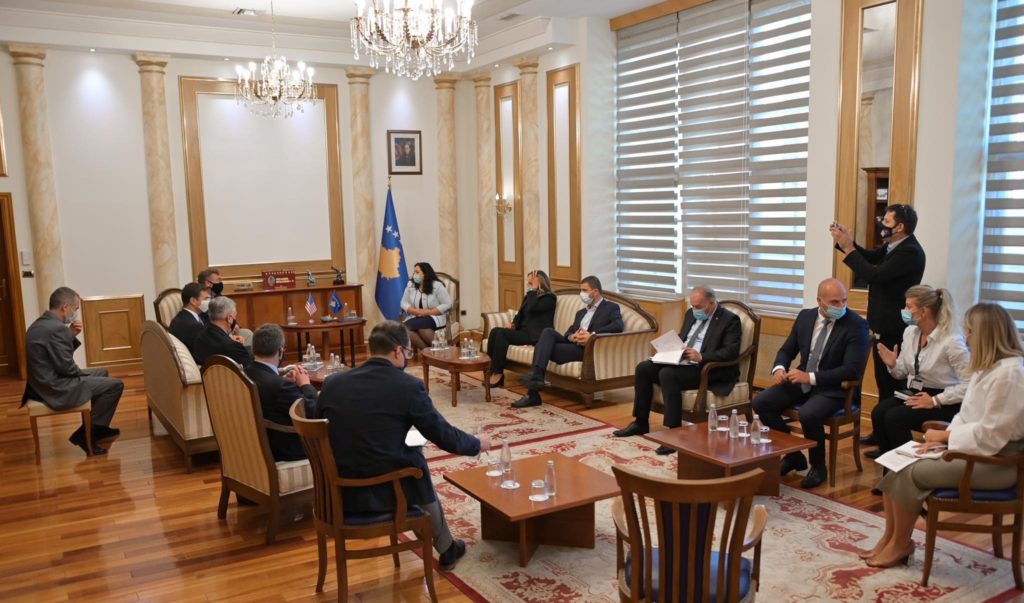
Kryetarja e Kuvendit të Kosovës, dr. Vjosa Osmani dhe nënkryetarët u takuan me delegacionin e Korporatës Ndërkombëtare të Financave dhe Zhvillimit në SHBA (DFC)–

Kryetarja e Kuvendit të Kosovës, dr.Vjosa Osmani dhe nënkryetarët e këtij institucioni: Arbërie Nagavci, Memli Krasniqi, Fikrim Damka dhe Slavko Simiq, pritën në takim me delegacionin e Koorporatës Ndërkombëtare të Financave dhe Zhvillimit në SHBA (DFC) të përbërë nga Caleb McCarry dhe Brian Martalus, nga zyra e DFC në Uashington, John Jovanoviq, shef i zyrës së DFC në Beograd dhe Ambasadori i SHBA-ve në Kosovë, Philip Kosnett.

Delegacioni i DFC-së e njoftoi Kryesinë e Kuvendit mbi fushëveprimtarinë e vet si dhe planet e tyre për Kosovën pas nënshkrimit të zotimeve për normalizimin ekonomik në Uashington. Kryetarja Osmani i falënderoi për vizitën, duke e vlerësuar angazhimin e SHBA-ve në gjitha proceset vendimtare në Kosovë. Ajo potencoi rëndësinë e përfshirjes së Kuvendit në këtë proces si vendimtar për realizimin e projekteve investuese, ngase të gjitha marrëveshjet me implikime financiare do të kërkojnë ratifikim edhe në Kuvend.

“Mbështetja e SHBA-va ke qenë historikisht kyçe në çdo proces vendimtar për vendin tonë. Mirëpresim faktin që e keni kuptuar qartë rëndësinë e përfshirjes së Kuvendit në këtë proces dhe duke vlerësuar lartë çdo projekt investues që do mbështetet nga ana juaj, shpresojmë që këto projekte do realizohen duke pas konsideratë të lartë për fuqizimin ekonomik të grave, aplikimin e praktikave më të mira për mbrojtjen e mjedisit dhe duke kontribuar në lehtësimin dhe adresimin e dëmeve të shkaktuara drejtpërdrejt nga pandemia”, ka deklaruar zonja Osmani.

Kryetarja dhe disa nga nënkryetarët e Kuvendit shtruan nevojën për transparencë në projektet e DFC-së, si dhe sqarim të strukturës dhe instrumenteve të financimit. Poashtu, ata kërkuan sqarime lidhur me studimin e fizibilitetit për liqenin e Ujmanit.​

Filed Under: Analiza Tagged With: Dr.Vjosa Osmani, Korporata DFC

Arsim e Propagandë

September 25, 2020 by dgreca

Nga Astrit LULUSHI- Një nga pasojat serioze të propagandës është se ajo ka bërë që publiku të besojë se arsimi dhe propaganda janë e njëjta gjë, dhe kështu një turmë injorante mendon se po arsimohet, ndërsa vetëm manipulohet.
Edukimi synon pavarësinë e mendimit; Propaganda jep mendime të gatshme për turmën që nuk mendon. Tërheqja e parëndësishme, buja, fanatizmi i vjetëruar, i jep propagandës publicitetin më të madh, duke e bërë karikaturë të thjeshtë vulgare të vetvetes.
Edukatori synon një proces të ngadaltë të zhvillimit; propaganduesi, kërkon rezultate të shpejta. Mësuesi përpiqet t’u tregojë nxënësve se si të mendojnë; propaganduesi u thotë se çfarë të mendojnë. Edukatori përpiqet të zhvillojë përgjegjësinë individuale; propaganduesi synon përgjegjësinë kolektive. Edukatori dëshiron që njerëzit të mendojnë para se të hidhen në veprim; propaganduesi i mëson të veprojnë pa menduar më parë. Edukatori dështon nëse nuk arrin të hapë një mendje; propaganduesi, dështon nëse nuk arrin një mendje të mbyllur.
Mendo tani se çfarë ndodhi nën diktaturën e proletariatit, ku kolektivizmi u shtri në njerëz e bagëti dhe regjimi me ngulm synonte për të mos pasur asnjë analfabet, për të shtrirë propagandën në masë e në shkolla. Pasojat e këtij lloj arsimi të egër ndihen sot; ndryshimi vjen me ndarjen e edukimit nga propaganda; dhe për këtë do të duhen breza.

Filed Under: Analiza Tagged With: Arsim e Propagandë, Astrit Lulushi

INTELEKTUALËT, DIMENSIONI I MUNGUAR I SUBJEKTËVE POLITIKE

September 24, 2020 by dgreca

Diskursi politik–

INTELEKTUALËT,  DIMENSIONI I MUNGUAR I SUBJEKTËVE  POLITIKE–

Në shoqëritë e ndryshme vazhdimisht kanë ekzistuar persona me dinjitët të cilët janë dalluar nga të tjerët përmes ndershmërisë, guximit qytetar dhe profesionalizmit të dëshmuar. Në një kategori të tillë personash  bëjnë pjesë intelektualët, të cilët kanë krijuar autoritetin e tyre  duke mbrojtur parimet shoqërore e jo duke qenë konformist për interesa personale. Ndonëse një kategori e tillë për nga numri është e vogël, vazhdimisht gëzojnë respektin  shoqëror, duke qenë model  për të tjert, ndërsa përjashtim bëjnë mjediset më mentalitet autokratik apo demokraci të pakonsoliduar. 

Shkruan: Nail  Draga

Me qellim për të mbeshtetur ndryshimin shoqëror të pluralizmit  në vendet e ish kampit socialist në fillim subjektët politike janë  mbeshtetur edhe nga intelektualët, duke mos qenë statist, por e kundërta  duke qenë pjesëmarrës  aktiv, sipas kapacitetit dhe mbeshtetjës në forumet politike.  Por,  më kalimin e kohës prania e tyre ka filluar të zbehët, sepse në subjektët politike në sajë të mos funksionimit të demokracisë së brendshme, autoritarizmit e bajraktarizmit u formuan grupime të ndryshme, të njohura si frakcione, që më vonë pasoj në ndarje duke themeluar parti të reja. Kemi të bëjmë me dukurinë e dekompozimit në  skenën politike e cila është bërë dukuri e kohës kudo në hapësirën etnogjeografike shqiptare, ku as shqiptarët në Mal të Zi nuk janë përjashtim.

Sindromi i politikës ndaj intelektualëve

Në sajë të qendrimit  të tyre parimor, dhe në mungesë të respektit të tyre,  intelektual të ndryshëm në heshtje në sajë të edukatës dhe etikës janë tërhequr sepse nuk kanë mundur të pranojnë situatat konfuze dhe grupet e interesave në subjektët politike. Në situatë të tillë nuk ka dilemë së  injorohën  vlerat profesionale, intelektuale dhe autoriteti shoqëror. Madje përvoja e deritashme dëshmon se të tillët subjektëve politike, përkatësisht udhëheqësve të tyre iu janë nevojitur për një kohë të caktuar, deri sa kanë arritur qellimet e tyre. 

Një e dhënë e tillë dëshmon se kemi të bëjmë me një qendrim utilitar, nga ana e subjektëve politike  përkatësisht  mungesën e respektit, se ka ekzistuar  friga si më parë edhe tash nga autoriteti i tyre profesional dhe shoqëror, sepse të tillët   i kanë trajtuar si konkurent të mundshëm  për stafin udhëheqës së partive  politike. Pra kemi të bëjmë me sindromin ndaj intelektualëve, përkatësisht qendrimin  dhe autoritetin e tyre ndaj rrethanave shoqërore, që bie ndesh me interesat e subjektëve politike në veçanti dhe  pushtetit në përgjithësi.

Zhgënjimi i intelektualëve 

Çdo subjekt politik që ka një strategji të veprimit do të përpiqej që në mesin e tyre  për të pasur përfaqësim intelektual, personalitete më vlera dhe kontribute, që vetëm intelektualët mund ti ofronin. Nga një veprim i tillë do të   përfitonte  subjekti politik  duke pasur vizione dhe alternativa  me të qarta. Por, përvoja e deritashme dëshmon së një numër i konsideruar i intelektualëve janë zhgënjyer, sepse më të arritur objektivat e tyre, subjektët politike në mënyrë përfide  i kanë  mënjanuar ata, nga del se ndaj tyre ekziston një animozitet sepse ata janë parimor dhe të vendosur në qendrimet e parimet e tyre. 

Kemi të bëjmë pikërisht me çështjen e parimeve, që nuk janë të pranueshëm për struktura të ndryshme politike të cilët i kanë devijuar ato, në sajë të  interesave personale apo të klanëve të ndryshme. Një përvojë e tillë është dëshmuar në praktikë pothuaj kudo në kohën e tranzicionit që nuk është në favor të demokracisë dhe vlerave të pluralizmit politik.

Qasje e dyfishtë e subjektëve politike

Por, në sajë të  rrjedhave shoqërore, në pluralizëm jemi dëshmitarë  se subjektët politike kanë qasje të dyfishtë, sepse ndryshe veprojnë sa janë në opozitë e ndryshe kur vijnë në pushtet. Raste të tilla ka mjaft kudo, andaj nuk thuhet kot së pushteti dëshmon  karakterin e personave  në qeverisje. 

Kemi të bëjmë me një situatë të re, sepse me kalimin e kohës   subjektet politike kanë humbur dimensionin intelektual, sepse ka munguar respekti  dhe mbeshtetja e tyre nga subjekti politik në aspektin kadrovik, apo përfaqësues,  për të realizuar objektivat në qeverisje, sepse kanë ardhë në shprehje  interesat personale e klanore e jo ato profesionale  në nivel lokal apo shtetëror. 

Nuk ka si të jetë ndryshe se të tillët  shumë herë janë anashkaluar  për të qenë përfaqësues  madje edhe në këshillat apo komisionet e ndryshme profesionale në nivel lokal apo shtetëror, sepse atyre vendet iu zëjnë të tjerët, të cilët janë afër udhëheqjes partiake, që janë më të pranueshëm, përkatësisht  të degjueshëm. Një veprim i tillë të kujton  kohën e monizmit, madje  duke i tejkaluar në shumë  aspekte, çështje që meriton një qasje të veçantë. 

Veprimet e tilla thënë më së buti  janë aksidentale, sepse intelektualët iu duhën më shumë subjektëve politike, se sa ata atyre, sepse në sajë të kapacitetit të tyre ata  ofrojnë zgjidhje, ide dhe alternativa, që avancojnë çështjet preokupuese në mjedisin përkatës.

Populizmi, militantët dhe matrapazët

Duke marrë parasysh së në shumë subjekte politike aderojnë kategori të ndryshme qytetarësh, duhet theksuar së në fillimet e pluralizmit kemi pasur  të bëjmë me populizmin, dukuri kjo e njohur për vendet më demokraci të pa konsoliduar, ndërsa më vonë kemi pasur një evoluim, që kemi të bëjmë më  kategori të veçantë e ato janë  militantët. Madje këto  vazhdojnë të  jenë ende në modë sepse janë  të zëshëm,  të përshtatshëm dhe praktik andaj  si të tillë janë në pararojë të veprimit politik së bashku më matrapazët, sidomos gjatë fushatave zgjedhore. 

Në një situatë të tillë nuk ka dilemë së zbehën vlerat intelektuale, profesionale e meritokracia shoqërore sepse në rend të parë janë interesat personale e ato klanore të subjektëve politike. Madje një pjesë e mirë e militantëve janë avancuar sepse  me kalimin e kohës janë pajisur edhe me diploma të fakultetëve të ndryshme, kryesisht ata private, pavarësisht së kanë mungesë të njohurive elementare, por  në sajë të angazhimit dhe “meritave”politike ata punësohen dhe zënë pozita duke dëshmuar së angazhimi politik jep rezultate. 

Politizimi  dukuri me pasoja

Përfundimisht kemi të bëjmë me tranzicionin e tejzgjatur   që veçohet më  krizë politike e morale, ku kuadrat e dëshmuara  me përgatitje shkollore mbesin jashtë procesit të punësimit, përkatësisht të pushtetit, sepse nuk kanë mbeshtetje politike. Raste të tilla ka mjaft kudo në vendet e ish kampit socialist, sepse përkatësia partiake ka më shumë  vlerë së sa diploma universitare, qofshin ata edhe prestigjioze.

Në gamën e gjerë shoqërore, nuk ka dilemë së intelektualët janë në pozitë të pavolitshme, sepse ata më qellim  margjinalizohën, duke mos pasur respektin e duhur, ndërsa e kundërta është me  të vetquajturit intelektual  të cilët me qendrimin tyre  konformist janë të përshtatshëm  për të gjitha pushtetet dhe si të tillë  përmes  subjektëve  politike arrijnë qellimet e tyre personale. Në rrethana të tilla shoqërore, nuk ka dilemë së kemi të bëjmë me politizimin e shoqërisë në tërësi, dukuri e cila ka marrë përmasa shqetësuese duke eliminuar vlerat e dëshmuara, që është fatkeqësi për të tashmën dhe të ardhmën.

( shtator 2020)

Filed Under: Analiza Tagged With: Dimension i munguar, intelektualet, Nail Draga

Kosovo-Toward True Independence

September 24, 2020 by dgreca

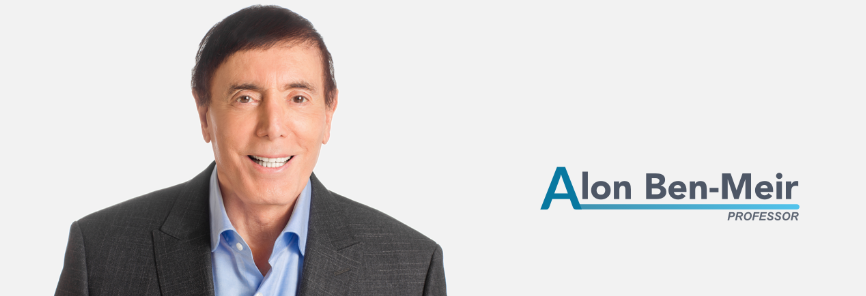
By Alon Ben-Meir- September 24, 2020-Kosovo became the youngest country in Europe when it declared independence in 2008. Sadly though, Kosovo continues to suffer from mounting problems, including a lack of experience in governing, rampant corruption (especially at the top echelons of the national government), dislocation of human and natural resources, bitter political rivalries, and undue influence by foreign powers. Although these problems and others have impeded Kosovo’s progress, the country has tremendous potential if it only mobilizes its human and material resources and establishes a cohesive national agenda aimed at addressing its woes and unraveling the web of problems that have plagued the country from its inception.
As a young country, it is expected that many of the following problems would occur. But given its youth and being that its very existence is still contested, Kosovo must focus on addressing its national shortcomings to enable it to stand on its feet and cement its independence while growing and prospering.
Weeding out corruption: There is nothing more debilitating to the country than widespread corruption and organized crime, which have infected much of the government as well as the private sector. Kosovo ranks low—101—on Transparency International’s 2019 Corruption Perceptions Index listing 180 countries from least to most corrupt.
Whether appointing cronies unqualified to government posts, cutting corners in businesses, wantonly spending government funds, compromising national interest for personal financial benefit, making unsavory deals with foreign entities, and squandering money on projects for political favors, all severely limit Kosovo’s progress and undermine its standing in the eyes of the international community. Weeding out corruption is a must, especially if the country wants to attract foreign investment and financial assistance, which are critical for its flagging economy.
Strengthening democracy: Central to its future wellbeing and eligibility for EU accession, Kosovo must adhere to the democratic principles on which it was founded and strengthen its democratic institutions. Moreover, since Kosovo had successive governments characterized by fragile, dysfunctional, and weak coalitions, it must now focus on repairing its mismanagement by being transparent and accountable and scrutinize scandalous decisions by leaders. It must also allow for independent oversight bodies and the enforcement of the rule of law, as progress on improving human rights protections was slow in recent years according to Human Rights Watch.
Despite Kosovo’s comprehensive legal framework for the independent media sector, little progress was made in implementing this framework in practice. In the first eight months of 2018, the Association of Journalists of Kosovo documented 13 cases of threats and violence against journalists. A free media, speech, assembly, and peaceful protest must be treated as sacrosanct as they are the pillars on which democracy thrives or dies. Moreover, the government must ensure individual freedoms in all walks of life, protect minorities and vulnerable groups, and safeguard human rights and equality before the law.
Mobilizing human resources: Kosovo is one of the continent’s poorest and youngest countries. Unemployment is almost 30 percent, disproportionately affecting the young. Kosovo’s treasure of young people—53 percent of the population is under the age of 25—have futures in limbo due to the limited opportunities to grow and prosper professionally.
Many young adults with university degrees who could become significant contributors to the building, growth, and prosperity of the nation end up leaving the country for better job opportunities. This brain drain is the biggest loss for the country. The government must plan and institute national programs to provide a better future for the young who would otherwise be gone permanently.

Investing in sustainable development: Sustainable development projects involving community input-be that land development, afforestation, collective produce and animal farming, and manufacturing of house-hold products—will be a critical national program. These projects will provide thousands of young professionals the opportunity to work closely with their communities, use their skills, and develop a sense of belonging as well as a vested interest in the development of their projects. This will help improve living standards in rural communities, increase competitiveness in agriculture, and allow the young to develop skills to the benefit of all.
For example, $2 million will achieve profoundly impactful community projects in water management (drinking and irrigation) and school infrastructure, women’s cooperatives and adult education, food security and unalienating production, and enterprises based on local capacities and self-described goals. Kosovo represents a real opportunity for widescale poverty alleviation and sustainability driven by people-powered change. However, it requires investment in strengthening people’s skills in local community planning of life-enhancing initiatives and managing participatory movements for development and social change.
Reforming and expanding education: No country can harness its human resources unless it makes education at all levels a priority. Investing in education is the best investment and most profitable in the long-term. In Kosovo, education is lagging behind.

The government must spare no effort in making education available. Although elementary and high school education is compulsory, the government investment should focus on the quality of education and by giving priority to the sciences and technology. Undergraduate and graduate students should be able to earn their degrees free of charge provided that they commit to perform a community service (such as firefighting, disaster relief, and community elder care) for the same number of years as their schooling years.

Restructuring the energy sector: Kosovo needs to embark on a national program that reforms the energy sector by focusing first on renewable energy sources, harnessing in particular solar and wind while tackling major environmental and health problem which are badly affecting the country.
Since Kosovo aspires to become an EU member state and wants to become energy independent, it should not invite Turkish energy companies to explore its vast reservoir of energy as Turkey wants to control the energy sector. Instead, Kosovo should work in partnership with European and Israeli energy companies to guarantee sovereign control over its energy resources while ensuring a reliable energy supply.
Preventing undue influence by foreign powers: Whereas Kosovo needs to work with and establish good neighborly relations with other countries, it must remain vigilant against undue influence by foreign powers, especially Erdogan’s Turkey. Ankara has its own geostrategic agendas, often contrary to Kosovo’s national interests.
Turkey views Kosovo as a province of its would-be neo-Ottoman Empire, and Erdogan’s investments in mosques and major national projects, including Kosovo’s airport and energy distribution network, are controlled by Turkish companies designed solely to keep Kosovo in Turkey’s influence. Yes, Kosovo needs foreign investments, but it must never accept any investments from foreign governments that compromise its independence.
Russia, on the other hand, has used its veto power at the UNSC against recognizing Kosovo. Putin’s aim in this regard is to isolate Serbia from Europe and bring it into Moscow’s orbit: as long as Serbia does not recognize Kosovo, neither country will be eligible for EU membership, as the EU made mutual recognition a pre-condition to their integration.
Expanding the technological sector: Given the rapid development of digital technology, Kosovo has an unprecedented opportunity to further advance in this area, especially now that Israel has recognized Kosovo. Israel, being the world leader in this field, can assist Kosovo in the development of its technological industry without any strings attached.
There are several IT startups in Kosovo who began at the Innovation Center Kosovo (ICK), a high-tech complex whose mission is to create jobs and business opportunities “in Kosovo’s IT and ‘green energy’ sectors through innovation, entrepreneurship and investment.” Indeed, partly due to ICK, Kosovo enjoys thriving IT startups; it can emulate Israel and become the IT hub of the Balkans.
Certainly, many of these programs and initiatives require significant funding. While the EU, the US, the World Bank, and the IMF will continue to assist financially and provide long-term loans, it is essential that Kosovo harnesses its own natural resources, especially in the energy sector. This would give Kosovo over a period of five years the funding it needs to invest wisely and provide job opportunities for tens of thousands of people, especially the young.
Thousands of Kosovar Albanians have sacrificed their lives to see Kosovo rise from the ashes of war. They bequeathed the country to this generation who must honor their sacrifices and never again allow a foreign power to impede their march toward a real democracy. They must stand tall and strong because it is only from that position of strength and vigilance Kosovo will march confidently toward true independence.

Filed Under: Analiza Tagged With: -Toward True, Alon Ben-Meir, independence, kosovo

Kosovo Opposition and EU Undermine Serbia-Kosovo Washington Deal

September 23, 2020 by dgreca

As opposition leaders voice scepticism about the Washington agreements between Serbia and Kosovo, the EU has claimed it is already dealing with some of the key topics that the US agreements address.

By Xhorxhina Bami*-One day after former prime minister Albin Kurti voiced deep doubts about the economic normalisation deal with Serbia, signed in Washington under US President Donald Trump’s auspices on September 4, the EU has also undermined its significance. Kosovo politicians remain divided on the separate agreements that the two countries signed with the US – which do not specify when they should enter into force, or whether they require ratification by their national parliaments, although domestic laws in both countries say they should be.

After the EU initially adopted a restrained attitude to the US-brokered agreements, on Wednesday, Ana Pisonero, EU Spokesperson for International Partnerships, Neighborhoods and Enlargement, told Radio Free Europe that the EU was already realising key items in the Washington deal.

“The EU has provided technical assistance to the entire Peace Highway”, she said, referencing the planned US-funded motorway connecting Nis in Serbia and Kosovo’s capital, Pristina. It had “already approved investments for the first sections of the highway in Serbia and Kosovo”, she added.

On September 15, the US International Development Finance Corporation, DFC, and the US Export-Import Bank, EXIM, signed Letters of Intent with Serbia and Kosovo on building the new motorway.

Kosovo opposition parties have meanwhile dubbed the US-brokered agreements non-implementable.

In an interview for Kosovo TV channel KTV on Tuesday, Albin Kurti, former prime minister and now the leader of the main opposition Vetevendosje party, called the Washington deal a “messy agreement”, saying it had far too many things written on only “a page-and-a-half”.

Kurti said parts of the agreement could not be implemented at all, citing as one example the air links that Kosovo and Serbia agreed to reestablish with the assistance of the US.

“How can an airline work when Kosovo citizens cannot use their IDs to get to Serbia but must get a form on the border that says they lost their IDs,” he asked, referring to the fact that Serbia does not recognise Kosovo or Kosovo-issued documents. In order for Kosovo citizens to enter Serbia from Kosovo, they must obtain a document issued by Serbian authorities at the non-recognised border.

Another hot issue between Kosovo and Serbia is the implementation by Kosovo of a semi-autonomous Association of Serb-majority Municipalities, which was agreed back in 2013 in Brussels. Kosovo is still trying to duck this sensitive pledge.

After a meeting of the Kosovo parliamentary leadership on Tuesday, Parliament Speaker Vjosa Osmani reiterated that the creation of such an association “with executive competencies is a risk for Kosovo”, saying that the parties who signed the agreement to create it in 2013 should have “understood this along the way”, along with people like her who have “opposed it since the beginning”.

Osmani referred to words of Kosovo President Hashim Thaci, who previously called the 2013 agreement “an investment in the European future of our children” but is now firmly against setting up the association.

On September 16, Thaci urged parliament to pass a resolution banning the government from discussing such topics as the association of Serb-majority municipalities – calling such discussions a “grave and dangerous mistake”.

The leader of the governing Democratic League of Kosovo, LDK, Isa Mustafa, however, reminded Thaci the next day that he had signed the 2013 agreement himself.

Amid various disputes on external politics, Kosovo risks tumbling into another internal political crisis, with the LDK threatening to break up the current fragile coalition if its junior governing partner, the Alliance for the Future of Kosovo, AAK, conditions its continued support on its leader, Ramush Haradinaj, succeeding Thaci as President when his mandate ends in April 2021. Thaci has pledged to end his political career at that point.

Meanwhile, Vetevendosje is pushing hard for new elections. Kurti – who was ousted as PM after a brief term in March – told TV channel KTV that Vetevendosje “will do everything possible to get 50 per cent of the votes together with Vjosa Osmani”, who has been dismissed from the LDK leadership after repeatedly opposing party policy.

“Of course we are ready to cooperate to overthrow the government,” he added. “There have been contacts between parliamentary groups,” he continued, claiming that the only issue for Vetevendosje was which party to form a coalition with.(* BIRN)

Filed Under: Analiza Tagged With: and EU Undermine, Kosovo Opposition, Serbia-Kosovo, Washington Deal

  • « Previous Page
  • 1
  • …
  • 330
  • 331
  • 332
  • 333
  • 334
  • …
  • 975
  • Next Page »

Artikujt e fundit

  • Vorea Ujko (1931- 26 JANAR 1989)
  • Vatra në Boston ju fton në ngritjen e Flamurit të Kosovës më 14 Shkurt 2026
  • Arritje e rëndësishme në studimet albanologjike: Shefkije Islamaj “Ligjërimi, gjuha, stili në krijimtarinë letrare moderne dhe postmoderne të Rexhep Qosjes”
  • Grupet shoqërore me civilizim të vonuar…
  • Marin Barleti, personaliteti më i shquar i humanizmit shqiptar dhe një ndër më të rëndësishmit të humanizmit evropian
  • Arbërishtja – një gjuhë pa shtet që mbijeton mbi 500 vjet në diasporë
  • Në Ditën Ndërkombëtare të Përkujtimit të Holokaustit
  • Laver Bariu, ustain i madh i sazeve të Përmetit, madhështia e një shpirti të bukur që ka mbetur i gjallë në muzikën e tij
  • LAVDI KËTYRE BURRAVE QË LARTËSUAN KOMBIN TONË
  • Një ishull, një gabim: Investimet e huaja janë të mirëpritura—por jo me çdo çmim
  • Z. Shpëtim Tim Qorraj hapi fushatën për t’u zgjedhur në Parlamentin e Nju Jorkut 
  • Gjyshi i Ismail Qemalit, Ismail Bej Vlora e shihte perspektivën e një të ardhmje të pavarur të shqiptarëve
  • ATHANAS GEGAJ PER ORIGJINEN E ARBNIT
  • VAZHDON KRIMI SHTETËROR NDAJ AT GJERGJ FISHTËS: I PËRJASHTUAR NGA SHTETI QË AI MBROJTI
  • SHQIPTARËT DHE MAQEDONIA E VERIUT MIDIS UNITARIZMIT DHE DEMOKRACISË KONSENSUALE

Kategoritë

Arkiv

Tags

albano kolonjari alfons Grishaj Anton Cefa arben llalla asllan Bushati Astrit Lulushi Aurenc Bebja Behlul Jashari Beqir Sina dalip greca Elida Buçpapaj Elmi Berisha Enver Bytyci Ermira Babamusta Eugjen Merlika Fahri Xharra Frank shkreli Fritz radovani Gezim Llojdia Ilir Levonja Interviste Keze Kozeta Zylo Kolec Traboini kosova Kosove Marjana Bulku Murat Gecaj nderroi jete ne Kosove Nene Tereza presidenti Nishani Rafaela Prifti Rafael Floqi Raimonda Moisiu Ramiz Lushaj reshat kripa Sadik Elshani SHBA Shefqet Kercelli shqiperia shqiptaret Sokol Paja Thaci Vatra Visar Zhiti

Log in

This website uses cookies to improve your experience. We'll assume you're ok with this, but you can opt-out if you wish. Cookie settingsACCEPT
Privacy & Cookies Policy

Privacy Overview

This website uses cookies to improve your experience while you navigate through the website. Out of these cookies, the cookies that are categorized as necessary are stored on your browser as they are essential for the working of basic functionalities of the website. We also use third-party cookies that help us analyze and understand how you use this website. These cookies will be stored in your browser only with your consent. You also have the option to opt-out of these cookies. But opting out of some of these cookies may have an effect on your browsing experience.
Necessary
Always Enabled
Necessary cookies are absolutely essential for the website to function properly. This category only includes cookies that ensures basic functionalities and security features of the website. These cookies do not store any personal information.
Non-necessary
Any cookies that may not be particularly necessary for the website to function and is used specifically to collect user personal data via analytics, ads, other embedded contents are termed as non-necessary cookies. It is mandatory to procure user consent prior to running these cookies on your website.
SAVE & ACCEPT