• Home
  • Politics
  • Opinion
  • Culture
  • Sports
  • Economy
  • Interview
  • Reporting
  • Community
  • Vatra

Dielli | The Sun

Albanian American Newspaper Devoted to the Intellectual and Cultural Advancement of the Albanians in America | Since 1909

Diaspora shqiptare e Kosovës – Gjuha si vijë mbrojtjeje

January 20, 2026 by s p

Mihal Ciko

Gazetar/

Pjesa II e trilogjisë mbi gjuhën dhe diasporën shqiptare/

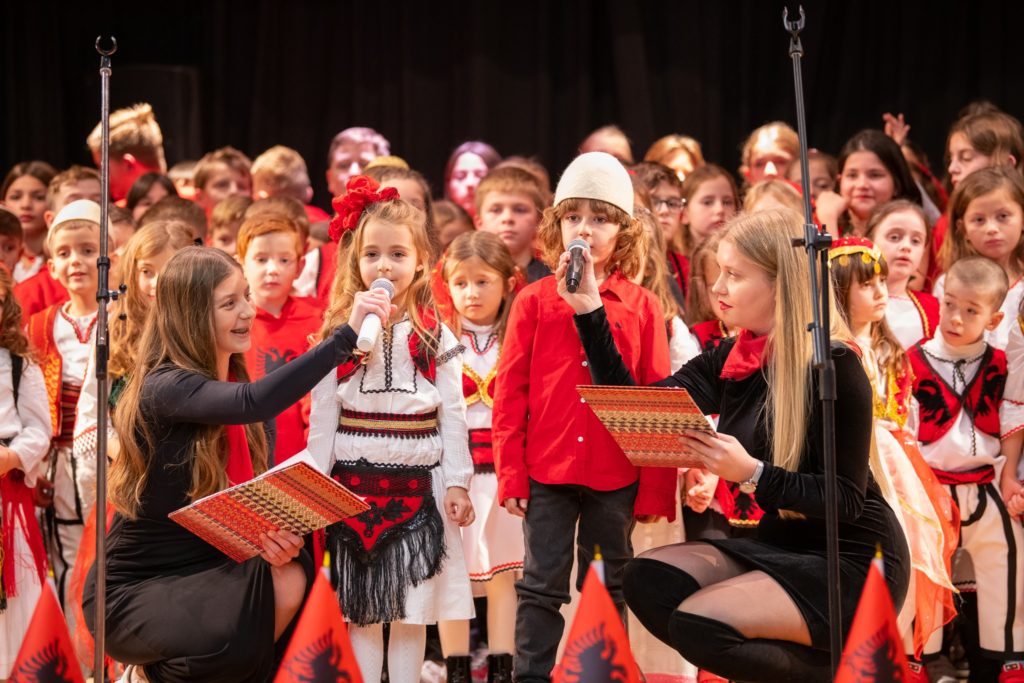
Në një kohë kur shqipja po zbehet gjithnjë e më shumë në diasporën shqiptare, ekziston një përjashtim domethënës që nuk mund të injorohet: diaspora kosovare. Në shumë vende të Europës dhe më gjerë, kosovarët vazhdojnë ta flasin, ta transmetojnë dhe ta mbrojnë shqipen edhe te brezat e rinj.

Kjo nuk është rastësi. Është pasojë e historisë.

Për kosovarët, gjuha shqipe nuk ka qenë kurrë e vetëkuptueshme. Ajo është ndaluar, përjashtuar dhe përndjekur. Ka qenë shenjë identiteti, por edhe arsye ndëshkimi. Pikërisht për këtë arsye, shqipja nuk u përjetua si diçka që “do të ishte aty gjithmonë”.

Kur një komunitet e kupton se gjuha mund t’i merret, ai mëson edhe ta ruajë.

Diaspora kosovare nuk e mori shqipen me vete si element folklorik, por si vijë mbrojtjeje.

Familja si bastion i shqipes

Në diasporën kosovare, familja mbetet hapësira kryesore e gjuhës. Shqipja flitet në shtëpi, në komunikimin e përditshëm, në marrëdhënien prind–fëmijë. Kalimi në gjuhën e vendit pritës ndodh, por jo duke zëvendësuar shqipen.

Kjo nuk është thjesht zgjedhje personale. Është normë e heshtur komunitare. Prindi që nuk ua transmeton fëmijëve shqipen nuk shihet si “modern”, por si i shkëputur.

Në këtë kuptim, familja kosovare në diasporë funksionon si institucion gjuhësor, jo si hapësirë e paqëndrueshme.

Komuniteti që e mban gjuhën gjallë

Ndryshe nga shumë pjesë të diasporës shqiptare, diaspora kosovare ka ndërtuar struktura reale: shkolla shqipe, shoqata aktive, media komunitare, aktivitete të rregullta kulturore dhe fetare.

Shqipja nuk mbetet vetëm brenda mureve të shtëpisë. Ajo dëgjohet, përdoret dhe normalizohet në hapësira publike. Kjo i jep gjuhës funksion shoqëror dhe e bën pjesë të jetës së përditshme të fëmijëve.

Një gjuhë që ka hapësirë publike, ka të ardhme.

Ideologjia e rezistencës

Në thelb të këtij modeli qëndron një ideologji e qartë: shqipja nuk negociohet. Nuk justifikohet, nuk relativizohet, nuk shtyhet për më vonë.

Mesazhi është i thjeshtë:

“Nëse humbim gjuhën, humbim veten.”

Kjo vetëdije nuk është produkt i fushatave apo strategjive shtetërore. Është përvojë e jetuar. Dhe pikërisht për këtë arsye është e fortë.

Shembulli i diasporës kosovare rrëzon një nga justifikimet më të përdorura: se asimilimi gjuhësor është i pashmangshëm. Nuk është.

Dallimi nuk qëndron te vendi ku jeton diaspora, por te mënyra si e koncepton gjuhën: si barrë, apo si vijë mbrojtjeje.

Diaspora kosovare tregon se ruajtja e shqipes është e mundur edhe larg atdheut, edhe nën presion të fortë integrimi. Kërkon vetëdije, strukturë dhe bindje.

Në një kohë kur flitet shumë për diasporën shqiptare, ndoshta është momenti të shikojmë aty ku gjuha nuk po humbet – dhe të pyesim veten pse.

Sepse një diasporë që mbron gjuhën, mbron edhe të ardhmen e saj.

Filed Under: Sociale

Evropa përballë një realiteti të ri sigurie; gjeneralët nuk po frikësojnë – po paralajmërojnë

January 17, 2026 by s p

Prof. Dr. Muhamet Racaj/

Ka momente në histori kur fjalët e gjeneralëve nuk janë thjesht analiza profesionale, por sinjale strategjike që u drejtohen drejtpërdrejt shoqërive. Sot jemi pikërisht në një moment të tillë. Kur gjeneralët flasin hapur dhe publikisht për rrezikun e luftës, bota – dhe veçanërisht qytetarët evropianë – nuk kanë luksin të mos dëgjojnë.

Deklarata e fundit e një gjenerali të lartë amerikan, e transmetuar në YouTube dhe e shpërndarë nga Klan Kosova dhe 360 Media, se Rusia, Kina dhe Irani po përgatiten, nuk është as retorikë frikësuese dhe as alarm mediatik. Është një vlerësim i ftohtë strategjik. E thënë pa emocione, por me përgjegjësi profesionale, kjo fjali bart peshën e një paralajmërimi serioz për rendin ndërkombëtar.

Boshti Rusi–Kinë–Iran nuk është më një konstrukt teorik. Ai po shndërrohet gradualisht në një realitet funksional, të ndërtuar mbi interesa të përbashkëta për dobësimin e Perëndimit. Rusia ka zgjedhur rrugën e forcës së hapur, duke e shndërruar Ukrainën në frontin kryesor të sfidimit të rendit euro-atlantik. Kina po avancon me durim strategjik, përmes teknologjisë, ekonomisë dhe modernizimit ushtarak, duke shmangur konfliktin e drejtpërdrejtë, por duke ndërtuar epërsi afatgjatë. Irani, me mjete më asimetrike, po vepron si katalizator destabilizimi përmes dronëve, milicive dhe luftës hibride. Të ndryshme në metoda, por të bashkuara në qëllim.

Në këtë kontekst, paralajmërimet e gjeneralëve evropianë që u drejtohen qytetarëve me mesazhin “përgatituni për luftë” nuk duhet lexuar si thirrje për panik, por si thirrje për zgjim strategjik. Komandantë të ushtrive në Francë, Gjermani, Poloni dhe vendet baltike po e ndryshojnë diskursin publik, duke e bërë të qartë se siguria nuk është më çështje ekskluzive e ushtrive, por e shoqërive në tërësi.

Evropa po kalon nga mentaliteti “pas luftës” në mentalitetin e “gatishmërisë”. Kjo përfshin jo vetëm rritjen e buxheteve të mbrojtjes dhe modernizimin e forcave të armatosura, por edhe: përgatitjen e shoqërive civile:

●rezerva strategjike,

●mbrojtje civile,

●qëndrueshmëri energjetike

●siguri kibernetike dhe

●reziliencë ndaj dezinformimit. Këto masa nuk janë shenjë agresiviteti, por reflektim i një realiteti të ri sigurie.

Ajo që duhet të shqetësojë më shumë nuk është vetë paralajmërimi, por fakti se për vite me radhë Perëndimi jetoi në rehati strategjike, me bindjen se luftërat e mëdha i përkisnin së kaluarës. Sot po kuptohet se historia nuk ka përfunduar – ajo thjesht ka ndryshuar formë. Lufta nuk fillon domosdoshmërisht me tanke; ajo nis me perceptime, me keqkalkulim dhe me dobësi të brendshme.

Për Ballkanin Perëndimor, këto zhvillime nuk janë abstrakte. Rajoni mbetet hapësirë e ndjeshme ndaj ndikimeve të jashtme, ku presioni ushtrohet përmes dezinformimit, polarizimit politik dhe luftës hibride. Kosova, si shtet me orientim të qartë euro-atlantik, është veçanërisht e ekspozuar, por njëkohësisht edhe pjesë e drejtpërdrejtë e arkitekturës së sigurisë perëndimore në rajon.

Paralajmërimet e gjeneralëve amerikanë dhe evropianë duhet të lexohen si thirrje për vetëdijesim, jo si profeci lufte. Siguria nuk garantohet vetëm me deklarata politike, por me institucione të forta, unitet strategjik dhe shoqëri të përgatitura. Në një botë që po polarizohet sërish, mospozicionimi nuk është neutralitet – është rrezik. Kur gjeneralët flasin hapur, ata nuk po kërkojnë luftë. Ata po përpiqen ta parandalojnë atë. Por kjo është e mundur vetëm nëse shoqëritë i marrin seriozisht sinjalet dhe refuzojnë komoditetin e iluzioneve.

Filed Under: Sociale

Perspective of a Trauma Surgeon and Former Health Minister of Health of Kosova

January 14, 2026 by s p

https://securityworldbd.com/details-page/287

Perspective of a Trauma Surgeon and Former Health Minister of Health of Kosova

Rifat Latifi, MD, FACS, FKCS, FICS*

*Professor of Surgery,  the University of Arizona and University of Prishtina, Former Minister of Health, Republic of Kosova, Director of Kosova Center for Research, Simulation and Advanced Medical and Surgical Training at University of Prishtina, Founder and President Emeritus of  Kosova College of Surgeons, Editor-in Chief, Kosova Journal of Surgery,  and Editor-in-Chief, Surgical Technologies International, and Chairman of Surgical Consultant International, PLLC. E-mail: latifi@surgery.arizona.edu

Abstract: The part I of this article by Prof. Rifat Latifi, a trauma and general surgeon, is an update of  previously published article in Kosova Journal of Surgery,  on transforming healthcare systems in post conflict countries through detailed and multiprong strategy and  analysis assisted by medical diplomacy offers timely insights also for Bangladesh and other developing and/or post-conflict nations. By illustrating how strategic international partnerships, knowledge exchange, and targeted policy reforms can strengthen health infrastructure, workforce capacity, and access to essential services, the piece highlights a practical pathway for modernization that aligns with local needs. This framework focusing on creativity, collaboration, innovation, and sustainable investment on education and infrastructure, which holds broad applicability across third-world countries, especially those coming out of conflicts seeking to advance healthcare system. Establishing clinical centers of excellence, investing in human capacities will protect from the medical neocolonialism and subsequently create a resilient healthcare system. Upcoming part II will deal exclusively on Medical Diplomacy and Healthcare Transformation in Post-Conflict Countries.


From Chairman and Director of Surgery to the Minister of Health

Being the Minister of Health, of any country, is the greatest honor and privilege, but being the Minister of Health in Kosova, the newest country in Europe and where I grew up and was educated before I left for a better life, is was a very different honor, yet it was  the biggest responsibility that I could have. As a trauma, general and critical care surgeon, I have worked hard to prepare for any occasion and to treat any critical condition in my domain, and for this there are plenty of textbooks to show me how to do it. Some of these books I have written myself. It takes years to become a surgeon. Years of medical school, brutal surgical residency and fellowships training programs before you enter the arena of surgery. There is a general assumption and understanding  that it takes at least 10 years in practice to become a good surgeon. That I thought have achieved long ago, but one always learn new things.  When it comes to being a Minister, it was different, and I had many unresolved questions.

How does one prepare to be the Minister of Health? What training one needs to become a Minister of Health? What tools are required to help the Minister transform a healthcare system in disarray? How much money do you need to transform healthcare system that had suffered a great deal during the war or conflict? While admittedly, I am not very good with budget, it was very  clear to me that 263 million Euro will not cover healthcare services  for 1.8 million people.  How do you fight the corruption embedded in every layer of the healthcare system? Can you use medical diplomacy as a potential tool to deal with the problems of inequality and healthcare disparity?

To most of these questions, I had some answers, but none  was totally satisfactory  to me. The aim of this perspective is to discuss my short tenure as Minister of Health in Republic of Kosova and how, during that time, we created a model of healthcare transformation in Kosova, using every possible tool, all of which were designed to curb transfer of patients out of the country for advanced care.

November 2021, I took over the job as the Minister of Health in Kosova, as a non-political Minister. While it was something that never imagined doing in my career, I was not surprised by my own willingness to accept this position. A lifetime opportunity, I thought.  “Finally, I can help transform healthcare in Kosova”- kept saying to myself, like I was trying to convince myself that I am doing the right thing.

Following graduation from Medical Faculty of University of Prishtina and two years of residency in orthopedics, I moved to the USA in 1985. Since then, I was lucky to train and worked in some of the best major medical institutions in the USA ( Texas Medical Center, Houston, Texas, Pennsylvania Hospital Philadelphia, Pennsylvania, Cleveland Clinic, Ohio, Yale University Hospital, New Haven, Connecticut, Virginia Commonwealth Hospital, Richmond, Virginia, Tucson, University of Arizona, Arizona, Westchester Medical Center Valhalla, New York) and abroad (Hamad Medical Center, Doha, Qatar), Tagbilaran, Bohol, Philippines  (as surgeon volunteer one week a year for 13 years). In addition. I led a major academic department of one of the oldest university hospitals and medical schools in the USA. Valhalla, NY. I have written and edited 21 books, including one entitled “The Modern Hospital. Patient Centered, Disease Based, Research Oriented, Technology Driven”. In addition, I have published more than 500 peer-reviewed articles and book chapters. I was familiar with the healthcare system in Kosova and have been a loud critic of how healthcare in Kosova was being managed during the last 3 decades. As the founding president of Kosova College of Surgeons (KCS), I led the creation of daily operations and content, as well as the growth strategy of KCS, which is helping transform surgery. Should all this have prepared me for a job as the Minister? My answer was yes. It made perfect sense to me, then and now, to leave my position as Chairman of Surgery at New York Medical College  and Director at Westchester Medical Center, a network of 10 hospitals in Valhalla, NY, and go back to Kosova to help rebuild the healthcare system. So, I said yes to the invitation by Prime Minister Kurti. The news went viral. Many were surprised, many were supportive, and many others thought -it was flat out a bad idea.

New Minister of Health in the Middle of Covid-19

I came during the COVID-19 pandemic, while I was re-creating the cabinet and learning an administrative maze. The state of healthcare was dismal. Everyone intubated with Covid-19  and the University Clinical Center died. Old and young. The initial “honeymoon” of excitement and hope that healthcare system may be changed (92% believed that we can transform healthcare system), with my coming,  did not last long. I was “welcomed” by the protests of residents, that were asking for pay for night calls, not for advanced education. The nursing staff were demonstrating as well in front of my office at the Ministry of Health (previously an old tuberculosis hospital where I rotated as a medical student in pulmonology), for higher wages. Media outlets had a lot to say about my cowboy boots and bow tie. Only few  were interested in my vision to transform the healthcare system. That did not bother me, but I must admit, I did not read social media, I was too busy working. My team insisted that we publish everything that we were planning but I disagreed. Did not want to sound like another politician. “The news should be announced only when something is completed”, I told them.

Endless Meetings and No Time To Work

As the new Minister, I met many people, ambassadors of many countries, many representatives of various governmental and non-governmental organizations and partners of the Ministry of Health, both national and international. There was palpable excitement about my arrival from the internationals. I must admit, I liked it to be able to present the new platform and strategy. The donors were coming out of the woods. We had a clear plan. I did not need any more hospital beds, or vaccines that will expire in couple of months. There  were times, we accepted vaccines (that we did not need them) under “political pressure”, not to upset our friendly countries. I did not think they were trying to help us.

But there were some great things as well being a Minister.  As a non-politician,  I particularly enjoyed parliamentarian meetings, not so much parliamentarian committees’ hearing. These were too political. But the parliament was a different matter.  Having members of parliament express themselves freely, criticizing ministers and the Prime Minister, which  was not allowed just 25 years ago, it was refreshing and liberating. Now, Kosova is a democratic nation with our own parliament. I love democracy and could not ask for anything else. My answers with MPs were short, to the point, and I was not engaging in political games, for the MPs only to be seen live on TV and to show off to their base.

My calendar was busy, but I enjoyed it. I woke up at 5 AM and was usually emailing my team by 5:15. There were way too many useless emails (most FYI type)  in my inbox, and when I replied, I was told that I was the only minister that replies to or sends emails. There were to many of meetings too, courtesy dinners, lunches, and other useless gathering. When does the Minister work, I kept asking. Five to eight AM- I would answer to myself.

I lived alone in my apartment (first few months) in the most famous, muddy, and always under construction, “Muharrem Fejza” street. Often there was  no electricity and had to walk to the 8th floor to get to my apartment. I did not mind the walk at all. The apartment was small (compared to my house on the hill in Katonah), and the winter was brutal. My apartment was cold too, and I do not like the cold. My life became a mess, but I loved my new mission. Days were passing and I remained very busy, but I could not see as much satisfactory progress as I expected. As a surgeon, you see progress immediately. Not as the Minister. That bothered me a lot.

The  Bureaucratic Barriers and the State of Neocolonialism of Healthcare in Kosova

It did not take me long to understand the bureaucratic  attempts to stop any progress  were everywhere.  Creating a committee or a working group for everything was mandatory. This is how we do things here, was reminded often. I despised that. It did not take me long to conclude that the healthcare sector in Kosova,  was run by the corrupt administration leadership,  and this part of the Ministry itself, was a very complex enterprise: a maze or web of entanglement of incomprehensible designed rules, regulations, and policies in which many (mostly invisible) actors had major stakes. The public healthcare in Kosova was ignored for decades, if not outrightly neglected, poorly managed, segmented into ridiculous segments and clinics for special interests. Some departments of University Clinical Center had more doctors than beds; clinics with no professors, but each surgical section for example had its own director.  Each surgical unit had its own committee  (chaired by the director) to send patients out of the country.  There was no accountability. The number of questions kept increasing.  Why was Kosova’s public healthcare sector in this state? A state of disarray. Why did the public healthcare system continue to be underfunded year after year, government after government, and so badly managed? Why did Kosova have the lowest GDP for healthcare in the Western Balkan countries and amongst the lowest in the world? Why, even when something was invested, was mismanaged? Why were so many public hospitals started but were never finished? A hospital donated  was inaugurated, but had no patients and no services being provided?  When we eventually opened the children’s hospital, I refused to have another inauguration, as I did not want to embarrass  those who cut the ribbon 9 months earlier.

The hospital infrastructure was old, or of low quality, and for many years, there have been a number of hospital buildings (such as emergency and trauma hospital building in Prishtina, the Ferizaj regional hospital building, the pediatrics department at Mitrovica hospital and a few other projects) that have started but remained unfinished or not completed for various reasons; they look like ghost buildings that have disintegrated year after year. The central pharmacy of UCCK was placed in a malodourous and poorly secured basement of Gynecology and Obstetrics clinic. Why did private “hospitals”, private clinics, and pharmacies grow like mushrooms right in the backyard of the University Clinical Center of Kosova? Who owned them? It was difficult to understand the web of manipulation and outright abuse of the public trust and healthcare system, the very same healthcare system that should care for all of us, rich and poor. There were many questions that I could not get answers, but this one was clear: There was a state of medical neo-colonialism, installed by many countries over the entire healthcare system, from the  so-called friends of Kosova.

Due to low wages, most physicians, nurses, laboratory technicians, and others healthcare workers are forced to work 3–4 jobs, often to the detriment of public hospitals. All doctors work without malpractice insurance, even though court cases often get dragged out for years in courts, fueled by the media with unverified information. Doctors often were dragged hand-cuffed from their offices in case of comlications. Clinical faculty of the University Clinical Center were divided into those who taught medical students at the Medical Faculty of University of Prishtina and those who “cannot” teach medical students. For both groups (although many are Doctors of Science or have master’s degrees), the scientific contribution and peer-reviewed publications are very low. Why for example, there was not a single full professor of surgery in the Medical Faculty? Nepotism was everywhere present.

Answers to all these questions were not easy to find but comes back to the state of neo-colonialism. That is how it is here in Kosova, everyone was telling me. Matter fact and almost hopelessly without flinching. God help you! I could not understand, and it was impossible to justify this state of the healthcare system. How does an ordinary mind understand this bizarre state of healthcare system, when everywhere else Kosova has made great progress? In asking this question, I found solace in working  day and night on a new complex and ambitious transformation plan.

Please Not Another Feasibility Study

Study after study of many donors and partners came to the same conclusions: Kosova has too many hospital beds but an occupancy rate at about 50%, too many doctors (most of them in Prishtina), too many nurses, no efficiency, and a major mismanagement of resources. How can 15 surgeons  of a major department perform only 1,500 operations per year or, even worse, 13 surgeons perform only 600 operations per year, and, in both cases, most procedures were not major surgeries by any standard? I could not help but remember that my first 3 months as a trauma and general surgeon in Arizona in 2003, I performed 361 major operations.

When I would question these dismal performances, the explanations  were all kind and very colorful:  we do not available operating rooms (OR), we do not have anesthesiologists, we do not have OR nurses, and other managerial issues. The University Clinical Center had 37 operative rooms. Most are dedicated ORs for special clinical disciplines. I could not help but remember that Westchester Medical Center where I was a director of surgery we had only 21 ORs (7 of which were ambulatory ORs), where we did everything including heart, liver and kidney transplants and everything else in between, in all clinical disciplines, including serving two Level I trauma centers for adult and children. When  I needed an OR, the one that was not busy became the  OR to be used.

Over the span of 23 years since the war ended, despite the lowest GDP share, large amounts of funding from international donors and various NGOs have been donated to the healthcare system. Several Ministers, governments, and directors of hospitals and clinics have come and gone, but the situation has not changed. Even when highly expensive medical equipment was purchased, they did not function.  Another mystery to me.

Visiting the various departments and clinics reminded me of days when I was a medical student here: four patients in one room and no bathroom. Even in the renovated parts of the hospitals that have been finished in the last few years, there are three beds in one room (for the most part); the offices of staff occupy large portions of hospital wings, with one exception, the new pediatrics wing of surgery.

In summary, the public healthcare system in Kosova has remained in disarray and, overall, can be realistically characterized it was unsafe, unregulated, low quality clinical services with a lack of clinical faculty ability and skills, modern hospital infrastructure, and, above all, lack of managerial skills at all levels. Most patients with complex diagnoses were being sent out of the country or private institutions for treatment, at an astronomical cost.

How Do We Transform the Healthcare In Kosova?  ⁠A Trauma Surgeon’s View

Can healthcare Kosova be transformed? I asked myself every day while I was a Minister and still do. Rightly, people of Kosova asked the same question. Yes, it can, was my unequivocal answer, but it will require support for the vision and new investments, determination, and time. But how do you transform this state of healthcare and deal with each of these parts and segments of this very complex and distorted mosaic and healthcare disparity under medical neocolonialism? The ugly truth of the healthcare system is that those who have the financial means go to boutique private hospitals and clinics in the country or outside. Most rich people used Germany, Turkey, Austria, Switzerland and other countries for routine examinations. Most politicians go to private hospitals or outside the country even for routine procedures. When my appendix ruptured, I went to the public hospital, not private. If I have chosen to go to private hospital, first I would resigned and then go.  Those who do not have the financial means or do not have any one in the hospitals to vouch for them were faced with long wait times to see a doctor, with even longer wait times for a radiologic test or procedures or even an operation unless it is an emergency. These wait lists are often super-inflated and are created by some doctors to have patients go to private institutions to see the same doctors. Not all doctors are like this, but a majority are. It should not be like this. But it was there, and I had to  deal with it.

Let me try to simplify the answer to can we transform healthcare in Kosova, using the analogy of a trauma surgeon. As trauma surgeons, we save many lives by stopping the bleeding, securing the airway (intubate the patient early), always expecting the worse, performing laparotomies or emergency thoracotomies or whatever it takes, and working system by system, organ by organ, and simultaneously using lots of blood and blood products.

In rebuilding the healthcare system, we must use the same approach. Stop the bleeding (stop the flow of patients out of the country). This can be done by creating local expertise and modernizing the hospital infrastructure. Secure the airway (bring oxygen for the healthcare system) by adding resources to provide high-quality healthcare services and curbing treatment abroad, and finally, transfuse blood (transfuse knowledge and reform training ) to increase the ability to make the provision of high-quality services possible.

In summary, to achieve this, however, there are a few (essential) requirements:

1) Attract well-trained and prepared medical students, residents and fellows, faculty, nurses, and healthcare managers-eliminate nepotism; 2) Modernize the hospital infrastructure, put in place an advanced internationally- accredited healthcare system with health insurance and a health information system, and finally, 3) Ensure  professionalism and dedication at all levels by everyone  in healthcare system. People of our small but beautiful country of Kosova deserved that, and still do. They fought for this; they expected this from us, and we have failed them. The question remains, how do we do all this and was there an appetite for change? There was no appetite for change. Neocolonialists do not want change.

Data Driven Strategy as Tools of Transformation

During the first few months I was in the office, my team and I performed an analysis of the healthcare system, using the following methodology: 1) Interviews and written survey with all clinical leaders (directors of each clinical discipline); 2) A review of all patients treated outside of the public healthcare system, including diagnosis, reasons for treatment abroad (2019-August 2022); 3) Review of all reports of costly feasibility studies from consultants on hospital infrastructure and other opinions and materials available to the Ministry of Health in Kosova (MHK) on infrastructure, hospital bed occupancy, human capacities, and healthcare efficiency.
 Due to frequent changes of leadership of hospitals, not even board members of the hospitals did not read them, did not know about these studies, but at the insistence of many foreign governmental and non-governmental agencies, new  feasibility studies were being performed constantly. I thought it was madness, but it was the one of themmany cruxes of the problem.

The main outcome of this analysis was the lack of clinical expertise, hospital infrastructure (equipment or technology), lack of system in place ( trauma and emergency system) or other factors (lack of legislation for example for transplant). Often, even there was a clinical expertise, some directors would tell their young staff willing to do the procedure “remember if you have a complication” . which lead that great number patients with even trivial problems (need for biopsy) to be sent out of the country for treatment. The cost for each organized and highly structured enterprise was tremendous, and the amount for each patient that Kosova paid or owe to many countries, with the majority (84%) owed to Turkish private (not public)  hospitals was incredible.

Seven pillars of transformation and two-prong approach to transformation

Based on this analysis and reports from leadership of each clinic and feasibility  studies carefully reviewed,  we designed a seven pillars platform from which the entire strategy of transformation was derived (Table 1). Subsequently a two-prong strategy was created,

This can be simplified in two-prong process with multiple elements:1) Increasing capability of human healthcare capacities by 1) creating 12 clinical centers of excellence (CCE) and clinical programs of excellence (CPE) (Table 2; 2) creating  22 advanced clinical training fellowships (ACTF) (Table 3) for physicians and surgeons and train them initially  at best international centers of excellence, and 3) simultaneously reforming residency training programs and 4) building human research capacity and infrastructure. The second prong was 1) building and modernizing the hospital infrastructure, and improving the quality of healthcare services, and management skills, working through local and international collaboration- a well-known form of medical diplomacy.

Everyone  thought this was an ambitious plan, as one must agree, but these measures were the only way to transform the healthcare system and reduce patient flow outside of the country and public healthcare institutions. I knew that transformation would not happen quickly. It would take time, but we needed to start with a comprehensive plan and vision.

Summary

The main objectives and goals of transformation of healthcare of many post-conflict countries  are to advance their clinical medicine and surgery, increasing human capacities and expertise, reduce the number of patients flowing outside of the country or to the poorly regulated private sector to zero, and strengthen the relationships between the country in need with true partner countries. Unfortunately, many developed countries see an opportunity for a new form of neo-colonialism. Instead of helping these countries rebuild the infrastructure, and human capacities, they “help” by taking the patients for treatment, and of course this is too expensive and worse, does not allow development of capacities, so the dependency is perpetual. This is medical neocolonialism, as it has been thus far, for the most part.

It should be a true partnership built through medical diplomacy and friendship, aiming for post conflict countries to become part of the global medical village and to independently run its medical affairs. This totally can be done, post conflict countries need to lead the process, not those who benefit greatly from our medical incompetence. Finally, the next leaders of healthcare in Kosova will need to have the expertise and knowledge of how to do it but mostly free hands to transform and lead the change.

Despite a great deal of difficulties at each step from the moment I took over my tenure as Minister of Health in Kosova, we have made significant progress. We have a clear picture what is missing. Moreover, we have defined the platform and the path to transformation by using the new seven pillars of transformation, establishing 12 centers of excellence (one of which now I lead), and 22 advance clinical fellowships and reforming the residency training program. All these steps will improve human capacities and the hospital infrastructure, and this will stop or significantly reduce treatment abroad. Above all, it will increase security of the Republic of Kosova and other countries that implement such strategy.  There is no security without modern healthcare system.

PS: On a personal note, this has been one of the most remarkable segments and truly enriching experiences of my life. It has been an awesome opportunity to attempt to give back all I know and have learned in the USA and around the world, as well to attempt to integrate that global experience into our vision and mission of healthcare transformation in Kosova. We cannot accomplish this major transformation without partnering with countries around the world and without using medical diplomacy as a platform.  Using all these tools mentioned in this article, now we are building on of the centers mentioned in the Table I. (#3): The Kosova Center for Research, Simulation and Advanced Medical and Surgical Training at University of Prishtina. It does takes times, but we cannot hesitate to persevere.

 Tables

Table 1. Seven Pillars of Transformation

Seven pillars of transformation

1. Digitalization of healthcare services, including health insurance.

2. Brain return (gain) and reducing brain drain, creating policies for including the experts from diaspora in clinical, managerial, and leadership positions throughout the healthcare system.

3. Advancing clinical programs and centers of excellence through the specially designed and data-based analysis of programs for treatment outside the country and private hospitals and institutions.

4. Reforming residency and training programs and adding fellowships and international accreditation.

5. Decentralization of the hospital system and reorganization of UCCK, with empowering regional and local health systems.

6. Advancing research capacities and embedding research personnel, research residents, and medical students into most of the major clinical disciplines.

7. Modernization of hospital infrastructure and other healthcare institutions and increase quality of healthcare services including international accreditation of hospitals and other institutions.

Table 2. Proposed Centers and Clinical Programs of Excellence

1. The Emergency, Trauma, and Burn Center

2. Clinical Oncology Center of Kosova (COCK) or Cancer Center with ten departments and eleven clinical programs

3. Kosova Center for Research, Simulation and Advanced Medical and Surgical Training at University of Prishtina

4. Center for Children and Adults with Disabilities (Autism, Down Syndrome, and Other Rare Diseases)

5. Addiction Rehabilitation Center

6. Regional Center for Training and Emergency Disaster and Trauma Management

7. Expansion of the Telemedicine program from all Regional Hospitals of the Country to Main Centers of Family Medicine

8. Consolidation of the Advanced Center for Neurosciences

9. Consolidation of the Heart Center

10.⁠ ⁠Minimally Invasive Laparoscopic Surgery Program in General Surgery, Urology, Gynecology, Pediatrics, and Thoracic Surgery

11.⁠ ⁠Endovascular Surgery Program

12.⁠ ⁠Kidney and tissue transplant program

Table 3. Advanced Clinical Fellowships

Type of fellowships

1. Trauma and Surgical Intensive Care

2. Critical Intensive Care Medicine

3. Acute Burn and Wound Care

4. Breast Surgery and Breast Health

5. Surgical Oncology

6. Colorectal Surgery

7. Pediatric Cardiothoracic Surgery

8. Minimally Invasive Surgery

9. Geriatric Medicine

10.⁠ ⁠Palliative Medicine

11.⁠ ⁠Intra-abdominal Organ Transplant

12.⁠ ⁠Neonatology

13.⁠ ⁠Neurosurgery

14.⁠ ⁠Orthopedy

15.⁠ ⁠Psychiatry

16.⁠ ⁠Endovascular Surgery

17.⁠ ⁠Hematology

18.⁠ ⁠Pediatric Hematology-Oncology

19.⁠ ⁠Inner Ear Surgery

20.⁠ ⁠Obstetrics & Gynecology

21.⁠ ⁠Thoracic Surgery

22.⁠ ⁠Maxillofacial Surgery

Filed Under: Sociale

Edi Rama, Belinda Balluku, SPAK, kur drejtësia troket, pushteti zbulohet!

December 17, 2025 by s p

Nga Arian Galdini/

Dhe vjen sërisht ky çast ku pushteti pushon së qenuri retorikë dhe bëhet karakter. Ai çast vjen kur kontrolli prek majën, kur ligji kërkon të flasë me zë të vet, dhe qeverisja gjendet përballë tundimit të vjetër, ta kthejë procesin në klimë, ta kthejë procedurën në trofe, ta kthejë institucionin në mburojë.

Këto ditë, ky çast është bërë edhe kalendar. Nga njoftimet zyrtare rezulton se Gjykata Kushtetuese ka pranuar kërkesën e Kryeministrit për zgjidhje konflikti kompetencash lidhur me masën “pezullim nga ushtrimi i detyrës” ndaj një anëtareje të Këshillit të Ministrave, duke e vendosur çështjen në shqyrtim në themel.

Pas kësaj, me një vendimmarrje të mëhershne, janë pezulluar efektet e vendimeve përkatëse të GJKKO-së dhe është caktuar seancë publike plenare më 22 janar 2026, ora 10:00.

Në të njëjtën kohë, sipas raportimeve publike, SPAK i është drejtuar Kuvendit për autorizim për arrestim/heqje lirie, në kuadër të hetimeve ndaj së njëjtës zyrtare.

Këtu fillon keqkuptimi që ushqehet si bukë e zhurmës, dy shina juridike trajtohen si një duel personal.

Në të vërtetë, shinat kanë logjikë të ndryshme.

Shina kushtetuese flet për kompetencë, kufij, raport pushtetesh, dhe për standardin se ku mbaron ndërhyrja mbi funksionin publik.

Shina penale flet për dyshim të arsyeshëm, rrezik procesual, proporcionalitet të masës, integritet të provave.

Kur këto dy shina shkrihen në një nerv të vetëm politik, shteti humbet kthjelltësinë, ndërsa pushteti fiton terren të rrezikshëm, terrenin ku “procedura” shitet si “shpëtim”.

Në këtë çast, një fjali mjafton për ta mbajtur shtetin në këmbë.

Ligji është vijë e përbashkët.

Radha vjen edhe për majën.

Masa e përkohshme e Gjykatës Kushtetuese nuk mban brenda saj as pafajësi, as fajësi. Ajo mban vetëm frymëmarrjen e procedurës, derisa gjykimi në themel të vendosë.

Në çastin kur kjo frymëmarrje shndërrohet në slogan “normaliteti u kthye”, lind një deformim i hollë, më i rrezikshëm se çdo fjalim, përkohshmëria fillon të lexohet si amnisti morale.

Kjo është pika ku pushteti zbulohet.

Sepse një qeverisje e bindur ndaj kufijve e ndjen masën e përkohshme si hapësirë gjykimi, jo si çelës rikthimi.

Ndërsa një qeverisje e mësuar me përjashtime e sheh si mundësi komunikimi, një vendim i përkohshëm kthehet në perde, prapa së cilës dyshimi penal trajtohet si bezdi e menaxhueshme.

Në këtë logjikë, një kryeministër që e vendos veten në qendër të klimës dhe e lexon hetimin si “sulm ndaj qeverisjes”, krijon një mesazh të rrezikshëm, drejtësia pranohet sa kohë prek periferinë, ndërsa sapo prek qendrën shpallet politike.

Në raportimet publike, reagimi i Kryeministrit ndaj kërkesës së SPAK për autorizim u vendos pikërisht në këtë regjistër, duke e trajtuar kërkesën si “fakt të turpshëm” dhe duke e lidhur me narrativën e “arresteve pa gjyq”. 

Këtu nuk lexohet thjesht një qëndrim. Lexohet një model.

Masa sigurimi dhe rreziku procesual janë alfabeti i shtetit serioz.

Masat e sigurimit nuk janë dënim.

Ato janë instrumente që mbrojnë procesin, prova, dëshmitarë, mosndikim, mosprishje, mosikje, proporcionalitet.

Kjo logjikë është e ftohtë, e njohur, dhe pikërisht për këtë arsye është e civilizuar.

Kur SPAK kërkon autorizim për masa më të rënda, në thelb artikulohet një tezë, rreziku procesual shihet i pranishëm, ose kushtet e hetimit kërkojnë garanci më të forta. 

Kur kjo tezë përkthehet në “inat”, shteti ftohet nga brenda.

Sepse një shoqëri që e etiketon kontrollin si turp, e bën pandëshkueshmërinë të duket stabilitet.

Dhe stabiliteti i pandëshkueshmërisë është vetëm një emër i bukur për një rrëzim të ngadaltë.

Balluku vjen si rast, dhe morali i parasë publike si provë…

Një zyrtar i lartë në hetim nuk është thjesht individ në proces.

Ai funksionon si provë e moralit të administrimit.

Në raportimet publike, kërkesa e SPAK lidhet me dyshime mbi procedura prokurimi dhe shkelje të barazisë në tendera, me pretendime për paracaktim fituesish. 

Në një shtet që e merr seriozisht veten, një hetim i tillë nuk lexohet si “teknikalitet”.

Lexohet si radiografi e qeverisjes, a trajtohet kontrata publike si përgjegjësi e kontrollueshme, apo si privilegj që shpërndahet brenda rrethit.

Kjo është arsyeja pse barra publike është më e lartë se minimumi penal.

Prezumimi i pafajësisë mban vendin e vet si kufi civilizimi.

Ndërsa etika e postit të lartë mban një tjetër vend, distancën e matur, llogaridhënien, refuzimin për ta përdorur zyrën si strehë personale.

Në vende ku ky test është kaluar prej kohësh, largimi vullnetar nga funksioni ka ardhur shpesh para fjalës së gjykatës, jo si pranim faji, por si respekt ndaj institucionit që mbartet mbi shpinë.

Kjo kulturë e bën shtetin të qetë, sepse e mban qeverisjen larg tundimit për ta kthyer veten në objekt adhurimi.

Kuvendi tashmë bëhet vendi ku shteti bie ose ngrihet pa bujë.

Autorizimi parlamentar nuk është medalje partie.

Është filtër kushtetues.

Dhe pikërisht sepse është filtër, ai shfaqet si pasqyrë karakteri.

Në çastin kur shumica e sheh veten si repart mbrojtjeje për rrezikun penal të ministrave të vet, republika pushon së qenuri rend dhe fillon të ngjajë me pasuri të shumicës.

Kjo është kapje e shtetit jo si slogan, por si sjellje, një votë që nuk pyet më çfarë kërkon ligji, por kë mbron numri.

Kjo sjellje është më e rrezikshme se çdo konflikt i hapur, sepse jeton gjatë dhe pa zhurmë.

Në këtë vend, refleksi ka qenë i njohur, ligji duartrokitet kur prek kundërshtarin, anatemohet kur prek tanët.

Për sa kohë ky refleks mbetet normë, çdo pushtet gjen alibinë e vet të artë: “s’po më gjykon ligji, po më sulmon pala”.

Dhe kur kjo fjali pranohet nga turma, shteti bëhet dekor, ndërsa zakoni bëhet sundim.

Kjo është arsyeja pse mbështetja e SPAK-ut nuk ka nevojë për himne.

Ka nevojë për një gjë më të vështirë, mos-helmim të procedurës, respekt të filtrave, durim të radhës.

Drejtësia nuk kërkon adhurim. As frikë. Kërkon hapësirë.

Nëse hapësira kthehet në skenë, pushteti fiton një ditë dhe shteti humbet një brez.

Nëse hapësira ruhet si kufi, drejtësia del normale.

Dhe normaliteti, në një vend të lodhur nga përjashtimet, është revolucioni i vetëm realist.

Ligji, në fund, nuk është armë për kundërshtarin dhe strehë për veten.

Ligji është vijë e përbashkët, ku radha vjen edhe për majën.

Filed Under: Sociale

“Gjergj Kastrioti Skënderbeu në pullat shqiptare 1913 – 2023”

December 15, 2025 by s p

Kadri Tarelli/

Është e para herë që ndeshem me një libër të tillë, “Gjergj Kastrioti Skënderbeu në pullat shqiptare 1913 – 2023”. Më saktë, me krijimtarinë e studiuesit Hysen Dizdari, koleksionist i pasionuar i pullave, njëkohësisht edhe autor i disa librave studimor, ku si lëndë e parë shërbejnë pullat postare. Një formë dhe gjetje interesante si studim dhe krijimtari, aq sa mrekullohemi për talentin dhe guximin e këtij autori, i cili është vlerësuar këtu dhe në botë.

Më duhet të them se koleksionistët janë një “racë” e veçantë dhe e çuditshme. Kam njohur koleksionistë pullash, pikturash, monedhash, flamujsh, etj, etj. Por Hysen Dizdari nuk mbetet deri këtu, fanatik dhe i mbyllur në vetvete me “Thesarin” e tij, për t’u kënaqur vet dhe një grup miqsh e shokësh të dashuruar me koleksionet. Ai merr mundimin, studion e boton, duke e bërë pasionin dhe punën e tij, pronë të gjithë shoqërisë shqiptare. Ndaj meriton adhurim e mirënjohje…….!  

I thjeshtë titulli i këtij shkrimi kushtuar librit, apo albumit në shqip dhe anglisht, “Gjergj Kastrioti-Skënderbeu në pullat shqiptare 1913 – 2023”, siç janë të gjithë shkrimet që i kushtohet veprave shkencore. Është një libër i veçantë, si nga paraqitja ashtu edhe nga përmbajtja: – Ta studioj dhe njoh historinë e Shtetit Shqiptar nëpërmjet historisë të pullave postare, jo pak por rreth 150 pamje, kumton Thimi Nika, autori i librit “Historia e Filatelisë Shqiptare”. Pse ta mohoj, studimi i këtij libri është befasi, diçka krejt e re për mua, mbase edhe për shumë të tjerë.

Ky libër shfletohet si një album, por në brendësi të faqeve gjejmë që në krye poezi të Naim Frashërit, “Porosi e Skënderbeut për Shqiptarët”, shkëputur nga “Historia e Skënderbeut”. Ide mjaft e bukur, sepse përcillet kumti i bashkimit, si shqetësim i përhershëm i intelektualëve shqiptar. Më tej hasim, jo vetëm praktikën e shtypjes, kohën e përdorimit, çmimin, ngjyrat dhe sasinë e pullave në ecurinë e shtetit Shqiptar, por edhe sa kohë janë përdorur, duke vënë vula zyrtare, diku-diku edhe të postave lokale.

Dikush mund të mendojë dhe të pyesë: – Pullat janë thjesht formë legale e kontrollit dhe taksës që vendos shteti mbi qarkullimin e letrave dhe mallrave, apo më shumë se kaq……? – Po….! Më shumë se kaq. Pullat janë dokument historik i pastër, pasi ka vulën e shtetit dhe vulën e kohës, duke fiksuar historinë e shtetit në një formë tjetër, një copë histori e njohur, e prekur dhe përkëdhelur nga publiku.

Lexuesi mund të mrekullohet ashtu si unë, kur shikon në faqet e para portretin e Skënderbeut, nga pulla e vitit 1913, në sixhade, punuar mjeshtërisht nga artizanët e Kukësit, më 2017. Nëse dikush është vërtet i kujdesshëm, do të hasë edhe historinë e  këtij portreti, që në përgjithësi ka mbizotëruar pullat shqiptare për një kohë mjaft të gjatë. Të gjitha veprimet, vulat apo mbi shtypjet e pullave, janë fare normale për kohën e trazirave të mëdha të luftës së Parë botërore (1914 – 1918), përfshi edhe lëvizjet dhe kryengritjet, siç ishte ajo e Haxhi Qamilit, që luftonte kundër Mëvetësisë. Kqyrni me kujdes: gjashtë pulla, ku vlera e tyre shkruhet turqisht, “Grosh” dhe “Para”. E gjitha pasojë e lajthitjes së lëvizjes antishqiptare,  për të mos u shkëputur nga perandoria osmane. Dëshmi që vulos historinë, pa lënë shteg për mëdyshje.

Natyrisht në rrjedhën e kohës dhe qeveritë ndër vite, bënë ndryshime në paraqitjen e pullave, pa prekur thelbin dhe karakterin atdhetar. Diku u vendosën armët e Skënderbeut, shpata dhe përkrenarja, diku vetëm shqiponja apo koka e kalit, diku kështjellat që mbronin dheun e shqiptarëve, etj. 

Edhe gjatë periudhës së sistemit komunist, u përdorën disa variante pullash: portret, foto e Monumentit të Skënderbeut në Krujë, (Unë e vlerësoj si vepra më e arrirë artistikisht), më pas monumenti në qendër të Tiranës, pikturat në muzeun e Krujës, madje edhe piktura të autorëve të huaj, (E. Delakrua), mes tyre edhe piktorë anonim. Interesant pasi nuk mungojnë edhe krijime artistike, portrete vajzash shqiptare me veshje kombëtare, vegla muzikore, si lahuta, etj, të cilat bukurmirë i bëjnë jehonë historisë së lavdishme të heroit tonë kombëtar, Skënderbeut dhe historisë sonë kombëtare. 

Në këtë udhëtim mendimi, po më pëlqen pulla e prodhuar në vitin 2014, e titulluar “Papa Françesku në Shqipëri”, ku në plan të parë është portreti i Papa Françeskut, ndërsa në sfond paraqitet monumenti i Skënderbeut, vendosur në sheshin qendror të Tiranës. 

Në vitin 2017, u vunë në qarkullim disa pulla me vlera të ndryshme, të titulluara “Arti Shqiptar-Vizatimi”. Në këtë rast është për t’u lavdëruar puna e studimore e autorit, ku herë pas here shënon jo vetëm datën dhe vlerën e pullave, por edhe cilësinë grafike të tyre, si një lloj jehone të artit shqiptar, kushtuar periudhës së luftës për liri, udhëhequr nga Skënderbeu. Bindemi lehtë po të vërejmë me kujdes shkrimin ku shënohet shkurtimisht: “Veçoria e këtij emisioni është se të gjitha pullat e bashkuara së bashku, japin pamjen e plotë të pikturës së quajtur “Përballimi”, e cila sot ndodhet e ekspozuar në Muzeun e Gjergj Kastriotit-Skënderbeut, në qytetin e Krujës”. Punë e piktorit Naxhi Bakalli. – Faqe 68.

Në fund, dua të veçoj dhe të vlerësoj katër faqe, ku përmblidhen dy kapituj që i japin librit vlera dhe besueshmëri shkencore: 

1. Literatura filatelike. 2. Literatura shkencore.

Vetëm studimi i këtyre botimeve, në kohë dhe autorë të ndryshëm, është lodhje, mundim e durim skllavi dhe vullnet shkencëtari, për autorin Hysen Dizdari, i cili për hir të së vërtetës ia ka kushtuar të gjithë veprimtarinë jetësore, kërkimit dhe grumbullimit të botimeve kushtuar heroit tonë Kombëtar Gjergj Kastrioti Skënderbeu.  Ndaj nuk kursehet të na japë edhe një porosi: “Historia e heroit tonë kombëtar Gjergj Kastrioti-Skënderbeut, duhet të studiohet e të njihet mirë nga brezi i ri, historia e të cilit duhet të shërbejë si burim frymëzimi për çdo shqiptar, për të ruajtur të pastra idealet tona atdhetare”. 

Ashtu si autori, edhe unë mbetem me shpresë se, kjo porosi e shenjtëruar, do të dëgjohet nga institucionet shkencore, Akademia Shqiptare e Shkencave, drejtuesit e shtetit dhe mësuesit si “Misionarë të dijes dhe edukimit” në shkollë.

Urime dhe suksese në udhën e mundimshme të studimit dhe botimit të librave të tillë. Janë vlera kombëtare.

Filed Under: Sociale

  • « Previous Page
  • 1
  • 2
  • 3
  • 4
  • 5
  • …
  • 77
  • Next Page »

Artikujt e fundit

  • Festohet bukur 7-8 Marsi në Fialdelfia nga shoqata “Bijtë e shqipes”
  • Përtej mitit: identiteti si vetëdije shoqërore
  • Harmonia fetare në imazhin e një pulle postare
  • Mirash Ivanaj, 12 mars 1891-22 shtator 1953
  • Ramazani, tradita shqiptare e mikpritjes dhe harmonia ndërfetare
  • “Ajatollahu, fati i çdo sundimtari gjakatar”!
  • Departamenti i Shtetit ka publikuar një rregull përfundimtar për të ndryshuar Programin e Vizave të Imigrantëve të Diversitetit (“Programi DV”) që hyn në fuqi më 10 prill 2026
  • 50-VJET SHQIPËRIA PRITI!
  • Gjon Buzuku, nga cikli “Humanistë të hershëm shqiptarë shek XV-XVIII”
  • DIELLEZIM VLERASH PATRIOTIKE NE KUJTIM TE FAMILJES JASHARI NE FIRENCE ITALI
  • Zef Kolombi, mjeshtri i penelit dhe ngjyrave, një dritë e pashuar e artit shqiptar
  • ARSIMI NË GJUHËN LATINE NË TROJET SHQIPTARE
  • Through “Thinking of You”…
  • “Brenga” e autorit Dr. Pashko R. Camaj promovohet 15 mars 2026 te Kisha “Zoja e Shkodrës”
  • Nga fryma e 1981-shit te vizioni i së ardhmes

Kategoritë

Arkiv

Tags

albano kolonjari alfons Grishaj Anton Cefa arben llalla asllan Bushati Astrit Lulushi Aurenc Bebja Behlul Jashari Beqir Sina dalip greca Elida Buçpapaj Elmi Berisha Enver Bytyci Ermira Babamusta Eugjen Merlika Fahri Xharra Frank shkreli Fritz radovani Gezim Llojdia Ilir Levonja Interviste Keze Kozeta Zylo Kolec Traboini kosova Kosove Marjana Bulku Murat Gecaj nderroi jete ne Kosove Nene Tereza presidenti Nishani Rafaela Prifti Rafael Floqi Raimonda Moisiu Ramiz Lushaj reshat kripa Sadik Elshani SHBA Shefqet Kercelli shqiperia shqiptaret Sokol Paja Thaci Vatra Visar Zhiti

Log in

This website uses cookies to improve your experience. We'll assume you're ok with this, but you can opt-out if you wish. Cookie settingsACCEPT
Privacy & Cookies Policy

Privacy Overview

This website uses cookies to improve your experience while you navigate through the website. Out of these cookies, the cookies that are categorized as necessary are stored on your browser as they are essential for the working of basic functionalities of the website. We also use third-party cookies that help us analyze and understand how you use this website. These cookies will be stored in your browser only with your consent. You also have the option to opt-out of these cookies. But opting out of some of these cookies may have an effect on your browsing experience.
Necessary
Always Enabled
Necessary cookies are absolutely essential for the website to function properly. This category only includes cookies that ensures basic functionalities and security features of the website. These cookies do not store any personal information.
Non-necessary
Any cookies that may not be particularly necessary for the website to function and is used specifically to collect user personal data via analytics, ads, other embedded contents are termed as non-necessary cookies. It is mandatory to procure user consent prior to running these cookies on your website.
SAVE & ACCEPT