• Home
  • Politics
  • Opinion
  • Culture
  • Sports
  • Economy
  • Interview
  • Reporting
  • Community
  • Vatra

Dielli | The Sun

Albanian American Newspaper Devoted to the Intellectual and Cultural Advancement of the Albanians in America | Since 1909

KOSOVO’S KLECKA WAR CRIMES TRIALWAS NO JOKE

July 18, 2021 by dgreca

A former EU rule-of-law mission chief judge was wrong to claim that the case against Kosovo guerrillas accused of abusing prisoners at the wartime Klecka jail was weak, writes judge Dean B. Pineles, who served on the trial panel.

BY DEAN B. PINELES-WASHINGTON DC*-BIRN/

On July 12, judge Malcolm Simmons, who was the president of the Assembly of Judges for the EU’s rule of law mission in Kosovo, EULEX, from 2014 to 2017, presented testimony by video link before a committee of the Kosovo Assembly in which he made a series of serious allegations against EULEX, including politicisation of criminal trials under the mission’s jurisdiction.

I served as an American international criminal judge with EULEX for 28 months, from February 2011 through May 2013. I was also a member of the trial panel on the first Klecka war crimes case from 2011-12 (and the first Medicus case from 2011-13), and I wish to respond to judge Simmons’s highly incorrect comments about Klecka for the sake of historical accuracy.First, let me say that before judge Simmons was elevated to the presidency of the Assembly of Judges, he was also serving in the same capacity as an international criminal judge from the United Kingdom. I sat with him on the trial panel in a murder case in Prizren in 2011, and found his participation to be highly professional.

I never worked with him again on another case, but we were both members of the relatively small cadre of international judges, and I would consider him a friend.

I have no personal knowledge about his allegations against EULEX, and will leave him to his proof. But I do wish to challenge his characterisation of the Klecka case, which was one of the most high-profile cases prosecuted by EULEX. In the YouTube video of his presentation, he makes several sweeping statements which are completely contrary to my experience with the case.

Simmons says that the case never should have gone to trial because the evidence was so weak; that no country in the world would proceed with such a case; that there was little chance of success; and that in the United Kingdom, the case would have been “laughed out of court”.

He also says that the case was politically motivated and, despite its weakness, was tried only because a conviction against Kosovo Liberation Army soldiers and commanders would support the EU-mediated dialogue between Pristina and Belgrade to normalise relations, a paramount goal of EULEX.

I disagree strongly with this characterisation. In my opinion, the case presented to the trial panel on which I sat was entirely worthy of a full trial, both legally and factually.

The Klecka case began in 2009 when Agim Zogaj, a former guard at the KLA’s Klecka prison camp in the late 1990s, went to the police and told them that he had kept a secret diary of the comings and goings of all the prisoners (Serbs and Albanian collaborators).

Zogaj alleged that prisoners’ treatment was inhumane, and that several of them had been executed on the orders of Fatmir Limaj, the camp commander, who went on to become a major political figure in Kosovo after the war.

Over time, Zogaj provided numerous additional statements to the police and prosecutor as they conducted their investigation, all of which were consistent. His statements concerning the executions, including the use of a scythe as a murder weapon, was corroborated by forensic evidence including exhumations.

There were also other witnesses and documents corroborating portions of Zogaj’s statements, although he was the only one who could identify the perpetrators.

In the summer of 2011, after the intensive investigation had been completed, but before the indictment was filed, the prosecutor made Zogaj available for examination under oath by the defence attorneys representing the ten individuals who were being investigated, including Limaj.

Zogaj was questioned over four days for a total of 19 hours and was asked over 1,000 questions. His answers were consistent with each other and with his prior statements, all of which had been provided to defence counsel.

The prosecutor then filed the indictment alleging various war crimes based on the above, and the indictment was independently confirmed by a EULEX judge, meaning that there was a legal and factual basis to proceed to trial.

Zogaj was then placed in the witness protection programme and was from then on known as Witness X. Tragically, he committed suicide by hanging in Germany shortly before the trial was scheduled to begin in November 2011.

He was under immense pressure from both the prosecution and the defence, and was desperate to find a way out to protect his family

I was a member of the trial panel, along with the presiding judge from the United Kingdom (not judge Simmons) and a Kosovo judge.

As the trial commenced, the court had to decide whether Zogaj’s statements, sworn testimony and diary were admissible in evidence now that he was unavailable as a witness.

Under the applicable law, this depended on whether defence counsel had been given an adequate opportunity to confront and question him before he died. There was no automatically correct answer under the law, and Zogaj’s mere unavailability did not necessarily decide the question.

This legal issue was the subject of intense debate during several heated sessions in the courtroom, which was packed with the defendants’ supporters; the tension was palpable. Indeed, the presiding judge and I had to travel back and forth to the courthouse in an armored vehicle.

The defence attorneys argued that the questioning was inadequate and that they would be denied the right to cross-examine Zogaj during the actual trial in light of all the other evidence that might be admitted, including defence evidence.

Dissenting opinion

Following the hearings on this legal issue, the three of us on the trial panel had to decide the outcome.

We debated the matter back and forth at length in our chambers. The presiding judge and the Kosovo judge were persuaded by the defence arguments and determined that Zogaj’s evidence was inadmissible.

They then voted to acquit the defendants, who could not be convicted without Zogaj’s evidence.

However, I was not persuaded and issued a 23-page dissenting opinion, dated March 26, 2012, as authorised under the code of criminal procedure.

My reasoning was not that the defendants were guilty, but that the evidence was admissible and was likewise sufficient to warrant a trial on its merits. My decision was supported by relevant case law from the European Court of Human Rights. The written decision was then placed in the court file, not to be disclosed except to the Supreme Court on appeal. (A copy is available here.)

At a subsequent hearing in the spring of 2012, the verdicts of acquittal were announced by the presiding judge to the jubilation of the defendants and the outrage of the prosecutor, who immediately appealed.

Then, significantly, in November 2012, the Supreme Court reversed the acquittals and remanded the case for a new trial, and in so doing, adopted much of the reasoning in my dissenting opinion. It also determined that Zogaj’s evidence was admissible.

The case was then retried, judge Simmons presiding, and the defendants were found not guilty. This verdict was ultimately upheld in another decision by the Supreme Court.

While I have no quarrel with this outcome, since it was based on a full examination of all the evidence at trial, not merely on a pre-trial evaluation, it does not negate the fact that the original indictment had clear viability when it was originally presented to the trial panel as determined by the first decision of the Supreme Court. It was hardly “laughable”.

While I can’t address judge Simmons’ motives in making these outlandish statements, it could be that he wishes to undermine the validity of the case in order to support his narrative that it was prosecuted only for political reasons and not because of its merit.

While I have no personal knowledge of the machinations of the EULEX officials who wanted a conviction in the case, either in Kosovo or Brussels, I can state unequivocally for myself that I was never subjected to pressure by anyone even though I was the one who voted to proceed with the trial.

This includes officials in the US embassy in Pristina, with whom I intentionally had virtually no contact during my tenure in Kosovo in order to remain totally independent.

Indeed, if I had been pressured for political reasons, I would have rejected it out of hand. And it is unlikely that the presiding judge and the Kosovo judge were pressured to convict, since they voted to acquit.

Judge Dean B. Pineles is a graduate of Brown University, Boston University Law School and the Kennedy School of Government at Harvard University. He served as an international judge with EULEX from 2011-13. In addition to Kosovo, he has extensive rule of law experience in Russia, Kazakhstan and Georgia, and is writing a book about his experiences in these countries.

*The opinions expressed are those of the author only and do not necessarily reflect the views of BIRN.

Filed Under: Analiza Tagged With: Dean Pineles, Fatmir Limaj, Klecka

Fatmir Limaj me duar të pastra

March 9, 2018 by dgreca

Fatmir Limaj, ish-komandant i UÇK-së, që akuzohej për vrasjen e dy civilëve shqiptarë në tetor të vitit 1998 në rajonin që ishte nën komandën e tij, shpallet i pafajshëm.

Kosovo-Albaner Limaj vor dem UN-Tribunal in den Haag (picture-alliance/dpa)Ish-komandanti i UÇK-së Fatmir Limaj, është përballur disa herë tjera me akuza për krime lufte…

Një Gjykatë Themelore në Gjakovë e shpalli të pafajshëm Fatmir Limajn, i cili akuzohej për krime lufte, konkretisht për vrasjen e dy civilëve shqiptarë gjatë luftës në Kosovë. Në vendimin e gjykatës thuhet se “nuk janë provuar elementet e veprës penale dhe i pandehuri Fatmir Limaj, lirohet nga aktakuza”.

Fatmir Limaj aktualisht është zëvendëskryeministër i Kosovës, ndërsa në kohën e luftës në Kosovë ishte njëri nga komandantët e UÇK-së. Prokuroria Speciale e Kosovës kishte ngritur akuzë kundër Fatmir Limajt, nën dyshimet për veprën penale “krime lufte kundër popullatës civile”. Aktakuza ndaj Fatmir Limaj kishte të bënte me vrasjen e Ramiz Hoxhës nga fshati Bellanicë dhe Selman Binishit nga fshati Banjë, komuna e Malishevës, të cilët u vranë në tetor të vitit 1998 nga persona të maskuar e të armatosur me uniforma të UÇK-së.

Akuza për krime lufte

Limaj, akuzohej nga prokuroria se si komandant i Brigadës 121 të UÇK-së nuk ka ndërmarrë masa të arsyeshme dhe të nevojshme brenda kompetencave të tij për ta ndalur vrasjen e Ramiz Hoxhës dhe Selman Binishit.

Kosovo-Albaner Fatmir Limaj vor dem UN-Tribunal in den Haag (dpa)

Në vendimin e gjykatës thuhet se “nuk është vërtetuar se kush ishin kryerësit, pasi të njëjtit ishin të maskuar dhe këtë e ka cekur edhe prokuroria në aktakuzë. Andaj bazuar në këto fakte, nuk është arritur të vërtetohet nëse këta persona ishin pjesëtarë të UÇK-së dhe as në komandën e kujt ishin ata.”

Gjithmonë me duar të pastra

Ish-komandanti i UÇK-së Fatmir Limaj, është përballur edhe dy herë tjera me akuza për krime lufte. Në vitin 2012 dhe në vitin 2013, dy herë radhazi, Limaj u shpall i pafajshëm në dy procese gjyqësore. Në këto procese gjyqësore, Fatmir Limaj dhe nëntë bashkëluftëtarë të tij, akuzoheshin se kanë kryer krime kundër civilëve serbë dhe shqiptarë, në një qendër paraburgimi të ish-Ushtrisë Çlirimtare të Kosovës në fshatin Kleçkë në komunën e Malishevës.

Fatmir Limaj, në vitin 2003 ishte akuzuar për krime lufte edhe nga Tribunali Ndërkombëtar i Hagës, por në vitin 2005 ai u shpall i pafajshëm nga të gjitha akuzat.

Fatmir Limaj, i cili tash udhëheq partinë Nisma Socialdemokrate, pjesë e qeverisë aktuale, ishte përballur edhe me një proces tjetër gjyqësor i akuzuar për korrupsion gjatë kohës kur ishte ministër i Transporteve dhe i Telekomunikacionit në vitin 2010, nën qeverisjen e kryeministrit të atëhershëm Hashim Thaçi. Edhe në këtë proces gjyqësor, që zgjati më shumë se gjashtë vjet, Fatmir Limaj u shpall i pafajshëm.(Bekim SHEHU DW)

Filed Under: Komente Tagged With: Fatmir Limaj, me duar të pastra

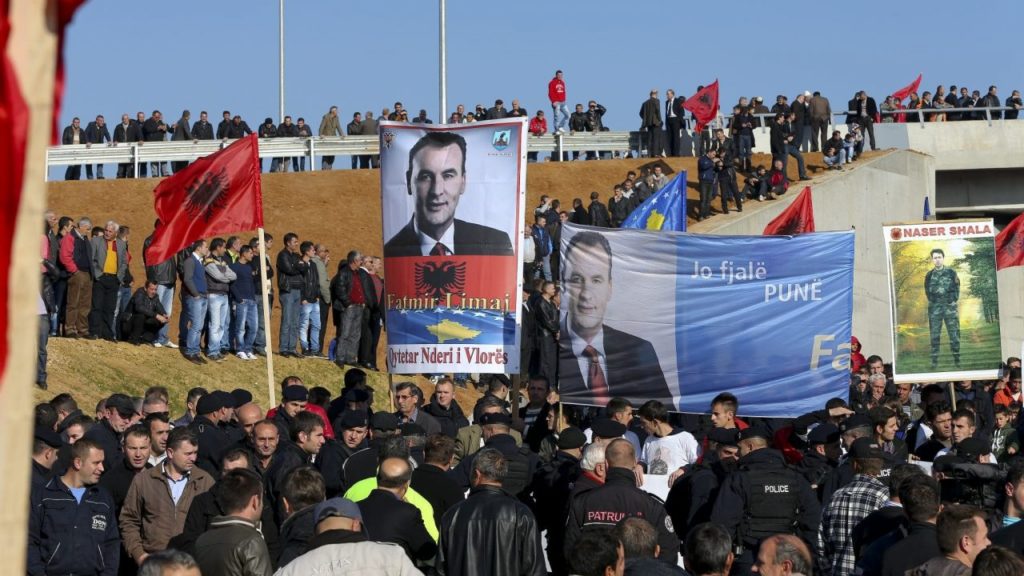
FATMIR LIMAJ-“QYTETAR NDERI” I VLORËS

November 24, 2012 by dgreca

NGA GEZIM LLOJDIA/

 Në sallën e Teatrit “Petro Marko”, u zhvillua ceremonia e dorëzimit të titullit “Qytetar Nderi”, Fatmir Limajt, personalitet i politikës në Kosovë, një prej ish drejtuesve të Ushtrisë Çlirimtare të Kosovës, akorduar nga këshilli bashkisë të qytetit të flamurit.

Në  ceremoni ishin të pranishëm edhe bashkëluftëtarë të Limajt, pjesëtarë të familjeve të dëshmorëve të UÇK, qytetarë vlonjate. Në fjalën e vet, kryetari i Bashkisë së Vlorës, Shpëtim Gjika, u ndal tek figura dhe kontributi i Limajt për lirinë dhe pavarësinë e Kosovës, duke e cilësuar atë një nga personalitetet më të spikatura të UÇK dhe të politikës aktuale. Sipas Gjikës, duke nderuar Fatmir Limajn me titullin “Qytetar Nderi” i Vlorës, qyteti i Flamurit nderon gjithë ata bij e bija të Kosovës që dhanë jetën për lirinë dhe pavarësinë e saj, të gjithë ata që luftuan për Kosovën martire. “Akordimi i këtij tituli përbën një vlerësim për Fatmirin, ashtu si për të gjithë shqiptarët e Kosovës dhe për mbarë bashkatdhetarët tanë kudo në botë. Vlerësimi i tij me këtë titull, është vlerësim për kombin shqiptar, është vlerësim për historinë tonë të vjetër dhe të re, është vlerësim për të gjithë patriotët, për të gjithë ata që kanë luftuar për çështjen kombëtare, për të gjithë ata që i thonë Flamurit Flamur, është vlerësim për vetë Shqipërinë dhe Kosovën”, theksoi Gjika. Sipas tij, Fatmir Limaj renditet mes personaliteteve më të shquara të Kosovës, një staturë e shkëlqyer e luftës së saj për çlirim. Është ai që shkëlqeu me mendjen dhe vizionin e vet, duke e gdhendur emrin në faqet më të ndritura të luftës së lavdishme për pavarësinë. Por, akordimi i këtij titulli, shtoi Gjika, është edhe një vlerësim dhe nder që i bëhet Vlorës dhe të gjithë bashkëqytetarëve tanë. Sepse përfshirja e tij në listën e emrave që na nderojnë në Librin e madh të Nderit, është simbolika më e mirë e dimensioneve të vendit që zë Vlora në historinë e të gjithë shqiptarëve. “Jo më kot, ky titull jepet në përvjetorin e madh të Shpalljes së Pavarësisë Kombëtare. Kjo përbën edhe domethënien më të kuptimplotë të saj. Sepse të tillë përvjetorë evidentojnë më mirë dhe më shumë njerëzit, kontributet, evidentojnë mesazhet e mëdha që na sjell dhe përcjell më tej historia. Dhe historia e përbashkët e të gjithë shqiptarëve, e Shqipërisë dhe Kosovës, vjen më e kthjellët se kurrë sot, në këtë prag 100 vjetori. Vjen përmes emrave më të ndritur të saj, përmes emrave si Fatmir Limaj me shokë, që kanë ditur sit ë hedhin hapat, kanë ditur e dinë se ku duhet të shkojë Kosova, dinë gjithashtu se cilat janë vlerat tona të përbashkëta”. Për zotin Gjika, 28 Nëntori është një festë për të gjithë shqiptarët, në Shqipëri, në Kosovë, në Maqedoni, në Mal të Zi, në Çamëri, në diasporë. “Kjo ditë na bën të ndihemi më mirë, na bën të ndihemi më besimplotë, na bën të ndihemi më optimistë për gjithçka kemi arritur dhe për atë që do të realizojmë në të ardhmen. Mesazhet e mëdha të 100 Vjetorit ne dimë t’i marrim, ashtu siç edhe dimë t’i përcjellim me përgjegjësinë që na ka ngarkuar historia”, theksoi ai. “Prandaj dhe unë kam kënaqësinë që në emër të të gjithë bashkëqytetarëve të mi, por, pse jo edhe të të gjithë shqiptarëve t’i dorëzoj këtë titull, duke i thënë: Faleminderit Fatmir për kontributin tënd. Vlora dhe shqiptarët ndihen krenarë me ty i dashur Fatmir

Fatmir Limaj, duke vlerësuar vendimin e këshillit bashkiak të Vlorës për këtë titull, tha se, përmes tij vlerësohet lufta për liri dhe pavarësi e bijve dhe bijave të Kosovës. Kjo, sipas tij, merr një kuptim edhe më të veçantë kur jepet nga qyteti i Flamurit, në këtë 100 vjetor të Pavarësisë Kombëtare. “Është shumë e vështirë të gjesh fjalët e duhura për të folur këtu në Vlorë, në qytetin e Flamurit”.

Të udhëtosh në Vlorë, është njëlloj si të udhëtosh për në Mekë, sepse Vlora është Meka e shqiptarëve dhe shqiptarizmit”, shtoi më tej ai. Duke u ndalur tek 28 Nëntori, Shpallja e Pavarësisë Kombëtare ai theksoi se, “me aktin e shpalljes së Pavarësisë Kombëtare, u zgjidhën dy çështje në të njëjtën kohë; u shmang rreziku i zhdukjes së shqiptarëve si komb dhe njëkohësisht u hodhën themelet e shtetit të ri shqiptar. Prandaj, nënvizoi ai, Ismail Qemali, quhet babai i shqiptarëve, krahas baballarëve të tyre biologjikë. Sipas Limajt, jo më kot, u zgjodh Vlora për të ngritur Flamurin dhe për të shpallur Pavarësinë. “Bijtë dhe bijat e Vlorës ishin të gatshëm që, me vetmohim të mbronin atë Shqipëri të mbetur me gjakun e tyre”, u shpreh personaliteti i shquar i Kosovës. Ai tha se, sot Shqipëria dhe Kosova janë më afër dhe më të bashkuara se kurrë dhe alternative e vetme mes tyre, mbetet bashkimi. Duke ju drejtuar të pranishmëve ai solli përshëndetjet e djalit të tij dhe një mesazh kuptimplotë të tij, të përcjellë përmes facebook: Prej ditës së sotme unë vetë jam nga Prishtina, ndërsa babanë e kam nga Vlora.
Kryetarja e këshillit bashkiak, Etjona Hoxha, i dorëzoi titullin “Qytetar Nderi i Vlorës, Fatmir Limajt, ndërkohë që më pas për të pranishmit u kundëuan këngë patriotike. Në këtë ceremoni ishin të pranishëm edhe kryetari i PDIU, Shpëtim Idrizi, si dhe deputeti i kësaj force politike, Dashamir Tahiri.
Titulli “Qytetar Nderi, ju akordua Fatmir Limajt, pak javë më parë me vendim të këshillit bashkiak të Vlorës, krahas 8 personaliteteve të tjera, mes të cilëve Ismail Kadare, Rrexhep Qosja,Rexhep Ferri Ramush Haradinaj, ish Ambasadori i SHBA në Tiranë, Xhon Uidhers etj


Filed Under: Kronike Tagged With: Fatmir Limaj, Gezim Llojdia, ne Vlore, qytetar Nderi

Artikujt e fundit

  • NDAA i SHBA-së dhe pozicioni i Kosovës në arkitekturën e sigurisë
  • Alis Kallaçi do të çojë zërin dhe dhimbjen e “Nân”-s shqiptare në Eurovision Song
  • Garë për pushtet…
  • Njëqind vjet vetmi!
  • “Shënime për historinë antike të shqiptarëve”*
  • Si funksionon sistemi juridik në Shqipëri dhe pse ai ka nevojë për korrigjim?
  • Emisionet postare festive të fundvitit në Kosovë
  • JAKOBSTADS TIDNING (1939) / MBRETI ZOG, SHUMË BUJAR ME BAKSHISHE. — EMRI I TIJ NUK DO TË HARROHET KAQ SHPEJT NGA PRONARËT DHE PERSONELI I HOTELEVE NË VARSHAVË.
  • HAFIZ SHERIF LANGU, DELEGATI I PAVARËSISË TË CILIT IU MOHUA KONTRIBUTI PËR 50 VJET ME RRADHË, KLERIKU DHE VEPRIMTARI I SHQUAR I ÇËSHTJES KOMBËTARE
  • RIPUSHTIMI I KOSOVËS – KUVENDI I PRIZRENIT 1945
  • Nikola Tesla, gjeniu që u fiksua pas pëllumbave dhe u dashurua me njërin prej tyre
  • Bahamas njeh Kosovën!
  • Legjenda e portës shkodrane, Paulin Ndoja (19 dhjetor 1945 – 16 prill 2025) do të mbushte sot 80 vjeç
  • “Roli dhe kontributi i diplomacisë shqiptare në Maqedoninë e Veriut nga pavarësia deri sot”
  • Marie Shllaku, kur një jetë e re u shndërrua në përjetësi kombëtare

Kategoritë

Arkiv

Tags

albano kolonjari alfons Grishaj Anton Cefa arben llalla asllan Bushati Astrit Lulushi Aurenc Bebja Behlul Jashari Beqir Sina dalip greca Elida Buçpapaj Elmi Berisha Enver Bytyci Ermira Babamusta Eugjen Merlika Fahri Xharra Frank shkreli Fritz radovani Gezim Llojdia Ilir Levonja Interviste Keze Kozeta Zylo Kolec Traboini kosova Kosove Marjana Bulku Murat Gecaj nderroi jete ne Kosove Nene Tereza presidenti Nishani Rafaela Prifti Rafael Floqi Raimonda Moisiu Ramiz Lushaj reshat kripa Sadik Elshani SHBA Shefqet Kercelli shqiperia shqiptaret Sokol Paja Thaci Vatra Visar Zhiti

Log in

This website uses cookies to improve your experience. We'll assume you're ok with this, but you can opt-out if you wish. Cookie settingsACCEPT
Privacy & Cookies Policy

Privacy Overview

This website uses cookies to improve your experience while you navigate through the website. Out of these cookies, the cookies that are categorized as necessary are stored on your browser as they are essential for the working of basic functionalities of the website. We also use third-party cookies that help us analyze and understand how you use this website. These cookies will be stored in your browser only with your consent. You also have the option to opt-out of these cookies. But opting out of some of these cookies may have an effect on your browsing experience.
Necessary
Always Enabled
Necessary cookies are absolutely essential for the website to function properly. This category only includes cookies that ensures basic functionalities and security features of the website. These cookies do not store any personal information.
Non-necessary
Any cookies that may not be particularly necessary for the website to function and is used specifically to collect user personal data via analytics, ads, other embedded contents are termed as non-necessary cookies. It is mandatory to procure user consent prior to running these cookies on your website.
SAVE & ACCEPT