• Home
  • Politics
  • Opinion
  • Culture
  • Sports
  • Economy
  • Interview
  • Reporting
  • Community
  • Vatra

Dielli | The Sun

Albanian American Newspaper Devoted to the Intellectual and Cultural Advancement of the Albanians in America | Since 1909

Alexis Zoto Honors the Albanian Cultural Heritage, You Can Do Your Part

February 14, 2023 by s p

Interviewed by Rafaela Prifti/

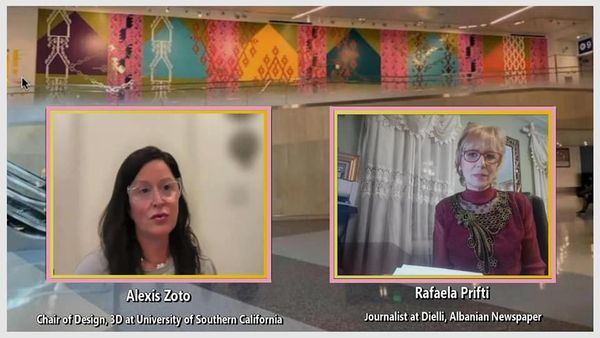
Alexis Zoto is an Albanian American practicing artist, designer, researcher and writer. Currently, she is Chair of Design, 3D at the University of Southern California, Roski School of Art and Design. She has shown nationally and internationally. Her Albanian ancestral heritage is, at times, literally weaved in her own forms of artistic expressions. Zoto’s designs and ongoing research project on textiles explore aspects of Albanian cultural identity including the symbolism in weaving and in stories ‘told’ by the family heirlooms through which the past and the present connect all of us. Although this is her first interview with Dielli, Alexis family’s connection to Vatra go all the way back to the time of Vatra’s founding. Her grandfather Minella Zoto and his brother helped found St. John Chrysostom Albanian Orthodox Church in its current location in Philadelphia, PA, and relatives in the Kerxhalli and Chekani families helped establish St. Mary’s Albanian Orthodox Church in Worcester, MA. Dielli is both pleased and proud to introduce Alexis Zoto to its readers.

Whether Albanians know it or not, they may have something you are interested in. I am talking, of course, about family heirlooms such as velënxa, qilims (kilims), sixhade (tapestry) etc. Lets start with what they are and what it is that you are looking for.

I am collecting images and information on Albanian domestic textile heirlooms, like: qilima, sixhade, flokia, and velexa. I also am interested in needle work. I am curious to know about people who worked in factories making these items and people who made them at home. I am interested in how people spun and dyed their yarns too. Lastly, I want to know if there is any information on why the colors and motifs were chosen and if there is a meaning attached to those colors and symbols. I would love to know any history or stories too.

In November you gave an interesting presentation during a panel hosted by the Society for Albanian Studies to discuss the Albanian American relations and changing of the diaspora. What were the main points?

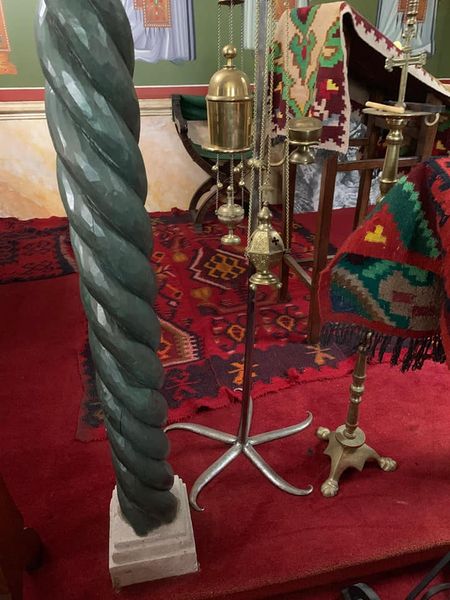
I spoke about the velexa, a woven textile made of wool that is then felted. I know them as ‘valenska’ or ‘velenska’ as my cousins do. In my research, I found many different spellings of the word. I also have seen many different kinds: plain one that are one color and others that have elaborate designs and have many colors. Another aspect I mentioned was that even though often we think of them in the home on a bed or a sofa, in St. George’s Albanian Orthodox Cathedral in Boston they adorn sacred spaces. I found this remarkable and a beautiful gesture because when Albanians immigrated to the USA in the 1990’s and 2000’s they saw another part of home in their place of worship. I know some newly arrived Albanians who were not Orthodox came to the Orthodox church just to be among other Albanians. St. George’s has a lovely collection of velexha and kilims given to the church by parish members.

Your Albanian ancestry finds its expression and has a definite presence in your art work and designs. What can you tell us about your Albanian ancestry and how it has shaped who you are?

Yes, it does. My family shaped who I am. Identity is a big part of my artistic practice. My grandparents, Vrisidha and Minella Zoto, came to the USA in 1939 and landed in Philadelphia. I grew up in that diaspora community. I can’t express how grateful I am for my grandparents bravery to come to the USA during wartime and all the sacrifices that were made for me and my family to achieve so much. I am very proud of my family and what they gave back to the Albanian community in Philadelphia and beyond whether its was helping out family or new arrivals from Albania or helping to establish their church. Growing up, I thought Albania was an unreachable, beautiful, and mysterious place. My grandmother’s house was the center of my universe.

Can you take us back to your childhood memories in Philadelphia growing up or being brought up with Albanian customs or cultural traditions such as observing name day (Dita e emrit) or cooking Albanian food and so on? How did that inspire your interest in arts and design?

I lived with my parents outside of Washington DC and would go to my grandparents’ house regularly for holidays. I remember feeling rather exotic because most people I knew in my school didn’t have large extended families or observe the same holidays. I loved being in my grandmother’s kitchen. Each holiday it seemed had a special dish accompanying it whether it was petulla during New Years or kolura during Christmas or different kinds of lakror or byrek depending on the calendar. During name day celebrations, which was a big celebration, I or one of my cousins would be sent to collect coffee cups from the all the men (uncles and great uncles and grown cousins) gathered at a table. One of the women (aunts, great aunts and grown cousins) helping to clean up in the kitchen would flip the cup and ‘read’ the coffee grounds and laugh. My interest in the arts I think came from what I was exposed to growing up which was not museums but the church and my grandmother’s house. The chandeliers, candles, flowers, icons, and iconostasis that adorned church was my first exposure to art.

Do you recall your first encounter with the handmade Albanian kilims? What was it like?

I had seen my grandmother’s crochet and needle work growing up, but she didn’t have traditional kilims or velexha. My cousins in Massachusetts had them. But I really got into investigating these textiles when I saw a beautiful book called Qilima Shqiptare by Rrok Zojzi published in 1968 at a family reunion. Shortly after, a cousin who grew up in Tirana showed me a spectacular kilim that belonged to my great grandmother. I was deeply impressed by the quality of the wool, the craft and skill of the weaving and the beauty of the design.

In reference to velënxa korçare, is that a recognized term in weaving or in design? Each region of

Albania displays its identity in the material culture. What more have your discovered in the

course of your work? What secrets do they hold?

First, your referring to them as velexha korçare is a new name to me. I am intrigued because I know people in Berat had them. The term is not recognized. I have to define and explain what they are. Often in my presentations people are very interested to learn about Albania and its history. It is true, each region I have visited has certain designs and colors associated with the weaving of that region. Kukes has a very distinctive design, color palette, and style of kilims that is completely different from kilims made in Korçe. However, there are certain designs that seem to be made in very region that only differs in color choices. It is interesting to me that certain designs and motifs appear in the kilims of Albania’s neighbors like Bulgaria and Serbia but each culture makes them slightly different. This makes sense to me as they were all in one country during the Ottoman Empire. Like Albania, these countries held on to their languages and therefore this individuality comes though in their respective material cultures.

Lets talk about your own story. As was the case with many pre-war era immigrants from the homeland, your family got eventually separated and its members lived on both sides of the Atlantic. After the end of WWII, Albanians endured extreme isolation under strict communist rules that lasted for about five decades. What was that like for you and your family members?

My family and I were always proud of our heritage, but it was hard for my grandmother being away from her parents and her brothers and her brothers’ families. I remember writing letters and putting together packages of clothes and medicine and vitamins. I also remember from a rather young age the fear and secrecy in the Albanian community around trying to help people get out of Albania. There were whispers of people disappearing or entire families being punished and/or sent to labor camps. It was known that letters were read. When I went to Tirana years later with my my children, I was sure to take them to the House of Leaves Museum to try to explain some of the unexplainable and inexcusable events that occurred in Albania.

No part of life was safe from political indoctrination in communist Albania including textiles as you have found out through your interviews and research in the community. What is the takeaway from this?

Yes. When I began trying to dig up information about kilims and other woven textiles, I reached out to family who arrived in the USA around the 90’s or family still in Albania. In fact, I would not have gotten nearly as much done in Albania or had the access to information and weavers without their help.

One cousin said of course she would help me but couldn’t understand what I saw in these items. She went on to share with me how all folk culture was shoved down her throat. She was so sick of it. Also the two books I found on the subject published in Albania in the 60’s and 70’s left me mystified and curious. Some of the information didn’t make sense to me. I wondered if some of the original meanings had been removed and replaced with the dictator’s dogma.

In talking with people who were either weavers or who had heirlooms I would ask about what the motifs meant or the reason for the colors chosen. I received many different answers. Some said ‘why does a symbol have to have a meaning?’ Or ‘it’s a double headed eagle’. Or’ I don’t know’. Other motifs were identified often from things nature like a flower or a butterfly or a frog. Prof. Aferdita Onuzi shared with me that in the past women would talk about ‘weaving a story’. This idea is my starting point.

In my view, there is still much to learn about how kilims, rugs, and blankets are different in design and color from region to region. For example, I have not seen a kilim or textile from Dibra among other places. I also believe diaspora communities also are an incredible resource in learning more about these textiles. Textiles from all over Albania are part of the Albanian identity and should be studied and preserved. With that said, there are many academics working hard in Albania to document and preserve all kinds of Albanian cultural heritage.

You have pointed out the presence of the stylized mosque motif in kilims and velenxa at the homes of

Orthodox Albanians who logically might have brought these heirlooms here on their journey from the homeland. Can you put into context for us? Why should we care about them today?

The xhami motif goes by different names depending upon what country you are in. I have found most people who use their velenxa keep it on their bed or sofa otherwise it is in storage. I have seen them in the size of approximately the top of a double bed and I have seen them the size of a cradle cover. Some velenxa with mosque motif are only two colors and others that are multicolored. You are correct that these heirlooms are found in Orthodox Albanian homes. Many of these families are second generation from the first wave of immigration from Albania to the United States, approximately late 1800’s to 1940. Some people have told me these velenxa are for good luck or protection and that every bride needed one in her paja (dowry). Some have told me that the mosque motif reflects the deep closeness between the two communities of faith in Albania. Sadly, I was told these velenxa stopped being made in around 1940. Many of the families I talked to about their heirlooms didn’t know much about them. Another noteworthy aspect of this style of velexa is the variety of borders and additional patterns. You can see the weaver’s innovation and creativity. The xhami motif is fascinating to me. In Albanian weaving, it is associated with the southern part of Albania. In the velenxa, the mosque motif is either red, black or dark blue. Where as in kilims, the mosque motif appears in many different colors. The ‘inside’ of the mosque motif there sometimes is another symbol, on the velenxa it usually is a rooster or an ibrik or a what looks like a vase. Unlike the kilims version of the mosque motif can have a wider variety of zoomorphic symbols as well the ibrik, vase, and rooster. This symbol was on my great grandmother’s black and red kilim. When I saw it I wondered why would a women who risked so much to practice her Orthodox fair under Hoxha have a kilim with mosques on it. Albania was then an atheist state. Priests were persecuted, tortured, or worse. I can’t say I found a definitive answer but I did find that it is a window into Albanian culture. The unique harmonious relations between many faiths, and the legacy of many interfaith families is a unique hallmark of Albania – like my own family which has both Orthodox and Bektashi members.

While velënxa is no longer being made in Albania, xhubleta was granted recognition and protection status by UNESCO. You spoke out about it in a post in November 2022.

This is absolutely wonderful news. I am so happy the xhubleta has this status. I remember being in Tirana years ago standing in a shop heartbroken seeing hundreds xhubleta hanging for sale. I know it was challenging to make this happen. I admire people like Aferdita Onuzi, Linda Meniku, Luljeta Dano and others for all the hard work they are doing to preserve the xhubleta. I think heritage Albanian crafts should be valued.

Art is a universal language and artists of all backgrounds communicate through it with people of all nationalities. You highlight your Albanian roots in your work. How do these motifs communicate with the public and other communities here in the US? What do they say to you?

When I have shown my work using motifs, often people will recognize a motif and identify it as something they have seen before. Often people will say something like, ‘Oh that reminds me of the rug in my house!’ Or they might think it is Native American or Turkish or Guatemalan. This mistaken identity is an opportunity to begin a delightful conversation.

You are named a “Cultural Trailblazer” by the Los Angeles Department of Cultural Affairs. What does that entail?

It was an honor to have that distinction. I think my work was recognized as part of the rich diversity of cultures here in Los Angeles, CA.

As a second generation Albanian American, you and your heritage inspired designs are a link of the old generation of Albanians, the Albanian Americans born here and the next generation?

I would be honored to be considered a link and have my art considered a link between generations. But really I want to remind Albanians today not to overlook or neglect their cultural heritage. Please collect stories, recipes, traditions, and knowledge from your elders- it is precious.

Your designs at the LAX airport can be seen by millions who enter and leave the country. Since it’s a public space and also a point of entry for many immigrants, and as a grandchild of Albanian immigrants, did this type of project have a different feel from other shows? What are some of the reactions you have heard?

I love doing projects at the airport. The most recent project I did at LAX was in the Southwest Terminal. It’s an honor and such a great opportunity to do a project for a wider and different audience. When I was developing my project, I thought about the airport workforce who would see this all day everyday. Then I thought about the millions of people passing through the terminal. I wanted to create a mural that would invite people in even at a glance. I also thought about how to combine motifs from different regions in Albania and how to transform them into something new. I wanted to make these symbols and the overall piece relevant and contemporary. Weaving is an ancient craft and art form. I hoped people might connect to the mural by seeing something familiar and pleasurable. Perhaps if they stopped long enough to read about the artwork, they could make a connection between something they have known with what I made at LAX.

Where can we see your current shows or upcoming projects now that we are more familiar with your unique artistry?

I am continuing my research on Albanian textiles. A paper I wrote on the velenxa will soon be published in an academic journal. I hope to visit more diaspora communities in the USA. I also hope to go to Kosovo and visit the national collection there. In May, I will be giving an artist talk, and I have an exhibit pending but no firm details yet.

Although this is your first interview with Dielli, your family’s connection to Vatra go all the way back to Fan Noli and the time of Vatra’s founding in Boston. What more can you tell us about it?

My grandfather and his brother helped found St. John Chrysostom Albanian Orthodox Church in its current location in Philadelphia, PA. Our cousins in the Kerxhalli and Chekani families helped establish St. Mary’s Albanian Orthodox Church in Worcester, MA. They were all active in different ways in the Albanian diaspora community. The Kerxhalli Branch arrived in 1923 before my grandparents who came in 1939.

What does a kilim or velenxa as Albanian textiles say about who we are today as a people and a culture?

Weaving is an ancient craft and art form practiced in one form or another all over the globe. I think the velenxa is a reminder of Albanian identity. It is a handmade object. Someone gathered the wool and dyed it. Someone had to create the design. Someone might have embroidered an initial or their name on the velenxa. It keeps a person warm and adorns the home. I hope Albanians here and abroad can be clear eyed while embracing our past, present, and future.

Thank you for your interest in my work. If your readers have textile heirlooms, qilima, sixhade, flokia and/or velexha I would love to know about them.

Thank you Alexis for the work that you do and for talking to us about it. I am putting the link below for the readers to find you.
www.alexiszoto.com

https://roski.usc.edu/community/faculty/alexis-zoto

Photo courtesy Alexis Zoto: Vrisidha and Minella Zoto with their grandchild Alexis

Albanian heirlooms at St. George’s Albanian Orthodox Church, Boston MA
Filed Under: Mergata Tagged With: Alexis Zoto, Rafaela Prifti

New Proposal on School Meals Includes First Limits on Added Sugars

February 4, 2023 by s p

Rafaela Prifti/

The current program serves lunch to nearly 30 million school children every day 

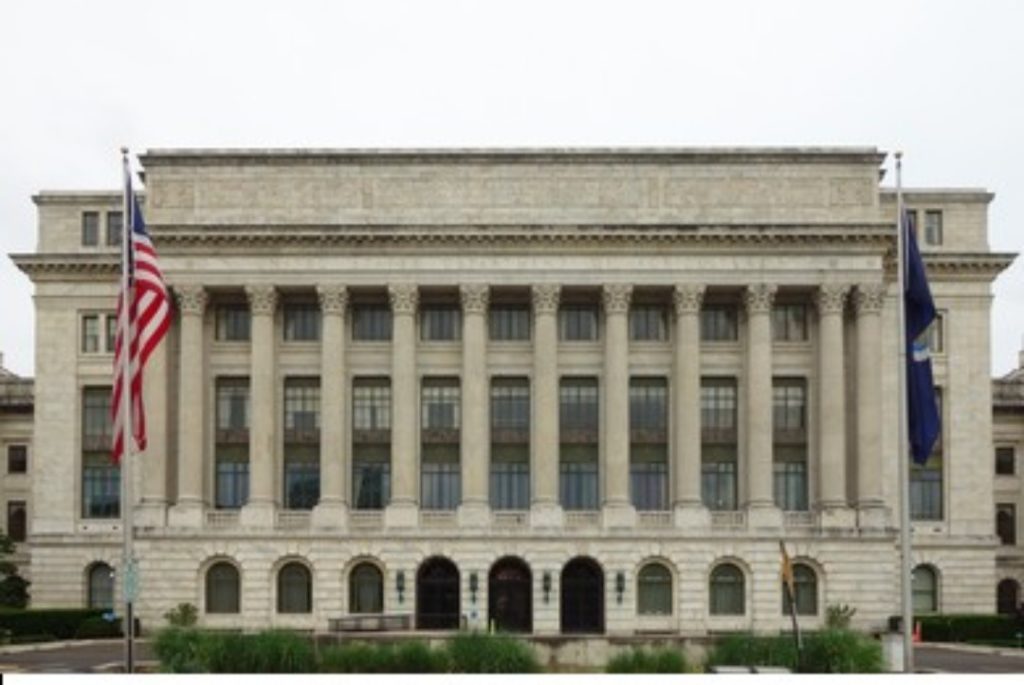
Starting on February 7, you have a say in your children’s school meals program. It’s a 60 day period of public commenting on a plan announced today by the US agriculture officials. At a press conference, the Agriculture Secretary Vilsack announced new nutrition standards for school meals. The plan includes the first limits on added sugars. It also seeks to decrease sodium in the meals served to the nation’s school kids by 2029. With a focus on sweetened foods such as cereals, yogurt, flavored milk and breakfast pastries, the goal is to improve nutrition and align meals with U.S. dietary guidelines.

The Break Down in Numbers

The program serves breakfast to more than 15 million children and lunch to nearly 30 million children every day, said Secretary Vilsack. 

The first limits on added sugars would be required in the 2025-2026 school year, starting with high-sugar foods such as sweetened cereals, yogurts and flavored milks. 

By the fall of 2027, added sugars in school meals would be limited to less than 10% of the total calories per week for breakfasts and lunches.

The officials said that the proposal also would reduce sodium in school meals by 30% by the fall of 2029 with the goal of aligning with federal guidelines. The recommendations for  Americans aged 14 and older limit sodium to about 2,300 milligrams a day with less for younger ages. On average 1,280 milligrams of sodium is allowed now per lunch for kids in grades 9 to 12. The plan seeks to bring it down to 935 milligrams. 

Children’s Meals and Their Health 

Health experts say cutting back on sugar and salt can help decrease the risk of disease in kids, including diabetes, obesity and other problems that often continue into adulthood. 

The plan met with criticism by the School Nutrition Association that see more regulations as a burden for school districts especially in the rural areas. 

At the press conference today, Secretary Vilsack said that the proposal phases changes in over the next six years to allow schools and food manufacturers time to adjust to the new standards. Furthermore,  the USDA will fund grants of up to $150,000 to help small and rural schools make the changes. Sugar substitutes are allowed under the new standards. Secretary Vilsack noted that the proposal would continue to require that 80% of all grains offered in a week must be whole grains, yet it allows schools to serve non-whole grain foods. 

Some parents consider the plan a positive effort that will help the kids, who will not even notice the changes,  eat healthier. As part of the plan, agriculture officials are seeking feedback from parents and the public. 

Source: Press Conference US Agriculture Department, statement, reports 

Filed Under: Reportazh Tagged With: Rafaela Prifti

Statuses Are Different, Issues Are Similar

February 2, 2023 by s p

Rafaela Prifti/

February 1 – Columbia University’s Institute for the Study of Human Rights hosted a webinar  “to discuss prospects of PREVENTING A SECOND ARMENIAN GENOCIDE”. As a result of the virtual closure in December 2022 of the Lachin corridor, a road that links Armenia and the enclave of Nagorno-Karabakh, the humanitarian situation is rapidly deteriorating into a crisis. David L. Phillips, the Institute’s Director of the Program on Peacebuilding and Human Rights at Columbia University’s Institute for the Study of Human Rights, moderated the event online. Phillips, who served as foreign affairs expert and senior adviser to the US Department of State in several prior US administrations, is a respected scholar and a well known personality for the Albanian community here as well as Albanians abroad.

What are the implications of a blockade? (Is it ringing any bells yet?)

The 50 day blockade of the Lachin corridor raises a number of issues ranging from humanitarian and security to the international confidence in the peace process. It has been under reported by the media yet the issue has received the attention of UN Security Council, UNICEF and the US Department of State. Speaking as a guest at the webinar, Senator Chris Van Hollen of Maryland, called again upon Biden administration to engage beyond its support for dialogue. In the past, Senator Van Hollen has demanded the US to cease its security assistance to Azerbajan as cross border clashes continue. He has cosponsored resolution expressing the sense of the Senate that “it is the policy of the United States to commemorate the Armenian Genocide through official recognition and remembrance.” He is also an outspoken critic of the Azerbaijani authorities subjecting the Armenian population to ethnic cleansing. Azerbaijan’s closure of the corridor is seen as a bid to depopulate the territory from Armenians who live there while the genocidal intent is expressed publicly by the government officials and the head of the state, Ilham Aliyev. Ruben Vardanyan, State Minister of Artsakh, gave a brief overview of the region’s history before presenting the dire conditions in the region. Artsakh, officially the Republic of Artsakh (Nagorno-Karabakh), is a breakaway state in the South Caucasus whose territory is internationally recognized as part of Azerbaijan. “The current clash,” he said, “is not an ethnic conflict, but rather a battle between the autocratic rule of Azerbaijan and the democratic state of Armenia.”

Long Overdue, Armenian Genocide Formally Recognized by US in 2021

Van Z. Krikorian, Co-Chair of the Armenian Assembly of America, Adjunct Professor at Pace University School of Law, debunked Azerbaijani accusations with regard to the military presence in the region or the environmental protection claims and so on. He praised the ongoing work of the Biden administration towards the prevention of future genocides “as we call for democracy in Artsakh”. More than a 100 years ago, the first phase of the Armenian genocide began on April 24, 1915 with the Ottoman government killing more than one million Armenians, roughly 70 percent of the total Armenian population in the Ottoman Empire. The wide-scale extermination and subsequent lack of accountability inspired Polish lawyer Raphael Lemkin to conceptualize the concept of genocide—a word he coined in 1944—and campaign for its criminalization. (The Auschwitz Institute) The US formally declared that the systemic mass killing and deportation of Armenians by Ottoman Empire forces in the early 20th century was “genocide”. At the commemoration of Armenian Genocide Remembrance Day in April 2021, President Biden recognized that the events that began in 1915 were a deliberate effort to wipe out Armenians.

The Politics of Conflicts

Although Armenia does not recognize Kosovo’s independence (February 17, 2008), Armenia immediately welcomed the decision by the ICJ in 2010, saying it may help international recognition of Nagorno-Karabakh. The world court ruled that Kosovo Independence is in line with international law. States with minority problems have thus far adamantly opposed recognizing the new entity to prevent a potentially devastating spillover effect in their countries, arguing that the controversial ruling might boost secessionist movements all over the world (The Economist, July 2010).

Why it matters?

At many points during the webinar there were notable resemblances and similarities with the history of the Cham population, the massacre and expulsion of Muslim ethnic Albanian inhabitants from Greek territory from 1912-1945, also the ethnic cleansing of Kosovo Albanians including the systemic violence, killings and mass deportations with the aim of exterminating the Albanian population in the region.

Cham Expulsion, Kosovo Ethnic Cleansing, No Accountability for State Crimes

The unresolved issues underscore the lack of accountability. Neither Greece, nor Serbia are held accountable for the actions perpetrated by the state or with the complicity of the state agencies. The forced movement of the entire Albanian Muslim population from Greece has left a lingering sense of injustice amongst Albanians in general. (Miranda Vickers)  The blockade of Lachin, since December 2022, is eerily similar to the Serbs’ tactics in Kosovo. What’s more, all these cases serve as a reminder that accountability is a battle that must be fought every day, not with one protest or one parade but by constantly rallying together as a community, speaking out and pressing the issues in front of the state politicians, government officials and elected representatives in the US, Albania and Kosovo.  

Note: The name Kosovo is the most frequently used form in English for Kosova.

Filed Under: ESSE Tagged With: Rafaela Prifti

2023 A Consequential Year for Cybersecurity – Albania, Example of What Can Happen

January 30, 2023 by s p

Rafaela Prifti/

Cybersecurity was a major topic of discussion at the 2023 Annual Meeting of the World Economic Forum. World leaders, trade, technology experts and others assembled at the Swiss Alps in Davos, Switzerland, to address a huge range of topics and challenges in the landscape of economic and geopolitical instability. This year at the Forum meetings, Cybersecurity made headlines in many ways. According to Cybersecurity Ventures, cyber crime will grow from a $3 trillion industry in 2015 to $10.5 trillion by 2025. During a presentation on the findings of the Global Cybersecurity Outlook, Jürgen Stock, the Secretary-General of the International Criminal Police Organization (INTERPOL), said: “This is a global threat, and it calls for a global response and enhanced and coordinated action.” Citing the Ukraine war as one of the exacerbating factors for global insecurity, experts predict an increase in sophistication and frequency of attacks constituting a possible “cyber storm”. Already, phishing, ransomware and distributed denial-of-service (DDoS) attacks are reported to be on the rise.

While the report found that business leaders are far more aware of the cyber threat than the year prior, and 91% of respondents believe a catastrophic cyber event is at least somewhat likely in the next two years, the organizations continue to face significant challenges when it comes to effectively addressing cyber concerns.

Being unpredictable in nature, each cyber attack presents a potentially difficult task unlike any other. Jeremy Jurgens, Managing Director, World Economic Forum cited a cyberattack recently aimed at shutting down Ukranian military abilities that unexpectedly also shut off parts of electricity production across Europe.

The Forum drew attention to the governments’ support or direct involvement in disruptive cyber operations referring to countries like Russia and North Korea that have carried out and developed sophisticated attacks and nefarious cyber activities around the globe. Cybercriminals seek to exploit the particularly vulnerable sectors of critical infrastructure like energy, public transportation and manufacturing.

“The key to winning the battle against cybercrime is, of course, to work together to make it a priority across the geopolitical fault lines.” Jurgens pointed out that the increased profits that the multiple bad “actors” reap from cybercrime should encourage world leaders to work together to make it a priority as they face “new sophisticated tools.” He said that Albania, a target of a massive cyber attack, serves as a showcase of what could happen, and is now working with larger allies in warding off the criminals.

With the internet becoming even more widespread, the list of potential targets is only increasing. According to the 2023 report, today’s targets include not only government agencies or major corporations, but largely any organization that handles consumer data—no matter how small. In order to meet the challenge of a global threat, Davos Forum emphasized the need for “a global response and enhanced and coordinated action.”

From January 16 to 20, the message at the World Economic Forum was that “the global community faces a series of interlinked crises” which require global interlinked solutions. In the landscape of frequent threats and disruptive online operations, Cybersecurity defenses are also increasing in scope and sophistication. Part of it, is the so-called Zero Trust approach to cybersecurity, which creates a framework that eliminates implicit trust and ensures that any user, in or out of network, is authenticated and validated at every point.

A Book Promotion at Vatra Reinforces Similar Points – No Perfect Solutions

Only a few days after the Davos meeting, on January 25, at Vatra’s headquarters, the promotion event of Asllan Bushati’s book Diktati i ADM-ve në Luftën e Ftohtë e Pas Saj reinforced and echoed some of the highlights of the Davos Global Cybersecurity Outlook. The title loosely translated into English would be How WMD Ruled the Cold War Era and Onward. The book, that is evidently timely, is written in Albanian and has a preface by the author. A senior military commander in the Albanian army until 1997 including 14 years of service at Albania’s Ministry of Defense, Bushati was a graduate of the Academy and even wrote his PhD thesis on topics related to Weapons of Mass Destruction (WMD). The next year he immigrated to the US where his principles guide his actions to benefit the community in his capacity as a former ranking military and, for a few years, as the Deputy Chairman of the Pan Albanian Federation Vatra. Bushati told Dielli that it was Russia’s attack on Ukraine in February 2022 and Putin’s threats to use nuclear war that sparked the idea to write the book on the topic of WMD.

As with the discussions in Davos earlier in the month, the scale of the challenge, the sense of urgency and the importance of collaboration are the central points of Bushati’s work. Stretching from the Cold War to the so-called Transition Era (Star Wars) and Post Cold War, the book provides an overview of WMD, nuclear proliferation and arms race, biological and chemical weapons. Published by Vision Printing, Tiranë 2022, the softcover presentation highlights several important events and doctrines of nuclear war, the challenges of terrorism defense and Cybersecurity. In writing the book, Bushati has condescend his knowledge and military background, his experience and education in the Academy coupled with his skills in absorbing the news and the appropriate literature to conduct his own analysis in a style that is well written and easy to read despite the military terminology.

In a separate chapter on the topic of biological weaponry, the author argues convincingly that Serbia is a clear and present danger, given its past record of demonstrated lack of principals in terms of accessing its chemical arsenal against the Albanian civilian population as was the case in 1990, the Albanian school children in February 1991 and in 1992. Serbia’s military capabilities are a threat to the peace and security to Albanians in Kosova and in the region.

One area that has changed drastically the notions of warfare is Cybersecurity. Bushati drives home the point that our daily lives are directly affected by it from prescription drugs, health records to online identity. We are no longer bystanders as cyber attacks may target any organization that handles consumer data that can potentially put us at risk or dramatically change our lives. Believing that the past informs the future in terms of strategic approaches and military viewpoints, the author notes that the two are “interlinked”. Whether in trade, technology or security, the crises faced by the global community were described in Davos as “interlinked” – conveying in one word the common feature that the most pressing global topics share today.

The last chapter of Bushati’s book references the cyberattack on Albania’s government and state institutions carried out by actors associated with Iran constituting one example of nefarious cyber operations targeting other countries including United States, Germany, Estonia, United Kingdom, France, etc. Bushati told Dielli that Cyber Security is a long and ongoing battle. “For a long while, there will be no clear winners as no side can claim total victory,” he said, adding that “the next frontier of the cyber fight will be in space.”

Asllan Bushati’s book promotion was nearly coincidental with the 2023 Davos Forum and, to some extent, there are overlaps of examples and cases between the publication and the findings of the Global Cybersecurity Outlook. The overarching theme here is that a global threat needs a response of equal measure and size, which can only be effective as a collective effort. With reference to the world plagued by perfect storm on multiple fronts, Antonio Guterres, United Nations Secretary General, is his special address at Davos, said: “There are no perfect solutions in a perfect storm. But we can work to control the damage and to seize the opportunities available. Now more than ever, it’s time to forge the pathways to cooperation in our fragmented world.”

Filed Under: Ekonomi Tagged With: Rafaela Prifti

Sopranoja Shqiptare Ermonela Jaho “Artisja e Vitit 2023” Sonte në Operën Metropolitan

January 26, 2023 by s p

Rafaela Prifti/

Sonte në Operën Metropolitan të Nju Jorkut, sopranoja shqiptare Ermonela Jaho interpreton rolin e një prej heroinave operistike më të njohura, atë të Violetës tek Traviata e Verdit. Kjo është nata e pestë dhe e fundit e shfaqjeve të janarit në Nju Jork për sezonin muzikor 2022-2023.

Ermonela Jaho, e njohur si “ylli shqiptar në skenën botërore të operes” u shpall javën e kaluar “Artistja e Vitit 2023″ nga juria e çmimeve ndërkombëtare të muzikës klasike. Kryetari i jurisë Remy Franck deklaroi se fituesit në kategoritë përkatëse, të përzgjedhur nga shumë kandidatë, janë simbole të përsosmërisë për muzikën klasike.” Sopranoja shqiptare e pranoi çminin dhe falenderoi jurinë nëpërmjet një mesazhi të regjistruar me video nga Barcelona.

“Vlerësimi i jurisë flet për punën dhe profesionalizmin e sopranos Ermonela Jaho. Çdo çmim për artistët tanë është ogur shumë i mirë për Shqipërinë,” thotë baritoni i njohur Kreshnik Zhabjaku. Këtë javë ai është në mesin e provave për rolin e Nikollaqit në Karnavalet e Korçës, një prej perlave të repertorit të muzikës shqiptare, e cila do rivihet në skenën e Operës dhe Baletit të Tiranës në muajin shkurt.

Çdo njohje dhe triumf i artistëve shqiptarë në botë të gëzon, por ajo që peshon më shumë nga të gjitha është kombësia, sepse “kur e hap programin, ngjitur me emrin e artistit, shkruhet “Albania” dhe kjo është krenaria më e madhe për ne,” shprehet Kreshnik Zhabjaku, solist me role titullare mbresëlënëse https://www.kreshnikzhabjaku.org/repertoire

Për sopranon shqiptare, Ermonela Jaho, skena e operës Metropolitan në Nju Jork është një nga shtëpitë e saj në botë, siç i quan ajo sallat e teatrove ku jep shfaqje gjatë sezoneve vjetore. Dhe vërtet publiku botëror e mirëpret me ngrohtësi dhe e duartroket në skenat më prestigjioze të muzikës klasike, si Royal Opera House, Covent Garden, Opera National de Paris, Metropolitan Opera, Wienner Staatsoper, Bayerische Staatsoper, Berliner Staatsoper, Teatro Real në Madrid, Grand Teatre del Liceu në Barcelona, Teatro alla Scala në Milan, nga Evropa në Shtetet e Bashkuara, nga Azia në Australi. Trupi i saj i imët arrin të depërtojë në të gjithë sallën në sajë të zotërimit mjeshtëror të dhuntive të saj. Ajo mbush çdo kënd të skenës me praninë magnetizuese të saj dhe përjetimit të roleve të njohura nëpërmjet një filtri tepër fin të botës së saj të brendshme.

Stili i saj i interpretimit dallohet për tone autentike emocionale, ku jetësohet vizioni unik i sopranos shqiptare për heroinat klasike, të cilat janë intepretuar nga ikona të muzikës operestike. Instrumenti i saj më i fuqishëm nuk është domosdoshmërisht “zëri i bukur” apo “teknika e të kënduarit” thotë Ermonela, por emocioni njerëzor, që është gjuha universale për të gjitha audiencat në çdo kohë dhe në çdo vend.

Në mars të vitit 2018 interpretimi i Cio-Cio-San tek Madama Butterfly i kompozitorit Giacomo Puccini nga Ermonela Jaho mahniti publikun dhe kritikët e muzikës në Nju Jork. Dielli arriti të merrte një intervistë ekskluzive me artisten shqiptare në dhomën e saj të veshjes në Metropolitan Opera në Nju Jork. (gazeta Dielli, mars 2018) Gjatë bisedës ajo rrëfeu se veçantia e saj buron nga qenia e saj si grua shqiptare tek e cila është ‘depozituar’ gjithë historia e femrës shqiptare dhe paraardhëseve të saj, një thesar i patjetërsueshëm dhe i pakopjueshëm i unit të saj artistik.

Sonte Ermonela Jaho interpreton për publikun njujorkez rolin e Violetës, me anë të së cilës sopranoja shqiptare përcjell një botë të brendshme me nuanca origjinale të një dhembjeje aq të personalizuar saqë dallohet nga të gjitha Violetat e tjera përpara saj. Sensitiviteti është shprehje e vizionit të saj unik për klasiken, thuhet në gazetën Nju Jork Tajms për të.

Për fituesit e çmimeve ndërkombëtare të Muzikës Klasike për vitin 2023, ICMA ka njoftuar se do të ketë një ceremoni të posaçme në Forumin Kombëtar të Muzikës në Poloni në 21 prill.

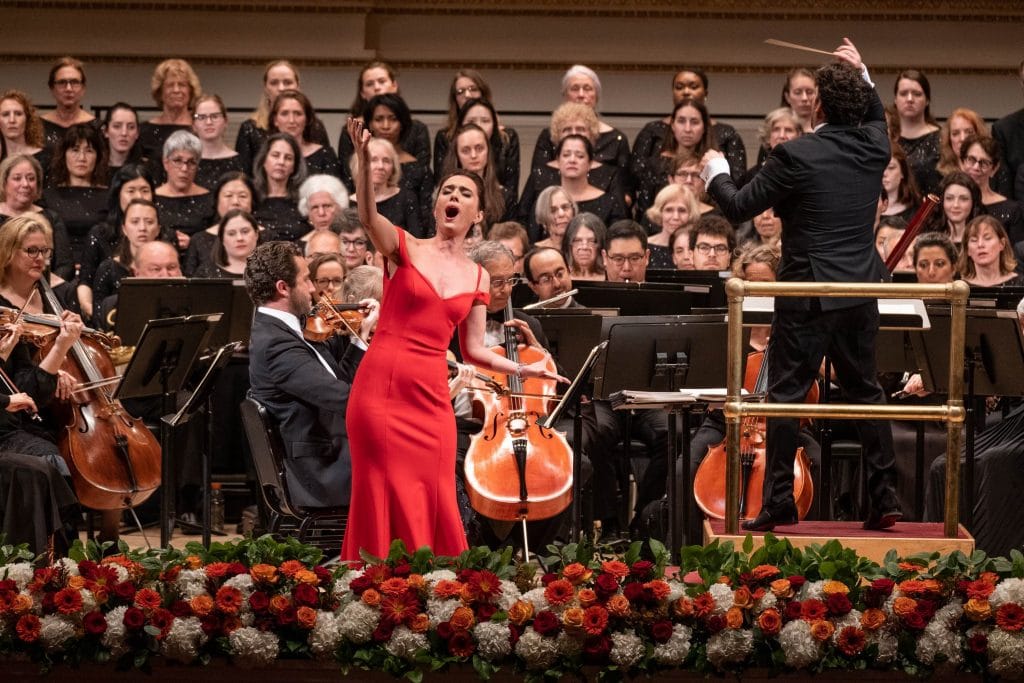
Foto nga Julika Prifti

Ermonela Jaho, 27 tetor 2019, Richard Tucker Gala Carnegie Hall, organizuar nga Richard Tucker Music Foundation

Filed Under: Opinion Tagged With: Rafaela Prifti

  • « Previous Page
  • 1
  • …
  • 13
  • 14
  • 15
  • 16
  • 17
  • …
  • 52
  • Next Page »

Artikujt e fundit

  • PËR NJË NORMALITET NË MARRËDHËNIET SHQIPËRI-KOSOVË: JO FJALË BOSHE!
  • Ballafaqimi me të kaluarën, detyrë morale dhe parakusht për drejtësi, paqe dhe stabilitet afatgjatë
  • Ditët e fundit të kompozitorit të Himnit të Shqipërisë…
  • Butrinti dhe vija kushtetuese që Shqipëria nuk duhet ta kalojë
  • Universiteti i Tetovës lindi si “dielli pas errësirës”
  • MIRO TËRBAÇJA, SHQIPONJË E HISTORISË
  • Hirësia e Tij Nikodhimi, Peshkopi i Bostonit dhe Kryepeshkopatës Ortodokse Shqiptare në Amerikë kreu vizitë 10-ditore në Shqipëri
  • Shqipëria dhe Kosova në Bordin e Paqes: Nga historia e plagëve drejt arkitekturës së paqes globale
  • PAQE PËRMES FORCËS, DREJTËSI QË GARANTON STABILITET, JO PASIGURI
  • Kosova pays the price as its liberation leaders are persecuted, not prosecuted
  • Çfarë sjell shkretimi shpirtëror në një tjetër shekull zhgënjyes përmes antologjisë së nobelistit Eugenio Montale
  • FAN (1971) / “TË PISH E TË HASH NË SHQIPËRI” — REPORTAZHI EKSKLUZIV BOTËROR I TELEVIZIONIT ZVICERAN
  • Folklori çam, i gjallë edhe në botën moderne!
  • Milan Shuflaj, e vërteta historike dhe martirizimi i lirisë akademike në Evropë
  • Kontributi i Prof. Emeritus Injac Parrinos në shkencat albanologjike

Kategoritë

Arkiv

Tags

albano kolonjari alfons Grishaj Anton Cefa arben llalla asllan Bushati Astrit Lulushi Aurenc Bebja Behlul Jashari Beqir Sina dalip greca Elida Buçpapaj Elmi Berisha Enver Bytyci Ermira Babamusta Eugjen Merlika Fahri Xharra Frank shkreli Fritz radovani Gezim Llojdia Ilir Levonja Interviste Keze Kozeta Zylo Kolec Traboini kosova Kosove Marjana Bulku Murat Gecaj nderroi jete ne Kosove Nene Tereza presidenti Nishani Rafaela Prifti Rafael Floqi Raimonda Moisiu Ramiz Lushaj reshat kripa Sadik Elshani SHBA Shefqet Kercelli shqiperia shqiptaret Sokol Paja Thaci Vatra Visar Zhiti

Log in

This website uses cookies to improve your experience. We'll assume you're ok with this, but you can opt-out if you wish. Cookie settingsACCEPT
Privacy & Cookies Policy

Privacy Overview

This website uses cookies to improve your experience while you navigate through the website. Out of these cookies, the cookies that are categorized as necessary are stored on your browser as they are essential for the working of basic functionalities of the website. We also use third-party cookies that help us analyze and understand how you use this website. These cookies will be stored in your browser only with your consent. You also have the option to opt-out of these cookies. But opting out of some of these cookies may have an effect on your browsing experience.
Necessary
Always Enabled
Necessary cookies are absolutely essential for the website to function properly. This category only includes cookies that ensures basic functionalities and security features of the website. These cookies do not store any personal information.
Non-necessary
Any cookies that may not be particularly necessary for the website to function and is used specifically to collect user personal data via analytics, ads, other embedded contents are termed as non-necessary cookies. It is mandatory to procure user consent prior to running these cookies on your website.
SAVE & ACCEPT