• Home
  • Politics
  • Opinion
  • Culture
  • Sports
  • Economy
  • Interview
  • Reporting
  • Community
  • Vatra

Dielli | The Sun

Albanian American Newspaper Devoted to the Intellectual and Cultural Advancement of the Albanians in America | Since 1909

Archives for April 2023

E ndryshmja që na duhet…

April 19, 2023 by s p

Aleksandër Çipa/

Kësaj shoqërie, pasi i garantuan në shtresat masive të saj varfërinë, i nisën një proces intensiv të varfërimit dhe tharrjes së shpirtit. I hoqën padukshëm dhe, sidomos në gjeneratat e reja, ndjeshmërinë njeridashëse e njerirespektuese. I zhbëjnë dhe po i helmojnë përgjegjësinë për trashëgiminë dhe për trashëgueshmërinë. Po e lenë në të vetmin fat zgjedhës, atë të emigrimit dhe të zbrazëtisë. Sot po shembemi iluzivisht tek fataliteti se po na çimentohet mbretëria e indiferencës dhe e ftohtësisë nënshtruese.

Ky nuk është konstatim ankues. Kjo është pjesa thelbësore e tablosë në të cilën po zhytemi, duke qenë më shumë në pesimizëm dhe në trishtimin tonë social.

Por këtë fat imponues po e lenë në fuqi pakicat imponuese, ose më saktë të paktët e pushtetshëm.

Fushata më e domosdoshme dhe më e menjëhershme, në këtë vend dhe tek kjo shoqëri, duhet të jetë ajo e ringritjes së njerëzores. Nuk e kam fjalën për ngritjen simbolike të saj, por për shtatimin e brendshëm si ndjenjë dhe virtyt, gjerësisht shoqëror.

Na duhet ringritja e shpirtit në energjinë dhe fuqinë e vet njerëzidashëse.

Ndishta më shumë se kurrë duhet të ndodhë ndarja e gjeneratave në politikëbërje, në gjithë nivelet dhe hierarkitë qeverisëse.

Këtu, në këtë shoqëri, duhet ngritja e “së resë, si fuqi ndryshuese mbi të ndenjurën, apo të vjetrën penguese.

Ky vend, por realisht kjo shoqëri, ka rini dhe diturakë të saj. Por ata, ose janë në mërgim, ose janë seriozisht të penguar.

Në mendësinë tonë ekziston maksima: ” Plaku s’e lëshon oxhakun”.

Nuk është fjala për plakun real, është fjala për ciklin tonë të munguar antroposocial, atë të të riut që tejkalon At-n dhe shkon të ngrejë oxhakun e vet. Të ngrejë oxhakun, jo për t’u ndier plak zotëronjës, por vetëqeverisës që shton dhe shumon shtëpinë e vet në kohë të mëtejshme dhe të ardhme.

Ky cikël zakonor, e njëherësh familjar shqiptar, duhet transplatuar në përfaqësimin dhe aktivizimin e sotëm shoqëror.

Kjo Shqipëri e sotme, ka urinë e së ndryshmes ndryshuese dhe jo të së ndryshmes që rikthehet për ripërdorim, në një kohë tjetër.

Gjeneratat mes nesh duhen ndarë, jo si për luftë mes tyre, por si kontrast dijeje dhe kualifikimi në përputhje për një Shqipëri që do të jetojë në Europën e nesërme dhe jo në Ballkanin e sotëm.
Filed Under: Komente

Does Love Overpower Defiance in the end? Visar Zhiti says, Yes

April 19, 2023 by s p

Rafaela Prifti/

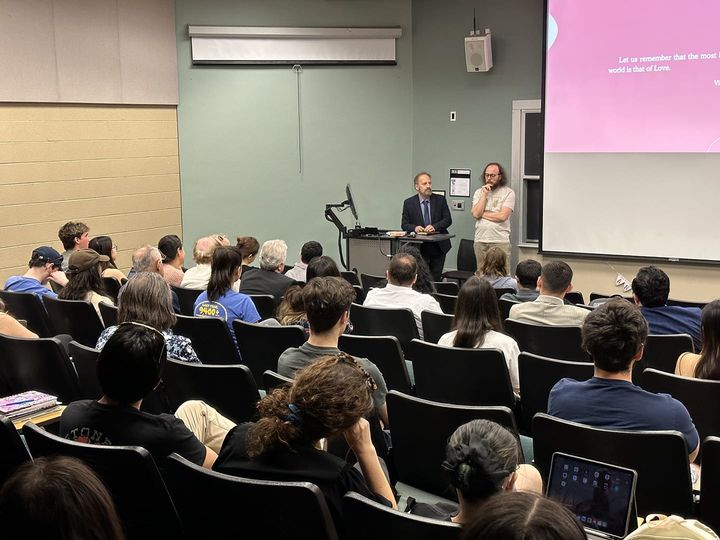
At Michigan University Ann Arbor “Lets Save the Poems” was a one-hour talk by Visar Zhiti, a celebrated Albanian author and prominent poet, also a survivor of imprisonment in communist Albania. The recipient of poetry’s grand prize of 2022 “Le Grand Prix De Poésie” presented an insightful exploration of the quest for freedom that was well incorporated and weaved into the Albanian Literature of Exile coursework, created and taught by Dr. Lisandri Kola since 2019 in Language Science Arts at the Department of Slavic Languages in the prestigious two-hundred-some-year old research university in the Midwest. Dr. Kola says that “Visar Zhiti is the first guest speaker he has invited to the class.” At a quick glance of the poet and his works one could understand why. In literature, Zhiti embodies a rarity that could be hard to find in the category of rarities. He is simultaneously both unique and representative of the spirit of resistance from inside out. Visar Zhiti was condemned and thrown in prison for over a decade in communist Albania for his free thinking! In this respect, his story resembles many imprisoned poets and writers of countries behind the iron curtain. In a relentless search to be free, poetry became his form of self expression that cannot be bound. On the one hand, Visar Zhiti is one of them. His books have elevated to prominence the body of work created at or stemming from within prison walls by those who were condemned by the regime not to be seen, not to be heard and particularly not be allowed to share the “free thinking” with the fellow men! In what are effectively acts of defiance towards the oppression, his manuscripts were smuggled out of prisons as did other fellow poets who suffered similar punishments by the regimes in East Europe. On the other hand, there is only one of him. The Albanian poet saved the poems against all odds and, in the end, overcame defiance with love. Visar Zhiti stands out even in his story of persecution given the minute number of poets from the Eastern European block that got the poems out of prison through memorization, as he did. Because of their visibility in society and ability to shape public opinion, prominent literary figures were among the first targets of Communist repression, torture and incarceration,” writes the publisher of “The Walls Behind the Curtain – East European prison literature, 1945-1990” by Harold Segel, professor emeritus at Columbia University. Precious few publications are available in English on the work of imprisoned writers by countries of the Soviet bloc “who wrote during or after their captivity under communism” notes the publisher pointing at “Authors such as Alexandr Solzhenitsyn (that) famously documented the experience of internement in Soviet gulags.” Visar Zhiti is featured along remarkable novelists, poets, writers such as Vaclav Havel, Eva Kanturkova, Adam Michnik, Milan Šimečka, Paul Goma, Tibor Dery and more.

Rea Hajredini, a sophomore student, who participated at Friday’s event said that “the Albanian writer and poet Visar Zhiti spoke of his experiences in prison under the Albanian communist regime and how writing gifted him with determination and a willingness to persevere.”

Although Zhiti speaks of his own manuscripts by drawing from personal experience, the resounding message of defiance across the communist block at the time is heard clearly at Ann Arbor’s auditorium. “His work is recognized as a symbol of literary resistance against communism in Eastern European countries. In this context, he is as much East European as he is an Albanian poet,” says Prof. Kola, adding that he “is very pleased with the whole event, Zhiti’s lecture and the follow-up session that it prompted in the class.” Dr. Kola, who is also a published poet, has collaborated with Zhiti in a recent project that dwells deeper into the political culture and the key questions that the present literature grapples with in Pyetja Nr. 19 Tirana, Onufri, 120pp (Question Nr. 19) Although inviting guest speakers to his class is not “an established practice,” Lisandri Kola points out that the class benefited measurably from “Zhiti’s presentation (that) brought into focus his own prison manuscripts, through valuable archival materials, rare footage, translated poems as well as some original works.”

Indeed the student audience responded to the message of the poetic journey reinforced by the visual presentation and powerful delivery. Reflecting on the talk, Rea says that “it was truly inspiring to listen to Visar Zhiti speak of his efforts in writing poetry during his time in prison and to hear the emotion and passion in his voice as he shared the traumatic experiences of his past. It was intriguing to hear him speak about the challenges and hardships he faced in prison, but it was even more inspiring to hear that Zhiti was able to overcome this suffering through poetry. I found it very fascinating how he was able to create poetry in his mind during times when he had no access to paper nor writing tools.”

One of the most impactful images for students was the poet’s smuggling the poems out of prison, hidden in articles of clothing at the visitation times with his family. “Later on, Zhiti secretly wrote poetry and hid the papers in clothing and inside the straw mattress of beds. During visitations with his family, he would quickly pass his writing to his family for safekeeping, which proved that prison literature was able to escape even the fierce and brutal censorship of the prisons under the reign of communism,” comments the Ann Arbor sophomore.

While rooted in Albania’s past, similar to East European countries, ruled by a ruthless communist regime for half a century, Zhiti’s writing are in essence about humanity. As such, the Chicago based poet speaks directly to the audience regardless of their countries of origin or ethnicity. I asked Dr. Kola to tell me how students who are in their early 20s in a different time and space approach such themes. Dr. Kola acknowledges that “Although there are students in his class who have non-Albanian nationalities and come from different backgrounds, they are quite interested in the Albanian Literature of Exile course that encompasses the communist era 1944-1991. Also, each year, there are Albanian American students who are keen on the academic pursuit of the arts under totalitarianism and the diaspora literature.”

As for Rea Hajredini, who is of Albanian descent, Friday’s presentation by the guest speaker broadens our perspective on the subject of communism while elevating our understanding of one another. “I greatly enjoyed this event and was captivated by Zhiti’s experiences because I think that learning about the experiences of others allows us to become more aware and perceptual on the nature of communism and human experience, giving us the chance to empathize with others and learn from the past,” Rea notes. In terms of the biggest takeaway, she says is the power of love. The call To Save the Poems – the title of the talk – is the poetic and personal journey that starts within prison walls as an act of defiance in the face of extreme deprivation, and ends up overpowering darkness with light. “One of the greatest messages of Visar Zhiti’s presentation was when he remarked: “Let us remember that the most beautiful poem in the world is that of Love.”

Photo Credit: ArTTon: Visar Zhiti talk Lets save the poems Michigan University Ann Arbor, April 14, 2023

Pyetja Nr. 19 – Bisede per doreshkrimet e fshehta te burgut, Zhiti Visar, Kola Tirana, Onufri, 2022, 120pp

The Walls behind the Curtain : East European prison Literature, 1945-1990 Segel, Harold B., author; Pittsburgh : University of Pittsburgh Press 2012

Filed Under: ESSE Tagged With: Rafaela Prifti

Gjeneralët…

April 18, 2023 by s p

Astrit Lulushi/

Kur Aleksandri i Madh u largua i vdekur nga Babilonia, tokat e pushtuara u ndanë mes 4 gjeneralëve të tij. Disa për disa kohë, krijuan edhe dinasti, derisa Roma i mori përsipër më vonë në histori.

Gjeneral Seleukos mori drejtimin e Judesë, Sirisë, Mesopotamisë dhe rrafshnaltës iraniane. Dinastia e tij përdori një spirancë varke si emblemë. Më pas, në vitin 275 p.e.s., Eufrati duhet të ketë ndryshuar drejtim. Uji përballë Babilonisë mbeti i ndenjur. Ndoshta, ishte gjeneral Antioku ai që i urdhëroi babilonasit të zhvendoseshin në qytetin e ri të Seleukisë në bregun perëndimor të Tigrit. Vetëm priftërinjtë u lejuan të qëndronin për t’u kujdesur për tempujt. Antioku themeloi qytetin e Antiokisë.

Pastaj parthianët dolën dhe dëbuan Seleucidët nga Mesopotamia në 141 p.e.s. Që nga ajo kohë, Babilonia u braktis. Parthianët themeluan një qytet të ri Ctesiphon në bregun lindor të Tigrit. Ai u bë kryeqyteti i tyre në vitin 58 p.e.s.

Gjeneral Trajani synonte t’i bënte një flijim Aleksandrit të Madh në shtëpinë ku vdiq në Babiloni. Por më shumë telashe shpërthyen në Armeni. Dhe kur rrethoi qytetin e Hatrës, ai u sëmur nga dizenteria ose malaria. Trajani u nis për në Romë, por vdiq në Anatolia.

Nga të katër gjeneralët, Ptolemeu pati një sukses më të gjatë. Ai iu bashkua familjes së faraonëve. Dinastia e tij qeverisi Egjiptin deri në vitin 30 p.e.s. kur Ptolemeu XIV Cezarioni, fëmija i Kleopatrës dhe Cezarit, u vra. Disa autorë klasikë kanë shprehur dyshime se Cezarioni ishte biri i Jul Cezarit. Megjithëse, pas mbërritjes së Kleopatrës në Romë në vitin 46, vetë Cezari e njohu zyrtarisht fëmijën si djalin e tij. Kur babai i tij u vra në vitin 44, Kleopatra u kthye me djalin në Egjipt, ku thuhet se organizoi vdekjen e vëllait të saj më të vogël, për t’i lënë vend djalit të saj në fron. Ambicia e saj ishte ta bënte Cezarionin pasardhës.

Pasi Kleopatra kishte filluar lidhjen e saj me Mark Antonin, triumvirin romak të Lindjes, Cezarioni u shfaq në Aleksandri në vitin 34 me titullin “Mbreti i Mbretërve”, ndërsa nëna e tij e quajti veten “Mbretëresha e Mbretërve”. Pas humbjes katastrofike të Antonit në Actium në vitin 31 gjatë luftës kundër shokut të tij triumvir Octavian, Kleopatra dërgoi Cezarionin në Berenicë, një port detar në bregun e Detit të Kuq të Egjiptit të Epërm; por Oktaviani e joshi përsëri në Aleksandri, ku mbreti i ri u ekzekutua. Kleopatra vrau veten; Egjipti u përfshi në Perandorinë e Romës dhe Oktaviani, pa asnjë pengesë, e shpalli veten August duke u bë Perandor i Romës. Ai ishte nip i Cezarit, të tjerë thonë se ishte bir i jashtligjëm i tij.

Aleksandri i Madh vdiq në Babiloni. Kufoma e tij u ruajt dhe u dërgua përsëri në Maqedoni, por nuk arriti atje. Për t’i sjellë fat, gjeneral Ptolemeu e rrëmbeu.

Filed Under: ESSE Tagged With: Astrit Lulushi

VATRA PËRSHËNDET LIBERALIZIMIN E VIZAVE PËR KOSOVËN

April 18, 2023 by s p

New York, 18 Prill 2023 – Federata Pan-Shqiptare e Amerikës Vatra përshëndet liberalizimin e vizave për qytetarët e Republikës së Kosovës me shtetet e Bashkimit Europian. Ky është një vendim historik dhe i drejtë që ka gëzuar popullin e Kosovës dhe çdo shqiptar kudo ku ndodhet. Kosova ka qenë historikisht pro perëndimore dhe ky vendim i Parlamentit Evropian e afron Kosovën një hap më afër familjes europiane.

Liberalizimi i vizave është një ngjarje e jashtëzakonshme për kombin tonë jo vetëm se tregon aspiratën shekullore pro perëndimore, pro amerikane, pro atlantike por sjell një zhvillim të fuqishëm ekonomik, konsolidim të institucioneve, vazhdimësi të reformave, demokraci aktive, shtet të fortë e qytetarë me mundësi të jashtëzakonshme për të ardhmen e tyre.

Votimi i liberalizimit të vizave në Parlamentin Evropian krijon një marrëdhënie dhe lidhje edhe më të fuqishme të institucioneve dhe qyetarëve të Republikës së Kosovës me Europën.

Shpresojmë që Kosova të jetë sa më shpejt anëtare e NATO-s dhe Bashkimit Europian.

Federata Pan-Shqiptare e Amerikës Vatra do të vazhdojë bashkëpunimin e ngushtë me institucionet e Republikës së Kosovës dhe kurdoherë do të jetë në mbështetje të interesit të kombit, çështjes kombëtare dhe qytetarëve shqiptarë në Kosovë, Shqipëri dhe viset e tjera etnike.

Me gëzim të veçantë

Kryetari i Vatrës

Elmi Berisha

Filed Under: Politike Tagged With: Elmi Berisha

Kryetari Glauk Konjufca nderoi të rënët në disa lokalitete të regjionit të Prishtinës

April 18, 2023 by s p

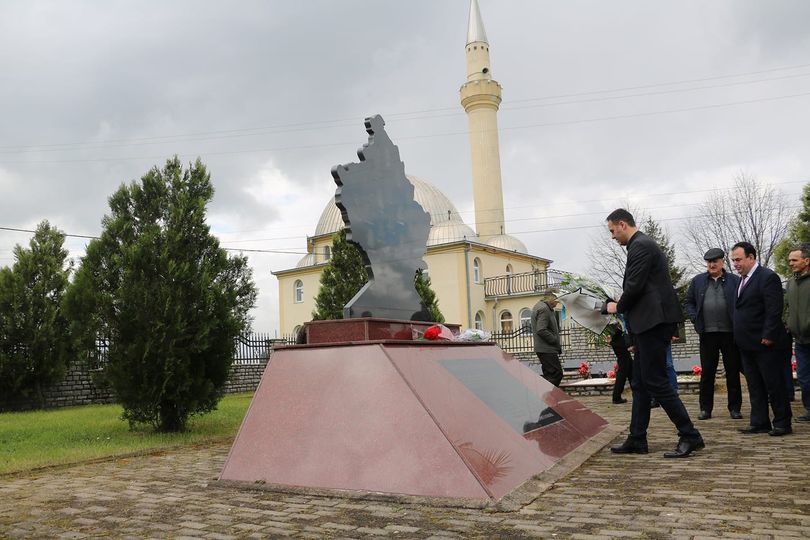
Në Ditën e Dëshmorëve të Komunës së Prishtinës, kryetari i Kuvendit të Republikës së Kosovës, Glauk Konjufca, së bashku me presidenten Vjosa Osmani dhe kryetarin e Komunës së Prishtinës, Përparim Rama, bëri homazhe në kompleksin e varrezave të dëshmorëve, si dhe te varri i veprimtarit Adem Demaçi, në lagjen Velania të kryeqytetit.

Më pas, në kuadër të kësaj dite, kryetari Konjufca bëri homazhe në varrezat e dëshmorëve dhe martirëve në disa fshatra të Gollakut dhe të regjionit të Prishtinës.

Kreu i Kuvendit nderoi të rënët që prehen në kompleksin e varrezave të dëshmorëve dhe martirëve në Makoc të Prishtinës, për të vijuar në varrezat e fshatit Ribar i Vogël të Lipjanit.

Kryetari Konjufca, bashkë me kryetarin e Komunës së Podujevës, Shpejtim Bulliqi, bëri nderim edhe te monumenti memorial i masakrës në fshatin Dyz.

Gjatë bashkëbisedimit me familjarë të të rënëve, kryetari Glauk Konjufca tha se pa sakrificën e dëshmorëve e të martirëve liria dhe shteti i Kosovës nuk do të arriheshin.

“Të gjitha këto masakra janë akte të qarta të gjenocidit që shteti i Serbisë ushtroi mbi popullin shqiptar të Kosovës. Qëllimi ishte shfarosja e popullit tonë, meqenëse nuk u kursyen as fëmijë, gra e pleq. Për të gjitha këto krime asnjëherë nuk do të pushojmë së kërkuari drejtësi”, tha kryetari Konjufca.

Filed Under: Sociale

  • « Previous Page
  • 1
  • …
  • 17
  • 18
  • 19
  • 20
  • 21
  • …
  • 48
  • Next Page »

Artikujt e fundit

  • IMAM ISA HOXHA (1918–2001), NJË JETË NË SHËRBIM TË FESË, DIJES, KULTURËS DHE ÇËSHTJES KOMBËTARE SHQIPTARE
  • UGSH ndan çmimet vjetore për gazetarët shqiptarë dhe për fituesit e konkursit “Vangjush Gambeta”
  • Fjala përshëndetëse e kryetarit të Federatës Vatra Dr. Elmi Berisha për Akademinë e Shkencave të Shqipërisë në Seancën Akademike kushtuar 100 vjetorit të lindjes së Peter Priftit
  • Shqipëria u bë pjesë e Lidhjes së Kombeve (17 dhjetor 1920)
  • NJЁ SURPRIZЁ XHENTЁLMENЁSH E GJON MILIT   
  • Format jo standarde të pullave në Filatelinë Shqiptare
  • Avokati i kujt?
  • MËSIMI I GJUHËS SHQIPE SI MJET PËR FORMIMIN E VETEDIJES KOMBËTARE TE SHQIPTARËT  
  • MES KULTURES DHE HIJEVE TE ANTIKULTURES
  • Historia dhe braktisja e Kullës së Elez Murrës – Një apel për të shpëtuar trashëgiminë historike
  • Lirizmi estetik i poetit Timo Flloko
  • Seminari dyditor i Këshillit Koordinues të Arsimtarëve në Diasporë: bashkëpunim, reflektim dhe vizion për mësimdhënien e gjuhës shqipe në diasporë
  • Ad memoriam Faik Konica
  • Përkujtohet në Tiranë albanologu Peter Prifti
  • Audienca private me Papa Leonin XIV në Selinë e Shenjtë ishte një nder i veçantë

Kategoritë

Arkiv

Tags

albano kolonjari alfons Grishaj Anton Cefa arben llalla asllan Bushati Astrit Lulushi Aurenc Bebja Behlul Jashari Beqir Sina dalip greca Elida Buçpapaj Elmi Berisha Enver Bytyci Ermira Babamusta Eugjen Merlika Fahri Xharra Frank shkreli Fritz radovani Gezim Llojdia Ilir Levonja Interviste Keze Kozeta Zylo Kolec Traboini kosova Kosove Marjana Bulku Murat Gecaj nderroi jete ne Kosove Nene Tereza presidenti Nishani Rafaela Prifti Rafael Floqi Raimonda Moisiu Ramiz Lushaj reshat kripa Sadik Elshani SHBA Shefqet Kercelli shqiperia shqiptaret Sokol Paja Thaci Vatra Visar Zhiti

Log in

This website uses cookies to improve your experience. We'll assume you're ok with this, but you can opt-out if you wish. Cookie settingsACCEPT
Privacy & Cookies Policy

Privacy Overview

This website uses cookies to improve your experience while you navigate through the website. Out of these cookies, the cookies that are categorized as necessary are stored on your browser as they are essential for the working of basic functionalities of the website. We also use third-party cookies that help us analyze and understand how you use this website. These cookies will be stored in your browser only with your consent. You also have the option to opt-out of these cookies. But opting out of some of these cookies may have an effect on your browsing experience.
Necessary
Always Enabled
Necessary cookies are absolutely essential for the website to function properly. This category only includes cookies that ensures basic functionalities and security features of the website. These cookies do not store any personal information.
Non-necessary
Any cookies that may not be particularly necessary for the website to function and is used specifically to collect user personal data via analytics, ads, other embedded contents are termed as non-necessary cookies. It is mandatory to procure user consent prior to running these cookies on your website.
SAVE & ACCEPT