NË CRAIOVA, RUMANI
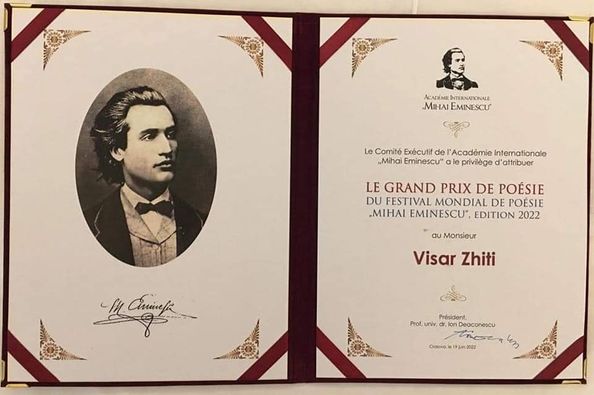
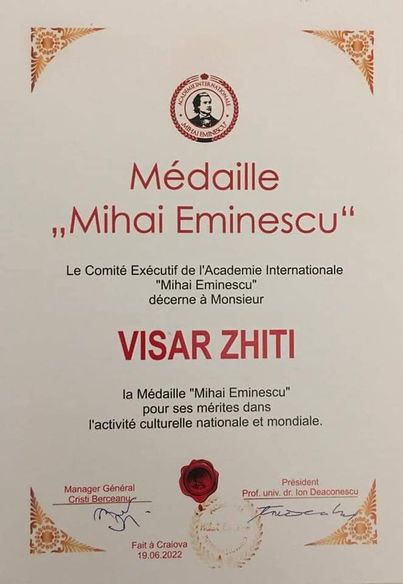
Poetit e shkrimtarit të madh shqiptar Visar Zhiti iu akordua Medalja “Mihai Eminescu” duke e shpallur laureatin “Antar Nderi të Akademisë”. Ky është një lajm i gëzuar për letërsinë shqipe, për kulturën shqiptare.
Albanian American Newspaper Devoted to the Intellectual and Cultural Advancement of the Albanians in America | Since 1909
NË CRAIOVA, RUMANI
Poetit e shkrimtarit të madh shqiptar Visar Zhiti iu akordua Medalja “Mihai Eminescu” duke e shpallur laureatin “Antar Nderi të Akademisë”. Ky është një lajm i gëzuar për letërsinë shqipe, për kulturën shqiptare.
Nga Muç Xhepa
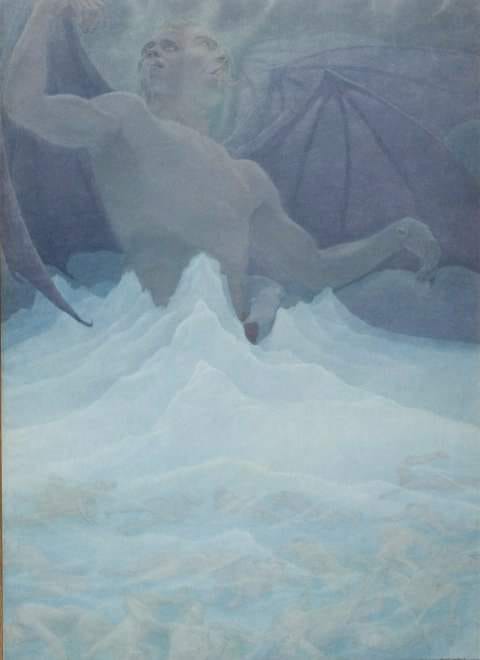
– “Neroni” i ngrirë mes e poshtë në liqenin, që Luciferi krijoi me lot, pasi tradhtoi Zotin, rënkonte netëve me zë.
Skënder Tufa, mik i imi, azilant politik në Zvicër prej shumë vitesh, më tregon në mesinxher një ngjarje të cilën e kishte mësuar në burg, Gulagun shqiptar.
– “Pantera” merr në duar raportin, ulet në vendin, ku “Neroni” thurte palnet kundër armiqve të brendshëm dhe të jashtëm, ndez abazhurin dhe lexon e përqendruar. Lotët s’e lënë të shohë qartë. “Të jenë të ikur nga spitali psikiatrik, apo vuajnë nga deluzioni… iluzioni. Rrena, rrena!” thërret si e marrë. Dëshminë e kishin dhënë ushtarët e shërbimit dhe punonjësi që mirëmbante varrin. Të nesërmen, jo në orën e caktuar, sepse pas varrimit e kish bërë zakon të shkonte me buqetë lulesh dhe qirinj. Lutej që t’i faleshin krimet. Priti të bjerë muzgu. Ashtu, në fshehtësi, mori Sulon, besnikun e “Neronit” dhe u nis për te varri. Vendosi të dy duart në pllakën e ftohtë, uli ngadalë kokën duke prekur me veshin e majtë mermerin e lëmuar. U drodh e tëra. Në fillim dëgjoi zhurmë. Përplasje duarsh mbi një gjë të fortë. Pëllëmbësh, grushtesh. “Neroni” kërkonte të çlirohej nga diçka që e kishte mbërthyer. Pastaj zëri. I tij. I mbytur. “Ndihmë, ndihmë, jam brenda! Liqen gjaku! I ngrirë!”.
Pranverë. Njerëzia kanë filluar të shpresojnë për ditë më të mira. Ai që mbyti vendin në gjak ka shkuar të gjykohet. I ktheu këmbët nga dielli, thotë populli. Miku im Jorgji Santo, punojmë mësues në të njëjtën shkollë, më fton për kafe tek hotel “Skampa”. Është i shoqëruar me një mesoburrë. Ulemi te veranda në katin e dytë, që shikon nga “Rrapi i Bezistanit”. Jorgji porosit fërnet, miku i tij dhe unë pije freskuese.
– Arbeni është kushëriri im i parë. Është mjek.
Arben Santo me sy inteligjentë, hundë malësori e fytyrë të tërhequr buzëqesh.
– Më ka folur Jorgji për ju.
– Jemi miq të besës.
– Familje të vjetra elbasanase.
– S’mjafton të qenurit nga i njëjti qytet. Duhen prova. Dhe, ne i kemi dhënë.
Jorgji ka të drejtë, them me vete. Kemi folur hapur për gjendjen e rëndë ekonomike. Natyrë impulsive, varfëria ekstreme e nxënësve, e revoltonte aq, sa shpërthente me të shara të hidhura kundër “Neronit”.
– Arben na trego si ia bëre autopsinë… ekzaminimin për të zbuluar shkakun e vdekjes… Shtrirjen e sëmundjes.
Jorgji s’i përmend emrin kufomës.
– Si çdo të vdekuri tjetër.
Arbeni buzëqesh me sy.
– Raportin e autopsisë. Si ta besuan.
Jorgji më shkel syrin.
– Petrit Gaçja më rekomandoi. Vetë s’besonte… s’donte ta besonte se kishte vdekur…
Edhe Arbeni s’ia zë emrin.
– Përse, mund të ishte gjallë… vërtet.
Jorgji s’e mban të qeshurën.
– Jashtë ç’do dyshimi. Organet i ishin bërë blozë… duhej të kish mbaruar… ditë më parë.
Eh, ashtu bënë për Leninin, Stalinin… punë djajsh them me vete.
– Mënyra si po ma tregon, më ngjeth mishtë.
– Duro se ka edhe më.
Skënderi buzëqesh.
– “Ç’bëre moj Nënë Tereza”, i tha Papa shenjtores, kur u kthye ajo nga vizita në Shqipëri. “Vajte te varri i djallit. U lute t’i faleshin mëkatet”.
– Në fakt të tërëve na bëri shumë përshtypje sjellja e saj.
– Që prej asaj dite, “Neroni” ra në qetësi. Liqenin e Luciferit e shkrinë lutjet e Nënë Terezës.
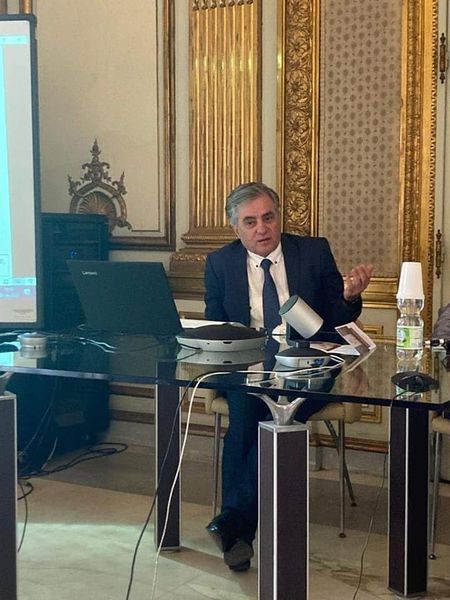
-Në kumtesën që prezantoi në Napoli në konferencën ndërkombëtare që u mbajt dje dhe sot më 20 dhe 21 qershor 2022 në Napoli me temë “Napoli, qendër historike me rëndësi kulturore për botën shqiptare dhe Arbërinë, me rastin e dyqindvjetorit të vdekjes së Engjëll Mashit”, akad Shaban Sinani argumenton se dëshira e studiuesve për ta atdhetarizuar përtej kumtit të brendshëm, ka çuar jo vetëm në ndryshimin e përkatësisë tipologjike, nga këngë rituale përshpirtjeje në himn për Shqipërinë, por dhe e ka banalizuar thelbin e këngës “Moj e bukura More”
#UniversitetiL‘OrientaleNapoli
#NapoliqendërhistorikemerëndësikulturorepërbotënshqiptaredheArbërinë
#220vjetoriivdekjessëEngjëllMashit
Moj e bukura More”: këngë ritual apo këngë atdhetare
Nga akad. Shaban Sinani
I.
Për këngën “Moj e bukura More” poetët dhe studiuesit arbëreshë kanë shkruar e dhënë mendime origjinale përgjatë dy shekujve. Ajo është kthyer në shenjë identiteti e mbijetese të arbëreshëve.
Kjo këngë, siç na ka dëshmuar Matteo Mandalà, gjendej e kopjuar edhe në Chodice Chiutino (1708), ndërsa D. Camarda e botoi në librin Appendice al saggio di grammatologia comparata sulla lingua Albanese.
Megjithëse me vetëm shtatë vargje, kjo këngë prej shumë dekadash deri sot gjendet midis dy leximeve: njëri atdhetar e tjetri ritual-fetar.
De Rada, në shenjimin për lexuesin italian të Rapsodive të tij, duke u pajtuar me mendimin e Vincenzo Dorsës, pohon se këtë këngë … in Sicilia, gli albanesi di Palazzo Adriano, cantavanli sul loro monte detto “Delle Rose”; quelli del Mezzojuso sul monte sovrastante; quelli del Contessa e della Piana su i monti rispettivi, S. Maria del Bosco e Pizzutta. In Calabria fanno parte de’ Canti di Russalle o feste patrie antiche, celebrate ne’ giorno di Pasqua.
“Moj e bukura More” ishte një këngë që kishte të kremten e vet, që këndohej për të shoqëruar ritin e mbledhjes së trëndafilave në ditën e rosalia diem, për të nderuar varret e të parëve, të cilët nuk kishin një shenjë diku në viset arbëreshe, por në përfytyrim lidheshin me një vend që quhej More. Qysh prej Dorsës, deri te Candreva, “Moj e bukura More” është kënga që përkujton vendin dove sono sepolti il padre, la madre e il fratello.
Për shekuj me radhë ajo ka shoqëruar ritin e përshpirtjes në varret imagjinare të një prius parenstë fisit, për të cilët dihej se ishin në More. Këtë çështje e ka sqaruar tashmë studiuesi Francesco Altimari.
Për rolin që kanë pasur malet dhe lartësitë në botën arbëreshe në ritualin e rushajave, një e kremte tipike përshpirtjeje, na dëshmon dhe vëllimi poetik i Francesco Crispi-t – Glaviano-s, me titull Mbi malin e truntafilevet (Sul Monte delle Rose) botuar pas vdekjes. Moreja në këtë këngë kujtohet jo si ars patria i arbëreshëve, por si vendi ku duhej të përmbarohej riti i stolisjes së varreve të të moçmëve.
Moreja me Arbërinë nuk janë në të njëjtat raporte si Itaka me Greqinë në poemat antike. Zhvendosja e sforcuar tematologjike prej rrafshit ritual tek ai atdhetar ka bërë që kjo këngë të humbë thuajse gjithë strofën e dytë dhe në mënyrë të rregullt vargun e fundmë:
Mori e bukura Morē
çë t’lē, më se t’ pē!
Atje kam u zonjën mëm,
atje kam u tim’ vellā,
atje kam u zōn tat
të mbuluar nën dhē.
O e bukura Morē
çë t’lē më së t’pē!
II.
Disiplinimi i leximeve, një dukuri që preku për shumë kohë gjithë letërsinë shqipe, duke përfshirë dhe atë gojore, pati çuar deri në ndryshimin e tipologjisë së llojit e nënllojit, jo vetëm në këtë rast.
Kjo këngë gjerësisht u trajtua si një këntik mirëfilli atdhetar. Një arsye mund të ketë qenë ateizmi, që nuk pajtohej me shumë rituale të jetës e të vdekjes. Por arsyeja kryesore ishte se në këto studime përmbajtja atdhetare ishte në krye të hierarkisë dhe ia kalonte çdo përmbajtjeje tjetër. Ky këntik i shkurtër arbëresh u çlirua lehtësisht prej vargut të fundmë: të mbuluar nën dhē, gjithë mbuljuar ndenë dhé, që shpreh thelbin e saj, si këngë kujtimi për të parët e qëmoçëm, varret e të cilëve kanë mbetur larg dhe vajzave arbëreshe nuk u mbetej gjë tjetër veçse lulet e mbledhura t’i mbanin në duar dhe ritin e vjetër ta përmbushin vetëm në mënyrë simbolike.
Moreja i ka shqetësuar studiuesit me një lloj vetëdije mbiatdhetare edhe për shkak të topos-it grek si kujtimi më i përveçëm i arbëreshëve, duke e kuptuar si një emërtim zëvendësues për Arbërinë, si metonimi e saj. Përpjekja për ta lexuar këtë këngë në mënyrë hiperatdhetare nuk ka kursyer edhe emërtimet e përveçme. Në një botim të viteve 1980 në një tribunë dygjuhëshe shqip dhe anglisht që botohej në San Francisco të SHBA, Moreja u zëvendësua edhe gjuhësisht me Madhé, si një formë fonetikisht e shmangur prej Mamadhe, Mëmëdhe (në anglisht përkthehet Motherland).
Në këtë variant Moreja nuk është atdhe i nënkuptuar, por atdheu vetë. Për të përjashtuar çdo interpretim, që mund të lejonte të kuptohej se teksti ishte i përshtatur, botuesi shenjon se prej gjyshes kishte dëgjuar se kënga ishte kënduar nga emigrantët shqiptarë të shekullit të fundmë, ndër të cilët ishte dhe Gjoni.
Teksti shqip Teksti anglisht
Vitet e fundme janë bërë përpjekje për ta rindërtuar këngën “Moj e bukura More” si një trashëgimi gojore jo e arbëreshëve, por e arvanitëve dhe drejtpërsëdrejti si këngë patriotike që këndohet në nderim të Arbërisë, dheut të të parëve.
Kjo poemë, e kthyer në këngë, nuk u përket krijimeve të poezisë gojore të arbëreshëve, por atyre të arvanitasve, thuhet në hyrjen e Antologjisë së poezisë arvanitase, ku ajo është përfshirë si poemë.
Si çdo herë,kur në urdhërin e studiuesve të vërtetë hyjnë me zotësi vullnetarët e shkencës, jo vetëm teksti, jo vetëm gjeneza e tij, jo vetëm autorësia e kronologjia, por edhe çdo gjë tjetër, mund të ndryshohet.
Kështu, në këtë parathënie, shenjohet se poema lindi në vitin 1534, kohë kur rreth 20.000 mijë arvanitas me në krye kapitenin Andrea Doria largohen nga Korona e Moresë në drejtim të Italisë së Jugut. Dhe pikërisht largimit të kësaj mase të madhe të popullsisë arvanitase nga trojet dhe shtëpitë e tyre u kushtohet poema “O e bukura More”, që u kthye në himn për të gjithë popullin arbër:
Petkat e të mirat tona
Na i lamë te Korona
Krishtin na kemi me ne
Oj e bukura More
Thell të plas, me lot ndër si
Na të lipisnjëm, Arbëri!
Petkat e të mirat tona
Na i lam te Korona
Shën Mërinë kemi me ne
Oj e bukua More!
Thell të plas, me lot ndër si
Na të lipisnjëm, Arbëri!
Petkat e të mirat tona
Na i lamë te Korona
Papën na kemi me ne
Petkat e të mirat tona
Na i lamë te Korona
Papën na kemi me ne
Oj e bukura More!
Thellë të plast’, me lot ndër si
Na të lipisnjëm, Arbëri!
Qeti: Shihni jet e re,
Na tha Dorja, zoti Ndre,
Lipim qellnjëm ka do vemi
Se buartim mallin e s’e kemi
Me kët zemër, me këta si
Klajëm keq këtë Arbëri!
Malet tanë me lis e driza
Të bukur sheshe me muriza
Të bukur kroje, të bukur gropa
Oj e bukura More!
Thellë të plast’, me lot ndër si
Na të lipisnjëm, Arbëri!
Qeti: Shihni jet e re,
Na tha Dorja, zoti Ndre,
Lipim qellnjëm ka do vemi
Se buartim mallin e s’e kemi
Me kët zemër, me këta si
Klajëm keq këtë Arbëri!
Ndallandishe e lerë e lerë
Kur të vish ti njatër hjerë
Vjen të vish ti te Korona
Dherat të huaj hare s’kanë
Se s’mbëllin printët tanë
Prindë, luftuat me thik më dorë
Ndërpër shi e ndëpër bore
Ni ju lëm pa një qiri
E pa një vajim. Oj Arbëri!
Të bukur gjerdhe me fallopa!
Jemi e vemi ndë Itali
E më s’ju shomi me këta si!
Luajtim valle nd’atë More
Shtumë kangjele ndë ato hje Klishtë
tona të bukura
Shpizit tona të nderuara!
Ni vjen turku, turku i zi
E tërpron klishë e shpi
E s’gjën më shpit’ e tona!
Më së gjën trima hajdhjar’
Po ngë një qen, çë kloft i vrar!
Kur u nistin gjithë anitë
E dherat tanë iktin ka sitë
Burrat gjithë me një vajtim
Thirrtin grat me një vajtim,
Dil e hana ti, Stihji!
Oj More! Oj Arbëri!
Nën trysni të tilla, kanë ndodhur ndryshime kategoriale, prej nderimit për të parët tek malli e dashuria për atdheun, prej lirikës rituale tek poezia atdhetare. Edhe në poezinë bashkëkohore arbëreshe “e bukura More” zhvendoset nga atje dhe dikur në këtu dhe sot:
E bukura More e sprasme është këtu ku jam.
Këtu kam û zotin tatë, këtu kam û zonjën mëmë
Këtu kam edhe tim vëlla, gjithë mbuluar në këtë dhé.
Moreja nuk është një emërtim zëvendësues për Arbërinë, metonimi e saj, pavarësisht se Moreja ishte land i arvanitëve qysh në shekullin XIII. Kjo këngë nuk ka lidhje me ndonjë vetëdije atdhetare për vendlindjen e humbur, por me kultin e varreve të të parëve.
Dëshira e studiuesve për ta atdhetarizuar përtej kumtit të brendshëm, ka çuar jo vetëm në ndryshimin e përkatësisë tipologjike,nga këngë rituale përshpirtjeje në himn për Shqipërinë, por dhe e ka banalizuar thelbin e saj.
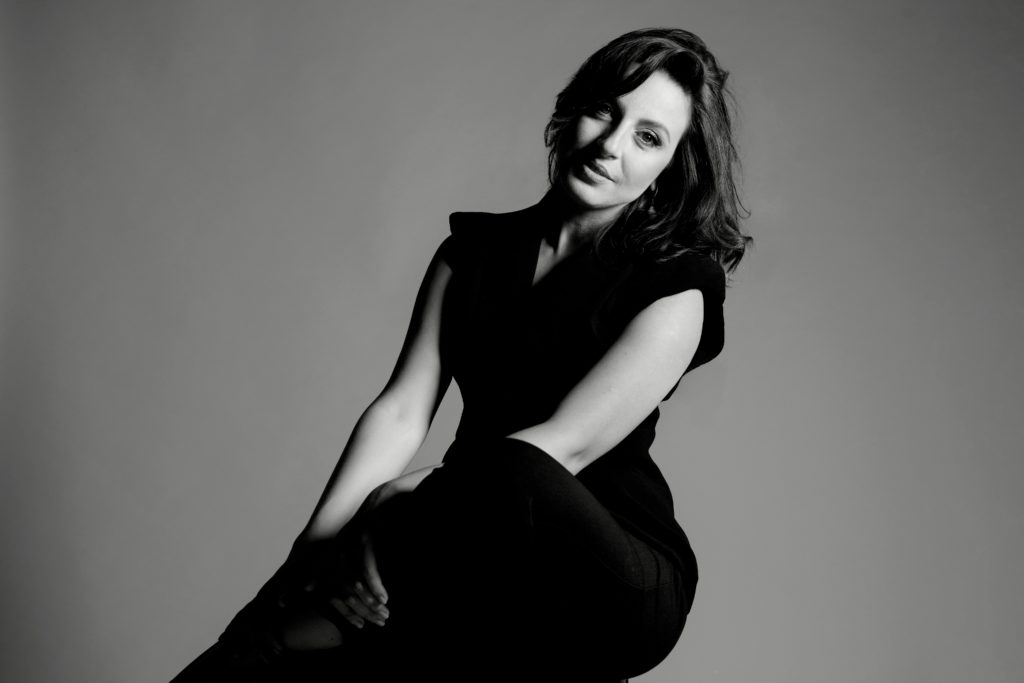
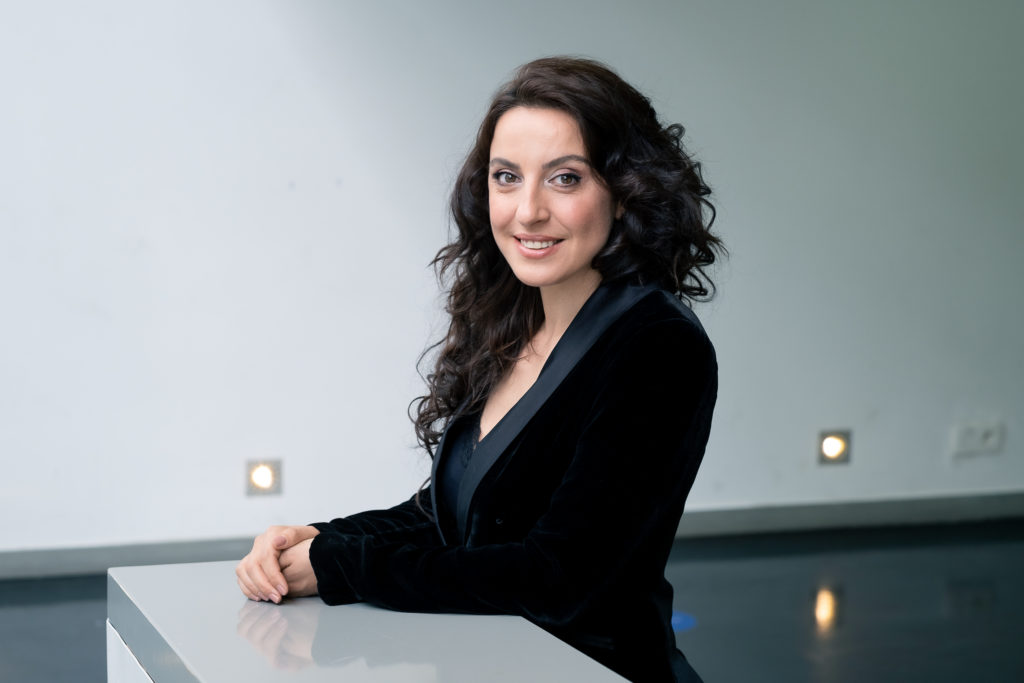
Ana Naqe, the famous and talented Albanian-Belgian soprano gave this exclusive interview for “Dielli” newspaper, Organ of the Pan-Albanian Federation of America VATRA, New York. Ana Naqe was interviewed by the editor of ‟Dielli” newspaper, Sokol Paja.
CHARITY CONCERT DEVELOPED IN BELGIUM AS A HELP FOR CHILDREN IN ALBANIA
This is a charity concert. The idea behind it started during covid period. Iliriana Gjoni approached me and asked if I wanted to participate in a charity concert to help kids in Albania for school supplies. We met in Brussels and Iliriana together with Eugene Gjoni talked about the idea that we should do something for our country. When covid came even more, the kids at home could not follow lessons online. That’s why came the idea to make a concert that would promote Albanian artists and will help kids with their education. For this series of events, there are 2 main targets, promotion of Albanian artists and help the education of the kids. We did it all together united. Iliriana, Eugene, Aulon Naci the composer who selected the artists, as well as brought his own compositions, Ledja Canaj, Radio Jehona in Bruksel, Maison Culturelle Belgo Albanaise, Sakip Skepi etj.
NEW ACTIVITIES AS AN OPPORTUNITY TO DISCOVER AND SUPPORT TALENTS
We started with classic music concerts but it’s not only that. In the coming months and years, we will try to organize more events, with different artists, from different artistic worlds, such as actors, painters, sculptors, singers, producers and many more. All of the arts possible as the Albania has a lot to show, way more from what is promoted right now.
ALBANIA IN SUPPORT OF TALENTS AND THE NEED FOR ABSOLUTE ATTENTION TO THE YOUNGER GENERATION
Personally I wouldn’t say a lot. I believe there is a lot to be done and there are a lot of great artists that should be helped and promoted. It is indeed very important that in the coming days, the state should really help the artists and especially the young generation by giving them the opportunities that they need, to create and to do what they know better, make art.
ARTISTIC MESSAGE OF THE CHARITY CONCERT
Art unites, creates and helps the one in need!
EVENTS THAT HAVE TAKEN PLACE IN BELGIUM AND CONCERTS FOR CHILD SUPPORT
For local kids, I do and did see many events. For kids in Antwerpen I participated in Koca events in 2018-2019 and raised myself quite some money by offering a few solo concerts. For Albania earthquake as well in 2019 we raised 22.000 euro and helped a few families and children. There are many poor kids in Albania and Kosovo who need help and that’s why, these sorts of events are needed!
ANA NAQE, THE FAMOUS AND TALENTED ALBANIAN-BELGIAN SOPRANO
Ana Naqe, Albanian-Belgian soprano began by studying the violin at a very young age and studied at the University of Tirana (Albania). She then studied singing at the Royal Conservatory of Amsterdam (International Masterclass for two years of “Lied” in German and French), at the Superior Conservatory of Music of Granada (XXII Jornadas Internacionales de Interpretación Musical), she obtained a Master in violin and singing at the Royal Superior Conservatory of Brussels and Louvain, Belgium.
She has performed on the stages of theaters and operas around the world such as: the Opéra Royal de la Monnaie – De Munt (Brussels), the Grand Théâtre du Luxembourg, the Teatro Solis in Montevideo, the Flemish Opera in Antwerp and Ghent, the Royal Opera of Wallonia-Liège, the Flemish Royal Theater (KVS) in Brussels, the Théâtre du Châtelet in Paris but also Operadagen Rotterdam, International Festival Belluard Bollwerk Lausanne in Switzerland, Concert Hall Amsterdam, Belgian National Orchestra, Brussels Philharmonic Orchestra, Beaux-Arts in Brussels, Festival de la Chaise-Dieu in France, Concertgebouw in Bruges, ‘t Kuipke in Ghent, Orchester La Passione, LOD, Transparant, Ensemble Spectra, Ensemble Haftcraft.
Very eclectic artist and excellent musician and actress, she is as comfortable in opera and operetta, as in the repertoire of oratorio, religious music and contemporary music.
Last season, Ana took over the role of Dulcinea/Aldonza in L’homme de la Mancha (Wasserman, Leigh, Darion) at the Théâtre du Châtelet.
She plays the title role in Lucia di Lammermoor (Donizetti) in the play “Bovary”, written by Michael De Cock and directed by Carmen Portacelli (artistic director of the Teatro Nacional de Catalunya), based on the novel by Gustave Flaubert. She is accompanied by the Symphonique Orchestra of Théâtre de la Monnaie, conducted by Ouri Bronchti and on tour in Belgium in 2022 and Spain, Madrid, Barcelona and France – Reims in 2023.
During the covid crisis, the filmmaker Jaco Van Dormael (Toto the hero, the eighth day, The brand new testament) produced a filmed version of the play and Ana performed several plays in it (broadcast by Belgian national television) who also won awards at Film Festival Oostende in Belgium and International Film Festival in Milan in 2022.
This season she will perform “Demeter Calling”, a contemporary play by Sanja Mitrovic programmed by the Flemish National Theater (KVS), the premiere of which will then tour through Belgium and Europe.
In 2024 she will perform in “Hannibal” Contemporary opera at the Opera Vlaanderen in Antwerpen and Ghent in Belgium.
In 2025 Ana will perform the leading role Emma Bovary in the opera Bovary at Théâtre Royal de la Monnaie in Brussels .
Ana will sing in 9 performances for 70.000 people with a new composition by Kevin Houben ,conducted by Kevin Houben with a symphonic orchestra in July 2022 for Tomorrowland in Belgium.
Recently, Ana was hailed by critics for her dramatic role as Klara Friis, lead role in the opera “We the drowned” “We, the drowned”, text by Carsten Jensen, music by Peter Spaepen, at the Oerol Festival in the Netherlands. Bas and at the Marstal Festival in Denmark.
In 2018-2019-2020-2021, she performed the role of Dulcinea/Aldonza in L’homme de la Mancha (Wasserman, Leigh, Darion) under the direction of Michael De Cock / Junior Mthombeni and Bassem Akiki, a KVS and Opéra Royal co-production by La Monnaie in Brussels followed by a tour of Belgium. The production is repeated at the Espanol Theater in Madrid and at the Fidae Festival of the Solis Theater in Montevideo (Uruguay).
On the occasion of the dance performance Tabula Rasa by Isabelle Beernaert, Ana also performs several times at the Carré Theater in Amsterdam with the Orchester La Passione under the direction of Kevin Houben.
She sang with the Haftcraft ensemble in Estonia at the Glasperlenspiel Festival in Tartu and in China in several opera houses as well as at the Beaux-Arts in Brussels and toured in Belgium.
2022
Prof. Dr. Romeo Gurakuqi/
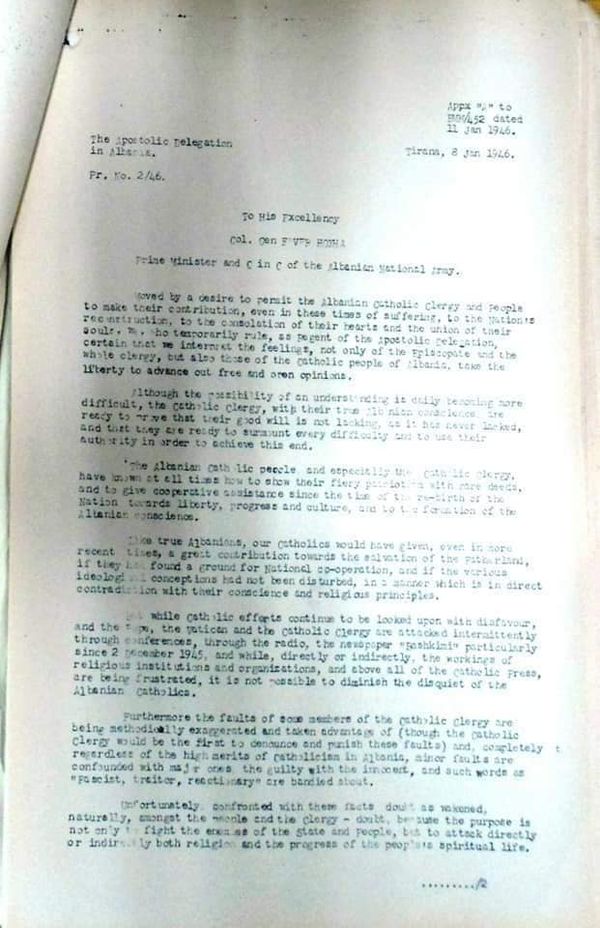
Letra e transkiptuar e Regjentit të Delegacionit Apostolik në Shqipëri, Imzot Frano Gjini, drejtuar Enver Hoxhës, qe ushtronte funksionet e Kryeministrit te Qeverise se Perkoheshme dhe Komandantit te Pergjithshem te Forcave te Armatosura, qe kishin marre pushtetin pas vakumit institucional te fundvitit 1944.
Letra, qe ne fakt eshte nje proteste per shkeljen e te gjjtha standardeve te te drejtave njerezore, komunitare dhe kombetare, eshte derguar nga Selia e Nunciatures Apostolike ne Shkodër, me, 8 janar 1946.
Permbajtja e kesaj letre eshte shembull i kurajos dhe pergjegjesise ndaj detyres se marre persiper, ndaj popullit, komunitetit dhe kombit, ne ditet me erreta te vendosjes se regjimit te terrorit ne Shqiperi.
Letra eshte gjetur ne The National Archives ne Kew, London, UK, ne dy dosje:
FO.371/58489
dhe
WO 178/75
“The Apostolic Delegation in Albania. Tirana, 8 Jan 1946.
To His Excellency Col.Gen. Enver Hoxha, Prime Minister and C and C of Albanian National Army.
Moved by a desire to permit the Albanian Catholic Clergy and People to make their contribution, even in these times of suffering, to the Nation’s reconstruction, to the consolidation of their hearts and the union of their Souls, We, who temporarily rule, as Regent of the Apostolic Delegation, certain that we interpret the feelings, not only of the Episcopate and whole clergy, but also those of the Catholic people of Albania, take the liberty to advance our free and open opinions.
Although the possibility of an understanding is daily becoming more difficult, the Catholic Clergy, with their true Albanian conscience, are ready to prove that their good will is not lacking, as it has never lacked, and that they are ready to surmount every difficulty and to use their authority in order to achieve this end.
The Albanian Catholic people and especially the Catholic Clergy have known at all times how to show their fiery patriotism with rare deeds, and to give cooperative assistance since the time of the re-birth of the Nations towards liberty, progress and culture, and to the formation of the Albanian conscience.
Like true Albanians, our Catholics would have given, even in more recent times, a great contribution towards the salvation of the Fatherland, if they had found a ground for National co-operation, and if the various ideological conceptions had not been disturbed, in manner which is in direct contradiction with their conscience and religious principles.
But while Catholics efforts continue to be looked upon with disfavour, and the Pope, The Vatican and the Catholic Clergy are attacked intermittently through conferences, through the radio, the newspaper “Bashkimi”, particularly since 2 December 1945, and while, directly of indirectly, the workings of religious and organizations, and above all of the Catholic Press, are being frustrated, it is not possible to diminish the disquiet of the Albanian Catholics.
Furthermore the faults of some members of the Catholic Clergy are being methodically exaggerated and taken advantage of (though the Catholic Clergy would be the first to denounce and punish these faults) and, completely regardles of the high merits of Catholicism in Albania, minor faults are confounded with major ones the guilty with the innocent, and such words as “Fascist, traitor, reactionary” are bandied about.
Unfortunately, confronted with these facts doubts as wakened naturally, amongst the people and the clergy- doubt, because the purpose is not only to fight the enemies of the State and People, but to attack directly or indirectly both religion and the progress of the people’s spiritual life. The Catholic Clergy and people, have the right to complain and to protest when they see that one side enjoys the rights, assistance and means for attack and propaganda and the other side has no freedom (guaranteed physically and morally by the authorities of the State, without fear of danger and suppression), to protect itself.
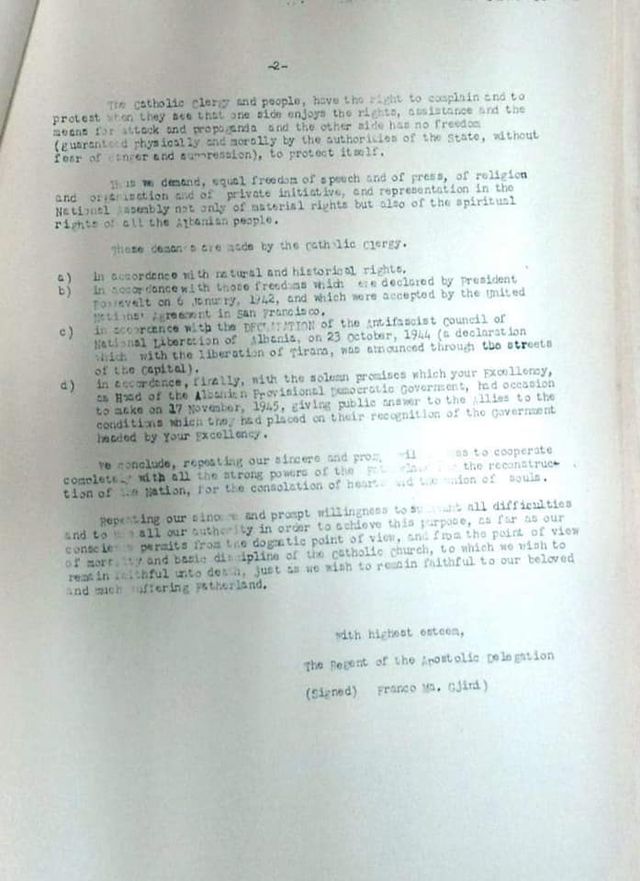
Thus we demand, equal freedom of speech and of press, of religion and organization and of private initiative, and representation in the National Assembly not only of material rights but also of the spiritual rights of all the Albanian people.
These demands are made by the Catholic Clergy:
a) in accordance with natural and historical rights.
b) in accordance with those freedoms which are declared by President Roosevelt on 6 January 1942, and which were accepted by the United Nations’s Agreement in San Francisco.
c) in accordance with the DECLARATION of the Antifaschist Council of National Liberation of Albania, on 23 October, 1944 (a declaration which with the liberation of Tirana, was announced through the streets of the Capital).
d) in accordance, finally, with the solemn promises which your Excellency, as Head of the Albanian Provisional Democratic Government, had occasion to make on 17 November, 1945, giving public answer to the Allies to the conditions which they had placed on their recognition of the Government headed by Your Excellency.
We conclude, repeating our sincere and prompt willingness to cooperate completely with all the strong powers of the Fatherland for the reconstruction of the Nations, for the consolidation of hearts and the union of souls.
Repenting our sincere and prompt willingness to surmount all difficulties and to use all our authority in order to achieve this purpose, as far as our conscience permits from the dogmatic point of view, and from the point of view of morality and basic discipline of the Catholic Church, to which we wish to remain faithful unto death, just as we wish to remain faithful to our beloved and much suffering Fatherland.
With highest esteem,
The Regent of the Apostolic Delegation, (signed) Frano Ma. Gjini.”