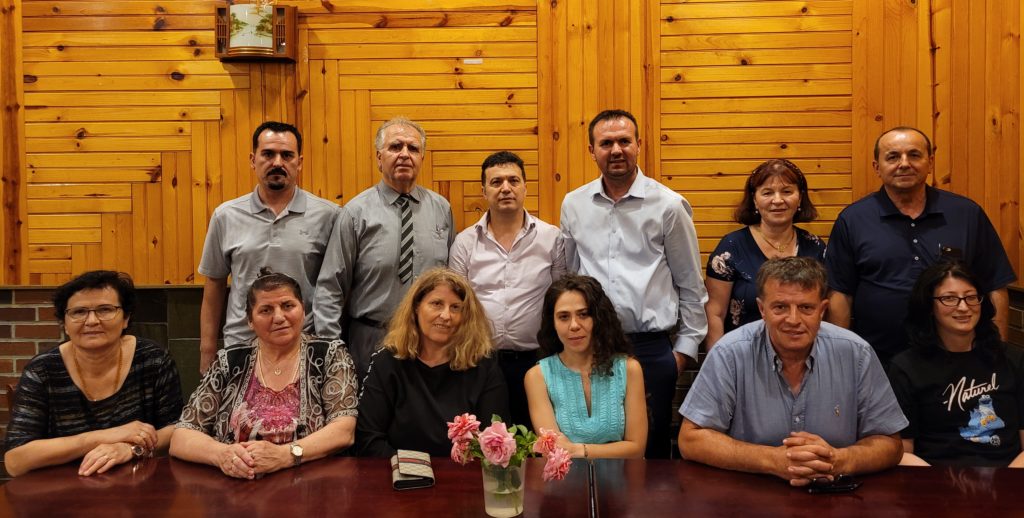
New York më 18 Korrik 2021 krijohet dega më e re e Vatrës në Ridgewood – New York. Takimi i themelimit të degës u prit me shumë entuziazëm nga të pranishmit. Kjo degë u themelua në kuadër të themelimit të degëve të reja që pritet së shpejti ti shtohen Vatrës si një mundësi kontributi, vlerash, bashkimi dhe organizimi në dobi të çështjes kombëtare. Nënkryetari i Vatrës z.Besim Malota përcolli mesazhin e kryetarit të Vatrës z.Elmi Berisha që dega e re dhe degët që do të krijohen në vazhdim, të funksionojnë në bazë të respektit reciprok, bashkëpunimit, etikës, vëllazërisë, frymës së Vatrës, frymës së kombit, vlerave e trashëgimisë së shkëlqyer të popullit e kombit tonë. Dega e Ridgewood – New York përbëhet nga: Bashkim Musabelliu, Xhadi Gjana, Ylli Dosku, Monda Hamitaj, Xhelal Smalaj, Ramazan Rragami, Femi Smalaj, Fari Shqarri, Abdyl Koprencka, Tatjana Gjana, Edmir Hameli, Anila Hameli, Pertef Pelenku, Vangjeli Bicolli, Vangjo Bicolli, Zoica Shehu, Haxhire Shuka, Tefta Çela, Merushe Mala, Bexhet Mala, Nazmie Lulo, Kadri Lulo, Dezi Rrezhda, Nexhip Rrezhda, Mirsa Hysa, Vali Gruda, Hysen Sejdini, Andis Shehu dhe Jovan Bicoli. Anëtarët nismëtarë të themelimit të degës janë: Bashkim Musabelliu, Xhadi Gjana, Ylli Dosku dhe Monda Hamitaj të cilët do kryejnë funksionin e drejtimit të degës deri në zgjedhjet e përgjithshme të degës para Kuvendit Kombëtar të Vatrës vitin e ardhshëm. Në fjalën e hapjes, z.Bashkim Musabelliu kryetar i grupit nismëtar të themelimit u shpreh se kjo degë do të bashkojë rreth vetes ekspertët, patriotët dhe veprimtarët më të dalluar të komunitetit shqiptar në mënyrë që të jemi një skuadër e bashkuar vlerash, intelektualësh dhe kontributorësh. Në këtë ditë të veçantë themelimi ishte i pranishëm edhe kryetari i degës së Vatrës në New Jersey z.Adem Malellari dhe Justin Bajrami nga dega e Vatrës në Hudson Valley. Takimi u përmbyll vëllazërisht me optimizmin e rritjes së anëtarësisë dhe të angazhimit të patriotëve në veprimtaritë kombëtare, publike dhe patriotike. (S.PAJA – DIELLI)
Archives for July 2021
‘It’s terrifying’: Merkel shaken as flood deaths rise to 188 in Europe

‘It’s terrifying’: Merkel shaken as flood deaths rise to 188 in Europe/
German death toll climbs to 157/
Bavaria becomes latest region to be hit by floods/
No time to prepare, district administrator says/
Belgian fatalities reach 31, rescue workers continue clean-up /
BERCHTESGADEN/BISCHOFSWIESEN, Germany, July 18 (Reuters) – German Chancellor Angela Merkel described the flooding that has devastated parts of Europe as “terrifying” on Sunday after the death toll across the region rose to 188 and a district of Bavaria was battered by the extreme weather.
Merkel promised swift financial aid after visiting one of the areas worst affected by the record rainfall and floods that have killed at least 157 in Germany alone in recent days, in the country’s worst natural disaster in almost six decades.
She also said governments would have to get better and faster in their efforts to tackle the impact of climate change only days after Europe outlined a package of steps towards “net zero” emissions by the middle of the century. read more
“It is terrifying,” she told residents of the small town of Adenau in the state of Rhineland-Palatinate. “The German language can barely describe the devastation that’s taken place.”
As efforts continued to track down missing people, the devastation continued on Sunday when a district of Bavaria, southern Germany, was hit by flash floods that killed at least one person.
Roads were turned into rivers, some vehicles were swept away and swathes of land buried under thick mud in Berchtesgadener Land. Hundreds of rescue workers were searching for survivors in the district, which borders Austria.
“We were not prepared for this,” said Berchtesgadener Land district administrator Bernhard Kern, adding that the situation had deteriorated “drastically” late on Saturday, leaving little time for emergency services to act.
About 110 people have been killed in the worst-hit Ahrweiler district south of Cologne. More bodies are expected to be found there as the flood waters recede, police say. he European floods, which began on Wednesday, have mainly hit the German states of Rhineland Palatinate, North Rhine-Westphalia as well as parts of Belgium. Entire communities have been cut off, without power or communications.
In North Rhine-Westphalia at least 46 people have died. The death toll in Belgium climbed to 31 on Sunday.
AID UP, POWER DOWN
The scale of the floods mean they could shake up Germany’s general election in September next year.
North Rhine-Westphalia state premier Armin Laschet, the CDU party’s candidate to replace Merkel, apologised for laughing in the background while German President Frank-Walter Steinmeier spoke to media after visiting the devastated town of Erftstadt.
The German government will be readying more than 300 million euros ($354 million) in immediate relief and billions of euros to fix collapsed houses, streets and bridges, Finance Minister Olaf Scholz told weekly newspaper Bild am Sonntag.
“There is huge damage and that much is clear: those who lost their businesses, their houses, cannot stem the losses alone.”
There could also be a 10,000 euro short-term payment for businesses affected by the impact of the floods as well as the COVID-19 pandemic, Economy Minister Peter Altmaier told the paper.
Scientists, who have long said that climate change will lead to heavier downpours, said it would still take several weeks to determine its role in these relentless rainfalls. read more
Belgian Prime Minister Alexander De Croo said the link with climate change was clear.
In Belgium, which will hold a national day of mourning on Tuesday, 163 people are still missing or unreachable. The crisis centre said water levels were falling and a huge clean-up operation was underway. The military was sent in to the eastern town of Pepinster, where a dozen buildings have collapsed, to search for any further victims.
About 37,0000 households were without electricity and Belgian authorities said the supply of clean drinking water was also a major concern.
BRIDGES BATTERED
Emergency services officials in the Netherlands said the situation had somewhat stabilised in the southern part of Limburg province, where tens of thousands were evacuated in recent days, although the northern part was still on high alert.
“In the north they are tensely monitoring the dykes and whether they will hold,” Jos Teeuwen of the regional water authority told a press conference on Sunday.
In southern Limburg, authorities are still concerned about the safety of traffic infrastructure such as roads and bridges battered by the high water.
The Netherlands has so far only reported property damage from the flooding and no dead or missing people.
In Hallein, an Austrian town near Salzburg, powerful flood waters tore through the town centre on Saturday evening as the Kothbach river burst its banks, but no injuries were reported.
Many areas of Salzburg province and neighbouring provinces remain on alert, with rains set to continue on Sunday. Western Tyrol province reported that water levels in some areas were at highs not seen for more than 30 years.
Parts of Switzerland remained on flood alert, though the threat posed by some of the most at-risk bodies of water like Lake Lucerne and Bern’s Aare river has eased.(Reuters)
KOSOVO’S KLECKA WAR CRIMES TRIALWAS NO JOKE
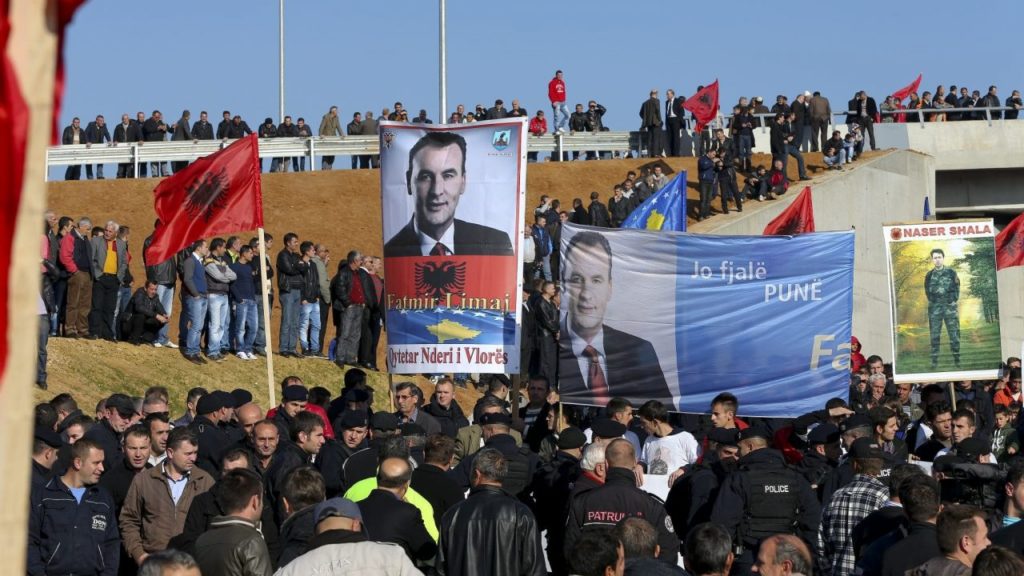
A former EU rule-of-law mission chief judge was wrong to claim that the case against Kosovo guerrillas accused of abusing prisoners at the wartime Klecka jail was weak, writes judge Dean B. Pineles, who served on the trial panel.
BY DEAN B. PINELES-WASHINGTON DC*-BIRN/
On July 12, judge Malcolm Simmons, who was the president of the Assembly of Judges for the EU’s rule of law mission in Kosovo, EULEX, from 2014 to 2017, presented testimony by video link before a committee of the Kosovo Assembly in which he made a series of serious allegations against EULEX, including politicisation of criminal trials under the mission’s jurisdiction.
I served as an American international criminal judge with EULEX for 28 months, from February 2011 through May 2013. I was also a member of the trial panel on the first Klecka war crimes case from 2011-12 (and the first Medicus case from 2011-13), and I wish to respond to judge Simmons’s highly incorrect comments about Klecka for the sake of historical accuracy.First, let me say that before judge Simmons was elevated to the presidency of the Assembly of Judges, he was also serving in the same capacity as an international criminal judge from the United Kingdom. I sat with him on the trial panel in a murder case in Prizren in 2011, and found his participation to be highly professional.
I never worked with him again on another case, but we were both members of the relatively small cadre of international judges, and I would consider him a friend.
I have no personal knowledge about his allegations against EULEX, and will leave him to his proof. But I do wish to challenge his characterisation of the Klecka case, which was one of the most high-profile cases prosecuted by EULEX. In the YouTube video of his presentation, he makes several sweeping statements which are completely contrary to my experience with the case.
Simmons says that the case never should have gone to trial because the evidence was so weak; that no country in the world would proceed with such a case; that there was little chance of success; and that in the United Kingdom, the case would have been “laughed out of court”.
He also says that the case was politically motivated and, despite its weakness, was tried only because a conviction against Kosovo Liberation Army soldiers and commanders would support the EU-mediated dialogue between Pristina and Belgrade to normalise relations, a paramount goal of EULEX.
I disagree strongly with this characterisation. In my opinion, the case presented to the trial panel on which I sat was entirely worthy of a full trial, both legally and factually.
The Klecka case began in 2009 when Agim Zogaj, a former guard at the KLA’s Klecka prison camp in the late 1990s, went to the police and told them that he had kept a secret diary of the comings and goings of all the prisoners (Serbs and Albanian collaborators).
Zogaj alleged that prisoners’ treatment was inhumane, and that several of them had been executed on the orders of Fatmir Limaj, the camp commander, who went on to become a major political figure in Kosovo after the war.
Over time, Zogaj provided numerous additional statements to the police and prosecutor as they conducted their investigation, all of which were consistent. His statements concerning the executions, including the use of a scythe as a murder weapon, was corroborated by forensic evidence including exhumations.
There were also other witnesses and documents corroborating portions of Zogaj’s statements, although he was the only one who could identify the perpetrators.
In the summer of 2011, after the intensive investigation had been completed, but before the indictment was filed, the prosecutor made Zogaj available for examination under oath by the defence attorneys representing the ten individuals who were being investigated, including Limaj.
Zogaj was questioned over four days for a total of 19 hours and was asked over 1,000 questions. His answers were consistent with each other and with his prior statements, all of which had been provided to defence counsel.
The prosecutor then filed the indictment alleging various war crimes based on the above, and the indictment was independently confirmed by a EULEX judge, meaning that there was a legal and factual basis to proceed to trial.
Zogaj was then placed in the witness protection programme and was from then on known as Witness X. Tragically, he committed suicide by hanging in Germany shortly before the trial was scheduled to begin in November 2011.
He was under immense pressure from both the prosecution and the defence, and was desperate to find a way out to protect his family
I was a member of the trial panel, along with the presiding judge from the United Kingdom (not judge Simmons) and a Kosovo judge.
As the trial commenced, the court had to decide whether Zogaj’s statements, sworn testimony and diary were admissible in evidence now that he was unavailable as a witness.
Under the applicable law, this depended on whether defence counsel had been given an adequate opportunity to confront and question him before he died. There was no automatically correct answer under the law, and Zogaj’s mere unavailability did not necessarily decide the question.
This legal issue was the subject of intense debate during several heated sessions in the courtroom, which was packed with the defendants’ supporters; the tension was palpable. Indeed, the presiding judge and I had to travel back and forth to the courthouse in an armored vehicle.
The defence attorneys argued that the questioning was inadequate and that they would be denied the right to cross-examine Zogaj during the actual trial in light of all the other evidence that might be admitted, including defence evidence.
Dissenting opinion
Following the hearings on this legal issue, the three of us on the trial panel had to decide the outcome.
We debated the matter back and forth at length in our chambers. The presiding judge and the Kosovo judge were persuaded by the defence arguments and determined that Zogaj’s evidence was inadmissible.
They then voted to acquit the defendants, who could not be convicted without Zogaj’s evidence.
However, I was not persuaded and issued a 23-page dissenting opinion, dated March 26, 2012, as authorised under the code of criminal procedure.
My reasoning was not that the defendants were guilty, but that the evidence was admissible and was likewise sufficient to warrant a trial on its merits. My decision was supported by relevant case law from the European Court of Human Rights. The written decision was then placed in the court file, not to be disclosed except to the Supreme Court on appeal. (A copy is available here.)
At a subsequent hearing in the spring of 2012, the verdicts of acquittal were announced by the presiding judge to the jubilation of the defendants and the outrage of the prosecutor, who immediately appealed.
Then, significantly, in November 2012, the Supreme Court reversed the acquittals and remanded the case for a new trial, and in so doing, adopted much of the reasoning in my dissenting opinion. It also determined that Zogaj’s evidence was admissible.
The case was then retried, judge Simmons presiding, and the defendants were found not guilty. This verdict was ultimately upheld in another decision by the Supreme Court.
While I have no quarrel with this outcome, since it was based on a full examination of all the evidence at trial, not merely on a pre-trial evaluation, it does not negate the fact that the original indictment had clear viability when it was originally presented to the trial panel as determined by the first decision of the Supreme Court. It was hardly “laughable”.
While I can’t address judge Simmons’ motives in making these outlandish statements, it could be that he wishes to undermine the validity of the case in order to support his narrative that it was prosecuted only for political reasons and not because of its merit.
While I have no personal knowledge of the machinations of the EULEX officials who wanted a conviction in the case, either in Kosovo or Brussels, I can state unequivocally for myself that I was never subjected to pressure by anyone even though I was the one who voted to proceed with the trial.
This includes officials in the US embassy in Pristina, with whom I intentionally had virtually no contact during my tenure in Kosovo in order to remain totally independent.
Indeed, if I had been pressured for political reasons, I would have rejected it out of hand. And it is unlikely that the presiding judge and the Kosovo judge were pressured to convict, since they voted to acquit.
Judge Dean B. Pineles is a graduate of Brown University, Boston University Law School and the Kennedy School of Government at Harvard University. He served as an international judge with EULEX from 2011-13. In addition to Kosovo, he has extensive rule of law experience in Russia, Kazakhstan and Georgia, and is writing a book about his experiences in these countries.
*The opinions expressed are those of the author only and do not necessarily reflect the views of BIRN.
TROPOJA DHE GJEOGRAFIA E SAJ PËRBUZËSE
Shkruan: Sami Mulaj
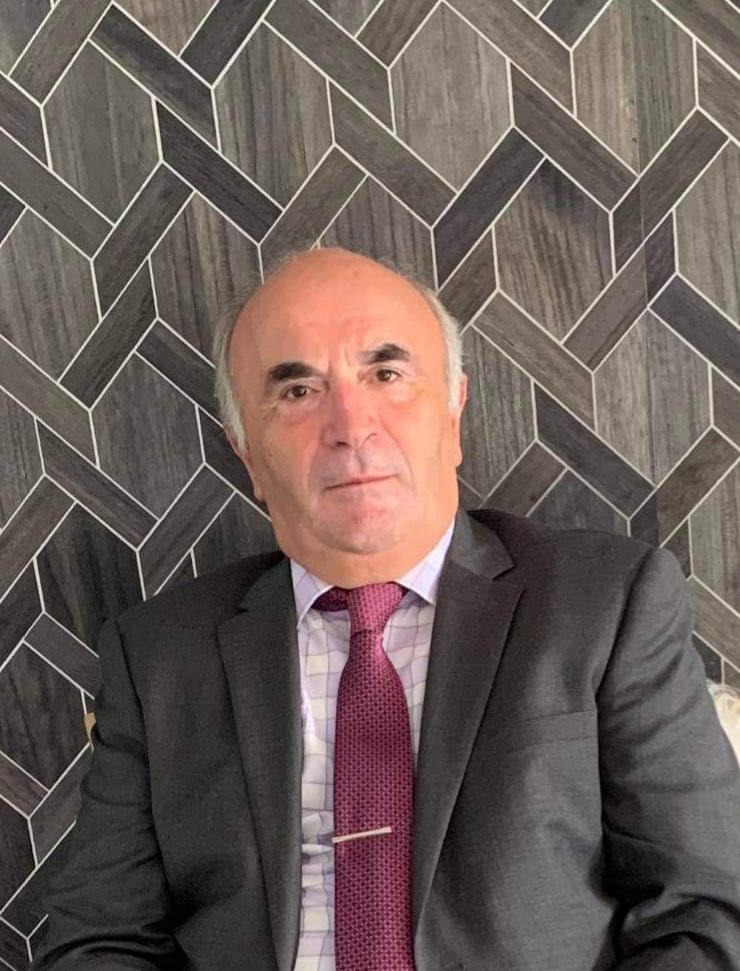
Në mes të alpeve, zemra e Dardanisë së djeshme, Tropoja e sotme a Malësia e Gjakovës, siç edhe e kanë quajtur në mot, e të shumtë janë ata që e thërrasin edhe sot, është e “ dënuara “ e përhershme e gjeografisë së saj. Edhe pse Bukuria e Zotit, Tropoja me pozitën e saj gjeografike, është e përkëdhelur si rrallë kush tjetër, me Bjeshkë përrallore plot freski e gjelbërim, me pasuri të pamatshme bimore, drunore, ujore e nëntokësore dhe me një luginë pjellore të begatë ( ku Robin Hud i vërtetë mund të gjejë bukën në Lis), gjeografia e saj politike ka më se një shekull që e torturon. Edhe pse Tropoja, a Malësia e Gjakovës, në mbijetesën e Kombit tonë, si djep qëndrese me prijësa madhorë kombëtarë që nga Binak Alia, Mic Sokoli, Haxhi Zeka, Bajram Curri, Hasan Prishtina, Azem Hajdari e deri tek Tahir Sinani, i dha shumë Shqipërisë edhe Kosovës, ajo me gjeografinë e saj mbeti dhe është jetime. Skaji Verilindor u emërtua nga gjuha e ditës në Shqipëri për rreth 100 vjet?! E skajshëm i erdhën të gjitha “shpërblimet” nga shtet pushteti shqiptar. Vetëm mos zhvillimi e varfëria nuk i mungoi kurrë. Krahasimet e turpshme në Republikën e Shqipërisë nisnin me Tropojën, si me nivelin Zero të detit, për gjithçka. Në pasqyra e grafikëe, gjithnjë Tropoja e fundit. Sa e vlerësuar ishte Tropoja e tregojnë me pak fjalë edhe këta shembuj që nuk shlyhen kurrë nga kujtesa: A mos je nga Tropoja, pyeteshin verioret kryeneç. Dil ti Tropoja në dërrasën e zezë, pyeteshin nxënësit e studentët tropojan në shkolla. Aspak interes nga mësuesit a pedagogët t’ju mësonin emrin?! Shumë ju shqiptonin emrat në mënyrë të përçudnuar, e jo vetëm në shkolla por kudo. Puno mirë, ose sillu mirë se do të çojme në Tropojë, ishte refreni i ditës i pushtetit monist kundër punonjësve e kuadrove, kudo në Shqipëri. Janë këta shembuj të tmerrshëm për të pohuar se pushtet shteti shqiptar e ka pranuar Tropojën si mish të huaj. E në anën tjetër të Kufirit?! Kosova, edhe ajo e leshoi krejtë lehtë atë cop truall të artë të saj. Edhe atje, ftohje e harresë gati shekullore për Malesinë e Gjakovës. Në Shqipëri i ndryshojnë emrin, heshtje në Kosovë( nuk ka lënë Jugosllavia?!) Është justifikim qesharak! Edhe atje në Kosovë, me gisht tregues prej Tropoje, pa ju përmend emrin: -të ardhurve nga Tropoja ju thërrisnin ose malësorë ose emigrantë ose ata prej Shqipërie a ata përtej kufirit. E pas rënies së diktaturës është e pa imagjinueshme trajtimi i Tropojës nga dy shtet pushtetet shqiptare. Në asnjë vend të botës, po e përsëris, se në asnjë vend të Globit nuk mund të ketë një rast që qytetarët e një shteti për të shkuar në shtetin e vet a kryeqendrën e shtetit të vet, të kalojnë katër herë ( vajtje- ardhje) në dy pika kufitare dhe në të shumten e rasteve të kontrollohen tetë herë nga doganjerët! Kjo ju ndodh vetëm tropojasve çdo ditë e çdo natë, në doganën e Morinës të Punashecit për të hyrë në Kosovë dhe në doganën e Morinës të Kukësit për të dalë nga Kosova e për të hyrë në Shqipëri. E Tirana zyrtare e vlerëson luks e turizëm kulturor udhëtimin e tropojasve nëpër Kosovë për të parë Gjakovën e Prizrenin ( tropojasit e kanë detyrim jetësor të përditshëm të shkojnë në shtetin e vet, për spitale, shkolla e për punë ). Për tropojasit qënka luks një udhëtim i tmerrshëm për të shkuar në shtetin e vet, ( nëpër dy dogana e 8 kontrolle ) dhe është luks për të mbajtur pasaportën si hajmali në gji për më shumë se 100 vjet. E tropojasit mburren me Shqiptarinë, janë edhe kosovarë, janë edhe shqiptarë. Në vend që Tropoja të trajtohej mirë nga dy shtetet shqiptare, si një qingj me dy nana, ajo ka mbetur jetime, si midis dy njerkave. Pa Tropojën e tropojasit do të kishte shumë më pak Kosovë, në atë regjimin e djeshëm sllavo komunist, ku Kosovës i lihej 30 minuta kohë në javë në televizionin shtetëror shqiptar ( vetëm muzikë nga grupe amatore gati të panjohura në Kosovë). Dhe pa Tropojën, muzen e saj, pa këngën, vallen e rapsodinë dardane të tropojasve e zemrën e zhuritur të saj, për Kosovën do të kishte më pak Shqipëri në Kosovë. Është kjo lidhje zemre e Tropojës me Shqipërinë e Kosovën që kudo ku flitet e jetohet shqip Tropoja është e pranishme, frymon e ritmon Tropojë kudo në gëzimet familjare e deri në çdo organizim komuniteti në Jug e Veri, Kosovë, Shqipëri a Diasporë. Porse gjeografia e saj politike mbetet plagë shekullore. Tropoja rënkon e thërret për çdo ditë. Ajo fton dy shtetet shqiptare për të bërë MiniShengenin shqiptar e ti lënë qytetarët e saj të lëvizin lirshëm si gjithë bota. Pa pretenduar se njoh magjinë e zgjidhjes, realisht pranoj vështirësitë. Janë politike, ekonomike e juridike porse me një angazhim të madh intelektual, e dashamirësi kombëtare edhe kjo plagë shqiptare shërohet. Tropojasit si kosovarë të Shqipërisë a si shqiptarë të Kosovës, e meritojnë, pse jo edhe një rrugë ose hekurudhë anës Drinit që të lidhet me Shkodrën. Kjo i bën mirë edhe Kosovës, krejt rrafshit të Dukagjinit. Tropojasit e meritojnë një treg të lirë e të lehtë me Kosovën. Tropojasit e meritojnë statusin e dy shtetësisë, pra edhe të Kosovës e të njihen si dhe të nxirren në Kosovë dokumentet personale, diplomat, lejet e profesioneve e patentat e ndryshme. Tropojasit e meritojnë shërbimin spitalor e shkollimin e fëmijëve edhe në Kosovë. Ata si qytetarë të lirë e meritojnë një jetë si të gjithë qytetarët e tjerë si në Shqipëri dhe Kosovë.
Marko Kepi deklaratë për mediat: Lobi grek frikë nga Çamëria


Marko Kepi, kandidati republikan për Këshillin e Bashkisë Nju Jork, në një deklaratë për mediat ka sqaruar opinionin publik rreth përplasjes në Komisionin e Numërimit të votave, padinë për racizëm dhe manipulim rezultatesh si pasojë e mos numërimit të votave shqiptare. Marko Kepi akuzon Georgia Kontzamanis, me pozicion Drejtoreshë e KQZ-së në Nju Jork e cila sipas Kepit ka provuar çdo mundësi brenda dhe jashtë ligjit që shqiptarëve në Staten Island Nju Jork mos t’u numërohen votat. Një sulm i drejtpërdrejtë ndaj Kepit së bashku me politikanë të tjerë grekë- amerikan kanë bërë të mundur mohimin e numërimit të votave të 370 shqiptarëve, e ndërsa politikanë shqiptarë në Nju Jork po heshtin. Georgia, sipas Marko Kepit është një aktiviste e Komunitetit Grek në Nju Jork dhe një nga Drejtueset e Parades Greke në Manhattan ku çdo vit marshojnë me parulla “Vorio Epiri” dhe propoganda të ndryshme. Një rast që vlen për t’u përmendur është kur Marko Kepi organizoi Paraden për Çamërinë në zemër të Nju-Jorkut, Georgia përdori pushtetin e saj brenda partisë së vetë asaj Republikane që Senatori Golden, t’a pushonte Kepin nga puna, nga zyra dhe ambientet e tij, ku Kepi për një kohë të gjatë ka qenë pjesë e stafit të Senator Marty Golden, por ky i fundit ka refuzuar në mënyrë kategorike të bëjë një veprim që i kërkohej patjetër për heqjen nga puna të Kepit. Në fushatën për Asamble që Kepi garoi kundër Michael Tannousis, ajo drejtoi fushatën e grekut kundra Kepit dhe bëri gjithçka që shqiptarët e sapo regjistruar për të votuar mos të kishin të drejtë vote në “primary” gjë që i kushtoi Kepit rreth 800 vota. Ndërsa këtë vit që matematikisht Kepi ka fituar, Georgia Kontzamanis ka ndaluar numërimin e 370 votave të shqiptarëve dhe KQZ i dha Kepit vetëm 7 ditë që ti kontaktojë 370 shqiptarë që të firmosnin formularin ku ato vërtetonin se kanë votuar dhe vota e tyre t’u numërohet. Për shkak të afatit të shkurtër kohor dhe shumë shqiptarë u gjenden në pushime, ekipi i Kepit siguroi 330 firma nga 370 që përsëri i siguronin Kepit fitoren me 130 vota plus. KQZ e Shtetit te Nju Jorkut dha urdhërin që çdo votë të numërohet me 15 Korrik. Kur filloi numërimi nga 156 zarfa që u hapen 155 vota ishin të Kepit. Në atë moment KQZ lokale Staten Island ndaloi numërimin e 175 votave që kishin mbetur dhe i quajti “të pa vlefshme”. Sot kundërshtari i Kepit është vetëm 41 vota përpara që e çon këtë garë sipas ligjit në gjygj dhe në rinumerim të çdo vote nga fillimi i procesit. E gjitha kjo lojë po bëhet që të përfitojë kundërshtari demokrat që Kepi të ketë sa më pak kohë të bëjë fushatë në garën gjenerale që cakton fituesin e Këshillit Bashkiak Qarku 50. Rinumërimi i votave fillon më 27 Korrik 2021 dhe seanca gjygjësore fillon më 9 Gusht 2021. Dita e votimeve gjenerale është më 2 Nëntor 2021- thuhet në deklaratën publike të kandidatit republikan Marko Kepi.
- « Previous Page
- 1
- …
- 14
- 15
- 16
- 17
- 18
- …
- 39
- Next Page »