• Home
  • Politics
  • Opinion
  • Culture
  • Sports
  • Economy
  • Interview
  • Reporting
  • Community
  • Vatra

Dielli | The Sun

Albanian American Newspaper Devoted to the Intellectual and Cultural Advancement of the Albanians in America | Since 1909

NJË VEPËR NDRYSHE PËR KRYETRIMIN SHQIPTAR

May 8, 2024 by s p

Prof. dr. Nusret Pllana

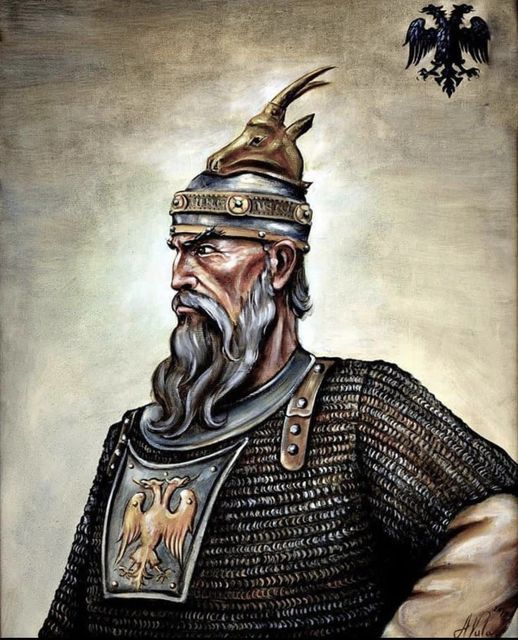
(Virgjil Kule, Gjergj Kastrioti Skënderbeu – Kryqtari i fundit, Tiranë, 2012).

(Paranteza e fillimit: Ju flet Televizioni Shqiptar i Tiranës! Po lexojmë pjesë nga shtypi i huaj për ngjarjet në Kosovë! Ky ishte zëri i folësit të dalluar, z. Virgjil Kule! Brezi im i shqiptarëve të Kosovës, në një mënyrë ose në një tjetër, mezi priste të dëgjonte zërin karakteristik të folësit të mirënjohur, Z. Virgjil Kule, duke lexuar pjesë të shkrimeve të shtypit të huaj, ku i jepej mbështetje morale rinisë së Kosovës. Por, në të njëjtën kohë, ky zë që vinte nga Tirana jonë, ishte e vetmja mbështetje në errësirën e madhe që kishte rënë mbi ne. Pjesëmarrës ose jo në Demonstratat e vitit 1981, të burgosur ose jo për shkak të atyre ngjarjeve, të shkolluar apo nxënës e studentë që sa bënin hapat e parë të dijes në Kosovën e robëruar, e cila me demonstratat e vitit 1981 hapi procesin e madh të shkatërrimit të atij shteti artificial të quajtur Jugosllavi, që të gjithë e kishin bërë të vetin këtë zë aq specifik, jo vetëm për të folurit e pastër të gjuhës shqipe, por edhe për ngjyrën shumë të veçantë të zërit, përmes të cilit jepte nuancat e gjithë përmasës së tragjedisë dhe të krenarisë sonë në ato ngjarje).

Hyrje

Vepra e publicistit, e studiuesit, e intelektualit të mirënjohur, njohës i disa gjuhëve të lashta dhe të reja botërore, Virgjil Kule, që i kushtohet kryetrimit tonë, Gjergj Kastiroti Skënderbeu-Kryqtari i fundit, është e një rëndësie të veçantë, jo vetëm për historiografinë shqiptare, por edhe për kulturën shqiptare në përgjithësi. Pse mund të thuhet kështu? Mund të thuhet për disa arsye, që lidhen me ndërtimin e kësaj vepre, por mund të thuhen edhe për disa arsye që dalin nga metodologjia shkencore e ndërtimit të kësaj vepre.

Autori e thotë, që në hyrje të veprës së tij, se cilën rrugë ka ndjekur për të thënë të pathënat e kohës së kryetrimit tonë, Gjergj Kastriotit Skënderbeut, të cilat ose janë thënë sipërfaqësisht, ose janë lexuar një anshëm, apo edhe janë heshtur nga studiues të huaj e shqiptarë.

Përkundër faktit se vepra fillon që nga viti 1443 dhe përfundon në vitin 1468, që është viti i vdekjes së Gjergj Kastriotit Skënderbeut, gjë që mund të krijojë përshtypjen se është një vepër e ndërtuar mbi parimin e kronologjisë historike. Por ajo nuk është e tillë. Nuk është kronikë historike për ngjarjet dhe për pjesëmarrjen e njerëzve në ato ngjarje. Në radhë të parë ajo është një trajtim dhe një shpalim i brendshëm, thënë kushtimisht, një shpalim shpirtëror, jo vetëm i ngjarjeve, i luftërave, i prapaskenave dhe skenave të atyre luftërave, nga ato që përgatiteshin në skenat botërore të atyre ngjarjeve, e deri te fërkimet e brendshme, por edhe i pjesëmarrësve në to, duke filluar nga kryetrimi ynë, e deri te ushtari i fundit që kishte rënë në betejat e luftimeve.

Skenat dhe prapaskenat e jetës dhe bëmave të Skënderbeut

Autori Virgjil Kule, duke u marrë me luftërat 25 vjeçare që ka bërë populli shqiptar nën prijësin e tij të përmasave legjendare, bën të tij mendimin e thënë kaherë, që nga Makiaveli e këndej, që në hapje të veprës së tij, për t’ia sqaruar lexuesit ecurinë e projektit të tij shkencor për kohën e Gjergj Kastriotit Skënderbeut, për Mesjetën shqiptare, për lidhjet me Perëndimin dhe Lindjen, për kryqëzatat që në atë kohë ishin mundësi të pafundme të rregullimit të jetës së individëve dhe të shteteve, por edhe për prijësit e popujve që donin lirinë e vendit të tyre më shumë se gjithë favoret e tjera të kësaj jete. Prandaj, autori thotë: ‘se një lider që arrin të qëndrojë me sukses për 25 vjet në politikën aktive, nuk mund të jetë kurrë më shumë viktimë e situatave se sa krijues dhe manipulues i tyre, andaj kam rieskploruar në gjerësi dhe thellësi fondin e madh dokumentar mbi Skënderbeun’. Kurse lexuesi dhe studiuesi shqiptar, por edhe ai botëror e di se ky fond, është aq i gjerë dhe aq i thellë, sa vështirë të mjaftojë një jetë njeriu për t’u marrë me të. Fajet, mund t’i kenë shumë krijues, por ai Babagjyshi i Madh, që u ka treguar për mbijetesën tonë, gjithë kulturave evropiane, është padyshim Marin Barleti, biografi i parë i jetës dhe i bëmave të Gjergj Kastriotit Skënderbeut.

Virgjil Kule ia ka dalë të merret me të. Virgjil Kule ia ka dalë ta ‘rieskplorojë’, siç thotë vetë, si dhe të shpalojë, në mënyrë maestrale gjithë skenat dhe prapaskenat nëpër të cilat ishin zhvilluar ngjarjet e mëdha, nëpër të cilat i kishte prirë një populli, kryetrimi i atij populli, Gjergj Kastrioti Skënderbeu.

Do të thotë, prandaj, se Virgjl Kule është dashur të rieskplorojë gjithë këtë trashëgimi historiografike për ngjarjet e mëdha të Mesjetës Shqiptare, figurë qendrore e së cilës, doemos ishte Gjergj Kastrioti Skënderbeu dhe, së pari është dashur të përballet me Stërgjyshin e tij, Marin Barletin.

Një fakt është i pamohueshëm, se e gjithë historiografia skënderbegiane e përmasës evropiane është ndërtuar mbi veprën e Marin Barletit. Për këtë, mjaftojnë të shfletohen vetëm datat e përkthimit të veprës së Barletit në qendra të ndryshme të Evropës së kohës, që të shihen pastaj vitet e botimeve për figurën më të rëndësishme historike të asaj Evrope, siç ishte figura e Gjergj Kastriotit Skënderbeut-Kryqtarit të fundit.

Njëra nga çështjet interesante, qoftë edhe për njohuritë tona lidhur me këtë periudhë, janë padyshim përgatitjet, aspiratat, kërkimi i mundësive brenda përmasave ndërkombëtare të kohës, për shkëputjen e Gjergj Kastriotit nga Perandoria Osmane.

Rruga e ardhjes në Krujë e Kryqtarit të fundit

Po vinte viti 1443. Përgatitjet për kthimin e tij në Krujë, pra në Principatën e të atit, kishin filluar kaherë, vite më parë. Do të thotë, përveç asaj që dihet, se Gjergj Kastrioti – Skënderbeu ishte kthyer në vendin e tij, pas betejës së Nishit, prapaskenat e përgatitjes, marrëveshjet e bëra, qoftë me faktorin e jashtëm, siç ishin hungarezët e Huniadit, të cilët ishin forca kryesore në atë front luftimesh kundër Perandorisë Osmane, qoftë me atë të brendshëm, siç ishin princër dhe ushtarakë të shumtë shqiptarë, duke filluar nga Hamza Kastrioti, e deri te Lekë Dukagjini, tashti i mësojmë ndryshe, edhe nga ato që ka thënë Marin Barleti. Sepse këtu janë shpaluar, mbi bazë faktesh dhe të dhënash nga shumë burime arkivore historike dhe publicistike, se ç’rrugë është ndjekur për t’u realizuar ardhja e tij në atdhe, pa pasoja dhe pa pengesa.

Nga ky moment e tutje, deri në vitin 1468, që është viti i vdekjes së kryetrimit tonë, i cili për njëzet e pesë vjet u bëri ballë gjithë atyre mësymjeve dhe tërë asaj hordhie ushtarake osmane, janë shqyrtuar me radhë të gjithë vitet e ekzistencës së qëndresës shqiptare, jo vetëm për ta dëshmuar praninë e tyre në këto hapësira, por edhe për faktorizimin e tyre në planin evropian të asaj kohe. Ngase ndryshe, si do të ishte e mundur që një princ shqiptar, i kthyer në pronat e të atit, të bëhej kryqtari më i rëndësishëm i asaj kohe. Mirëpo, në anën tjetër ky princ shqiptar, kishte arritur të organizonte një ushtri të mirëfilltë kundër forcave pushtuese osmane, por edhe kishte arritur, përveç të tjerash, të krijojë edhe Besëlidhjen e madhe në mes principatave shqiptare, pra i cili kishte vënë themelet e një shteti arbëror, thuajse i barasvlershëm me organizimin shtetëror të asaj kohe në gjithë Evropën.

Rëniet dhe ngritjet kishin qenë të shumta dhe të mëdha, jo vetëm në jetën personale të kryetrimit shqiptar, por edhe në jetën historike të vendit. Ndoshta për historinë 25 vjet qëndrese dhe luftërash të pandërprera nuk janë shumë, por për një vend që ishte në zgrip të ekzistencës fizike, këto 25 vjet ishin më shumë se shekuj. Të gjitha këto rënie dhe ngritje janë trajtuar me shumë kujdes, me shumë akribi në gjithë shtrirjen e ngjarjeve nëpër vite, që nga vitit 1443 e deri në vitin 1468, nga autori Virgjil Kule. Prandaj, vepra e tij, Gjergj Kastriotit Skënderbeu-Kryqtari i fundit, është specifike edhe në planin e organizimit të lëndës për këtë vepër, siç është specifike edhe për rishqyrtimin e shumë fakteve historike, qoftë nga autorë të huaj, qoftë nga ata vendor, duke filluar nga Marin Barleti, Frang Bardhi e deri te autorët tanë të Rilindjes Kombëtare, që e shndërruan figurën e tij, në prijësin legjendar të shqiptarëve.

Me këtë rast, le të më lejohet të sjellë edhe një fakt përfundimtar, për madhështinë e projektit të Skënderbeut, jo vetëm lidhur me mbrojtjen e lirisë së vendit të tij, por edhe të pengimit të depërtimit të Perandorisë Osmane në hapësirat evropiane, si dhe me mundësinë e marrëveshjes me Vatikanin lidhur me organizimin e ndonjë kryqëzate, së cilës do t’i printe kryetrimi ynë, gjë që dëshmohet edhe përmes ndihmës që Papa Pali II-të, ia kishte dërguar, të quhet një lloj ndihme. Në vitin 1467, pak ditë para vdekjes së Gjergj Kastriotit Skëndebeut, Pali II-të ia kishte dërguar 1. 100 dukat, fonde që duheshin kuptuar edhe si një vazhdimësi e realizimit të projekteve të kryetrimit tonë me bashkësinë evropiane të kohës.

Atëherë, po trokiste Viti i Ri 1468. Projekti i Skënderbeut kishte përsëri shanse të vazhdonte aty ku kishte ngecur, por me lëvizje politike që vetëm mendja e tij gjeniale mund t’i përpunonte në përputhje me situatat. Cilat mund të ishin ato? Përgjigjet mund të dalin vetëm nga një kuis interaktiv historik nga ata që, duke paraqitur rrethanat konkrete, u kërkojnë historianëve të japin variante mbi mënyrën se si mund të kishin vepruar figurat madhore politike të kohërave, në rast se vdekja e papritur nuk do t’i largonte nga kjo botë.

Një përmbyllje e këtillë e një vepre madhore, si kjo e intelektualit të mirënjohur, z. Virgjil Kule, Gjergj Kastrioti Skënderbeu-Kryqtari i fundit, mund të jetë e lejueshme vetëm për ato dije që kanë pretendimin se kanë shtjerrë përgjithësisht gjithë burimet, publike dhe arkivore lidhur me jetën, luftërat, bëmat, vendin dhe gjeninë politike të Kryetrimit të shqiptarëve.

Por, para se ta përfundojë, më lejoni që edhe një herë t’i kthehem një çështjeje shumë delikate edhe për kohën tonë, që dëshmon përpjekjet e kryetrimit tonë, jo vetëm lidhur me mbrojtjen e lirisë së vendit të tij, por edhe të pengimit të depërtimit të Perandorisë Osmane në hapësirat evropiane. Nëse për hapësirat evropiane nuk është shumë me rëndësi, prania e elementit të islamit reaksionar në hapësirat shqiptare është më shumë se shqetësues. I lëmë të gjitha anash, por e zëmë në gojë vetëm numrin e atyre shqiptarëve nga të gjitha hapësirat shqiptare, që shkuan për të luftuar për ISISIN, është jo vetëm shqetësuese, por në fakt është tragjike për identitetin tonë, edhe si kulturë perëndimore, edhe si kulturë kombëtare. Shihni sot hapësirat shqiptare, kudo, në Tiranë e në Prishtinë, në Shkup e në Preshevë, në fshatra e në qytete, praninë aq të madhe të të rinjve me mjekrra e me pantallona të shkurtra, të grave e vajzave mbuluar me xhihab, me burka e me lloj-lloj formash të veshjeve aziatike, thuajse mezi paskemi pritur që të vinte liria e Kosovës dhe sekush të zhvat nga kushdo që na afronte një mundësi për të jetuar ndryshe e për t’i kopjuar kulturat e huaja pa fije turpi.

Nuk është me rëndësi sa xhami e sa kisha janë ndërtuar në Kosovë për këto njëzet e pesë vjet pas Luftës së Lavdishme të Ushtrisë Çlirimtare të Kosovës, por është shumë me rëndësi prania e disa rrymave të përdorimit të islamit politik, për të cilat baballarët e gjyshërit tanë as që kishin dëgjuar ndonjëherë.

Sot, kur e kujtojmë ditëlindjen e gjeniut të mesjetës shqiptare, gjeneralit shqiptar, Gjergj Kastriotit Skënderbeut, që për më shumë se njëzet e pesë vjet i bëri ballë, fillikat vetëm, Perandorisë më të madhe të asaj kohe-Perandorisë Osmane, ne stërnipërit e tij, a mund t’i themi se jemi më shumë Evropë se Azi?!.

Qoftë edhe vetëm për këtë fakt, Rilindja jonë kombëtare, e ringjalli të madhin Skënderbe, për të ardhur në kohën tonë, edhe si mësim i madh se si ruhet identiteti kombëtar.

Përfundim

Autori i veprës Gjergj Kastrioti Skënderbeu-Kryqtari i fundit, me veprën e tij ka hapur shumë dilema. Dilema të natyrës historike, se a mund të argumentohen të gjitha veprimet e tij politike dhe ushtarake me burime arkivore të besueshme. Dilema politike, se a ishte koherent projekti i tij, pra a përputhej pa ngërçe historia e veprimit të tij me historinë e veprimit të tij politik e ushtarak, po ashtu të vërtetuar nga burimet historike.

Qoftë edhe vetëm për trajtimin dhe shqyrtimin e këtyre dilemave, që e përshkojnë fund e krye këtë vepër madhore të autorit Virgjil Kule, ajo, vepra pra, hap rrugë për këndvështrime të ndryshme, për lexime të ndryshme, si dhe për qasje e komentime të ndryshme. Kjo veti e veprave shkencore, kanë thënë të gjithë të diturit, është mirë për jetën e veprës.

Vepra e intelektualit të madh, z. Virgjil Kule e ka këtë cilësi.
Filed Under: Politike

Kumti i përkthimit në botën shqiptare

May 8, 2024 by s p

Dr. Dorian Koçi

In memoriam për Prof Skënder Luarasin

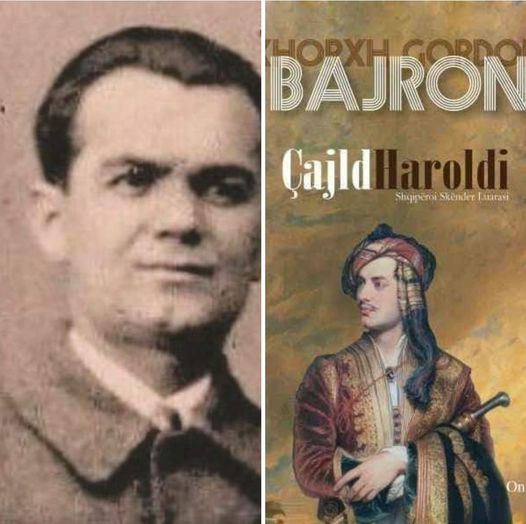
Për vite me radhë shqiptarët u ushqyen mendërisht dhe estetikisht me veprat e letërsisë klasike që sillnin një aromë tjetër në bregun e ashpër të Adriatikut që nuk kish njohur në masën e duhur ose aspak as Rilindjen Evropiane, as Iluminizëm as Revolucion Industrial. Në përpjekjen e tyre për tu përshtatur me një botë që kish ndryshuar dhe vazhdonte të ndryshonte me shpejtësi marramendëse që nga momenti që ata kishin dashur t’i bashkëngjiteshin, kishte çoroditje se kujtonin se kishin gjetur rrugën (koha më vonë e tregoi se s’qe ajo e duhura), kishte utopi se do ndërtonin diçka të re (bota kish vite që ndërtonte gjëra të tilla), kishte iluzion se do viheshin në ballë të botës (botës i ishin dashur shumë vjet për të qenë aty ku ishte) por kishte dhe etje për kulturë dhe këtu bota mund t’i ndihmonte. Në vitin 1955, Skënder Luarasi përfundoi përkthimin e poemës “Shtegtimet e Child Haroldit” të Lord Bajron, ku Kanto II rrëfen për udhëtimin në Shqipëri dhe Greqi në 1809. Një nga pjesët kryesore të Kanto II është takimi i Lord Bajronit alias Child Harold me Ali Pashë Tepelenën. Përshkrimin e këtij takimi e gjejmë dhe tek letra dërguar së ëmës në tetor 1809 nga Preveza. Mes të tjerash Lord Bajron shkruan se… Naltësia e tij është gjashtëdhjetë vjeç, shumë i ngjallur dhe jo shtatmadh, por ka një fytyrë të hijshme, sy të larmë, dhe mjekrën të bardhë, shumë i pritshëm dhe sillet me atë farë sedër që më duket se është veti e të gjithë turqve. Por karakterin e vërtetë e ka fare të ndryshëm nga ç’duket në fytyrë. Është tiran pa shpirt, i ngarkuar me mizoritë më të tmerrshme, shumë trim dhe aq gjeneral i mirë sa e quajnë Bonoparti muhamedan. Napoleoni dy herë i ishte zotuar ta bëjë mbret të Epirit, po atij i pëlqen më fort të mbetet me anglezët dhe i urren francezët, si më tha edhe vetë. E çmojnë aq shumë sa i bëjnë lajka dhe francezët dhe anglezët, meqenëse shqiptarët janë luftëtarët më të mirë të Sulltanit, ndonëse Aliu sa për sy e faqe varet nga Porta. Është luftëtar i fortë, por aq barbar sa edhe dorëmbarë, ata që ngrenë krye i pjek në hell, etj. Bonoparti i dërgoi një kuti duhani me pikturën e tij. Tha se kutia ishte e bukur, por sa për surratin, mund të mos ia kishte dërguar, pasi s’e hante malli shumë as për atë as për origjinalin . Tre vjet më vonë në 1812, Lord Bajron botoi Canto II , ku rrëfeu poetikisht takimin me Ali Pashë Tepelenën.

Në një qoshk të shtruar me mermer, ku kroi

Me ujë rrjedhës që nga mesi i trollit

Gurgullon freski plot andë, dhe divani

I butë dhe epshor fton mysafirët t’ulen

Rri pshet’Aliu, burrë luftërash mizor;

Po tash kur ëmbëlsia rrezet hedh

Në ballin e nderuar t’atij plaku,

Nëpër tiparet nuk i duken gjurmat

E kobit që fsheh brenda dhe njollos me turp.

…Po kobet q’heshtin zërin e mëshirës,

Dhe s’i kanë hije kujt, sidomos plakut

I kanë vënë damkën e egërsirës.

Gjaku do gjak, e kush në gjak e nis

Do ta mbarojë jetën ca më keq me gjak.

Çfarë i kumtonte Bajroni, Ali Pashës ndërsa shkroi strofkën 62 të Kantos II, sidomos kupletin e fundit, në vitin 1812? A po i parashikonte të ardhmen se do përfundonte si viktimat e tij, i gjakosur mes kujtimit të viktimave të veta? Dhjetë vjet më vonë në 1822 Ali Pashë Tepelena do vritej jo vetëm nga hordhitë otomane por edhe nga vetmia dhe braktisja e miqve të tij më të mirë. Po Skënder Luarasi që e përkthente e botonte këtë strofkë e kuplet në vitin 1956, çfarë i kumtonte lexuesve shqiptarë? Po diktatorit Hoxha që e kishte Bajronin një nga shkrimtarët e vet më të preferuar? Kupleti i sjellë me mjeshtëri në shqip nga Luarasi shprehte thelbin e diktaturës në Shqipëri që në themelet e saj dhjetë më parë se të përkthehej kjo poemë, ishte ndërtuar mbi terror e viktima. Ashpërsitë e sjelljes së Ali Pashë Tepelenës ndaj bashkëatdhetarëve të vet shpesh herë krahasoheshin me ashpërsitë e luftës së klasave nga komunistët shqiptarë. Vet figura e Enver Hoxhës shpesh herë shikohej si një projeksion i figurës së Ali Pashë Tepelenës, përsa i përket krimeve dhe tmerreve ndaj kundërshtarëve politikë.

Përmes letërsisë klasike brezi i ri i shqiptarëve mund të mësonte më tepër se mbledhjet e mërzitshme e të stërgjatura të AGITROP-it komunist për të ardhmen e shoqërisë komuniste. Sfidë e madhe për një poet si Bajroni, për një vepër si “Child Harold” dhe për një letërsi klasike e përkthyer në shqip aq mjeshtërisht nga i paharruari Prof. Skënder Luarasi!

Filed Under: Kulture

A sociological view of the family in Abrahamic Faiths

May 8, 2024 by s p

Assoc. Prof. Dr. Genti Kruja

Bedër University

Interreligious Council of Albania

European National Interreligious Bodies,

Religions for Peace Europe

gentikruja@gmail.com

Abstract

The family is the nucleus of society. The education of an individual, and especially of a woman, brings about the building of a healthy family institution, which constitutes the ideal society. But is there an ideal society? According to religion yes. In addition, this is already being proven by scientific studies, which have recently shown that families that are bred by faith have a minimal level of family problems and especially family conflict, parent-child relations, relationship between sister and brothers, or less clash of generations.

From the day man begins to exist, as a still small being, it constantly develops as a burden on the shoulders of parents. In this regard, it is quite impossible to determine and assess the depth of the parent’s compassion towards the child, the limit of the concerns they lift.

Thus, the excellence of a nation and society begins with the family, the family nest raised by the spouses. Started from this, education should start from the family. Unless the family is raised on educational principles, neither can the society be thought to be polite.

Key words: Family, religion, Islam, Christianity, Judaism, Abrahamic faiths.

CV

Prof. Genti Kruja is a lecturer of Sociology of Religion, Intercultural and Interfaith Communication and Interreligious Dialogue at Bedër University. He is the Secretary General of the Inter-Religious Council of Albania. He has participated in many conferences on Education, Freedom of Religion and Interfaith Dialogue. He is author of a lot of research papers as well as author of the books “Albanians Facing the Challenges of Interfaith Understanding” and “History of Interfaith Dialogue”.

In 2021 he elected as expert of Religious Freedom at OSCE Office for Democratic Institutions and Human Rights (ODIHR) and from 2022 he was Vice President of European National Interreligious Bodies-Religions for Peace, Europe. On February 15, 2024 he elected as a President of European National Interreligious Bodies (ENIB) in Religions for Peace, Europe.

Introduce

The family is the core of society. The education and training of an individual, and especially of a woman, leads to the construction of a healthy family institution, which also constitutes the ideal society. But does an ideal society exist? According to Abrahamic Religions, yes. And this is already being proven through scientific studies, which have recently proven that families that are united with the Abrahamic faith, have a minimal level of family problems and especially family conflict, parent-child, relationships between sisters and brothers, or less clash of generations.

From the day when man comes into existence, as a still small being, he constantly develops as a burden on the shoulders of his parents. In this regard, it is quite impossible to determine and evaluate the depth of the parents’ compassion towards the child, and the limit of worries that they remove.

Thus, the perfection of a nation and a society starts from the family, from the family nest built by the spouses. Based on this, education should start from the family. If the family is not raised on educational principles, society cannot be considered to be educated either. The family is the institution where the individual lives. Being such, it has its force of education, education, and the creation of material conditions for life. However, the peculiarities of family education also depend on the composition of the family, internal organization, educational level, culture, as well as on the tradition of its family education.

***

Today we see that negative phenomena have spread endlessly, such as drugs, alcohol, gambling, violence and vices and other negative phenomena, and those who are most often affected by these phenomena are children and young people. And in this context, the role of parents is very important.

In a well-known saying it says: “Educate the child 20 years before it is born”, this word born from the languages of the peoples, clearly shows the importance of educating the parent himself, because his duties towards the family begin before the child is born.

In particular, in our days, since parents are immersed in worldly affairs, they have neglected children, especially teenagers, in terms of communication with them.

The family is the basic element of society. It is its most important pillar. The more the family members respect each other’s rights and duties, the healthier the society is.

Family in Judaism

The central significance of family is seen by Jewish tradition as emphasized by the Bible in its narrative dealing with the trailblazer of ethical monotheism, the first patriarch, Abraham. Despite his pioneering achievements in bringing the knowledge of the one God, His Will and Ways, to the knowledge of so many others, Abraham nevertheless yearned to be blessed with his own progeny; to have the full family network in which the profundity of spiritual and ethical commitment may be most fully transmitted. As stated in Genesis 18 v. 19, “For I have known him that he will command his children and his household after him that they will keep the way of the Lord to do righteousness and justice…”.

It is this understanding of the spiritual meaning of progeny in the Bible that illumines much of its narrative. The most particular example of this is the story of the binding of Isaac.

Not without portent then, it is the extension of the family of Abraham, Isaac and Jacob – known as the children of Israel – that becomes the nation. Indeed the nation is the sum total of its families and thus the nation lives up to its metier, when its families live up to their sacred task.

Indeed the central significance of family in the ethical purpose of the whole universe is seen in the Genesis story itself. The initial creation of the human being singly – as opposed to all other creatures that are created in pairs at the outset – is itself understood in Jewish Tradition, to have moral purpose: namely, to teach that every human being is unique – a whole world in him/herself; and at the same time, that we are all descendants from the same one common ancestry (Mishnah, Sanhedrin, 4, 5).

However the essential purpose of the narrative in describing the separation of the female part, to create two separate human persons, is expressed precisely in their reunion: “therefore shall a man leave his father and his mother and cleave to his wife and they shall be as one flesh” (Genesis 2 v. 24). The purpose of such is not just physical, but above all moral. Genesis 2 v. 18 reads, “it is not good that Adam should be alone, I will make a counterpart(ner) for him. The word “good” is used in the Hebrew Bible as a value judgment. In this context it is expanded by both the Midrash and the Talmud. In the Midrash, Pirke de Rebi Eliezer it states, that the reason it is not good for man to be alone is “Lest it be thought that God is one alone in Heaven and man is one alone on earth”. The Babylonian Talmud, (Ketubot 63) uses a more prosaic imagery in declaring that woman is a “counterpartner” for man in that, while “a man my bring home wheat, it is the woman who makes the flour and bread”, and while “a man may bring home the flax, it is the woman who makes it into linen clothing”. The fundamental idea behind these comments, as indeed the mediaeval Biblical commentator Seforno expounds on the Genesis narrative itself, is that mutual dependency is of essential moral value in preventing the dangers of arrogance – even self-idolatry – and the delusion of self-sufficiency.

Indeed the central significance of family in the ethical purpose of the whole universe is seen in the Genesis story itself. The initial creation of the human being singly – as opposed to all other creatures that are created in pairs at the outset – is itself understood in Jewish Tradition, to have moral purpose: namely, to teach that every human being is unique – a whole world in him/herself; and at the same time, that we are all descendants from the same one common ancestry (Mishnah, Sanhedrin, 4, 5).

Thus, even the natural physical relationship of a man and a woman is viewed as having the ethical purpose of instilling and nurturing moral values.

Indeed, the honor and reverence that the Bible requires children to show parents is seen within Jewish Tradition as bound up with that which we are required to express towards God Himself. The sages point out that the Torah uses the same injunction “you shall revere” for both parents and God; and similarly prohibits cursing both God and parents. This, they say, is because “all three are partners in creating the individual.” Rabbi Shimon bar Yochai says “The Honor Due Father and Mother, is so great (in importance) that God has made it (even) more important than His own honor. For it is written (in the Decalogue) ‘Honor your Father and your Mother’ without qualifica, but it says (in Proverbs 3 v. 9), ‘Honor God with your substance’ (making the degree of honor) conditional on one’s means” (Jerusalem Talmud Kiddushin, 1, 7). Furthermore, the Fifth declaration of the Decalogue is the very connection between the commandments concerning our relationship with God and the commandments concerning relations between one person and another. Moreover, this is the command for which specific reward is promised – namely the prolongation of days on the land.

Jewish tradition has expounded on the meaning of this, most importantly, in terms of the reward in the afterlife – the world to come. However, certain commentators have also noted the fact that the phrase promising longevity in the Torah is mostly in the plural, suggesting that it may refer to society at large. According to this understanding, the promise is emphasizing the crucial importance of a loving respectful relationship of children towards parents, for the ongoing survival and health of society as a whole.

Family in the Christian Perspective

Family is at the center of God’s plan for the happiness and progress of His children. The Bible teaches that God established families from the very beginning, and it shows us many examples of strong families. It also teaches us how to have a loving, happy family.

The first family: Adam and Eve

The very first people on earth formed a family. From the beginning, God blessed and encouraged families, commanding Adam and Eve to “be fruitful, and multiply, and replenish the earth” (Genesis 1:28).

Honor thy father and mother

One of the Ten Commandments given to Moses in the Old Testament speaks directly about the relationship between parents and children: “Honour thy father and thy mother: that thy days may be long upon the land which the Lord thy God giveth thee” (Exodus 20:12).

Jesus taught about marriage

Jesus Christ taught that marriage is holy and essential to God’s plan: “From the beginning of the creation God made them male and female. For this cause shall a man leave his father and mother, and cleave to his wife; and they twain shall be one flesh: so then they are no more twain, but one flesh. What therefore God hath joined together, let not man put asunder” (Mark 10:6–9).

Jesus cared for His family

Jesus cared for His family. Throughout the New Testament, we learn how Jesus Christ showed love for His family members, especially His mother, Mary.

Bible examples teach the importance of family

A few well-known examples of families in the Bible are found early in the Old Testament.

Abraham, Isaac, and Jacob all followed God’s command to marry and have children.

Abraham and Sarah exercised faith to finally enjoy the blessings that came with having their son Isaac (see Genesis 21).

Under the Lord’s direction, Abraham’s servant traveled a long distance to find Rebekah, a righteous woman, to be Isaac’s wife (see Genesis 24).

Isaac’s son Jacob worked for many years in order to marry and establish his own family, which became the house of Israel (see Genesis 29-30).

The Islamic Perspective

In the Islamic perspective, the family is an institution inspired by God. It has not developed through the experimental processes of human evolution, nor by chance over the course of time. This is a truth revealed by the divine teachings revealed by God. The Qur’an clearly expresses this in the following verse:

“O people! Fear your Lord, Who created you from one man, and from him He created his wife, and from these two He created many men and women. And fear Allah, in Whose name you claim mutual rights and maintain kinship ties. Verily, Allah is Ever Overseer over you.” (Nisa’:1).

The first school of children, whose spirit is as brilliant as a mirror and records quickly like a camera, is the housewife, and the first educator is the mother. The preparation of mothers as educators is the most important basis for the existence and continuity of a nation. Especially, in the education of children, in their emotional and intellectual development, or even in solving the problems that children encounter during the different stages of development according to age characteristics, the role of mothers is the most important.

Education is another thing, education is another. Most people can become teachers, but there are few who can become educators!

The mother is the most important element of the family that prepares a nation. The mother is the holy hand that cooks a nation as well as the raiser of the family nest, which constitutes the first cell of society, the raiser of a nest where the joys and happiness of children are reflected. Mother is a heroine of compassion.

Each person is responsible for his area of responsibility and for those under him. Thus, parents have a very great duty to their children.

In Islam, parents are very important, they are the core of the family. In the verses of the Qur’an and the prophetic hadiths, it becomes clear that God’s pleasure is in respect and obedience to parents.

Parents are the first beings that a person should respect. Whoever fails to respect them is considered to have disobeyed God.

In the Qur’an in several places we see that respect for parents is quoted directly after faith in God. The Qur’an says:

“Come let me read to you what Allah has commanded you: that you associate nothing with Him (in worship); to be nice to your parents.” (An’am, 151)

“We ordered man to be kind to his parents. The mother carries him with strength and with strength he gives birth.” (Ahkaf, 15)

“Be grateful to Me and your parents! To Me you will all return” (Lukman, 14)

“O our Lord, forgive me, my parents and the believers on the Day when the account will be given!” (Ibrahim, 41)

“Your Lord has commanded that you worship none but Him and that you treat your parents well. If one or both of them reaches old age with you, do not even say ‘Ugh!’, do not oppose them, but address them with words of respect. Spread before them the arms of humility out of mercy and say: ‘O my Lord, have mercy on them, as they raised me when I was small!'” (Isra’, 23-24)

These are some of the Qur’anic verses and arguments, while the prophetic ones can be listed in this way:

Prophet Muhammad a.s. said: “Paradise is under the feet of your mothers.”

“Shame on him (he repeats it 3 times) who, although he lived with both parents, or with one, does not manage to enter Paradise.”

“God’s pleasure is in the mother’s and father’s pleasure. God’s displeasure is in the displeasure of mother and father.”

“Father is the central gate of Paradise. If you want give it up, if you want keep and enjoy it.”

Whereas when Abdullah ibn Masud asked the Prophet: “What is the most beloved work to God the Exalted?” The Prophet said: “Behaving well with parents.”

Based on these, respect for them is not only a human obligation, but also a religious obligation.

The child must be extremely respectful and obedient to the parents; even parents, giving the child’s spiritual life as much importance as their body and health, should hand it over to the education of the most capable sages as soon as possible.

The Prophet, to one who asked him: “Who has the most right to my company and care?”, said: “Your mother.” – And then? “Your mother.” – And then? “Your mother.” – And then? “Your father”, he said.

Lack of respect for parents is prohibited and is one of the great sins in the sight of God, except in cases where they ask you to do something against Islam, but even then you must behave with kindness, this is God’s own command in the Qur’an.

Parents should be more sensitive and show more interest towards their children, so they should know well not only the goals of children’s education, but also individual changes and their spiritual life.

In the Qur’an it is said: “Wealth and children are the ornaments of the life of this world.” Thus, children are ornaments for the eyes and food for the heart. By looking at these ornaments, one can practically feel happiness. However, care is a multifaceted complication.

The eventual cultural difference between a boy and a girl, or even between parents and children, as one of the problems of our days, can be squared and solved with educational measures up to the period of adolescence. If they are left for later, the impact of educational measures can become worthless.

The child is like the open screen of the family nest, like the speaker of the different voices of that environment. From this screen and speaker, we can observe even the most intimate corners of the house and hear even the most secret whispers!

Thus we are the crops and harvests of our ancestors; even the generations to come will be the fruit of our efforts. We have to see well where we are lacking; to try to revive spiritually in terms of the sense of duty and responsibility.

Here we need to open a parenthesis to explain an important detail regarding the education of children: As in Islam, God makes it clear that there is no obligation in religion, thus leaving room for human free will, which gives man the right to choose, in this way, the same balance is played in children, as far as their education is concerned. Examples are mentioned in the Qur’an where the sons of the prophets opposed the messages and advice of their fathers, and the prophets, as a result of this, only spoke to them, called them, tried and overworked, even though they knew that the will of their children were heading towards the wrong choice, but they never forced them to do anything, because reasoning and logical will are the basis of true education; it is enough to mention here the son of Noah a.s., who refused to board the ship and the same are the sons of Jacob a.s., who plotted against their younger brother.

Conclusion

It is necessary to understand that the attitudes of parents, kept within balances, are effective in the education of children within family frameworks, which, later, also affect the personal attitudes of children towards decisions that are not part of the family environment. The attitude of parents, according to some studies, is efficient and should be included in the learning processes of the preschool, primary and secondary education system, as this affects the creation of a more suitable environment for children’s education, affects also in their internal formation as well as in their aspirations.

Thus, the ethics of education, in today’s plan of the dangers of bad education, appears to us with another necessity, and here the need of the parent to be more vigilant against the vices and misleading paths that threaten children and adolescents today, as well as the most dedicated to finding contemporary methods that will raise the level of family education to the level of contemporary need.

Our homes should have the appearance of a school, a place of education, so that, having fed the hearts and souls of children, we do not allow them to become captives and slaves of low desires.

Thus, the parent himself is the best example for his child. Especially when the child’s parents also have their own parents, ie grandparents, then the child will have an example, the behavior of his parents towards their mother and father will be the best example for him. Then comes education at school, education from grandparents and especially religious education.

The most influential way in the learning and education process is telling and communicating with attitude, behavior and gestures. The proper arrangement of life at home is most influential in the communication of an idea and in the education of the child.

In order for our children to be able to grow up with a high education, it is a condition that the environment where they grow up and are educated is also of a high level. Of course, every child is shaped by the environment and in a sense is considered the child of that environment. At the top of the environmental elements in question is the family, then the school, friends, and the social circle.

If you have not been able to make a good assessment of this environment, then the risk of infection with viruses that seriously damage morals, education and behavior increases. Therefore, starting from the family and continuing with each stage of the path and unit of life, we must make it suitable for the perfect growth and education of the child.

The family today, even though it is unfortunately in a moral crisis, it maintains some positive features, such as the following of the child by the parent for the best education for him and other efforts to see his child as well as possible, sacrificing a lot thing for him.

So a proverb says: “If a child is precious, his education is more precious!”

We must know that the child is God’s trust for us. The love and interest we feel for the child is an advance and incentive for us to take care of that trust.

The feelings we have for the children we are raising, our thoughts, words, emotional life, our behaviors should always aim to become an example. If we want them to grow in a healthy way, we are obliged to pay extreme attention to this feature. We must always tell the truth, avoiding lies. If we want them not to say inappropriate words, we must not use any inappropriate words in the home and in their memory no such words should be written. If we want our children to become decent, to live honestly, we must do our best that they take this example at home, becoming their examples.

Sound morals with religious content, serve as an important factor for the socialization of adolescent students with the most tribal models of human behavior, not only in relations with parents and other family members, but also with the whole society.

The researchers think that some elements of the accompanying mechanisms, which are realized through the morality of religious education and their discipline, can be practiced in every school, in order to neutralize the negative influences of today’s society.

Bibliography

Balla, Xh. (2018). Edukimi proces i formimit të njeriut si qenie njerëzore, Tirana, KMSH.

Breitborde, M. & Louise B. S. (2002). “Family education and community power: New structures for new visions in the educational village.” Educational Studies.

Dauber, Susan L., & Joyce L. Epstein. (1993). “Parents’ attitudes and practices of involvement in inner-city elementary and middle schools.” Families and schools in a pluralistic society.

Dhami S, Sheikh A. (2000). The Muslim family: predicament and promise., West J Med.

Dogan, I. (1998). Sosyoloji – Kavramlar ve Sorunlar, Sistem yay., Istanbul.

Grolnick, Wendy S., & Maria L. Slowiaczek. (1994). “Parents’ involvement in children’s schooling: A multidimensional conceptualization and motivational model.” Child development.

Jewish Family Life and Customs, A Practical Guide.

Kur’ani i madhërishëm. (2011). Instituti Shqiptar i Mendimit dhe i Qytetërimit Islam.

Neitzel, C. &Anne Dopkins S. (2004). “Parenting behaviours during child problem solving: The roles of child temperament, mother education and personality, and the problem-solving context.” International Journal of Behavioral Development.

Neziri, R. (2006). Familja në Islam, Kreuzlingen.

Rosen, R.D. (n.d.). (2016). The Family in Judaism. Past, Present and Future, Fears and Hopes. Retrieved.

Webliography

http://www.rabbidavidrosen.net/…/Family%20in%20Judaism.doc

https://www.bible.com

Filed Under: ESSE

Dodona

May 7, 2024 by s p

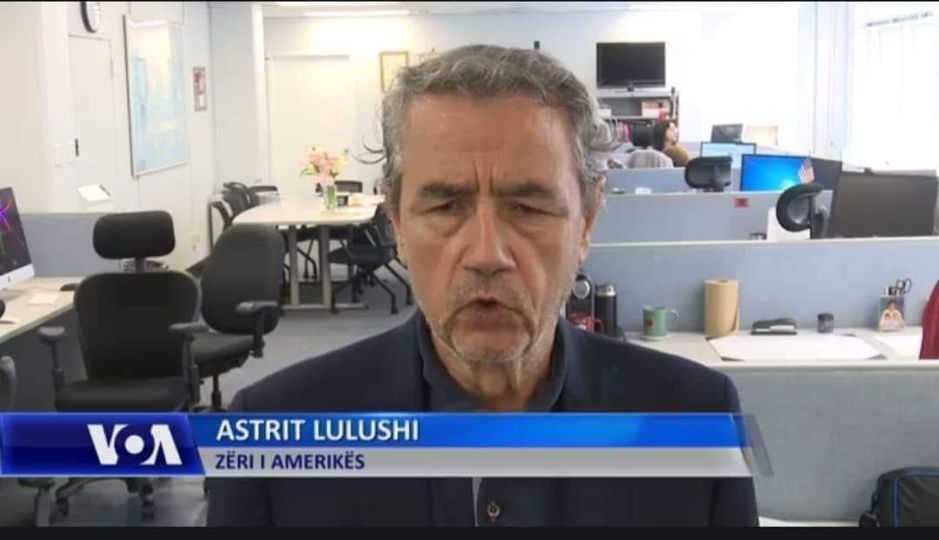
Astrit Lulushi/

Pothuajse të gjithë emrat e perëndive në Greqinê e. lashtë (Pellazgji, siç quhej nê atë kohë) erdhën nga Egjipti. Të gjitha ato kanë ardhur nga një burim i huaj dhe Egjipti i lashtë ka dhënë numrin më të madh.

Është thënë se pellazgët kishin lidhje gjaku me egjiptasit e lashtë. Sepse me përjashtim të Neptunit dhe Dioskurit, perënditë e pellazgëve janë njohur që nga kohrat më të lashta në Egjipt. 

Zotat, emrat e të cilëve deklarohen me origjinë të panjohur, helenët i morën nga pellazgët, përveç Neptunit, emrin e të cilit e morën nga libianët; të vetmit njerëz që kishin një perëndi me emrin Neptun. 

Egjiptianët u ndanë nga pellazgët që në kohët më të lashta gjatë përmbysjes së qytetêrimit në Sumer, dhe tani ndryshonin nga pellazgët në mosdhënien e nderimeve hyjnore për heronjtë. Ka shumë praktika të tjera, të cilat u huazuan nga Egjipti. Statujat e  Mërkurit, helenët i kanë marë nga pellazgët; prej tyre fillimisht i përvetësuan atikasit, që u bënë athinas, prej andej helenë;  

pellazgët që jetonin aty u konsideruan helenë; dhe u dhanë banorëve ceremonitë e tyre fetare. 

Athinasit, të cilët ishin të parët nga të gjithë që bënë statujat e tyre të Mërkurit, e mësuan këtë praktikë nga pellazgët. Siç thotë legjenda:

Në kohët e hershme pellazgët, ofronin flijime të të gjitha llojeve dhe u luteshin perëndive, por nuk kishin emra të veçantë; ata i quanin perënditë (The-oi). Më vonë, emrat e perëndive erdhën nga Egjipti. Pas mbërritjes së emrave pellazgët u konsultuan me orakullin në Dodonë. Ky ishte orakulli më i lashtë dhe në atë kohë nuk kishte asnjë tjetër. 

Në pyetjen e tyre – “A duhet të adoptojnë emrat që ishin importuar nga të huajt?” Orakulli u përgjigj duke rekomanduar përdorimin e tyre. Më pas, në flijime, pellazgët përdorën emrat e perëndive dhe prej tyre, emrat kaluan te helenët, prej nga lindën zotat, emrat e të cilëvë në greqisht nuk kanë asnjë kuptim pa u shpjeguar nga pellazgjishtja, ilirishtja, gjuha shqipe..

Homeri dhe Hesiodi, shekulli VIII pes, ishin të parët që kompozuan Theogonitë, dhe u dhanë perëndive epitetet e tyre, për t’u caktuar disa ofiqe e profesione, dhe për të përshkruar format e tyre. 

Për sa u përket poetëve, që disa mendojnë se janë më të hershëm se Homeri dhe Hesiodi, ata dolën më vonë. 

Në lashtësi në Egjipt gjithashtu qarkullonte një legjendë  në lidhje me orakullin e Dodonës dhe atë të Amonit: 

Fenikasit rrëmbyen dy gra të shenjta nga Teba (Egjipt), dhe njërën, Amonin, e shitën në Libi, dhe tjetrën, Dodonën, e shitën në Pellazgji. 

Këto gra u bënë themelueset e para të orakujve në të dy vendet. 

Ne Dodonë, orakujt tregonin: 

“Dy pëllumbesha të zeza u larguan nga Teba egjiptiane dhe ndërsa njëra fluturoi për në Libi, tjetra shkoi në Pellazgji. Ajo zbriti në një lis dhe filloi të flasë me zë njerëzor: 

“Tani e tutje do të jem një orakull”. Njerëzit kujtuan se zëri erdhi nga parajsa në gjuhën e tyre, dhe menjëherë filluan të punojnë për të ngritur Orakullin e Dodonës. Pëllumbesha që fluturoi për në Libi i urdhëroi libianët të vendosnin atje Orakullin e Amonit”. 

Pra, nëse është e vërtetë që fenikasit i morën gratë e shenjta dhe i shitën si skllevër, njërën në Libi dhe tjetrën në Pellazgji, kjo e fundit duhet t’u jetë shitur Thesprotëve, në zonën ku u vendos orakulli. Duke e quajtur Dodonën pëllumbeshë e zezë, Thesprotët donin të tregonin se gruaja ishte e veçantë, e huaj ose egjiptiane. Dhe sigurisht karakteri i orakujve të Tebës dhe Dodonës ishin shumë të ngjashëm. 

Egjiptianët e lashtë ishin gjithashtu të parët që prezantuan asambletë solemne, procesionet dhe litanitë para perëndive; të gjitha ato që pellazgët ua mësuan më vonë helenëve.  

Filed Under: Komente

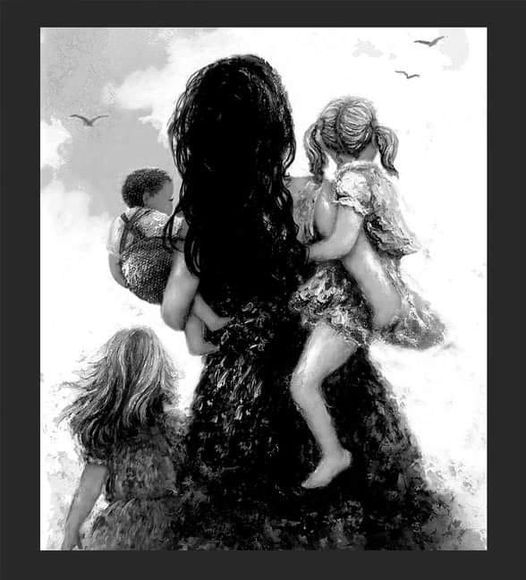
Fëmijët që nuk e lanë nënën të ikte e vetme në rrugën pa kthim

May 7, 2024 by s p

Albert Vataj/

Jo nënë, nuk mund të ikësh duke na lënë vetëm! Vetëm, në këtë botë që kërkon të na lërë pa nënë. Vetëm, në këtë botë që mund të të japë gjithçka, por jo nënën. Nënën, që si çdo nënë e ligjësisë së jetës, që ka zbritur nga vullneti qiellor për të përmbushur misionin e saj, qoftë edhe përmes sakrificës.

Asaj nëne, me sa duket nuk i mjaftoi asgjë që dha për fëmijët e saj, ju kërkua shumë më shumë, për të cilën ajo nuk hezitoi. Ju kërkua të ikte, por pa mundur dot ta bënte këtë rrugë e vetme. Fëmijët ju vunë nga pas, pa e ditur nëse rruga e nënë së tyre ishte apo jo rruga e duhur.

Edhe pse nuk mund dhe nuk duhet të iknin kaq shpejt dhe në këtë mënyrë, nuk jemi ne ato që vendosim për një nënë dhe fëmijët e saj, se çfarë mbetet të bësh, kur i ke humbur të gjitha, edhe arsyen, forcën dhe besim për t’u ndeshur dhe për t’ia dalë.

Qëndrimi ende në një të sotme që zgjedh të jetë gjithnjë në anën e kundërt, me gjasë ishte bërë e padurueshme për këtë nënë, e cila pa asnjë shpresë zgjedh të bëjë hapat e fundit me fëmijët e saj, hapa që e çuan në rrugën pa kthim.

Të kapur dorë-përdore u fashitën në natën që po hidhte mantelin e zi mbi qytet, duke humbur sysh. E ashtu në heshtje janë hedh në lum, si mbi të vetmen prehje që ishte gati t’i priste në paqe. Kanë qëndruar disa çaste ashtu të ngjitur, ndoshta, por pa mundur të shkonin rrjedhës së ujit ashtu së bashku të katërt.

I përpiu nata dhe uji i ftohtë i Bunës, për t’i zhytur thellë në heshtjen e një zhurme që bërtet kujshëm dhe… drithëron çdo kraharor nëne, përlot çdo sy përjetimi, thyen çdo zemër e plagos çdo shpirt, që trishtueshëm u përfshi në këtë akt fundi fatal. Asnjë tragjedi si kjo nuk u ngjit në skenë pa zbritur më parë mbi të sublimiteti i dhimbjes dhe zbritur thellë e ngjeshur fort në ndjenjat tona të gatshme për t’u dhënë.

Ikën fëmijët me nënë, sepse nuk mund ta linin vetëm në rrugën që nisën së bashku, edhe pse kjo ishte rruga që i çon ata larg, shumë larg nga ky realitet, larg nga kjo botë, që ndoshta në pamundësi për t’i bindur të qëndronin, i udhëpriu kah vdekja si drejt të vetmes mundësi që u kishte mbetur.

E vetmja arsye për të qëndruar në një botë ku ikja është e vetmja zgjidhje, për dhunën që ushqen, për shtirjen që kërkon të të mashtrojë, për zemrat e kthyera në gurë dhe shpirtrat e shitur, është të ikësh, ndoshta jo tamam kështu.

Ata ju vunë nënës nga pas, sepse për ta kishte vetëm një dashuri, të cilës i besuan, dashuri e cila i lindi, i mëkoi dhe po i rriste, por pa mundur t’i mbante në jetë, në një fat që nuk zgjodhën ata, por ishin ata që e paguan me një çmim të shtrenjtë.

Ata e dinin se pa nënën, ata do të ishin të vetme, dhe duke ikur me të besuan te dashuria e përjetshme që lind me nënën, prej nënës dhe shuhet me nënën, gabuan, edhe pse ky ishte gabimi i parë dhe i fundit që ata bënë.

Këto fëmijë me ikjen, na mësuan se nuk është kufiri i jetës dhe vdekjes, ai që ndan të gjallët në një të tashme, por i urrejtjes dhe dhunës, i mosdashurisë dhe mospranimit. Duke u bërë të huaj, të ftohtë, indiferent, ne mësuam se jeta ka gjithnjë e më pak mundësi për të cilat i’a vlen të luftosh, por më shumë të zgjedhësh siç kjo nënë mbeti të pranonte si zgjidhje.

Ndoshta të gjithë vumë dorë në paqen e tyre tokësore, dhe për këtë nuk është vetëm një baba që akuzohet, por vetë jeta që njeh dhe promovon dhunën dhe poshtërsinë, si mënyrën për të komunikuar me botën dhe të dëgjohesh prej saj.

Ndoshta fati i keq i të lindurit në kohë të gabuar, ishte për këtë nënë dhe tre fëmijët e saj, po kaq mizor sa vdekja që pretendon të tregojë kaq mizorisht, se këtë të sotme nuk e ndryshon dot dhe as nuk e shpëton asgjë tjetër veç dashuria, një dashuri që ata zgjodhën ta pranojnë ndoshta në një botë që është më e përzemërt edhe pse më mizore.

Sot kur pas ka mbetur një re e zezë trishtimi që zymton jetën e çdo ndjeshmërie sociale, ajo që dëgjohet në këtë pështjellim dhimbje dhe faji, është një zë i shurdhër i arsyes që rreket të ngrihet mbi këtë atmosferë trishtimi, për të menduar dhe folur zëshëm, për të reaguar dhe vepruar që të tjerë të mos kenë këtë fund.

Një nënë që merr me vete në varr jo vetëm të vërtetën dhe fëmijët e saj, por duke lënë pas fajin e një nëne mizore, të një Medea tragjike, ishte, është dhe mbetet nënë, e cila si shumë nëna dhe gra të tjetër, në pamundësi për t’u ndeshur, për të luftuar ndoshta edhe të vetme, zgjedhin më mirë të ikin.

Kjo nënë që u hodh në krahët e vdekjes me tre fëmijët e saj, mbeti e vetme për të pamundur t’i japë jetës një drejtim tjetër dhe fëmijëve të saj një të nesërme ndryshe, ku të kishin ëndrra dhe dashuri që t’u plotësonte dëshirat e tyre. Po, të kishin dikë pranë edhe kur gjërat nuk shkojnë në drejtimin e duhur, një zë që i thërret kur mbyten nga vetmia, një dorë që i ledhaton kur ndihen të lënduar, një buzë që i puth kur duan të ndezin diellin e dashurisë që po u shuhet, një prehër ku të prehen apo një sup ku të mbështeten, kur gjithçka është përmbys.

Ndoshta atyre nuk u kishte mbetur asnjë zgjidhje tjetër veç kësaj që na trishtoi siç edhe na bën fajtor.

Filed Under: ESSE

  • « Previous Page
  • 1
  • …
  • 984
  • 985
  • 986
  • 987
  • 988
  • …
  • 2776
  • Next Page »

Artikujt e fundit

  • Bahamas njeh Kosovën!
  • Legjenda e portës shkodrane, Paulin Ndoja (19 dhjetor 1945 – 16 prill 2025) do të mbushte sot 80 vjeç
  • “Roli dhe kontributi i diplomacisë shqiptare në Maqedoninë e Veriut nga pavarësia deri sot”
  • Marie Shllaku, kur një jetë e re u shndërrua në përjetësi kombëtare
  • Në sinoret e Epirit…
  • Mbrëmë hyri në fuqi Ligji i SHBA për autorizimin e mbrojtjes kombëtare
  • Skënderbeu “grek”, ose si të bëhesh grek pa e ditur
  • A historic moment of pride for the New Jersey Albanian-American community
  • U zhvillua veprimtaria përkujtimore shkencore për studiuesin shqiptaro-amerikan Peter Prifti
  • Dashuria që e kemi dhe s’e kemi
  • “Jo ndërhyrje në punët e brendshme”, dorëheqja e Ismail Qemalit, gjest atdhetarie dhe fletë lavdie
  • Arti dhe kultura në Dardani
  • Gjon Gazulli 1400-1465, letërsia e hershme shqipe, gurthemeli mbi të cilin u ndërtua vetëdija gjuhesore dhe kulturore e shqiptarëve
  • “Albanian BookFest”, festivali i librit shqiptar në diasporë si dëshmi e kapitalit kulturor, shpirtëror dhe intelektual
  • VEPRIMTARI PËRKUJTIMORE SHKENCORE “PETER PRIFTI NË 100 – VJETORIN E LINDJES”

Kategoritë

Arkiv

Tags

albano kolonjari alfons Grishaj Anton Cefa arben llalla asllan Bushati Astrit Lulushi Aurenc Bebja Behlul Jashari Beqir Sina dalip greca Elida Buçpapaj Elmi Berisha Enver Bytyci Ermira Babamusta Eugjen Merlika Fahri Xharra Frank shkreli Fritz radovani Gezim Llojdia Ilir Levonja Interviste Keze Kozeta Zylo Kolec Traboini kosova Kosove Marjana Bulku Murat Gecaj nderroi jete ne Kosove Nene Tereza presidenti Nishani Rafaela Prifti Rafael Floqi Raimonda Moisiu Ramiz Lushaj reshat kripa Sadik Elshani SHBA Shefqet Kercelli shqiperia shqiptaret Sokol Paja Thaci Vatra Visar Zhiti

Log in

This website uses cookies to improve your experience. We'll assume you're ok with this, but you can opt-out if you wish. Cookie settingsACCEPT
Privacy & Cookies Policy

Privacy Overview

This website uses cookies to improve your experience while you navigate through the website. Out of these cookies, the cookies that are categorized as necessary are stored on your browser as they are essential for the working of basic functionalities of the website. We also use third-party cookies that help us analyze and understand how you use this website. These cookies will be stored in your browser only with your consent. You also have the option to opt-out of these cookies. But opting out of some of these cookies may have an effect on your browsing experience.
Necessary
Always Enabled
Necessary cookies are absolutely essential for the website to function properly. This category only includes cookies that ensures basic functionalities and security features of the website. These cookies do not store any personal information.
Non-necessary
Any cookies that may not be particularly necessary for the website to function and is used specifically to collect user personal data via analytics, ads, other embedded contents are termed as non-necessary cookies. It is mandatory to procure user consent prior to running these cookies on your website.
SAVE & ACCEPT