• Home
  • Politics
  • Opinion
  • Culture
  • Sports
  • Economy
  • Interview
  • Reporting
  • Community
  • Vatra

Dielli | The Sun

Albanian American Newspaper Devoted to the Intellectual and Cultural Advancement of the Albanians in America | Since 1909

KOSOVA NË DY STUDIME MJEDISORE TË UNIVERSITETIT TË KOLUMBIAS

January 18, 2021 by dgreca

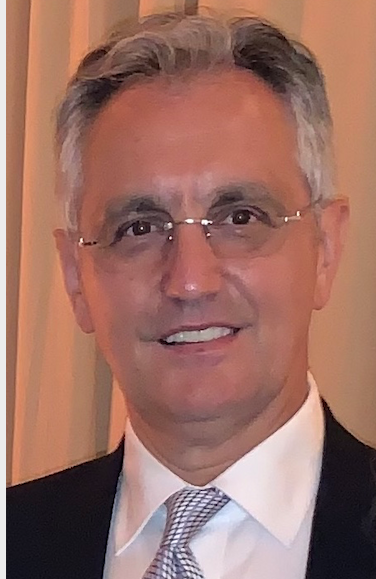
Dr. Pashko Camaj, ligjërues në Kolegjet “Lehman College” e “William Paterson”, dhe Universitetin “Columbia University”, rrëfen ekskluzivisht për “DIELLI”-n e VATRËS, studimin më të fundit mbi efektet afatgjata të ekspozimit ndaj plumbit mjedisor në “Minierat dhe shkrirësit Trepça” Mitrovicë, e udhëhequr nga Dr. Pashko R. Camaj si kryesues i ekipit shkencor në bashkëpunim të ngushtë me kolegë në Universitetin Columbia dhe Universitetin e Prishtinës: Joseph H. Graziano, Emine Preteni, Dusan Popovac, Nancy Loiacono dhe Olgica Balac. Me nënkryetarin e VATRËS Dr. Pashko Camaj bisedoi gazetari i Diellit, Sokol PAJA.

STUDIMI PËR EFEKTET AFATGJATA TË EKSPOZIMIT NDAJ PLUMBIT

Një studim hulumtues i botuar së fundmi për efektet afatgjata të ekspozimit ndaj plumbit mjedisor në Mitrovicë, Kosovë është botuar në një nje zhurnal shkencor ne “Journal of Environmental and Public Health” dhe është vepër e Dr. Pashko R. Camaj dhe kolegëve në Universitetin Columbia dhe Universitetin e Prishtinës. Ky është studimi i dytë i botuar nga i njëjti ekip që ndoqi një punë që Universiteti Columbia kishte bërë në Kosovë gjatë dekadës së fundit në shek 20-të. Kjo punë kërkimore 12-vjeçare prodhoi një numër të konsiderueshëm të botimeve që kontribuan në shkencën e mjedisit dhe shëndetit publik. Hulumtimi është një përfundim i një studimi afatgjatë që filloi në vitin 1985 kur një grup prej 1500 gra shtatzëna u vendosën në një grup për t’u ndjekur mbi efektet e plumbit, së pari tek ato dhe pastaj tek i porsalinduri i tyre. Grupet u ndanë nga një numër i barabartë i grave në dy qytete, një në Prishtinë që përfaqësonte një qytet jo të ekspozuar dhe gratë shtatzëna në Mitrovicë, i cili ishte një qytet shumë i ekspozuar nga shkrirësit e minierave të plumbit. Qyteti i Mitrovicës ishte shumë i ndotur gjatë kësaj kohe nga aktivitetet në lidhje me minierat e Trepçës, ku ata shkrijnë ndër të tjera dhe plumbin. Ishte e njohur për shumicën e komunitetit shkencor që ekspozimi ndaj plumbit sidomos në fëmijërinë e hershme ishte shumë i dëmshëm dhe ky studim u krijua për të hulumtuar saktësisht ato efekte dhe për të prodhuar rezultate që do të ndryshonin dhe siguronin prova që ekspozimi ndaj plumbit ishte vërtet shumë i dëmshëm. Si rezultat, Columbia në bashkëpunim me studiuesit në Universitetin e Prishtinës krijuan një grup studiuesish të cilët shumë shpejt kuptuan se sasia e ekspozimit dhe plumbi në gjakun e këtyre grave ishte jashtëzakonisht e lartë krahasuar me ekspozimin e qyteteve te ndotura në të gjithë botën.

PLUMBI SHKAKTON DËMTIME NË VESHKA DHE PENGON AFTËSINË PËR TË PRODHUAR ERITROPOETINË

Studimi më i fundit i botuar më 30 dhjetor 2020 nga Dr. Camaj dhe kolegët e tij raportojnë mbi efektet e hershme të ekspozimit në plumb dhe prodhimin e eritrociteve (rruazat e  kuqe të gjakut), përmes efektit të plumbit në veshka dhe prodhimin e veshkave të një hormoni të quajtur erythropiotinë. Studimi “Efektet afatgjata të plumbit mjedisor në aktivitetin erythropiotines të rritjes së rinjtë” dhe udhëhequr nga Dr. Pashko R. Camaj dhe në punën e ngushtë me Joseph H. Graziano, Emine Preteni, Dusan Popovac, Nancy Loiacono, Olgica Balac, nga Universiteti i Kolumbias, realizon një studim në “Minierat dhe shkrirësit Trepça” në Mitrovicë ku ata kanë ekzaminuar ndërmarrjen midis ekspozimit të mjedisit me plumb dhe erythropiotinës në serum në një grup të rinjsh rritën në nivelin e duhur, kjo e ndjekur gjatësisht me kalimin e kohës. https://www.hindawi.com/journals/jeph/2020/3646252/ ( “Long-Term Effects of Environmental Lead on Erythropoietin Production in Young Adults: A Follow-Up Study of a Prospective Cohort in Kosovo”. Kërkuesit shkencorë testuan hipoteza mbi nivelet më të larta të ekspozimit ndaj plumbit para lindjes dhe gjatë fëmijërisë së hershme. Ky hormon (erythropiotina) prodhohet në veshka dhe është thelbësor në një rrugë sinjalizimi për prodhimin e rruazave të kuqe të gjakut. E rëndësishmja, tubulat e veshkave ku prodhohet ky hormon është vendi i akumulimit të plumbit pas një ekspozimi kronik ndaj tij. Koha shtesë, plumbi shkakton dëmtime në veshka dhe pengon aftësinë për të prodhuar eritropoetinë që mund të çojë në anemi, një numër i ulët i qelizave të kuqe të gjakut. Megjithëse mbyllja e aktiviteteve të shkrirjes së minierës Trepça ka lejuar që këto nivele plumbi në plumb të bien ndjeshëm dhe ndoshta të rikuperojnë disa nga dëmtimet e hershme në veshkë, studiuesit raportojnë anomali të zgjatura. Në raportin e tyre, shkencëtarët hulumtues tregojnë në këtë grup të rinjsh të rritur (25-26 vjecare) të cilët ishin të ekspozuar kronikisht ndaj plumbit në fëmijërinë e hershme, përqendrimet e erythropoetinës në serum përgjigjën në mënyrë të përshtatshme si një funksion i përqendrimit të hemoglobinës; por gjithashtu u rritën në mënyrë të papërshtatshme me ngritjen e plumbit n

Dr. Pashko Camaj, ligjërues në Kolegjet “Lehman College” e “William Paterson”, dhe Universitetin “Columbia University”, rrëfen ekskluzivisht për “DIELLI”-n e VATRËS, studimin më të fundit mbi efektet afatgjata të ekspozimit ndaj plumbit mjedisor në “Minierat dhe shkrirësit Trepça” Mitrovicë, e udhëhequr nga Dr. Pashko R. Camaj si kryesues i ekipit shkencor në bashkëpunim të ngushtë me kolegë në Universitetin Columbia dhe Universitetin e Prishtinës: Joseph H. Graziano, Emine Preteni, Dusan Popovac, Nancy Loiacono dhe Olgica Balac. Me nënkryetarin e VATRËS Dr. Pashko Camaj bisedoi gazetari i Diellit, Sokol PAJA.

STUDIMI PËR EFEKTET AFATGJATA TË EKSPOZIMIT NDAJ PLUMBIT

Një studim hulumtues i botuar së fundmi për efektet afatgjata të ekspozimit ndaj plumbit mjedisor në Mitrovicë, Kosovë është botuar në një nje zhurnal shkencor ne “Journal of Environmental and Public Health” dhe është vepër e Dr. Pashko R. Camaj dhe kolegëve në Universitetin Columbia dhe Universitetin e Prishtinës. Ky është studimi i dytë i botuar nga i njëjti ekip që ndoqi një punë që Universiteti Columbia kishte bërë në Kosovë gjatë dekadës së fundit në shek 20-të. Kjo punë kërkimore 12-vjeçare prodhoi një numër të konsiderueshëm të botimeve që kontribuan në shkencën e mjedisit dhe shëndetit publik. Hulumtimi është një përfundim i një studimi afatgjatë që filloi në vitin 1985 kur një grup prej 1500 gra shtatzëna u vendosën në një grup për t’u ndjekur mbi efektet e plumbit, së pari tek ato dhe pastaj tek i porsalinduri i tyre. Grupet u ndanë nga një numër i barabartë i grave në dy qytete, një në Prishtinë që përfaqësonte një qytet jo të ekspozuar dhe gratë shtatzëna në Mitrovicë, i cili ishte një qytet shumë i ekspozuar nga shkrirësit e minierave të plumbit. Qyteti i Mitrovicës ishte shumë i ndotur gjatë kësaj kohe nga aktivitetet në lidhje me minierat e Trepçës, ku ata shkrijnë ndër të tjera dhe plumbin. Ishte e njohur për shumicën e komunitetit shkencor që ekspozimi ndaj plumbit sidomos në fëmijërinë e hershme ishte shumë i dëmshëm dhe ky studim u krijua për të hulumtuar saktësisht ato efekte dhe për të prodhuar rezultate që do të ndryshonin dhe siguronin prova që ekspozimi ndaj plumbit ishte vërtet shumë i dëmshëm. Si rezultat, Columbia në bashkëpunim me studiuesit në Universitetin e Prishtinës krijuan një grup studiuesish të cilët shumë shpejt kuptuan se sasia e ekspozimit dhe plumbi në gjakun e këtyre grave ishte jashtëzakonisht e lartë krahasuar me ekspozimin e qyteteve te ndotura në të gjithë botën.

PLUMBI SHKAKTON DËMTIME NË VESHKA DHE PENGON AFTËSINË PËR TË PRODHUAR ERITROPOETINË

Studimi më i fundit i botuar më 30 dhjetor 2020 nga Dr. Camaj dhe kolegët e tij raportojnë mbi efektet e hershme të ekspozimit në plumb dhe prodhimin e eritrociteve (rruazat e  kuqe të gjakut), përmes efektit të plumbit në veshka dhe prodhimin e veshkave të një hormoni të quajtur erythropiotinë. Studimi “Efektet afatgjata të plumbit mjedisor në aktivitetin erythropiotines të rritjes së rinjtë” dhe udhëhequr nga Dr. Pashko R. Camaj dhe në punën e ngushtë me Joseph H. Graziano, Emine Preteni, Dusan Popovac, Nancy Loiacono, Olgica Balac, nga Universiteti i Kolumbias, realizon një studim në “Minierat dhe shkrirësit Trepça” në Mitrovicë ku ata kanë ekzaminuar ndërmarrjen midis ekspozimit të mjedisit me plumb dhe erythropiotinës në serum në një grup të rinjsh rritën në nivelin e duhur, kjo e ndjekur gjatësisht me kalimin e kohës.  https://www.hindawi.com/journals/jeph/2020/3646252/ ( “Long-Term Effects of Environmental Lead on Erythropoietin Production in Young Adults: A Follow-Up Study of a Prospective Cohort in Kosovo”. Kërkuesit shkencorë testuan hipoteza mbi nivelet më të larta të ekspozimit ndaj plumbit para lindjes dhe gjatë fëmijërisë së hershme. Ky hormon (erythropiotina) prodhohet në veshka dhe është thelbësor në një rrugë sinjalizimi për prodhimin e rruazave të kuqe të gjakut. E rëndësishmja, tubulat e veshkave ku prodhohet ky hormon është vendi i akumulimit të plumbit pas një ekspozimi kronik ndaj tij. Koha shtesë, plumbi shkakton dëmtime në veshka dhe pengon aftësinë për të prodhuar eritropoetinë që mund të çojë në anemi, një numër i ulët i qelizave të kuqe të gjakut. Megjithëse mbyllja e aktiviteteve të shkrirjes së minierës Trepça ka lejuar që këto nivele plumbi në plumb të bien ndjeshëm dhe ndoshta të rikuperojnë disa nga dëmtimet e hershme në veshkë, studiuesit raportojnë anomali të zgjatura. Në raportin e tyre, shkencëtarët hulumtues tregojnë në këtë grup të rinjsh të rritur (25-26 vjecare) të cilët ishin të ekspozuar kronikisht ndaj plumbit në fëmijërinë e hershme, përqendrimet e erythropoetinës në serum përgjigjën në mënyrë të përshtatshme si një funksion i përqendrimit të hemoglobinës; por gjithashtu u rritën në mënyrë të papërshtatshme me ngritjen e plumbit në gjak. Kështu, një shqetësim i këtij ekuilibri renalo/hematopoietik është ende i dukshëm shumë vite pas ndërprerjes së ekspozimit ekzogjen ndaj plumbit në gjak. Kështu, një shqetësim i këtij ekuilibri renalo/hematopoietik është ende i dukshëm shumë vite pas ndërprerjes së ekspozimit ekzogjen ndaj plumbit.

EFEKTET AFATGJATA TË PLUMBIT TE TË RINJTË

Për t’u theksuar është se lidhur me këtë temë kaq delikate ka edhe një studim të mëparshëm të botuar në vitin 2018 nga i njëjti grup hulumtues i udhëhequr nga Dr. Pashko Camaj.  https://www.hindawi.com/journals/jeph/2018/3180487/ (Long-Term Effects of Environmental Lead Exposure on Blood Pressure and Plasma Soluble Cell Adhesion Molecules in Young Adults: A Follow-Up Study of a Prospective Cohort in Kosovo). Ky studim raportoi se efektet afatgjata të plumbit ende qëndrojnë te këta të rinj të rritur. Fëmijët që kishin ekspozim më të lartë herët në fëmijërinë e tyre kishin presion arterial (presioni i gjakut) dukshëm më të lartë dhe atë efekt e shohim dhe kur këta janë të rritur në moshë të re (25-26 vjeçare). Si rezultat i ekspozimit ndaj plumbit përveç kësaj, studjuesit panë dhe një ndikim të ngjashëm të plumbit në vaskulaturën (venat dhe arteriet) ku ato që kishin ekspozim më të lartë ndaj plumbit në fëmijërinë e hershme treguan shenja të ndikimit të qëndrueshëm ndaj vaskulaturës së tyre dhe shënjuesit e dëmtimit të vaskulaturës, siç maten nga proteinat qarkulluese që zbulohen në gjak (sICAM-1 dhe sVCAM-1) që tregojnë faza të ndryshme të inflamacionit të venave. 

MISIONI  I STUDIMEVE MBI KOSOVËN

Misioni i këtyre punimeve shkencore ndërkombëtare në fushën e shëndetit publik janë: Së pari, për të treguar se ndikimi i ekspozimit mjedisor ndaj proceseve të ndryshme rreth shoqërive tona janë potencialisht shumë të dëmshëm për shëndetin tonë publik dhe se duhet të mësojmë nga hulumtime të tilla si ky rast studimor. E dyta për të sjellë ndërgjegjësimin që i duhet shoqërisë sonë në lidhje me hapat e përgjithshëm që duhen të ndiqen dhe masat paraprake të nevojshme, qoftë gjatë prodhimit apo përdorimit të aktiviteteve të ndryshme industriale, veçanërisht në afërsi të qytetarëve tanë, në mënyrë që të zvogëlohet potenciali për ekspozimin dhe zvogëlimi i dëmtimit të atyre që ne po përpiqemi të rrisim dhe të mos dëmtojmë të ardhmen tonë, që janë fëmijët tanë. Ne kemi mësuar gjatë muajve të pandemisë botërore COVID-19 rëndësinë e shëndetit publik dhe ndikimin e tij në një shoqëri masive. Ne kemi parë që ndikimi në shëndetin publik ka ndikim të mënjëhershëm në shoqëri, na ndikon në shumë mënyra jetën dhe veprimtarinë tonë. Ne kemi nevojë për të mbrojtur shëndetin tonë publik, të bëjmë më shumë në mënyrë që të sigurohemi që ndërsa shoqëria jonë përparon, gjithashtu të vendosen masa mbrojtëse efikase për të na mbrojtur nga aktivitetet industriale që përveç zhvillimit mund të rrezikojnë jetën tonë. 

Filed Under: Opinion Tagged With: Pashko camaj, Studimet mjedisore, Universiteti I Kolumbias

SHQIPTARËT NË SHBA NË NDIHMË TË BASHKATDHETARËVE NË MAL TË ZI PËR TË RRITË VETËDIJEN KOMBËTARE

August 25, 2020 by dgreca

  • Kryetari i Vatrës Elmi Berisha dhe nënkryetari Dr. Pashko Camaj dhuruan të dy nga 1 mijë dollarë secili, ndërsa z. Jim Xhema, që shoqërohej nga Kryetari i Vatrës, dhuroi 10 mijë dollarë.
  • Shqiptarët e Amerikës, veçanërisht ata që janë pjesë e organizatave me anëtarësi nga trevat etnike shqiptare nga Mali i Zi, prej kohësh janë bashkuar dhe kanë krijuar frontin e përbashkët shqiptaro-amerikan, që i shërben rritjes së vetëdijes kombëtare të partive politike shqiptare në Mal të Zi, në prag të zgjedhjeve Parlamentare të 30 Gushtit 2020.

Federata Panshqiptare e Amerkës”VATRA” ka dhënë përkrahjen e saj duke u bërë pjesë të këtij fronti. Nënkryetari i Vatrës, biri i Malësisë Dr. Pashko Camaj, ka përfaqësuar Vatrën në të gjitha takimet.

Në vijim të pergatitjes per zgjedhjet parlamentare ne Mal te Zi, organiztat shqiptare me qender ne SHBA,por Jo vetëm, organizuan të enjten me 20 gusht një darkë për të mbledhur fonde per ta mbeshtetur këtë fushatë dhe për të ngritur në një shkallë më të lartë vetëdijen dhe për të rritur angazhimet e komunitetit shqiptaro-amerikan, qe se bashku te kërkohet drejtësi politike dhe vetndërgjegjësim i qytetarëve shqiptarë në Republikën e Malit të Zi, në mënyrë që përmes përbashkimit të luftojnë për të siguruar të drejtat që ruajnë identitetin dhe plotësojnë kërkesat kombëtare.

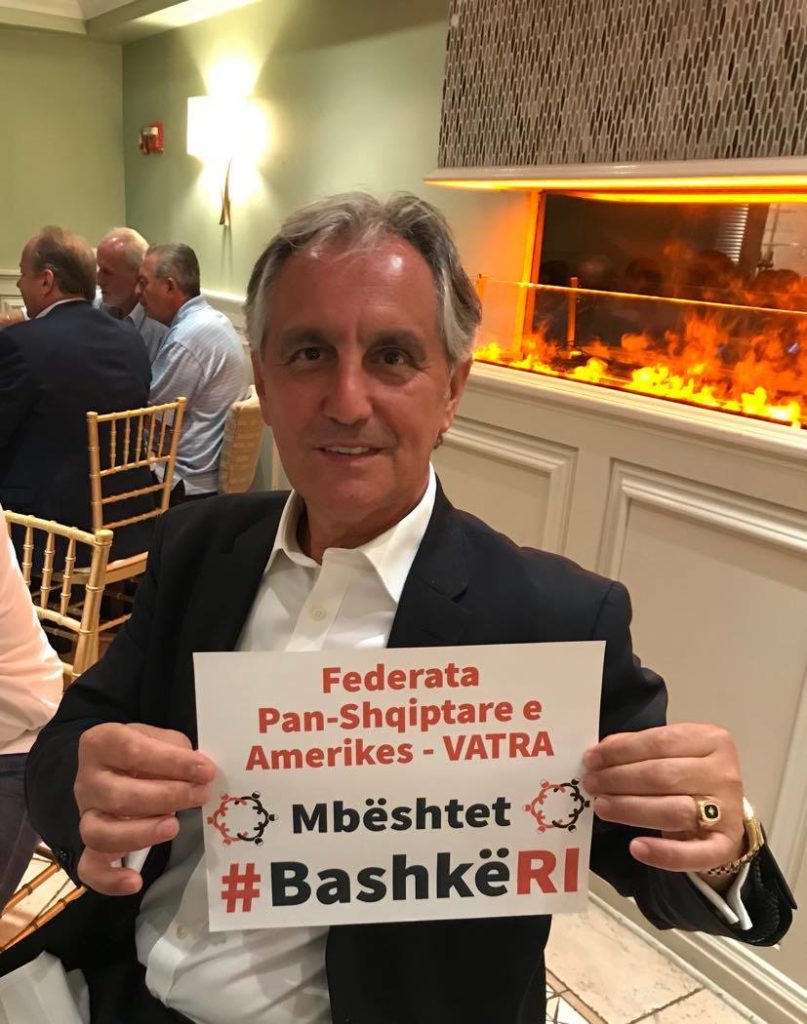
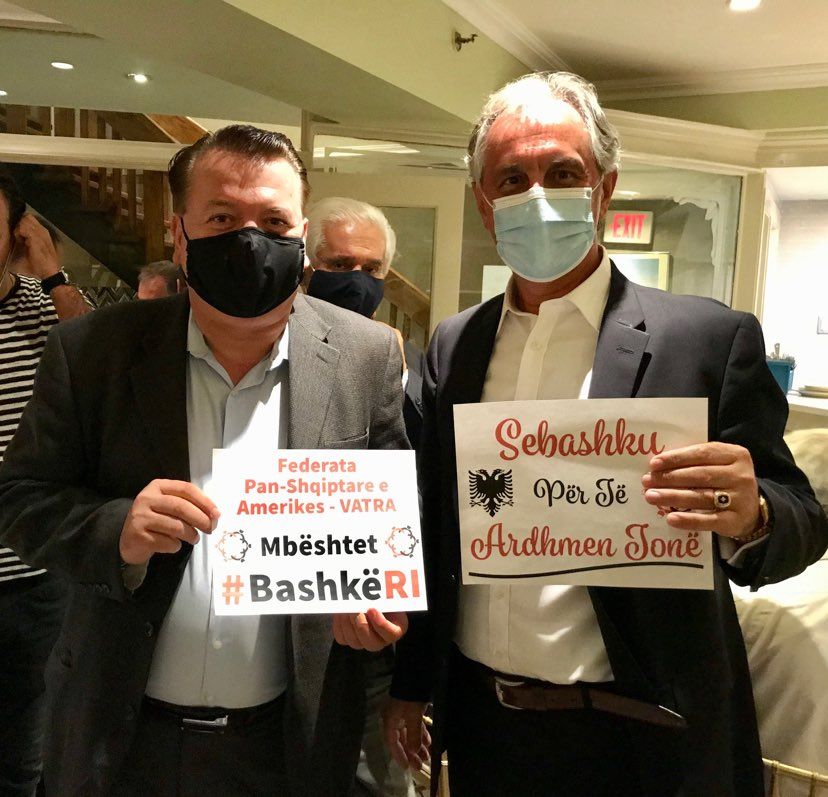
Darka e 20 gushtit kishte për organizator anëtarin e Këshillit të Bashkisë së Neë York-ut Mark Gjonaj. Kjo veprimtari u organizua ne restoarnin”Ciao” në Eastchester, NY.Vatra u përfaqësua me Kryetarin e saj Z. Elmi Berisha dhe me nënkryetarin Dr. Pashko Camaj.Kryetari Berisha dhe nënkryetari Camaj dhuruan të dy nga 1.000 doollarë, ndërsa z. Jim Xhema, që shoqërohej nga Kryetari i Vatrës, dhuroi 10 mijë dollarë.

Siç është bërë e njohur,organizatat Shqiptare në Shtetet e Bashkuara të Amerikës me origjinë nga Mali i Zi, së bashku me ato dhe Vatra, kanë qenë te angazhuara dhe kanë kerkuar nga subjekti politik shqiptare, qe në zgjedhje e 30 Gushtiti 2020, subjektet shqiptare të dalin se bashku në NJË liste të vetme. Një gjë e tillë nuk ndodhi.Megjithate, fushata e shqiptaro-amerikanëve ne perkrahjen e vlearve kombetare nuk do të ndalojë. Ata sërish u bëjnë thirrje votueseve shqiptare ne Mal te Zi, qe të ndërgjegjësohen dhe të Votojnë SHQIP, duke i çuar Votat në nëjrën nga Dy Listat Shqiptare.(DIELLI)

Filed Under: Featured Tagged With: Pashko camaj, Vatra

How and When Does this Pandemic End?

June 7, 2020 by Administrator

BY PASHKO CAMAJ

Pashko Camaj

A few months ago, no one knew SARS-CoV-2 (Covid-19) existed, no less that it would develop into full-blown pandemic, spread to almost every country, infecting so far 7 million people whom we know about, and probably many more whom we do not. It has periled economies and burdened or broken health-care systems world-wide, emptied our public spaces and filled our hospitals. It has caused a separation of people from friends, families and their workplaces. With a large footprint it has disrupted modern society on a scale most of us have never witnessed. Like the two World Wars or Spanish Flu of 2018 before, this pandemic has already left an indelible mark on the world and our nation.

Some of us may have heard or learned that global pandemic of this scale was a distinct possibility. Many public health experts have written and warned about of the possibility of such an outbreak.  But to most, it was only a good fodder to make a Hollywood production (Contagion-2011). And then the fears became reality in early part of this year, when many of us were left trying to answer the question: “what do we do now?”

As we look at our initial response and steps we took to “flatten the curve” to reduce the number of infected and lessen the severity of the impact, we learned that even United States, with the 83.5 grade-highest on the Global Health Security Index which grades every country on its pandemic preparedness.  We were still not prepared to handle such a crisis.  In fact, no country in the world was.  My goal is not to try and place blame on any country, but it’s hard not to question “what if?”, and that “what if” must start with the origins of this global pandemic!  This essay will not deal with trying find answers to that “what if’”, but rather talk about the fate of a pandemics, especially how do they end.

We know how the Covid-19 pandemic began: animals such as bats in a region in the Wuhan region in China, are a natural host of various strains of coronavirus.  Based on what we know, sometime last fall one of the opportunistic strains, left its host and ended up in a human, setting in motion the pandemic not seen in more than 100 years.  What we do not know, though many speculate, is how the pandemic will end. The combinations of factors such as unprecedented easy transmissibility of the virus, a range of effects on people, with symptoms going from none to mild to deadly, make predicting how it ends complicated. Under these conditions, there are three possible endgames: one that was very unlikely, one that was dangerous and deadly, and one that may take months and maybe year/s.

The first possibility (that has already passed us) was that a unified global response to simultaneously blockade to manage and controls the virus, as with the original SARS in 2003. We now know the outcome of that possibility, the widespread 2020 coronavirus pandemic in almost every country.

The second possible outcome for ending a pandemic is that the virus does what past flu pandemics in the past have done: ravages through the world and leaves behind enough immune survivors that it eventually cannot find viable hosts. This would have created a “herd immunity” scenario but also come at a terrible cost.  This virus is more transmissible and more fatal than the flu, and it would likely have left behind many millions of deaths across the globe.  The estimates for U.S. were from 1-3 million deaths alone.

The third (and for this pandemic) the only possibility is based on a containment and vaccine: the end of this pandemic will most likely be a mixed bag of  what worked in past pandemics-continued social-control measures to buy time, new antiviral medications to ease symptoms, and finally a vaccine. Aggressive epidemiological tactics such as isolating the sick, quarantining their contacts and implementing social controls and use of facial covers, can limit and flair-ups to localized outbreaks.  These are ‘contain’ tactics until we have a viable, safe, and effective vaccine!  But we know that will take some time – some predictions are by end of this year – and when ready, there is a reason to think a vaccine could work effectively. Compared to the flu virus, coronaviruses do not have as many ways to interact with human cells. If we control the mechanism by which they interact with our cells, the virus can’t invade and replicate in our cells and controlling that mechanism is what an effective vaccine will do. While not sure whether a vaccine will confer long-term immunity as with measles or short-term immunity as with flu shots, we know that only a safe and an effective vaccine will be the end this pandemic.

Filed Under: Politike Tagged With: Pashko camaj

Social Distance, Facial Covers or Both?

May 31, 2020 by dgreca

BY PASHKO CAMAJ/

In the last couple of months, we have been introduced to new words and phrases that will surely remain with us for a while.  Words such as ‘covid-19,’ ‘flatten the curve,’ ‘antibodies,’ ‘underlying conditions’ and many others have become part of our every-day vocabulary.  So, as we start the new phase of returning to ‘normal’ daily activities, we must continue the practices that helped reduce the risk to acceptable levels in the first place.  To that end, we have all become familiar with the meaning of phrases “social distancing” and “facial covering.”  With a goal of reducing the risk of exposure to the virus, here is some important information that we can all use as we continue to fight this invisible enemy.  

Social Distance: A distance between individuals where the risk of droplets of saliva being transmitted from one individual to another is negligible. According to the US Center for Disease Control (CDC), the distance for the prevention of transmitting Covid-19 at 6 feet (1.8 meters).

Facial Covers:  Facial covers are considered adequate if they cover an individual’s nose and mouth that can significantly reduce the transmission of droplets from these orifices onto a surface or another individual.  They include medical grade masks to homemade masks. We are learning that the viral transmission via cough, sneeze or speaking (especially loud speech) are the primary vehicles of transmission.  So, while continuing our handwashing and basic hygiene, we may get far better protection by continued social distancing and using facial covers.  Both have been shown to reduce the probability of being exposed in the first place, but even if exposed, they reduce the ‘time’ and ‘concentration’ of exposure.  This is to say, we may fare much better if exposed to 10 virus-containing droplets instead of 1,000 of them!   

There are two kinds of this protective gear: medical-grade masks and nonmedical face coverings. Medical-grade masks include disposable surgical face masks and N-95 respirators. Surgical face masks are used to block large particles and respiratory droplets (which are sent into the air when someone coughs or sneezes) from entering or exiting your mouth. Tight-fitting N-95 respirator masks are designed to filter smoke, small particles, and airborne viruses.  Nonmedical face covers include reusable cloth masks, bandanas and scarves, and are used in the same way as a surgical mask, to protect you against large particles and respiratory droplets. However, this kind of protective covering must be cleaned between uses and is generally not used in a medical setting. 

Some Air Transmission Science:  Recent studies suggest that face coverings cut the forward distance travelled by a person’s exhale by more than 90% – meaning how far your breath travels after it leaves your mouth or nose. While face coverings do not filter out particles in the same way an N-95 mask does, they are now recommended as an effective way of slowing the spread of the coronavirus, especially among people who have the virus, but are asymptomatic. 

The Bottom Line: If worn correctly and combined with other virus prevention methods, face covers such as surgical face masks, N-95 respirators and even home-made face coverings can help lower the risk of spreading viruses.  Bear in mind that non-medical face coverings are only effective against spreading the virus if you continue to take social distancing measures and basic hygiene seriously. 

So, the answer to the question is both, continue the social distancing as a good practice of keeping us safe, but if you can, supplement it with facial covers. 

Filed Under: Politike Tagged With: Facial Covers or Both, Pashko camaj, Social Distance

Vaccine Search Progress gives us Hope

May 16, 2020 by dgreca

By Pashko CAMAJ/

As we move into the warmer spring days of the northern hemisphere, the battle against Covid-19 continues to be main storyline across the globe. Day after day, as we listen, watch, or read these stories, we hope. In ongoing battles against viral infections, as in the case of Covid-19 pandemic, we look for ways to stay healthy, become immune, and defeat this invisible enemy. Immunity to microbial infections occurs in two ways: through natural infection or through vaccination. Naturally, immunity to these microbes can occur when many people become infected, survive, and become immune to the virus. This in epidemiology is known as “herd” immunity and occurs when 60-80% of the population is infected with the virus, which would mean about 200-280 million people, in the United States alone.  As for information, with a “mortality rate” for Covid-19 of about 1%, that would mean more than two million deaths in the United States alone. Can we, as a nation, or any country in the world, hope to defeat Covid-19 through “herd” immunity and through widespread infection? The response is of course, a resounding NO, we cannot rely on “herd” immunity as the principal mechanism of cure for the ‘plague’ of the 21st century. So, we have only one viable option, to find the vaccine and produce it as soon as possible!

Progress in the vaccine research:

As of last week, over 80 candidates for the Covid-19 vaccine are being studied around the world, most of whom are still in the early stages of testing. The good news is that six of them have reached clinical trials and they are being tested in humans. Several vaccines for candidates undergoing clinical testing include two in the United States, one in Britain, one in the EU and four in China. These tests are in relatively early stages (tested on a small number of people) and none have yet reached the third stage, in which the vaccine is tested on many people. This stage of testing will tell us if the vaccine works, and what is most important, whether it is safe to use in humans, without adverse effects on our health. In the US, there is evidence of vaccines being developed at NYU Grossman School of Medicine and Maryland University, Rochester University School of Medicine and Cincinnati Central Hospital. In addition, tests are being conducted by Pfizer Pharmaceuticals and a German biotech company, BioNTech, with 200 participating patients. These studies are generating optimism that a safe and an effective vaccine against Covid-19 may be in use by the end of the year. If these tests prove successful, Pfizer plans to use its three countries, in the US, to mass-produce the vaccine, to produce millions of doses of vaccines in 2020, and hundreds of millions more in 2021.

How the vaccine works:

The vaccine has a simple function: it gives our body instructions on how to make proteins that will trigger reactions to microbes after being exposed to them. It works by ‘training’ our immune system to recognize and fight viruses or bacteria. To do this, small molecules of viruses must be injected into our body to trigger body’s immune response. These tiny protein molecules are called antigens, and they are present in all viruses and bacteria. Injecting these antigens into the body, our immune system learns to recognize them as ‘invading enemies,’ produce antibodies against them, and create a ‘memory’ for the future. If we are expose to these germs again, our immune system will recognize them as enemies, immediately and aggressively attack them before they spread to our body and cause diseases. The U.S. Food and Drug Administration, which oversees the production of vaccines and their overall safety, will have the final say on the safety and effectiveness of the vaccine. They are currently reviewing the scientific process, as well as ethical questions that may need to be addressed during the rapid development of the Covid-19 vaccine.

Light at the end of the long tunnel:

While progress in the vaccine development is promising across the globe, importantly, scientific activities that seek to cure infected patients are also promising. Research on antibodies that can be used as prophylactic treatment for people who have been exposed to Covid-19 is showing promising results. The use of antibodies may prove to be effective and fast in the fight against the corona virus, until the vaccine is produced. Thus, we continue to wait, watch, listen and hope!

Filed Under: Analiza Tagged With: Pashko camaj, Vaccine

  • « Previous Page
  • 1
  • 2
  • 3
  • 4
  • Next Page »

Artikujt e fundit

  • NDJESHMËRIA SI STRUKTURË – NGA PËRKORËSIA TE THELLËSIA
  • Si Fan Noli i takoi presidentët Wilson the T. Roosevelt për çështjen shqiptare
  • TRIDIMENSIONALJA NË KRIJIMTARINË E PREҪ ZOGAJT
  • Kosova dhe NATO: Një hap strategjik për stabilitet, siguri dhe legjitimitet ndërkombëtar
  • MEGASPEKTAKLI MË I MADH ARTISTIK PAS LUFTËS GJENOCIDIALE NË KOSOVË!
  • Veprimtaria atdhetare e Isa Boletinit në shërbim të çështjes kombëtare
  • FLAMURI I SKËNDERBEUT
  • Këngët e dasmës dhe rituali i tyre te “Bleta shqiptare” e Thimi Mitkos
  • Trashëgimia shqiptare meriton më shumë se sa emërtimet simbolike të rrugëve në New York
  • “Unbreakable and other short stories”
  • ÇËSHTJA SHQIPTARE NË MAQEDONINË E VERIUT NUK TRAJTOHET SI PARTNERITET KONSTITUIV, POR SI PROBLEM PËR T’U ADMINISTRUAR
  • Dr. Evia Nano hosts Albanian American author, Dearta Logu Fusaro
  • DR IBRAHIM RUGOVA – PRESIDENTI I PARË HISTORIK I DARDANISË
  • Krijohet Albanian American Gastrointestinal Association (AAGA)
  • Prof. Rifat Latifi zgjidhet drejtor i Qendrës për Kërkime, Simulime dhe Trajnime të Avancuara Kirurgjike dhe Mjekësore të Kosovës (QKSTK) në Universitetin e Prishtinës

Kategoritë

Arkiv

Tags

albano kolonjari alfons Grishaj Anton Cefa arben llalla asllan Bushati Astrit Lulushi Aurenc Bebja Behlul Jashari Beqir Sina dalip greca Elida Buçpapaj Elmi Berisha Enver Bytyci Ermira Babamusta Eugjen Merlika Fahri Xharra Frank shkreli Fritz radovani Gezim Llojdia Ilir Levonja Interviste Keze Kozeta Zylo Kolec Traboini kosova Kosove Marjana Bulku Murat Gecaj nderroi jete ne Kosove Nene Tereza presidenti Nishani Rafaela Prifti Rafael Floqi Raimonda Moisiu Ramiz Lushaj reshat kripa Sadik Elshani SHBA Shefqet Kercelli shqiperia shqiptaret Sokol Paja Thaci Vatra Visar Zhiti

Log in

This website uses cookies to improve your experience. We'll assume you're ok with this, but you can opt-out if you wish. Cookie settingsACCEPT
Privacy & Cookies Policy

Privacy Overview

This website uses cookies to improve your experience while you navigate through the website. Out of these cookies, the cookies that are categorized as necessary are stored on your browser as they are essential for the working of basic functionalities of the website. We also use third-party cookies that help us analyze and understand how you use this website. These cookies will be stored in your browser only with your consent. You also have the option to opt-out of these cookies. But opting out of some of these cookies may have an effect on your browsing experience.
Necessary
Always Enabled
Necessary cookies are absolutely essential for the website to function properly. This category only includes cookies that ensures basic functionalities and security features of the website. These cookies do not store any personal information.
Non-necessary
Any cookies that may not be particularly necessary for the website to function and is used specifically to collect user personal data via analytics, ads, other embedded contents are termed as non-necessary cookies. It is mandatory to procure user consent prior to running these cookies on your website.
SAVE & ACCEPT