Marilyn D. Anderson
New York, August 2026
The death of Ratko Mladić in his prison cell in the Hague brings a physical end to the life of the man widely known as the “Butcher of Bosnia”, yet it can never erase the wounds he inflicted. For those who have closely followed the Balkan tragedy, this news is more than just a passing headline; it is a moment to reflect on justice, remembrance, and historical responsibility.
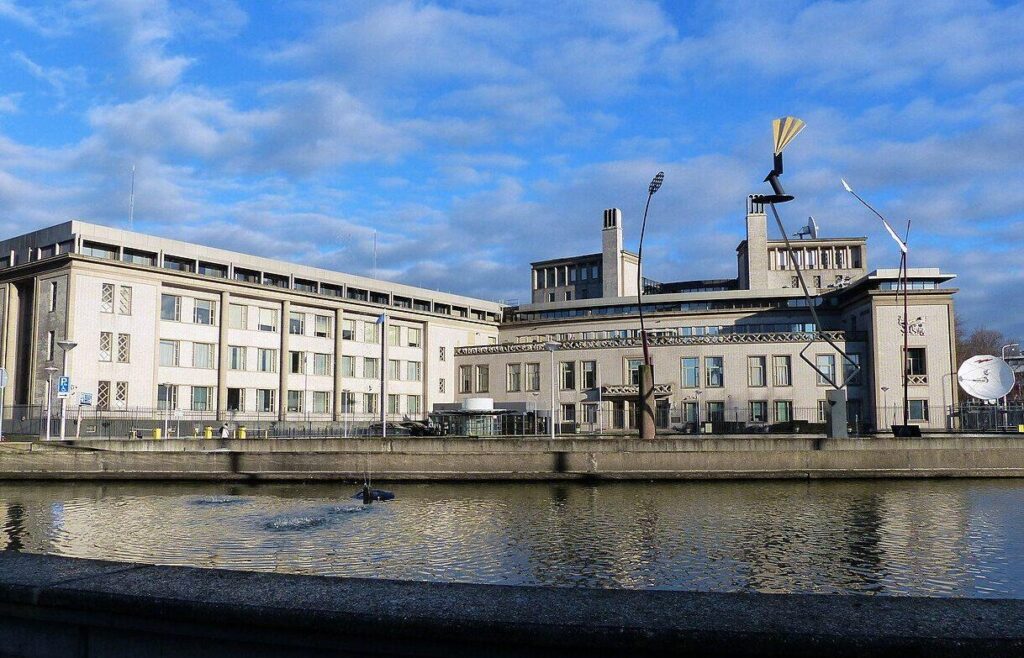
Today’s news from the Hague carries me back to 2015. As part of a group of journalists and human rights activists, I sat in a tribunal gallery and observed one of Mladić’s hearings at the United Nations International Criminal Tribunal firsthand. Sitting just feet away, separated only by a pane of protective glass from the man who ordered the Srebrenica massacre and the terrorization of Sarajevo, was a chilling confrontation with the nature of evil.
In the courtroom, before the judges, stood the arrogant general who once held the devastating power over the lives and deaths of thousands of people. His demeanor remained cold and devoid of remorse. That hearing laid bare the chasm between his military propaganda and the weight of the evidence: documents, survivor testimonies, and irrefutable facts that exposed the architecture of a genocide.
His life sentence in 2017 sealed his guilt both morally and legally. His death today at the UN detention unit cements his legacy not as a military leader, but as a convicted war criminal. Witnessing that trial was more than covering a legal proceeding; it was a commitment to the truth. As his life comes to an end in prison, our responsibility remains clear: to recount history accurately, ensuring that the memory of those whose lives were lost and the voices of the survivors are never forgotten.