(ALB/ENG)
Foto: Vasjana Photography/
Dhuna në familje është plaga më e madhe e komunitetit shqiptar. Kjo është arsyeja pse i jam përkushtuar temes se edukimit dhe parandalimit të saj.
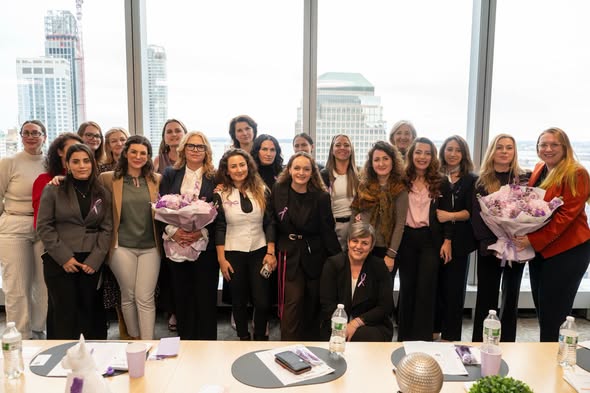
Në One World Trade Center, Manhattan, u mblodhëm për një bisedë të rëndësishme, organizuar nga gratë e
grupit Albanian Women in USA, duke sjellë së bashku zërin e grave që i kanë mbijetuar dhunës, të policisë, profesionistëve të shëndetit mendor, akademikëve dhe ligjit.
Mirënjohje nga zemra për Suadën, e cila me guxim ndau historinë e saj si e mbijetuar; Dr. Anila Duro, pedagoge në John Jay College of Criminal Justice, për përvojën e saj në mbështetjen e viktimave dhe trajnimin e punonjësve të policisë; Valbona Avdija, profesioniste e shëndetit mendor dhe psikiatrik, për këndvështrimin e saj mbi traumën; si dhe oficeret e NYPD-së Daniela Dobrova, Eldina McKenzie dhe Aferdita Murillo, tri oficere shqiptaro-amerikane nga Staten Island, për informacionin e vlefshëm mbi sigurinë dhe mbrojtjen e viktimave.
Një falënderim i veçantë për Esmeraldën, që na hapi dyert e ambientit të saj të mrekullueshëm në zemër të Manhattan-it, për Dua Flowers, për buqetat e bukura me lule që i dha edhe më shumë ngrohtësi këtij takimi, Vasjana Minga per fotot, Drita Dobrova per ushqimin dhe për të gjitha gratë e palodhura që bënë të mundur këtë aktivitet. 
Siç theksova edhe në fjalën time, dhuna nuk lind me njeriun, por mësohet. Dhe shpesh fillon në familje. Familja është vendi ku formohen vlerat dhe sjelljet tona. Kur dhuna normalizohet aty, pasojat e saj mund të shtrihen në komunitet dhe në institucionet tona.
Ngjarjet shqetësuese në Shqipëri, dhuna policore dhe abuzimi me pushtetin, na kujtojnë se dhuna nuk është kurrë zgjidhje, pavarësisht nga kush ushtrohet apo ku ndodh.
Qëllimi im nuk është vetëm të mbroj viktimat pasi dhuna ka ndodhur, por të edukoj, të parandaloj dhe të ndihmoj në thyerjen e ciklit të dhunës. Këtë e bëjmë përmes bisedave si kjo, trajnimeve dhe ndërgjegjësimit. Nuk duhet të flasim vetëm me ato që përjetojnë dhunën, por edhe me ata që e ushtrojnë atë. Përgjegjësia është e domosdoshme, por po aq të rëndësishme janë rehabilitimi dhe ndryshimi i sjelljes. Vetëm ndëshkimi nuk mjafton për ta thyer këtë cikël.
Ndryshimi i vërtetë fillon me edukimin, vazhdon me dialogun dhe rritet kur refuzojmë ta pranojmë dhunën si diçka normale.
Le të vazhdojmë të flasim, të edukojmë dhe të thyejmë ciklin e dhunës! 
THYEJMË HESHTJEN | BREAKING THE SILENCE
Domestic violence is the biggest wound in the Albanian community. It is one of the reasons I have dedicated so much of my work to protecting survivors, educating families, and preventing violence.
At One World Trade Center in Manhattan, we came together for a meaningful conversation organized by the wonderful women of Albanian Women in USA, bringing together survivors, law enforcement, mental health professionals, academia, and legal advocacy.
Our heartfelt gratitude to Suada, a courageous survivor who shared her personal journey; Dr. Anila Duro of John Jay College of Criminal Justice, for her insights from supporting survivors and training law enforcement; Valbona Avdija, our psychiatric mental health professional, for her perspective on trauma and healing; and NYPD Officers Daniela Dobrova, Eldina McKenzie, and Aferdita Murillo, three Albanian-American officers from Staten Island, for their invaluable insights on safety and protecting survivors.
A special thank you to Esmeralda for generously opening her beautiful space in the heart of Manhattan, to Dua Flowers for the gorgeous bouquet that added warmth to our gathering, and to the remarkable women who made this event possible.
As I shared in my remarks, violence is not born; it is learned. And often, it begins at home. Family is where our values and behaviors take root. When violence becomes normalized at home, its consequences can extend into our communities and institutions.
The troubling reports of police and government violence in Albania remind us that violence is never a solution, regardless of who exercises it or where it occurs.
My goal is not simply to respond to violence after it happens, but to educate, prevent, and break the cycle. That means conversations like this, community training, supporting survivors, and engaging not only those who experience abuse but also those who perpetrate it. Accountability is essential, but so are rehabilitation and meaningful behavioral change. Punishment alone cannot break the cycle.
Real change begins with education, continues through conversation, and grows when we refuse to accept violence as normal.
Let’s keep talking. Let’s keep educating. Let’s break the cycle.