• Home
  • Politics
  • Opinion
  • Culture
  • Sports
  • Economy
  • Interview
  • Reporting
  • Community
  • Vatra

Dielli | The Sun

Albanian American Newspaper Devoted to the Intellectual and Cultural Advancement of the Albanians in America | Since 1909

Archives for March 2026

KUVENDI I LEZHËS, MODEL I RACIONALITETIT POLITIK PËRBALLË RREZIKUT EKZISTENCIAL 

March 2, 2026 by s p

Prof. Dr. Skënder Asani/

Lezha mbetet standardi. Jo si mit i ngrirë në kohë, por si paradigmë e gjallë e unitetit funksional. Ajo i fton elitat e sotme të dëshmojnë jo përmes retorikës, por përmes kapacitetit për të ndërtuar konsensus strategjik në kohë sfidash. Në këtë kuptim, uniteti nuk është luks politik, ai është imperativ historik dhe domosdoshmëri strategjike.
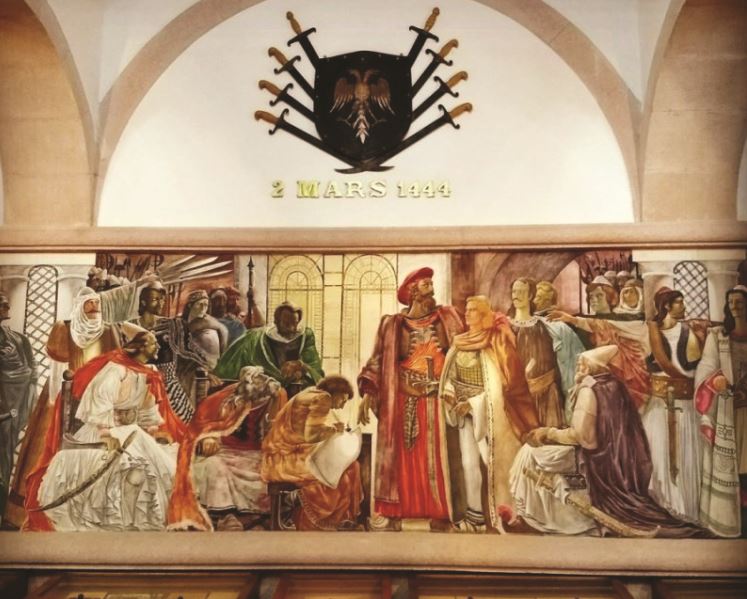
Përvjetori i 2 marsit 1444 nuk përfaqëson thjesht një datë në kalendarin e memories kombëtare, por një pikë referimi strategjike për mënyrën se si elitat shqiptare kanë ditur dhe duhet të dinë të reagojnë në momente rreziku ekzistencial. Mbajtja e Kuvendi i Lezhës nën udhëheqjen e Gjergj Kastrioti Skënderbeu përfaqëson një akt të ndërgjegjshëm të transformimit të fragmentimit politik në unitet funksional. Ai ishte një moment kur memoria historike dhe racionaliteti shtetformues u ndërthurën në një projekt të përbashkët, duke tejkaluar rivalitetet krahinore dhe duke artikuluar një vizion të ri për mbijetesën dhe dinjitetin politik të arbërorëve.

Në thelb, Lezha nuk ishte vetëm një aleancë ushtarake përballë Perandorisë Osmane; ajo ishte një konceptim i ri i sovranitetit kolektiv. Për herë të parë, princërit arbërorë pranuan të kufizonin autonominë e tyre krahinore në funksion të një interesi më të lartë të përbashkët. Ky ishte një akt i rrallë i maturisë politike në një epokë të karakterizuar nga partikularizmi feudal. Liria nuk u konceptua si akt spontan rezistence, por si projekt i institucionalizuar në një rend politik të qëndrueshëm. Kjo është arsyeja pse Lezha mbetet një precedent historik i rëndësishëm: ajo dëshmon se uniteti nuk është produkt i retorikës, por rezultat i një kontrate politike të vetëdijshme.

Zgjedhja e qytetit të Lezhës nën administrimin e Republika e Venedikut nuk ishte e rastësishme. Ajo sinjalizonte një sens të hollë diplomatik dhe një kuptim të qartë të ekuilibrave gjeopolitikë të shekullit XV. Skënderbeu projektoi çështjen arbërore në një dimension evropian, duke e lidhur atë me interesat e fuqive të kohës dhe duke krijuar një hapësirë manovrimi ndërmjet Perandorisë Osmane dhe botës perëndimore. Ky dimension i diplomacisë së balancuar mbetet thelbësor edhe sot, kur shqiptarët veprojnë në një mjedis ndërkombëtar të karakterizuar nga rikonfigurime të reja strategjike.

Rendi bashkëkohor është i shënuar nga divergjenca të dukshme ndërmjet Shtetet e Bashkuara të Amerikës dhe Bashkimi Evropian në fusha të ndryshme të politikës globale. Për shtete të vogla dhe për kombe me hapësirë të fragmentuar politike, si shqiptarët, ky realitet kërkon një diplomaci të koordinuar, të matur dhe të parashikueshme. Mbështetja amerikane ka qenë vendimtare në momente kyçe të historisë moderne shqiptare, përfshirë ndërhyrjen e NATO në vitin 1999 dhe procesin e konsolidimit të shtetësisë së Kosova. Në të njëjtën kohë, Bashkimi Evropian mbetet boshti kryesor i integrimit institucional, ekonomik dhe juridik për Shqipëria, Kosovën dhe shqiptarët në rajon. Ruajtja e aleancës transatlantike si një bosht i pandashëm strategjik është kusht i stabilitetit afatgjatë.

Në Kosovë, sfida e momentit ka kaluar nga legjitimiteti moral i pavarësisë në përmbylljen e plotë të shtetndërtimit. Pavarësia ka prodhuar subjektivitet juridik ndërkombëtar; megjithatë, funksionaliteti institucional, konsensusi i brendshëm politik dhe koherenca strategjike mbeten elemente të domosdoshme për konsolidimin e saj. Çdo fragmentim i brendshëm e dobëson kapacitetin negociues dhe rrezikon të relativizojë arritjet historike të një procesi të ndërtuar mbi sakrifica të mëdha. Lezha na kujton se uniteti i brendshëm është parakusht i çdo suksesi të jashtëm; pa të, energjia kolektive shpërndahet dhe momentet historike humbasin.

Në Maqedonia e Veriut, dinamika politike e viteve të fundit ka prodhuar një fragmentim të theksuar të spektrit politik shqiptar. Qeverisja aktuale e udhëhequr nga Hristijan Mickoski ka ndjekur një strategji që, përmes menaxhimit të rivaliteteve të brendshme dhe koncesioneve selektive, ka arritur të zhvendosë çështjen shqiptare nga një projekt i avancimit kushtetues në një seri negocimesh parciale. Kjo ka rezultuar në zbehjen e peshës sistemike të shqiptarëve dhe në relativizimin e orientimit të qartë drejt integrimit evropian. Nëse subjektet politike shqiptare nuk arrijnë të ndërtojnë një platformë të përbashkët strategjike, rreziku i devalvimit të pozitës kushtetuese bëhet një perspektivë reale.

Në konfiguracionin kompleks gjeopolitik të Ballkani Perëndimor, Shqipëria, si anëtare e NATO’s dhe si subjekt me legjitimitet historik në artikulimin e çështjes shqiptare, nuk mund të mbetet thjesht garantuese e sigurisë formale, por duhet të shfaqet si qendër graviteti politike dhe morale e unifikimit strategjik shqiptar. Roli i saj nuk konsiston në imponim apo ndërhyrje, por në paraprirje vizionare; jo në retorikë emocionale, por në strukturim racional të interesit kombëtar në përputhje me rendin euro-atlantik. Në frymën e Kuvendi të Lezhës, ku uniteti u konceptua si kusht ekzistencial dhe si akt përgjegjësie përballë rreziqeve të kohës, Shqipëria duhet të jetë sot promotore e një platforme të përbashkët që e tejkalon fragmentarizimin institucional dhe dallimet partiake, duke i orientuar energjitë kombëtare drejt një strategjie koherente dhe afatgjatë. Përkujdesi ndaj çështjes shqiptare nuk nënkupton retorikë mbrojtëse, por veprim të institucionalizuar: diplomaci të koordinuar, aktivizim të potencialit akademik, ndërtim narrativesh të bazuara në të drejtën ndërkombëtare dhe në standardet demokratike, si dhe mbështetje të vazhdueshme për të drejtat, dinjitetin dhe integrimin euro-atlantik të shqiptarëve kudo që jetojnë. Duke paraprirë unitetin, Shqipëria duhet të krijojë hapësira të strukturuara dialogu ndërshqiptar, të harmonizojë qëndrimet strategjike dhe të shndërrojë memorien historike në instrument orientimi për të ardhmen. Vetëm kështu, roli i saj bëhet funksional në unifikim: si bosht koordinimi, si zë i artikuluar në arenën ndërkombëtare dhe si garanci që interesi kombëtar të mos mbetet koncept abstrakt, por të materializohet në politika konkrete, të qëndrueshme dhe integruese.

Një komponent i pazëvendësueshëm i kësaj arkitekture është diaspora shqiptare në hapësirën euro-atlantike. Ajo përfaqëson kapital njerëzor, intelektual dhe ekonomik me potencial të konsiderueshëm ndikimi. Pa një platformë të harmonizuar lobimi dhe koordinimi institucional, ky potencial mbetet i fragmentuar. Në epokën e diplomacisë publike dhe të rrjeteve profesionale globale, organizimi i diasporës duhet të konsiderohet pjesë integrale e strategjisë kombëtare.

Në përfundim, Kuvendi i Lezhës nuk është vetëm simbol i rezistencës, por model i racionalitetit politik përballë rrezikut ekzistencial. Sot, rreziku nuk paraqitet në formën e pushtimit klasik, por në formën e fragmentimit institucional, relativizimit strategjik dhe erozionit të kohezionit politik. Nëse elitat politike, shtetërore dhe akademike shqiptare nuk arrijnë të ngrihen mbi interesat afatshkurtra dhe të ndërtojnë një vizion të koordinuar afatgjatë, atëherë momenti historik mund të humbasë me pasoja serioze për pozitën kushtetuese dhe ndërkombëtare të shqiptarëve.

Lezha mbetet standardi. Jo si mit i ngrirë në kohë, por si paradigmë e gjallë e unitetit funksional. Ajo i fton elitat e sotme të dëshmojnë jo përmes retorikës, por përmes kapacitetit për të ndërtuar konsensus strategjik në kohë sfidash. Në këtë kuptim, uniteti nuk është luks politik, ai është imperativ historik dhe domosdoshmëri strategjike.

Filed Under: Histori

When Washington Moves, Prishtina Stands Firm

March 2, 2026 by s p

Kosovo’s extraordinary Security Council session signals something larger than a regional reaction — it reaffirms a strategic doctrine of alignment.

By Elmi Berisha | 1 March 2026

www.kosovodispatch.com

Late on Februart 28, in Pristhina, an extraordinary meeting of Kosovo’s Security Council was convened at the request of Prime Minister Albin Kurti. The trigger was the U.S.-led military operation “Epic Fury” against the Islamic Republic of Iran.

Small states often respond to global military escalation with caution bordering on silence. They wait for the European Union’s phrasing. They calibrate against Berlin’s tone. They hedge.

Kosovo did not hedge.

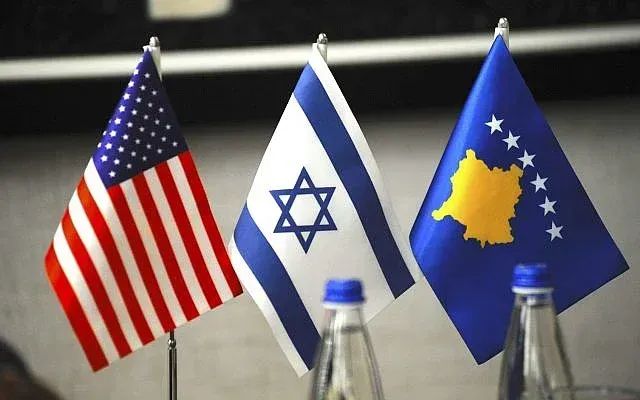
The official communiqué is unusually direct. Prime Minister Kurti “reiterated the clear position of the institutions of the Republic of Kosovo that they stand unwaveringly alongside our friends and strategic allies, and in particular the United States of America, in efforts to preserve international peace, security and stability.”

The word unwaveringly is not accidental.

Clear Support, Framed as Prevention

The statement goes further. Kosovo “supports the actions undertaken by the United States against the objectives of the regime of the Ayatollahs in Iran, assessing them as measures aimed at preventing further escalation and limiting destabilizing capacities in the region.”

This is not the language of reluctant endorsement. Nor is it ideological enthusiasm. It is a strategic framing: deterrence as prevention.

The formulation matters in Washington. It places Kosovo firmly within the doctrine that limited, targeted force can serve stability rather than undermine it. That view, forged in the Balkans in 1999, remains foundational to Kosovo’s political DNA.

Kosovo does not see American military intervention as an abstraction. It sees it as history.

Regime Versus People

Equally important is the moral distinction embedded in the communiqué. While supporting U.S. action against the regime, Kosovo “expresses its solidarity with the people of Iran and their legitimate aspirations for freedom, dignity, and fundamental rights.”

That separation is deliberate.

Kosovo understands the difference between confronting a destabilizing regime and condemning a nation. Its own statehood emerged from precisely that distinction — international action against a regime, not against a people.

In diplomatic terms, this shields Prishtina from accusations of endorsing collective punishment. In moral terms, it aligns Kosovo with democratic solidarity.

A Signal to Washington

The communiqué concludes with a statement that is not written primarily for domestic consumption: “The Republic of Kosovo remains a reliable and committed partner of the Euro-Atlantic community and will continue to contribute to joint efforts for peace, security and global stability.”

Reliable. Committed. Contribute.

In a fractured transatlantic environment, reliability is currency.

Kosovo’s strategic architecture — from security sector reform to NATO interoperability — has been built in close coordination with the United States. Its military transformation follows NATO standards. Its diplomatic positioning consistently aligns with Washington on sanctions regimes and security policy.

When the United States acts, Kosovo does not simulate neutrality.

That consistency is not rhetorical. It is structural.

Domestic Readiness and Hybrid Awareness

The statement also contains a layer of internal security posture. Kosovo’s institutions, it says, “have undertaken all necessary measures to preserve order and security” and are “closely monitoring developments in the Middle East, as well as potential implications for Kosovo and the region.” It adds that Kosovo is in “close and continuous communication with our strategic partners.”

This is not boilerplate.

The communiqué explicitly calls on citizens “to remain calm and to inform themselves only through official channels and credible sources,” warning against “disinformation and propaganda aimed at destabilizing the country and creating insecurity, tensions, or spreading narratives against the statehood and security of the Republic of Kosovo.”

That final clause is telling.

Kosovo anticipates that geopolitical escalation does not travel only through missiles. It travels through narratives. Through hybrid interference. Through attempts to exploit regional fault lines.

Prishtina is signaling awareness — and readiness.

The Contrast in the Balkans

In the Western Balkans, global crises often expose strategic ambiguities. Some actors calibrate between Brussels, Moscow, Beijing, and Washington depending on advantage.

Kosovo’s statement contains no such calibration.

It aligns clearly with the United States. It frames that alignment within its Euro-Atlantic orientation. It couples support for deterrence with solidarity for civilians. And it reassures its own population about internal stability.

This is not a loud statement. It is a disciplined one.

For Washington policymakers assessing credibility in Southeastern Europe, discipline is more valuable than volume.

Kosovo is a small state. But in moments of strategic consequence, it behaves like an ally that understands exactly where it stands.

About the author

Elmi Berisha is a prominent Albanian-American community leader and businessman based in the New York area, best known as the President of the Pan-Albanian Federation of America “Vatra”, the oldest Albanian American organization in the United States, founded in 1912.

ISSN: 3070-2186

Filed Under: Politike

TË GJITHË ATA QË PËRDORIN SHPATËN DO TË VDESIN PREJ SHPATËS (KRISHTI)

March 2, 2026 by s p

Alfons Grishaj/

Ajo që pritej… ndodhi! Pas sulmit të Amerikës dhe Izraelit dhe vrasjes së liderit Ali Khamenei, Presidenti Trump u shpreh: “This is not only justice for the people of Iran, but for all great Americans and those people from many countries throughout the world that have been killed or mutilated by Khamenei and his gang of bloodthirsty thugs.” – 28 shkurt 2026. Për më shumë se 36 vjet e gjashtë muaj, Ali Khamenei udhëhoqi Iranin. Që nga 6 gushti 1989 (pas rrëzimit të Mohamed Reza Pahlavi), deri më 28 shkurt 2026, Lideri Suprem drejtoi me grusht të hekurt Revolucionin Islamik. Gjatë viteve të udhëheqjes së tij, u ekzekutuan mijëra qytetarë dhe kundërshtarë politikë. Ai u konsiderua sponsori numër një i grupeve terroriste në botë. Siç thotë populli, “për të mos djegur dorën, përdori mashën”, sponsorizoi grupe terroriste proksi. Rruga e gjatë e terrorit ndaj Amerikës, Izraelit dhe vendeve të tjera nuk kishte një justifikim të qenësishëm në politikat e bashkëjetesës dhe zhvillimit, por vetëm provokime dhe tensione të panevojshme. Pikërisht ky ishte fataliteti i tij.

Ai asnjëherë nuk i mori seriozisht këshillat dhe dorën e afruar. Presidenti Obama i akordoi mbi 1.5 bilion dollarë në kuadër të marrëveshjeve për ndalimin e proliferimit bërthamor. Edhe pse kishte monitorim nga Agjencia Ndërkombëtare e Energjisë Atomike, ai i injoroi kontrollet, duke mos dhënë mundësi për inspektim të plotë të zonave ku zhvillohej programi bërthamor për armë të shkatërrimit në masë. Megjithatë, MOSAD dhe CIA arritën të informohen lidhur me pasurimin e uraniumit dhe përpjekjet për ndërtimin e armëve bërthamore. Me ardhjen e Presidentit Trump, të cilin shumë e konsiderojnë njeri të paqes dhe aksionit, Khamenei nuk e mori seriozisht as paralajmërimet dhe as veprimet e tij. Kjo çoi në rënien e këmbanës së fundit, operacioni “Epic Fury”, aksion i përbashkët i Amerikës dhe Izraelit që solli fundin e tij.

Khamenei dhe pasuesit e tij nuk e kuptuan se sot nuk luftohet me gjoks e raketa, Fattah, Emad, Paveh, Ghadar, Somar apo Khorramshahr, por me mendje dhe strategji. Dhe më e rëndësishmja, Allahu nuk ndihmon vrasësit e popullit të vet, nuk mbështet frymëzuesit e humbjes së jetëve të pafajshme. Allahu është vetë Zoti. Ai nuk pranon karshillëk dhe ndëshkon rreptë kur mëkati bëhet krim. Format e ndëshkimit janë misterioze. Edhe pse nuk kanë zë, njeriu i ndjen dhe i prek. Pas aksionit të suksesshëm, shumë folës kaluan pa më tërhequr vëmendjen, por njëra më bëri përshtypje, Masih Alinejad, gazetare amerikano-iraniane, e cila u shpreh me entuziazëm për lirimin e popullit të saj. Ajo falënderoi në mënyrë të veçantë Presidentin Trump dhe popullin amerikan.
Tek e shikoja aktivisten, m’u mbush shpirti dhe u emocionova.

Kujtimet më çuan në vendin tim, 13 dhjetor 1990, Shkodër, kur u rrëzua busti i Enver Hoxhës. Si një film i këputur m’u shfaq 20 shkurti 1991, kur populli i Tiranës e tërhoqi zvarrë bustin e diktatorit. Dhe dita e lirisë së popullit tim dardan, 17 shkurti 2008, kur Kosova fitoi me gjak lirinë nga regjimi serb. Emocionet e lirisë ndihen dhe vlerësohen vetëm nga ata që u ka munguar liria, kurrë nga ata që kanë qenë vegla të diktaturave apo të besimeve të thyer nga lidershipi. Liria nuk vlerësohet sinqerisht as nga barkngopurit, që nuk u ka munguar asgjë në jetë. Këta të fundit janë më të rrezikshmit, sepse nuk janë as mish as peshk, as luftëtarë, as paqësorë, por hipokritë dhe egocentristë.

Luftërat nuk janë të këndshme, por kur paqja rrezikohet, ka vetëm dy rrugë: O ta luftosh të keqen, ose t’i nënshtrohesh asaj. E di që ka kampe të ndryshme gjykimi, dhe kjo është e drejta e gjithsecilit. Por njeriu, për të qenë në paqe me veten, duhet ta gjykojë veten si pjesë e vuajtjes dhe jo e pasionit. E rëndësishme është se emigrantët iranianë po festojnë në Shtetet e Bashkuara të Amerikës. Populli iranian ka një shans për liri. Ndërsa armiqtë e lirisë mund të ngrihen përballë ambasadave amerikane, ndoshta edhe me akte terroriste.

Liria ka kosto, prandaj duhet mbrojtur. Mendoj se shqiptarët, kudo që janë, duhet të jenë në krahun e duhur, në krahun e Amerikës dhe Presidentit Trump.

 All who draw the sword will die  by the sword (Christ)

What Was Expected… Happened

After the attack by the United States and Israel and the killing of leader Ali Khamenei, President Trump stated: “This is not only justice for the people of Iran, but for all great Americans and those people from many countries throughout the world that have been killed or mutilated by Khamenei and his gang of bloodthirsty thugs.” February 28, 2026.

For more than 36 years and six months, Ali Khamenei led Iran. From August 6, 1989, following the fall of Mohamed Reza Pahlavi, until February 28, 2026, the Supreme Leader ruled the Islamic Revolution with an iron fist. During his years in power, thousands of citizens and political opponents were executed. He was widely regarded as the leading sponsor of terrorist groups worldwide.

As the saying goes, to avoid burning his own hand, he used tongs, sponsoring proxy terrorist groups. The long path of terror directed at America, Israel, and other nations had no meaningful justification rooted in coexistence or development. Instead, it consisted of unnecessary provocations and escalating tensions. That was ultimately his fatal flaw.

He never took seriously the advice or the extended hand offered to him.

President Obama granted over 1.5 bilion dollars within the framework of agreements aimed at halting nuclear proliferation. Although monitoring was conducted by the International Atomic Energy Agency, inspections were ignored and full access was not granted to hidden facilities where the nuclear weapons program was being developed.

Nevertheless, Mossad and the CIA were able to obtain intelligence regarding uranium enrichment and efforts to build weapons of mass destruction.

With the arrival of President Trump, whom many consider a man of peace and decisive action, Khamenei did not take seriously either his warnings or his policies. This led to the final turning point, “Operation Epic Fury”, a joint action by the United States and Israel that ultimately brought about his end.

Khamenei and his successors failed to understand that modern conflicts are not won with rockets such as Fattah, Emad, Paveh, Ghadar, Somar, or Khorramshahr, but with intelligence and strategic thinking.

Most importantly, Allah does not stand with those who kill their own people. He does not support those who inspire the loss of innocent lives. Allah is God. He does not accept defiance, and when sin turns into crime, justice follows. The forms of justice may be mysterious. Though they have no voice, they are felt and experienced.

After the successful operation, many public voices spoke, but only one truly caught my attention: Masih Alinejad, the Iranian American journalist, who expressed heartfelt enthusiasm and joy for the liberation of her people. She openly thanked President Trump and the American people.

As I watched her, my heart filled with emotion. My memories carried me back to my homeland. December 13, 1990, in Shkodër, when the bust of Enver Hoxha was toppled. February 20, 1991, when the people of Tirana dragged the dictator’s statue through the streets. Then February 17, 2008, the day my Dardan people gained their freedom, when Kosovo won independence from the Serbian regime through sacrifice and blood.

The emotions of freedom are felt and valued only by those who have lived without it. They are not understood by those who served dictatorships or whose beliefs were shaped by broken leadership. Nor are they appreciated by those who have never lacked anything in life. These individuals are often the most dangerous, because they are neither committed fighters nor genuine peacemakers. They remain detached, hypocritical, and self-centered.

War is never pleasant. Yet when peace is threatened, there are only two choices: fight evil or submit to it.

There are different perspectives and judgments, and that is everyone’s right. However, to live in peace with oneself, one must judge situations through the lens of suffering and responsibility, not emotion or blind passion.

What is significant today is that Iranian immigrants are celebrating in the United States. The Iranian people now have an opportunity for freedom. At the same time, enemies of freedom may rise in protest outside American embassies, possibly even through acts of terror.

Freedom carries a cost. That is why it must be defended.

Albanians everywhere, in my view, should stand on the right side of history, alongside America and President Trump.

Filed Under: Politike

  • « Previous Page
  • 1
  • …
  • 42
  • 43
  • 44

Artikujt e fundit

  • Rilindasi At Shtjefën Gjeçovi
  • Pse duhet ta lexojmë Andon Zako Çajupin?
  • Kujtojmë në ditën e tij të lindjes atdhetarin e shquar Sotir Peci
  • Albanian americans support the protests in Tirana
  • NJË DITË “AMBASADOR” I LIBRAVE TË MI…
  • Takim lamtumirës me Sekretarin e Shtetit të Iowas, Paul Pate dhe Zv. Sekretaren Christy Johnson
  • Diplomacia shqiptare si instrument i stabilitetit euroatlantik në Ballkan
  • Kur gjeografia bëhet gjeostrategji…
  • KUR GURRA SHQIPTARE PUSHTON SANREMON
  • HISTORIA NUK ËSHTË PRIVILEGJ – ËSHTË E DREJTË!
  • Mërgata dhe Atdheu si destinacioni i zemrës
  • It was an honor to organize and host a roundtable discussion with Congressman Mike Lawler and members of the Albanian-American community
  • Kujtojmë në ditën e ndarjes nga jeta poetin, dramaturgun dhe rilindësin Andon Zako Çajupi
  • Israeli kurrë nuk ka qenë e nuk është armiku i shqiptarëve!
  • Historia që Evropa nuk deshi ta tregonte

Kategoritë

Arkiv

Tags

albano kolonjari alfons Grishaj Anton Cefa arben llalla asllan Bushati Astrit Lulushi Aurenc Bebja Behlul Jashari Beqir Sina dalip greca Elida Buçpapaj Elmi Berisha Enver Bytyci Ermira Babamusta Eugjen Merlika Fahri Xharra Frank shkreli Fritz radovani Gezim Llojdia Ilir Levonja Interviste Keze Kozeta Zylo Kolec Traboini kosova Kosove Marjana Bulku Murat Gecaj nderroi jete ne Kosove Nene Tereza presidenti Nishani Rafaela Prifti Rafael Floqi Raimonda Moisiu Ramiz Lushaj reshat kripa Sadik Elshani SHBA Shefqet Kercelli shqiperia shqiptaret Sokol Paja Thaci Vatra Visar Zhiti

Log in

This website uses cookies to improve your experience. We'll assume you're ok with this, but you can opt-out if you wish. Cookie settingsACCEPT
Privacy & Cookies Policy

Privacy Overview

This website uses cookies to improve your experience while you navigate through the website. Out of these cookies, the cookies that are categorized as necessary are stored on your browser as they are essential for the working of basic functionalities of the website. We also use third-party cookies that help us analyze and understand how you use this website. These cookies will be stored in your browser only with your consent. You also have the option to opt-out of these cookies. But opting out of some of these cookies may have an effect on your browsing experience.
Necessary
Always Enabled
Necessary cookies are absolutely essential for the website to function properly. This category only includes cookies that ensures basic functionalities and security features of the website. These cookies do not store any personal information.
Non-necessary
Any cookies that may not be particularly necessary for the website to function and is used specifically to collect user personal data via analytics, ads, other embedded contents are termed as non-necessary cookies. It is mandatory to procure user consent prior to running these cookies on your website.
SAVE & ACCEPT