• Home
  • Politics
  • Opinion
  • Culture
  • Sports
  • Economy
  • Interview
  • Reporting
  • Community
  • Vatra

Dielli | The Sun

Albanian American Newspaper Devoted to the Intellectual and Cultural Advancement of the Albanians in America | Since 1909

Kush ishte shkrimtari shqiptar që kishte letërkëmbim dhe vlerësohej nga Viktor Hygo

February 11, 2026 by s p

Prof. As. Dr. Hasan Bello/

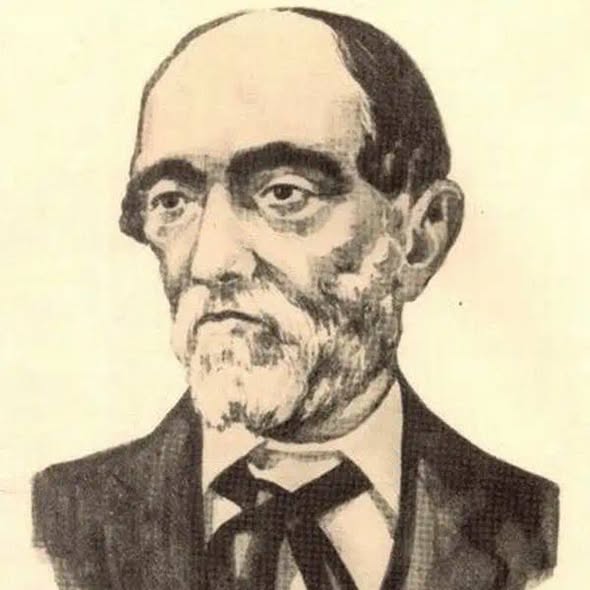
Pak kush e di se Viktor Hygo, gjigandi i letërsisë franceze, ishte i lidhur përmes letërkëmbimit dhe vlerësimit me Jeronim de Radën, një nga themeluesit e letërsisë moderne shqiptare. Qysh në vitet ’40 të shek. XIX, De Rada këshillohej që veprat e tij, veçanërisht Këngët e Milosaos dhe Këngët e Serafinës, t’ia dërgonte Hygos dhe madje të mendonte për botimin e tyre në frëngjisht, në Paris.

Vlerësimi i Viktor Hygos për De Radën nuk ishte i rastësishëm. Ai e shihte poetin arbëresh si një zë origjinal, me frymë të fortë kombëtare, që sillte në poezinë europiane një botë të re, historike dhe lirike njëkohësisht. Ky vlerësim moral dhe letrar i dha De Radës një legjitimitet të rrallë në rrethet kulturore të kohës.

Në të njëjtën linjë qëndronte edhe Alfons Lamartini, një tjetër figurë qendrore e romantizmit francez, i cili vlerësoi lart Këngët e Milosaos, duke i konsideruar dëshmi të një talenti të veçantë poetik dhe të një shpirti kombëtar të gjallë. Për Lamartinin, poezia e De Radës ishte një poezi e ndjenjës, e kujtesës historike dhe e idealit të lirisë.

Këto vlerësime tregojnë se Jeronim de Rada nuk ishte thjesht një poet i një kombi të vogël, por një autor europian, që u lexua, u çmua dhe u respektua nga mendjet më të mëdha të shekullit XIX. Një dëshmi e hershme se letërsia shqiptare ka qenë pjesë e dialogut kulturor europian.
Filed Under: Emigracion

Reçak a story of pain, sorrow and the triumph over death

February 9, 2026 by s p

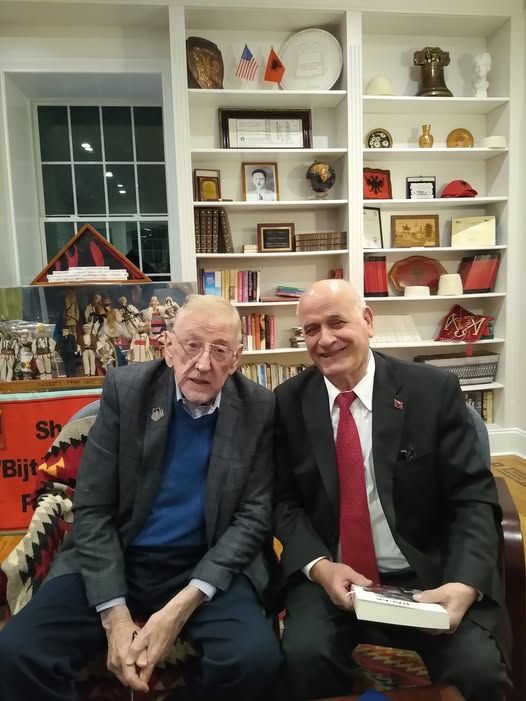
Ambassador William G. Walker:” Reçak, a story of a war crime” – a book review.

Dr. Sadik Elshani

It’s a great pleasure to have tonight among us a great Albanian friend, a diplomat par excellence, a wonderful human being. Tonight’s gathering is a multipurpose event: a promotion of the book “Reçak, a story of a war crime”, written by our guest, Ambassador William Walker. Also to express our thanks and gratitude to the Ambassador Walker for his great contributions towards Kosova’s freedom and Independence. And most importantly, to pay our tribute to the victims of Reçak massacre and all the victims of the bloody Kosova conflict. Though, for most Albanians the name William Walker it’s become synonymous with Reçak, Ambassador Walker prior to that terrible event had a 40 years long distinguished carrier as an Officer in the U. S. Foreing Service. As the title clearly states the main focus of this book is the massacre of Recak, but also on these pages are described prior engagements of Ambassador Walker in many diplomatic posts and positions, mostly in Latin and Central America.

Just to name a few for illustrations: Deputy Consul in Peru and Okinawa, Chief of Political Section in Brazil, Deputy chief in Honduras and Bolivia, Ambassador to El Salvador. Ambassador Walker worked in EPA, a healthy appointment – quit smoking. Also, he was Vice President of NDU. He Held many other positions at State Department and US Mission at the UN. Latin and Central America at the time were regions on turmoil, a conflict zone with many social and armed conflicts. In the book are described many events and episodes that look more like scenes from the movies. In those many events that we read in newspapers or watched on TV news also was present Ambassador Walker. It was this rough environment, that shaped Ambassador Walker’s character and personality. Challenges, adversity, and rough experiences are necessary to build strength, resilience and true experience. As the saying goes; “Calm seas don’t make skilled sailors”.

These experiences made Ambassador Walker a perfect candidate for the engagement in the conflict in former Yugoslavia, in the words of Ambassador Bob Gelbard, to practice “real diplomacy”. First, he served as a director of peacekeeping operations in Eastern Slavonia, UNTAES, in Vukovar, August 1997 – January 1998. Prior to this appointment Ambassador Walke never herd the name of this city. The dissolution off the Former Yugoslavia was very brutal and terribly violent. There were committed the worst atrocities in the European continent since WWII. When Ambassador Walker showed a picture off Vukovar, his youngest son said: “Dady this is not Vukovar, it’ s Hiroshima”. This boy’s description was the right one, an appropriate metaphor to describe the scale of destruction in Bosnia and Croatia. When the bad things were happening in Kosova the rest of Yougoslavia they just were watching like nothing was going on there, but doctor Rugova warned them that if they don’t do anything to stop the Slobodan Miloshevic’s regime one day all they are going to become Kosova.

In the book are given the portraits of some personalities with whom Ambassador Walker delt during his missions in Croatia and Kosova: Slobodan Milosheviq, Franjo Tudjman, Ibrahim Rugova, Adem Demaçi Dushan Lonçar, Nikola Shainovic, Richard Holbrook, and many others. Those are descriptions of their behaviours, characters, the way how they treat and interact with others. I like the observation and comparation how the architecture and style of the cities of Belgrade and Zagreb reflect on the personalities of their respective inhabitants, Sllobodan Milosheviq and Franjo Tudjman.

In late 80 – es until second middle of 90 – es of the last century Albanians of Kosova did not have any good choices but to choose a nonviolent (some they called peaceful) resistance, led by Dr. Ibrahim Rugova, who internationalized the plea of Kosovar Albanians for freedom and independence. This movement for some time was successful, but started to run it’s course with time, especially after the Dayton Accords in 1995 in which Serbia, Croatia and Bosnia and Hercegovina reached an agreement on ceasing all hostilities and recognizing each – others statehood. However, Kosova was not included in these Accords, thus in turn giving Millosheviq a free hand to turn his efforts to get rid of the Albanians of Kosova by expelling them from their homes, their lands, killing them indiscriminately.

This led to the armed resistance and creation of the KLA. Albanians took arms to defend their homes, honor and dignity of their families from the genocidal Serbian regime. The brutal regimes do not understand the peaceful means they do understand only the means, language of force. Some called this freedom fighters terrorists, but they should have known that according to our code of honor, code of conduct (kanun) it is unacceptable, it is prohibited for an Albanian to attack unarmed civilians, innocent people, women, children and elderly, regardless of their nationality or religion. KLA fighters were fighting only against heavy – armed Serbian military and police forces who were terrorizing the Albanian population. What Albanians should have done under these tragic circumstances, to watch how their houses burning, family members are killed, women raped?!

On March 5th, 1998 Serbian police and military forces undertook an attack against Jashari family in Prekaz where more than fifty family members were killed. Fighting between KLA fighters and Serbian forces intensified in the Summer of 1998. People left their hoses and escaped in the forests living in the plastic shades. On the fall of that year was reached an agreement between Ambassador Richard Holbrook and Sllobodan Milosheviq to allow for an international Verification Mission to monitor the ceasefire, to facilitate prisoner exchange, etc. The presence of this international force was welcomed by all Albanians, it provided some sense of security, resurrected the hope that finally somebody is paying attention to the Albanians plea for freedom. In the book are described in detail the efforts to put together this Mission, grim situation in Kosova, constant destruction attempts of the Serbian site for derailing the success of this Mission. Again, Ambassador Walker was selected to lid the Mission.

Then come massacre of Reçak. On January 15th 1999. Serbian forces slaughtered 45 innocent unarmed civilians: young and elderly men, children. Ambassador Walker that day was in Montenegro to talk to the President of that country and returned in the evening, got a call from his deputy DZed who informed him for what happened in Reçak. They took measures to preserve the scene, to not compromise the evidence. The Day later on 16th of January early morning Ambassador Walker was at the scene of the massacre, where in a valley, were laying the massacred bodies. These were atrocities, people shot in the short range and not people killed in the battle as the Serbian site was claiming. This was an overpowering experience for Ambassador Walker who in his long diplomatic carrier has seen many horror scenes, but none like this one. Latte that same day in a news conference he spread the news to the world for what happened in Raçak and declared: “From what I personally saw, I do not hesitate to describe the event as a massacre, obviously a crime very much against humanity”.

We just saw the video and here we have present Ambassador Walker, so I will not go further into details. In these defining situations, as tragic as they may be, it is important to be witnessed by a person of great integrity, dignity who cherishes human values, human life, possesses courage and committed to find the truth. Some 54 years before Reçak another great American, then general Eisenhower, witnessed similar horrors, and acted in the same way. When allied forces liberated the Ohrdruf concentration camp in early April, 1945 and they saw the atrocities committed there by Nazis, general Eisenhower went personally to see the crime scene with his own eyes: “I made this visit deliberately, in order to be in position to give first hand evidence of these things if ever, in the future, there develops a tendency to charge these allegations merely to propaganda”.

Is a Jewish saying: “What you don’t see with your eyes, don’t witness with your mouth” If Ambassador Walker wouldn’t be personally that day in Reçak, or if in his place were his deputy, French diplomat, Gabriel Keller, for sure we would have quite a different outcome – these victims would be only numbers in a long list of thousands of others. Serbs to this date do not admit their guilt, take responsibility and apologize for crimes committed against Albanians. To the contrary, they are claiming that this a great deception, they are developing conspiracy theories, that this is just propaganda, staged by KLA, or this massacre was organized with CIA to trigger NATO bombing, and many more bizarre stories of this nature. They even killed their own people, 6 young Serbs in caffe “Panda” in Peja, just to blame the Albanians.

Thank God in this unfortunate situation was present an experienced American diplomat who rose to the occasion and with his persistence, dedication got to the bottom of the causses of this massacre. He alarmed the western governments, diplomats, military leaders that this is not an isolated case, but a deliberate action, the beginning of a large – scale military operation to finish the Millosheviq’s plan to get rid of Albanians by killing them all. This was the answer that Millosheviq gave to general Clark when he asked how he is going to deal with the Albanians. By now they should have known that Millosheviq never was a man of peace, he always was an evil person.

Massacre of Reçak was a turning point in Kosova’s conflict and Kosova’s modern history that led to her freedom and independence. Ambassador Walker worked tirelessly to make sure that these innocent victims didn’t die in vain. With his actions, dedication and insistence Ambassador Walker gave them a powerful voice for freedom and dignity of life. Like in Albanian legends, ballads these innocent victims became sacrifice (Alb. kurban) for Kosova’s freedom. Finally, the echo of this massacre awoke the sleeping conscience, indifference of Western capitals, set in motion diplomatic, military factors that something needs to be done to stope this carnage. This led to Rambuillet conference and shortly to NATO bombing and the liberation of Kosova.

“Reçak, a story of a war crime” is a fascinating, powerful and well written book with a clear and straightforward language about conflicts in the Former Yugoslavia, and in particular, Kosova, bringing the events from the terrain and behind the scenes of Western diplomacy. It is a rich mosaic of events form a long carrier of a distinguished and experienced diplomat. This book is a written monument to the memory of Reçak victims. Is going to be a great contribution, reference book for historians, scholars and students of Kosova’s history, as it provides firsthand accounts, firsthand testimony from a person who was there when those events were unfolding. Also, very useful for diplomats, a valuable lesson how to conduct real diplomacy, diplomacy in action. Is going to be a history lesson for younger generations to remind them for sacrifices of Albanian people for freedom and independence.

Albanians are a very thankful people, and we thank Ambassador Walker for his great efforts toward Kosova’s freedom and independence. As it is in our tradition on memorializing important events and personalities in songs, many songs are dedicated to Ambassador Waker and the Reçak massacre. A bronze statue of Ambassador Walker stands toll near the Memorial of Reçak victims. Mr. Ambassador, we never will have enough words to express our gratitude for what you have done for Kosova – hopefully a big thank you will do it. Shume faleminderit! We are proud to call you a dear friend.

May the memory of Reçak victims be eternal!

Philadelphia, 7 February, 2026

Presented at the book promotion of “Recak, a story of a war crime”, by Ambassador William G. Walker, organized by the Albanian – American Association“Bijte e shqipes”, Philadelphia.

Filed Under: Emigracion

Rauf Fico – Diplomacia shqiptare si kulturë shtetërore, ndërgjegje morale dhe vizion europian

February 4, 2026 by s p

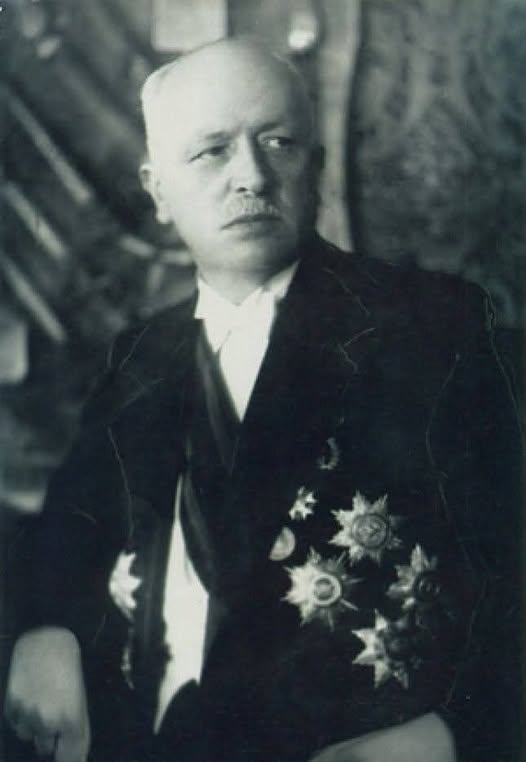
Në historinë e shtetit shqiptar, ku shpesh politika është shoqëruar me improvizim dhe diplomacia me retorikë të varfër, figura e Rauf Ficos ngrihet si një përjashtim domethënës, si shembull i rrallë i një shtetari që e ndërtoi veprimtarinë e tij mbi dije të thellë, kulturë të gjerë dhe ndjenjë të lartë përgjegjësie kombëtare. Ai përfaqëson tipologjinë e diplomatit të formuar në shkollën e mendimit shtetëror evropian, i cili e kuptoi përfaqësimin e Shqipërisë jo si privilegj personal, por si detyrë morale ndaj një kombi të vogël, por me aspirata të mëdha historike.

Rauf Fico lindi më 13 mars 1881 në Sana’a të Jemenit, në kohën kur kjo trevë ishte pjesë e Perandorisë Osmane. Ai ishte biri i Tahmaz (Remzi) Fico, një funksionar i administratës osmane me prejardhje nga Gjirokastra, dhe i Hava Buzos, që vinte po ashtu nga një familje shqiptare me tradita qytetare. Rrethanat e lindjes së tij jashtë atdheut lidhen drejtpërdrejt me realitetin historik të shqiptarëve të asaj kohe, por edukata familjare dhe vetëdija e fortë kombëtare do ta formësonin që në fëmijëri lidhjen e tij të pandashme me Shqipërinë.

Vitet e para të jetës dhe shkollimin fillor Rauf Fico i kreu në mjedise urbane të Perandorisë Osmane, ku arsimi dhe disiplina intelektuale vlerësoheshin lart. Arsimin e mesëm e ndoqi në institucione të njohura të kohës, përfshirë gjimnazin e Janinës, një qendër e rëndësishme arsimore për shqiptarët e fundit të shekullit XIX. Që në këto vite ai u dallua për seriozitet, prirje të forta intelektuale dhe interes të hershëm për çështjet e shoqërisë dhe të shtetit.

Studimet e larta i përfundoi në Stamboll, në Mekteb-i Mülkiye, një nga institucionet më elitare të formimit administrativ dhe diplomatik të kohës. Ky universitet ishte vatër e përgatitjes së elitave shtetërore të Perandorisë Osmane dhe më gjerë, dhe Rauf Fico doli prej andej i pajisur me dije juridike, administrative dhe politike, si dhe me një botëkuptim shtetëror të bazuar në ligj, racionalitet dhe përgjegjësi publike. Pikërisht në këtë fazë u kristalizua profili i tij si administrator dhe diplomat me vizion afatgjatë.

Një nga tiparet më të spikatura të personalitetit të tij ishte kultura e jashtëzakonshme gjuhësore. Rauf Fico zotëronte disa gjuhë të huaja, ndër të cilat turqishten, frëngjishten, gjermanishten, italishten, greqishten, arabishten dhe persishten. Kjo aftësi e rrallë e bënte të pavarur në komunikim diplomatik dhe i jepte mundësinë të përfaqësonte Shqipërinë drejtpërdrejt, pa ndërmjetës, në tryezat politike të Evropës.

Pas shpalljes së Pavarësisë së Shqipërisë më 1912, Rauf Fico iu përkushtua shërbimit ndaj shtetit të ri shqiptar, në një kohë kur ekzistenca e tij ishte ende e brishtë dhe e rrezikuar. Ai kontribuoi në ndërtimin e administratës shtetërore dhe në konsolidimin e institucioneve, duke u shquar për korrektësi, ndershmëri dhe përkushtim profesional. Më vonë, ai mbajti poste të rëndësishme qeveritare, përfshirë detyrën e Ministrit të Punëve të Brendshme dhe atë të Ministrit të Punëve të Jashtme të Shqipërisë.

Në diplomaci, Rauf Fico përfaqësoi Shqipërinë në disa prej vendeve më të rëndësishme të rajonit dhe të Evropës, si Turqia, Bullgaria, Jugosllavia, Greqia dhe Gjermania. Në këto misione ai u dallua për qasje të matur, për mbrojtje të palëkundur të interesave kombëtare dhe për aftësi të veçantë në ndërtimin e marrëdhënieve të qëndrueshme ndërkombëtare. Diplomacia e tij ishte e heshtur, por efektive, larg spektaklit dhe afër arsyes.

Një nga faqet më të ndritura të veprimtarisë së tij mbetet angazhimi humanitar gjatë shërbimit diplomatik në Gjermani, në vitet e para të regjimit nazist. Në një kohë të errët për Evropën, Rauf Fico përdori mjetet diplomatike për të ndihmuar hebrenjtë e përndjekur, duke u siguruar atyre dokumente dhe rrugë shpëtimi. Ky veprim e vendos atë në radhën e personaliteteve që e panë diplomacinë si akt ndërgjegjeje njerëzore dhe jo thjesht si funksion formal shtetëror.

Përveç veprimtarisë shtetërore, Rauf Fico ishte i angazhuar edhe në jetën shoqërore dhe kulturore shqiptare. Ai mbështeti arsimin, mori pjesë në shoqata kulturore dhe bamirëse dhe ishte ndër nismëtarët e institucioneve sociale që synonin ndihmën për shtresat më të pambrojtura të shoqërisë. Për të, shteti modern nuk mund të ndërtohej pa ndjeshmëri sociale dhe pa edukim qytetar.

Figura e tij është vlerësuar edhe nga shkrimtari i madh Ismail Kadare, i cili e ka cilësuar Rauf Ficon si një nga figurat më të ndritura të diplomacisë shqiptare, duke theksuar kulturën e tij evropiane, zgjuarsinë politike dhe dinjitetin me të cilin ai përfaqësonte Shqipërinë në arenën ndërkombëtare. Ky vlerësim e vendos Rauf Ficon jo vetëm në historiografinë politike, por edhe në kujtesën kulturore të kombit.

Pas pushtimit fashist të Shqipërisë, për shkak të qëndrimeve të tij parimore dhe refuzimit për të bashkëpunuar me pushtuesit, Rauf Fico u arrestua dhe u internua. Ai u kthye në atdhe në vitet e fundit të jetës dhe ndërroi jetë më 23 janar 1944 në Tiranë, duke e mbyllur jetën e tij në heshtje, ashtu siç kishte shërbyer gjithmonë, me dinjitet dhe besnikëri ndaj parimeve.

Trashëgimia e Rauf Ficos mbetet sot një model i rrallë i shtetarit shqiptar të formuar, të ndershëm dhe largpamës. Ai dëshmon se diplomacia është mbi të gjitha kulturë, se shteti kërkon mendje të kthjellët dhe se atdhedashuria e vërtetë shprehet përmes shërbimit të heshtur, të përgjegjshëm dhe të ndershëm ndaj kombit.

Gjon F. Ivezaj

Filed Under: Emigracion

FREEDOM IN JANUARY 2026

January 31, 2026 by s p

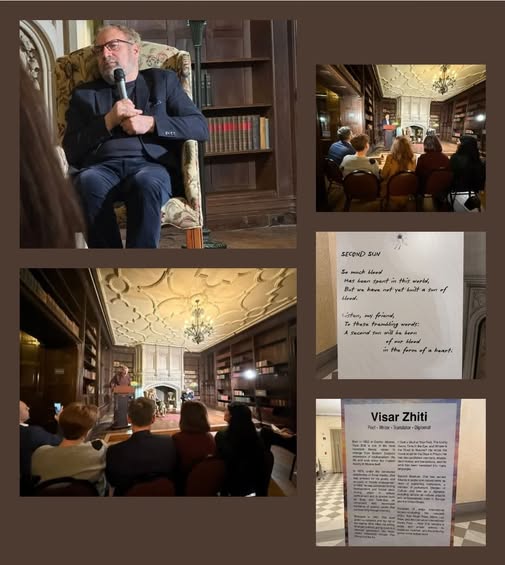
Last night, our wonderful young activists at AACI created a magical event to celebrate the unique 2025 official proclamation by Illinois Governor JB Pritzker, honoring freedom and our Visar Zhiti. It’s January 2026 in the USA, and we just had some of the darkest days in the history of this country and nation. We are experiencing a rupture in the fabric of the model of freedom, and last night, many of us needed to hear someone like Visar Zhiti talk about freedom. He has a unique life journey that gives him visibility from the darkest corners of humanity into the brightest moments of humanity. America should learn from Visar Zhiti and my hope was there will be more Americans last night who needed to hear Visar. It’s one of the reasons I decided to write about it in English and share my thoughts with those young Albanian-Americans who need to hear Visar talk about freedom. I will try to braindump my notes for you.

In his opening statement ,Visar with endless empathy, acknowledged that while he will share with us some of the struggles in his life journey, he knows about the struggles and difficult life journeys of all Albanians surrounding Albania. Coming back to the struggles of Albanians in communist Albania, he referred to themselves as “luftëtarë pa luftra” (warriors without wars) compared to our warriors in actual wars. The conversation was masterfully led by young AACI board member, Ada Hoti, and in preparing for the event Visar and Ada had decided, in the spectrum from darkest to brightest, this evening to focus on the side of good to cherish some moments of hope about freedom.

The first Visar’s poem that was shared was “Mirënjohja” (Gratefulness). Visar has found the strength to forgive all those involved who interrupted his youth and freedom. He spoke briefly about this moment and considered being grateful and forgiving as a way to give yourself back freedom. “Ndonjëherë e ke burgun në mendime” (Sometimes you have jail in your thoughts) was a very powerful statement. If there’s something in your life that keeps your thoughts jailed, you should find the strength to liberate your thoughts by forgiving and being grateful.

We then took a dive in “Në detin e Homerit” (In Homer’s Sea). This is a massive realm to explore, and Visar shared some of his thoughts looking back at the time he wrote that poem and how he wrote so much around the shoe metaphors. His novel “Këpuca e aktorit” (The Actor’s Shoe) dances around the object of the shoe. “Këpuca të mbron, po edhe te ndan nga ndjenja e tokës” (Shoe both protects you, but it also separates you from feeling the ground).

Going back to our dark and cold January 2026 realities, I feel we have lost the ability to feel grounded. As some of you may have noticed, I consider algorithms the enemy. Our eyeballs and thoughts have these “shoes” of violence, and we can’t seem to get out of this vicious cycle. I will try to further explore that realm of thoughts as I go through my notes from the event. Visar shared more thoughts on why he loves using shoe metaphors, as they are also a symbol of motion, travel, and exploration.

“Udhëtari udhëton dhe kthehet. Unë shpresoj që gjithë udhëtojmë të kthehemi” (The traveler travels and then returns. I hope we are all traveling to return). This was another thought-provoking moment to step back and think if we are all on a road to somewhere, is that destination always the start of our journey? We are born there, live here, and we get buried back where we were born? Visar then shared another moment for those free-spirited Albanians who lived locked in communist Albania. “Ne mund të ishim më të ikur duke ndenjur në vendin tonë” (Maybe we would have been gone more by staying in our country). This is a powerful feeling of not belonging where you live. You are not where you feel you are supposed to be, and so you pack and go where you feel free. The ultimate pursuit of happiness is also a journey, and while some feel they will be free in America, others feel they will be free in Albania, in Kosovë, in Kërçovë… We should all pursue our happiness.

Visar then spent some more time around his topics in his latest novel, “Këpuca e aktorit” (The Actor’s Shoe). “Njeriu e mendon të keqen më të fortë nga e mira (sipas Frojdit), mirëpo unë besoj që e mira është më e forta” (We think evil is stronger than good (Freud), but I believe that good is the strongest). Visar has seen and experienced the worst in humans. When I had the privilege to have a longer conversation with him, I mentioned to him many eye-opener moments during my days as a student in Albania, when I would hear horrific stories of what was happening amongst Albanians behind the iron curtain of communist Albania. Although these moments are painful and revisiting them causes pain, I think we need to share these stories with future generations to ensure we have our own “never again”. I think these stories also need to be shared with our fellow Americans who need to hear how bad things can become if we continue on this path of self-destruction.

Visar then shared his formative moment when he got a bit of taste of freedom through Whitman’s poetry. In a very brief period of light shining through the darkness of communist Albania, some Western literature was translated into Albanian. Skender Luarasi translated “Leaves of Grass” (Fije bari), and due to the glorious ignorance of whoever was removing Western books from libraries, this one survived as an agricultural book. 😁 So, thanks to agriculture, Visar got to experience some of Whitman’s poetry, which not only inspired him but also shaped him as a person. There were many metaphors he shared from this formative moment and how his life journey changed as you start thinking “liria është si ajri” (freedom is like air). We can’t live without air, and we can’t live without freedom.

The next chapter of the event on freedom featured one of our freedom heroes, Musine Kokalari. Visar shared many inspiring moments of Musine’s life journey. She studies in a prestigious university in Italy, and for her graduating thesis, she bravely chose to study one of her own – Naim Frashëri. Her work shines a light on Albanian studies as a foundation for so much more that needs to be done. She has a huge influence on many more Albanians who bravely followed her, including Ismail Kadare. Yesterday was going to be Kadare’s 90th birthday, so it was a wonderful moment to connect his inspirations with his incredible life’s work. Visar shared some details about how much the communist regime feared Musine. She gets arrested with her brothers, in a shameful moment for Albanians, she is accused and sent to serve prison in the harshest conditions. After serving her sentence, she is placed in a Rrëshen suburb. Visar described how this place looked: if Albania at the time was in dark corners of the world, Rrëshen was in the dark corners of Albania, and this Rrëshen suburb was the dark corners of Rrëshen. That’s where Musine was placed to live the rest of her life by the regime, afraid of her power of freedom. Even when she died, the inhumane regime had wrapped her body with barbed wire and tossed her in an unmarked spot. After the fall of the regime, Albanians found her remains in the barbed wire. She now has a memorial in Rrëshen and will live forever in our memories of freedom and resistance.

Visar then shared some of his highlights about the most famous Albanian, Saint Mother Theresa. She is a joint pride of all Albanians, as she was born in Shkup, her parents from Kosovë, and her mother lives in Albania – we are all parts of what formed Saint Mother Theresa. Visar and his wife, Eda, have explored her activities in Chicago to learn more about her, and he shared with us some of their findings. “Lutjet e saja janë poezi” (Her prayers are poetry) and “Nënë Tereza është liria e dritës” (Mother Theresa is the freedom of light) are some of the expressions he used to describe her. He shared how she knew how to deal with the worst of the dictators of her time. Goes to Cuba and meets Castro. Asks him to allow her to open a house for the poor. Castro responds that nobody is poor in Cuba, as we are all equal. She responds not to worry about it, as she will find them. 😎 Tiny lady but mighty fighter. Visar’s wife, Eda, had also collected another intimate moment that was shared by one of the ambassadors’ wives who participated in the sainthood ceremony in the Vatican. After Mother Theresa is finally allowed to come visit Albania by the communist regime after many years of begging them to visit her mother, Mother Theresa meets with Ramiz Alia. Similar to her demands to Castro, she asks to open a house for the poor in Albania. She gets no response, just a fake smile from him. She then also meets with Nexhmije Hoxha, who was suddenly going to lecture Mother Theresa about the rules of capitalism and that the house will be sold to the highest bidder. Mother Theresa responds: “doja të të jap rastin të jesh një herë e mirë” (I wanted to give you an opportunity to be kind once).
The next topic was the poem “Nënë” (Mother). Visar shared the darkest moments of his trial when he “wrote” this poem in his head. In those darkest hours, when he was experiencing the worst that fellow humans can do to another, his thoughts went to his mother. To cope with these dark hours, he mentally blocked out reality and thought about this poem. After he is placed in his jail cell, he talks with his jailmate, who asks him to share this poem in his thoughts. Visar shares it with him and hears back “poezitë duhen shpëtuar!” (poems must be saved!). In the darkest hours, these two cellmates were now on a mission to save poetry and thus save humanity. They shared them with other cellmates who were reciting them in their heads to make sure they wouldn’t be forgotten in case all the paper was destroyed. This moment of two fellow humans coming up with this mission to save humanity by saving poetry should be our call to action in these dark hours of January 2026. We need to band together to save our souls, to save our children from the doomscrolling jail, we need to stand up to fascism taking over the US before there are more fellow humans killed by the ICE Gestapo-like officers. “O fëmi, na edukoni!” (Oh children, educate us!) was how jailed Visar and his fellow jailmates were looking for hope. They were hoping there would be another generation to stop the madness of placing in jail those who think and write about freedom. We are at a tipping point of the rupture. This land and its people may be in the first days of lynching, like the Musine Kokalari lynching, we may be in the dark days of government placing in jail other Visars because they don’t have papers, because they are brown-skinned, because ICE didn’t like them.

Writing these notes and thoughts in the early morning after the event, as the sun serves up a brand new day, I am hopeful we will learn from Visar. He shares his lessons through his literature, and these talks, like the one last night. Similar to that moment of “poezitë duhen shpëtuar” (poems must be saved), I decided this talk needed to be captured and shared. Hope you managed to arrive here, reading all this, and now “save it too”. Many thanks to all the wonderful Albanians at AACI who worked to organize this event, and forever grateful to Visar for everything. “Dalshim gjallë”* 🌞

ILIR ZENKU

Chicago, January 29th, 2026.

(Written first hours at dawn of the day after AACI event with Visar Zhiti held on January 28th, 2026, celebrating “Day of Freedom” as proclaimed by Illinois Governor JB Pritzker)

* ”Dalshit gjallë” (May you come out alive) was the salute amongst jailmates in Spaç mine as they were changing shifts. Those who were coming out of the mine would wish for the ones going into the dark mine just to come out alive. My slight modification to this salute is that I hope we all come out of this dark period alive and well.

Filed Under: Emigracion

Garancia Publike për Emigrantët

January 25, 2026 by s p

Av. Hasan Metuku/

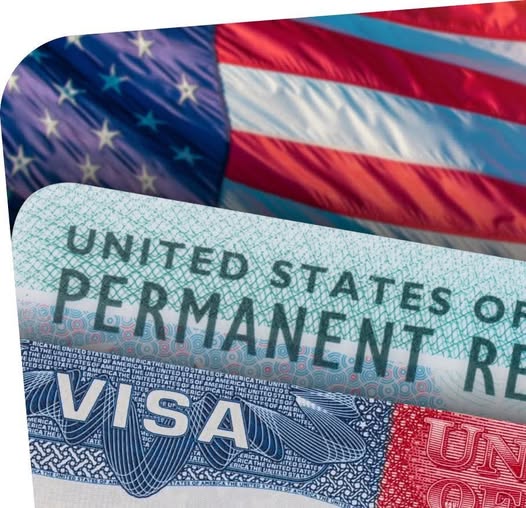
Për të gjithë ju që keni procese në vazhdim apo do aplikoni për bashkim familjar për familjarët tuaj, qoftë nëpërmjet procesit konsullor (ne ambasadat amerikane) apo pershtatjen e statusit duke qenë brenda Shteteve të Bashkuara të Amerikës eshte me rendesi te dini se:

Më 22 janar 2026, Departamenti i Sigurisë Kombëtare (DHS) publikoi njoftimin në lidhje me rivendosjen e Garancis Publike, (formulari I-945).

Ky formular do të përdoret për emigrantët që do konsiderohen të papranueshëm pasi mund të bëhen barrë publike (per buxhetin e shtetit), por të cilëve mund t’u lejohet hyrja pas depozitimit të një garancie, e cila vepron si një garanci financiare për qeverinë e SHBA-së.

* Qëllimi: Të sigurohet që një jo-qytetar amerikan nuk do të varet kryesisht nga qeveria për jetesë.

* Ndryshimet e propozuara: Formulari i përditësuar I-945 përfshin një tarifë regjistrimi, përfshin Departamentin e Shtetit (DOS) në përcaktimin e kushteve dhe lejon paraqitjen e numrave të ndryshëm të çështjeve (I-485, DOS Konsullore ose Vizë Diversiteti).

* Anulimi: Garancia zakonisht anulohet pas pesë vitesh, me kusht që aplikanti të mos ketë marrë ndihmë publike në para ose institucionalizim afatgjatë.

* Kushtet e Anulimit: Një garanci mbetet në fuqi për një kohë të pacaktuar derisa të anulohet nga (Sherbimi i Emigracionit dhe Shtetesise)USCIS.

Anulimi mund të kërkohet nëse aplikanti:

* Ka qenë një (Reziden i Perhershem) LPR për të paktën 5 vjet pa e shkelur garancinë.

* Merr shtetësinë amerikane (natyralizim).

* Largohet përgjithmonë nga SHBA-ja dhe braktis statusin e LPR-së.

* Vdes.

Shkelja e Garancisë: Një garanci konsiderohet e shkelur nëse individi merr përfitime publike të caktuara për më shumë se 12 muaj në total brenda çdo periudhe 36-mujore. Nëse shkelet, shuma e garancisë i kalon qeverisë së SHBA-së si dëmshpërblim i likuiduar.

* Konteksti: Ky veprim synon të kthehet në një analizë më të gjerë, “të tërësisë së rrethanave”, nëse një aplikant ka të ngjarë të bëhet barrë publike, duke përmbysur rregullat më liberale të vitit 2022.

Si e vendos Sherbimi i Emigracionit dhe Shtetesise (USCIS) se kush mund të bëhet barrë për buxhetin e shtetit ?

Procesi i përcaktimit përfshin komponentët kryesorë të mëposhtëm:

1. Faktorët minimalë statutorë

Departamenti i Sigurisë Kombtare (DHS) merr në konsideratë të njëjtët pesë faktorë statutorë të përdorur për përcaktimin fillestar të papranueshmërisë për të vlerësuar shumën e duhur të garancisë:

Mosha: Nëse mosha e aplikantit ndikon në aftësinë e tij për të punuar (zakonisht duke u përqendruar tek ata nën 18 vjeç ose mbi moshën e pensionit të parakohshëm).

Shëndeti: Çdo gjendje mjekësore që mund të ndërhyjë në punë, shkollë ose kujdesin për veten.

Statusi familjar: Madhësia e familjes së aplikantit dhe numri i personave në varësi.

Pasuritë, Burimet dhe Statusi Financiar: Të ardhurat, pasuritë dhe detyrimet e familjes.

Arsimi dhe Aftësitë: Historia e punësimit, niveli i arsimit dhe aftësitë e punës.

Shuma e garancise financiare vendoset për të “mbajtur të padëmtuar” qeverinë e SHBA-së dhe agjencitë e përfitimit publik. Kjo do të thotë që shuma llogaritet bazuar në vlerën e parashikuar të përfitimeve publike që aplikanti konsiderohet se ka të ngjarë të marrë gjatë periudhës që garancia financiare është në fuqi.

Sa më e lartë të jetë mundësia që një aplikant të bëhet barrë publike, aq më e lartë do të jetë shuma e garancisë që USCIS do të kërkojë.

Shuma Minimale: Sipas ligjit, garancia duhet të jetë të paktën 1,000 dollarë, megjithëse shpesh është dukshëm më e lartë bazuar në faktorë t e rrezikut te permemdura me lart.

Nëse përcaktohet se një aplikant është i papranueshëm vlerësuar në bazën e barrës publike, por përndryshe është i pranueshëm për arësye të tjera, aplikanti mund të pranohet sipas vendimit të Sekretarit të Sigurisë Kombëtare pasi të ketë depozituar një garanci finaciare të përshtatshme dhe të duhur.

Si përfundim, përpara se një aplikant të mund të depozitojë një garanci financiare të barrës publike (në Formularin I-945), duhet qe Departamenti ti kërkojë që ta bëjë këtë.

Garancia e barrës publike depozitohet si siguri për kryerjen dhe përmbushjen e detyrimeve financiare të një të huaji të lidhur me qeverinë e SHBA-së.

Për çdo problem që mund të ndeshni gjatë procesit të bashkimit familjar, marrjes së vizës apo Green Card, jeni të mirëpritur për marrë këshillën e duhur.

Avokati Hasan Metuku

Metuku Law P.C.

39 Broadway, Fl 14, Suite 1450

New York, New York 10006

Tel/Fax: 212-480-4242

Email: Hhm@metukulaw.com

www.metukulaw.com

Filed Under: Emigracion

  • « Previous Page
  • 1
  • …
  • 21
  • 22
  • 23
  • 24
  • 25
  • …
  • 204
  • Next Page »

Artikujt e fundit

  • Koha për debat serioz, reflektim dhe zgjidhje
  • MJEKU KURON, NATYRA SHËRON…
  • Vitet parisiane të Hasan Tahsinit…
  • KONSULLATA SHQIPTARE NË MICHIGAN – NJË KËRKESË E VJETËR E DIASPORËS QË TANI PRET TË BËHET REALITET
  • Ansambli Kombëtar i Këngëve dhe Valleve Popullore të Tiranës në skenën e Teatrit “Marcello Mascherini” në Azzano Decimo
  • Ky vend është sakat sepse humbi shtyllën morale!
  • AARC 2026 Gala – “An organized and engaged community means our voice carries over,” Martin Vulaj
  • Shqiptarët në Philadelphia e ngritën zërin për drejtësi për ish-krerët e UÇK-së
  • “The Journalist’s Mission”, filmi i mirënjohjes ndaj SHBA-së dhe NATO-s, premierë në Manhattan
  • Ah, ky telefoni! Dashuri apo tradhti?
  • Deklaratë e Unionit të Gazetarëve Shqiptarë
  • Guximi për të qenë vetvetja
  • Gjuha shqipe në pasqyrën e poliglotisë evropiane: Dëshmia e “Lutjes së Zotit” te Lorenzo Hervás y Panduro
  • “Mes shkencës dhe dritës” – një roman për njeriun modern
  • KOSOVA NË SESIONIN E 81-TË

Kategoritë

Arkiv

Tags

albano kolonjari alfons Grishaj Anton Cefa arben llalla asllan Bushati Astrit Lulushi Aurenc Bebja Behlul Jashari Beqir Sina dalip greca Elida Buçpapaj Elmi Berisha Enver Bytyci Ermira Babamusta Eugjen Merlika Fahri Xharra Frank shkreli Fritz radovani Gezim Llojdia Ilir Levonja Interviste Keze Kozeta Zylo Kolec Traboini kosova Kosove Marjana Bulku Murat Gecaj nderroi jete ne Kosove Nene Tereza presidenti Nishani Rafaela Prifti Rafael Floqi Raimonda Moisiu Ramiz Lushaj reshat kripa Sadik Elshani SHBA Shefqet Kercelli shqiperia shqiptaret Sokol Paja Thaci Vatra Visar Zhiti

Log in

This website uses cookies to improve your experience. We'll assume you're ok with this, but you can opt-out if you wish. Cookie settingsACCEPT
Privacy & Cookies Policy

Privacy Overview

This website uses cookies to improve your experience while you navigate through the website. Out of these cookies, the cookies that are categorized as necessary are stored on your browser as they are essential for the working of basic functionalities of the website. We also use third-party cookies that help us analyze and understand how you use this website. These cookies will be stored in your browser only with your consent. You also have the option to opt-out of these cookies. But opting out of some of these cookies may have an effect on your browsing experience.
Necessary
Always Enabled
Necessary cookies are absolutely essential for the website to function properly. This category only includes cookies that ensures basic functionalities and security features of the website. These cookies do not store any personal information.
Non-necessary
Any cookies that may not be particularly necessary for the website to function and is used specifically to collect user personal data via analytics, ads, other embedded contents are termed as non-necessary cookies. It is mandatory to procure user consent prior to running these cookies on your website.
SAVE & ACCEPT