• Home
  • Politics
  • Opinion
  • Culture
  • Sports
  • Economy
  • Interview
  • Reporting
  • Community
  • Vatra

Dielli | The Sun

Albanian American Newspaper Devoted to the Intellectual and Cultural Advancement of the Albanians in America | Since 1909

Dielli Talks With Father Nikodhim The Interim Chancellor of the Albanian Archdiocese

June 4, 2021 by dgreca

By Rafaela Prifti/

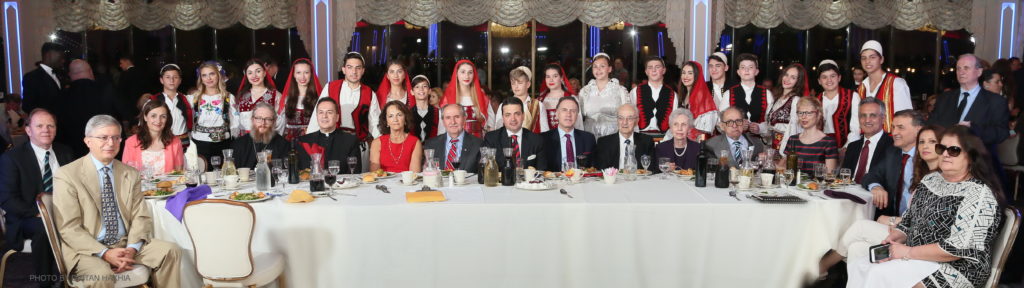
June 2018, 106th anniversary of Vatra./

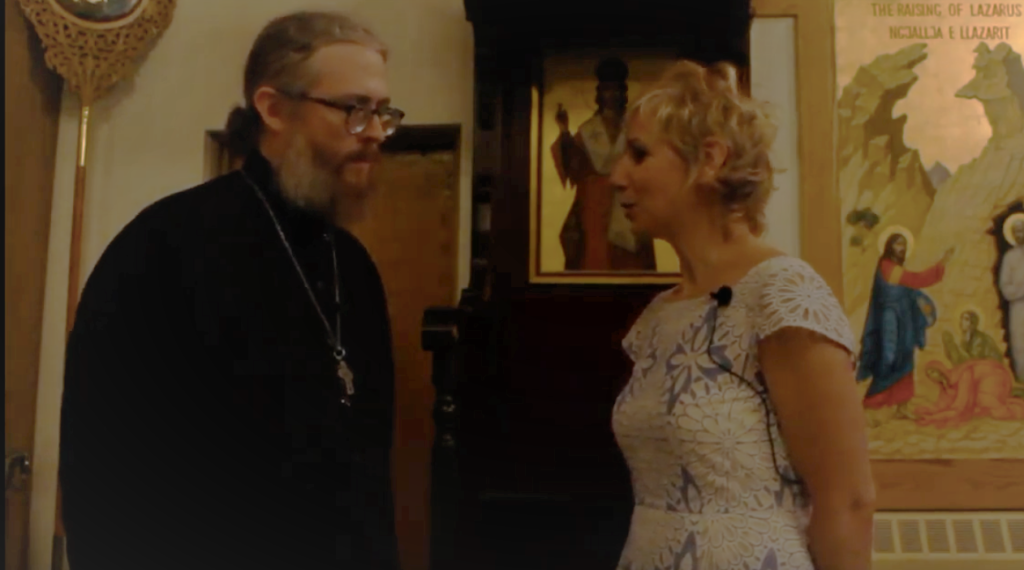
Following the retirement of Very Reverend Arthur Liolin at Saint George Cathedral in Boston, Father Nikodhim has accepted the appointment of the Interim Chancellor of the Albanian Archdiocese. Before the start of the interview, he makes an important point of clarification on this topic. We continue the interview with questions regarding the significance of this moment including constraints on the church’s practices in the course of the pandemic. We talk about the historical connection between the Albanian national movement in America and the Albanian Orthodox Church. On that point, I emphasize that key activists and protagonists of the movement and Church, who were patriots of all faiths, went on to establish Vatra as the Pan-Albanian Federation of America. On the theme of religious unity among Albanians, Father Nikodhim wonders in admiration: “Where else will we see pastor and hoxha, priest and imam, seated together as brothers.” His own story is a testament of Father Nikodhim’s appreciation of inclusiveness in faith, culture, nationality. Born Nathan Preston in the northern sliver of Idaho, in the foothills of the Rocky Mountains, he was ordained to the priesthood at St. Nicholas Albanian Orthodox Church by the late Archbishop Nikon (Liolin) in 2010. In 2017, His Eminence, the Archbishop, called Father Nathan to embrace the monastic life, tonsuring him with the new name Nikodhim in honor of the Holy Martyr Nikodhim of Vithkuq and Berat. I am thankful to him for the interview, which provides insights into the endeavors that have been undertaken as well as presents a view into what’s to come.
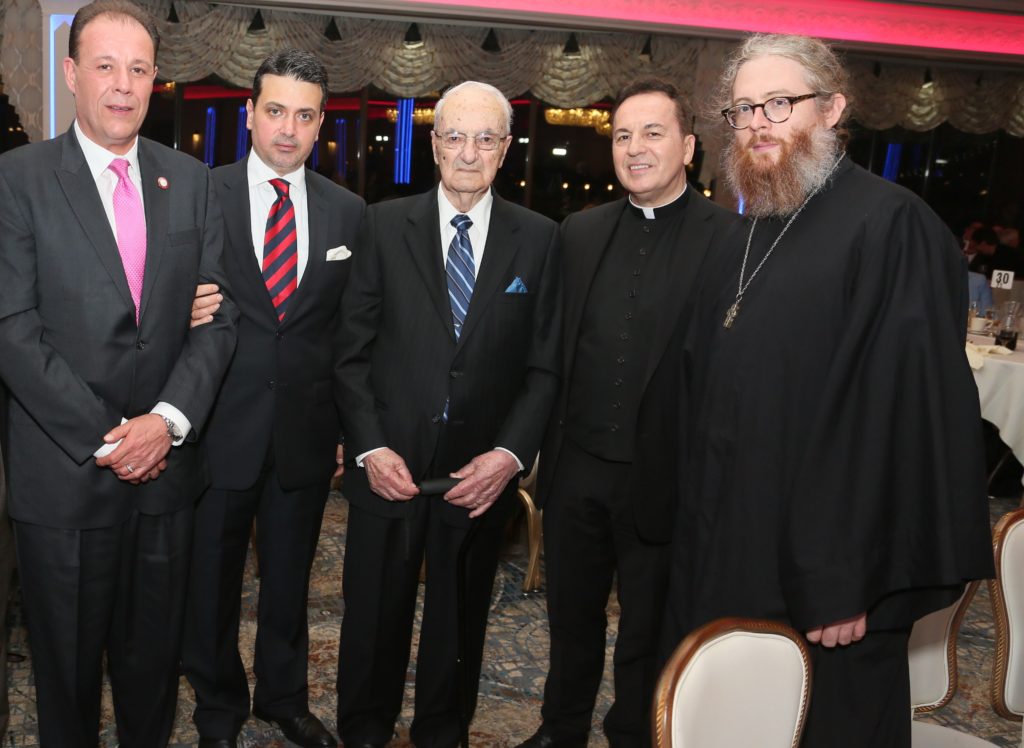
Photo from the 106th anniversary of Vatra.

Fr. Nikodhim – The appointment of the diocesan chancellor is the prerogative always of the archdiocesan bishop. Indeed, as I was asked to step into this role, I found that even those tasks and responsibilities of the chancellor are defined in our constitution and bylaws as being identified explicitly and exclusively by the hierarch. I raise this now as a point of clarification but also to acknowledge that I am in no way an apt successor to the long decades of leadership, wisdom, and profound knowledge of my predecessor, Fr. Arthur Liolin. I do not pretend otherwise—I don’t know that I could sleep well at night under such heavy responsibility and expectation. Rather, I am a stopgap; I am, I pray, a man for this moment as we look as an archdiocese into the future and try to meet the needs of the present. And, at the appointment of our next hierarch and archpastor, I hope that he will feel free to select his own chancellor who will best work with him to guide our archdiocese into many more years of faith, growth, and care for those who call it home. Among those priests I am proud to call my brothers, there are certainly many more qualified than I.

  1. Thank you for making time for our interview!
    Let’s start with the Pashka. The Albanian Orthodox community joined the Orthodox Christianity around the globe to observe the Holy Week of Pashka on May 2. I couldn’t help going back to read the church’s message last year during the Pashka in April of 2020. It was the start of the pandemic. The message from church invited parishioners to attend Pascha Services from home and to follow the curfew hours and other guidelines put in place since the parishes would close on April 1. What followed were lockdowns and more restrictions. And to facilitate attendance from afar, live services were made available to allow participation by phone, computer, or tablet. What was Pashka like a year ago? Can you draw some comparisons from last year to now?

Fr. Nikodhim – I struggle to answer this question with any semblance of justice because, for those of us in this country, last year was without any precedent. Even in the memories of my oldest parishioners, the Church was never closed like this here. What we were called to do, particularly in areas so hard hit at that time as all of New York was but Queens most especially, was simply to stop. The lights went out; the doors were bolted shut. I say that this was without any precedent in our memory as Americans. Certainly for the faithful of St. Nicholas who remember the privations and outright prohibitions of religious practice in Albania during the Communist regime, the terrors of absence were somehow familiar. While I could never equate the necessities of public health and safety in the face of a virus with the atrocities of a totalitarian regime, we drew strength from the witness of our brothers and sisters who lasted, faithfully and prayerfully, to see the end of Hoxha’s twisted vision of progress. Hearkening our people back to those stories of clandestine red eggs and radios tuned low to Easter broadcasts, the stories I have personally been told from the lips of our own folks, we remembered that they had outlasted and we, too, could outlast. This year is pure joy in comparison, and we experience each service with gratitude as something returned to us again. And it is this joy that we have tried to communicate with our now necessary online presence. Whether they are ready to be back in Church in person, we want—we need—to make sure everyone knows that they are welcome and remembered wherever they are. Numerically, we were at about half our accustomed crowd for most services of Holy Week and Pascha. Half our normal body of people. I don’t know, frankly, how many were watching online or the breakdown between those who “tuned in” live and those who viewed and view the archived material. During the services, we plug in the camera and keep it running. Most everyone here consistently has a job these days, and monitoring our numbers online has yet to be prioritized.

  1. Let’s stay back in time for a bit longer, as it were. I recall the Newsletter message issued on March 18, 2020, asking to protect the most vulnerable and taking steps to be good neighbors and citizens in all our communities. It said that turning “our attention to those whose needs may be different than our own is also part of our Christian life.” On a personal level, I am part of a generation of Albanians who grew up as non-religious in communist Albania, yet the message of encouraging good citizenry in the face of unprecedented pandemic touched me. Every week of the pandemic year, your message of hope came in the mailbox with an image attached to it symbolizing the idea of resilience and strength. I note that for parishioners, the full service schedule and Pascha letter in both English and Albanian are available on the website as are streaming of the prayers. What has stood out most for you during this year?   
    Fr. Nikodhim – Two things come to mind when you ask about this last year and what has stood out. First, it is truly remarkable how creative we have been able to become. While we have all suffered through technological hiccoughs and a steep learning curve and we all can certainly embark on long litanies of complaints about the many media we now use almost daily, we have been able to be remarkably present for each other. There is a fundament of kindness and care for strangers and friends alike that has been revealed and been recognized as good. So we have witnessed a strange dawn in our culture as care for others has been given pride of place anew, the virtue of compassion lionized in these months of need. Second, as you know, I am a monastic priest. While most of my peers and clergy brothers are married and with families, I am not. I observe my siblings and my friends in the pride they so rightly take in the growth of their children at those milestone moments, at graduations and inductions and rites of passage. There is a sense of movement and consistency and the passing of generational honor in these things. I have sensed something similar to this as we progress forward more and more into the reopening of our society. Thanks be to God and thanks be to the scientists and brave doctors and nurses and wise civil leaders, we have tasted victory, and we must always pause to celebrate this with thanksgiving. I do not know if it will be possible to continue to be grateful in the same way as the novelty of victory recedes, but I hope we will remember proudly the small things that we were able to take back piece by piece. These graduations deserve our memory and esteem.
    3 – The newsletters recognized that “we are all now being challenged to find new ways to reach out and be present for each other…” How do you do that? Especially when everything moved online?

Fr. Nikodhim – For the time being and until we can safely be back in each other’s presence, yes, most of our groups have shifted to online. Our Church School has been remarkably successful in this period thanks to the hard work of our Sunday School administrator and parent volunteers. While our kids meet online and are glad to see friends and cousins there, they are wearying of online education as it has become ubiquitous in some form or another for nearly all. To remedy this, we send monthly materials to each enrolled household so that something tactile and accessible is there at home. Personally, I can’t wait to hear the hubbub of children’s voices crying and yelling and embarrassing their parents at Church again.
4 – This is a two part question: Saint George Cathedral is integral to the Albanian-American community and the history of modern Albania. Furthermore, it represents the birthplace of Vatra and Dielli for many generations of Vatrans. Father Liolin has described it as “a spiritual hill on a peninsula, most notably known for its independent spirit, freedom of thought and veneration,” that, he says, has welcomed many in the past and by the grace of God, is going to welcome even more in the future. How do you see the role and place of St. George’s? Last February, Saint George’s Cathedral in Boston issued a special announcement regarding Very Reverend Arthur Liolin. It read, in part, that “Father Arthur who has served with excellence for more than fifty years, now assumes the position of Chancellor Emeritus and Senior Pastor of Saint George Albanian Orthodox Cathedral.” Further, it said that that in the coming months, you, would be serving as Interim Chancellor of the Albanian Archdiocese. Can you describe what that has meant for you?

Fr. Nikodhim – St. George Cathedral is, as you quote Fr. Arthur in saying, a “spiritual hill”. It has long been a beacon whose light shines far beyond Boston or even America. And following upon a legacy of service more than five decades deep cannot help but be a challenge for its next pastor. In what is undeniably an uncomfortable moment of need and transition, His Beatitude, Metropolitan Tikhon, the locum tenens (interim hierarch) of this diocese is exercising a great deal of care. Certainly it is tempting to try to find someone with bright charisma and the dynamism for which Fr. Arthur is not just remembered but beloved. Certainly there are needs for this next incumbent to know and esteem the history of Boston’s place in Boston and Albania. Certainly fluencies of language and culture and memory are also needed. Yet exceeding all these things and binding them into purpose is love for the people who call the Cathedral home. For his skill, for his memory, for his manifold accomplishments on behalf of Albanians both Orthodox and non-Orthodox, Fr. Arthur is well known, but it is because of his unreserved love for us that we have followed him. Only by this same virtue will a true successor be known. And we are praying that a true successor will be known soon. As you state, now is a moment of transition, yet not for our clergy alone, but for us all. In this time, it is my conviction that we will be best served not by fleeing from a pain that is real, this pain of change and loss, but by choosing not to be mastered by this. Birthed amid chaos and oppression, this diocese has yet offered its clarion voice generation by generation, unyielding to convenience, unmuted in its call to all for justice, peace, and love.
5 – In November of 1969, Vatra’s commemoration of Dielli’s 60th anniversary saw thousands of Albanians and clergy representatives of three main religions gather at Saint Patrick Cathedral in New York city, with his Eminence Terence Cardinal Cooke as the guest of honor joined by the church leaders, ministers, parishioners and Arberesh faithfuls of the Byzantine ritual who had traveled from Italy. It is well documented as a moment of pride and gratification for Vatra and the community. To this day, the rotation of presiding over prayers and invocations by Catholic, Orthodox, Muslim or Bektashi clergy at various functions and festivities might be a reminiscent of that time. What are your thoughts on religious unity?

Fr. Nikodhim – Citing the tremendous witness of our religious unity and diversity in years past, you have asked about invocations at meetings these days. I am proud—very proud—to be but one of those more recent voices offering prayers, and I am humbled each time I come forward to do this both by those great figures of faith who have informed and inspired our people in times past and by those others who do so now and with an eloquence I can but aspire to. To be honest, I do not know whether these invocations should rightly continue or what events or convocations are appropriate for their inclusion. This is something better left to the discretion of the leaders of Vatra and to those who have entrusted this leadership to them. For myself, I hope it will continue, and I hope it will continue to call forward all the richness we possess, faith by faith yet one in life. In truth, where else will we see pastor and hoxha, priest and imam, seated together as brothers? Conflict is too often the driving force soliciting solidarity. We are blessed to be united in advance, warmed and sustained by the knowledge that, if and when conflict does come, we will weather it together. So in short, yes, it is my hope that Vatra will continue to bring us all together, and by this continue to bear that great witness to our world of faiths and people at peace.

  1. In the span of the last two years, we have paid tribute to a number of prominent and valuable members of the community. Last April, I paid condolences to the Foundos family for the passing of Albert, a greatly respected figure at the parish and in the community. You wrote “Throughout his life, Al devoted himself to the Orthodox faith and to forging opportunities for this to grow both in himself and in the lives of others, consistently committed to religious education and to ensuring that the Church live up to Christ’s high mandate to care for those in need.” Are we at a point of transition regarding Albanian church and its pastors here? Can you share your thoughts on this point?
    Fr. Nikodhim – Thank you for your condolences. Albert’s falling asleep in the Lord was and is a very real loss. His repose just prior to Holy Week, at that time we each year remember Christ’s calling His friend Lazarus forth from the tomb, was particularly poignant as those themes of friendship and loss and hope were so present in Al’s life also. It would be a mistake as well as a gross impossibility to speak of replacing members of our community. We are all terribly irreplaceable, and I suspect Al would not hesitate to correct us should we be tempted to think him otherwise. What we can do is to pick up where others have left off. In different ways and with different talents, we can make common cause with those who have gone before us into the mystery of death. We can share something even now with them. At St. Nicholas, it has been so gratifying to me and to others whose service here is much longer than my own to see the average age of our parish council members begin to fall. New voices and new faces have arisen, arriving as they so often do providentially and outside the parameters of our insistent plans. To us belongs only the means to make ready, to prepare an invitation, and to choose to welcome. These are the tools with which we ensure the success of our successors.
  2. The Albanian national movement in America was founded and sprang to a great degree from the Albanian Orthodox Church. Indeed, its key activists and protagonists as well as patriots of all faiths, three years later, went on to establish Vatra as the Pan-Albanian Federation of America. At the head of these two important institutions, Orthodox Church and Vatra were the same leaders who steered the efforts and movement of members of all faiths to protect Albanian national interests. According to some accounts by most senior members who are New York residents, some fifty years ago Vatra’s meetings were held at the cultural hall of the Orthodox Church located on 48th street in the city. How do you view the connection, the past and now?
    Fr. Nikodhim – It has long been my privilege to be in attendance regularly at the events of Vatra, and I have been honored to be included in so many of their meetings. Though my involvement at St. Nicholas precedes my appointment as the pastor here by some several years, it is no secret that I am not Albanian by ethnicity, history, or mother tongue. To be invited and—more than this—to be accepted nonetheless into the heart (and hearth) of the Albanian community is to me a great offering of trust and friendship, both personally as an individual and corporately as I stand in for my people. I hope that the Albanian community and Vatra in particular know how beautiful and even rare this can be: how they have a tremendous and even, I would say, divine gift of grace in offering hospitality that transcends mere formality. It is one thing to be an attendee or an interloper and quite something else to be a member of a family. I believe and it has been my experience that the latter, the invitation into family, is a point of fierce and worthy pride for Vatra, for our Albanian people, and between the leaders of our faith communities.
    Regarding the specific interactions of Vatra and the Albanian Orthodox community here in New York, your knowledge of the history is far greater than my own. Within our archdiocese, we are one of the youngest parishes, and we were, for many years, on the smaller side of the middle range of our communities. Certainly, the involvement of the Archdiocese was curtailed at Vatra’s relocation to New York but this out of geographical distance rather than any disinterest or separation. We at St. Nicholas know also that, while we are now the oldest of the Albanian religious bodies in New York City, we are also the smallest, simply given the demographic and immigration patterns from Albania and neighboring countries into different regions of the United States. As a further note, let me also include that I have heard repeatedly in the years of my pastorate that St. Nicholas was founded not only through the generosity of people of diverse faiths but also that funds from an Albanian xhami, which had had to close, were offered to help us at the time of that first establishment. I have not been able to locate documents attesting to this, so much seems either not to have been recorded or preserved, but I do have faith in the memories of those older folks who have shared the same story again and again.
    Over the years, I have been proud to share meals with other members of the clergy, and Vatra has ensured that this happens routinely. From those first meetings at festivities for Ditën e Flamurit and anniversaries and celebrations, relationships have blossomed. I know I am not alone in wishing for more hours in each day, more days in each week, but as our often too busy schedules do permit, it has been a joy and a privilege to get to spend time with the other spiritual fathers who serve our people. I feel at home in the embrace of their welcome and their peoples’ welcome on each visit, and I trust and pray that they, too, feel that they have come home each time they enter the doors of St. Nicholas Church. In these days and months that we have all been weathering this terrible affliction of sickness and separation, I believe we are holding fast as we can to all the small grains of hope we have. For me, the joy of return and the embrace of our community after this year of fracture is one of these seeds. I count on it.
  3. I recall that three years ago, in May 2018, a delegation of senior Vatra representatives composed of then-Chairman and several Board Members joined you to celebrate three quarters of a century of prayer at St. Nicholas Orthodox Church led by his late Eminence Archbishop Nikon. At his passing in 2019, a Vatra delegation did attend services and Dielli has covered events in a sign of appreciation for the Church’s lasting legacy. Can you share some thoughts? Also is there an update on the renewal project of the church?
    Fr. Nikodhim – In May of 2018, three years ago exactly, my home of St. Nicholas inaugurated a year of rejoicing, feting our 75th anniversary of prayer and presence. We were honored and gratified and continue to be grateful to all who helped us celebrate. For those from St. Nicholas, the presence of guests from outside our regular ranks helped to note the day and to remind us of our place inside a broader community. Running and sustaining any corporate body can be difficult. For houses of worship and non-profits alike, it can sometimes seem a thankless and exhausting task simply to continue to exist, and it can be easy therefore to get lost in all those mundane though necessary responsibilities existence demands. For those who work at St. Nicholas and by this I don’t mean just the priest but all those who give their time, their talents, their support to this Church, having guests blessed us with a reminder of how much others love what we love and struggle for. Having guests located us again inside that broader community. It recalled us back into a shared rather than parochial life. We are grateful to the esteemed representatives of Vatra and to everyone else who showed up for us on that day and throughout that year for this reminder, for helping to keep us catholic. And in these intervening years, which have been at times very hard, I and the people of St. Nicholas have held as precious those memories of joy and celebration. At the loss of our archbishop in 2019, again a delegation from Vatra showed up for us, to grieve, to pray, to stand beside this archdiocese and its people as family while we mourned His Eminence Nikon, a native son of both New York and St. Nicholas Church.
    You have asked quite rightly about the progress of our renewal and the life of our community since those days of joy in 2018. This is a process that needs to be renamed, remade, and celebrated periodically; we are strengthened by these reminders. But the process itself must continue always apace and unabating at each new day, for life without growth or change is but bare survival. This last year has been a formidable reminder of this as our world, country, state, and city closed down and our religious bodies within them fought to find new ways to bring hope and restore faith to those who could often be seen only amid a swirl of pixels. Whatever change or growth we envisioned entering our fourth quarter century at St. Nicholas those three short years ago, it did not include any conception of greater online outreach, live-streaming, caches of prayer housed on social media, or the now ubiquitous Zoom links that have all become so familiar. But here we are, and when I look to my right and look to my left I may have to tilt the camera to see what I know is there—my brothers and sisters stalwart at my side—but there they remain.
    What the future holds for us now is not return but resurrection, daily growing more grateful as what we once assumed would always be there slowly and cautiously sometimes come back. What returns will surprise us with difference, and what the future holds for St. Nicholas Church or the Albanian Archdiocese promises no less. In our prayers at each divine service as the priest turns from the altar to offer the holy gifts to the people present in worship, he sings: Me frikë Perëndie, besim dhe dashuri, afrohuni! In the awe of God, with faith and love, we draw near!
  4. Lastly, how did Nathan Preston, later Father Nathan, become Father Nikodhim of the Saint Nicholas Albanian Orthodox Church?
    Born Nathan Preston in the northern sliver of Idaho between Washington State and Montana, and raised there, in the foothills of the Rocky Mountains, I completed my elementary and secondary education within the warm embrace of a large family. After graduation, I attended university nearby, majoring in Music and Classical Languages. Thereafter, I moved east to Chicago, attending the University of Chicago and graduating with a Master’s degree in comparative religion. I then moved east again to begin priestly studies and formation at St. Vladimir’s Seminary in Westchester County, concluding these in 2007. For two years I served as pastoral assistant and cantor at St. Nicholas Albanian Orthodox Church while working in direct care as a social worker in Newark, New Jersey. Ordained to the diaconate in 2009, I continued for one more year to commute between St. Nicholas in Queens and the homeless shelter of my employ in Newark. Ordained to the priesthood at St. Nicholas by Archbishop Nikon (Liolin) of blessed memory in 2010, I have been the rector there since and remain its sole cleric. In 2017, His Eminence, the Archbishop, called Father Nathan to embrace the monastic life, tonsuring me with the new name Nikodhim in honor of the Holy Martyr Nikodhim of Vithkuq and Berat. In 2020, I was elevated to the honorary rank of Igumen (Abbot) by Metropolitan Tikhon, Primate of the Orthodox Church in America and locum tenens of the Albanian Archdiocese.
    I thank you! Look forward to future talks!

Filed Under: Politike Tagged With: Father Nikodhim, of the Albanian Archdiocese, Rafaela Prifti, The Interim Chancellor

Eva Millona, the first born-Albanian in the highest level in US administration

June 4, 2021 by dgreca

An Albanian-American lady has just been appointed Assistant Secretary in the Homeland Security Department.

Eva Millona studied law at the University of Tirana in the 1980s
This is the highest position that an Albanian born in Albania has ever held in the American administration.
In Albania, she practiced civil and criminal law before becoming the youngest district judge ever appointed to the Tirana District Court, where she served from 1989 to 1992. After emigrating to the United States, she ran the resettlement program of refugees in Central Massachusetts, and later in 1999 joined the MIRA (Massachusetts Immigrant and Refugee Advocacy Coalition), serving first as Director of Policy and Advocacy and later as Deputy Director. She became Executive Director in 2008, and today is recognized both nationally and internationally as an expert and leader in immigration policy and the integration of immigrants and refugees.

https://www.ocnal.com/2021/06/eva-millona-first-born-albanian-in.html

Filed Under: Politike Tagged With: Eva Millona, in Albania, the first born, US Administration

LIGA: DIALOGU KOSOVË SERBI DUHET TË OFROJË ZGJIDHJE TË QËNDRUSHME PËR SHQIPTARËT NË LUGINËN E PRESHEVËS

June 3, 2021 by dgreca

-LIGA QYTETARE SHQIPTARE AMERIKANE SHPRESON SE KRYEMINISTRI KURTI DO TA BËJË FUNKSIONALE ZYRËN NË LUGINËN E PRESHEVËS-ë

Lidhjes Qytetare Shqiptare Amerikane i erdhi mirë kur ka marr vesh se me 24 maj Kryeministri i Kosovës Albin Kurti ka pasur një takim me përfaqësuesit e Luginës së Preshevës për shkak të shqetësimit se Serbia ka intensifikuar  përpjekjen që të bëj të padukshëm shqiptarët në Preshevë, Medvegjës dhe Bujanocit duke i fshirë adresat e tyre.  

Lidhja Qytetare beson se Serbia duhet të ballafaqohet me mungesën e të drejtave të njeriut ndaj shqiptarëve të Luginës së Preshevës që është në kontrast të mprehtë me të drejtat e plota të njeriut dhe qytetare të serbëve në veriun e Kosovës.

Shumë shqiptarë etnikë nga Lugina e Preshevës kanë dhënë jetët në luftën e Kosovës dhe më vonë, sidomos si anëtarë të UÇPMB në konfliktin e Preshevës të viteve 2000-2001.  Prandaj, ne besojmë se udhëheqja politike e Luginës së Preshevës duhet të tejkalojë dallimet partiake dhe rivalitetin me qëllim që të punojnë së bashku për ta çuar përpara luftën e shqiptarëve në rajon për barazi, funksionimin e demokracisë dhe lirinë qytetare. 

Lidhja Shqiptaro Amerikane ka punuar vazhdimisht me përfaqësuesit e shqiptarëve etnik të Luginës së Preshevës që nga fundi i viteve 1990-ta. Joe DioGuardi, President, dhe Shirley Cloyes DioGuardi, Këshilltare e Çështjeve të Ballkanit, janë takuar me udhëheqësit e Luginës së Preshevës gati çdo herë kur ata kanë vizituar Kosovën prej vitit 1999 deri në 2008.  (Këto takime zakonisht janë mbajtur në Gjilan.)

Në mars të vitit 2001, DioGuardi dhe Cloyes kanë kaluar kufirin dhe kanë shkuar në Serbi Jugore për të u takuar me udhëheqësit e UÇPMB—Shefket Musliun, Sami Azemin, dhe Jonuz Musliun—në shtabin e tyre në Konçul për ta diskutuar planin e tyre të paqes. Pas pesë muajve, në gusht të vitit 2001, Lidhja Qytetare ka sjellë  Kryetarin e Komunës së Preshevës Riza Halimin, Kryetarin e Tërnocit Galip Beqirin, dhe Shaip Kamberin, Kreun e Qendrës për të Drejtat e Njeriut në Bujanoc, që të takohen me Kongresistin Ben Gilman, Kryetarin e Dhomës së Komitetit për Marrëdhënie Ndërkombëtare, për një diskutim tre orësh mbi abuzimet e të drejtave të njeriut që ishin duke ndodhur nga ana e autoriteteve serbe në Luginën e Preshevës dhe mbi përkeqësimin e procesit të zbatimit të procesit të paqes.

Cloyes DioGuardi ngriti vetëdijen ndërkombëtare mbi shtypjen e shqiptarëve në Serbi jugore në janar 2009, kur ajo dokumentoi torturën, arrestimin dhe burgosjen e dhjetë shqiptarëve në Serbin jugore me shkrimin e saj “Kriza e shpalosur në Luginën e Preshevës.” 

Në tetor të vitit 2015, Lidhja Qytetare organizoi që Ragmi Mustafa dhe Nagip Arifi, në atë kohë Kryetarë të Komunës së Preshevës dhe Bujanocit, të shoqëruar nga Anëtari i Bordit Ekzekutiv të LQShA Faton Bislimi, që të udhëtojnë në Uashington, DC, për të ekspozuar politikën diskriminuese anti-shqiptare të Beogradit para Anëtarëve të Kongresit, Komisionit të Kongresit për të Drejtat e Njeriut me Tom Lantos, dhe Departamentit të Shtetit (ku ata ishin mysafirë të Zëvendës Ndihmësit të Sekretarit të Shtetit për Çështjet e Evropës me Thomas Yazdgerdi).  Në fund të këtij udhëtimi të suksesshëm, delegacioni i Luginës së Preshevës u intervistua nga Shërbimi Shqiptar i Zërit të Amerikës. 

Këto përpjekje vazhduan me takimet në Strasburg në shkurt të vitit 2016 në zyrat kryesore të Këshillit të Evropës, duke përfshirë Zyrën e Komisionarit të Lartë për të Drejtat e Njeriut.  Përfaqësuesit shqiptarë të Luginës së Preshevës—Ragmi Mustafa, Nagip Arifi, dhe Jonuz Musliu (I cili fatkeqësisht vdiq dy vjet më vonë)—dhe Faton Bislimi i LQShA kanë ofruar prova mbi politikën institucionale të Serbisë dhe të sponzoruar-nga-shteti për de-popullimin e rajonit duke fshirë nga regjistri civil çdo shqiptar që nuk është në shtëpi kur zyrtarët e shtetit vizituan shtëpitë pa paralajmërim me “qëllim të verifikimit të vendbanimit.” Pasi të fshihen nga regjistri civil, shqiptarët nuk mund të pajisen me ID, pasaporta, ose çfarëdo dokument tjetër zyrtar të shtetit, dhe kështu humbin statusin e vendbanimit dhe të nënshtetësisë në Serbi. 

Në maj të viti 2019, Joe dhe Shirley DioGuardi organizuan që një delegacion i përfaqësueseve të shqiptarëve etnikë nga Lugina e Preshevës të vijnë në Uashington, DC, të marrin pjesë në konferencën vjetore të Ish – Anëtarëve të Kongresit të mbajtur në Capitol Hill.  Gjatë kësaj vizite, Ardita Sinani, Ragmi Mustafa, Shaip Kamberi, dhe Faton Bislimi i LQShA u takuan me stafin e lartë të Anëtarëve të Komitetit të Punëve të Jashtme në Dhomën e Përfaqësuesve të ShBA, drejtorët e Komisionit të Drejtave të Njeriut të Kongresi të Tom Lantos, dhe Këshilltaret e Punëve të Jashtme të Senatorëve Joni Ernst dhe Gary Peters, bashkë-kryesuesit e Grupit Parlamentar për Çështjet e Shqiptarëve. Delegacioni gjithashtu u takua me zyrtarët e Departamentit të Shtetit, dhe vizitën e tyre e përfunduan me intervistë për Zërin e Amerikës Shërbimi në shqip. 

Prej atëherë, me kërkesë të Lidhjes Qytetare, Faton Bislimi ka mbajtur kontaktin dhe ka pasur takimet me përfaqësuesit Shqiptarët nga Lugina e Preshevës. Në shtator të vitit 2020, si një Anëtar i Kuvendit të Kosovës, Bislimi ka luajtur një rol qenësor në hartimin e programit punues të Zyrës së sapo themeluar për Luginën e Preshevës pranë Qeverisë së Kosovës dhe nën udhëheqjen e Kryeministrit të atëhershëm Avdullah Hoti.  

Shpresojmë se Qeveria e Kosovës do ta bëj funksionale Zyrën për Luginën e Preshevës sa më shpejt që është e mundur dhe të punojë me udhëheqësit e atij rajoni për të adresuar çështjet e tyre të ngutshme në mënyrë sistematike dhe tërësishme. 

Ne pastaj besojmë se një dialog Kosova-Serbi nën përkujdesjen e Bashkësisë Evropiane nuk mund të rezultojë me një marrëveshje të suksesshme gjithëpërfshirëse dhe legalisht obliguese në mes të dy shteteve pa ofruar një zgjidhje të qëndrueshme ndaj pabarazive në Luginën e Preshevës. 

Lidhja Qytetare gjithashtu duartrokit për lajmin e bërë rishtazi që klubet shqiptare, shoqatat dhe asociacionet tjera në tërë Zvicrën, anëtarët e të cilave vijnë nga Lugina e Preshevës, janë duke i bashkuar përpjekjet e tyre për mbështetje e atdheut të tyre. 

Në fund, ne fuqimisht besojmë se çështjet e shqiptarëve etnikë në Luginën e Preshevës mund të zgjidhen me sukses vetëm me përfshirjen aktive të Qeverisë së ShBA. Për këtë arsye, Lidhja Qytetare Shqiptare Amerikane është duke vazhduar angazhimin e vet të gjatë dy-dekada ne Luginën e Preshevës për të ndihmuar formësimin e politikës së jashtme të ShBA për të sjell paqe, barazi, liri dhe prosperitet në rajon.  
 
Çdo të mirë,
 

Text

Description automatically generated                                   Shape, arrow

Description automatically generated
Shirley Cloyes DioGuardi                        Joe DioGuardi
Këshilltare për Çështjet e Ballkanit          Presidenti

***.  

The Albanian American Civic League was heartened to learn that Kosova Prime Minister Albin Kurti held a meeting on May 24 with Presheva Valley representatives out of concern for Serbia’s intensified effort to render Albanians in Presheva, Medvegje, and Bujanoc invisible by deleting their addresses.  

The Civic League believes that Serbia must be confronted with the lack of human rights for Albanians in the Presheva Valley in sharp contrast with the full human and civil rights given to Serbs in northern Kosova.

Many ethnic Albanians from the Presheva Valley gave their lives in the Kosova war and, later, especially as members of the UCPMB in the Presheva conflict of 2000-2001.  Therefore, we believe that today’s political leadership in the Presheva Valley should overcome party differences and rivalry in order to work together to advance the struggle of Albanians in the region for equality, functioning democracy, and civic liberty. 

The Albanian American Civic League has worked continuously with representatives of ethnic Albanians in the Presheva Valley since the late 1990s. Joe DioGuardi, President, and Shirley Cloyes DioGuardi, Balkan Affairs Adviser, have met with leaders from the Presheva Valley almost every time that they visited Kosova from 1999 to 2008.  (These meetings usually took place in Gjilan.)

In March 2001, DioGuardi and Cloyes crossed the border into Southern Serbia to meet with leaders of the UCPMB—Shefket Musliu, Sami Azemi, and Jonuz Musliu—at their headquarters in Koncul to discuss their peace plan.  Five months later, in August 2001, the Civic League brought Presheva Mayor Riza Halimi, Ternoc Mayor Galip Beqiri, and Shaip Kamberi, head of the Center for Human Rights in Bujanoc, to meet with Congressman Ben Gilman, Chair of the House International Relations Committee, for a three-hour discussion of ongoing human rights abuses by Serbian authorities in the Presheva Valley and the deterioration of the peace implementation process.

Cloyes DioGuardi raised international awareness of the oppression of Albanians in Southern Serbia in January 2009, when she documented the torture, arrest, and imprisonment of ten Albanians in Southern Serbia in “The Unfolding Crisis in the Presheva Valley.” 

In October 2015, the Civic League arranged for Ragmi Mustafa and Nagip Arifi, then Mayors of Presheva and Bujanoc, accompanied by AACL Executive Board Member Faton Bislimi, to travel to Washington, DC, to expose Belgrade’s anti-Albanian discriminatory policy to Members of Congress, to the Tom Lantos Congressional Human Rights Commission, and to the State Department (where they were hosted by Deputy Assistant Secretary of State for European Affairs Thomas Yazdgerdi).  At the end of this successful trip, the Presheva Valley delegation was interviewed by the Albanian Service of Voice of America. 

These efforts continued with meetings in Strasbourg in February 2016 at key Council of Europe offices, including the Office of the High Commissioner for Human Rights.  Albanian representatives from the Presheva Valley—Ragmi Mustafa, Nagip Arifi, and Jonuz Musliu (who unfortunately passed away two years later)—and the AACL’s Faton Bislimi provided evidence of Serbia’s institutional and state-sponsored policy of depopulating the region by striking off the civil registry any Albanian who was not at home when state officials visited their households unannounced for “residency verification purposes.” Once removed from the civil registry, Albanians cannot obtain IDs, passports, or any other official state document, thereby losing their residency and citizenship status in Serbia. 

In May 2019, Joe and Shirley DioGuardi arranged for a delegation of ethnic Albanian representatives from the Presheva Valley to come to Washington, DC, to join them at the annual Former Members of Congress conference held on Capitol Hill.  During this visit, Ardita Sinani, Ragmi Mustafa, Shaip Kamberi, and AACL’s Faton Bislimi met with senior staffers for Members of the Committee on Foreign Affairs in the U.S. House of Representatives, directors of the Tom Lantos Congressional Human Rights Commission, and foreign policy advisers to Senators Joni Ernst and Gary Peters, co-chairs of the Albanian Issues Caucus.  The delegation also met with State Department officials, and concluded its visit by interviewing at the Voice of America Albanian Service. 

Since then, at the request of the Civic League, Faton Bislimi has maintained contact and held meetings with the Albanian representatives from the Presheva Valley. In September 2020, as a Member of Kosova’s Parliament, Bislimi played an essential role in drafting the work program for the newly established Office for the Presheva Valley within the Government of Kosova under the leadership of then-Prime Minister Avdullah Hoti.  

We hope that the Government of Kosova will functionalize the Office for the Presheva Valley as soon as possible and work with leaders from that region to address their pressing issues systematically and thoroughly. 

We further believe that a Kosova-Serbia dialogue under the auspices of the European Union cannot result in a successful comprehensive and legally binding agreement between the two countries without offering a sustainable solution to the inequities in the Presheva Valley. 

The Civic League also applauds the recent news that those Albanian clubs, societies, and other associations throughout Switzerland whose members hail from the Presheva Valley are uniting their efforts to support their homeland. 

Finally, we strongly believe that the ethnic Albanian issues in the Presheva Valley can be successfully resolved only with the US government’s active involvement. For this reason, the Albanian American Civic League is continuing its two-decades-long engagement with the Presheva Valley to help shape U.S. foreign policy to bring peace, equality, liberty, and prosperity to the region.  

All the best,
 

Text

Description automatically generated                  Shape, arrow

Description automatically generated
Shirley Cloyes DioGuardi             Joe DioGuardi
Balkan Affairs Adviser                   President

Filed Under: Politike Tagged With: Joe DioGuardi, Liga, Shirly DioGuardi

TË ZHDUKURIT E PERIUDHËS KOMUNISTE NË SHQIPËRI KËRKOJNË DREJTËSI!

June 2, 2021 by dgreca

TURP PËR QEVERINË SHQIPTARE DHE PËR DIPLOMATËT PERËNDIMORË NË TIRANË QË HESHTIN! /

Nga  Frank Shkreli/ “Që nga viti 1991, qasja e të gjitha qeverive — socialiste dhe demokrate– “është kalibruar të mos shqetësojë gardën e vjetër”, tha një diplomat që e ndjekë këtë çështje nga afër. (Fred Abrahams)/

Nga rrjetët sociale mësova se javën që kaloi, Autoriteti për Informim mbi Dokumentet e ish-Sigurimit të Shtetit, AIDSSH 1944-1991 dhe Komisioni Ndërkombëtar për Personat e Zhdukur (ICMP) organizuan në Shkodër një aktivitet në kuadër të projektit: “Rritja e ndërgjegjësimit të publikut për drejtësinë tranzicionale dhe të pajtimit: Të zhdukurit në komunizëm”, i mbështetur nga Bashkimi Europian. 

Sipas njoftimit të AIDSSH, ekipi i Autoritetit dhe bashkëpunëtorëve të tij, së bashku me Shoqatën e ish-të Përndjekurve të Shkodrës dhe të ish-të Përndjekurve të Malësisë së Madhe zhvilluan një udhëtim në terren, në zonën e Mbishkodrës, atje ku është organizuar kryengritja e parë antikomuniste në 1945 dhe ku Sigurimi i Shtetit ishte angazhuar fuqimisht, që vitet e para të vendosjes së regjimit komunist deri në perëndim të tij, thuhet në njoftimin për aktivitetin e javës së kaluar, kushtuar të zhdukurve në kohën e komunizmit.  Është shumë me vend që u mbajt një aktivitet i tillë – sidomos në Shkodër the rrethinë — me temën siç u tha “për rritjen e ndërgjegjësimit të publikut për drejtësinë tranzitore dhe pajtuese”.  Më la përshtypje gjithashtu edhe pjesëmarrja e Ambasadorit të OSBE-së në Tiranë, Z. Del Monaco, pasi përfaqsuesit diplomatikë perëndimorë në Tiranë, gjatë këtyre tre dekadave post-komunizëm, nuk kanë treguar ndonjë interesim të madh për të kaluarën komuniste as për fatin e mijëra të zhdukurve gjatë komunizmit në Shqipëri, — me përjashtim të Ambasadës së Gjermanisë në Tiranë.  Ndonëse më ra mirë që Ambasadori Del Monaco mori pjesë në këtë aktivitet, u zhgnjeva menjëherë pasi lexova deklaratën e tijë për median me këtë rast. Është një deklaratë e diplomatit evropian, që në të vërtetë, në vend që të “rritet ndërgjëgjësimi për drejtësinë” dhe për “të zhdukurit në komunizëm” për të publikun shqiptar, që siç thuhet ishte edhe tema e atij aktiviteti në Shkodër — duhet që urgjentisht, për të kaluarën dhe krimet komuniste në Shqipëri — të ndërgjegjësohen diplomatët perëndimorë në Tiranë, por edhe më me rëndësi është që autoritetet e larta politike shqiptare të ndërgjegjësohen gjithashtu due të mbahen përgjegjëse, pasi sot ata udhëheqin atë shtet.  Unë nuk kam shpresë as ndonjë iluzion se autoritet shqiptare do të bëjnë një gjë të tillë, por prisnim që përfaqasuesit diplomatikë perëndimorë të ishin pak më mirë të informuar.

Kur Ambasadori Del Monaco u pyet mbi aktivitetin kushtuar viktimave të komunizmit në Shqipëri, pas pjesëmarrjes në veprimtarinë e organizuar, ai u përgjigj se, “Si qenie njerëzore që jemi nuk mund t’i justifikojmë në asnjë mënyrë këto shkelje madhore ndaj qenieve të tjera njerëzore duke i mohuar atyre emrin apo një varrim të denjë. Realisht, e vlerësoj shumë veprimtarinë e mëngjesit të sotëm, sepse për mendimin tim në të u shpreh shumë qartë gatishmëria e përbashkët e autoriteteve shqiptare dhe shoqërisë civile për ta trajtuar seriozisht dhe konkretisht çështjen në fjalë. Mund të dëshmoj se, edhe nga ana jonë, në bisedat që zhvillojmë vazhdimisht me autoritetet qendrore në Tiranë marrim të njëjtin mesazh serioziteti, vullneti dhe konkretësie.” Seriozisht e ka ky, zotëria?!

“Gatishmërinë e përbashkët të autoriteteve shqiptare për ta trajtuar këtë çeshtje”, tha përfaqsuesi i lartë i OSBE-së! Për cilat “autoritete shqiptare” e ke fjalën Z. Ambasador?  Më lejoni Z. Ambasador që tu sjellë reagimet më të fundit mbi të atë që ju e cilësoni si, “gatishmërinë e autoriteteve shqiptare për të trajtuar këtë çeshtje”, gjatë tre dekadave të kaluara.  Jo nga unë – por nga ente dhe organizata ndërkombëtare që merren me fatin e të zhdukurëve në botë, përfshirë periudhën komuniste në Shqipëri.  Fatbardhësisht, ka individë dhe organizata ndërkombëtare që i shohin punët ndryshe në Shqipëri nga ç’i shohin diplomatët perëndimorë. Prej të gjithë juve – diplomatë evropianë dhe amerikanë në Tiranë – presim pak më shumë shumë – në të vërtetë presim shumë më shumë prej jush – presim që për viktimat e komunizmit dhe për perridhën komuniste në Shqipëri të thoni të VËRTETËN dhe mos HESHTNI, siç bëni ju aktualisht dhe siç kanë bërë para-ardhësit tuaj në atë vend, për tre dekada tani.

Ndryshe nga diplomatët perëndimorë në Tiranë të cilët mbrojnë dhe mbështesin “vijën e partisë”, ja çfarë thonë media si “Le Figaro” për skandalin e patronazhistëve: PS fitoi me metodat e sigurimit | Gazeta Telegraf, organizatat ndërkombëtare (qeveritare dhe jo-qeveritare) si dhe individë të njohur që merren me të drejtat e njeriut në përgjithësi, mbi gjoja “gatishmërinë e autoriteteve shqiptare”, siç u shpreh zyrtari i lartë i OSBE-së në Tiranë,  për tu përballur me historinë dhe fatin e të zhdukurve të komunizmit në Shqipëri.   Në një raport të Komisionit Ndërkombëtar për Personat e Zhdukur ICMP [ALBANIAN LANGUAGE] Raporti i ri i ICMP paraqet rekomandime për të përmirësuar përpjekjet e Shqipërisë për të dhënë llogari për personat e zhdukur nga periudha komuniste,  i kërkohet Shqipërisë që të bëjë më shumë për çeshtjen e personave të zhdukur nga periudha komuniste në Shqipëri: “Rekomandimet e raportit kërkojnë të sigurojnë që rastet e personave të zhdukur të hetohen në mënyrë efektive dhe të drejtat e familjeve të të zhdukurve për të vërtetën, drejtësinë dhe dëmshpërblimet janë mbështetur,” tha Matthew Holliday, Shefi i Programit të Ballkanit Perëndimor të ICMP, gjatë mjë takimi në internet ku morën pjesë përfaqësues të autoriteteve shqiptare dhe komunitetit ndërkombëtar.  “Autoritetet shqiptare kanë një detyrim ligjor për të dhënë llogari për personat e zhdukur nga periudha komuniste – përgjegjësia e shtetit dhe veprimi i shtetit janë thelbësore. Puna e ICMP në të gjithë botën demonstron se personat e zhdukur mund të identifikohen me saktësi në përputhje me sundimin e ligjit, madje edhe dekada pas zhdukjeve”, u shpreh Shefi i Programit të Ballkanit Perëndimor të ICMP.

Vitet e fundit, Komisioni Ndërkombëtar për Personat e Zhdukur, (ICMP) e ka ndjekur nga afër çeshtjen e të zhdukurve gjatë diktaturës komuniste në Shqipëri, por nuk ka qenë e vetmja organizatë që ka bërë një gjë të tillë. Edhe Organizata e Kombeve të Bashkuara, nepërmjet “Grupit të Punës të Kombeve të Bashkuara për Zhdukjet e Detyruara ose të Pavullnetshme”, ka vizituar Shqipërinë në dhjetor 2016 për tu informuara mbi fatin e të zhdukurve në periudhën komuniste në Shqipëri.  Të pakënaqur me ato që kishin parë e dëgjuar nga autoritetet e vendit për këtë çeshtje, një vit më vonë botoi një raport tepër kritik ndaj qeverive shqiptare të tre dekadave të kaluara duke deklaruar, ndër të tjera se, “Shqipëria ende nuk është marrë në mënyrë adekuate me shkeljet e të drejtave të njeriut, të kryera midis vitit 1944 dhe 1991”,  kjo sipas OKB-ës.

Komisioni Ndërkombëtar për Personat e Zhdukur, (ICMP) vlerëson se lartë nga 6,000 persona u zhdukën nën regjimin komunist në Shqipëri në periudhën midis 1944 dhe 1991, ndërsa burime të tjera thonë se numri është shumë më i madh. Trupat e tyre nuk u kthyen më në familjet e tyre, ndërkohë që vendndodhja e mbetjeve të tyre mortore është e panjohur për të afërmit e mbijetuar, sipas ICMP.

Në një artikull kushtuar këtij subjekti të dhimbshëm për familjet e të zhdukurve gjatë regjimit komunist në Shqipëri – botuar dy muaj më parë në Balkan Insight — aktivisti i njohur i të drejtave të njeriut dhe Drejtor i organizatës së njohur për mbrojtjen e të drejtave të njeriut në botë, Human Rights Watch, Communist-Era Disappearances Still Haunt Albania (hrw.org) Z. Fred Abrahams shkruan se, “Mijëra familjeve, të dashurit e të cilëve u zhdukën nën sundimin komunist në Shqipëri, u është bërë përsëri padrejtësi nga dështimi i autoriteteve (shqiptare) për të gjetur eshtrat e tyre”. Zoti Abrahams vazhdon duke shtuar se detyrimet e Shqipërisë — ndaj të zhdukurve nën diktaturën komuniste në Shqipëri dhe ndaj familjarëve të tyre që ende sot kërkojnë eshtrat e tyre – janë më se të qarta.  “Konventa Evropiane për të Drejtat e Njeriut, në të cilën Shqipëria është palë, mbulon të drejtën e jetës dhe shteti ka një detyrim procedural kur kjo e drejtë abuzohet.  Shqipëria është gjithashtu palë në Konventën Ndërkombëtare për Mbrojtjen e të gjithë Personave nga Zhdukja me Forcë e cila kërkon hetime dhe ndjekje penale kur njerëzit zhduken ndërsa janë nën kujdesin e shtetit”, thekson Z. Abrahams i Human Rights Watch, ndërsa nënvijon se, “Në maj 2018, Komiteti i Kombeve të Bashkuara për Zhdukjet me Forcë inkurajoi Shqipërinë, “të dyfishojë përpjekjet e saj për të hedhur dritë në mënyrë efikase mbi zhdukjet e imponuara që ndodhën gjatë regjimit komunist”.  Shqipëria duhet të hetojë këto krime, të ndjekë penalisht ata që janë përgjegjës dhe të sigurojë dëmshpërblime për viktimat dhe familjet e tyre, thuhet në raportin e komitetit të OKB-së.  Ky duhet të jetë sot edhe mesazhi i diplomatëve amerikanë dhe evropianë në Tiranë. Prandaj, mos heshtni! Qindra mijëra familjarë të të zhdukurve nga regjimi komunist i Enver Hoxhës – brenda dhe jashtë Shqipërisë, përfshir Shtetet e Bashkuara – presin prej jush, në minimum — një qëndrim moral dhe thrirje për drejtësi ndaj kësaj çeshtjeje. 

Autoritetet shqiptare të gjitha ngjyrave politike gjatë këtyre 30-viteve tranzicion — i njohin mirë detyrimet e tyre dhe të shtetit shqiptar si dhe obligimet ndërkombëtare që kanë marrë përsipër si përfaqsues të shtetit shqiptar në lidhje me të zhdukurit gjatë regjimit komunist të Enver Hoxhës si dhe për nevojën për të hapur, më në fund, dosjet e ish-Sigurimit kriminal të regjimit komunist, me qëllim që të identifikohen edhe qindra vendndodhjet e eshtrave të tyre, anë e mbanë Shqipërisë. Por, kjo nuk ka gjasë të ndodhë, sipas Z. Fred Abrahams i cili në artikullin e tij citon një diplomat të huaj që ka ndjekur këtë çeshtje në Tiranë se, “Që nga viti 1991, qasja e të gjitha qeverive, socialiste dhe demokrate, “është kalibruar të mos shqetësojë gardën e vjetër”.  

Nëqoftse politika shqiptare, përfshir edhe politikanët aktualë — socialistë dhe demokratë e të tjerë — të këtyre tre dekadave të fundit nuk dëshiron të “shqetësojë gardën e vjetër” komuniste, çfarë arsyeje kini ju të nderuar diplomatë perendimorë që heshtni për një çeshtje kaq të rëndësishme morale.  Edhe ata ishin shqiptarë, shumë prej tyre përfaqësues të ajkës së kulturës, gjuhës, historisë dhe politikës së asaj kohe, të pafajshëm, përfshir gra, pleq e fëmij — ndonëse si të huaj në vendin e vet — janë trajtuar dhe vrarë dhe ekzekutuar në mënyrën më brutale, vetëm e vetëm, se kundërshtonin regjimin komunist të Enver Hoxhës.   

Dua ta përfundoj këtë shënim, megjithëse pak si i gjatë, me lajmin që posa më ra në dorë se javën që kaloi, Kosova përmbylli procesin e gërmimeve në njërën prej varrezave masive në Kizhevak të Serbisë ku u bë zhvarrosja e të gjithë eshtrave të viktimave të luftës (shqiptarë) që kanë qenë në këtë lokacion.  Ndonëse dy shtete por një Komb, ndryshe nga trajtimi i të zhdukurve të komunizmit në Shqipëri, në Kosovë çështja e të zhdukurve gjatë luftës së fundit trajtohet me përgjegjësinë dhe me seriozitetin më të madh moral e kombëtar, por edhe ndërkombëtar. Trajtohet ndryshe sepse në Kosovë ekziston vërtetë ndërgjegjësimi human dhe nevoja për zbardhjen e këtyre rasteve, jo vetëm nga publiku por edhe nga autoritetet më të larta qeveritare si dhe nga përfaqësuesit ndërkombëtarë në Prishtinë.  Fatkeqësisht, ky ndërgjegjësim, për një çeshtje me kaq rëndësi morale dhe drejtësie, mungon në Shqipëri, qoftë në radhët e autoriteteve të Tiranës, qoftë edhe në mjedisin e diplomatëve perëndimorë në kryeqytetin shqiptar, siç duket nga frika që të mos “shqetësohet garda e vjetër” komuniste e cila ushtron gjithnjë një influencë vendimarrëse në vend, pre e së cilës duket se kanë renë edhe përfaqësuesit perendimdorë në Tiranë.  Si rrjedhim, në Shqipëri mungon një angazhim dhe përkushtim serioz në krahasim me zotimin e qeverisë së Kosovës javën që kaloi, “Për të vazhduar punën duke i dhënë prioritet ndriçimit të fatit dhe vendndodhjes së të pagjeturve, trajtimit më të mirë ligjor dhe institucional familjeve të tyre dhe vendosjen e drejtësisë”.  Nuk kërkohet asgjë më pak as më shumë se vendosjes së drejtësisë edhe për të zhdukurit e periudhës së komunizmit në Shqipëri dhe për familjarët e tyre që presin për tre dekada tani për të zbuluar vendndodhjen e eshtrave të dashurve të tyre!

Filed Under: Politike Tagged With: drejtesia e munguar, Frank shkreli, Te zhdukurit e Komunizmit

Zëvendësndihmësi i Sekretarit të Shtetit Amerikan viziton Odën Amerikane në Kosovë

June 1, 2021 by dgreca

Prishtinë, 31 maj 2021 – Zëvendësndihmësi i Sekretarit të Shteteve të Bashkuara të Amerikës, Matthew Palmer, si dhe Ambasadori i Shteteve të Bashkuara të Amerikës, Philip Kosnett, vizituan Odën Ekonomike Amerikane në Kosovë, për të takuar dhe diskutuar me udhëheqësinë dhe kompanitë anëtare të organizatës.

Zëvendësndihmësi i Sekretarit Palmer tha se e kupton mirë rolin e Odave Amerikane përgjatë rajonit, dhe në këtë rast të Odës Amerikane në Kosovë, e cila ofron bazament solid për marrëdhëniet ndërmjet dy vendeve, Shteteve të Bashkuara dhe Kosovës. Ai falënderoi Odën Amerikane për promovimin e partneritetit ekonomik ndërmjet dy vendeve, si në krijimin e mundësive për bizneset amerikane që të investojnë në Kosovë, ashtu edhe për bizneset nga Kosova që të investojnë në Shtetet e Bashkuara, duke shtuar se rrjeti i Odave Amerikane përgjatë tërë rajonit paraqet një kornizë pozitive, produktive dhe influencuese për ballafaqim me sfidat aktuale me të cilat përballet rajoni.

Palmer shprehu dëshirën të dëgjojë nga anëtarët e Odës Amerikane lidhur me klimën lokale të biznesit si dhe klimën rajonale të biznesit, aspekte këto që zënë vend me prioritet të lartë në agjendën e Shteteve të Bashkuara të Amerikës për promovim të integrimit ekonomik rajonal, për uljen e pengesave në integrimin ekonomik dhe në lëvizjen e njerëzve dhe kapitalit, duke i vlerësuar ato si një kornizë për integrimin e Kosovës në sistemin evropian, në mënyrë ideale si anëtare e Bashkimit Evropian, e që është edhe objektiv i Shteteve të Bashkuara të Amerikës për të ardhmen e Kosovës. Ai po ashtu tha se një marrëveshje gjithëpërfshirëse për normalizimin e marrëdhënieve ndërmjet Kosovës dhe Serbisë është kyç për tërheqjen e më shumë investimeve amerikane dhe të tjera të huaja, si dhe për krijimin e vendeve aq shumë të nevojshme të punës për popullin e Kosovës dhe tërë rajonit.

Përfaqësuesit e Odës Ekonomike Amerikane në Kosovë folën për rëndësinë e një dialogu më të fuqishëm ndërmjet Qeverisë së Kosovës dhe sektorit privat, por edhe për avancimin e bashkëpunimit ekonomik rajonal, zhvillimin e kapaciteteve energjetike, si dhe trajnimin e fuqisë punëtore.

Filed Under: Politike Tagged With: Partneritet ekonomik-Oda Amerikane- Kosova, vizite

  • « Previous Page
  • 1
  • …
  • 293
  • 294
  • 295
  • 296
  • 297
  • …
  • 672
  • Next Page »

Artikujt e fundit

  • 𝗣𝗮𝘀𝗶𝘃𝗶𝘇𝗶𝗺𝗶 𝗶 𝗮𝗱𝗿𝗲𝘀𝗮𝘃𝗲 𝘁𝗲̈ 𝘀𝗵𝗾𝗶𝗽𝘁𝗮𝗿𝗲̈𝘃𝗲 𝗻𝗲̈ 𝗦𝗲𝗿𝗯𝗶
  • Arbëreshët e Argjentinës – Një histori e dy emigrimeve dhe e mbijetesës së identitetit shqiptar
  • SKËNDERBEU, VASAL APO ALEAT I ALFONSIT TË ARAGONËS?
  • HIJESHIA LIGJËRIMORE DHE APOTEOZA E SHQIPTARISË NË KËNGËT E NIKOLLË NIKPRELAJT
  • LEGJITIMITETI DHE PUSHTETI
  • SPECIAL THANK YOU!
  • “ONOMASTIKË DHE ETNOLINGUISTIKË”
  • DEMOCRATS WON. BUT HAS DEMOCRACY?
  • MIHAL GRAMENO – ATDHETAR E KRIJUES AKTUAL
  • GJERGJ FISHTA – PERSONALITET I IDENTITETIT DHE I KRENARISË KOMBËTARE
  • NDARJET ADMINISTRATIVE QË RREZIKOJNË COPËTIMIN E HAPËSIRËS ETNIKE SHQIPTARE NË MAL TË ZI
  • DY SHTETE, NJË HORIZONT KOMBËTAR: SHQIPËRIA, KOSOVA DHE SFIDA E PËRGJEGJËSISË STRATEGJIKE
  • SHKRIMTARI SHQIPTAR PËRBALLË POLITIKAVE KULTURORE PËRÇMUESE
  • Kongresi i ri demokrat: Si do të kufizohet pushteti i Trumpit?
  • KUR NJË IDE BËHET INSTITUCION

Kategoritë

Arkiv

Tags

albano kolonjari alfons Grishaj Anton Cefa arben llalla asllan Bushati Astrit Lulushi Aurenc Bebja Behlul Jashari Beqir Sina dalip greca Elida Buçpapaj Elmi Berisha Enver Bytyci Ermira Babamusta Eugjen Merlika Fahri Xharra Frank shkreli Fritz radovani Gezim Llojdia Ilir Levonja Interviste Keze Kozeta Zylo Kolec Traboini kosova Kosove Marjana Bulku Murat Gecaj nderroi jete ne Kosove Nene Tereza presidenti Nishani Rafaela Prifti Rafael Floqi Raimonda Moisiu Ramiz Lushaj reshat kripa Sadik Elshani SHBA Shefqet Kercelli shqiperia shqiptaret Sokol Paja Thaci Vatra Visar Zhiti

Log in

This website uses cookies to improve your experience. We'll assume you're ok with this, but you can opt-out if you wish. Cookie settingsACCEPT
Privacy & Cookies Policy

Privacy Overview

This website uses cookies to improve your experience while you navigate through the website. Out of these cookies, the cookies that are categorized as necessary are stored on your browser as they are essential for the working of basic functionalities of the website. We also use third-party cookies that help us analyze and understand how you use this website. These cookies will be stored in your browser only with your consent. You also have the option to opt-out of these cookies. But opting out of some of these cookies may have an effect on your browsing experience.
Necessary
Always Enabled
Necessary cookies are absolutely essential for the website to function properly. This category only includes cookies that ensures basic functionalities and security features of the website. These cookies do not store any personal information.
Non-necessary
Any cookies that may not be particularly necessary for the website to function and is used specifically to collect user personal data via analytics, ads, other embedded contents are termed as non-necessary cookies. It is mandatory to procure user consent prior to running these cookies on your website.
SAVE & ACCEPT