• Home
  • Politics
  • Opinion
  • Culture
  • Sports
  • Economy
  • Interview
  • Reporting
  • Community
  • Vatra

Dielli | The Sun

Albanian American Newspaper Devoted to the Intellectual and Cultural Advancement of the Albanians in America | Since 1909

KOMITETI “MBROJTJA KOMBËTARE E KOSOVËS” NË  FONDET ARKIVORE TË ARKIVIT TË SHTETIT SHQIPTAR

April 21, 2026 by s p

PROF. ASSOC. DR. TEKI KURTI

UNIVERSITETI I TIRANËS/

Në fondet  arkivore të Arkivit Qendror  të shtetit shqiptar ndodhen mijëra dokumente që hedhin  dritë dhe dëshmojnë që Komiteti “Mbrojtja Kombëtare e Kosovës” (KMKK) gjatë  viteve 1918-1920 ishte një ndër  organizatat politike më të rëndësishme në Shqipëri për detyrat  që shtronte  në programin e saj.

Në mijëra  faqe  arkivore,  dëshmi,  spikat emri i drejtuesit  atdhetar  e mendjendritur, Hoxha Kadriut po edhe i Hasan Prishtinës, Sali Nivicës, Bajram Currit, Hysni  Currit, Bedri Pejanit, Aqif Pashë Elbasanit, Elez Isufit etj. etj.

Po në arkiv, krahas mijëra dokumenteve në gjuhën shqipe, frënge e turke  gjendet edhe  fondi  i zëdhënëses së ideve, programeve  dhe thirrjeve që  Komiteti  shtronte para opinionit  publik, organi  më përparimtar i atyre  viteve, gazeta  “Populli” që u botua  në Shkodër nën drejtimin e Sali Nivicës.

Ky fond arkivor është i mbushur me  dokumenta, me protesta, memorandume, promemorje, statistika që lidhen me  përpjekjet  diplomatike të  Komitetit “Mbrojtja Kombëtare e Kosovës”. Në fond gjenden thirrje pa fund drejtuar “popullit  shqiptar të Kosovës” për organizim në çdo aspekt, për të dokumentuar  me fakte politikën  shoviniste  antishqiptare të gjenocidit e shfarosjes në masë si dhe të shpërnguljes me dhunë të shqiptarëve prej qarqeve të Beogradit.

Në fokus  del qartë  qëndrimi i prerë  për njohjen e Shqipërisë pa protektorate të huaja  si dhe  bashkimi me të  i të  gjitha  qyteteve  e krahinave  që në  shumicë ishin popullsi  shqiptare por që ishin aneksuar e pushtuar  nga Serbia e Mali i Zi që më 1912. Mbi këtë aspiratë kryesore  jam munduar dhe unë të paraqes  punimin tim të mbështetur  vetëm në fondet  arkivore të  shtetit  shqiptar.

Komiteti “Mbrojtja Kombëtare e Kosovës” u themelua  në Shqipëri, më 1 maj  1918. Ky Komitet u krijua ende pa përfunduar  Lufta e Parë Botërore, në kushtet  kur shteti  i pakonsoliduar  shqiptar ishte  pushtuar nga ushtritë  e Fuqive të Mëdha dhe ato të  monarkive  shoviniste fqinje, të cilat  likuiduan në fakt  shtetin e pavarur  shqiptar. në këto çaste  tepër kritike për kombin shqiptar, krahas forcave  të tjera atdhetare, doli hapur  me një program  ambicioz që synonte  parasëgjithash bashkimin e trojeve shqiptare në një shtet të vetëm, Komiteti MKK.

Kjo pikë e platformës politike është fiksuar në pikën e parë  të programit themeltar të  Komitetit MKK, ku  thuhet “Me u përpjekë para pushteteve të mëdha  të Antantës, me kërkue  bashkimin  e krahinavet të Kosovës  (Shkup, Kumanovë, Preshevë, Tetovë, Gostivar, Kaçanik, Frejzoviq, Gilan, Prishtinë, Vulcitrin, Mitrovicë, Jeni Pazar, Rozhajë, Pejë, Plavë, Gusi, Xhakovë, Prizren) në Shqipëri të Lirë e veturdhënuese”.

Për arritjen  e këtij synimi madhor, në radhët e Komitetit bënin pjesë përfaqësues  të inteligjencies me integritet atdhetar e demokratik, si Kadri Prishtina (i njohur me emrin Hoxha Kadriu), Hasan Prishtina, Bedri Pejani, Sali Nivica, Bajram Curri etj.

Komiteti  për të arritur synimet e tij mbarëkombëtare e shtriu  organizimin  e tij nga Shkodra në Durrës, Tiranë, Dibër, Prizren, Ferizaj, Prishtinë, Shkup, Pejë, Vuçitern, Gjilan, Rahovec etj.

Komiteti “Mbrojtja Kombëtare e Kosovës”, që të fuqizonte  veprimtarinë  e tij atdhetare në shërbim  të  çështjes kombëtare, me anë të  një  thirrje që mban datën 22 dhjetor 1918, i drejtohet gjithë popullit  shqiptar të Kosovës, ku e ve  theksin se “po afron  dita që  ka me  caktue  fatin  e vendlindjes s’onë, të dashtunës e të  mjerës Kosovë”.

Komiteti vazhdon  thirrja “ka me iu  lut  çdo kosovari me mbledh ndihma  në të holla dhe me i dërgu në emër të dr. Hoxha Kadri Prishtinës, si kryetar i Komitetit me qendër në Shkodër”, njëkohësisht thirrja  kërkonte statistika të popullsisë  si dhe autorizim nga çdo  krahinë që  Komitetit “Mbrojtja  Kombëtare e Kosovës” t’i  besohej  çdo  veprim që i përmbahej bashkimit të Kosovës me Shqipërinë. 

Për jetësimin e veprimtarisë së tij Komitetit  i kanë  ardhur  në ndihmë  veç të tjerash  edhe me ndihma  financiare  nga mjaft  patriotë  nga Shqipëria, kështu me anë të  shkresës së mban datën  9 nëntor 1919, ku kryetari i Komitetit Hoxha Kadriu falenderon nxehtësisht atdhetarin elbasanas Aqif Pashën për mbështetjen  e vazhdueshme patriotike si dhe  për mbështetjen  financiare  të tij. 

Për  bashkimin e trojeve  shqiptare me shtetin shqiptar, Komiteti MKK krahas veprimtarisë  diplomatike filloi dhe  organizimin e  Lëvizjes Nacionalçlirimtare (kaçake) e cila do të çlironte  Kosovën  dhe viset e tjera  shqiptare  nga  zgjedha jugosllave. Për këtë ky Komitet hartoi më 1919, Programin e Përgjithshëm të Kryengritjes së Kosovës.

Ky program parashtronte parimet e luftës  së shqiptarëve të Kosovës për liri,  mbështetur në parimet  themelore  të së drejtës  ndërkombëtare. Hartuesit e programoit ishin treguar  të kujdesshëm që në  luftë, luftëtarët e lirisë, barbarisë serbe të  mos i përgjigjeshin me  barbari, kështu luftëtarëve shqiptarë u ndalohej  që “përveç luftës  ndaj atyre  shkjeve që ishin me armë kundra  çështjes  shqiptare, të mos digjej e rrënohej asnjë shtëpi apo kishë dhe të mos dhunoheshin trupat e armikut të vramun”.

Lëvizja Nacionalçlirimtare, e njohur  me emrin “lëvizja kaçake” u zhvillua  gjatë  viteve 1918-1928 dhe si qëllim kryesor pati luftën  për çlirim  kombëtar të shqiptarëve të Kosovës nga robëria  jugosllave.

Kështu  çetat e para të armatosura udhëhiqeshin nga Azem Galica, Sadik Rama, mehmet Konjuhi, Keri i Sadri Bardhit, Vëllezërit Bajçinovci, në Strugë nga Abdullah Bojku, në Kërçovë nga Vëllezërit Kalosh e Lazan Dani – Zajazi, në Manastir nga Xheladin Limani etj.

Kryengritja kaçake filloi në  tetor 1918 dhe mori përmasa  në pranverën e vitit 1919. Mund  të përmendim  si përpjekjet  më të rëndësishme  luftarake, betejat e zhvilluara  nën udhëheqjen e Azem  e Shote Galicës në Drenicë e në Podgor nën udhëheqjen e Sadik Ramë Gjurgjevikut, më 24 prill 1919, më pas në tërë Kosovën duke u shtrirë  deri në Dibër.

Kryengritja e Përgjithshme  filloi  në prill-maj të vitit  1919, ku u përfshinë rreth 10.000 vetë dhe vijoi deri  në qershor  të vitit 1919. Qëndresa e armatosur  vijoi edhe në  pranverën e vitit 1920, verën dhe vjeshtën  e vitit 1921,  gjatë vitit  1922-1926. Në  vitet 1927-1928, veprimet qenë më të rralla  dhe me çeta  shumë më të vogla. Kështu në nëntor  të vitit 1928 në Grykën e Carralevës u vra  Shaqir  Hazir Pirraku bashkë me  7 luftëtarë që ishte  dhe një ndër  çetat më të forta.

Kjo përbën  dhe fundin  e lëvizjes kaçake në Kosovë  që u udhëhoq  nga  Komiteti MKK.

Për realizimin e bashkimit  kombëtar të trojeve shqiptare Komiteti “Mbrojtja Kombëtare e Kosovës” realizoi  një program  shumë të  detajuar në të  gjitha  mundësitë  dhe rrethanat  që lejonte  koha. Kështu  veprimtaria e këtij Komiteti krahas përpjekjeve  të vazhdueshme  për organizimin  e lëvizjes kaçake intensifikoi punën  në ndërkombëtarizimin e çështjes  shqiptare ku nuk  munguan përpjekjet  për sensibilizimin e qarqeve politike por  dhe të opinionit publik evropian e amerikan.

Sidomos në prag të Konferencës së Paqes, Komiteti i dërgoi asaj memorandume të njëpasnjëshme, ku kërkohej që  brenda të drejtës ndërkombëtare të respektohej pavarësia e shtetit  shqiptar dhe  të viheshin  në vend padrejtësitë që i ishin bërë në Konferencën  e Londrës, duke e konsideruar të domosdoshme demaskimin e gjenocidit serb në Kosovë, Komiteti iu drejtua  Konferencës së Paqes në Paris për të dënuar  e ndaluar  masakrat serbe në Kosovë.

Në një letër të datës 26 janar 1919 drejtuar Presidentit të  Shteteve të Bashkuara të Amerikës, Uillson, ndër të tjera Komiteti, i  shkruan “Barbaria sllave, që po përfiton  nga situata  e sotme, kanë marrë një veprimtari për ta  shfarosur  racën  shqiptare në Kosovë. Prandaj po ju sillemi juve, si ligjvuesi i të drejtave  të kombeve dhe mbrojtësi i njerëzimit, i lirisë, që për t’i dhënë fund krimeve të serbëve, ju lutemi  me lot  ndër sy  e me entusiazmë të madhe që derisa të vendoset  paqa, Kosova të merret   në një sundim  internacional”.

Komiteti ka ndjekur me shqetësim  dhe kërkesat që qeveria jugosllave i bënte  Konferencës së Paqes për  “aneksimin e krahinavet të Shkodrës deri në ujë të Matit”. Komiteti po ashtu me shqetësim ndjek gjithë  ngjarjet dhe situatën në të gjitha trojet  shqiptare si në  veri  ashtu  dhe në jug.

Kështu, për  lajmin e dorëzimit të Korçës, ushtrisë greke nga ana e fuqisë  okupuese franceze, Komiteti i drejtohet menjëherë  delegacionit të Shteteve të Bashkuara të Amerikës në Paris. 

Ballafaqimi i Komitetit me këtë realitet të ri e të hidhur, pra mundësinë  e copëtimit të  mëtejshëm të Shqipërisë së vitit 1913, nxori në vend të parë angazhimin se “Pa Shqipni  nuk ka Kosovë”. Kështu, zgjidhja e çështjes kombëtare shikohej si perspektivë jo e afërt por  si doçka  që do të ndodhte  kur të vinte  në harmoni  gjendja e përgjithshme globale.

Duke vlerësuar punën dhe kontributin e veçantë që kishte dhënë kjo  organizatë patriotike  në çështjen  mbarëshqiptare deri në organizimin  e Kongresit të Lushnjës si dhe  kontributin e udhëheqësit  të kësaj organizate, intelektualit e atdhetarit  të vendosur Hoxha Kadri Prishtinës, Kongresi vendosi që në  kabinetin e  qeverisë prej 6 anëtarësh, postin  e ministrit të Drejtësisë ta mbante  Kryetari i Komitetit MKK, Hoxha Kadri Prishtina, duke dhënë  një kontribut  të vyer  në fushën e vënies  së bazave  të shtetit ligjor në Shqipëri. 

Në historiografinë  shqiptare po ndriçohet  kontributi  i këtij  personaliteti të madh të  trojeve shqiptare, sidomos në rolin  për krijimin dhe drejtimin  e organizatës  patriotike  Komiteti  MKK në drejtimin e Lëvizjes  Nacionalçlirimtare (kaçake) në Kosovë në vitet 1918-1925, për njohjen dhe sensibilizimin e kancelarive evropiane e amerikane ndaj çështjes  shqiptare, për  kontributin e drejtpërdrejtë, të dhënë  në ndërtimin  e shtetit shqiptar të sapokrijuar, për drejtimin dhe veprimtarinë  e Komitetit MKK me synime të qarta mbarëshqiptare, i cili  edhe pse  nuk u  realizua  asokohe, nbajti gjallë vetëdijen  mbarëkombëtare  të  shqiptarëve, në të gjitha trojet  shqiptare dhe për të  gjetur  rrugën e realizimit të bashkimit të  trojeve shqiptare në kontekstin  e zhvillimeve të sotme, rajonale e globale, ku partneri i  shumëkërkuar i Hoxha Kadri Prishtinës, SHBA, sot është miku real i çështjes  shqiptare.

Koha po  punon për shqiptarët e në  këtë kohë ndrit dhe emri i patriotit të madh të shqiptarisë, Hoxha  Kadri Prishtina.

Filed Under: Emigracion

The Architecture of Alignment

April 21, 2026 by s p

Kosovo’s IRGC designation is not a first step. It is the completion of a framework built early on in alignment with the United States, and sustained across partisan change in both capitals.

by Elmi Berisha | 20 April 2026

www.kosovodispatch.com

The Government of Kosovo approved on Monday a draft decision designating the Islamic Revolutionary Guard Corps as a terrorist organization within the territory of the Republic of Kosovo. Prime Minister Albin Kurti framed the measure as a strengthening of Kosovo’s legal and strategic basis for international security cooperation, and as a clear alignment with strategic allies.

The decision will be reported across regional and international media as a diplomatic gesture, a small state lining up behind the United States, Canada, the European Union, Israel, Saudi Arabia, and Bahrain on an Iran file already settled elsewhere.

That read is not wrong. It is incomplete, and for audiences in Washington it is misleading in a specific way.

Monday’s decision is not Kosovo’s entry into a counter-Iran legal framework. It is the completion of one, and the framework has been transatlantic in its operation from an early stage.

The 2020 precedent, and its provenance

In June 2020, under Prime Minister Avdullah Hoti, the Government of Kosovo and the Assembly adopted a full designation of Hezbollah as a terrorist organization, covering both its military and political wings and explicitly rejecting the bifurcated approach then maintained by the European Union.

The proposal originated from the Ministry of Foreign Affairs. It was announced publicly. It was not, however, undertaken in isolation. The designation was adopted in the course of the U.S.-mediated Kosovo-Serbia normalization track, months before that track produced the September 2020 Washington Agreement signed in the Oval Office and co-signed by Belgrade and Prishtina. The Washington Agreement later incorporated a parallel commitment by both sides to designate Hezbollah in its entirety, recognizing the Kosovar measure already on the books and obligating Belgrade to follow. Kosovo’s commitment to place its diplomatic presence in Jerusalem formed part of the same framework.

This provenance matters. Kosovo’s counter-Iran legal architecture was not a standalone choice made in Prishtina. It was built early on in alignment with the United States, and later consolidated within the U.S.-mediated normalization framework formalized in Washington.

That alignment has now held without reversal under three Kosovar governments: Hoti, Kurti I, and Kurti II. It survived a change of coalition. It survived a change of parliamentary majority. It survived, notably, partisan change in Washington across three administrations. It has been treated, across partisan lines in both capitals, as settled policy.

Monday’s decision does not introduce a counter-Iran posture into Kosovar law. It closes the last remaining gap in a framework that the United States helped design.

Kosovo had designated the most significant external operational arm of the IRGC in 2020. It had not designated the IRGC itself. That asymmetry was legally conspicuous and politically available for future closure. On Monday, it was closed.

The doctrinal convergence

Within that continuity, the language of Kurti’s public justification is worth reading closely.

The IRGC, he said, has been identified as a structure that uses terrorism and organized violence as an instrument of foreign policy, contributing to regional and global destabilization.

This formulation is not generic. It mirrors language that has recently entered European security discourse, particularly in responses to Russian hybrid aggression: the use of organized violence and deniable instruments as tools of state policy. It also mirrors longstanding U.S. counterterrorism doctrine, which has treated the IRGC as precisely such an instrument since the 2019 Foreign Terrorist Organization designation under the first Trump administration.

The convergence is significant. American and European doctrinal frameworks, historically out of step on Iran, have aligned over the past eighteen months. Kosovo has placed itself inside that alignment through a legal instrument already structurally prepared to receive it.

This is why the decision reads as seamless rather than improvised. The infrastructure was in place. The doctrinal language was available on both sides of the Atlantic. What was required was the political moment. It arrived.

The portability problem

Once the category exists inside Kosovar law, it is available for application to any state actor whose conduct meets its criteria. The criteria are behavioral, not geographic.

Regional governments engaged in the targeted use of non-military instruments against Kosovo, including coordinated disinformation operations, proxy political networks, and covert financial facilitation, are now within the formal definitional field of an instrument that did not exist in this form six years ago and did not carry this doctrinal weight before this week.

The drafters of a legal category do not control its subsequent application. The instrument does.

Whether a future Kosovar government chooses to apply the framework to conduct originating closer to home is a political question. Whether it can apply it is no longer open. The instrument now exists, and it is calibrated to conduct, not to flag. Washington, which helped build the framework, should understand what it has underwritten.

The absent evidence

One feature of Monday’s announcement merits separate analytical attention: what it does not contain.

The public justification does not identify specific IRGC activity within Kosovar territory. No incident is named, no operation is described, no prior intelligence finding is cited.

This matters because the standard pattern in comparable designations involves the identification, at least in general terms, of a documented predicate. The February 2026 European Union designation of the IRGC was grounded in reference to the Iranian state’s crackdown on domestic protests and in the accumulated evidence of IRGC-linked operations on European soil. Albania’s 2022 rupture of diplomatic relations with Iran followed a specific cyber operation attributed to Iranian state-linked actors against Albanian government infrastructure.

Kosovo’s decision, by contrast, is not triggered by a public incident. Two readings are possible.

The first is that relevant intelligence exists and has not been disclosed, either because it remains operationally sensitive or because the government has chosen a preemptive rather than reactive posture.

The second is that no specific predicate exists, and the designation is primarily normative, closing the gap left open after 2020 and synchronizing Kosovo with the post-February 2026 European baseline and the longstanding U.S. position.

Of the two readings, the second carries greater explanatory weight. Kosovo has not publicly indicated any IRGC-linked activity within its territory, and the structure of the decision aligns more closely with legal completion than reactive disruption. This suggests that the designation is primarily preemptive: a synchronization with allied frameworks, executed once the political and doctrinal conditions converged.

That does not exclude the existence of undisclosed intelligence. It does, however, indicate that the decision does not depend on it. Kosovo, in other words, did not need to be attacked to stand with its allies. It chose to.

The regional position

Kosovo is not the first government in the Western Balkans to take a public position against the IRGC. On 19 February 2026, the Council of the European Union formally designated the IRGC as a terrorist organization. In the weeks that followed, Albania, Bosnia and Herzegovina, Montenegro, North Macedonia, and Serbia aligned themselves with that decision under the standard mechanism through which non-EU states adopt Common Foreign and Security Policy positions during their accession process. Belgrade’s alignment was confirmed only after the initial list was published in mid-March, and the circumstances of its addition have not been publicly explained.

This context clarifies rather than diminishes the significance of Monday’s decision.

CFSP alignment is a declaratory mechanism. It records a candidate state’s political adherence to an EU position for the purposes of accession progress. It does not, by itself, install the designation into the domestic legal order of the aligning state. In most cases it requires subsequent national legislative or regulatory acts to take operational effect on financial regulators, law enforcement agencies, and prosecutors.

Kosovo does not have access to this mechanism. It is not an EU candidate, and its sovereign standing is contested by five member states. Kosovo cannot align under Chapter 31 of the acquis, because Chapter 31 is not open to it.

What Kosovo did on Monday is therefore categorically different. It is a sovereign national act of designation, installed directly into Kosovar law, with full domestic operational effect. It does not depend on Brussels. It does not depend on accession. It does not depend on a supranational framework to which Kosovo is not a party.

The contrast with Belgrade illustrates the difference on both files. Serbia’s alignment with the EU IRGC designation arrived late, under circumstances that have not been explained, and through a mechanism that produces a declaratory position rather than a legally binding domestic instrument. On the parallel Hezbollah file, Belgrade’s September 2020 commitment, praised at the time by the U.S. Department of State, was never translated into a formal government decision. Subsequent implementation reviews of the Washington Agreement confirmed that Serbia’s national security framework does not categorize Hezbollah as a terrorist organization, and it does not do so to this day.

Kosovo, by contrast, formally designated Hezbollah in June 2020 through a government decision and parliamentary process, maintained that designation across three governments, and has now extended the framework to the parent organization through the same kind of sovereign legal act.

Within the Western Balkans, Kosovo is the only state with a self-standing, domestically legislated counter-Iran architecture covering both the IRGC and Hezbollah. Its neighbors have declarations. Kosovo has law.

The difference is structural, and it is visible in the enforcement capacity that flows from each.

The correct frame

The media framing of Monday’s decision will emphasize alignment and symbolism. Both are present. Neither is the principal dimension.

The decision is the completion of a counter-Iran legal framework that began under Hoti in 2020 and was subsequently embedded within a U.S.-mediated normalization framework, survived three governments in Prishtina and partisan change in Washington, and had one conspicuous remaining gap. That gap closed on Monday.

For Washington, this should be read clearly. Kosovo is one of the few states in Europe that has built its counterterrorism architecture through sovereign domestic legislation in sustained alignment with the United States, rather than through the declaratory channels open to EU candidates. That alignment has not depended on bilateral incidents. It has not depended on incentives. It has held because Prishtina made, and has continued to make, a strategic judgment that its security and the American security posture belong in the same framework.

In a period when transatlantic alignment is under strain elsewhere, that judgment deserves recognition, and reciprocity.

Architecture, once built, outlasts the government that builds it. The 2020 Hezbollah designation has now outlasted three prime ministers and three U.S. administrations. Monday’s IRGC designation will outlast this one.

What remains is not whether the framework will be used again, but where. The category now embedded in Kosovar law is behavioral, not geographic. It does not distinguish between distant adversaries and regional actors. The decision taken on Monday closes one gap. It quietly opens others. It also reaffirms, at a moment when the reaffirmation matters, that Kosovo and the United States still build security architecture together.

Elmi Berisha holds a PhD in National Security Studies. He is a prominent Albanian-American community leader and businessman based in the New York area, and serves as President of the Pan-Albanian Federation of America “Vatra” (Federata Panshqiptare e Amerikës VATRA), the oldest Albanian patriotic organization in the United States, founded in 1912.

ISSN: 3070-2186

Filed Under: Ekonomi

Kujtojmë me nderim arkeologun dhe studiuesin e shquar Skënder Anamali

April 21, 2026 by s p

#ASHSH

#SkënderAnamali

#InMemoriam

Skënder Anamali, themelues dhe studiues i shquar i arkeologjisë dhe i historisë antike të Shqipërisë, është ndarë nga jeta më 21 prill 1996. Ai ka lindur në Shkodër, ku kreu shkollën e mesme, dhe ndoqi studimet e larta në Fakultetin e Letërsisë dhe të Filozofisë në Universitetin e Padovës (Itali).

Më 1947 filloi punën si arkeolog në Institutin e Shkencave në Tiranë dhe, bashkë me H. Cekën, hapën muzeun e parë arkeologjik (1948).

Anamali ndërmori gërmime të pavarura në qytetin e Amantias, në Apoloni dhe në Durrës. Problemet historiko-arkeologjike që lidhen me kulturën e arbërve të hershëm u bënë objekt i kërkimeve dhe studimeve të tij deri në fund të jetës.

Gjatë kësaj periudhe realizoi gërmime sistematike në varrezën mesjetare të Krujës, në Koman, Bukël, Shurdhah, në bazilikën e Linit, në kalanë e Pogradecit, në kalanë e Stelushit, në bazilikën e Ballshit etj. Rezultatet shkencore të këtyre gërmimeve u pasqyruan në mbi 70 artikuj e studime, të botuara edhe jashtë vendit, ku ai përcakton përbërësit e kulturës arbërore dhe procesin e lindjes e të zhvillimit autokton të bartësve të saj.

Skënder Anamali është autor i monografisë për qytetin ilir të Amanties, bashkautor i vëllimit “Ilirët dhe Iliria tek autorët antikë” (1965), si dhe bashkautor i veprave “Historia e Shqipërisë” (1959) dhe “Historia e popullit shqiptar”, vëll. I (2002). Ai është gjithashtu i lidhur me botimin “Corpus des inscriptions latines d’Albanie” (Romë, 2009) dhe autor i vëllimit “Des Illyriens aux Albanais” (Tiranë, 2011).

Skënder Anamali ishte anëtar i “Shoqatës Ndërkombëtare për Epigrafi Greke dhe Latine”, me seli në Paris.

Historia e kërkimeve arkeologjike moderne për mesjetën e hershme shqiptare filloi, u rrit dhe u zhvillua për afro gjysmë shekulli nëpërmjet punës së palodhur të prof. Skënder Anamalit dhe arkeologëve të tjerë. Ishin vitet ’60 kur arkeologjia shqiptare e drejtoi vëmendjen nga kultura e antikitetit të vonë dhe e mesjetës së hershme. Ky orientim i ri i kërkimeve, i rëndësishëm për historinë dhe arkeologjinë e kësaj periudhe, iu besua prof. Skënder Anamalit.

Tezat kryesore të përcaktuara prej tij janë se kultura e varrezave të mesjetës së hershme të zbuluara në Shqipërinë e Veriut është një kulturë vendëse, e cila lulëzoi në shek. VII–VIII; se bartësit e kësaj kulture janë pasardhësit e ilirëve; se romakët nuk arritën të romanizojnë plotësisht popullsinë e kësaj treve dhe nuk ka prova arkeologjike për ndryshime etnike; si dhe se materialet arkeologjike, ashtu si ato gjuhësore, dëshmojnë autoktoninë e popullit shqiptar.

Skënder Anamali ka lënë një trashëgimi të larmishme me artikuj, referate dhe kumtesa për periudhën antike të vonë dhe mesjetën e hershme shqiptare, të botuara në revista shkencore brenda dhe jashtë vendit. Në aspektin historik, këto punime karakterizohen nga shfrytëzimi dhe interpretimi i të dhënave arkeologjike në funksion të ndriçimit të përkatësisë etnike dhe të vazhdimësisë së kulturës nga antikiteti i vonë në mesjetë, si dhe në trajtimin e problemit të gjenezës së arbërve.

Filed Under: Histori

Një moment në historinë kombëtare…

April 21, 2026 by s p

Av. Linda Nikaj/

Festojmë një moment të madh në historinë tonë — Kryengritjen e Malësisë, e udhëhequr nga heroi kombëtar Dedë Gjon Luli. Më 6 prill 1911, e ngritëm flamurin tonë etnik, flamurin tonë i cili simbolizon identitetin tonë, mbijetesën tonë.

Tonight, I stand before you not only as a proud member of this organization, and also the President of the Albanian-American Women’s Bar Organization, but most importantly as a proud malsore.

Being a malsore is not simply a matter of geography — it is a way of life; an identity deeply engrained in my DNA. It is a spirit shaped by our mountains, by resilience, by a history that demands strength, honor, responsibility from every generation.

Edith Durham once wrote: “A woman in the mountains… is in many ways freer… She speaks freely to the men; is often very bright and intelligent and her opinion may be asked and taken.” She saw what we already know: that the women of Malësia not only carry but amplify the brilliance of our culture. They work, endure, advise, protect, and thrive, and when honor is at stake, they stand as fiercely, if not more, as the men. That is our legacy. And that is why tonight’s celebration of the 1911 uprising of Malësia e Madhe holds profound significance for every Albanian.

At the heart of the 1911 uprising stood Dedë Gjon Luli — not a politician, not a man backed by institutions or armies, but a leader shaped by the mountains themselves. His authority came from trust. From tradition. From the contract between a leader and his people — a lived version of the social contract Thomas Hobbes explored in Leviathan.

Dedë Gjon Luli led men who were outnumbered, out-armed, and facing one of the largest empires of the time. Yet he led with clarity, conviction, and an unbreakable belief in who they were: Malësorët.

We honor one of the most defining moments in our ethnic story; a revolt. A revolt fueled by centuries of pressure — disarmament, taxation, forced military service, and efforts to weaken Malësi identity and autonomy.

But in Malësia, that pressure was met with something stronger: a people who refused to surrender their identity. The uprising united entire communities — Hoti, Gruda, Trieshi, Kelmendi, Shkreli, Kastrati — in a powerful moment of collective purpose.

Fighting spread. Villages burned. Families displaced. Yet the resistance did not break. Then… April 6, 1911. In Deçiq, after fierce fighting, the Albanian flag was raised — openly, defiantly, proudly!

That flag raising was a declaration. We are still here. We will not disappear and accept defeat. We will not forget who we are. Its political vision was later expressed in the Greçë Memorandum — demanding recognition of Albanian identity, language, and self-governance. However, Kryengritja e Malësisë is significantly more than just a declaration. It is a symbol — a symbol of dignity, existence, sacrifice, and unwavering, unshakeable identity.

And that brings me to something deeply meaningful. As President of the Albanian-American Women’s Bar, and in partnership with Trojet Tona, I am proud to announce a new initiative in the works and launching in the coming months: a volunteer legal program to support those who wish to legally restore their original Albanian surnames.

As a teen, I casually mentioned to a cousin that her true family name is Hoti. She was shocked. She lived her entire life under a name she never questioned. But the moment she learned the truth — the history — something shifted inside her. It wasn’t just information. It was recognition; pride. She began using Hoti publicly, even though she was only a high school student.

Identity is powerful. It shapes how we walk through the world. It anchors us. It strengthens us. For many Albanians — especially those whose families endured forced assimilation, displacement, or political pressure — restoring a surname is not merely a legal act. It is an act of taking back what history tried to strip away but also an act of honoring those who came before us… because those who fought for us — from Dedë Gjon Luli in Deçiq to those who sacrificed during the war in Kosovë — did not fight so that our identity could fade. They fought so our identity will endure — flourish!

Tonight, as we honor the uprising of 1911, we honor not just endurance, perseverance, but triumph, only achievable at such scales through unity. We honor the moment when a small region stood against a vast empire and declared its existence to the world.

The flag raised on that mountaintop became the spark that led to Albanian independence in 1912. It shaped who we became, who we are, and who we will become.

May each of you achieve greatness as enduring and as powerful as the mountains of Malësia e Madhe.

Filed Under: ESSE

ELIOT ENGEL – NJË MIK I PAHARRUAR I SHQIPTARËVE DHE ZË I LIRISË DHE DREJTËSISË PËR KOSOVËN

April 20, 2026 by s p

Nga Frank Shkreli/

  (Konsullata e Përgjithshme e Republikës së Kosovës në Nju Jork dhe verpimtari shqiptaro-amerikan, Harry Bajraktari organizuan pritje ngushëllimi ditëgel, i cili ndërroi jetë një javë më parë.  Me këtë rast përgatita disa fjalë në shqip dhe anglisht, në përkujtim të mikut të madh të shqiptarëve

                                                   ———————

Të dashur familjarë, miq dhe bashkëpunëtorë të mikut tone Eliot Engel —

Mblidhemi me dhimbje dhe respekt për të kujtuar jetën dhe veprën e Kongresmenit Eliot Engel–një figurë e shquar e jetës publike amerikane, por për ne shqiptarët, mbi të gjitha, një mik i çmuar dhe i sinqert.

Për dekada me radhë, Eliot Engel i shërbeu popullit amerikan me përkushtim të rrallë. Por përtej angazhimeve të tij të shumta politike, ai gjeti gjithmonë kohë dhe vullnet për të dëgjuar dhe për të mbështetur komunitetin shqiptaro-amerikan — një komunitet që tek Eliot Engel, pa jo vetëm një përfaqësues, por një aleat të vërtetë.

Falënderojmë Zotin, gjithashtu, që nga dita e parë, në vitin 1989, kur Harry Bajraktari, për herë të parë, trokiti në derën e zyrës së Kongresmenit të ri Eliot Engel për t’i folur për vuajtjet e popullit të Kosovës, ai hapi jo vetëm zyrën, por edhe zemrën e tij për popullin shqiptar.

Në momentet më të errëta të historisë sonë të afërt, gjatë luftës në Kosovë, kur populli i Kosovës përballej me dhunë, spastrime etnike dhe padrejtësi, zëri i Eliot Engel u ngrit fuqishëm në mbrojtje të së drejtës dhe dinjitetit njerëzor. Ai nuk qëndroi indiferent përballë vuajtjes – por ai veproi, duke ndihmuar që çështja e Kosovës të dëgjohej dhe të mbështetej në arenën ndërkombëtare.

Në një nivel personal, humbja e Eliot Engel është humbja e një miku të dashur. Ai ishte një njeri që dëgjonte me kujdes, që kuptonte thellë dhe që vepronte me guxim. Ai kurrë nuk kërkoi njohje as lëvdata për veten e tij — por historia me siguri do t’i japë vendin që meriton.  Ai besonte në një botë ku liria dhe dinjiteti njerëzor nuk janë kurrë të negociueshme. Dhe për këtë arsye, ai do të mbetet përgjithmonë në kujtesën e shqiptarëve si një nga miqtë e tyre më të mëdhenj – një mbrojtës i lirisë, të drejtave dhe identitetit të tyre kombëtar.

Ky angazhim nuk ishte i përkohshëm. Ai vazhdoi edhe pas luftës, duke mbështetur paqën, stabilitetin dhe ndërtimin e një të ardhmeje më të mirë për Kosovën dhe për rajonin. Për këtë, Eliot Engel fitoi, jo vetëm respektin, por edhe mirënjohjen e përjetshme të një populli të tërë.

Megjithatë, trashëgimia e tij nuk matet vetëm me vendime politike apo me poste të larta. Ajo matet me ndikimin njerëzor–me mënyrën se si ai i trajtoi të tjerët, me sinqeritetin e tij dhe me gatishmërinë për të qëndruar pranë atyre që kishin nevojë për një zë.

Për komunitetin tonë, ai do të mbetet gjithmonë një simbol i miqësisë së vërtetë dhe i solidaritetit në kohë sfidash.

Sot, ndërsa e kujtojmë me respekt dhe mirënjohje, ne themi: Faleminderit shumë Eliot Engel!

Faleminderit për guximin tuaj!

Faleminderit për përkushtimin tuaj!

Faleminderit për miqësinë tuaj!

I përjetshëm qoftë kujtimi i Eliot Engel — ndërsa urojmë që bashkpunimi i tij me aktivistin shqiptaro-amerikan Harry Bajraktarin dhe me komunitetin shqiptaro-amerikan — të mbetet si një shembull dhe një udhërrëfyes për brezat që vijnë.

Frank Shkreli

           ============================================

ELIOT ENGEL – A True Friend of Albanians and a Voice for Justice in Kosova – by Frank Shkreli

Dear family members, friends, and colleagues — We gather with sorrow and deep respect to honor the life and legacy of Eliot Engel–a distinguished figure in American public life, but for Albanians everywhere, above all, a trusted and cherished friend.  For decades, Eliot Engel served the American people with unwavering dedication. Yet, beyond his many political responsibilities, he always made time to listen to and support the Albanian American community—a community that found in him not just a representative, but a genuine ally.

We also thank God that from the very first day, in 1989, when Harry Bajraktari knocked on the door of the new Congressman Eliot Engel’s office to talk to him about the sufferings of the people of Kosova, he opened not only his office, but also his heart to the Albanian people of Kosova.

In the darkest chapter of our recent history, during the Kosova War, when the people of Kosova faced violence, displacement, and injustice, Eliot Engel raised his voice with clarity and conviction. He did not remain indifferent in the face of suffering–he acted, helping bring the cause of Kosova to the attention of official Washington and of the world, and supporting efforts for freedom and human dignity.

On a personal level, the loss of Eliot Engel is the loss of a dear friend. He was a man who listened carefully, who understood deeply, and who acted with courage. He never sought recognition for himself — but history will surely grant him the place he deserves.

He believed in a world where freedom and human dignity are never negotiable. And for that reason, he will forever remain in the memory of our community here and of the Albanians in general, as one of their greatest friends: a defender of their freedom, their rights and national identity.

His commitment did not end with the war. He continued to advocate for peace, stability, and a better future for Kosovo and the broader region. For this, he earned not only respect, but the enduring gratitude of an entire people.

Yet his legacy extends beyond policy and public office. It lives today in the human connections he built– in his sincerity, his integrity, and his willingness to stand with others, even when their struggles were far from his own.

For our community, he will always remain a symbol of true friendship and solidarity in times of need.

Today, as we remember Congressman Eliot Engel with gratitude and respect, we simply say: Thank you!

Thank you for your courage.

Thank you for your commitment.

Thank you for your friendship.

May the memory of Eliot Engel be eternal, and may his example continue to guide future generations.

Filed Under: Komunitet

  • « Previous Page
  • 1
  • …
  • 18
  • 19
  • 20
  • 21
  • 22
  • …
  • 2978
  • Next Page »

Artikujt e fundit

  • Franz Kafka dhe kushti i brendshëm i lirisë, një thirrje për zgjim nga vetë ndërtimi i robërisë
  • “Rrobat e mbretit”…
  • Kosova midis kujtesës, rezistencës dhe diasporës në veprën e profesor doktor Roland Gjinit” Pavarësia e Kosovës, Federata Panshqiptare ‘Vatra’ dhe gazeta ‘Dielli’ (1981–2008)”
  • Mitrush Kuteli, një nga intelektualët më të shquar shqiptarë të shekullit XX
  • We are proud to announce the election of the MAASBESA Board of Directors for the 2026-2028 term
  • Letër e Lumo Skëndos viti 1908 drejtuar Jani Vretos dhe botuar te gazeta “Rrufeja” (1909)
  • KUFIRI SHENDETIT DHE SËMUNDJES
  • GJERGJ KASTRIOTI – SKËNDERBEU BASHKOI SHQIPTARËT E AMERIKËS NË BRONX, NEW YORK
  • Në ditën ndërkombëtare të shtypit…
  • Në ditën e lindjes kujtojmë baron Franz Nopcsa, paleontologun dhe gjeologun e shquar, një nga figurat më të mëdha të albanologjisë
  • Gazetaria si ndëshkim publik…
  • Disa qasje hermeneutike dhe fenomenologjike ndaj tekstit poetit të Martin Camajt
  • Kongresmenët Amerikanë Paraqesin Rezolutë për Vazhdimin e Pranisë Ushtarake të SHBA-ve në Kosovë
  • Helmi virtual
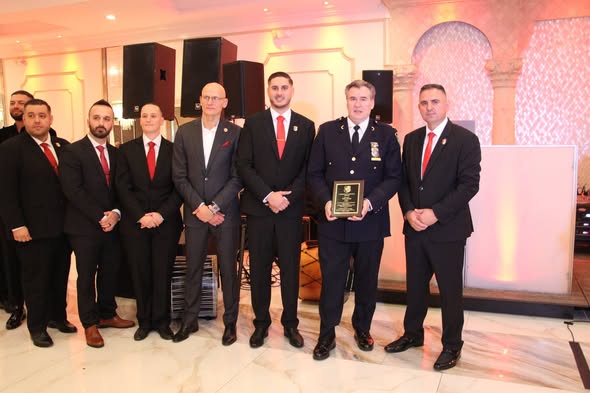
  • Vatra u prit në Selinë e Organizatës së Veteranëve të Luftës së UÇK

Kategoritë

Arkiv

Tags

albano kolonjari alfons Grishaj Anton Cefa arben llalla asllan Bushati Astrit Lulushi Aurenc Bebja Behlul Jashari Beqir Sina dalip greca Elida Buçpapaj Elmi Berisha Enver Bytyci Ermira Babamusta Eugjen Merlika Fahri Xharra Frank shkreli Fritz radovani Gezim Llojdia Ilir Levonja Interviste Keze Kozeta Zylo Kolec Traboini kosova Kosove Marjana Bulku Murat Gecaj nderroi jete ne Kosove Nene Tereza presidenti Nishani Rafaela Prifti Rafael Floqi Raimonda Moisiu Ramiz Lushaj reshat kripa Sadik Elshani SHBA Shefqet Kercelli shqiperia shqiptaret Sokol Paja Thaci Vatra Visar Zhiti

Log in

This website uses cookies to improve your experience. We'll assume you're ok with this, but you can opt-out if you wish. Cookie settingsACCEPT
Privacy & Cookies Policy

Privacy Overview

This website uses cookies to improve your experience while you navigate through the website. Out of these cookies, the cookies that are categorized as necessary are stored on your browser as they are essential for the working of basic functionalities of the website. We also use third-party cookies that help us analyze and understand how you use this website. These cookies will be stored in your browser only with your consent. You also have the option to opt-out of these cookies. But opting out of some of these cookies may have an effect on your browsing experience.
Necessary
Always Enabled
Necessary cookies are absolutely essential for the website to function properly. This category only includes cookies that ensures basic functionalities and security features of the website. These cookies do not store any personal information.
Non-necessary
Any cookies that may not be particularly necessary for the website to function and is used specifically to collect user personal data via analytics, ads, other embedded contents are termed as non-necessary cookies. It is mandatory to procure user consent prior to running these cookies on your website.
SAVE & ACCEPT