• Home
  • Politics
  • Opinion
  • Culture
  • Sports
  • Economy
  • Interview
  • Reporting
  • Community
  • Vatra

Dielli | The Sun

Albanian American Newspaper Devoted to the Intellectual and Cultural Advancement of the Albanians in America | Since 1909

“Nën hijen e blinit”, u promovua në New York vepra poetike e studiuesit Hamid Alaj

November 2, 2026 by s p

Sokol Paja/

New York, 1 nëntor 2026 – U promovua në New York vepra poetike “Nën hijen e blinit” e studiuesit Hamid Alaj. Një promovim kushtuar fjalës artistike e poetike ku përmes kujtimeve e përjetimeve, autori sjellë për lexuesin jo vetëm botën e pasur shpirtërore por dhe identitetin e tij krijues. Libri e shëndërron përvojën personale në një emocion të përbashkët komunikativ dhe artistik. Nën prezantimin e Selman Haxhimuratit, regjistrimin e Besnik Bardhit dhe organizimin e shoqatës Kraja, mbështetur nga shoqatat “Besi”, “Muriqi”, “Ana e Malit”, Qendra e Komunitetit Shqiptar në Staten Island u kthye në një pikëtakim emocionesh njerëzore, përjetimesh artistike e suksesi komunitar. Promovimi filloi me poezinë “Nën hijen e blinit” interpretuar mjeshtërisht nga moderatori Selman Haxhimurati duke ngjallur emocion te të pranishmit përmes çdo fjale që të kujton vendlindjen e identitetin krijues të autorit. Sulejman Velaj, kryetari i shoqatës “Kraja” në fjalën përshëndetëse theksoi se libri i Hamid Alajt përmban rrëfime e përjetime nga shpirti krijues i autorit, është një mundësi për lexuesit për të vlerësuar punën krijuese e hulumtuese dhe një dëshmi se fjala e shkruar ruan emocione dhe vlera kulturore për ta trashëguar brezat që vijnë.

Në emër të komunitetit krajanë veprimtari Hysen Kraja dërgoi një përshëndetje të lexuar nga Lumi Demiri ku thekson se “Nën hijen e blinit” nuk është vetëm një vepër letrare por një udhëzim në kujtesën tonë, të rrënjet tona, të vendet ku është ruajtur fjala shqipe, tradita dhe jeta e përbashkëta e Krajës. Nëpërmjet librit poetik dhe krijimtarisë së z.Hamid Alajt, kemi rastin të rikthehemi edhe një herë të ato hije, ku dikur kuvendonin të parët tanë me qëllim që të përdorim, të qeshim e të ruajmë lidhjet tona me traditën e rrënjët. Në emër të shoqatës “Besi” përshëndeti kryetari Sejdin Xhaferaj i cili përcolli dhe përshëndetjet e kryetarit të shoqatës “Muriqi” Shaban Hoxhaj, teksa dhe Iso Xhaferaj kryetari i Qendrës Shqiptaro-Islame në Queens, recitoi një poezi kushtuar këtij promovimi. Nazim Hoxha dhe Sabrina Xhaferaj përshëndetën gjithashtu promovimin dhe vlerësuan krijimtarinë poetike të Hamid Alajt.

Editori i Diellit përshëndeti në emër të Federatës Vatra duke evidentuar vlerat e studiuesit Hamid Alaj i cili është një emër i nderuar ndër krijuesit e vepruesit e mërgatës së Amerikës me kontribute të larta në aktivitetet krijuese, artistike, kulturore, komunitare dhe atdhetare.

Bashkëthemeluesi i “AlbLibris” Dr. Pashko Camaj në fjalën e tij theksoi se poezia e Hamid Alajt mbështetet në gjuhën e përditshme, në të folmen e vendit të tij dhe në një ndjenjë të drejtpërdrejtë. Përmes vargjeve ai ruan jo vetëm kujtesën e Krajës, por edhe mënyrën se si kanë folur e menduar brezat tanë. Nën hijen e blinit është një libër për njerëzit që kanë ikur, për ata që kanë mbetur dhe për vendet që vazhdojnë të jetojnë brenda nesh. Mërgimi mund të na ndryshojë adresën dhe mënyrën e jetesës, por jo me do e mos, rrënjët tona.

Imam Edin Gjoni theksoi se Hamid Alajn e njohim si njeriun që na e ka sjellë Krajën pothuajse në të gjitha përmasat e saj – shkollat, veshjet tradicionale, këngët popullore, dasmën krajane – me durimin e atij që e di se ajo që nuk shkruhet, harrohet. Ato ishin libra të kujtesës sonë të përbashkët. “Nën hijen e blinit” është diçka tjetër: libër i shpirtit. Këtë na e thotë vetë, që në faqen e parë: ky nuk është një libër ku mbi fletët e bardha ka shkruar poezitë e tij, por një libër ku, mbi fletët e bardha, ka hedhur, “edhe një pjesë të shpirtit tim”. Është shkruar me bojën e shpirtit. Shumë prej këtyre poezive janë shkruar këtu, në New York, nga një njeri që ka mbi tri dekada në gurbet – e që zemrën nuk e ka lëvizur kurrë nga rrëza e Rumisë dhe bregu i liqenit. “Nën hijen e blinit” na rrëfen një histori që njerëzimi e ka treguar dhe kënduar prej mijëra vjetësh: historinë e njeriut që largohet nga shtëpia, por që nuk arrin ta largojë shtëpinë nga vetja. Është Odiseu që qan në brigjet e një ishulli, sepse dëshiron të kthehet në Itakë. Është Leopold Bloomi që endet nëpër rrugët e Dublinit dhe, në fund të ditës, kthehet në shtëpi. Është poeti arab që ndalet përpara gjurmëve të një vendbanimi të braktisur. Është Ademi që largohet nga Kopshti i Edenit. Dhe është një njeri nga Kraja, i cili, pas shumë vitesh në mërgim, kthehet në kujtesën e tij te hija e një blini, ku dikur gjallëronte një botë e tërë. Prandaj libri i Hamid Alajt meriton të lexohet. Jo vetëm sepse flet për Krajën, por sepse, duke folur për Krajën, ai prek diçka që i përket të gjithë njerëzimit, tha ndër të tjera Imam Edin Gjoni.

Autori Hamid Alaj në fjalën e tij theksoi se libri “Nën hijen e blinit“ nuk është thjesht një emërtim libri. Ai përfaqëson një pjesë të historisë sime personale, dashurinë për vendlindjen dhe lidhjen me njerëzit me të cilët kam ndarë vitet e rinisë. Për mua, ai blin është më shumë se një pemë: është dëshmitar i kohës sonë dhe simbol i bashkimit të brezave. Përmes këtij libri, kam dëshiruar që ky kujtim të mos mbetet vetëm në shpirtin tim, por të marrë jetë edhe në faqet e librit dhe të ndahet me lexuesit. “Nën hijen e blinit“ është një udhëtim shpirtëror nëpër kohë, një rikthim te rrënjët dhe te përjetimet që kanë formuar identitetin tim. Në këtë libër zënë vend, vende konkrete të fshatit tim dhe të Krajës: vani, ublat, rrugët me kalldrëm, blini dhe liqeni. Secili prej tyre mbart kujtime dhe përjetime që janë pjesë e historisë sime personale. Përmes poezisë, përpiqem t’i ruaj këto vende jo vetëm si pamje të së kaluarës, por si pjesë të gjalla të kujtesës sonë, u shpreh ndër të tjera studiuesi Hamid Alaj. Shoqata “Kraja” e nderoi autorin Hamid Alaj me Certifikatë mirënjohjeje për kontributin dhe veprimtarinë e tij të shquar për Krajën dhe komunitetin shqiptar në New York.

Filed Under: LETERSI

I urge all Americans to go out there and exercise the most important democratic right: TO VOTE

November 2, 2026 by s p

Whether in local, state, or federal elections, your vote matters.

– Vote for a stronger democracy.

– Vote for a thriving economy.

– Vote for a stronger US Military.

– Vote to keep America safe, prosperous, and united.

Vote for your future, for your children and grandchildren, and for the generations to come. When America succeeds, our families, our communities, and the entire world thrive.

For 250 years, so much has been sacrificed to protect the freedom we enjoy today. We honor that sacrifice by participating in our democracy.

This Election Day, make your voice heard. GO OUT AND VOTE!

God bless the United States of America, the greatest nation on earth! 🇺🇸🇺🇸🇺🇸

— Harry Bajraktari

Filed Under: Emigracion

VATRA, FAN NOLI, WOODROW WILSON DHE JOHN F. KENNEDY – MIQËSIA SHQIPTARO-AMERIKANE QË NDIKOI NË FATIN E SHQIPËRISË

November 2, 2026 by s p

Nga diplomacia e diasporës dhe vizioni kombëtar i Fan Nolit te mbështetja e presidentëve amerikanë – një histori e organizimit, miqësisë dhe afirmimit ndërkombëtar të shtetit shqiptar.

Prof. Dr. Fejzulla BERISHA

Kur atdheu mbrohej edhe përtej oqeanit

Historia e shtetformimit shqiptar nuk mund të kuptohet plotësisht pa rolin e diasporës, veçanërisht të mërgatës shqiptare në Shtetet e Bashkuara të Amerikës. Në kohën kur Shqipëria përballej me rrezikun e copëtimit territorial dhe me pasiguri të mëdha politike e diplomatike, shqiptarët e Amerikës u shndërruan në një faktor të rëndësishëm të organizimit kombëtar dhe të mbrojtjes së çështjes shqiptare në arenën ndërkombëtare.

Në këtë kapitull të historisë sonë spikasin Federata Pan-Shqiptare “Vatra”, Fan Noli, Faik Konica dhe dy presidentë amerikanë, Woodrow Wilson e John F. Kennedy. Përmes veprimtarisë së tyre, në periudha të ndryshme historike, u ndërtua një lidhje e rëndësishme ndërmjet organizimit kombëtar shqiptar dhe mbështetjes politike amerikane.

Kjo histori dëshmon se pavarësia nuk është vetëm akti i shpalljes së një shteti. Ajo kërkon organizim kombëtar, institucione funksionale, diplomaci të aftë dhe aleanca ndërkombëtare. Për shqiptarët, beteja për shtetësi u zhvillua jo vetëm në trojet e tyre, por edhe në qendrat diplomatike të Evropës dhe në Uashington.

“Vatra” – diplomacia e diasporës në shërbim të shtetformimit

Më 28 prill 1912, në Boston të SHBA-së, u themelua Federata Pan-Shqiptare “Vatra”, një nga organizatat më të rëndësishme të historisë politike dhe kombëtare shqiptare. Ajo lindi në një periudhë vendimtare, kur Perandoria Osmane po shpërbëhej, kryengritjet shqiptare po intensifikoheshin dhe aspirata për pavarësi po merrte formë konkrete.

Themelimi i “Vatrës” nuk ishte thjesht bashkimi i shoqërive të emigrantëve. Ishte një akt i vetëdijshëm i organizimit kombëtar përtej kufijve të atdheut. Patriotët shqiptarë kuptuan se, përballë interesave të fuqive të mëdha dhe pretendimeve territoriale të shteteve fqinje, dashuria për atdheun duhej të shndërrohej në veprim politik, publicistik dhe diplomatik.

Një instrument i rëndësishëm i këtij misioni ishte gazeta “Dielli”, e cila shërbeu si tribunë e mendimit kombëtar, e informimit dhe e ndërgjegjësimit politik. Përmes saj, padrejtësitë ndaj shqiptarëve, e drejta për pavarësi dhe rreziku i copëtimit territorial u bënë pjesë e debatit publik amerikan.

Gjatë Luftës së Parë Botërore, kur Shqipëria u përball me pushtime dhe pasiguri të rënda për ekzistencën e saj shtetërore, “Vatra” intensifikoi veprimtarinë. Organizoi mbledhje fondesh, zhvilloi kontakte politike, përhapi argumente historike dhe mbështeti përpjekjet për ruajtjen e pavarësisë.

Rëndësia e saj qëndron në shndërrimin e diasporës nga një bashkësi emigrantësh në një faktor të organizuar të veprimit kombëtar. “Vatra” dëshmoi se atdheu mund të mbrohet edhe përtej oqeanit, përmes dijes, organizimit, medias dhe diplomacisë.

Fan Noli dhe Faik Konica – mendja, fjala dhe vizioni i diplomacisë shqiptare

Në historinë e “Vatrës” dhe të Rilindjes Kombëtare, Fan Noli zë një vend të jashtëzakonshëm. Ai ishte klerik, intelektual, shkrimtar, përkthyes, politikan dhe diplomat, por mbi të gjitha një veprimtar që e kuptoi se çështja shqiptare duhej të fitonte mbështetje në qendrat ndërkombëtare të vendimmarrjes.

Noli kontribuoi në organizimin e jetës fetare shqiptare në Amerikë, në zhvillimin e arsimit dhe kulturës kombëtare, si dhe në krijimin e një hapësire të përbashkët të veprimit patriotik. Në vitin 1908 u shugurua prift dhe u bë një nga figurat themelore të Kishës Ortodokse Shqiptare në Amerikë.

Kontributi i tij mori një dimension të veçantë diplomatik në vitet e Luftës së Parë Botërore. Në vitin 1918, Noli ishte ndër nënshkruesit e memorandumit të komunitetit shqiptaro-amerikan drejtuar presidentit Woodrow Wilson dhe sekretarit amerikan të Shtetit, Robert Lansing, për mbrojtjen e pavarësisë dhe të drejtave kombëtare të Shqipërisë.

Në këtë rrugëtim rol të rëndësishëm pati edhe Faik Konica, një nga mendjet më të ndritura të kulturës dhe publicistikës shqiptare. Përmes revistës “Albania”, ai kishte kontribuar në afirmimin e gjuhës, identitetit dhe historisë kombëtare shqiptare.

Noli dhe Konica, megjithëse kishin dallime në karakter dhe pikëpamje, u bashkuan rreth një ideali madhor: Shqipëria e lirë, e pavarur dhe e afirmuar ndërkombëtarisht.

Konica përfaqësonte kulturën dhe mendimin kritik, ndërsa Noli organizimin, oratorinë dhe veprimin politik. Bashkëpunimi i tyre dëshmon se interesat kombëtare kërkojnë bashkim përtej dallimeve individuale.

Woodrow Wilson – mbështetja amerikane në një moment vendimtar për Shqipërinë

Në historinë e marrëdhënieve shqiptaro-amerikane, presidenti i 28-të i SHBA-së, Woodrow Wilson, zë një vend të veçantë. Emri i tij lidhet me mbrojtjen e parimeve të rendit ndërkombëtar, të pavarësisë së popujve dhe të kundërshtimit të marrëveshjeve të fshehta që cenonin të ardhmen e tyre.

Më 8 janar 1918, Wilsoni paraqiti programin e njohur të Katërmbëdhjetë Pikave. Pika e njëmbëdhjetë trajtonte çështjet ballkanike dhe kërkonte garantimin e pavarësisë politike dhe integritetit territorial të shteteve të rajonit.

Një nga kërcënimet më serioze për Shqipërinë ishte Traktati i Fshehtë i Londrës i 26 prillit 1915, i cili parashikonte ndryshime territoriale në Ballkan dhe cenonte rëndë interesat shqiptare.

Qëndrimi i Wilsonit kundër zbatimit të marrëveshjeve të fshehta që binin ndesh me parimet e shpallura prej tij përbënte një mbështetje të rëndësishme për çështjen shqiptare.

Në Konferencën e Paqes në Paris, çështja shqiptare u bë pjesë e përballjes diplomatike ndërmjet fuqive të mëdha. Në këtë periudhë, mbështetja politike amerikane pati rëndësi të veçantë për mbrojtjen e ekzistencës së Shqipërisë si shtet i pavarur.

Më 28 korrik 2022, Departamenti Amerikan i Shtetit, në dokumentin kushtuar 100-vjetorit të marrëdhënieve SHBA–Shqipëri, vlerësoi shprehimisht mbështetjen e presidentit Wilson për një shtet të pavarur shqiptar gjatë Konferencës së Paqes në Paris.

Fan Noli dhe John F. Kennedy – nga miqësia politike te vazhdimësia e lidhjeve shqiptaro-amerikane

Një kapitull tjetër interesant i kësaj historie është lidhja ndërmjet Fan Nolit dhe presidentit të 35-të të Shteteve të Bashkuara, John F. Kennedy. Kjo lidhje e vendos veprimtarinë e Nolit në një dimension më të gjerë historik, duke dëshmuar se diplomacia shqiptare në Amerikë nuk u kufizua vetëm në periudhën e krijimit të shtetit shqiptar, por vazhdoi edhe në dekadat e mëvonshme.

Në vitin 1958, Fan Noli i drejtoi një letër senatorit të atëhershëm John F. Kennedy, në të cilën shprehte urimet dhe mbështetjen e tij për karrierën politike të tij. Ky komunikim dëshmon interesimin e Nolit për zhvillimet politike amerikane dhe rëndësinë që ai i kushtonte figurave që përfaqësonin vlerat demokratike dhe lirinë.

Kennedy, i cili në atë kohë përfaqësonte shtetin e Masaçusetsit në Senatin amerikan, kishte kontakte me komunitetet emigrante dhe me organizatat e tyre. Në këtë kontekst, komuniteti shqiptaro-amerikan dhe Federata “Vatra” përfaqësonin një traditë të konsoliduar të organizimit qytetar dhe patriotik.

Pas zgjedhjes së Kennedy-t president, në prill të vitit 1961, ai i dërgoi një mesazh Federatës “Vatra” me rastin e 50-vjetorit të themelimit të saj, duke vlerësuar kontributin e shqiptarëve të Amerikës në ruajtjen e idealeve demokratike.

Ky komunikim institucional kishte rëndësi të veçantë, sepse dëshmonte vazhdimësinë e lidhjeve ndërmjet institucioneve amerikane dhe organizimit kombëtar shqiptar në Amerikë.

Kontributi i Nolit në këtë marrëdhënie nuk duhet parë vetëm përmes një letre apo një komunikimi me një senator që më vonë u bë president. Rëndësia e tij qëndron në faktin se ai kishte ndërtuar, gjatë dekadave, një urë komunikimi ndërmjet shqiptarëve dhe institucioneve politike amerikane. Ai e kishte kuptuar se miqësia ndërmjet dy popujve duhet të mbështetet në marrëdhënie të qëndrueshme, në vlera demokratike dhe në përfaqësim të organizuar.

Prandaj, lidhja Noli–Kennedy mund të shihet si një simbol i vazhdimësisë së miqësisë shqiptaro-amerikane: nga beteja për njohjen dhe mbrojtjen e Shqipërisë në fillim të shekullit XX, te afirmimi i rolit të diasporës shqiptare në shoqërinë amerikane në mesin e atij shekulli.

Filed Under: Komente

Anglezi Sir John of Newport dhe Skënderbeu

November 2, 2026 by s p

Kerkimet arkivore ofrojnë detaje të shumta historike rreth aleancës midis Skënderbeut dhe kalorësit anglez, Sir John of Newport.

I dërguar special i Papës dhe Ndërmjetës Diplomatik

Përpara se të luftonte në vijën e pare të betejave, John of Newport ishte thellësisht i përfshirë në diplomacinë evropiane. Të dhënat e arkivore që flasin rreth Papa Kalixtit III e identifikojnë John of Newport si (i dërguar special) i Papës në Bosnjë, Sllavoni dhe Arbëri.

Ai ishte këshilltar dhe dhomatar (camerlengus) i Mbretit Alfonso V të Aragonit dhe Napolit, i cili ishte mbështetësi kryesor financiar i Skënderbeut përmes Traktatit të Gaetës.

Kjo lidhje e dyfishtë i lejoi John of Newport të vepronte si një ndërmjetës i nivelit të lartë, duke u shndërruar nga një i dërguar diplomatik në një komandant aktiv i një skuadre ushtarësh të huaj, (harkëtarë mjaft të stërvitur e të talentuar) që kishin ardhur për të luftuar përkrah Skënderbeut dhe nën urdhrat e tij.

Kthesa e Madhe në Betejën e Albulenës (1457)

Momenti përcaktues ushtarak i John of Newport erdhi më 2 shtator 1457, gjatë Betejës së Albulenës (Ujit të Bardhë).

Një ushtri osmane prej rreth 80,000 burrash nën komandën e Isak Bej Evrenozit dhe nipit të rebeluar të Skënderbeut, Hamza Kastriotit, kishte vërshuar në Arbëri. Skënderbeu kishte kaluar muaj të tërë duke u pregatiur për ta përballuar me sukses këtë betejë dhe për ta evituar humbjen.

John of Newport komandonte një njësi të specializuar harkëtarësh profesionistë Anglezë dhe Uellsianë (me harqe të gjata dhe kthetra). Harqe të gjata angleze (longbow) ishin ende një armë legjendare në Evropë.

Kur Skënderbeu nisi sulmin e tij të papritur ndaj kampit osman, harkëtarët e John of Newport lëshuan breshëri shkatërruese shigjetash. Beteja ishte një fitore e shkëlqyer arbërore që dërmoi forcat osmane dhe shpëtoi kryengritjen.

Një Paralajmërim Dramatik për Papën

Pas fitores së vitit 1457, Skënderbeu mbetej në rrezik të pashmangshëm. Ai e dërgoi John of Newport në Romë së bashku me një ambasador që po kthehej nga Napoli.

Sipas një letre të ruajtur nga Kardinali Enea Silvio Pikolomini (i cili më vonë do të bëhej Papa Piu II), John of Newport mbërriti në gjykatën papale për të kërkuar përforcime.

John of Newport, duke folur si një dëshmitar okular i makinerisë luftarake osmane, paralajmëroi hapur dhe prerazi Evropën Perëndimore duke u thënë: “Pushtimi i Evropës do të jetë një fakt, sepse nuk ka asnjë fuqi tjetër të aftë t’u rezistojë osmanëve nëse kështjella arbërore bie.”

Pjesë e një “Legjioni të Huaj” Ndërkombëtar

John of Newport nuk ishte një anomali e vetme. Administrata e Skënderbeut në kryeqytetin e tij, Krujë, tërhiqte një numër të madh luftëtarësh të ardhur nga vende të tjera, si dhe mjaft tregtarë dhe kalorës nga Evropa Perëndimore, të cilët e shihnin rezistencën arbërore si vijën e parë të mbrojtjes së Krishtërimit.

Stefan Maramonte, për shembull ishte një luftëtar i njohur italo-sllav që shërbeu si ambasador i Skënderbeut në Milano, apo Vullnetarët Gjermanë, të regjistruar si ushtarë të dalluar që ndihmuan në mbrojtjen e Krujës gjatë rrethimeve brutale osmane, apo dhe Pal dhe Andrea Gazulli, dijetarë dhe diplomatë arbërorë me arsim të lartë, të cilët menaxhonin rrjetet e Skënderbeut në Venecia, Romë dhe Raguzë (Dubrovnik).

—-

Shënim:

William “Bill” Bland, shkrimtar, historian dhe aktivist britanik marksist-leninist (enverist), ishte themelues i Shoqatës “Albania Society of Britain”. Për vite me radhë, ai u përpoq të zbulonte gjurmët historike të John of Newport dhe lidhjet e tij me Skënderbeun.

Gjatë një vizite në Shqipëri më 1984, Bland kërkoi në arkivat shqiptare dokumente për të hartuar një studim historik dhe biografik mbi këtë kalorës. Megjithatë, ai pranoi se nuk kishte gjetur dokumente origjinale në Shqipëri dhe se duhej t’i vazhdonte kërkimet diku tjetër.

Sipas tij, dëshmitë më të rëndësishme për ekzistencën dhe rolin e Newport-it gjendeshin në arkivat italiane dhe të Vatikanit, përfshirë letrat e kardinalit Piccolomini, dhe jo në dokumentet e ruajtura në Shqipëri.

Interesi i Bland-it për John of Newport lidhej me përpjekjen për të dokumentuar historinë e marrëdhënieve anglo-shqiptare. Ai e shihte Newport-in si një simbol të hershëm të bashkëpunimit mes dy popujve, një perëndimor që kapërceu dallimet kulturore për të luftuar përkrah Skënderbeut.

Megjithatë, nuk mund të përjashtohet mundësia që ky angazhim të kishte edhe motive të tjera. Si një përkrahës i vendosur i enverizmit, Bland mund të ketë përfituar nga fondet që regjimi komunist shqiptar u shpërndante grupeve marksiste-leniniste në vende të ndryshme të botës. Në atë periudhë, shuma të konsiderueshme financiare përfundonin në duart e individëve dhe organizatave që pretendonin se mbështesnin regjimin e Enver Hoxhës, por që në disa raste mund të kishin më shumë interesa personale dhe politike sesa bindje të mirëfillta ideologjike.

Përgatiti: NDREK GJINI

Filed Under: Histori

Connecting Campuses, Communities and Generations – Dr. Albina Balidemaj on RIT Kosovo’s Future

November 2, 2026 by s p

Interview and Introduction by Rafaela Prifti/

Dr. Albina Balidemaj-Basha came to the United States as a teenage refugee from wartime Kosovo. She studied psychology in Minneapolis before returning to Kosovo, where she held several roles at RIT Kosovo (A.U.K.), including Dean of Faculty. Appointed President in July 2026, she now leads Kosovo’s only private, nonprofit higher education institution, which reports more than 1,900 alumni.

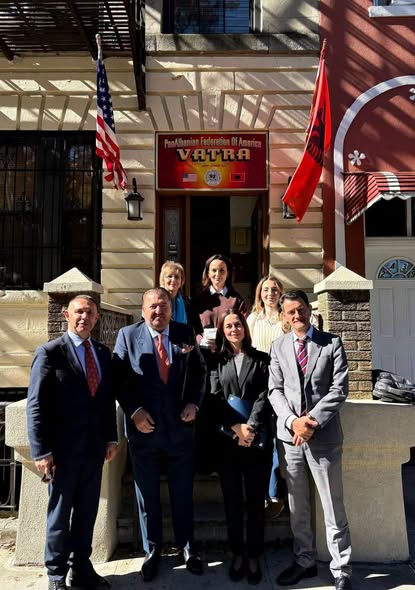
Dr. Balidemaj spoke with us after a recent RIT delegation met with representatives of VATRA in New York. The conversation focuses on expanding student research, developing academic exchanges, launching the new RIT Tirana campus, addressing the affordability challenges many families face, and engaging more diaspora professionals through mentorship, teaching, and research. From AI ethics to diaspora engagement, she sees RIT Kosovo’s future as one shaped by collaboration across disciplines, borders, generations, and by graduates ready to contribute in Kosovo and around the world.

Vision, Legacy & The Next Chapter

Q1. As the first Kosovar and Albanian-American president after nearly two decades with the institution, what is your long-term primary goal for the university’s legacy?

For nearly two decades at RIT Kosovo, I have had the privilege of growing alongside this institution and witnessing its challenges, achievements, and most importantly, the lasting impact on generations of young people. As its first Kosovar and Albanian-American president, I hope to help that impact grow for generations to come.

I am also very conscious that I am stepping into a role shaped by the leadership, dedication, and vision of those who came before me. Each of my predecessors and institutional founders have contributed to building the institution we have today, and I see my presidency as a continuation of that work. My responsibility is not to start from scratch, but to build on the strong foundation they have established, while bringing my own perspective and vision for the future.

Being the first Kosovar and Albanian-American president carries a special responsibility for me. Having spent much of my life between Kosovo and the United States, I understand both the local realities and the opportunities that come from being connected to a global academic community.

My long-term goal is to ensure that RIT Kosovo is recognized not only as a leading institution of higher education in Kosovo, but also as a regional center of academic excellence, innovation, and opportunity. I want us to be known for the quality of our graduates, the relevance of our academic programs, and our contributions to society. But beyond academic success, I want us to educate compassionate, socially conscious individuals with strong values and a sense of responsibility toward their communities. People who understand the importance of giving back, creating opportunities for others, and contributing to their country’s future. Equally important to me is ensuring that access to quality education is not determined by a student’s financial circumstances.

Ultimately, I hope my legacy will be one of continuity, growth, and lasting institutional strength. Just as I have benefited from the work of those who came before me, I want to leave behind an institution that is even stronger for those who will follow. Universities are built by generations of people who believe in their mission, and I consider it a privilege to contribute to the next chapter of ours.

Q2. With the recent launch of RIT Tirana, how do you see the roles of the Kosovo and Albania campuses intertwining to create a broader Balkan educational hub?

The expansion into Tirana represents an important step in our institutional development, but I see it as much more than geographic expansion. Kosovo and Albania share strong cultural, historical, and economic ties, yet their higher education systems and labor markets also have distinct characteristics. This creates an opportunity for us to build on the strengths of both locations. My vision is for the two campuses to operate as complementary parts of a broader academic ecosystem, where students and faculty can collaborate across borders, share resources, and participate in joint academic and research initiatives.

We also have an opportunity to attract more international students, create academic mobilities, strengthen partnerships with regional industries, and create a stronger connection between education and economic development. I believe the Western Balkans have tremendous intellectual potential. What we need are stronger institutions and better mechanisms for collaboration. Our expansion should contribute to both.

Q3. What are some examples of “better mechanisms” in connection with your tenure as Dean of Faculty? What specific changes or updates do you plan to introduce to the current curriculum to ensure it meets changing economic landscapes?

My experience as Dean of Faculty has reinforced one important lesson: universities cannot afford to remain static while the world around them changes so quickly. We already offer an American educational model that emphasizes critical thinking, interdisciplinary learning, and experiential education. My priority is to build on that foundation. I see several areas of development, particularly artificial intelligence, cybersecurity, data analytics, engineering technologies, sustainability, and entrepreneurship. We also need to ensure that these areas are not treated as isolated disciplines but integrated across our academic programs where relevant.

Equally important is strengthening the relationship between our curriculum and the labor market. I would like to see more industry-informed projects, applied research, internships, and opportunities for students to solve real challenges before they graduate.

However, we must be careful not to reduce higher education to workforce training alone. Employers’ needs will continue to change. Our responsibility is to prepare graduates who can adapt, think independently, communicate effectively, and continue learning throughout their careers. That balance between technical competence and a strong liberal arts foundation is one of the greatest strengths of an RIT education.

Innovation, AI & Industry Collaboration

Q4. RIT Kosovo recently hosted workshops and validation exercises regarding Artificial Intelligence governance and policy. How will you ensure students across all disciplines are equipped to lead in an AI-driven workforce?

Artificial intelligence is already transforming how we work, learn, and make decisions. The question is no longer whether our students will use AI, but whether they will understand it well enough to use it responsibly and effectively. AI literacy is becoming part of the educational experience of students across all disciplines, not only those studying computing or engineering. This means understanding the practical applications of AI, but also its limitations, ethical implications, and impact on privacy, employment, and human rights. As someone with a background in psychology, I am particularly interested in how these technologies influence human behavior, decision-making, and social relationships.

At RIT Kosovo, we have an opportunity to combine technical education with the social sciences and humanities. Our involvement in AI policy discussions also allows us to bring real-world questions into the classroom. My goal is not simply to prepare students to use emerging technologies, but to prepare them to question, evaluate, and help shape how those technologies are used.

Q5. RIT Kosovo recently signed a memorandum with the Business Consultants Council and maintains strong ties with the American Chamber of Commerce. Share with us the vision of scaling these private-sector partnerships to improve job placement and internships for graduates.

One of the advantages of RIT Kosovo has always been its close relationship with the private sector. Our cooperative education model already provides students with valuable opportunities to connect classroom learning with professional experience. However, I believe we can take these relationships further. I would like us to move beyond traditional partnerships that focus primarily on internships or occasional guest lectures, toward more structured and long-term collaborations. This could include companies helping identify emerging skills, participating in curriculum discussions, offering applied student projects, supporting research, and creating stronger pathways from internships to employment. Partnerships with organizations such as the Business Consultants Council and the American Chamber of Commerce are especially valuable because they connect us with a broad network of employers and industry leaders.

I also believe universities have a responsibility to listen to employers without losing their academic independence. The goal is not simply to respond to today’s labor market, but to anticipate what the market will need five or ten years from now.

Q6. Following recent discussions with government and ministerial figures, what role do you see RIT Kosovo playing in fueling national economic and digital public policy?

I believe universities have an important responsibility beyond educating students. We should also contribute knowledge, research, and independent expertise to the development of public policy. In Kosovo, this role is particularly important because we are still building many of the institutional and economic systems that will shape our future. RIT Kosovo is well positioned to serve as a bridge between academia, government, the private sector, and international partners. Our involvement in discussions around artificial intelligence governance, digital transformation, and innovation policy reflects this potential.

I would like to see us contribute more systematically through applied research, policy discussions, data analysis, and collaborative projects that address national priorities. At the same time, it is essential that we maintain our academic independence. Universities should be spaces where ideas can be examined critically and where evidence, rather than political interests, guides discussion. Our greatest contribution is not necessarily telling policymakers what to do, but helping ensure that decisions are informed by research, expertise, and thoughtful public debate.

Student Well-being, Psychology & Human Rights

Q7. Your background is in clinical psychology with research emphasizing refugee mental health and collective trauma. How will this expertise shape your approach to campus culture and student mental health?

My background in psychology has deeply influenced how I understand education and leadership. Having researched trauma, displacement, and mental health in post-conflict societies, I am particularly aware that students do not arrive at university as blank slates. They bring their personal experiences, family histories, social pressures, perceptions, and aspirations into the classroom. In Kosovo, this is especially relevant. Although our students are part of a new generation, many are still growing up in families and communities shaped by the experiences of war, migration, and economic uncertainty. For me, student well-being cannot be treated as something separate from academic success.

As an institution, we invest significantly in student well-being, mental health, accessibility, and inclusion, because we recognize that a sense of belonging is just as important to student success as academic achievement. My goal is to continue strengthening this commitment. It also means recognizing that faculty and staff play an important role in creating that environment. One of the things I have learned through my research is that resilience is not simply an individual characteristic. It is also shaped by the environments and relationships surrounding us. I believe universities have a responsibility to create those supportive environments.

Q8. As the co-founder of the Research Center for Human Rights, how will you expand research opportunities for undergraduate students looking to tackle societal challenges in the Western Balkans?

Historically, RIT Kosovo has been primarily a teaching-focused institution. One of my priorities during my time as Dean of Faculty was to begin strengthening our research culture, and this remains an important focus in my role as President, as I look to continue building on our strong teaching foundation while expanding research opportunities for faculty and undergraduate with concrete contributions to our communities.

I believe research should not be reserved for graduate students or senior academics. Some of the most interesting questions come from young people who are willing to challenge assumptions and look at familiar problems differently. Through the Research Center for Human Rights and other institutional initiatives, we have an opportunity to engage students in issues that are particularly relevant to the Western Balkans, including migration, social inclusion, mental health, gender equality, democratic development, and the impact of emerging technologies on society. I would like to encourage more faculty-student research collaboration, interdisciplinary projects, and partnerships with universities and research organizations internationally.

Our students should have opportunities not only to conduct research, but also to present their findings, publish their work where appropriate, and contribute to discussions that influence their communities. For me, research becomes particularly meaningful when it connects academic knowledge with real societal needs.

Q9. Beyond purely academic achievements, what does a truly successful student experience look like under your administration?

I often say that our responsibility as educators goes far beyond helping students earn a degree. While academic achievement is our priority, we want our students to develop strong professional skills and build successful careers. But I also want them to leave RIT Kosovo as confident, ethical, compassionate, and socially responsible individuals.

A successful student experience means having the opportunity to explore new ideas, make mistakes, ask difficult questions, build meaningful relationships, and discover strengths they may not have known they possessed. It means feeling that you belong to a community where people know you, challenge you, and genuinely care about your development.

I also want our students to understand that success is not measured only by the position they hold or the salary they earn, but by the contributions they make to their families, communities, and society. Some of our most meaningful success stories are graduates who return to support other students, create employment opportunities, or invest in their communities. That is the kind of institutional culture I want us to continue building.

Diaspora Engagement & The Global RIT Network

Q10. How will you further leverage the Rochester, Dubai, and Croatia global network to provide more exchange and collaborative opportunities for local students?

One of RIT Kosovo’s greatest strengths is that our students are part of a much larger global academic community. Our relationship with Rochester Institute of Technology provides access to international academic expertise, resources, and opportunities that would be difficult for a small institution to develop independently. Having also taught at RIT Dubai, I have experienced firsthand the value of being part of this global network. I have seen how students and faculty from different cultural and academic environments benefit from working together.

One particularly valuable opportunity is that our students can spend up to an academic year studying at another RIT global campus, including Rochester, Dubai, or Croatia, while continuing to pay their local RIT Kosovo tuition. This makes an international educational experience significantly more accessible to our students and their families.

My goal is to build on these existing opportunities by encouraging greater student and faculty mobility, developing collaborative research projects, and creating more opportunities for students across RIT campuses to work together. I am also interested in virtual exchanges, joint courses, and international projects that allow students to benefit from global collaboration without necessarily having to travel. Ultimately, I want every student who graduates from RIT Kosovo to feel that they have received not only an American education in Kosovo, but a genuinely international educational experience.

Q11. Given your personal connection to the Albanian-American community and RIT Kosovo’s historic reliance on diaspora support, how do you plan to deepen engagement with organizations like GERMIN?

This question is particularly personal to me because my family and I are part of the diaspora ourselves. I came to the United States as a refugee during my teenage years, received my education there, and eventually made the decision to return to Kosovo. That experience has shaped how I understand the relationship between the diaspora and our region. I know firsthand that the diaspora represents much more than financial support. It is an extraordinary network of knowledge, professional experience, relationships, and opportunities.

RIT Kosovo itself is an example of what becomes possible when individuals from the diaspora invest in education and believe in the potential of young people. My goal is to deepen that relationship by moving beyond traditional fundraising toward more sustained academic and professional engagement. Organizations such as GERMIN are important partners because they help connect young people with their heritage while also creating opportunities for meaningful contribution.

I would like to see more diaspora professionals involved in mentorship, guest teaching, research collaboration, internships, and entrepreneurship initiatives. I believe the next chapter of diaspora engagement should be about creating lasting institutional connections, rather than relying only on individual goodwill. And personally, I hope my own journey demonstrates that returning and contributing is possible, and that the relationship between the diaspora and our region can be genuinely reciprocal.

Q12. How does RIT Kosovo address the affordability of its tuition for local students, given that the cost of an American-style education can be difficult to manage compared with the wages many families earn in Kosovo?”

As a private, nonprofit institution offering an American education in Kosovo, we recognize that affordability is a real concern for many families. This is why scholarships, financial assistance, and continued investment in student support must remain central to our institutional mission. I know personally how transformative educational opportunities can be, particularly when someone believes in a student’s potential and helps remove the financial barriers standing in their way. My ambition is to ensure that academic talent, determination, and potential, rather than a family’s ability to pay, determine who has the opportunity to succeed at RIT Kosovo. Excellence and accessibility should never be competing priorities; they should reinforce one another.

This is particularly important in a country like Kosovo, where the cost of studying abroad can place international education beyond the reach of many families. By allowing students to access the broader RIT global network while maintaining their local tuition rates, we are helping make international academic experiences more financially accessible. For me, this is one of the most meaningful aspects of our partnership with RIT: bringing global educational opportunities closer to home without requiring families to bear the full financial burden of an international degree.

Thank you Dr. Balidemaj for sharing your perspective!

Read more articles on RIT Kosovo

https://gazetadielli.com/rit-kosovo-an-investment-for-a…
https://gazetadielli.com/the-biberaj-foundation-model-is…
https://gazetadielli.com/education-is-a-force-multiplier…
https://gazetadielli.com/biberaj-foundation-announces…

Filed Under: Interviste Tagged With: Rafaela Prifti

  • « Previous Page
  • 1
  • 2
  • 3
  • 4
  • 5
  • …
  • 3290
  • Next Page »

Artikujt e fundit

  • MOTRA JENA, SHOQE S’JENA!
  • Drita është pas derës së mbyllur. Çelësi i derës jemi ne!
  • BALTA QË DUHET TA DUAM
  • Arbëria Digital Fest 2026: Tri ditë takimesh për të ndërtuar të ardhmen e Arbërisë përmes kulturës, inovacionit dhe bashkëpunimit ndërkombëtar
  • FINAL COUNTDOWN
  • FILATELIA SHQIPTARE NË VITIN 2026: ARRITJE TEMATIKE DHE SFIDA NË ZBATIMIN E PROGRAMIT TË EMETIMEVE
  • Një shans ideal për Shqipërinë…
  • 3 nëntor 1443 – Gjergj Kastrioti-Skënderbeu kthehet në atdhe për të rizgjuar Arbërinë dhe për ta rikthyer në historinë e Evropës
  • Çështja e Adriatikut: Qendrimi i Presidentit Wilson kur fati i Shqipërisë u bë pjesë e pazarit
  • U ZHVILLUA NË NEW YORK FESTIVALI XXXIV SHQIPTAR, DEDIKUAR GJUHËS SHQIPE
  • “Nën hijen e blinit”, u promovua në New York vepra poetike e studiuesit Hamid Alaj
  • I urge all Americans to go out there and exercise the most important democratic right: TO VOTE
  • VATRA, FAN NOLI, WOODROW WILSON DHE JOHN F. KENNEDY – MIQËSIA SHQIPTARO-AMERIKANE QË NDIKOI NË FATIN E SHQIPËRISË
  • Anglezi Sir John of Newport dhe Skënderbeu
  • Connecting Campuses, Communities and Generations – Dr. Albina Balidemaj on RIT Kosovo’s Future

Kategoritë

Arkiv

Tags

albano kolonjari alfons Grishaj Anton Cefa arben llalla asllan Bushati Astrit Lulushi Aurenc Bebja Behlul Jashari Beqir Sina dalip greca Elida Buçpapaj Elmi Berisha Enver Bytyci Ermira Babamusta Eugjen Merlika Fahri Xharra Frank shkreli Fritz radovani Gezim Llojdia Ilir Levonja Interviste Keze Kozeta Zylo Kolec Traboini kosova Kosove Marjana Bulku Murat Gecaj nderroi jete ne Kosove Nene Tereza presidenti Nishani Rafaela Prifti Rafael Floqi Raimonda Moisiu Ramiz Lushaj reshat kripa Sadik Elshani SHBA Shefqet Kercelli shqiperia shqiptaret Sokol Paja Thaci Vatra Visar Zhiti

Log in

This website uses cookies to improve your experience. We'll assume you're ok with this, but you can opt-out if you wish. Cookie settingsACCEPT
Privacy & Cookies Policy

Privacy Overview

This website uses cookies to improve your experience while you navigate through the website. Out of these cookies, the cookies that are categorized as necessary are stored on your browser as they are essential for the working of basic functionalities of the website. We also use third-party cookies that help us analyze and understand how you use this website. These cookies will be stored in your browser only with your consent. You also have the option to opt-out of these cookies. But opting out of some of these cookies may have an effect on your browsing experience.
Necessary
Always Enabled
Necessary cookies are absolutely essential for the website to function properly. This category only includes cookies that ensures basic functionalities and security features of the website. These cookies do not store any personal information.
Non-necessary
Any cookies that may not be particularly necessary for the website to function and is used specifically to collect user personal data via analytics, ads, other embedded contents are termed as non-necessary cookies. It is mandatory to procure user consent prior to running these cookies on your website.
SAVE & ACCEPT