• Home
  • Politics
  • Opinion
  • Culture
  • Sports
  • Economy
  • Interview
  • Reporting
  • Community
  • Vatra

Dielli | The Sun

Albanian American Newspaper Devoted to the Intellectual and Cultural Advancement of the Albanians in America | Since 1909

Bujar Alimani’s Film Resonates With Audience in New York Premiere

January 21, 2020 by dgreca

By Rafaela Prifti /

The US Premiere of The Delegation, Albania’s Oscar Selection for Foreign Feature Film, opened at School of Visual Arts Theater on January 14, 2020. The movie stares at the past and stirs the conscience of succeeding generations of Albanians born in the post-communist era.  

After a-meet-and-greet reception, the rows were filled close to capacity in the 479-seat theater. Frida Bedaj, organizer and sponsor coordinator for the event, opened the evening by thanking everyone. “Art is an excellent passport for a people,” she said, “and film, in particular, because it travels around the world visiting many countries and cultures.” As ‘the architect’ of the movie presentation, Ms. Bedaj revealed her reasons for bringing Bujar Alimani’s film The Delegation in the US. She said that Bujar Alimani is an esteemed director whose films have been selected by Albania’s Cinematographic Center to be submitted in the Oscar’s International feature film category in the last years. The Delegation, a critically acclaimed film that has received multiple awards in European Festivals, was submitted to this year’s 2020 Academy Awards. “It was important to bring the movie here,” she noted, because “Albanians tend to shy away from facing the past, whereas art has the power to show it and even invite us to reflect…” The theme of forgiveness for the sufferings inflicted by the communist regime becomes even more relevant in the current political climate of Albania manifesting restrictions familiar from the past dictatorship, while “the young generation have little mindfulness of what the Albanian people underwent during the communist regime,” said Ms. Bedaj. At the end of her opening, she invited Her Excellency Teuta Sahatqija, Consul General of Kosovo in New York, a consistent supporter of the arts and the artistic community in the US. Ambassador Sahatqija affirmed that the plight of Albanians inside the self-imposed communist isolation made it difficult for the Albanians outside of its borders to know the painful truths. Telling these stories is important to the survivors who outlived communism, the persecuted and the families who suffered; it is important to all of us, who, at the time, were unaware of such torments, said the Ambassador Sahatqija. Cautioning that “Today’s youth needs to know about the communist past and appreciate the freedom of speech as a foundation of democracy,” she called director Bujar Alimani “a voice for the Albanian people’s pain.” 

Among the sponsors of the evening were: The Head Hunter Group Stone Castle Vineyards and Winery, Home Exchange PA, Alba Pharmacy of Staten Island, Dua Kafe etc.    

Preview 

The film is produced by Albania’s Art Film jointly with movie companies from Kosovo, France, and Greece. It is set in Albania in October 1990 as the communist regime that has ruled the country for nearly half a century is facing its collapse. It is the story of a political prisoner who has been twice sentenced by Albania’s regime and is forced to be part of the authorities plot to “fool the Internationals” about the country’s reality with respect to Human Rights. Although fictional, the underlying facts are well-evidenced. Albania’s communists felt threatened and consistently targeted well-educated individuals for fear of being ‘influenced from the West’. Also based on facts is the monitoring of the political reforms to open the door for Albania to benefit from European inclusion. In the script, a delegation is scheduled to meet with the government officials of Albania, who devise a plan that calls for an arranged rendezvous of the Albanian Professor, turned political prisoner, and the head of the European delegation. The two had met and grew close while studying abroad together. By putting together three characters with three different and opposing views: the imprisoned professor, Leo Konomi (Viktor Zhusti), the political party official Comrade Spiro (Ndricim Xhepa), and the strong-arm man of the regime Asllan (Xhevdet Ferri), the quiet yet intense drama builds up – visually conveyed with long duration shots and close-ups. Set against the backdrop of a poorly functioning country, where people get by with shortages as daily occurrences. The opening line of the scene “It doesn’t work!” as the camps’ guard cannot get the TV box to open, is repeated with variations when the phone is out of order, or the car breaks down on the road to the capital, a condition that permeates deeper, until prisoner Leo says to the torturer Asllan that he is also “imprisoned” just like everyone else in Albania.    

Post-Presentation Discussion

Director Bujar Alimani, who favors a minimalist style, said that the “lifeless colors and the lack of music” were designed to allow the viewer to just absorb and “feel”. The director of The Delegation thanked the audience and invited on stage Leke Mirakaj and Hasan Bajo, former political prisoners, to discuss and share their thoughts. Although the movie is fictional, the story of its main character speaks to thousands of survivors of communist Albania who have been incarcerated and penalized to live and work in labor camps around the country. Leke Mirakaj, a survivor of Spac and Qafe Bari, where he was sent as an infant with his family and was forced to spend nearly four decades, commented on the realism of the scenes from the labor camp. A well-respected VATRA member, Leke Mirakaj congratulated the movie makers. He noted that the character of the government representative in the film, Comrade Spiro, “is likely a Judge in Albania’s courts today” making the point that the present situation in the country is not a far leap from the fictional story in the movie. 

To borrow a term coined by Roger Ebert, the English translation and subtitles by Ardian Vehbiu and Tomas Logoreci deserve two-thumbs up as they deliver ‘The Delegation’ to non-Albanian speaking audiences.         

The Delegation resonates with the survivors and descendants of Albanians who have lived most of their lives in the post-communist era, while telling a compelling story to the young generation about the pain and suffering that communism inflicted on the people.

In memoriam: The screenwriter, Artan Minarolli, passed away before the movie went into production. Former Head of the Albanian Center of Cinematography, Minarolli was also a writer, producer and director. Featured in the role of a communist militant Asllan in the movie The Delegation, Xhevdet Ferri, a career actor, passed away in Albania on January 16, shortly after the film’s NY premiere. 

Filed Under: Histori Tagged With: Rafaela prifti-Bujar Alimani- The Delegation

Kush është Zenel Kurveleshi dhe piskama e tij për gjuhën shqipe në vitin 1909 ?

January 10, 2020 by dgreca

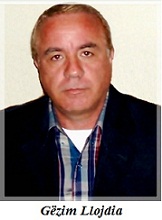
Shkruan: GEZIM LLOJDIA/

1. Zenel Kurveleshi  nënshkrimi në gazetë:((Zejnel Kurveleshi) një emër i panjohur ose ndoshta,  një pseudonim i patriotëve shqiptarë  kurveleshas jashtë mureve të perandorisë ,brenda saj e kushedi nga ku , kur mëmëdheu ynë po kalonte shekullin e 5 –të, që sundohej nga otomanët dhe si nëpër një ëndërr , viset që dikur kishin pritur Shën Palin ngase, trualli që nxirrte shenjtorë , pra aty ku  buron energjia më e madhe  e tokës që marrin jetë shenjtorët diku  afër Mesdheut  në një gadishull , prej nga ku i nxirrte udha më afër në viset arbërore për të shtegtuar më tej , ishte otomanizuar.Pra ky Zenel Kurveleshi ,  që e gjejmë si autori i poezisë të botuar  në vitin 1909, “Kalendari kombiar”,  diku nga aty nga viti 1909 nëpërmjet një poezie( dihen vlerat që mbartnin poezitë e rilindësve tanë dhe ndikimi, që ato patën në popull) për bashkëfshatarët e vet kurveleshas, lëshoi një thirrje ose një piskamë të fuqishme shpirtërore, për zgjimin shpirtëror .Ky burrë trim si gjithë kurveleshasit trimëror, shkruan :”Kurvelesh kaza e vyer/sot që na zbriti lirija/pa mendohu gjatë e gjerë)/se na ndihu Perëndija…Është viti 1909 dhe tre vite më tej pritej liria,por ndërgjegjja dhe optimizmi nga luftërat dhe përpjekjet shqiptare, ishte shtuar.Ky poet  burrë kurveleshasi prek një problem të madh për shqiptarët,sikurse rilindësit,  ai thotë,që duke mbetur të paditur mbem për lumë, thotë autori një shprehje, që përdoret sot në gjithë krahinën .

…Mbemë për lumë pra mbemë keq e më keq,pra dhe shton sa vjen e varfërohet jeta…Zenel Kurveleshi shprehet se:”Fuqin s’ua kemi,pra s’kemi kondita, që të mësojmë gjuhë të huaja,pra gjuhën e pushtuesve e cila na ka folur edhe në  ritualet fetare…Ai thotë, nuk është dëm sa më shpejt gjuhën tonë të mërijmë atje ku na ka ngjizur Zoti.E thotë, shkoqur ai shenjtori më duket nga vendi i  burrave dhe i  besës :”Neve s’na sosë Perëndia se na ka ngjizur vete……por kemi harruar se shumë kombe janë ngjizur në këtë dhe porse dhe shumë prej tyre u rrokanisën nden dhe.

Poezia botuar te:”Kalendari kombiar” sikurse edhe në numrat e tjerë  në këtë gazetë botoheshin herë pas here krijime poetike patriotike, ku bëhej thirrej për liriën ,gjuhën kombin etj.Në një strofë të vjershërimit të këtij autori  thuhet se:” A e dini o vëllezër/nga na vjen varfëria / padija na ka mbuluar / soje del armiqësia…Do të dukej i tepërt komenti i  këtij vargu. Ja këshilla e Zenel Kurveleshit për mëmëdhetarët e tij të lënë në varfëri dhe padituri.”Mësonemi në mituri/si nuk e do vetëdija / pa s’vete mbarë ajo shtëpi / heq e vuan prindërija…

2.

Një thirrje në fakt është një piskamë e Z.Kurveleshit: ”Zotërinj pleq të katundit/sot kini punë në dorë/ jepni mësime popullit / të mos mbetemi të gjorë…..

Si shqyrtuam në fillesë, dhe duke ecur radhë e radhë në sira,:ky Zenel Kurveleshi u drejtohet pleqve të katundeve të Kurveleshit, ti japi mësime popullit të katundeve të tyre, përndryshe shqyrton poeti, do mbeten të gjorë. Autori i poezisë vijon më tej duke thënë se për një pagesë të pak të vogël ,pra ka ngel keq njerëzia, dhe u thotë:” Pa doni shoqi shoqin të ndriçohet vetëdija….

Më tej autori porosit:”Në çdo katund një mësonjës / Bëtë mirë që të vëmë/në dac dëmet e botës/ Më një anë duhet ti lëmë..

Dhe në fund poeti patriot kurveleshas thotë: Më çdo cep të Shqipërisë/shkolla shqipe janë çelur / Veç fshatrat e Labërisë /enden dhe sot në gjumë…..

Nuk besoj se komenti i  tepërt, do të sqaronte ,çfarë ka shkruar e zeza mbi të bardhë autori, që është një poeti i panjohur, por gjithsesi  një  patriot kurveleshas ,që do të mirën e mëmëdheut,të mësojnë gjuhën shqipe, ngase kohët kanë ardhur me kohë dhe ne jemi ende të vonuar në rrjedhat ballkanike.

3.

Le të hedhim ca fjalë për historinë e një kuvendi historik mbledhur 4 shekuj më parë në Kurveleshin  e poshtëm. që Dihet që Kurveleshi përbëhej nga Kurveleshi i sipërm dhe ai i poshtëm. Ka shumë ngjarje historike për këtë krahinë, por po përmendin Kuvendin e  Kuçit-1614 marrë nga faqja sociale Buronjat e Kuçit të Labërisë. Ja çfarë thotë autori:Ne vitin 1614 ne gjirin e Maleve Shqiptare ne Kuç u mbajt Kuvendi Ballkanik i Kuçit ne dy seanca,ne korrik dhe ne shtator. Ne këtë kuvend gjashte ishin krerët kryesore e mes tyre dhe dy shqiptare:Lala Drekali dhe Gjin Gjergj Dukagjini,cfare tregon peshën qe kishin shqiptaret,a me mire arbrit ne këtë  kuvend. Ne Kuvendin e Kuçit u përpunua projekti i hollësishëm se si duhej zhvilluar lufta për dëbimin e pushtuesit osman nga Ballkani.Ja,se si shtrohet ne projektin e këtij kuvendi. strategjia e luftës:Kërkohen nga Evropa arme për Himarë,Dukagjinin,Malet e Veriut dhe për Malin e Zi. Nga këto katër zona do te bëheshin sulmet kryesore qe do ti paraprinin ekspeditës nga jashtë:himarjotet mbi Vlorën,dukagjinasit mbi Krujën,malësoret e Veriut,pra Malësia e Madhe dhe Pulti mbi Shkodran dhe malazezet mbi Kastelnovon.Pastaj projekti kalon e shikon ne një vizion te gjere çlirimin e mundshëm te te gjithë Ballkanit.Kete projekt Kuvendi ia besoi kapedanit shqiptar Gjon Renesit,qe t’ia paraqiste dukës se Neversit i cili kishte dhënë shenja se donte te ndërmerrte me te vërtetë një aksion ne Ballkan. Duke vazhduar rrugën e mbajtur prej kuvendeve shqiptare d.m.th. rrugën e marrëdhënieve me Perëndimin ne kushte barazie,edhe ne Kuvendin e Kuçit doli i shprehur qëndrimi për tu mbështetur ne fuqitë evropiane perëndimore. Madje ky kuvend duke pare hezitimin e fuqive tradicionale katolike i jep porosi Gjon Renesit tu deklaroje atyre:”Meqë nuk kemi me shprese ne ndihmën e princërve katolike,sepse e zgjasin punën,kemi pleqëruar se ne qofte se nuk do te ketë ndonjë rezultat konkret pre jush,ti kërkojmë ndihma princërve protestante te Evropës”.
Me pas ne vazhdën e këtij Kuvendi u mbajtën dhe kuvende te tjerë si:Kuvendi i Prokupit me 1616,ku mes arbërve te tjerë mes pjese dhe Pjeter Budi,dhe ai i Beogradit me 1620 ku kryengritësit arbër zinin vend nderi mes te pranishmeve.

LISTA E 44 KRENVE QE MOREN PJESE NE KUVENDIN E KUÇIT ME 16 KORRIK,1614.

1.Gradam-vojvoda i Novogostes
2.Konti Lala Drekali-Kuç
3.Konti Vojo-Rizan
4.Gjeç Bardhi-Mirdite
5.Prototopi Ivanoviq
6.Konti Nikolla-Piper
7.Konti Selak-Shllak
8.Vojvoda Raiç Palabardhi (Bjelopavlić)
9.Rade Vojvoda-Plan
10.Konti Petar-Plushive
11.Konti Stepan Raceći
12-Konti Drahigo Geleci
13.Konti Menzita Serciza
14. Konti Nikolla Negushi
15.Gjin Gjergj Dukagjini
16.Konti Vule Dubigini
17.Konti Radosava Bronci
18.Konti Mark ….
19.Konti Gjon-Zupa e Eper
20.Vojvoda Vuka(Vukakeqi)
21.Konti thoma-Vershevo
22.Konti Parvo
23.Vjovoda Sekuli(Gjek Culi)-Boge
24.Konti Milia-Bjela
25.Konti Gjon Plesisi
26.Konti Dragoi-Rudine
27.Konti Mileta Rigano
28.Konti Gjon Mustaki
29.Konti Millosh Çekani(Çekaj)
30.Konti Mihal-Prejs
31.Konti Thoma Kostas
32.Konti Vuisko-Bilosh
33.Konti Vigio Ravan-Griniqi(Grigjianiku)
34.Konti Vukigi(Vuk Keqi)
35.Konti Voin Balea(Baleza)
36.Konti Andria-Zupa e Poshtme
37.Konti Mile-Kupe
38.Konti Thoma-Podgorica
39.Konti Cepivo-Ljeshko Polje
40.Konti Vule-Zeta
41.Vukosha
42.Konti Andria-Plesikvci
43.Popo Voin-Zaravina
44.Konti Vojo

Filed Under: Histori Tagged With: Gezim Llojdia-Kush eshte-Zenel Kurveleshi-Gjuha shqipe

“Le Temps”: Ahmet Zogu, kur ai ishte vetëm një 19 vjeçar

January 8, 2020 by dgreca

– KUR 19 VJEÇARI AHMET BEJ MATI (ZOGU), NJË NDËR PERSONALITETET MË TË VLERËSUARA NË SHQIPËRINË QËNDRORE DHE ARMIK I BETUAR I ESAT PASHË TOPTANIT, MORI DREJTIMIN E TIRANËS NË EMËR TË PRINC VIDIT – LE TEMPS (1914)

Nga Aurenc Bebja*, Francë – 8 Janar 2020/

“Le Temps” ka botuar, të enjten e 18 qershorit 1914, në faqen n°6, një shkrim në lidhje me cilësitë (aftësitë) e Ahmet Zogut, kur ai ishte vetëm një 19 vjeçar, të cilin, Aurenc Bebja, nëpërmjet Blogut “Dars (Klos), Mat – Albania”, e ka sjellë për publikun shqiptar : 

Ahmet beu në Tiranë

Vjenë, 17 qershor.

Sipas një shkrese që na ka ardhur këtu, Ahmet bej Mati,  i cili marshoi me 1.500 ushtarë kundër Tiranës, mori drejtimin e këtij qyteti në emër të princit të Shqipërisë.

Ahmet bej Mati është një ndër personalitetet më të vlerësuara në Shqipërinë qendrore, mysliman dhe armik i betuar i Esat Pashës.

Pasi hyrjes së tij në qytet, shumë prej kryengritësve të çarmatosur e deklaruan veten në favor të princit.

Ahmet bej Mati i kërkoi princit të akordonte një amnisti.

Filed Under: Histori Tagged With: Aurenc Bebja-Ahmet Zogu-Le Temps

Fan Noli in America – A Brief Review

January 7, 2020 by dgreca

Fan Noli in North America, 1906*/

In April, 1906, with a second-class steamship ticket paid for by Spiro Dine, Fan Noli set off via Naples, Italy, for the New World and stepped of the boat in New York City on 10 May, 1906. After working in a lumber mill in Buffalo for three months, Fan Noli went to Boston where he first operated a can-labeling machine. Publisher Sotir Peci (1873-1932) gave him a job at a minimal salary as an editor of the Boston newspaper “Kombi” (“The Nation”), the first Albanian-language newspaper in the USA. He was promoted to Associate Editor of the newspaper, where he worked until May, 1907. During this time, Noli published articles and editorials under the pseudonym Ali Baba Qyteza. These were financially and personally difficult months for Fan Noli, who did not feel at all at home in America. He seriously considered immigrating to Bucharest. With time, he found his roots in the Albanian community and in early January 1907, he co-founded the “Besa-Besën” (“The Pledge”) society in Boston.

Hudson Incident and Noli’s Ordination in New York City

Some Albanian Christian families of Boston were part of the Greek Orthodox Church, which vehemently opposed the Albanian nationalist cause at that time when the Greek Orthodox Church served for Greek Orthodox Christians in North America. Tensions between community and church grew to the point where in 1907, a Greek Orthodox priest refused to officiate at the burial of Kristaq Dishnica, a member of the Albanian community from Hudson, MA, who had died from influenza. The priest had taken the position that as a nationalist, the deceased had excommunicated himself. This position reflected a political foundation, rather than a canonical one. As a consequence the body of Kristaq Dishnica was laid to rest in a Worcester cemetery without any religious service. The incident aroused the indignation and ire of the Albanians in Massachusetts, and Fan Noli recognized his calling as an opportunity to serve the spiritual needs of his own community and to champion the cause for religious and political freedom in Albania. He convoked a meeting of Albanian Orthodox people throughout New England. At the meeting, the delegates resolved to establish a separate, autonomous Albanian Orthodox Church. Fan Noli was selected to be its first clergyman. In New York, Fan Noli met with Archbishop Platon of New York and Father Alexander Hotovitzky. The former agreed to ordain Fan Noli. On 9 February, 1908, Archbishop Platon Rozhdestvensky ordained Theophan Noli to the Holy Diaconate, at Saint Nicholas Cathedral in New York City. One month later, on 18 March, 1908, Archbishop Platon ordained Deacon Theophan Noli to the Holy Priesthood at Saint Nicholas Cathedral in New York City.

First Divine Liturgy in Albanian 1908

On 22 March, 1908, the young Priest Theophan Noli celebrated the first Divine Liturgy in Albanian in the Knights of Honour Hall in Boston, using his own translations. This ordination laid the foundation for the development of a specifically Albanian Orthodox mission within the North American and Aleutian Diocese of the Church of Russia. Noli served in other localities nearby, and for the next several years, he nurtured the Albanian Orthodox community.

Paralleling his life of service in the Orthodox Church, Father Theophan was active in Albanian politics. From February, 1909, until July, 1911, he was the Chief-editor of the newspaper Dielli (“The Sun”) – which began as a publication of the Boston Albanian society “Besa-Besen”.

Before and after his ordination, Father Noli had recognised the need for liturgical texts in Albanian, and he set about translating Orthodox services and Divine Liturgies, which were published in two volumes: “Librë e shërbesave të shënta të kishës orthodoxe” (“Book of Holy Services of the Orthodox Church”, Boston, 1909), and the 315-page “Libre e te kremteve te medha te kishes orthodoxe” (“Book of Great Ceremonies of the Orthodox Church”, Boston, 1911). Other religious translations followed, in an elegant and solemn language befitting such venerable “Byzantine” traditions. Father Noli considered these translations to be his most rewarding achievement.

Beginning in August, 1911, Father Theophan toured the Albanian communities throughout Europe for four months, where he offered church services in Albanian in Odessa, Bucharest, and Sofia.

Permanent Residence in US 1932

In 1932, Metropolitan Theophan was granted permanent resident status and he returned permanently to the US. He had spent eight years in Germany while he waited for this visa. After his return to the USA, he withdrew from political life, and he returned to his duties as the head of the Albanian Orthodox Church in North America without breaking ties with the Albania Orthodox Church.

Despite all that had previously occurred, in late 1933, it was King Ahmet Zog who gave 3,000 gold francs to help pay for a treatment that Metropolitan Theophan could not afford. Through this gift, much of the animosity between them was reconciled. He was also reconciled with his old compatriot, Faik Konitza. In 1935, Noli returned to one of his earlier “passions”, music. At the age of 53, he registered at the New England Conservatory of Music in Boston, from which he graduated in 1938 with a Bachelor of Music degree.

Albanian Autocephaly 1937

On 12 April, 1937, Metropolitan Theophan’s dream of an Albanian national Church was fulfilled, when the Patriarch of Constantinople recognized the autocephaly of the Orthodox Church of Albania.

University Studies and Writing

Metropolitan Theophan (Noli) conducted research at the Boston University Music Department, and subsequently published a biography of Ludvig van Beethoven. He also composed a one-movement symphony called “Scanderbeg” in 1947. Soon after his graduation from the Boston Conservatory, Metropolitan Fan Noli turned to post-graduate studies at Boston University. He completed a Ph.D. there in 1945, with a dissertation on George Castriot Skanderbeg.

Following the end of World War II, Metropolitan Theophan maintained reasonable relations with the new communist government in Albania. He tried to persuade the USA to recognize the new state earning for himself the “red bishop” label. His attempts only generated enmity and polarized relationships amongst the US émigré circles, as the communist government campaigned to uproot all religious beliefs in Albania.

Retirement and Repose

Metropolitan Theophan spent the remaining years of his life as an academician, religious leader and writer. In 1953, Metropolitan Theophan moved to Fort Lauderdale, Florida, where he bought a house, for which he used part of a $20,000 grant from the Vatra Federation.

At age 83, Metropolitan Theophan Noli fell asleep in the Lord in his Florida on 13 March, 1965. After the Funeral Services for the Burial of a Hierarch at the Saint George Cathedral in South Boston, his body was interred in the Forest Hills Cemetery at Jamaica Plain, Suffolk County, Massachusetts.

Editor’s Book Comment: An unsurpassed multitalented figure of influence, Fan Noli has been a subject of volumes of publications and research. One work that focuses on Noli’s American Years is authored by Avni Spahiu, Kosovo’s first ambassador to the US in 2009. An experienced translator and writer, Spahiu penned a biography that offers a “multisided work that sets to synthesize the modern history of the Albanian people through the life and deeds of the founder of the Albanian Orthodox Church Prime Minister of Fan Stilian Noli”. Further, the review of the 2009 English translation printed by Jalifat publishing states: “A Harvard alumnus and later dual citizen who spent most of his life in the United States, Fan Noli outshined in many walks of life: literature, journalism, publications, translations, theology, religious leadership, diplomacy, politics, music and helped shape the foundations of the Albanian nation. Master of 14 languages, a distinguished Shakespearean scholar and translator as well as an accomplished historian. Blessed by the American freedom of expression, which Noli admired, Spahiu is unbound to previous censorship and restrictions that the communist regime in Albania and the foreign occupation of Kosovo imposed on scholarship.” The author delivers a neutral point of view on Noli’s life and activities as a leader of the Albanian-American community in “a work purported for a wide and diverse audience.”  

*Avni Spahiu – Fan Noli’s American Years -Notes on a Great Albanian American Paperback – 2009

Filed Under: Histori Tagged With: Avni Spahiu-Fan Noli's American Years

ME 11 JANAR DO TË PËRKUJTOHET GJENERAL ABAZ KUPI

January 2, 2020 by dgreca

Njoftimi i Partisë Lëvizja e Legalitetit për SHBA dhe Familja KUPI/

            Partia Lëvizja e Legalitetit, Dega e SHBA-së, në bashkëpunim me familjen Kupi, ka nderin të njoftojë komunitetin shqiptar, entet fetare dhe politike,mbretërorët shqiptarë, anëtarët e Partisë Lëvizja e Legalitetit, miqtë dhe dashamirët e familjes Kupi, se edhe sivjet, si cdo vjet, ditën e Shtunë me datë 11 Janar 2020, në orën 11:30 AM do të mblidhemi tek varri i Gjeneral Abaz Kupit, në varrezat Maple Grove Cemetery, në Kew Gardens New York, për të përkujtuar 44- vjetorin e vdekjes së këtij udhëheqësi të madh të nacionalizmit shqiptar, njeriut simbol të besës ndaj atdheut, themeluesit të Organizatës Kombëtare “Lëvizja e Legalitetit”, politikanit te pa kompromis, besnikut të pashok ndaj Mbretit Zog dhe mbi të gjitha organizatorit të rezistencës antifashiste të 7 Prillit 1939, Kryetarit tonë dhe heroit kombëtar, Abaz Kupi!


Abaz Kupi (Krujë, 6 gusht 1892 – New York, 9 janar 1976)/

    Tubimi do të mbahet më 11 Janar 2020, në orën 11:00 am në adresën e mëposhtme:

Directions

127-15 Kew Gardens Road, Kew Gardens, New York 11415
Telephone: 718-544-3600, Fax: 718-544-2227

     Të gjithë Shqiptarët janë të ftuar dhe të mirëpritur.

                     Mirë se të vini!

Kryesia e Partisë Lëvizja e Legalitetit për SHBA

Filed Under: Histori Tagged With: Abas Kupi-Perkujtimi-44 vjetori

  • « Previous Page
  • 1
  • …
  • 262
  • 263
  • 264
  • 265
  • 266
  • …
  • 710
  • Next Page »

Artikujt e fundit

  • “Gjeneral-Ambasador i ShBA në TR, besim dhe përgjegjësi e shtuar për RSh”
  • Norwegians and foreigners from other countries who greatly helped make peace in Kosova
  • Fan Noli dhe Faik Konica, arkitektët e diplomacisë shqiptaro-amerikane që shpëtuan Shqipërinë nga copëtimi
  • Eliot Engel, in memoriam…
  • 21 prill 1921, ditë e madhe e shtetit shqiptar. U hap në Tiranë mbledhja e parë, e parlamentit të parë, i dalë nga zgjedhjet e para. Historitë e deputetëve Ali Këlcyra dhe Ali Koprëncka
  • KOMITETI “MBROJTJA KOMBËTARE E KOSOVËS” NË  FONDET ARKIVORE TË ARKIVIT TË SHTETIT SHQIPTAR
  • The Architecture of Alignment
  • Kujtojmë me nderim arkeologun dhe studiuesin e shquar Skënder Anamali
  • Një moment në historinë kombëtare…
  • ELIOT ENGEL – NJË MIK I PAHARRUAR I SHQIPTARËVE DHE ZË I LIRISË DHE DREJTËSISË PËR KOSOVËN
  • REALIZIMI I TË DREJTAVE GJUHËSORE SHQIPTARE (1924–2026): ARTIKULIMI QYTETAR DHE DIPLOMACIA
  • BOOKFEST NË CHICAGO
  • “Brenga”, trinomi filozofik nga rrëfimi historik tek drama morale
  • Vatra Boston mbështet ekspozitën e kostumeve tradicionale shqiptare
  • Në kujtim të 160 civilëve shqiptarë – viktima të gjenocidit shtetëror të Serbisë fashsite!

Kategoritë

Arkiv

Tags

albano kolonjari alfons Grishaj Anton Cefa arben llalla asllan Bushati Astrit Lulushi Aurenc Bebja Behlul Jashari Beqir Sina dalip greca Elida Buçpapaj Elmi Berisha Enver Bytyci Ermira Babamusta Eugjen Merlika Fahri Xharra Frank shkreli Fritz radovani Gezim Llojdia Ilir Levonja Interviste Keze Kozeta Zylo Kolec Traboini kosova Kosove Marjana Bulku Murat Gecaj nderroi jete ne Kosove Nene Tereza presidenti Nishani Rafaela Prifti Rafael Floqi Raimonda Moisiu Ramiz Lushaj reshat kripa Sadik Elshani SHBA Shefqet Kercelli shqiperia shqiptaret Sokol Paja Thaci Vatra Visar Zhiti

Log in

This website uses cookies to improve your experience. We'll assume you're ok with this, but you can opt-out if you wish. Cookie settingsACCEPT
Privacy & Cookies Policy

Privacy Overview

This website uses cookies to improve your experience while you navigate through the website. Out of these cookies, the cookies that are categorized as necessary are stored on your browser as they are essential for the working of basic functionalities of the website. We also use third-party cookies that help us analyze and understand how you use this website. These cookies will be stored in your browser only with your consent. You also have the option to opt-out of these cookies. But opting out of some of these cookies may have an effect on your browsing experience.
Necessary
Always Enabled
Necessary cookies are absolutely essential for the website to function properly. This category only includes cookies that ensures basic functionalities and security features of the website. These cookies do not store any personal information.
Non-necessary
Any cookies that may not be particularly necessary for the website to function and is used specifically to collect user personal data via analytics, ads, other embedded contents are termed as non-necessary cookies. It is mandatory to procure user consent prior to running these cookies on your website.
SAVE & ACCEPT