• Home
  • Politics
  • Opinion
  • Culture
  • Sports
  • Economy
  • Interview
  • Reporting
  • Community
  • Vatra

Dielli | The Sun

Albanian American Newspaper Devoted to the Intellectual and Cultural Advancement of the Albanians in America | Since 1909

Historia që Evropa nuk deshi ta tregonte

July 11, 2026 by s p

Prof. Dr. Pal Nikolli/

Në histori, padrejtësitë nuk kryhen vetëm me armë. Shpesh ato kryhen edhe me heshtje. Një popull mund të pushtohet me ushtri, por mund të zhduket nga kujtesa edhe duke i mohuar historinë, kontributin dhe të drejtën për t’u njohur. Pikërisht këtë tezë mbron historiani zviceran Dr. Aleksandre Lambert, drejtor akademik i School of International Training në Gjenevë, autor i librave dhe studimeve mbi marrëdhëniet ndërkombëtare, filozofinë politike dhe politikën e sigurisë.

Lambert nuk është një studiues që flet mbi bazën e emocioneve. Ai është njohur me çështjen shqiptare përmes dokumenteve të Arkivit të Lidhjes së Kombeve në Gjenevë, ku ka studiuar edhe dramën e popullsisë çame. Pikërisht aty ai arriti në përfundimin se historia e shqiptarëve nuk është vetëm historia e një kombi me kontribute të jashtëzakonshme, por edhe historia e një padrejtësie të gjatë diplomatike.

Paradoksi është tronditës.

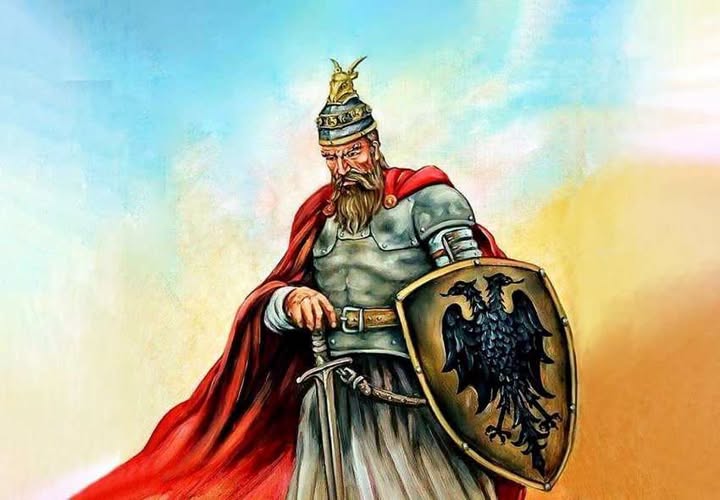
Një komb që i dha Evropës Papën Klementi XI, Perandorisë Osmane vezirët e familjes Qyprili, Egjiptit modern themeluesin e tij Muhamed Ali Pashën, Italisë Francesco Crispin, Greqisë një pjesë të mirë të heronjve të revolucionit për pavarësi dhe qytetërimit botëror figurën universale të Gjergj Kastriotit Skënderbeut, vazhdon të paraqitet në shumë tekste historike si një popull periferik.

Si është e mundur?

Për Lambertin, përgjigjja fillon në vitin 1878.

Kongresi i Berlinit nuk ishte vetëm një konferencë diplomatike. Ai shënoi momentin kur interesat gjeopolitike të Fuqive të Mëdha u vendosën mbi të drejtën historike të shqiptarëve. Ndërsa Serbia, Mali i Zi dhe Greqia zgjeroheshin, shqiptarët nuk kishin as zë dhe as vend në tryezën ku vendosej fati i tyre. Tokat shqiptare u trajtuan si monedhë shkëmbimi për ruajtjen e ekuilibrit evropian.

Nga ajo ditë nisi një padrejtësi që nuk u ndal.

Lidhja Shqiptare e Prizrenit lindi si reagim ndaj kësaj politike, por as ajo nuk gjeti mbështetjen që meritonte. Siç shprehet Lambert, shqiptarët “u lanë në baltë nga të gjithë”. Nuk është një fjali propagandistike. Është përmbledhja e një realiteti historik, ku interesat e mëdha mbizotëruan mbi të drejtën e një kombi.

As Konferenca e Londrës më 1912–1913 nuk e ndreqi këtë padrejtësi. Shqipëria u njoh si shtet, por gjysma e kombit mbeti jashtë kufijve të saj. Më pas, pas Luftës së Dytë Botërore, ndarja e Evropës në sfera influence e la Shqipërinë në bllokun komunist, ndërsa izolimi ekstrem i regjimit e shkëputi vendin nga zhvillimet demokratike dhe ekonomike të kontinentit për gati pesë dekada.

Por problemi nuk qëndron vetëm te vendimet politike.

Një padrejtësi tjetër është zhvilluar në heshtje: ajo e kujtesës historike. Kontributet shqiptare në qytetërimin evropian janë trajtuar shpesh si episode të veçuara, pa u lidhur me identitetin e popullit që i dha botës këto personalitete. Kur historia shkruhet nga fitimtarët, popujt e vegjël rrezikojnë të mbeten vetëm shënime në fund të faqes.

Prandaj mesazhi i Lambertit mbetet aktual edhe sot. Shqiptarët nuk kanë nevojë të shpikin një histori të lavdishme; ata kanë nevojë ta njohin dhe ta dokumentojnë historinë e tyre reale. Vetëm kërkimi shkencor serioz, botimet akademike, arkivat dhe diplomacia kulturore mund të korrigjojnë boshllëqet e krijuara gjatë më shumë se një shekulli.

Historia nuk mund të ndryshohet. Por mënyra si e tregojmë atë mund të ndryshojë.

Dhe ndoshta sfida më e madhe për shqiptarët nuk është të bindin botën se kanë ekzistuar, por të provojnë me dokumente se kanë qenë ndër ata popuj që kanë kontribuar shumë më tepër për qytetërimin evropian sesa u është njohur.

Sepse një komb nuk humbet vetëm kur i marrin tokën. Humbet edhe kur i marrin kujtesën. Dhe rikthimi i së vërtetës historike është hapi i parë për rikthimin e dinjitetit kombëtar.

Filed Under: Histori

Historic Albanian American Audio Recordings from the Louis M. Prifti Audio Archive, Archbishop Theofan Stilian Noli, Harvard Symposium Collection

July 10, 2026 by s p

A Legacy Preserved: The Initiative to Share and Safeguard an Historic Audio Archive

By: Joanne Prifti-Nicholas

The upcoming distribution marks the first public step toward preserving this legacy for future generations while ensuring proper attribution and historical context.

Early Years and Career at the Voice of America (VOA) 1951-1982

Louis M. Prifti (1914-1984) was born in Borova, Albania. He immigrated to the United States in 1931, settling in Philadelphia where his father worked as a stonemason at the Philadelphia Museum of Art. In 1941, Mr. Prifti enlisted with the Army Air Force, and was awarded the Distinguished Flying Cross, Silver Star, The Presidential Unit Citation, and the Air Medal with five oak leaf clusters for his service as a ball turret gunner on B-17s. On July 6, 1943, he learned that his parents, along with other villagers in Borova, had been massacred by Nazis. Mr. Prifti lived in Philadelphia until 1951 when he moved to Bridgeport, Connecticut, and commuted to the Voice of America office in New York. In 1952 he married, and when the VOA relocated to Washington, D.C. in 1954, he and his family followed. He was a pioneering journalist and central figure in the Albanian Service during the Cold War, serving as the Deputy Chief, a Radio Script writer, Editor, Producer, On-Air Broadcaster, and Special Events Correspondent.

Methods and key historical figure interviews

While many staffers were hired strictly as writers or editors, as a producer, he managed the technical delivery, pacing, musical and audio formatting of the twice daily radio programs. As the Special Events Correspondent he was instrumental in recording and preserving many speeches and interviews of the prominent Albanian American Archbishop, Fan S. Noli, including his funeral proceedings, and Harvard Symposium celebrating the centennial of his birth. His recordings also included interviews with influential Albanian American figures including Anthony Athanas, Dr. Andrew D. Elia, Guiseppe Schiro, Bekim Femihu, Dorothy Lambert, Rev. Arthur Liolin, and Elias Mitchell.

Preservation of a historic audio archive and why it remains valuable today

The entirety of this archive was captured and personally archived at a time when the original tapes were often reused or discarded. Most of these recordings have not been heard since they were broadcast from the VOA, and as such, this collection represents a unique and irreplaceable cultural record. Mr. Prifti’s effort as an advocate for preserving Albanian American heritage, not only ensured the safekeeping of the material, but it also honors his legacy as a journalist, highlighting his integrity and cultural insight. This collection provides a rare glimpse into the language, culture, religion, and history of the Albanian diaspora through the eyes of some of its most important cultural figures. It offers a valuable opportunity for intergenerational dialogue, fostering cultural pride and identity within the Albanian community, and a lasting resource for clergy, authors, historians, and scholars.

Collaboration and teamwork at the VOA

As one of the early Albanian American voices during the Cold War, Mr. Prifti worked closely with other distinguished VOA colleagues such as Joseph Paskal (Service Chief), Xhevat Kallajxhi (publisher and journalist), Peter Tyko (Eastern European Specialist, Editor), Kleanth Mima (a long-time contributor to the Albanian service), Talat Karagjozi (broadcaster, producer, editor and later Service Chief), and Frank Shkreli. Mr. Shkreli, who was trained by Mr. Prifti, later went on to work for the Albanian Service for many years as an International Broadcaster, Special Events Reporter, Producer, and Senior Editor before being promoted to Director of the European Division, overseeing all VOA broadcasts to Europe and Eurasia. Together, they broadcast free press and uncensored news into a then-isolated Albania. They formed an intellectual core and formidable team that defined VOA’s Albanian presence for decades, helping to inform the Albanian American public and keep ties with the homeland during a challenging historical period. Working from the VOA headquarters in Washington, D.C., Prifti helped maintain a daily lifeline of accurate and balanced news twice a day to Albania, where the Hoxha regime had banned foreign media. These Albanian American intellectuals and patriots have made a valuable contribution to the mission and efforts known for the national cause, especially in the promotion of democracy through the press and diaspora organizations.

Legacy of the Albanian Service: Mr. Prifti and his colleagues are mentioned by former VOA Albanian Service journalists, such as Frank Shkreli and Elez Biberaj as heroes of the era who defended the truth through free speech when communist regimes in Europe sought to censor outside information.

Community and faith connection: Mr. Prifti’s insight for the importance of social community was also instrumental in his role as a leading founder of the AANO in 1946 – the Albanian American National Organization, a non-religious, non-political federation seeking to preserve Albanian heritage. AANO still unites the diaspora through celebrating youth, networking, cultural initiatives, and an annual national convention. Prifti was the Editor of the organization’s newspaper “Shqiptari.” He saw tight knit Albanian communities fragment after the war when veterans received funds from the GI Bill for college degrees, job training, or home loans. As they moved away from ethnic urban enclaves to the suburbs, the Albanian community began its shift from multi-generational households to modern nuclear families. To keep their heritage alive, families stayed connected through the AANO’s annual events. Mr. Prifti’s daughter met her husband at one of these conventions. Mr. Prifti held deep ties to the Albanian Orthodox community and maintained connections with St. John’s Chrysostom in Philadelphia.

What distinguishes this archive and efforts to digitize the recordings as the next step of stewardship of this archive.

Over the last few years, material related to the Works has been organized in order to maintain provenance and protect historical context. High fidelity, digitized versions of each reel-to-reel recording are now complete. This process reproduces sound with maximum accuracy to the performance created from the original seventeen Noli recordings. This digitized format ensures accessibility and is complete with audio introductions, full citation and attribution information, summaries of each specific recording’s content, the content itself, and closing remarks. Companion documents include a Schedule of Works and an Excel spreadsheet with detailed information about the audio files including Recording Numbers, Speaker(s), Dates, Locations Recorded, Running Time, Collection Information and Summaries. Several raw transcripts have also been drafted. For scholars, the academic citation is a fundamental tool for tracing the lineage of the material. Beyond merely informing the audience, proper citation upholds the highest standards of academic integrity by guaranteeing the appropriate attribution to the original recordist that they deserve. Currently, the Works are being regifted to the Albanian Archdiocese of America in Boston, Noli’s Church, and the original location Mr. Prifti first entrusted the material. The Library of Congress is undergoing their acquisition process and will receive the original reel to reel tapes for provenance. Presently, a distribution list is being developed to offer the Works to archives, libraries, scholars, and diaspora groups within the United States and abroad, so that others may continue to learn about our shared heritage. As Mr. Prifti’s daughter, I have a clear mission and vision to honor my father’s legacy with a shared stewardship approach to distribution and usage. This collection benefits most when it is preserved through cooperation among religious institutions, archives, libraries, scholars, and diaspora organizations, while maintaining proper attribution and historical context. This approach reflects a commitment to collaborative care, preservation, accuracy, relationships, integrity, and respect for the cultural, religious, and historical significance of material. It becomes a “living project.”

Attribution and Recognition:

Mr. Prifti’s life’s work is deserving of respect for provenance and intellectual attribution – by use of the requested citation and attribution whenever the material is used, shared, reproduced, distributed, quoted, excerpted, referenced, published, or used in public display. As a condition of receiving these materials, the Recipient / Institution will be asked to include the following full citation and attribution wherever the Works are used: “Courtesy of the Audio Archive of Louis M. Prifti, Deputy Chief, Radio Script Writer, Editor, Producer, On Air Broadcaster and Special Events Correspondent of the Voice of America, Albanian Service 1951–1982.” Those who find value in or make use of the Works are welcomed to consider a voluntary donation in recognition of preserving this cultural heritage and may be directed to AAOA, The Albanian Archdiocese of America in Boston, Massachusetts. To ensure your donation is directed properly, please include a note designating your gift for the Noli Archives Project. 617-268-1275. https://albanianarchdiocese.org/ .

Filed Under: Histori

Shqiptarët e Plavës e Gucisë, sipas A. Cevdet, 1862

July 9, 2026 by s p

Dr. Eduart Caka/

“Pasi kishin pësuar humbje të mëdha në luftimet kundër trupave osmane dhe u thyen edhe këtë herë të fundit, malazezët e kuptuan se e kishin të pamundur që ta merrnin me forcë Gucinë, prandaj iu drejtuan sërish shteteve të Europës për ndihmë. Edhe këta të fundit i dërguan paralajmërime shtetit osman që t’i ndalonte shqiptarët për t’u vajtur në ndihmë banorëve të Gucisë por, meqenëse për gegët çështja e fshatrave Vuthaj dhe Martinaj në kazanë e Gucisë ishte një çështje nderi, qe e pamundur që t’u imponohej diçka e tillë shqiptarëve. Sikurse u përmend edhe më lart, shteti osman e kishte liruar e braktisur kazanë e Gucisë duke e zbatuar vendimin e Kongresit, prandaj ai nuk mbante asnjë përgjegjësi në këtë mes.

Po ashtu, nëse nahija e Vasojeviçit të Poshtëm, e cila ishte lënë në anën e Bosnjës, do të shkëmbehej me kazanë e Gucisë, Mali i Zi mbetej i kënaqur dhe çështja konsiderohej e zgjidhur. Ky ishte mendimi im modest, që gjeti edhe mbështetjen e autoriteteve përkatëse por ishte kabineti i Austrisë ai i cili nuk e pranoi këtë formë zgjidhjeje. As Porta e Lartë nuk këmbënguli më gjatë në këtë drejtim. Por ambasadorët kryen një manovër tjetër diplomatike, sipas së cilës kërkonin dhënien e një hapësire tjetër territoriale në vend të Gucisë.

Më konkretisht, ambasadori i mëparshëm i Italisë, Korti do të shprehej se “meqenëse banorët e Gucisë janë myslimanë dhe shqiptarët do t’i mbrojnë vazhdimisht, situata nuk do të gjejë zgjidhje. Ndërkohë që popullsia e zonave në anët e Podgoricës nuk janë kryesisht myslimanë”, prandaj kërkonte që këto vende t’i jepeshin Malit të Zi në këmbim të Gucisë.

Ndërkohë që pjesa më e madhe e malësorëve, të cilët u erdhën në ndihmë banorëve të Gucisë, ishin katolikë dhe, sikurse e përmenda më sipër, qëllimi kryesor i tyre ishte mbrojtja e fshatrave dhe e zonave shqiptare. Ishte e qartë se malësorët, të cilët kishin ndërmarrë kaq shumë sakrifica për mbrojtjen e dy fshatrave myslimane, i përkisnin malësisë së Kelmendit. Pra, nuk u kishin ardhur në ndihmë atyre për faktin se ishin myslimanë. Nga ana tjetër, vendet në anët e Podgoricës që përfliteshin për t’ua dhënë malazezëve ishin Gruda dhe Hoti, dy zona të cilat ishin ngjitur me malësorët e Kelmendit. Nëse malësorët ishin ngritur në këmbë për dy fshatra shqiptare në kazanë e Gucisë, sigurisht që nuk do të pranonin t’i jepej Malit të Zi i asnjë pëllëmbë tokë nga zonat e banuara prej tyre. Madje, në një rast të tillë, e gjithë Gegëria do të ngrihej për të sulmuar Malin e Zi. Nuk dihet si ndodhi, por Ministria e Jashtme e pranoi propozimin e Kortit dhe kështu u firmos një dokument që parashikonte pagimin e një bedeli prej malësorëve të Shkodrës në vend të Gucisë…” A. Cevdet, 1862.

https://www.academia.edu/resource/work/104491208

Filed Under: Histori

Nga kujtimet e Mid’hat Frashërit per Murat Toptanin

July 8, 2026 by s p

Instituti “Lumo Skendo”/

“Murat Toptani është një portret i përkryer i tipit analitiko-psikologjik. Gjithçka, edhe tiparet e fytyrës së Murat Toptanit, edhe virtytet e tij si patriot, orator, njeri me humor, edhe aftësitë e tij si piktor, poet, këngëtar, etj jepen nëpërmjet brendësisë së shpirtit të tij, psikologjisë së tij të veçantë. “I hollë, i ligur, fytyrë të kuqe ku qeshin sytë e tij të kaltër… Më të rrallë më ka takuar ta shoh Muratin të zemëruar, të vrenjtur ose serioz. Atëherë mërzia i mirrte një dukje tragjike, ngrinte zërin dhe pandehte njeriu se këta të skuqur dhe të egërsuar s’do t’i kthjellohej më. Po qe shtrëngatë e shkuarshme përnjëherë dhe me një shpejtësi të çuditshme nga mërzia në qeshje e fytyra i zbutesh nën shkëlqimin e syve të kaltër”.

Murat Toptani ka lindur më 13 korrik 1867 në Aka, (Kaukaz) në kohën e internimit të babait-Said Toptanit. Ai ka qenë patriot, atdhetar, ushtarak, poet, publicist, piktor, skulptor si dhe mësues, që punoi shumë për futjen e gjuhës shqipe nëpër shkollat turke. Gjithashtu zotëronte disa gjuhë të huaja si, turqisht, frëngjisht, arabisht, persisht, gjermanisht dhe italisht. Mësimet i filloi në shkollën “Madam Fyrer”, ndërsa studimet e larta i vazhdoi në “Gallata Saraj” të Stambollit. Gjatë vijimit të mësimeve në “Madam Fyres”, pati rastin të njihet me Asijen, vajzën e poetit komëtar Naim Frashërit. Kjo njohje motivoi lindjen e një dashurie të sinqertë në mes Muratit dhe Asijes, ndërsa më vonë me pëlqimin e vëllezërve Frashëri këta dy të rinj u martuan.

Lidhjet mes familjes Toptani dhe Frashëri u forcuan edhe më shumë kur Vesimeja, motra e Murat Toptanit, u martua me më të voglin e vëllezërve Frashëri, me Mehmet Frashërin. Më 1912 Murat Toptani ka qenë përfaqësues i Tiranës në Kuvendin e Vlorës, ku firmosi Aktin e Pavarësisë. Murat Toptani njihet si dhe një nga pionerët e skulptures shqiptare, me realizmin e bustit të Skënderbeut. Ai vdiq në Tiranë në vitin 1918.

Filed Under: Histori

Kujtojmë sot, në përvjetorin e ndarjes nga jeta, akademikun Aleks Buda

July 7, 2026 by s p

Akademik Aleks Buda u nda nga jeta më 7 korrik 1993, në Tiranë, duke lënë pas një trashëgimi të pasur që e vendos ndër figurat më të ndritura të historiografisë shqiptare dhe të jetës akademike të vendit.

Si kryetar i parë i Akademisë së Shkencave, që në themelimin e saj në vitin 1972, dhe si studiues me formim e kulturë të gjithanshme, historike, gjuhësore, arkeologjike, etnografike, të artit mesjetar e më gjerë, akad. Buda dha një kontribut të çmuar në organizimin e punës kërkimore­shkencore.

Ai lindi në vitin 1911, në një familje fisnike dhe patriote të Elbasanit. I ati, Dhimitër Buda, farmacist i njohur, kontribuoi si delegat në Kongresin e Manastirit dhe si një nga financuesit e Shkollës Normale të Elbasanit, duke lënë gjurmë të rëndësishme në historinë e arsimit shqiptar.

Shkollimin fillor e kreu në Leçe të Italisë, të mesmen në Zalcburg të Austrisë, ndërsa studimet e larta në Fakultetin e Filozofisë të Universitetit të Vjenës. Në vitet 1939–1943 punoi si mësues në Liceun e Tiranës dhe të Korçës. Mori pjesë në Lëvizjen Antifashiste Nacionalçlirimtare dhe më 1944 u zgjodh nënkryetar i Këshillit ANÇ të qarkut të Elbasanit.

Në vitet 1945–1946 drejtoi Bibliotekën Kombëtare, ku dha një ndihmesë të çmuar në organizimin e fondit të saj. Më pas ishte një ndër organizatorët e Institutit të Shkencave, ku themeloi sektorin e historisë dhe sociologjisë, duke kontribuar në ngritjen e sektorëve të arkeologjisë, historisë së lashtë, mesjetës, kohës së re, artit mesjetar dhe etnografisë. Me formimin e Institutit të Historisë dhe të Gjuhësisë më 1955, Buda hodhi bazat e medievistikës shqiptare, duke e vendosur këtë fushë në themelet e saj shkencore.

Me ngritjen e Universitetit të Tiranës, ai u bë një ndër themeluesit e katedrës së historisë së Shqipërisë dhe të kursit të historisë së Shqipërisë në Fakultetin e Historisë dhe të Filologjisë. Punoi me përkushtim për përgatitjen e historianëve të rinj, sidomos në fushën e historisë mesjetare, duke formuar breza të tërë studiuesish.

Akademia e Shkencave e Shqipërisë e kujton me nderin akademikun Buda, duke e vlerësuar si një simbol të përkushtimit dhe vizionit europian për zhvillimin e shkencës dhe kulturës kombëtare.

www.akad.gov.al

Filed Under: Histori

  • « Previous Page
  • 1
  • …
  • 6
  • 7
  • 8
  • 9
  • 10
  • …
  • 728
  • Next Page »

Artikujt e fundit

  • NGA PARALAJMËRIMI: “DEMOKRACIA NUK PRET” TE ZGJIMI QYTETAR DHE ALARMI: DEMOKRACIA NË RREZIK!
  • BIJTË E BESËS SHKODRANE
  • Reagimi i munguar i elitave akademike
  • “Një koncept-ide mbi një statujë monumentale të Mbretit ilir, Genti, në Lezhë”
  • Demokracia nuk mund të qeveriset nga zhurma
  • Sensi dhe nonsensi i parrullave: nga revolta te alternativa
  • Regjisori Jani Tane – Nga TVSh-ja në Zemër të Italisë
  • “Kryetari i kelmendasve” Uc Turku, në 100-vjetorin e përcaktimit përfundimtar të kufirit në Vermosh
  • ARTI QË BËHET DASHURI DHE NDIHMË
  • ÇFARË KA MBETUR SOT NGA MENDIMI POLITIK I ARBËN XHAFERIT?
  • Nga emigrimi masiv te humbja e kontrollit mbi pasuritë kombëtare
  • LEKSIKU I POEZISË SATIRIKE TË ALI ASLLANIT
  • Çmësimi i shqiptarëve me shtetin
  • Forca e protestës…
  • Frymëzim, energji pozitive e dashuri për jetën…

Kategoritë

Arkiv

Tags

albano kolonjari alfons Grishaj Anton Cefa arben llalla asllan Bushati Astrit Lulushi Aurenc Bebja Behlul Jashari Beqir Sina dalip greca Elida Buçpapaj Elmi Berisha Enver Bytyci Ermira Babamusta Eugjen Merlika Fahri Xharra Frank shkreli Fritz radovani Gezim Llojdia Ilir Levonja Interviste Keze Kozeta Zylo Kolec Traboini kosova Kosove Marjana Bulku Murat Gecaj nderroi jete ne Kosove Nene Tereza presidenti Nishani Rafaela Prifti Rafael Floqi Raimonda Moisiu Ramiz Lushaj reshat kripa Sadik Elshani SHBA Shefqet Kercelli shqiperia shqiptaret Sokol Paja Thaci Vatra Visar Zhiti

Log in

This website uses cookies to improve your experience. We'll assume you're ok with this, but you can opt-out if you wish. Cookie settingsACCEPT
Privacy & Cookies Policy

Privacy Overview

This website uses cookies to improve your experience while you navigate through the website. Out of these cookies, the cookies that are categorized as necessary are stored on your browser as they are essential for the working of basic functionalities of the website. We also use third-party cookies that help us analyze and understand how you use this website. These cookies will be stored in your browser only with your consent. You also have the option to opt-out of these cookies. But opting out of some of these cookies may have an effect on your browsing experience.
Necessary
Always Enabled
Necessary cookies are absolutely essential for the website to function properly. This category only includes cookies that ensures basic functionalities and security features of the website. These cookies do not store any personal information.
Non-necessary
Any cookies that may not be particularly necessary for the website to function and is used specifically to collect user personal data via analytics, ads, other embedded contents are termed as non-necessary cookies. It is mandatory to procure user consent prior to running these cookies on your website.
SAVE & ACCEPT